FREE! Ask Ayurvedic Doctors 24/7

 Fast responses
 1000+ verified doctors
Sookshma Triphala: A Potent Ayurvedic Blend for Holistic Wellness

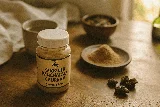
Sookshma Triphala is a classical Ayurvedic formulation that combines the three fruits of Triphala — Haritaki (Terminalia chebula), Bibhitaki (Terminalia bellirica), and Amalaki (Emblica officinalis) — with Kajjali (purified mercury-sulphur compound) to create a potent herbo-mineral medicine. It is primarily used for ENT disorders, eye infections, oral hygiene, chronic fevers, cough, cold, and tonsillitis, though its therapeutic scope extends well beyond these conditions. The word "Sookshma" (सूक्ष्म) literally means "subtle" or "micro-fine," indicating that this preparation undergoes a specialized trituration process that makes the active compounds far more bioavailable than ordinary Triphala churna.
If you've been searching for a reliable, comprehensive resource on this formulation — what it is, how it works, who should take it, who should avoid it, and how it compares to regular Triphala — you're in the right place. This guide covers everything, including details that most sources online simply skip over.
What Is Sookshma Triphala Vati?
Sookshma Triphala Vati is a tablet-form (vati) Ayurvedic medicine rooted in the Rasa Shastra tradition of Ayurveda — the branch that deals with herbo-mineral preparations. Unlike plain Triphala, which is a simple herbal powder, Sookshma Triphala incorporates Kajjali as a catalyst that enhances the therapeutic potency and tissue-penetrating ability of the formulation.
The formulation has been in use for over centuries as part of the Rasayana (rejuvenation) category of Ayurvedic medicines. Its classical reference can be traced to texts such as the Sharangadhara Samhita and allied Rasa Granthas (treatises on Ayurvedic alchemy and mineral-based medicines), where detailed instructions for its preparation and indications are outlined.
Definition and Meaning of "Sookshma"
The Sanskrit term "Sookshma" translates to "subtle," "fine," or "micro." In the context of this formulation, it refers to the process of Bhavana (wet trituration) through which the ingredients are ground repeatedly with Triphala Kadha (decoction) or Triphala Swarasa (juice). This process reduces the particle size to an exceptionally fine level, which serves two purposes:
- 1.Enhanced bioavailability — the micro-fine particles are absorbed more efficiently through the gastrointestinal lining and mucous membranes.
- 2.Deeper tissue penetration — in Ayurvedic pharmacology, Sookshma Guna (subtle quality) allows the medicine to reach the Sukshma Srotas (micro-channels) of the body, making it effective at a cellular level.
This is fundamentally what separates Sookshma Triphala from a regular Triphala supplement.
Classical Textual Reference (Shastra Pramana)
While many websites mention that Sookshma Triphala is a "classical formulation," none actually cite the source. The formulation finds mention in the Sharangadhara Samhita, Madhyama Khanda (middle section), which deals with various pharmaceutical preparations including vati (tablets) and gutika (pills). Additionally, references appear in Bhaishajya Ratnavali and certain regional Rasa Granthas that elaborate on the Bhavana process and specific indications for ENT, ocular, and systemic disorders.
Having a classical textual backing is significant — it means the formulation has undergone centuries of empirical validation within the Ayurvedic clinical tradition, not just modern commercial formulation.
What Are the Ingredients in Sookshma Triphala?
- The composition of Sookshma Triphala Vati is deceptively simple, but each ingredient plays a critical role.
- Here is the detailed breakdown for a standard 250 mg tablet:
| Ingredient | Sanskrit Name | Latin / Botanical Name | Approximate Quantity per Tablet | Role |
|---|---|---|---|---|
| Haritaki | हरीतकी | Terminalia chebula | ~62 mg | Balances Vata, mild laxative, rejuvenator |
| Bibhitaki | बिभीतकी | Terminalia bellirica | ~62 mg | Balances Kapha, astringent, mucolytic |
| Amalaki | आमलकी | Emblica officinalis | ~62 mg | Balances Pitta, richest natural Vitamin C source, antioxidant |
| Kajjali | कज्जली | Purified Mercury + Purified Sulphur | ~62 mg | Yogavahi (bio-enhancer), catalytic carrier |
| Triphala Kadha (decoction) | त्रिफला काढा | — | Q.S. (quantity sufficient) | Used for Bhavana (trituration medium) |
Note: Exact proportions may vary slightly between manufacturers. Always check the label for brand-specific composition.
The Critical Role of Kajjali — What Nobody Tells You
This is perhaps the most important section of this entire guide because no competitor adequately explains it.
Kajjali is a fine black powder prepared by grinding together Shuddha Parada (purified mercury) and Shuddha Gandhaka (purified sulphur) in a mortar until the mixture loses its metallic lustre and becomes a smooth, lusterless black compound. This process is called Kajjali Nirmana. Why is it safe? The raw mercury and sulphur are never used directly. They undergo rigorous Shodhana (purification) processes described in Rasa Shastra texts — including multiple rounds of washing with herbal decoctions, grinding with specific plant juices, and heating cycles. A 2012 study published in the Journal of Ayurveda and Integrative Medicine demonstrated that traditionally processed Kajjali shows significantly reduced free mercury levels compared to raw cinnabar, with the mercury being bound in a stable sulphide form (HgS) that has minimal bioavailability for toxic effects. Pharmacological role: Kajjali acts as a Yogavahi — a term in Ayurvedic pharmacology meaning "bio-enhancer" or "catalytic carrier." It doesn't just sit passively in the formulation; it actively amplifies the therapeutic efficacy of the herbs it accompanies and carries them deeper into the body tissues (Dhatus). Think of it as a delivery mechanism that makes the Triphala components work faster and at lower doses than they would alone. That said, it's important to source Sookshma Triphala only from manufacturers that follow proper Shodhana protocols and have GMP certification. Improperly processed Kajjali is a legitimate safety concern.
What Is the Difference Between Triphala and Sookshma Triphala?
- This is one of the most frequently asked questions, and surprisingly, no other resource online answers it clearly.
- Here's a direct comparison:
| Parameter | Regular Triphala (Churna/Tablet) | Sookshma Triphala Vati |
|---|---|---|
| Composition | Three fruits only (Haritaki, Bibhitaki, Amalaki) | Three fruits + Kajjali (herbo-mineral) |
| Processing | Simple drying and powdering | Extensive Bhavana (trituration) with Triphala decoction, multiple cycles |
| Particle size | Standard powder or compressed tablet | Micro-fine (Sookshma) particles |
| Bioavailability | Standard | Significantly enhanced due to Kajjali and trituration |
| Primary use | Digestive health, mild detox, constipation | ENT disorders, eye infections, oral health, systemic detox, fevers |
| Tissue penetration | Surface-level (Sthula Srotas) | Deep tissue (Sukshma Srotas) |
| Category | Herbal (Kashtha Aushadhi) | Herbo-mineral (Rasa Aushadhi) |
| Onset of action | Gradual (days to weeks) | Relatively faster due to enhanced absorption |
| Safety profile | Very safe for long-term use | Safe when properly manufactured; requires physician guidance for long-term use |
In simple terms: if regular Triphala is a gentle, everyday health tonic, Sookshma Triphala is a targeted therapeutic medicine. They share the same herbal base but differ fundamentally in potency, processing, and clinical application.
Sookshma Triphala Benefits and Uses
The therapeutic applications of Sookshma Triphala are broader than most sources suggest. While ENT and oral health are the primary classical indications, the formulation's Rasayana properties make it valuable across multiple body systems.
ENT Disorders (Ear, Nose, and Throat)
This is the most well-documented area of application.
Sookshma Triphala is indicated for:
- Tonsillitis (Tundikeri) — reduces swelling and infection of the palatine tonsils
- Pharyngitis and laryngitis — soothes inflamed throat tissues
- Chronic rhinitis and sinusitis — helps clear nasal congestion and reduce mucosal inflammation
- Recurrent ear infections — particularly when combined with Gandhak Rasayan, which provides synergistic antimicrobial action
A practitioner tip: for recurrent ENT problems, many Ayurvedic physicians prescribe Sookshma Triphala alongside Gandhak Rasayan (purified sulphur preparation) for enhanced results. The combination addresses both the infection and the underlying immune weakness.
Eye Health (Netra Roga)
The Chakshushya (vision-promoting) property of Triphala is well established in Ayurvedic literature. The Sookshma form enhances this benefit through better systemic delivery.
Indications include:
- Conjunctivitis and mild eye infections
- Eye strain and computer vision syndrome
- Early-stage cataract prevention (supportive therapy)
A 2011 study in the Indian Journal of Ophthalmology showed that Triphala-based eye wash reduced symptoms of computer vision syndrome in 79% of participants — the Sookshma form taken internally can complement such external applications.
Digestive Health and Detoxification
Triphala is perhaps the most famous digestive remedy in Ayurveda, and the Sookshma form carries these benefits with enhanced potency:
- Stimulates Agni (digestive fire) without aggravating Pitta
- Promotes healthy bowel movements — neither too laxative nor constipating
- Supports liver function and natural detoxification pathways
- A 2017 study in the Journal of Alternative and Complementary Medicine confirmed that Triphala modulates gut microbiota composition, promoting the growth of beneficial Bifidobacteria and Lactobacillus species
Immune System Support
The immunomodulatory effects of Triphala are well-documented. Amalaki alone contains approximately 600–700 mg of Vitamin C per fruit, making it one of nature's most concentrated sources. Combined with the antioxidant properties of Haritaki and Bibhitaki, the formulation provides robust immune support.
Sukshma Triphala Vati Uses for Skin
An often-overlooked application. The blood-purifying (Raktashodhak) action of Sookshma Triphala makes it useful for:
- Acne and recurring boils
- Mild eczema and dermatitis
- Dull, lifeless skin due to toxin accumulation
- Premature aging signs — thanks to the potent antioxidant activity (a 2019 study in Pharmacognosy Reviews measured the ORAC value of Triphala at over 706 µmol TE/g, which is remarkably high)
Fever and Respiratory Conditions
Classical texts mention Sookshma Triphala for Jwara (fever) management, particularly chronic or recurrent low-grade fevers. Its anti-inflammatory and antimicrobial properties make it useful as supportive therapy for:
- Chronic cough (Kasa)
- Common cold and upper respiratory infections
- Allergic respiratory conditions
Oral Hygiene and Dental Health
Triphala's astringent and antimicrobial properties make it a natural ally for oral health. A 2016 randomized controlled trial published in AYU Journal found that Triphala mouthwash was as effective as chlorhexidine in reducing dental plaque and gingival inflammation. The internal use of Sookshma Triphala complements external oral care by addressing systemic factors contributing to dental problems.
How to Take Sookshma Triphala — Dosage and Best Practices
Standard Dosage
| Age Group | Dose | Frequency | Anupana (Vehicle) |
|---|---|---|---|
| Adults (18+ years) | 1–2 tablets (250 mg each) | 2–3 times daily | Warm water or as directed |
| Children (8–17 years) | ½–1 tablet | 1–2 times daily | Warm water, only under physician supervision |
| Children below 8 years | Not recommended without specific medical guidance | — | — |
| Elderly | 1 tablet | 2 times daily | Warm water or warm milk |
Important: These are general guidelines. Your Ayurvedic physician may adjust dosage based on your Prakriti (constitution), Vikruti (current imbalance), Agni (digestive capacity), and the specific condition being treated.
Tips for Optimal Absorption
- 1.Take with warm water — warm water activates the Deepana (appetizing) quality of the medicine and aids dissolution
- 2.Maintain regularity — take at consistent times each day, preferably after meals
- 3.Pair with a balanced diet — avoid excessive oily, spicy, and processed foods during the treatment period, as they can counteract the medicine's detoxifying effects
- 4.Duration matters — for chronic conditions, a minimum course of 4–6 weeks is generally recommended for noticeable results
- 5.Seasonal consideration — Ayurvedic practitioners often recommend Triphala-based formulations during Sharad Ritu (autumn) and Vasant Ritu (spring) for optimal seasonal detoxification
When Can You Expect Results?
This is something no other guide addresses, but it's genuinely one of the most practical questions patients have.
| Condition | Expected Timeline for Noticeable Improvement |
|---|---|
| Acute cold/cough/fever | 3–5 days |
| Tonsillitis / sore throat | 5–7 days |
| Chronic sinusitis | 2–4 weeks |
| Digestive irregularities | 1–2 weeks |
| Skin conditions | 4–8 weeks |
| General detox and immunity | 4–6 weeks of regular use |
These are approximate ranges based on clinical experience. Individual results vary significantly based on disease severity, constitution, and adherence to dietary guidelines.
Side Effects, Contraindications & Safety of Sookshma Triphala
This is a major gap in the existing information online. Almost every website either ignores side effects entirely or provides a vague one-liner. Here's a honest, detailed breakdown.
Potential Side Effects
When taken in recommended doses from a reputable manufacturer, Sookshma Triphala is generally well-tolerated.
However, some individuals may experience:
- Mild loose stools — especially in the first few days, due to the laxative properties of Haritaki. This usually self-corrects.
- Abdominal cramps — rare, typically from taking on an empty stomach or exceeding recommended dosage
- Metallic taste — occasionally reported, likely related to the Kajjali component
- Allergic reactions — extremely rare, but possible in individuals sensitive to any of the three fruits
Who Should NOT Take Sookshma Triphala?
| Contraindication | Reason |
|---|---|
| Pregnant women | Kajjali-containing formulations are generally contraindicated in pregnancy due to potential teratogenic risk from mineral components |
| Breastfeeding mothers | Insufficient safety data; trace mineral content could theoretically pass into breast milk |
| Severe kidney or liver disease | Impaired detoxification pathways may reduce the body's ability to process mineral components safely |
| Children under 5 years | No established safety data; immature metabolic systems |
| Concurrent use of blood thinners | Triphala may have mild anticoagulant effects that could potentiate drugs like warfarin |
| Patients on heavy metal chelation therapy | Contraindicated for obvious reasons |
Drug Interactions
Sookshma Triphala may interact with:
- Antidiabetic medications — Triphala has mild hypoglycemic effects; concurrent use may cause excessive blood sugar drops
- Antihypertensive drugs — there's limited evidence of mild blood pressure-lowering effects
- Iron supplements — Vitamin C in Amalaki enhances iron absorption, which could lead to iron overload in susceptible individuals
- Immunosuppressant drugs — the immunomodulatory effects of Triphala could theoretically counteract immunosuppressive therapy
Bottom line: Always consult an Ayurvedic physician or integrative medicine practitioner before starting Sookshma Triphala, especially if you're on any allopathic medications.
How Sookshma Triphala Is Manufactured — The Bhavana Process
Understanding the manufacturing process helps you appreciate why quality matters so much with this formulation.
Step-by-Step Process
- 1.Shodhana of Parada (Mercury purification): Raw mercury is processed through 8–18 Shodhana cycles involving grinding with specific herbal juices (lemon, garlic, etc.) and heating. This removes physical and chemical impurities.
- 2.Shodhana of Gandhaka (Sulphur purification): Raw sulphur is melted and poured into cow's milk or herbal decoctions repeatedly to remove arsenic and other toxic impurities.
- 3.Kajjali preparation: Purified mercury and purified sulphur are ground together in a stone mortar (Khalva Yantra) until the mixture becomes a fine, lusterless black powder that doesn't revert when rubbed between fingers — this is the Nishchandra (lusterless) stage.
- 4.Triphala Churna preparation: The three fruits are dried, deseeded, and powdered to a fine mesh.
- 5.Bhavana (trituration): This is the critical step. Kajjali is combined with Triphala churna, and the mixture is triturated with Triphala Kadha (decoction) or Triphala Swarasa (juice).
- This wet-grinding process is repeated for multiple cycles — traditionally 7, 14, or 21 times depending on the text being followed. Each cycle of Bhavana further reduces particle size and enhances the binding of herbal actives with the mineral base.
- 6.Vati formation: The final paste is rolled into tablets of standardized weight (usually 250 mg) and dried in shade.
- 7.Quality testing: GMP-certified manufacturers conduct tests for heavy metal limits, microbial load, disintegration time, and uniformity of weight.
How to Choose a Quality Product
- Look for GMP certification on the label
- Prefer manufacturers who mention Shodhana process compliance
- Check for AYUSH license number — this is mandatory for all Ayurvedic medicines sold in India
- Organic or sustainably sourced ingredients are a bonus but not strictly necessary for efficacy
- Avoid products that don't list exact composition on the packaging
Storage, Shelf Life, and Signs of Spoilage
Another area completely ignored by every other online resource.
- Storage: Keep in a cool, dry place away from direct sunlight. The container should be airtight. Avoid storing in the bathroom or near moisture.
- Shelf Life: Typically 3–5 years from the date of manufacture when stored properly. Rasa Aushadhis (mineral-based medicines) generally have longer shelf lives than purely herbal formulations.
- Signs of spoilage: Unusual odor, visible mold or discoloration, tablets crumbling excessively, or change in taste. If any of these are present, discard the medicine.
The Science Behind Sookshma Triphala
While Ayurvedic clinical experience spans millennia, modern research has begun to validate many of Triphala's claimed benefits:
- Antioxidant activity: A 2017 study in Pharmacognosy Reviews confirmed that Triphala exhibits potent free-radical scavenging activity due to its high polyphenol content, including gallic acid, ellagic acid, and chebulinic acid.
- Anti-inflammatory effects: Research published in PLOS ONE (2015) demonstrated that Triphala extract significantly inhibited the production of pro-inflammatory cytokines TNF-α and IL-6 in vitro.
- Antimicrobial action: A 2019 study in BMC Complementary Medicine and Therapies showed Triphala's effectiveness against multiple bacterial strains including Staphylococcus aureus and Streptococcus mutans — both relevant to ENT and dental infections.
- Gut microbiome modulation: Peterson et al. (2017) in the Journal of Alternative and Complementary Medicine found that Triphala promoted the growth of beneficial gut bacteria including Lactobacillus and Bifidobacterium species while inhibiting pathogenic bacteria.
- Anticancer potential: Preliminary in-vitro studies (Baliga et al., 2010, Journal of Herbal Pharmacotherapy) showed Triphala-induced apoptosis in cancer cell lines, though human clinical trials are still lacking.
It is worth noting that most of these studies focus on Triphala extract rather than Sookshma Triphala specifically. The addition of Kajjali and the Bhavana process are expected to enhance these properties, but dedicated clinical trials on the Sookshma formulation remain limited — an area that clearly needs more research.
Comparison of Sookshma Triphala Brands and Products
| Brand / Manufacturer | Pack Size | Approximate Price (₹) | Key Feature |
|---|---|---|---|
| Arya Ayurved Pharmaceuticals | 500 tablets | ~₹812 | Large clinical pack, detailed composition on label |
| Rasashala (Pune) | 60 tablets | ~₹130 | Well-established Rasa Shastra manufacturer |
| Atharva Ayurved Pharma | 30/60 tablets | Varies | Available through online Ayurvedic pharmacies |
| Arya Vaidya Kalpashala | Various | Varies | Proprietary formulation from Kerala tradition |
Prices are indicative and may vary. Always verify current pricing before purchase.
Frequently Asked Questions (FAQ)
What happens if I take Triphala every day?
Regular daily intake of standard Triphala churna is generally safe and is in fact recommended in Ayurvedic texts as a Rasayana (rejuvenative). However, Sookshma Triphala is a herbo-mineral formulation containing Kajjali, so daily long-term use should be undertaken only under medical supervision. For general wellness, a 2–3 month course followed by a break is a reasonable approach.
How should I take Sookshma Triphala Vati for best results?
- Take 1–2 tablets twice or thrice daily with warm water, preferably after meals.
- Consistency is key — irregular use significantly reduces efficacy. Combine with a clean, balanced diet and adequate hydration. Avoid cold drinks and heavy, oily foods during the treatment period as these can impair absorption.
Can Sookshma Triphala be used for weight management?
Yes, indirectly. Triphala's well-documented effects on digestion, metabolism, and gut microbiome can support healthy weight management. A 2012 study in Alternative Therapies in Health and Medicine found that Triphala supplementation led to significant reductions in body weight and BMI in obese individuals. However, Sookshma Triphala should not be viewed as a standalone weight-loss supplement.
Is Sookshma Triphala safe for daily use?
For short to medium-term use (4–12 weeks), it is generally safe when taken in recommended doses from a quality manufacturer. For use beyond 3 months, periodic monitoring and physician consultation is advisable due to the mineral component.
Are these products safe during summer?
Triphala is considered Tridoshahara (balancing all three doshas) and can be used in all seasons. However, the warming quality of Kajjali means that Pitta-predominant individuals may want to reduce dosage during peak summer or take the medicine with cool water instead of warm water. Consult your practitioner for personalized guidance.
Final Thoughts — Is Sookshma Triphala Right for You?
Sookshma Triphala represents one of Ayurveda's most elegant approaches to medicine — taking a time-tested herbal formula and elevating it through mineral-based processing to achieve deeper, faster, and more targeted therapeutic action. Its applications span ENT disorders, eye health, digestive wellness, skin conditions, immunity, and systemic detoxification.
- But it's not a casual supplement you pop like a multivitamin.
- The presence of Kajjali demands respect — proper sourcing, correct dosage, and ideally, professional guidance. When used wisely, it can be a genuinely transformative addition to your health regimen.
What to do next:
- Consult a qualified Ayurvedic physician to determine if Sookshma Triphala is appropriate for your specific condition and constitution
- Choose a GMP-certified, AYUSH-licensed product from a reputable manufacturer
- Start with the lower end of the dosage range and observe your body's response
- Maintain consistency for at least 4–6 weeks before evaluating results
Disclaimer: This article is for informational and educational purposes only. It is not a substitute for professional medical advice, diagnosis, or treatment. Always consult a qualified Ayurvedic practitioner or healthcare provider before starting any new supplement or medication.
Scientific Sources
- Therapeutic Uses of Triphala in Ayurvedic Medicine — Peterson CT et al., 2017, Journal of alternative and complementary medicine (New York, N.Y.)
- Triphala's characteristics and potential therapeutic uses in modern health — Bairwa VK et al., 2025, International journal of physiology, pathophysiology and pharmacology
- Evaluation of the anti-hyperlipidemic effects of Triphala in high fat diet fed rats: Studies with two combinations — Rana S et al., 2022, Ayu
- Scientific validation of the ethnomedicinal properties of the Ayurvedic drug Triphala: a review — Baliga MS et al., 2012, Chinese journal of integrative medicine
- Effect of Triphala on dextran sulphate sodium-induced colitis in rats — Rayudu V et al., 2014, Ayu
- Bangladeshi medicinal plant dataset — Borkatulla B et al., 2023, Data in brief
- Extraction, phytochemical characterization and anti-cancer mechanism of Haritaki churna: An ayurvedic formulation — Khan MRUZ et al., 2023, PloS one
- Unique aspect of Tibetan medicine — Dakpa T, 2014, Acupuncture & electro-therapeutics research
- The Ayurvedic medicines Haritaki, Amala and Bahira reduce cholesterol-induced atherosclerosis in rabbits — Thakur CP et al., 1988, International journal of cardiology
Ask Ayurvedic doctor a question and get a consultation online on the problem of your concern in a free or paid mode.
More than 2,000 experienced doctors work and wait for your questions on our site and help users to solve their health problems every day.
Related articles