Ask Ayurvedic doctor a question and get a consultation online on the problem of your concern in a free or paid mode. More than 2,000 experienced doctors work and wait for your questions on our site and help users to solve their health problems every day.
FREE! Ask Ayurvedic Doctors 24/7

 Fast responses
 1000+ verified doctors
Body DetoxEar, Nose, and Throat DisordersGeriatrics & RejuvenationImmunodeficiencyInfertility TreatmentNutritionOrthopedic DisordersPediatricsRespiratory DisordersSexually Transmitted Diseases (STDs)Surgery RecoveryUrological DisordersVascular DisordersDental DisordersEndocrinological DisordersGastrointestinal DisordersYoga TherapyGeneral MedicineAllergic DisordersCardio DisordersGynecology and ObstetricsCosmetologySkin and Hair DisordersEye DisordersInfectious DiseasesMental DisordersNeurological DisordersOncologyPanchakarmaSexual Health & DisordersSports Medicine
Published on 07/02/25
(Updated on 07/05/26)
1,807
Does Dandruff Cause Hair Fall? Ayurvedic Insights and Remedies

Let’s be honest—finding flakes on your shirt or pillow can feel, well, gross. And when your hair starts thinning or falling out at the same time? It’s natural to panic a little. Many people wonder: does dandruff cause hair fall? Or can dandruff cause hair fall to the point where it becomes serious?
Spoiler: yes, there is a connection between dandruff and hair loss. But it’s more complex than just dry scalp = hair fall. This article dives deep into that connection from an Ayurvedic lens, exploring how dandruff causes hair fall, the best home remedies, and what to look for in the best Ayurvedic shampoo for dandruff and hair fall. Whether you're battling white flakes, hair shedding, or both—there’s real help ahead. Let’s get into it.
Can Dandruff Cause Hair Fall? The Ayurvedic Explanation
Ayurveda, the ancient Indian science of holistic health, doesn’t treat dandruff and hair fall as separate issues. Instead, it views them as signs of imbalance in the body—specifically in the doshas: Vata, Pitta, and Kapha.
According to Ayurvedic texts, excess Pitta can lead to inflammation in the scalp, which irritates the hair follicles and leads to—you guessed it—hair loss. Meanwhile, an imbalance in Vata dries out the scalp, creating those pesky flakes we know as dandruff. When both doshas are out of sync, you may experience the full package: dandruff and hair loss happening simultaneously.
And because Ayurveda looks at root causes instead of just symptoms, it provides long-term, holistic solutions. Not just short fixes with chemical shampoos.
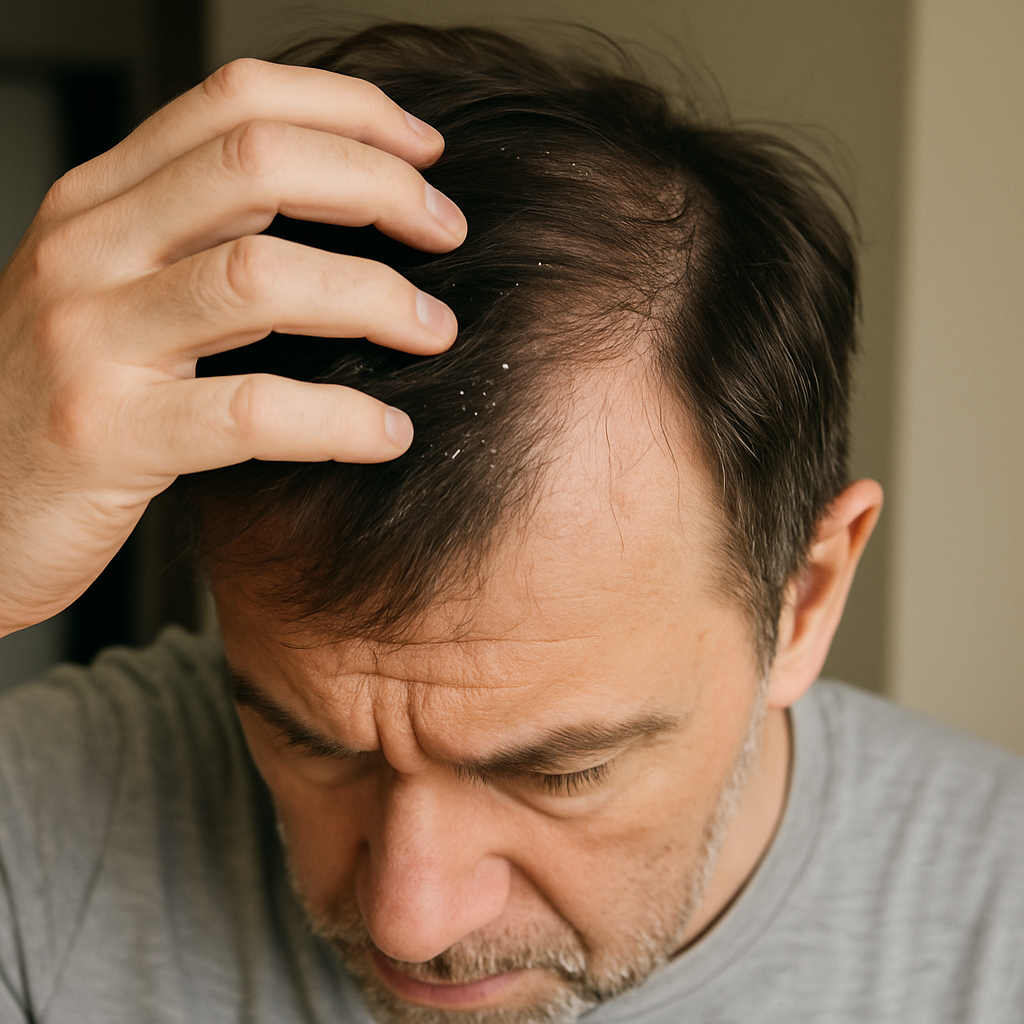
How Dandruff Leads to Hair Loss: Root Causes
So, how exactly does dandruff cause hair loss? Here’s a breakdown that blends modern logic with Ayurvedic wisdom:
-
Inflammation: Dandruff triggers itching. You scratch. That scratching causes inflammation, which weakens hair follicles and leads to hair fall. It’s like pulling grass out of soil that’s already cracked and dry.
-
Blocked Follicles: Flakes clog up hair follicles, suffocating the root and stopping healthy growth.
-
Fungal Overgrowth: A common cause of dandruff is the fungus Malassezia. It feeds on sebum (natural oils on your scalp) and creates oleic acid, which can irritate and inflame. Irritated scalp = weaker hair hold.
-
Poor Scalp Circulation: A dry, itchy scalp reduces blood flow, which is essential for strong hair roots.
So yeah, dandruff causes hair fall—it doesn’t directly pull out your hair, but it sets up the worst possible environment for it to thrive. And unless you address both dandruff and scalp health, hair fall is likely to continue.
Home Remedies for Dandruff and Hair Fall
Let’s get to the good part. If you’re asking about home remedies for dandruff and hair fall, you’re not alone—and thankfully, you’re also not out of luck.
Here’s a few time-tested, natural solutions that actually work (but you gotta be consistent):
-
Neem Oil: This antifungal superstar kills the fungus responsible for dandruff and soothes the scalp. Apply warm neem oil 2x a week before showering.
-
Aloe Vera Gel: Apply fresh aloe gel directly to the scalp. Leave it on for 30 minutes before rinsing. It cools Pitta, moisturizes dry scalp, and reduces flaking.
-
Fenugreek Seeds (Methi): Soak overnight, grind to a paste, and apply to scalp. Rinse after 30 mins. Fenugreek is rich in protein and nicotinic acid—great for fighting dandruff hair loss.
-
Apple Cider Vinegar: This one's not Ayurvedic, but it balances scalp pH and helps reduce fungal growth. Mix with water and use as a rinse twice a week.
Yes, they take a bit more effort than grabbing a bottle off the shelf—but these remedies can restore your scalp’s balance without harsh chemicals. And they don't mess with your hair texture, either.
Best Ayurvedic Shampoo for Dandruff and Hair Fall
Okay, so now you’re thinking—“Those home remedies sound good and all, but I really need something I can use daily, in the shower. What’s the best Ayurvedic shampoo for dandruff and hair fall?”
Fair question.
Ayurvedic shampoos are a gentler, more holistic alternative to chemical-heavy commercial options. They're typically free from sulfates, parabens, and artificial fragrances—which often irritate the scalp and worsen the very problems they claim to fix.
When choosing a hair fall and dandruff shampoo with Ayurvedic roots, here’s what you wanna look for:
-
Neem: Anti-fungal and anti-inflammatory. Targets the root cause (literally) of dandruff.
-
Bhringraj: Known as the “king of herbs” for hair. Boosts blood flow and strengthens follicles.
-
Shikakai: A natural cleanser that maintains the scalp’s moisture balance.
-
Amla (Indian Gooseberry): Rich in vitamin C and antioxidants. Reduces Pitta and boosts hair growth.
-
Tea Tree Oil: While not traditionally Ayurvedic, many modern Ayurvedic shampoos include it because of its potent dandruff-fighting properties.
Some people swear by DIY shampoo powders, but if you're buying off the shelf, go for brands that list these herbs at the top—not just as a marketing afterthought buried in the fine print.
Honestly, you might need to test a couple before finding your “match.” Everyone’s scalp is different, and what works for one person may not vibe with yours.
And here’s a weird tip that works: don’t overwash. Washing your hair every day, even with the best Ayurvedic shampoo for dandruff and hair fall, can strip natural oils and trigger more dryness. Try 2–3 times a week instead.
Natural Ingredients That Help Treat Both
Let’s zoom in on some powerhouse ingredients you’ll find in both Ayurvedic shampoos and DIY masks that treat dandruff and hair loss at the same time:
-
Tulsi (Holy Basil): Clears out clogged follicles, fights bacteria, and cools the scalp.
-
Licorice Root (Yashtimadhu): Soothes irritated skin and supports new hair growth.
-
Reetha (Soapnut): Natural cleanser that removes grime and oil without disrupting pH balance.
-
Curry Leaves: Yes, the same ones you use in your kitchen. Rich in beta-carotene and proteins.
The beauty of Ayurveda is that many of these ingredients do double duty: they reduce dandruff and nourish hair roots. It’s not about attacking symptoms—it’s about healing the ecosystem of your scalp.
Quick heads-up though: sometimes, when you first switch to Ayurvedic or natural products, your hair might feel different. Maybe drier, maybe oilier. That’s normal. Your scalp’s just adjusting to the lack of synthetic stuff it’s gotten used to. Give it a few weeks.
Also, don’t go mixing ten ingredients at once. Start small, track what works, and build from there.
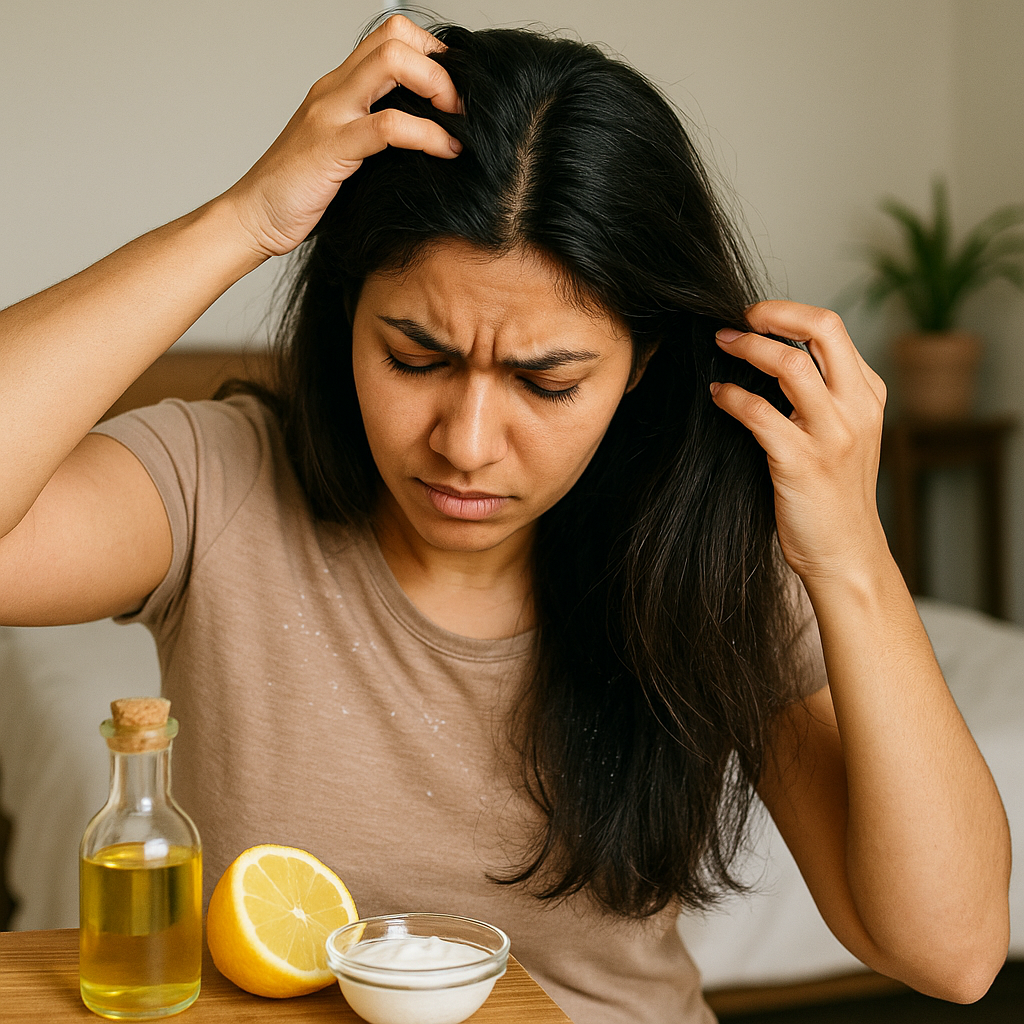
Tips to Control Dandruff Without Damaging Hair
Now that we’ve covered the what and the why, let’s talk about the how — how to get rid of dandruff and hair fall without turning your hair into a frizzy mess.
Here are some tips that actually work (and no, you don’t need a PhD to follow them):
1. Oil, But Don’t Overdo It
A lot of people ask: Should I oil my hair if I have dandruff? The answer is: it depends.
Oiling with coconut or neem oil can soothe your scalp and reduce flaking, if done properly. But slathering oil and letting it sit for days? Nope. That just traps dust, encourages fungus, and makes things worse. Aim for once or twice a week, and always shampoo it out after a few hours.
2. Avoid Super Hot Water
This one’s underrated. Hot water strips your scalp’s natural oils, drying it out and making dandruff worse. Go for lukewarm instead. Or cold, if you’re brave enough.
3. Say No to Harsh Chemicals
Avoid shampoos loaded with sulfates and alcohol-based products. They may give you that “squeaky clean” feel, but in reality, they disrupt your scalp’s balance and lead to even more flakes.
Use a hair fall and dandruff shampoo that contains natural ingredients, as mentioned earlier. Your scalp will thank you.
4. Stay Consistent
This one’s boring, but important. You won’t see results overnight. Whether it’s using the best Ayurvedic shampoo for dandruff and hair fall, applying neem oil, or trying fenugreek paste—consistency is key. Stick to a routine for at least 3–4 weeks before judging its effectiveness.
5. Diet & Hydration
Surprised to see this here? Ayurveda teaches that what you eat shows up on your skin—and your scalp’s just skin, after all. Spicy, oily, or fried food can increase Pitta and worsen dandruff. Drink more water, eat cooling foods like cucumber and yogurt, and reduce stress (easier said than done, but still).
Don't wait or self medicate. Start chat with Doctor NOW
Conclusion
So, let’s circle back to the big question: does dandruff cause hair fall?
Yes. And no.
Dandruff causes hair fall when it leads to scalp inflammation, blocks hair follicles, and weakens roots. But it doesn’t have to be permanent or unmanageable. With the right mix of home remedies for dandruff and hair fall, mindful hair care, and Ayurvedic solutions—you can reverse the damage.
The truth is, most of us wait until things get really bad before acting. But your scalp is trying to tell you something now. Don’t ignore it.
Try a homemade mask. Switch to a gentle, natural shampoo. Take small, consistent steps.
Your hair doesn’t have to keep falling out like leaves in Autumn. 🌿
FAQs
Is hair fall due to dandruff reversible?
Yep. If you catch it early and treat the scalp correctly, most dandruff-related hair fall can be reversed. But long-term neglect may lead to permanent thinning in some spots.
Will dandruff stop if I go bald?
Technically yes, but that’s a pretty extreme solution! Dandruff happens on the scalp, not the hair itself. If there’s no hair, flakes may still appear on the skin.
Should I oil my hair if I have dandruff?
Yes—but wisely. Use oils like neem or tea tree in moderation, leave them in for a couple of hours max, and wash thoroughly. Oiling too much or leaving it overnight can clog pores and make dandruff worse.
If this article helped you, share it with someone who’s been scratching their scalp a little too often lately. And hey—treat your scalp like skin, not like something you just wash and forget. It’s the root of healthy hair, after all. ✨
Questions from users
What is shikakai and how does it help with scalp moisture?
Makayla
2 days ago
Shikakai is a plant used in Ayurvedic practices. It's a gentle, natural cleanser for your scalp that doesn't strip away natural oils. This helps maintain your scalp's moisture balance, unlike some harsh shampoos. If you're dealing with dryness, it might be a great gentle alternative to try!
What is the connection between diet and dandruff according to Ayurveda?
Phoenix
11 days ago
According to Ayurveda, dandruff is linked to an imbalance in your doshas, particularly Pitta and Kapha. Diet plays a big role here. Eating too much spicy, oily, or heavy foods can aggravate these doshas, leading to dandruff. Try to favor cooling foods like cucumbers and leafy greens, and avoid too much sugar or fried stuff. Drink plenty of water, but also watch your patterns—eating on time and in moderation can make a huge diff. Keeping a balanced diet supports healthy digestion, which in Ayurveda is central to skin and scalp health. 🌿
Can I mix different oils together for treating dandruff, or is that not a good idea?
Logan
21 days ago
Mixing a few oils, like neem and tea tree, in moderation can be helpful for treating dandruff. But don't go overboard with tons of different oils! Start small and see how your scalp reacts. And remember, it's not just about oil—look at your overall lifestyle and diet too, as they play a role in scalp health.
Can I use bhringraj oil for dandruff treatment and how often should I apply it?
Mason
29 days ago
Sure, you can use bhringraj oil for dandruff! It's great for nourishing the scalp and combatting flakes. Apply it 2-3 times a week, leaving it on for about 30 mins before washing it out. Be gentle when massaging your scalp to avoid irritation. Don't forget to follow up with a natural dandruff shampoo!
Can changing my hair washing routine help reduce dandruff and prevent hair fall?
Nevaah
39 days ago
Yup, your hair washing routine can help with dandruff and hair fall! Try using lukewarm water instead of hot to preserve scalp oils. Look at it for like 3-4 weeks to see changes. Diet and hydration are also crucial 'cause they nourish hair from the inside out. Don't forget Bhringraj, great for hair health!
Can I use tea tree oil in my daily hair care routine for dandruff prevention?
Sutton
48 days ago
You can totally use tea tree oil for dandruff prevention! It's known for its dandruff-fighting properties, just make sure to dilute it with a carrier oil or use it in a product that's designed for hair use. Everyone's scalp is different though, so give it a whirl and see how it suits ya.
Can I use Ayurvedic herbs in my diet to help reduce dandruff?
Nathan
58 days ago
Yes, totally! You can use Ayurvedic herbs like neem and amla in your diet to help reduce dandruff. Neem's great for purifying the blood and fighting infections, and amla is cooling and nourishing. But remember, balance your doshas and support your agni with warm and light meals too! If uncertainty persists, consult an Ayurvedic practitioner for personalized advice.
What natural treatments can help soothe an itchy scalp caused by dandruff?
Natalie
68 days ago
Neem oil is great! It can fight the fungus causing dandruff & soothe itchiness due to it's antifungal properties. Other things worth trying are coconut oil, which moisturizes, and tea tree oil for its antimicrobial effects. Keep agni strong with warm, nutritious foods and manage Vata with enough sleep and stress reduction, balance is key!
Is it normal to feel itchy with dandruff, and how do I relieve it?
Wyatt
77 days ago
Yes, itchy feeling with dandruff is pretty common. It's usually due to dry, irritated scalp. To relieve it, try using a coconut oil massage or yogurt hair mask - both work like charm. Consider checking your dosha balance too, as imbalances might cause skin issues. See what feels right for you!
Is it safe to use neem oil on my scalp for dandruff treatment?
Rowan
87 days ago
Yes, using neem oil on your scalp for dandruff can be safe—but it’s key to do it right. Neem oil has antifungal properties which helps reduce dandruff. Just don’t overdo it; a light application is best. Mixing it with a carrier oil like coconut oil can reduce any irritation and be more soothing. Remember to patch test just in case!
Related articles

Skin and Hair Disorders
Nimbadi Kashayam: Benefits, Dose, Side Effects, Ingredients
Exploration of Nimbadi Kashayam: Benefits, Dose, Side Effects, Ingredients
1,996

Skin and Hair Disorders
How to Apply Egg White on Hair: Ayurvedic Use, Benefits, and Hair Mask Tips
How to apply egg white on hair? Discover its benefits for hair growth, shine, and strength. Learn how to use egg white as a natural Ayurvedic hair treatment
10,035

Skin and Hair Disorders
Ayyappala Keratailam Benefits, How To Use, Ingredients
Exploration of Ayyappala Keratailam Benefits, How To Use, Ingredients
2,667

Skin and Hair Disorders
How to Apply Ginger on Hair: Benefits, Growth, and Ayurvedic Remedies
Learn how to apply ginger on hair for growth. Discover Ayurvedic tips, ginger oil uses, ginger water benefits, and safe application methods for healthy hair
10,082

Skin and Hair Disorders
Kumkumadi Lepam How To Use – Traditional Ayurvedic Beauty Remedy Guide
Learn how to use Kumkumadi Lepam, a traditional Ayurvedic beauty remedy known for its skin rejuvenation and brightening properties. Follow our detailed guidelines and usage instructions for optimal results.
4,394
Skin and Hair Disorders
Best Ayurvedic Medicine for Grey Hair: What Actually Works?
Grey hair. For some, it’s a badge of wisdom — a graceful surrender to time. But for many others (myself included, if I’m being honest), it feels more like a betrayal. One day you're in your twenties, browsing shampoos that promise volume, and then boom —
5,497

Skin and Hair Disorders
Tinea Cruris Treatment in Ayurveda: A Holistic Overview
Discover how Ayurveda addresses tinea cruris, or jock itch, using time-tested remedies, expert insights, and evidence-based herbal approaches.
4,004
Skin and Hair Disorders
Marichadi Taila: Benefits, Dosage & Science-Backed Insights
Discover the benefits, proper dosage, side effects, and scientific research behind Marichadi Taila, an Ayurvedic oil for skin health, joint pain, and respiratory wellness.
3,717

Skin and Hair Disorders
Patanjali Tejus Tailum
Exploration of Patanjali Tejus Tailum
3,037

Skin and Hair Disorders
Gandhak Malhar: Aromatic Ayurvedic Remedy for Balance and Clarity
Discover Gandhak Malhar, a time-tested Ayurvedic formula known for purifying the body and promoting mental clarity. Embrace the natural benefits of this aromatic remedy.
2,843
Related consultations on the topic
Legal
Additional Documents
© 2024 Ask Ayurveda. All rights reserved.