Ask Ayurvedic doctor a question and get a consultation online on the problem of your concern in a free or paid mode. More than 2,000 experienced doctors work and wait for your questions on our site and help users to solve their health problems every day.
FREE! Ask Ayurvedic Doctors 24/7

 Fast responses
 1000+ verified doctors
Body DetoxEar, Nose, and Throat DisordersGeriatrics & RejuvenationImmunodeficiencyInfertility TreatmentNutritionOrthopedic DisordersPediatricsRespiratory DisordersSexually Transmitted Diseases (STDs)Surgery RecoveryUrological DisordersVascular DisordersDental DisordersEndocrinological DisordersGastrointestinal DisordersYoga TherapyGeneral MedicineAllergic DisordersCardio DisordersGynecology and ObstetricsCosmetologySkin and Hair DisordersEye DisordersInfectious DiseasesMental DisordersNeurological DisordersOncologyPanchakarmaSexual Health & DisordersSports Medicine
Published on 07/03/25
(Updated on 06/18/26)
star_border 5
8,664
How to Do Anulom Vilom: Step-by-Step Guide and Benefits

Wondering how to do Anulom Vilom and why everyone from yoga influencers to your next-door neighbor swears by it? You're not alone. This ancient breathing technique has taken the wellness world by storm, and for good reason. In just a few minutes a day, breathing Anulom Vilom can help you reduce stress, improve focus, boost immunity and much more. But the real magic happens when you do it right.
In this complete guide, we’ll explore what is Anulom Vilom, how to do Anulom Vilom step by step, its many benefits, and even who should avoid it. Whether you're new to yoga or just trying to level-up your breathing game, you’ll find everything you need right here. So grab a quiet corner (and maybe a cushion), and let’s dive in.
What Is Anulom Vilom
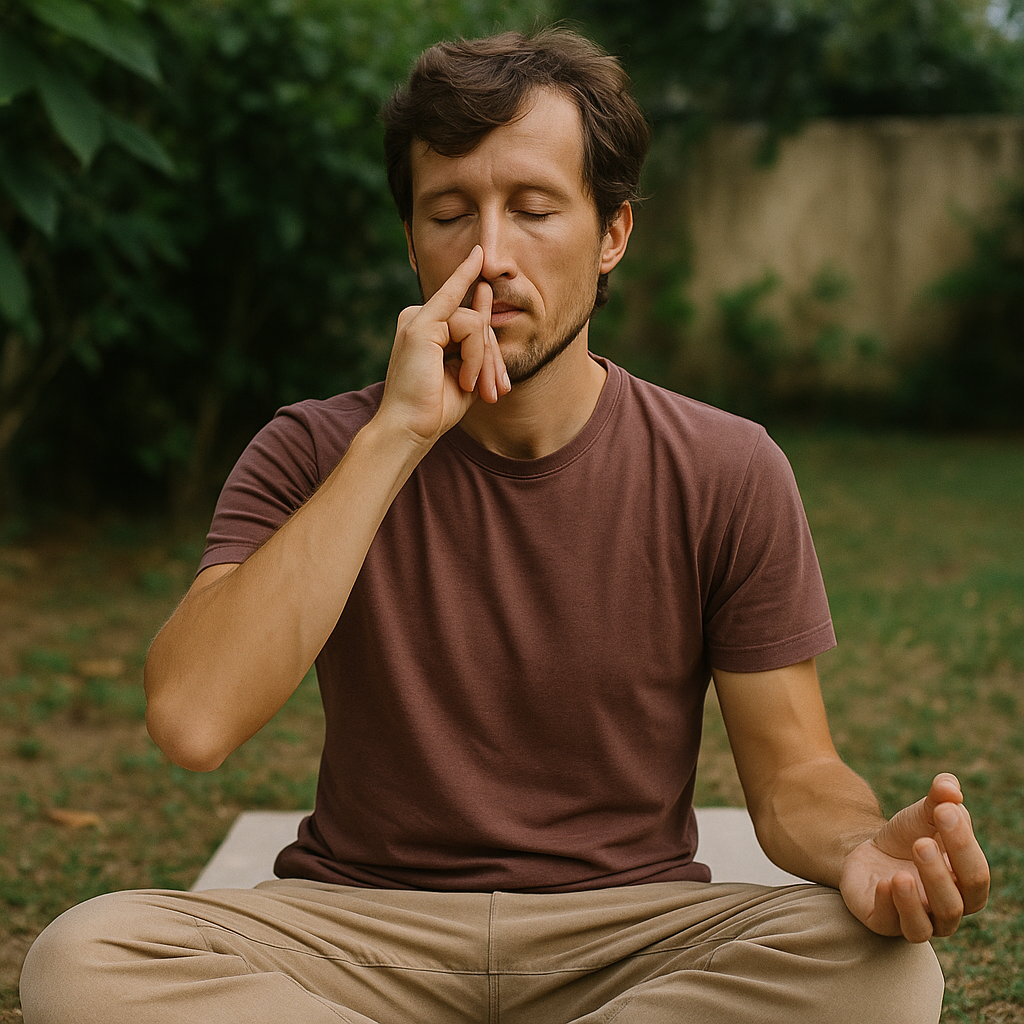
Let’s start with the basics — what is Anulom Vilom, really? Simply put, it's a type of pranayama (breath control technique) in yoga. The words Anulom and Vilom are Sanskrit for "alternate" and "opposite", which basically sums up how it works: you inhale through one nostril, exhale through the other, and repeat the cycle.
This technique isn’t just about breathing though. It’s about balance. It harmonizes the left and right hemispheres of your brain, calming your nervous system and promoting better energy flow through your nadis (energy channels). That may sound a bit woo-woo, but modern science is slowly catching up — linking these breathing practices to real-world benefits like lower blood pressure and better emotional health.
Anulom Vilom Benefits for Body and Mind
Now, let’s get to the good stuff — why you should care.
The anulom vilom benefits aren’t just feel-good fluff. Regular practice has been shown to:
-
Reduce stress and anxiety
-
Improve lung capacity and respiratory health
-
Lower blood pressure
-
Enhance concentration and mental clarity
-
Strengthen immune function
-
Help manage conditions like asthma, migraines, even depression
People who do anulom vilom yoga often report sleeping better, feeling calmer, and being less reactive to daily stressors. Honestly, once you start, it’s kind of addictive (in a good way).
How to Do Anulom Vilom Correctly
Okay, so anulom vilom how to do it properly? There's more to it than just plugging your nose and breathing. Let's break it down so you can get started safely and confidently.
Basic Breathing Position and Posture
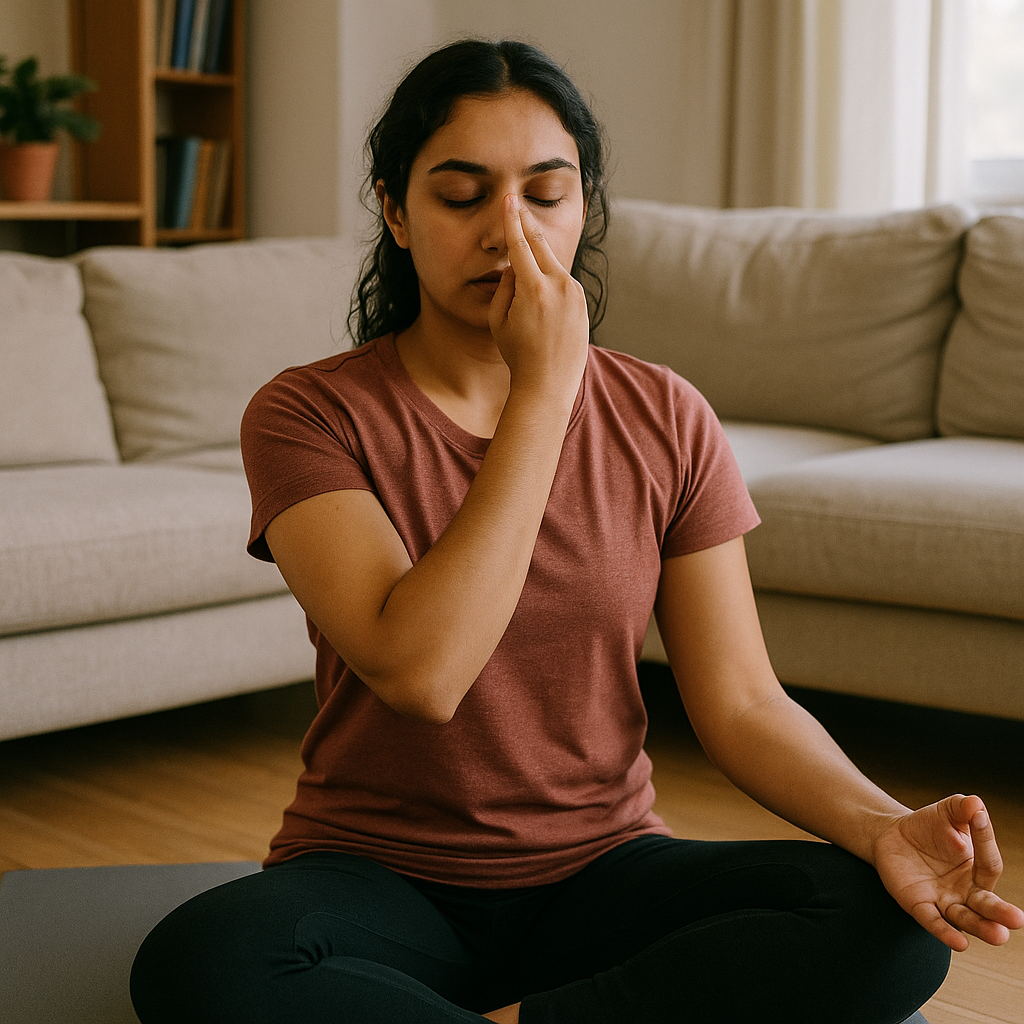
Before diving into the actual steps of anulom vilom, make sure you’re in the right posture. Sit comfortably — cross-legged on the floor, on a cushion, or even on a chair if that’s more your vibe. Just keep your spine straight and shoulders relaxed.
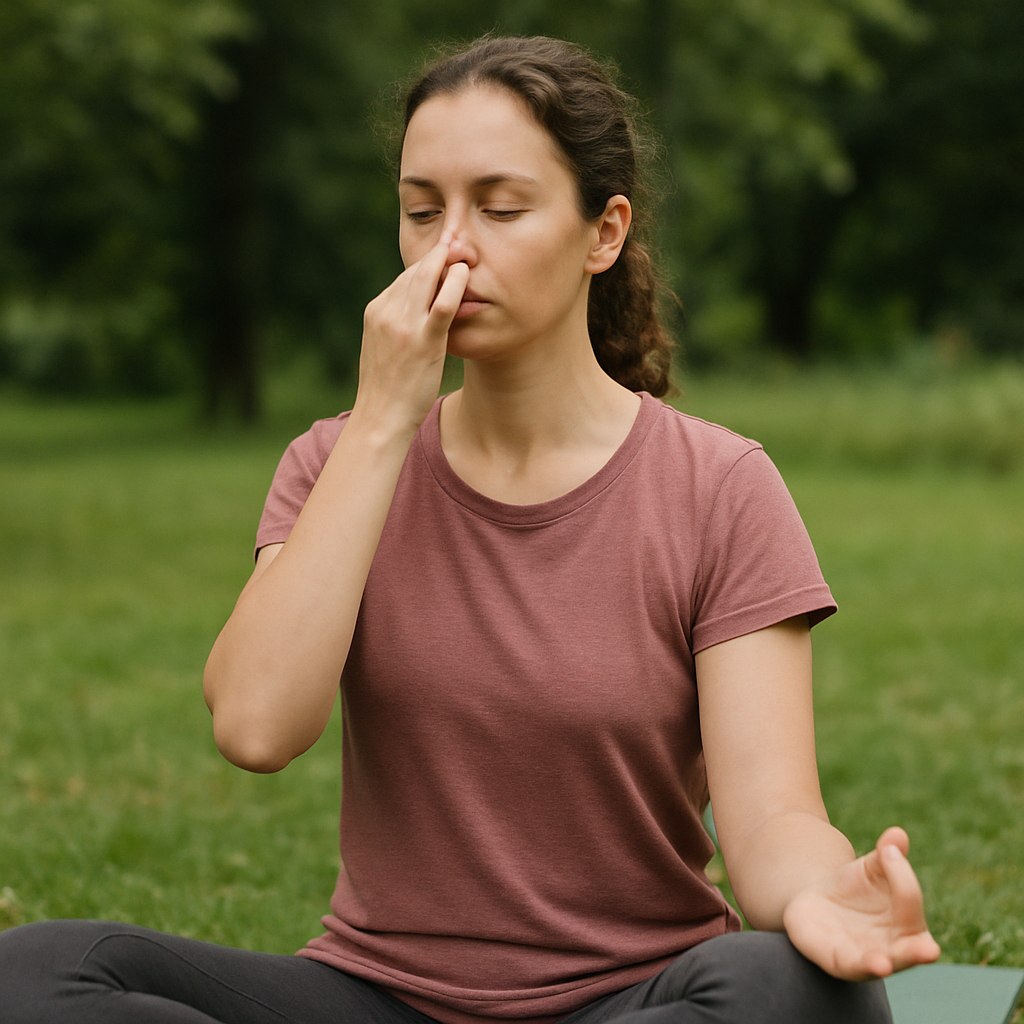
Close your eyes. Rest your left hand on your left knee (palms facing up). With your right hand, make a Vishnu mudra: fold your index and middle finger toward your palm. You’ll use your thumb and ring finger to open and close your nostrils. It's kinda awkward at first, but you'll get used to it.
How to Do Anulom Vilom Step by Step
Here’s the how to do anulom vilom step by step breakdown:
-
Close your right nostril with your thumb and inhale slowly through the left.
-
Now close your left nostril using your ring finger, release the right nostril, and exhale through it.
-
Inhale through the right nostril, close it, then exhale through the left.
-
That’s one full cycle.
Repeat this for about 5–10 minutes. You don’t need to hold your breath (unless you're advanced). The focus is on smooth, controlled breathing.
(Oh, and don’t worry if you mess it up a bit at first. Everyone does. The key is to keep going.)
Ideal Time and Frequency: When to Do Anulom Vilom
So, you're probably wondering — when to do Anulom Vilom for the best results? Timing can make a big difference in how effective your practice is.
The ideal time to practice Anulom Vilom is early morning, preferably on an empty stomach. That’s when your body is calm, your mind is quiet, and the air is fresh. But hey, life happens — if mornings are too chaotic, don’t sweat it. You can also do it in the evening, just make sure there's a 2–3 hour gap after your last meal.
Try starting with 5 minutes a day, then gradually build up to 15–20 minutes. It’s not about cramming it into your schedule; it’s about making it a habit. Some people do it twice a day — morning and night — to unwind, recharge, or just breathe through the noise of daily life. Whatever works for you is fine, really.
But here's a tip: consistency > intensity. Even a few minutes done daily beats an hour once in a while.
Procedure of Anulom Vilom According to Ayurveda
Now let’s tap into the wisdom of Ayurveda — the ancient Indian science of life. According to Ayurvedic texts, the procedure of Anulom Vilom is more than just a breathing hack. It’s a cleansing ritual.
In Ayurveda, the goal is to balance the doshas (Vata, Pitta, Kapha). When these energies are out of whack, you feel sick, stressed, or off your game. Anulom Vilom works as a nadi shodhana technique — meaning it purifies your energy channels, promoting harmony throughout body and mind.
Here's how Ayurveda suggests you do it:
-
Sit facing east (preferably at sunrise)
-
Practice after doing Kapalbhati or light stretching
-
Start with a few cleansing breaths
-
Focus on your breath, not just the technique
-
Don’t rush — slow, deep, rhythmic breathing is the goal
They also recommend practicing it in a calm, clean environment. You don’t have to light incense or chant (unless you’re into that), but a peaceful space does help.
Don't wait or self medicate. Start chat with Doctor NOW
Common Mistakes to Avoid During Anulom Vilom
Even something as simple as breathing can go wrong if you’re not careful. A lot of beginners make the same few mistakes when learning how to do Anulom Vilom, and honestly — we’ve all been there.
Here are some common slip-ups:
-
Breathing too fast or shallow – This isn’t a sprint. Slow, deep breaths are key.
-
Forcing the breath – If one nostril feels blocked, don’t push. Just breathe gently or switch sides.
-
Not keeping the spine straight – Posture matters. Slouching compresses your lungs.
-
Holding your breath when you're not ready – Advanced techniques include breath retention, but for most people starting out, it’s not necessary.
-
Practicing right after a meal – Can cause discomfort or bloating. Wait 2–3 hours.
Also, don’t judge yourself. It takes time to master the steps of Anulom Vilom, and that’s okay. Every breath counts.
Some folks also get confused between Anulom Vilom and Nadi Shodhana — they’re very similar, but some traditions treat them as slightly different. Don’t stress about it too much. Focus on the breath — that’s the heart of the practice.
Who Should Not Do Anulom Vilom and Precautions
While Anulom Vilom yoga is generally safe for most people, it’s not a one-size-fits-all solution. Like any wellness practice, it has its do’s and don’ts.
People with the following conditions should avoid or modify Anulom Vilom — especially without guidance from a qualified yoga instructor or doctor:
-
Severe cardiac issues
-
High blood pressure (that isn’t under control)
-
Recent surgeries
-
Respiratory illnesses during flare-ups (like severe asthma attacks)
-
Pregnancy (unless cleared by a healthcare provider)
Also, children under 6 usually shouldn’t do structured pranayama like this. Their breathing patterns are still developing. For teens or elderly folks, a gentler approach with shorter duration is best.
Some other precautions to keep in mind:
-
Don't practice if you're feeling dizzy, weak, or extremely tired
-
Stop immediately if you feel lightheaded or nauseous
-
Make sure you’re in a well-ventilated space
-
Avoid doing it in noisy, dusty, or polluted areas (kinda defeats the purpose)
This isn’t about fear — it’s about awareness. The procedure of Anulom Vilom is powerful, but it’s not magic. Treat it with respect and mindfulness.
Conclusion
So there you have it — a complete guide on how to do Anulom Vilom, including steps, posture, benefits, and a few real-talk tips to make your breathing journey smoother.
From balancing your mind to clearing out stress like a pro, the benefits of Anulom Vilom are genuinely impressive. And the best part? You don’t need fancy equipment, expensive classes, or even a yoga mat. Just you, your breath, and a few peaceful minutes.
If you’ve been wondering how to do Anulom Vilom step by step, or when and why to do it — now you know. All that’s left is to start. Not tomorrow. Not “someday.” Today.
Breathe in. Breathe out. Begin.
💬 Ready to start your Anulom Vilom practice? Share this article with a friend who needs some inner calm — or bookmark it for yourself to come back to anytime life gets too loud.
FAQs
What is the rule of Anulom Vilom?
The basic rule is to inhale through one nostril, exhale through the other, and then repeat in reverse. Always start by inhaling from the left nostril and exhaling through the right, unless advised otherwise. Keep the breath smooth and avoid force.
How much time should Anulom Vilom be done?
Start with 5 minutes per session and slowly increase to 15–20 minutes over time. Beginners can aim for about 10–12 rounds, gradually increasing as their comfort and capacity improve.
Can I do Anulom Vilom after drinking water?
Yes, you can. Drinking a bit of water before practicing is fine — just don’t drink large amounts right before starting. Avoid practicing right after meals, tho; wait at least 2 hours.
Thanks for sticking around till the end 🙌
If this article helped you understand how to do Anulom Vilom or inspired you to give it a try, consider sharing it with someone else. Breathing may seem simple — but when done right, it can change your entire day (or life, even).
Stay grounded. Stay calm. Keep breathing. ✨
Questions from users
Is it normal to feel anxious when starting Anulom Vilom for the first time?
Henry
4 days ago
It's not uncommon to feel a bit anxious when starting Anulom Vilom for the first time. You're getting in touch with your breath and that can stir things up. Give it time, focus on gentle, slow breaths and listen to your body. If anxiety persists, pause, and maybe chat with an instructor for tips.
What is the best way to prepare my body before starting Anulom Vilom practice?
Teagan
13 days ago
To prepare your body for Anulom Vilom, try starting with light stretching or yoga asanas to wake up your body, especially focusing on your spine and chest. Make sure you sit in a comfortable position with a straight back. Hydrate a bit—sip on warm water, and ideally practice on an empty stomach for optimal benefits. If unsure, keep a gentle mind, and listen to your body's signals to guide you.
Can Anulom Vilom help with anxiety and how should I practice it for this purpose?
Sandra
22 days ago
Yes, Anulom Vilom can definitely help with anxiety! It's all about balancing the energies or doshas in your body. When you practice it, just find a comfy seated position, keep your spine straight, and relax your shoulders. Focus on slow, deep breaths through alternate nostrils. Try doing it for 5-10 minutes daily. It might not fix everything overnight, but with consistency, you'll feel more grounded and calm over time. And remember, there's no need to hold your breath unless you've been at it for a while.
What is the ideal breathing pattern for Anulom Vilom to maximize its benefits?
Zoey
31 days ago
For Anulom Vilom, aim for a calm, relaxed flow. Inhale deeply through your left nostril for 4 seconds, hold for 4-8 seconds, exhale through right nostril for 4 seconds, then switch. Repeat, reversing nostrils. Go at a pace that's comfy for you, balance is key. If it feels forced or uncomfortable, just relax and try again calmly!
What are the emotional benefits of practicing Anulom Vilom regularly?
Paisley
41 days ago
Practicing Anulom Vilom regularly can help calm the mind, reduce anxiety, and improve emotional balance. It promotes a more relaxed state by reducing stress and enhancing mood. It's like hitting a reset button when emotions get a bit tangled. It balances brain hemispheres which can lead to a more harmonious mind, pretty cool, right?
What is the best position to be in while practicing Anulom Vilom for better results?
Xanthe
51 days ago
The best position for Anulom Vilom is sitting comfortably with a straight spine and relaxed shoulders. You can do this cross-legged on the floor or sitting on a chair, whatever feels comfy for you. What's important is that you're not hunching over or too tense so the breath can flow easily! And yeah, don't force the breathing if your nose feels blocked, just take it easy.
What is the best time of day to practice Anulom Vilom for optimal benefits?
Phillip
60 days ago
Honestly, there's no perfect time. But early mornings, especially during Brahma Muhurta (around 1.5 hrs before sunrise), work great for Anulom Vilom. It's when the mind is calm and the air is fresh. if you're not a morning person, any quiet time when you can relax works fine. Listen to your body!
Can I practice Anulom Vilom during pregnancy, and are there any precautions I should take?
Lillian
70 days ago
Yes, you can absolutely practice Anulom Vilom during pregnancy, it's safe and beneficial! Just go slow, don't over-exert. Avoid holding your breath. Listen to your body - if you ever feel lightheaded, stop and rest. And hey, always a good idea to chat with your doc about it. 😊
Is it safe to practice Anulom Vilom if I have a respiratory condition?
Asher
80 days ago
If you have a respiratory condition, it's a good idea to consult a healthcare provider before trying Anulom Vilom. Each person’s situation is unique, but generally starting slow and gentle can help. It’s about listening to your body — if it feels off, pause and reassess. A well-ventilated space is key too!
What mental states or conditions might benefit the most from practicing Anulom Vilom?
Mateo
157 days ago
Anulom Vilom is super helpful for conditions like stress, anxiety, and depression. It's calming for the mind, balances the prana (energy), which can really help in centering you. It also supports mental clarity and focus. If you're dealing with insomnia or restlessness, it might help too! Just try to practice consistently for best results :)
Related articles

Body Detox
How to Prepare Fenugreek Water: Ayurvedic Recipes and Benefits
Learn how to prepare fenugreek water at home for hair, weight loss, and daily health. Discover methi water recipe, tips, and Ayurvedic benefits
16,112

Body Detox
Divya Mukta Vati Uses, Dose, Ingredients, Side Effects
Exploration of Divya Mukta Vati Uses, Dose, Ingredients, Side Effects
2,896

Body Detox
Divya Mukta Vati Uses, Dose, Ingredients, Side Effects
Exploration of Divya Mukta Vati Uses, Dose, Ingredients, Side Effects
7,000

Body Detox
Jeera Ajwain Saunf Water Benefits: Ayurvedic Detox and Weight Loss
Discover the powerful benefits of jeera ajwain saunf water for weight loss, digestion, and detox. Learn how and when to drink this Ayurvedic remedy
39,529

Body Detox
Krimisodhini Gulika: Ayurvedic Medicine for Gut Health and Parasite Cleansing
Explore Krimisodhini Gulika, its benefits, proper dosage, side effects, and scientific research supporting its use as an effective Ayurvedic treatment for parasitic infections.
4,588

Body Detox
What Is Durva Grass: Identification, Meaning, and Benefits
What is durva grass and how to identify it? Learn the meaning of durva, benefits of durva grass, and Ayurvedic uses of durva plant, leaves, and seeds
11,735

Body Detox
What Is Dinacharya in Ayurveda: Meaning, Routine, and Benefits
What is Dinacharya in Ayurveda? Discover the meaning, steps, and benefits of following a Vedic daily routine for balance, health, and mental clarity
6,220
Body Detox
So... What Is Pitta in the Human Body Anyway?
Ever heard someone casually mention their “Pitta” being out of balance — and you just smiled, nodded, and mentally filed it under “probably some new-age thing”? Totally fair. But here’s the thing: Pitta isn’t just spiritual fluff. It’s actually a centra
2,383

Body Detox
How to Lose Weight Fast with Ayurveda: Natural and Safe Methods
Discover how to lose weight fast with Ayurvedic methods. Learn the best diet, fasting tips, calorie deficit strategies, and more for natural weight loss support
1,953

Body Detox
How to Take Steam Bath at Home: Ayurvedic Guide to Detox and Relaxation
How to take steam bath at home? Learn how to make a steam bath at home, set it up safely, and use herbal bath powders for detox, relaxation, and skin care
6,187
Related questions on the topic
Legal
Additional Documents
© 2024 Ask Ayurveda. All rights reserved.