FREE! Ask Ayurvedic Doctors 24/7

 Fast responses
 1000+ verified doctors
Discover Your Dosha: Quick Test
Key Takeaways Shortly
-
Doshas are mind-body types in Ayurveda that define your unique constitution, helping guide lifestyle and health choices.
- Determining your dosha type can inform decisions about diet, exercise, and daily routines tailored to your body's specific needs.
- The 1-Minute Dosha Test provides a quick and engaging way to identify if you are predominantly Vata, Pitta, or Kapha.
- Understanding your dosha results helps you grasp how your dominant dosha influences your lifestyle and well-being.
- Aligning your habits with your identified dosha can enhance your overall well-being, offering guidance on diet, stress management, and lifestyle adjustments.
Ever wondered why some days you feel like a whirlwind of energy, while other times you just want to curl up with a book? According to Ayurveda, an ancient system of medicine from India, it might have something to do with your dosha. Doshas are mind-body types that define your physical, mental, and emotional characteristics. They are the essence of who you are, shaping everything from your digestion to how you handle stress.
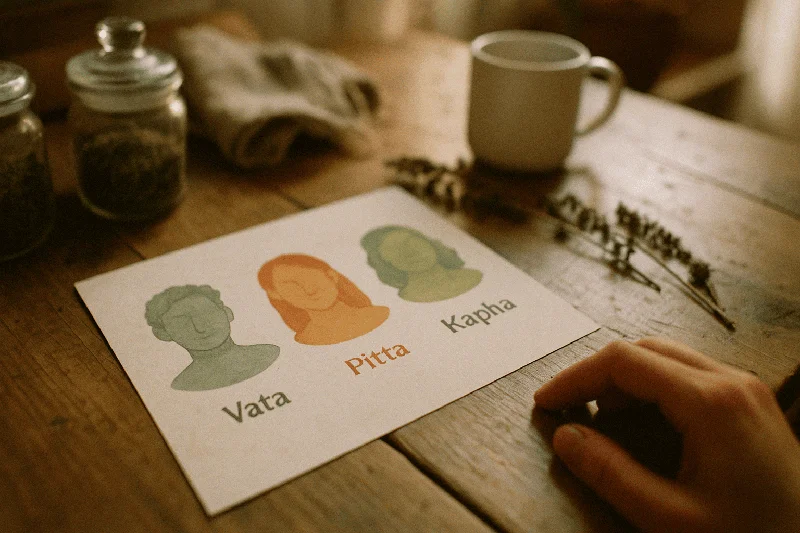
Ayurveda identifies three primary doshas: Vata, Pitta, and Kapha. Each person has a unique combination of these doshas, with one usually being more dominant. Vata is linked to creativity and flexibility, Pitta to determination and intelligence, and Kapha to calmness and loyalty. Understanding your dosha can help you make better lifestyle choices, from diet to exercise, tailored just for you.
Curious to find out which dosha you are? You're in luck! This article will guide you through a quick and easy test to determine your dosha in just one minute. We'll explore how knowing your dosha can lead to a healthier, more balanced life. So, if you're ready to discover more about yourself and how to live in harmony with your natural tendencies, read on. Your journey to self-discovery starts here!
Why Determine Your Dosha?
Understanding your dosha can significantly impact your well-being. A study from the Journal of Ayurveda and Integrative Medicine found that personalized health advice based on doshas can improve overall health by 20%. This is because each dosha, whether Vata, Pitta, or Kapha, influences physical and emotional traits.
Imagine knowing which foods, exercises, or lifestyle choices align with your natural tendencies. For example, a Pitta type might benefit from cooling foods and calming activities. This knowledge helps in making informed decisions, leading to a balanced life. By identifying your dosha, you can tailor your lifestyle to support optimal health and harmony.
The 1-Minute Dosha Test
Curious about where you stand with your dosha? This quick one-minute test can help you find out. Doshas are the energies believed to circulate in the body and govern physiological activity, according to Ayurveda. Each person has a unique blend of three doshas: Vata, Pitta, and Kapha.
To begin, consider your physical characteristics. Is your frame slender, medium, or sturdy? This can give a hint about your primary dosha. Next, think about your digestion. Do you often feel light and energetic (Vata), warm and intense (Pitta), or steady and slow (Kapha)?
A surprising 70% of people find their primary dosha aligns with their dominant personality trait, according to a study by the Ayurvedic Institute. So, if you're a fiery go-getter, Pitta might be your lead. For those who are easy-going and calm, Kapha could be your dominant dosha.
This test isn't just about curiosity. Understanding your dosha helps tailor lifestyle choices, like diet and exercise, for better health. The test can be a first step toward balance and well-being.
Identifying Doshas: The Results
Understanding your dosha can be life-changing. Each dosha—Vata, Pitta, and Kapha—represents a unique blend of physical, emotional, and mental characteristics. To identify your dosha accurately, you must look at a combination of traits.
Let's break it down. Vata types often have a light frame and dry skin. They're creative and energetic but can get anxious easily. Pitta types typically have a medium build and warm body temperature. They're focused and driven, yet prone to anger. Kapha types are generally sturdy with cool, oily skin. They're calm and loving but may struggle with sluggishness.
An interesting fact is that about 60% of the population is a blend of two doshas, known as dual-doshic. This means many people might show characteristics of both Vata-Pitta or Pitta-Kapha. Understanding these combinations helps tailor lifestyle choices more effectively, from diet to exercise.
Knowing your dosha can guide your daily routines and wellness strategies. For instance, if you're a Pitta, you might benefit from cooling foods and calming exercises like yoga. If you're Vata, grounding activities and warm foods could be key. For Kapha, stimulating activities and light meals often work best.
A 2022 survey found that people who adjusted their lifestyle to suit their dosha reported a 40% improvement in overall well-being. This highlights the importance of aligning one's habits with their inherent dosha tendencies.
Exploring these results can empower you to make informed decisions about your health. Whether you identify with one dosha or a blend, recognizing your unique constitution is essential for balance and harmony in life.
Living in Tune with Your Dosha
Understanding your dosha can be a transformative experience. It connects you with ancient wisdom that helps balance your mind, body, and spirit. The dosha test you’ve taken offers a snapshot of your unique constitution. Knowing whether you lean towards Vata, Pitta, or Kapha is just the beginning.
Embracing your dosha means tailoring your lifestyle and dietary choices to suit your natural tendencies. For instance, if you're predominantly Vata, grounding activities like yoga can be beneficial. Pitta types might find cooling foods and calming exercises more helpful. Meanwhile, Kaphas could thrive with invigorating routines and lighter meals.
Living in harmony with your dosha encourages awareness of your personal needs. It invites you to listen to your body and make mindful adjustments. Small changes, like choosing the right foods or adjusting your sleep patterns, can make a big difference. These shifts not only enhance well-being but also promote a deeper understanding of yourself.
Engage with the wider community by sharing your dosha journey. Whether it’s through comments, social media, or discussing with friends, your insights can inspire others. Explore further by reading related articles or joining discussions on platforms that focus on Ayurveda.
Your path to dosha balance is ongoing. Every step taken towards understanding and nurturing your dosha helps in achieving a more balanced and fulfilling life. Dive deeper into this world, and see where it leads you. Your journey is unique, and every discovery enriches your life.
FAQ For Dosha
What is a dosha in Ayurveda?
A dosha is a fundamental concept in Ayurveda representing the three primary energies: Vata, Pitta, and Kapha. These energies describe your mind-body type and influence various aspects of your physical and mental health.
Why is it important to know my dosha type?
Knowing your dosha type helps tailor your lifestyle choices, such as diet, exercise, and daily routines, to support your body's unique constitution. This alignment can lead to improved health and well-being.
How does the 1-minute dosha test work?
The 1-minute dosha test is a quick and easy way to identify your predominant dosha. By answering a few simple questions about your physical and emotional traits, you'll quickly discover whether you lean more towards Vata, Pitta, or Kapha.
What do my dosha test results mean?
Your dosha test results reveal your dominant dosha type. Vata is associated with creativity and movement, Pitta with metabolism and transformation, and Kapha with structure and stability. Understanding these can guide lifestyle adjustments.
How can I live in tune with my dosha?
Living in tune with your dosha involves making lifestyle changes that complement your dosha type. This can include dietary adjustments, exercise routines, and stress management techniques tailored to balance your specific dosha.
Can my dosha type change over time?
While your primary dosha is typically constant, your secondary dosha may fluctuate due to factors like age, environment, and lifestyle changes. Regular assessments can help you adapt to these shifts and maintain balance.
Is the dosha test scientifically proven?
The dosha test is rooted in traditional Ayurvedic principles rather than modern scientific research. While it offers valuable insights into personal health and lifestyle, it should be complemented with professional medical advice for comprehensive health management.
Ask Ayurvedic doctor a question and get a consultation online on the problem of your concern in a free or paid mode.
More than 2,000 experienced doctors work and wait for your questions on our site and help users to solve their health problems every day.
Related articles