Ask Ayurvedic doctor a question and get a consultation online on the problem of your concern in a free or paid mode. More than 2,000 experienced doctors work and wait for your questions on our site and help users to solve their health problems every day.
FREE! Ask Ayurvedic Doctors 24/7

 Fast responses
 1000+ verified doctors
Body DetoxEar, Nose, and Throat DisordersGeriatrics & RejuvenationImmunodeficiencyInfertility TreatmentNutritionOrthopedic DisordersPediatricsRespiratory DisordersSexually Transmitted Diseases (STDs)Surgery RecoveryUrological DisordersVascular DisordersDental DisordersEndocrinological DisordersGastrointestinal DisordersYoga TherapyGeneral MedicineAllergic DisordersCardio DisordersGynecology and ObstetricsCosmetologySkin and Hair DisordersEye DisordersInfectious DiseasesMental DisordersNeurological DisordersOncologyPanchakarmaSexual Health & DisordersSports Medicine
Published on 11/07/24
(Updated on 07/04/26)
4,753
Golden Milk: Benefits and Insights

Golden milk is a warm, golden-yellow beverage made by heating milk with turmeric and other spices like cinnamon, ginger, and black pepper. Known as haldi doodh in India, this ancient Ayurvedic drink has been used for centuries to fight inflammation, boost immunity, and promote restful sleep. Whether you're dealing with a stubborn cold, sore joints, or simply want a comforting nighttime ritual, golden milk delivers real, science-backed health benefits in every sip.
But here's the thing — most articles online only scratch the surface. They list a few benefits, throw in a basic recipe, and call it a day. In this guide, we go much deeper. You'll learn the full cultural history behind golden milk, how it compares to other wellness drinks, specific recipe variations for different health goals, drug interactions nobody talks about, and who should actually avoid it.
Let's get into it.
What Is Golden Milk and What Is It Called in India?
- Golden milk is essentially a spiced milk drink where turmeric (Curcuma longa) is the star ingredient.
- The turmeric gives it that signature warm, golden color — and more importantly, delivers curcumin, the bioactive compound responsible for most of the health benefits.
In India, golden milk is traditionally called haldi doodh (हल्दी दूध) — haldi meaning turmeric and doodh meaning milk. Almost every Indian household has its own version. Some families add just a pinch of turmeric to warm milk before bed. Others go all out with ginger, cinnamon, cardamom, saffron, and a crack of black pepper.
The Deep Roots in Ayurvedic and Traditional Medicine
- The history of golden milk goes far beyond a trendy café drink.
- In Ayurvedic medicine — India's 5,000-year-old healing system — turmeric milk has been prescribed as a rasayana (rejuvenative tonic) for balancing all three doshas: Vata, Pitta, and Kapha.
Traditionally, haldi doodh was given to:
- Children with coughs, colds, or sore throats — often the first home remedy an Indian grandmother would reach for
- Brides and grooms before weddings as part of the haldi ceremony, believed to purify and beautify the skin
- Injured people — turmeric milk was the go-to for sprains, bruises, and internal healing long before modern anti-inflammatory drugs existed
- New mothers post-delivery, to support recovery and boost lactation
In different regions of India, the preparation varies. In South India, you might find coconut milk used as the base with a dash of jaggery. In Punjab and North India, buffalo milk with a generous amount of ghee and turmeric was common during winters. Kerala's traditional medicine (Siddha Vaidyam) also incorporated turmeric milk as part of detoxification protocols.
- Beyond India, turmeric-based drinks appear in traditional Chinese medicine (TCM), where turmeric (jiang huang) has been used for centuries to move qi and blood, address abdominal pain, and reduce swelling.
- Okinawan communities in Japan — one of the world's Blue Zones known for longevity — have long consumed turmeric tea as a daily health tonic.
The Western "golden milk latte" trend that exploded around 2016-2017 is, in essence, a rediscovery of what Indian families have practiced for generations.
Key Ingredients and Why Each One Matters
- Every ingredient in golden milk serves a purpose.
- Here's a breakdown:
| Ingredient | Primary Role | Key Compound |
|---|---|---|
| Turmeric | Anti-inflammatory, antioxidant | Curcumin |
| Black pepper | Increases curcumin absorption by up to 2,000% | Piperine |
| Ginger | Digestive support, anti-nausea, anti-inflammatory | Gingerols, 6-gingerol |
| Cinnamon | Blood sugar regulation, antimicrobial | Cinnamaldehyde |
| Coconut oil / Ghee | Enhances curcumin bioavailability (fat-soluble) | Medium-chain triglycerides / Butyrate |
| Honey / Maple syrup | Natural sweetening, mild antimicrobial (honey) | Varies |
| Milk (dairy or plant-based) | Base liquid, calcium, protein | Casein, calcium, vitamin D |
- The black pepper deserves special attention.
- Curcumin on its own has notoriously poor bioavailability — your body struggles to absorb it. A landmark 1998 study published in Planta Medica found that piperine from black pepper increased curcumin bioavailability by a staggering 2,000%. Even a small pinch makes a massive difference. And because curcumin is fat-soluble, adding a healthy fat source (coconut oil, ghee, or full-fat milk) further improves absorption.
What Are the Health Benefits of Golden Milk?
- The benefits of golden milk come primarily from curcumin and the synergistic effects of its companion spices.
- Let's break down what the research actually shows — and where the evidence is still limited.
Powerful Anti-Inflammatory Properties
Chronic inflammation is linked to nearly every major disease — heart disease, diabetes, cancer, Alzheimer's. Curcumin is one of the most studied natural anti-inflammatory compounds in the world.
A 2016 meta-analysis published in the Journal of Medicinal Food reviewed 8 randomized controlled trials and concluded that curcumin supplementation at doses of approximately 1,000 mg/day significantly reduced markers of inflammation, including CRP (C-reactive protein) and IL-6. Another 2021 systematic review in Frontiers in Pharmacology confirmed curcumin's ability to modulate multiple inflammatory pathways, particularly NF-κB, a master regulator of inflammation.
For joint health specifically, a 2014 study in Clinical Interventions in Aging found that curcumin (1,500 mg/day) was comparable to ibuprofen for pain relief in knee osteoarthritis — with fewer gastrointestinal side effects.
Rich Antioxidant Protection
Curcumin isn't just anti-inflammatory — it's a potent antioxidant that neutralizes free radicals and stimulates the body's own antioxidant enzymes. A 2020 study in Antioxidants journal demonstrated that curcumin upregulates superoxide dismutase (SOD) and glutathione peroxidase, two of the body's most important internal defense systems.
The combined antioxidant effect of turmeric, cinnamon, and ginger in golden milk creates what researchers call a "synergistic antioxidant profile" — meaning the total effect is greater than each ingredient alone.
Brain Health and Cognitive Function Support
This one is particularly exciting. Curcumin crosses the blood-brain barrier, which means it can directly influence brain cells.
- A 2018 study published in the American Journal of Geriatric Psychiatry followed 40 adults aged 51–84 for 18 months. Those who took 90 mg of curcumin twice daily showed significant improvements in memory and attention compared to the placebo group.
- Brain scans even revealed less amyloid and tau buildup — the proteins associated with Alzheimer's disease.
Curcumin also boosts brain-derived neurotrophic factor (BDNF), a protein that promotes the growth of new neurons. Low BDNF levels are linked to depression and neurodegenerative diseases.
Can Golden Milk Help with Depression?
There's growing evidence here. A 2014 randomized controlled trial in Phytotherapy Research found that curcumin (1,000 mg/day) was as effective as fluoxetine (Prozac) for managing symptoms of major depressive disorder. The combination of curcumin + fluoxetine performed slightly better than either alone.
Ginger, another key ingredient in golden milk, has also shown antidepressant effects in animal studies. The warmth of the drink itself and the bedtime ritual may contribute to mood improvement — sometimes the psychological comfort of a warm cup matters more than we give it credit for.
Blood Sugar Regulation
Cinnamon steals the spotlight here. A 2019 systematic review in the Journal of the Academy of Nutrition and Dietetics found that cinnamon supplementation (1–6 g/day) reduced fasting blood glucose levels by an average of 24.59 mg/dL in people with type 2 diabetes.
- Curcumin complements this. A 2019 meta-analysis in Nutrition & Metabolism showed that curcumin supplementation significantly reduced fasting blood glucose and HbA1c levels in diabetic patients.
- Ginger adds a third layer — a 2018 systematic review in Complementary Therapies in Medicine confirmed ginger's glucose-lowering effects.
- Together, these three ingredients make golden milk a genuinely useful addition to a blood sugar management strategy.
- That said — and this is important — golden milk is not a replacement for diabetic medication. Always consult your doctor.
Immune System and Antimicrobial Support
Turmeric has documented antibacterial, antiviral, and antifungal properties. A 2020 review in Clinical Immunology highlighted curcumin's ability to modulate immune cell function, enhancing the activity of T cells, B cells, macrophages, and natural killer cells.
This is exactly why Indian grandmothers have been giving haldi doodh to kids with colds for centuries. The combination of turmeric's immune-modulating effects, ginger's anti-inflammatory action on the respiratory tract, and warm milk's soothing properties makes it genuinely effective as a first-line home remedy for mild upper respiratory infections.
Heart and Cardiovascular Health
Curcumin improves endothelial function — the lining of your blood vessels. A 2017 study in Nutrition Research found that 150 mg/day of curcumin for 8 weeks improved endothelial function comparably to moderate aerobic exercise. Cinnamon contributes by reducing LDL cholesterol and triglycerides.
Digestive Health and Gut Support
Turmeric stimulates bile production, which aids fat digestion. Ginger is a well-established remedy for nausea and digestive discomfort — the WHO even recognizes it as an anti-emetic. In Ayurveda, golden milk is classified as deepana (appetite-stimulating) and pachana (digestive), meaning it both kindles the digestive fire and helps process undigested food.
Bone Health Support
When made with dairy milk, golden milk provides calcium and vitamin D — two nutrients essential for bone density. Fortified plant milks can offer the same. Curcumin also appears to promote osteoblast activity (bone-building cells) and inhibit osteoclast activity (bone-resorbing cells), according to a 2016 review in BoneKEy Reports.
Potential Cancer Risk Reduction
A 2015 review in Molecules journal documented curcumin's anticancer effects across multiple pathways — it inhibits cell proliferation, induces apoptosis (programmed cell death), and suppresses angiogenesis (new blood vessel formation that feeds tumors). The compound 6-gingerol from ginger and cinnamaldehyde from cinnamon have also shown anticancer properties in laboratory studies.
- Important caveat: Most of this research uses isolated curcumin at high doses in lab settings or animal models. The amount of curcumin in a typical cup of golden milk (roughly 200 mg from 1 teaspoon of turmeric, equating to about 6-10 mg of curcumin) is significantly lower than therapeutic doses used in studies (often 500–2,000 mg of curcumin).
- This doesn't mean golden milk is useless — regular consumption over time contributes to overall anti-inflammatory and antioxidant status — but it's not a cancer treatment.
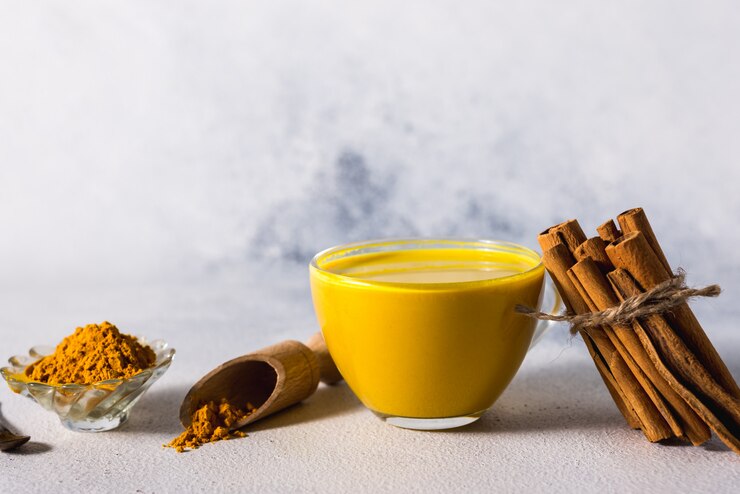
How to Prepare Golden Milk at Home (Traditional and Modern Recipe)
Making golden milk is simple. Here's a versatile base recipe you can customize.
Classic Golden Milk Recipe
Ingredients (1 serving):
- 1 cup milk (whole dairy, almond, coconut, or oat milk)
- 1 teaspoon ground turmeric (or 1 inch fresh turmeric root, grated)
- ½ teaspoon ground cinnamon
- ½ teaspoon grated fresh ginger (or ¼ teaspoon ground ginger)
- 1 small pinch of black pepper (about ⅛ teaspoon)
- 1 teaspoon coconut oil or ghee
- 1–2 teaspoons honey or maple syrup (add after cooking, once slightly cooled)
Instructions:
- Combine all ingredients except honey in a small saucepan
- Heat over medium flame, whisking frequently, until warm and steaming — about 3-4 minutes. Don't let it boil vigorously
- Strain through a fine mesh strainer if using fresh turmeric/ginger
- Pour into a mug, let it cool slightly, then stir in honey
- Sprinkle a tiny pinch of cinnamon on top. Enjoy.
Nutrition per serving (approximate, made with whole dairy milk):
| Nutrient | Amount |
|---|---|
| Calories | 130–170 kcal |
| Protein | 4–8 g |
| Fat | 6–9 g |
| Carbohydrates | 12–18 g |
| Calcium | 250–300 mg |
| Curcumin (from 1 tsp turmeric) | ~6–10 mg active curcumin |
Recipe Variations for Specific Health Goals
This is something you won't find in most golden milk articles. Different add-ins can tailor your golden milk to specific needs:
| Goal | Add to Base Recipe | Why It Works |
|---|---|---|
| Better sleep | Pinch of nutmeg + dash of ashwagandha powder | Nutmeg contains trimyristin (mild sedative); ashwagandha reduces cortisol |
| Stress relief | ½ tsp ashwagandha + pinch of cardamom | Ashwagandha is a clinically studied adaptogen |
| Maximum immunity | Extra ginger + pinch of tulsi powder + raw honey | Tulsi (holy basil) is immunomodulatory in Ayurveda |
| Energy boost | ½ tsp matcha powder + skip the sweetener | Matcha provides L-theanine + caffeine for calm alertness |
| Enhanced anti-inflammatory | Double the turmeric + add ¼ tsp boswellia powder | Boswellia (frankincense) blocks 5-LOX, a different inflammatory pathway than curcumin |
| Skin glow | Pinch of saffron + 1 tsp almond butter | Saffron is used in Ayurvedic skin preparations; healthy fats support skin barrier |
Storage Tips and Make-Ahead Options
- You can make a larger batch and store it in an airtight glass jar in the refrigerator for up to 5 days. Reheat gently on the stovetop or in the microwave.
- Some people prepare a "golden paste" — a concentrated mixture of turmeric, black pepper, water, and coconut oil — and keep it in the fridge for up to 2 weeks. Then you just stir a spoonful into warm milk whenever you want a cup.
Pro tip: If you're making golden paste, cook the turmeric in water for 7-10 minutes over low heat to activate the curcumin before mixing in the pepper and oil.
Can I Drink Golden Milk Daily? (Dosage and Optimal Timing)
- Yes, most healthy adults can safely drink one cup of golden milk daily.
- In fact, consistency is key — curcumin's benefits accumulate over time with regular consumption rather than from occasional use.
When to Drink Golden Milk
The best time depends on your goal:
- For sleep: 30–60 minutes before bedtime. The warm milk (which contains tryptophan) combined with the calming spices makes it a natural alternative to chamomile tea
- For digestion: After dinner or the heaviest meal of the day
- For joint pain/inflammation: Morning or evening — just be consistent
- For immunity during illness: 2-3 times per day during acute cold or flu symptoms (a common Ayurvedic practice)
Optimal Curcumin Dosage: What the Research Says
Here's something crucial that most articles miss. Clinical studies showing significant benefits typically use 500–2,000 mg of curcumin per day. One teaspoon of ground turmeric (about 3 grams) contains roughly 90–200 mg of curcumin — that's only about 2-3% of the turmeric by weight.
- This means a single cup of golden milk provides far less curcumin than what's used in clinical trials.
- Does this mean golden milk is ineffective?
- No.
Here's why:
- The piperine from black pepper increases absorption by 2,000%
- The fat from milk/coconut oil/ghee further improves bioavailability
- The other spices (ginger, cinnamon) contribute their own independent benefits
- Cumulative daily intake over weeks and months adds up
- If you're looking for therapeutic-level curcumin (for serious inflammatory conditions), you may need a standardized curcumin supplement in addition to golden milk.
- Medical News Today notes this gap clearly — 0.2 g of curcumin per teaspoon of turmeric versus the 0.8 g/day used in many studies.
- Golden Milk vs Other Wellness Drinks: How Does It Compare?
Nobody else is giving you this comparison. Here's how golden milk stacks up against other popular health beverages:
| Feature | Golden Milk | Matcha Latte | Ginger Tea | Hot Chocolate (Dark) | Chamomile Tea |
|---|---|---|---|---|---|
| Calories (per cup) | 130-170 | 70-120 | 5-10 | 150-200 | 2-5 |
| Caffeine | None | 70 mg | None | 5-10 mg | None |
| Anti-inflammatory | ★★★★★ | ★★★ | ★★★★ | ★★ | ★★ |
| Antioxidant (ORAC) | High | Very High | Moderate | High | Low-Moderate |
| Sleep support | ★★★★ | ★ (caffeine) | ★★★ | ★★ | ★★★★★ |
| Blood sugar impact | Beneficial | Neutral | Beneficial | Negative (sugar) | Neutral |
| Gut health | ★★★★ | ★★★ | ★★★★ | ★★ | ★★★ |
| Best time | Evening/Night | Morning/Afternoon | Any time | Afternoon | Night |
| Protein | 4-8 g | 2-4 g | 0 g | 2-3 g | 0 g |
Golden milk is uniquely positioned as the best nighttime anti-inflammatory wellness drink. Matcha beats it for mornings (thanks to caffeine + L-theanine), but for evening wind-down with maximum health benefits, golden milk is hard to beat.
Side Effects, Risks, and Drug Interactions
This section is critical and severely underserved by existing content online.
Potential Side Effects of Golden Milk
- For most people, golden milk made with culinary amounts of turmeric is perfectly safe.
- However, excessive consumption can cause:
- Stomach upset and nausea — high doses of curcumin can irritate the gastrointestinal tract
- Diarrhea — particularly at doses above 1,000 mg of curcumin
- Headaches — reported in some clinical trials at high doses
- Skin rash — rare, but possible in individuals allergic to turmeric (it belongs to the same family as ginger, so cross-reactivity can occur)
- Yellow staining — turmeric will stain teeth, clothes, and countertops. Not a health risk, but worth mentioning
If using store-bought golden milk powders or pre-made drinks, check labels for common allergens: soy, tree nuts (almond milk-based products), dairy, and potential cross-contamination with gluten or other allergens.
Drug Interactions Nobody Talks About
This is a genuine gap in the existing literature online, and it's potentially dangerous that nobody covers it properly.
Curcumin interacts with the following medications:
| Medication Type | Interaction | Risk Level |
|---|---|---|
| Anticoagulants (Warfarin, Heparin, Aspirin) | Curcumin has blood-thinning properties; combined use may increase bleeding risk | High |
| Diabetes medications (Metformin, Insulin, Sulfonylureas) | Curcumin + cinnamon lower blood sugar; combined with meds may cause hypoglycemia | Moderate-High |
| NSAIDs (Ibuprofen, Naproxen) | Curcumin enhances anti-inflammatory effects; may increase GI bleeding risk | Moderate |
| Antacids / PPIs (Omeprazole, Ranitidine) | Turmeric increases stomach acid production; may counteract acid-reducing medications | Moderate |
| Immunosuppressants (Cyclosporine, Tacrolimus) | Curcumin modulates immune function; may interfere with immunosuppressive therapy | Moderate |
| Chemotherapy drugs | Curcumin may interfere with certain chemo agents; some studies show enhancement, others show interference | Consult oncologist |
If you take any of these medications regularly, consult your doctor before making golden milk a daily habit — especially in concentrated or supplemental doses.
Who Should Avoid Golden Milk? (Contraindications for Specific Groups)
Another critical gap no competitor addresses properly:
- Pregnant and breastfeeding women: Culinary amounts of turmeric in food are generally safe. But high-dose curcumin supplements may stimulate uterine contractions.
- Stick to small, food-level amounts — a light golden milk with half a teaspoon of turmeric is typically fine, but avoid curcumin capsules without medical guidance
- People with gallstones or bile duct obstruction: Turmeric stimulates bile production. If you have gallstones, this increased bile flow can trigger painful gallbladder attacks
- People scheduled for surgery: Stop drinking golden milk (and curcumin supplements) at least 2 weeks before surgery due to its blood-thinning effects
- People with iron deficiency anemia: Some research suggests curcumin may bind to iron and reduce its absorption. If you're iron-deficient, avoid drinking golden milk with iron-rich meals or iron supplements
- People with kidney stones: Turmeric is high in oxalates. High oxalate intake can contribute to calcium oxalate kidney stones in susceptible individuals
Don't wait or self medicate. Start chat with Doctor NOW
What Does Golden Milk Taste Like?
If you've never tried it, you might be wondering about the taste. Golden milk has a warm, earthy, slightly peppery flavor with gentle sweetness. The turmeric gives it a mild bitterness that's balanced by the cinnamon's sweetness and ginger's bright zing.
It's not like a chai latte or hot chocolate — it's more subtle, more "grounding." Some people love it immediately. Others need a few cups to acquire the taste. Adding honey or maple syrup helps if you find the earthiness too strong. Using coconut milk gives it a creamier, slightly tropical twist compared to dairy or almond milk.
Many people on Reddit describe it as "like a warm hug in a cup" — comforting without being overly sweet.
Evaluating Store-Bought Golden Milk Products
- The market is flooded with golden milk powders, ready-to-drink bottles, and capsules.
- Here's what to look for — and what to avoid:
What makes a good product:
- Lists turmeric (or curcumin extract) as the first or second ingredient
- Contains black pepper extract or piperine
- Minimal added sugars (under 5g per serving)
- No artificial colors or flavors — the golden color should come from turmeric itself
- Organic certification is a plus (reduces pesticide exposure)
Red flags:
- Sugar or sweetener listed as the first ingredient
- No black pepper/piperine (means poor curcumin absorption)
- "Turmeric flavoring" instead of actual turmeric
- Proprietary blends that don't disclose individual ingredient amounts
- Excessive fillers like maltodextrin
Honestly, making golden milk at home gives you complete control over quality and dosage — and it's significantly cheaper. A bag of good-quality ground turmeric costs a fraction of what you'd spend on pre-packaged golden milk products over a month.
Frequently Asked Questions
What is golden milk called in India?
- Golden milk is called haldi doodh (हल्दी दूध) in Hindi, which literally translates to "turmeric milk." Regional names vary — in Tamil it may be referred to as manjal paal, in Kannada as arishina haalu, and in Bengali as holud dudh.
- Regardless of the name, the concept is the same: warm milk infused with turmeric and spices.
Can golden milk help me lose weight?
- There's no direct evidence that golden milk causes weight loss.
- However, curcumin may support weight management indirectly — a 2019 meta-analysis in International Journal of Obesity found that curcumin supplementation was associated with reduced BMI, weight, and waist circumference. The anti-inflammatory effects may also help reduce inflammation-driven weight gain.
- But don't expect miracles from a drink alone — diet and exercise remain fundamental.
Is golden milk safe for children?
Yes, in moderate amounts. Many Indian families give diluted haldi doodh to children over age 2 during colds and coughs. Use half the turmeric amount (about ½ teaspoon), skip the black pepper for very young children, and keep it lightly sweetened with honey (only for children over 12 months due to botulism risk). Avoid giving curcumin supplements to children without pediatric guidance.
Can I use fresh turmeric root instead of powder?
Absolutely. Use about 1 inch (2.5 cm) of fresh turmeric root, grated or sliced, per cup of milk. Fresh turmeric has a milder, slightly more earthy flavor and contains the same active compounds. Just strain the milk before drinking. Some people prefer fresh turmeric because it contains a broader spectrum of beneficial compounds beyond just curcumin, including turmerone and other volatile oils.
Does golden milk break a fast?
Yes. Golden milk made with any type of milk contains calories, protein, and fat, all of which break a fast. If you're practicing intermittent fasting, save your golden milk for your eating window — ideally as an evening drink before bed.
The Bottom Line
Golden milk isn't a fad. It's a time-tested Ayurvedic remedy backed by a growing body of modern scientific research. From reducing inflammation and supporting brain health to regulating blood sugar and strengthening immunity, the combination of turmeric, black pepper, ginger, and cinnamon in warm milk creates something genuinely therapeutic.
The key is consistency and realistic expectations. A daily cup of golden milk won't cure diseases, but as part of a balanced lifestyle, it contributes meaningfully to long-term health. Make it at home for the best quality, always include black pepper and a fat source, and if you're on medications, check with your doctor first.
- Start tonight.
- Warm up a cup.
- Your body — and your grandmother — will thank you.
Written by Dr. Snehal Vidhate (BAMS) | Reviewed by Dr. Prasad Pentakota (BAMS) Last updated: May 2025. This article is for informational purposes only and does not replace professional medical advice. Always consult a qualified healthcare provider for personalized guidance.
Scientific Sources
- Network pharmacology of AYUSH recommended immune-boosting medicinal plants against COVID-19 — Khanal P et al., 2022, Journal of Ayurveda and integrative medicine
Questions from users
Can I mix turmeric milk with other drinks for more flavor and benefits?
Leslie
8 days ago
You can totally mix turmeric milk with other drinks for variety and additional benefits! A little cinnamon or ginger could add a nice kick, and both are great from an Ayurvedic perspective too. Just keep an eye on your digestion, make sure it's not too heavy for your agni. Maybe try small amounts first to see how your body feels!
What is the best type of milk to use for making golden milk if I want a dairy-free option?
Tiffany
18 days ago
For a dairy-free option, oat milk or almond milk is great for golden milk. They have a neutral taste and creamy texture. Just make sure to choose unsweetened versions to keep the flavors balanced! Also, they're easier on the digestion for some people, making the experience more enjoyable.
What can I add to golden milk to enhance its flavor and health benefits?
Hunter
27 days ago
To enhance flavor and health benefits, you can try adding a pinch of saffron or a few crushed cardamom pods for a nice aroma and calming effect. For a bit more sweetness and an antioxidant boost, toss in a few drops of vanilla extract or even a bit of ground nutmeg. All these add pretty nicely to the overall balance and benefits of the drink!
Can I use turmeric milk as a meal replacement or snack option?
Chloe
36 days ago
Turmeric milk isn't a suitable meal replacement, but it's great as a snack or part of a routine to wind down. It ups your aga (digestive fire) and can be soothing, especially with a pinch of cinnamon. Just keep your meals balanced and based on your dosha needs! Adjusting turmeric milk according to taste and your constitution helps support your overall wellness.
Can I drink golden milk every day to improve my mood and sleep quality?
Audrey
48 days ago
Yes, you can drink golden milk daily, it can be great for mood and sleep. The calming effects from ingredients like turmeric and ginger might help you wind down in the evening. But remember, everyone reacts differently so listen to your body! If you have any health conditions, it's a good idea to check in with a health professional first.
What are the signs that turmeric milk is starting to work for joint pain relief?
Bella
58 days ago
When you start to feel turmeric milk working for joint pain, you might notice less stiffness and swelling in the joints, and hopefully, some ease in pain. Improvement in mobility can also be a sign. Just remember, it can take some time and daily use to really see results. Each body is different, so listen to yours!
What are the best types of milk to use for making turmeric milk?
Landon
67 days ago
You can use pretty much any milk for turmeric milk! Cow's milk is classic, but almond or coconut milk are plant-based faves and give a nice twist. Just pick one that you enjoy the taste of. Sometimes people also choose based on their dosha type, like, warming cow's milk might be better for vata types.
Can I use turmeric milk for skin issues like acne or eczema?
Emily
77 days ago
Yep, turmeric milk can be great for skin issues like acne or eczema! The curcumin in turmeric is an anti-inflammatory that might help reduce redness and irritation. Make sure you add a little black pepper for better absorption. Just remember, everyone’s skin is different, so see how your skin responds and adjust if needed.
What is the best way to serve turmeric milk to enhance its flavor and health benefits?
Rowan
86 days ago
To boost turmeric milk's flavor and benefits, try adding a pinch of ground black pepper, it helps increase curcumin absorption (turmeric's active compound) and enhance digestion. A dash of cinnamon or ginger can spice it up too. Sweeten with honey or maple syrup to taste. Enjoy it warm for best effect! Be flexible with the recipe to match your dosha balance.
Can turmeric milk help boost my immune system during cold season?
Zuri
96 days ago
Yes, turmeric milk can definitely help boost your immune system during cold season! Turmeric is known for its anti-inflammatory and antioxidant properties, which support immune health. The turmeric works best when combined with black pepper, as it enhances absorption. Plus, it's cozy and soothing, so good for both body and mind. Just remember, balance in your diet is key!
Related articles

Nutrition
When to Eat Fruits According to Ayurveda: Best Timing for Maximum Health Benefits
Learn when to eat fruits according to Ayurveda, including the best time to eat fruits as per Ayurveda, benefits of eating fruits on empty stomach and more
13,663

Nutrition
How to Eat Butter Fruit: Simple Ways, Raw or in Recipes
Learn how to eat butter fruit, the best time to consume it, and delicious butter fruit recipes for babies and breakfast. Discover if you can eat it raw
5,307

Nutrition
What Is Makhana? Ayurvedic Benefits, Nutrition and Side Effects
Exploration of Discover the Nutritional and Health Benefits of Makhana: A Versatile Superfood
9,168

Nutrition
How to Eat Munakka: Ayurvedic Benefits, Daily Intake and Recipes
Exploration of Discover the Ayurvedic Benefits and Ways to Eat Munakka
7,947

Nutrition
Debunking Myths in Ayurveda
Ayurveda is an ancient system of medicine grounded in natural healing principles, with a rich historical context.
227,931

Nutrition
How to Make Kitchari: Ayurvedic Recipe, Ingredients, and Benefits
How to make kitchari? Discover a simple kitchari recipe, ingredients, Ayurvedic benefits, and how this rice-lentil dish supports digestion, detox, and balance
5,058

Nutrition
How to Use Sunflower Seeds for Health, Hair, and Weight Management
Discover how to use sunflower seeds for weight loss, hair health, and more. Learn about sunflower seeds uses, recipes, and Ayurvedic benefits
4,623

Nutrition
Exploring Coconut Curd in Ayurveda
Coconut curd is a popular dairy-free alternative in Ayurveda, made from coconut milk, offering a creamy texture and unique flavor.
6,738

Nutrition
Dadimadi Ghrita – Benefits, Dosage, How to Use, Side Effects, Ingredients and Reference
Exploration of Dadimadi Ghrita – Benefits, Dosage, How to Use, Side Effects, Ingredients and Reference
2,794
Nutrition
Curd Benefits: What Ayurveda Has Been Trying to Tell You Forever
Alright, let’s get this out of the way — curd isn’t just another dairy product. It’s not just yogurt’s shy cousin. In Ayurveda, curd is a thing. A big thing.
4,765
Related consultations on the topic
Legal
Additional Documents
© 2024 Ask Ayurveda. All rights reserved.