FREE! Ask Ayurvedic Doctors 24/7

 Fast responses
 1000+ verified doctors
How to Make Potato Juice for Face: Ayurvedic Tips, Skin Benefits, and Safe Use

If you’ve ever wondered how to make potato juice for face and whether it really works, you’re not alone. Potato juice for face has been gaining popularity as a natural skin remedy that many swear by. Whether it’s for brightening dull skin, fading dark spots, or just giving your complexion a healthy glow, potato juice on face is said to have a variety of benefits. But is potato juice good for face skin? And how exactly do you use it safely and effectively?
In this article, we’ll dive into everything you need to know about potato juice for face benefits—from the Ayurvedic perspective to practical tips on how to make, apply, and store potato juice for your skin. We’ll also cover the possible side effects, so you can decide if this natural remedy suits you. So, let’s peel back the layers and get started!
What Is Potato Juice and Why Is It Used for Skin?
Potato juice is simply the liquid extracted from raw potatoes. It contains vitamins, minerals, and antioxidants that are believed to promote skin health. While potatoes are mostly known as a kitchen staple, their juice has been used traditionally in various cultures, especially in Ayurveda, for skin treatments.
Is Potato Juice Good for Face According to Ayurveda?
In Ayurveda, the skin is considered a reflection of your overall health. Potato juice is prized because it’s cooling, anti-inflammatory, and packed with nutrients like vitamin C and potassium, which help soothe irritated skin and reduce pigmentation. It’s thought to balance the skin’s natural oils and improve texture, making it a gentle remedy for many skin issues.
Many Ayurvedic texts recommend applying natural juices like potato juice on face to calm redness, lighten dark spots, and improve complexion gradually without harsh chemicals. So yes, potato juice is considered good for face according to Ayurveda, especially when used correctly.
Benefits of Applying Potato Juice on Face for Skin Tone and Texture
Using potato juice on face regularly can help even out skin tone and smooth texture. Here are some key benefits you can expect:
-
Brightening dull skin: The natural enzymes and vitamin C help reduce dullness and enhance glow.
-
Reducing dark circles and pigmentation: Potato juice on face overnight benefits those struggling with discoloration.
-
Soothing irritated skin: Its cooling effect calms redness and inflammation.
-
Minimizing pores and acne scars: Regular application can help fade blemishes and refine pores.
-
Hydrating dry skin: The juice contains moisture-binding properties that help retain skin hydration.
Because it’s natural and gentle, potato juice for face benefits extend to most skin types, but it’s always best to test a small patch first to avoid any reactions.
How to Make Potato Juice for Face at Home
Making your own potato juice at home is super simple and ensures you’re getting fresh, chemical-free juice. Here’s how you can do it:
Step-by-Step: How to Make Potato Juice Safely
-
Choose fresh potatoes: Use organic potatoes if possible to avoid pesticides.
-
Wash thoroughly: Clean the potatoes well to remove dirt and residues.
-
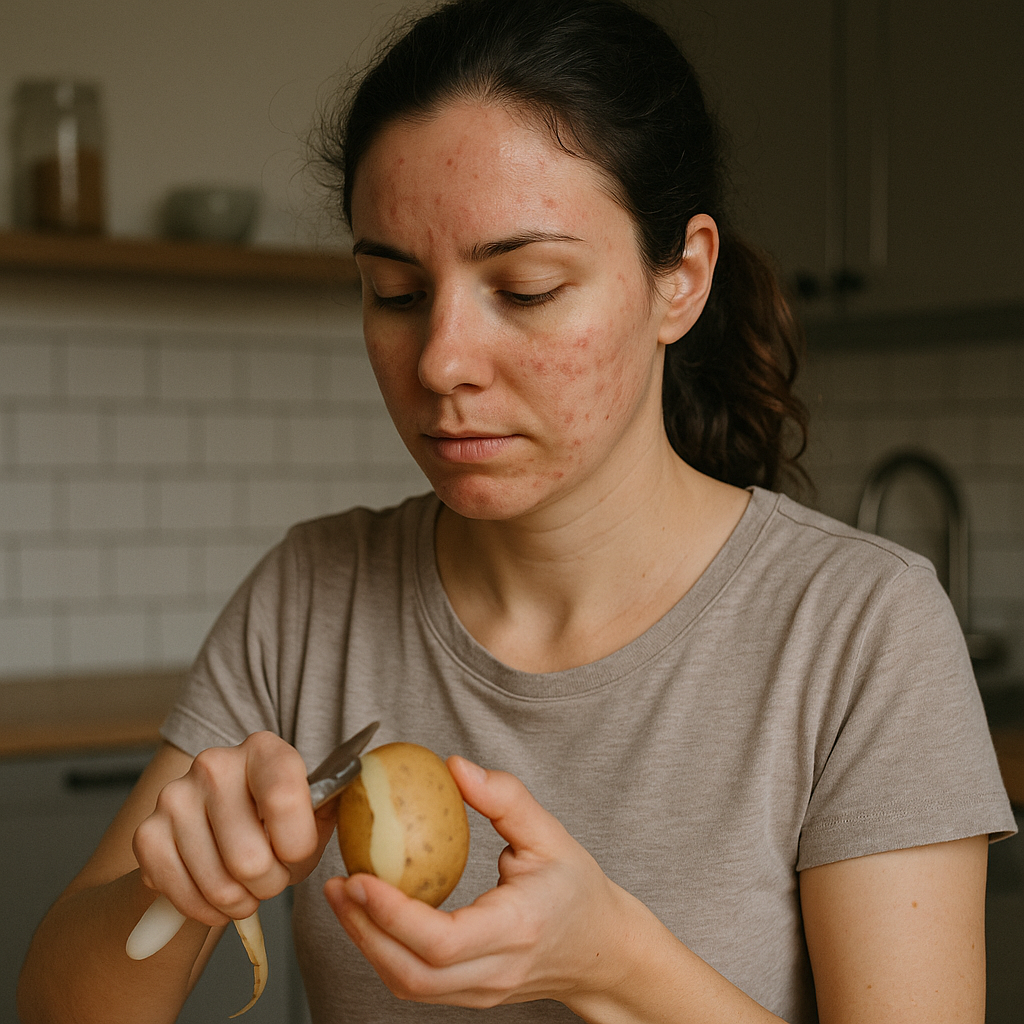
Peel the skin: Although potato skin has nutrients, peeling avoids potential dirt or bitterness.
-
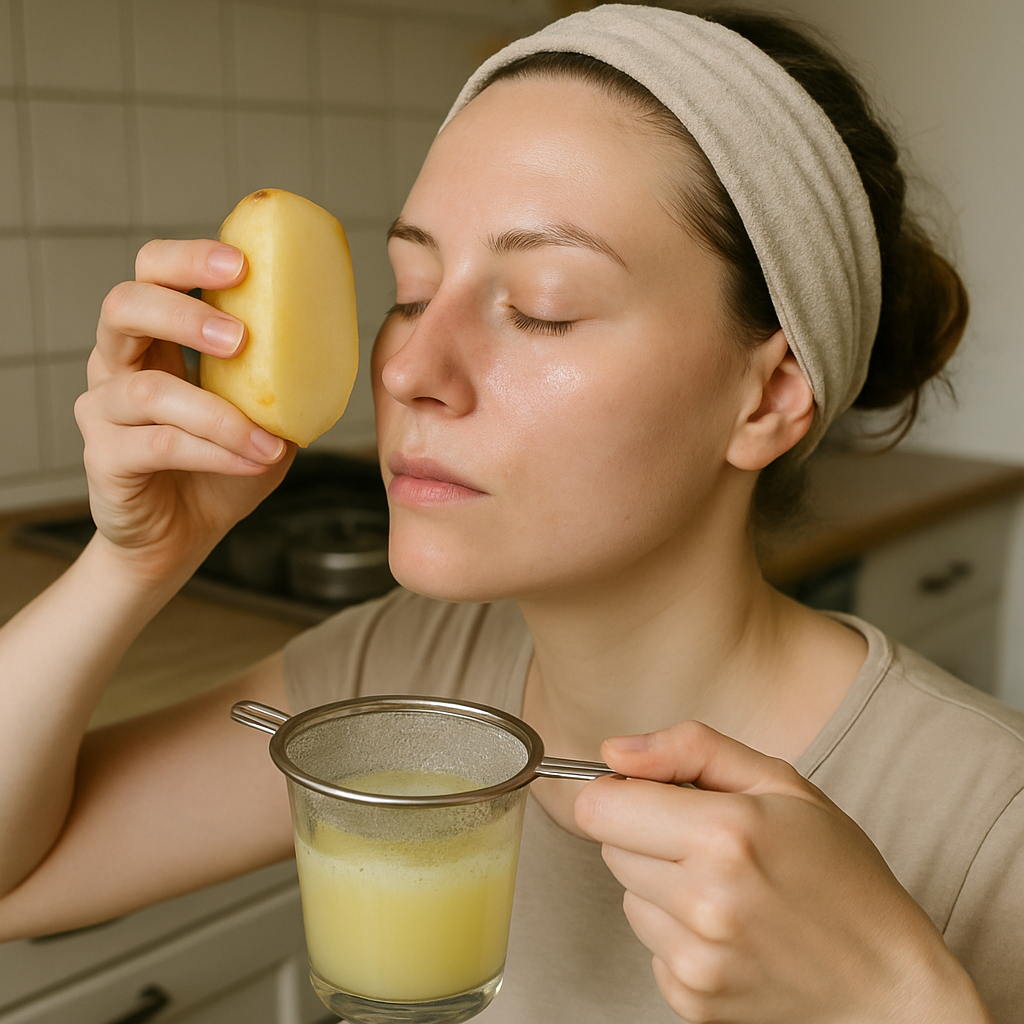
Grate or blend: Grate the potato finely or chop and blend it in a blender.
-
Extract the juice: Use a clean muslin cloth or fine strainer to squeeze out the juice.
-
Use immediately: Potato juice oxidizes quickly, so use it fresh for best results.
How to Store and Use Fresh Potato Juice for Face Masks
If you have leftover juice, store it in an airtight container in the refrigerator for up to 24 hours. Beyond that, it may lose potency and start to ferment, which is not ideal for skin application. You can mix the juice with other natural ingredients like honey or yogurt for DIY face masks.
How to Apply Potato Juice on Face for Best Results
Knowing how to apply potato juice on face correctly can make a big difference in the results you see. Potato juice is gentle but potent, so the right technique and frequency matter.
How to Use Potato Juice on Face for Daily Care
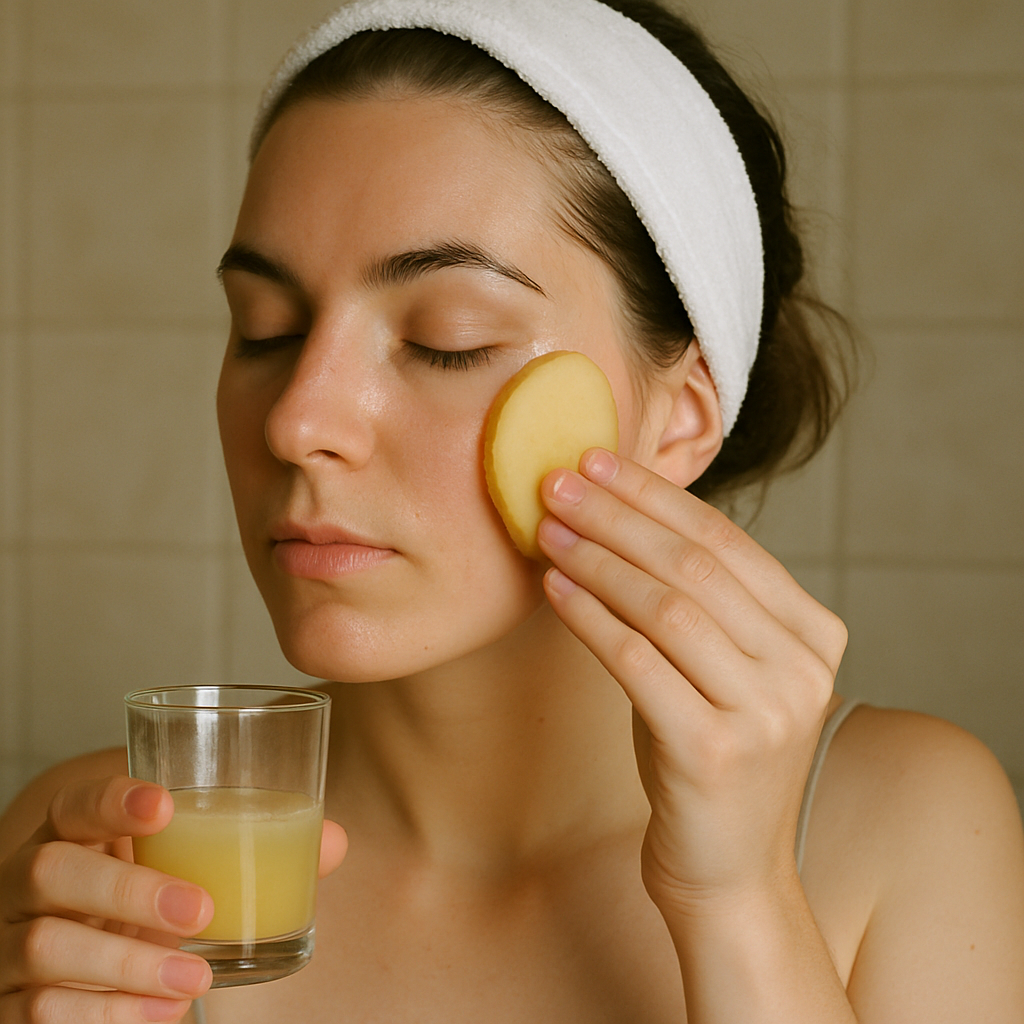
For daily care, you can simply dab fresh potato juice on your face using a cotton ball. Gently apply it on areas with dark spots, pigmentation, or dullness. Let it dry naturally—no need to rinse immediately unless it feels sticky or uncomfortable.
Start by applying once a day, preferably in the evening, to see how your skin reacts. Some people might experience mild dryness or tightness, so moisturize afterward if needed. Over time, you can increase usage to twice a day for enhanced effects.
Potato Juice on Face Overnight: Method and Benefits
One popular method is leaving potato juice on face overnight to maximize its benefits. Here’s how:
-
Cleanse your face thoroughly.
-
Apply fresh potato juice with a cotton pad evenly all over your face.
-
Let it absorb fully before going to bed.
-
Wash your face with lukewarm water in the morning.
The overnight method lets the juice penetrate deeply into the skin, promoting cell regeneration and reducing pigmentation while you sleep. Many users report brighter and more even-toned skin with this approach.
Applying Potato Juice on Face: Do’s and Don’ts
-
Do use fresh juice every time—avoid using stored juice for longer than a day.
-
Do patch test first to check for allergic reactions.
-
Don’t apply on broken or irritated skin.
-
Don’t mix with harsh chemicals or store-bought products that might react with the juice.
-
Do moisturize after application to prevent dryness.
Benefits of Potato Juice on Face for Different Skin Goals
Potato juice offers diverse benefits depending on your skin concerns. Let’s explore how potato juice for face whitening and overall skin health works.
Potato Juice for Face Whitening and Pigmentation
One of the most talked-about benefits is its natural bleaching effect, which helps fade pigmentation and brighten skin tone. Potato juice contains catecholase enzyme, which inhibits melanin production—the pigment responsible for dark spots and uneven skin tone.
Regular use can lighten age spots, sunspots, and even acne scars. It’s a gentle, natural alternative to harsh chemical whiteners that can sometimes cause irritation.
Potato Juice on Face Benefits for Acne, Blemishes, and Glow
If you struggle with acne or blemishes, potato juice might be a helpful addition to your skincare routine. Its anti-inflammatory properties reduce redness and swelling, while antioxidants help heal scars and prevent new breakouts.
Additionally, the juice’s vitamins nourish the skin, promoting a healthy glow. It’s not a miracle cure for severe acne but can complement other treatments for a clearer complexion.
Side Effects of Potato Juice on Face and When to Avoid It
While potato juice on face offers many benefits, it’s important to be aware of the side effects of potato juice on face and when to avoid using it.
Common Skin Reactions to Raw Potato Juice
Some people with sensitive skin may experience mild irritation, redness, or dryness after applying raw potato juice. This is usually due to the natural acids and enzymes present in potatoes. If you notice any burning or excessive discomfort, rinse your face immediately and discontinue use.
Also, applying potato juice on broken or sunburnt skin can worsen irritation. Another thing to watch out for is allergic reactions, which are rare but possible. A simple patch test on your wrist or behind your ear before using it on your face can help avoid unpleasant surprises.
Conclusion
In summary, potato juice for face is a natural, affordable, and easy-to-make remedy that carries multiple benefits for skin tone, texture, and overall health. From brightening dull complexion to reducing pigmentation and soothing inflammation, the benefits of applying potato juice on face are backed by tradition and anecdotal evidence.
If you’re curious about how to use potato juice on face safely, start with small applications, avoid broken skin, and remember that consistency is key. Whether you try potato juice on face overnight or daily dabbing, the gentle care it offers can complement your existing skincare routine beautifully.
Always be mindful of possible side effects of potato juice on face and discontinue use if irritation occurs. When done right, this simple kitchen ingredient can help you achieve a radiant, glowing complexion naturally.
Why not give it a try and share your experience? Nature often holds the simplest, most effective beauty secrets!
FAQs
Can I use potato juice every day for glowing skin?
Yes, you can use potato juice daily, but it’s best to start slow to see how your skin reacts. Applying once a day, preferably in the evening, is a good routine.
Are there side effects of potato juice on sensitive skin?
Some people with sensitive skin might experience irritation or redness. Always patch test first to avoid adverse reactions.
How long should I leave potato juice on my face?
You can leave it on for 15-30 minutes if applying as a mask, or even overnight for deeper effects, but listen to your skin and rinse if you feel discomfort.
Does potato juice help with acne scars or blemishes?
Potato juice has mild bleaching and anti-inflammatory properties that can help fade acne scars and reduce blemishes over time with regular use.
Can I mix potato juice with other ingredients for face masks?
Absolutely! Mixing potato juice with honey, yogurt, or aloe vera can enhance its benefits and make it more nourishing.
Ask Ayurvedic doctor a question and get a consultation online on the problem of your concern in a free or paid mode.
More than 2,000 experienced doctors work and wait for your questions on our site and help users to solve their health problems every day.
Related articles