Ask Ayurvedic doctor a question and get a consultation online on the problem of your concern in a free or paid mode. More than 2,000 experienced doctors work and wait for your questions on our site and help users to solve their health problems every day.
FREE! Ask Ayurvedic Doctors 24/7

 Fast responses
 1000+ verified doctors
Body DetoxEar, Nose, and Throat DisordersGeriatrics & RejuvenationImmunodeficiencyInfertility TreatmentNutritionOrthopedic DisordersPediatricsRespiratory DisordersSexually Transmitted Diseases (STDs)Surgery RecoveryUrological DisordersVascular DisordersDental DisordersEndocrinological DisordersGastrointestinal DisordersYoga TherapyGeneral MedicineAllergic DisordersCardio DisordersGynecology and ObstetricsCosmetologySkin and Hair DisordersEye DisordersInfectious DiseasesMental DisordersNeurological DisordersOncologyPanchakarmaSexual Health & DisordersSports Medicine
Published on 08/13/25
(Updated on 07/09/26)
star_border 4.72
25,453
How to Eat Pumpkin and Sunflower Seeds for Maximum Benefits

If you’re wondering how to eat pumpkin and sunflower seeds in a way that truly boosts your health, you’re not alone. These tiny powerhouses pack a punch, but knowing the best way to consume pumpkin seeds and sunflower seeds can make a huge difference in how much you benefit from them. Whether you’re curious about the benefits of pumpkin seeds and sunflower seeds or want practical tips on how to eat them daily, this guide will walk you through everything — from the best time to eat sunflower and pumpkin seeds to creative uses and even Ayurvedic insights.
Sunflower and pumpkin seeds have become increasingly popular as snack options and nutrient boosters. But many people still ask: can you eat sunflower seeds and pumpkin seeds together? And how much pumpkin and sunflower seeds to eat daily is optimal? This article dives into all those questions, helping you get the most from these nutritious seeds.
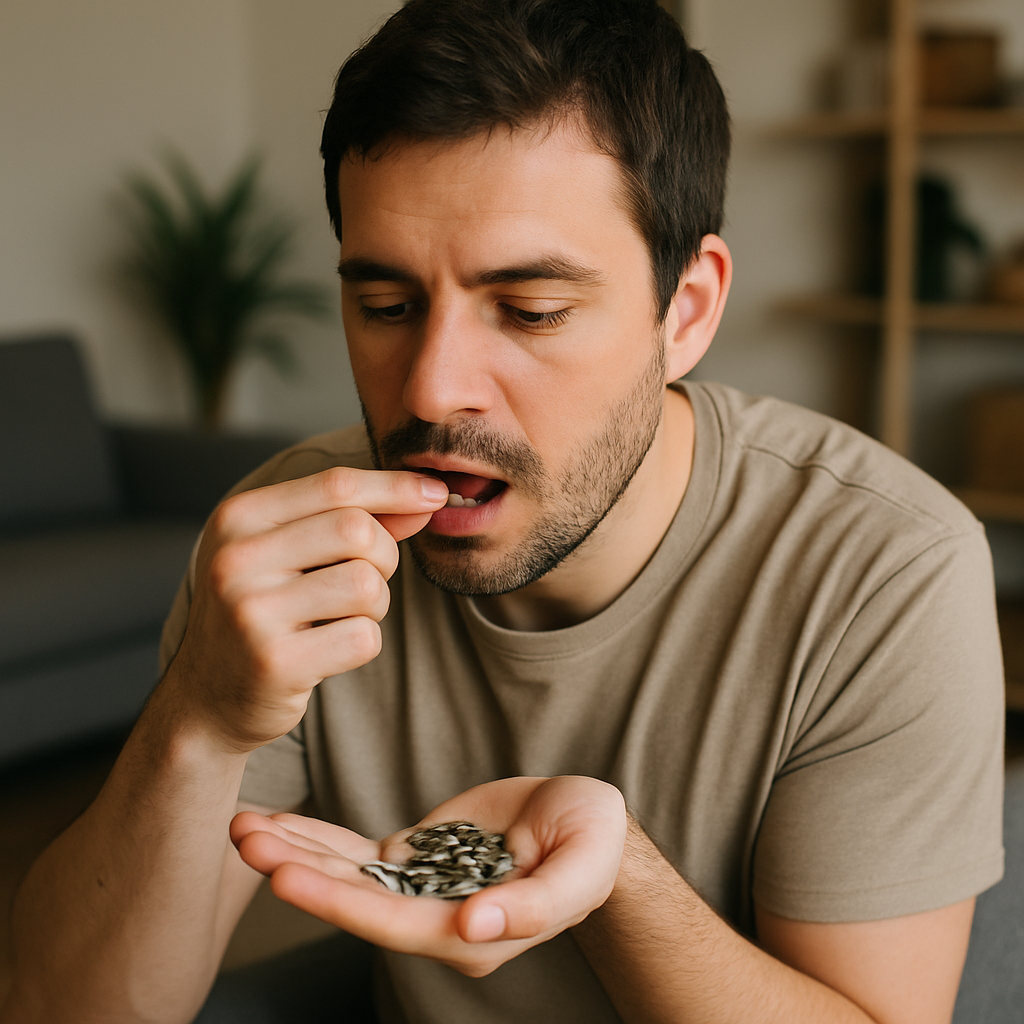
Why Pumpkin and Sunflower Seeds Are Good for You
First off, let's talk about why pumpkin and sunflower seeds are so widely praised. These seeds are loaded with essential nutrients like magnesium, zinc, and healthy fats, which contribute to heart health, immunity, and even better sleep. The benefits of pumpkin seeds and sunflower seeds go beyond just being a tasty snack — they support everything from brain function to skin health.
Pumpkin and sunflower seeds uses are versatile, making them a perfect addition to almost any diet. Both seeds contain antioxidants that help reduce inflammation, plus they provide a good source of protein for those looking for plant-based options. Not only that, but these seeds are rich in fiber, helping with digestion and keeping you fuller for longer.
How to Eat Pumpkin and Sunflower Seeds Daily
Eating pumpkin and sunflower seeds daily can be a great way to supplement your diet, but knowing how to consume pumpkin seeds and sunflower seeds correctly ensures you get the maximum benefits without any downsides.
Raw, Roasted, or Soaked – What’s Best?
You might be wondering if it’s better to eat pumpkin and sunflower seeds raw, roasted, or soaked. Well, each method has its own perks. Raw seeds keep most of their nutrients intact but can be harder to digest for some people. Roasting enhances flavor and crunch but can reduce certain heat-sensitive vitamins. Soaking seeds can help reduce phytic acid, a compound that might hinder mineral absorption.
So, the best way to eat pumpkin and sunflower seeds often depends on your personal preference and digestive comfort. A little trial and error is perfectly okay here!
How Much Pumpkin and Sunflower Seeds to Eat Daily
When it comes to how much pumpkin and sunflower seeds to eat daily, moderation is key. Experts usually recommend about a small handful — around 1 to 2 tablespoons or roughly 20 to 30 grams — of each seed per day. Eating too many might lead to excessive calorie intake or digestive discomfort. Keeping the portion reasonable helps you enjoy the benefits without overdoing it.
Best Time to Eat Sunflower and Pumpkin Seeds
Wondering about the best time to eat sunflower and pumpkin seeds? The answer isn’t one-size-fits-all, but generally, adding them to your diet in the morning or early afternoon can be very beneficial. Eating these seeds as part of breakfast or a midday snack helps maintain your energy levels throughout the day. Thanks to their protein and healthy fat content, they provide lasting satiety and steady blood sugar.
Some people also find eating pumpkin and sunflower seeds before bed helpful, especially pumpkin seeds, which contain tryptophan—a precursor to serotonin and melatonin, hormones that promote better sleep. So, a small evening snack of pumpkin seeds might just be your new bedtime ritual!
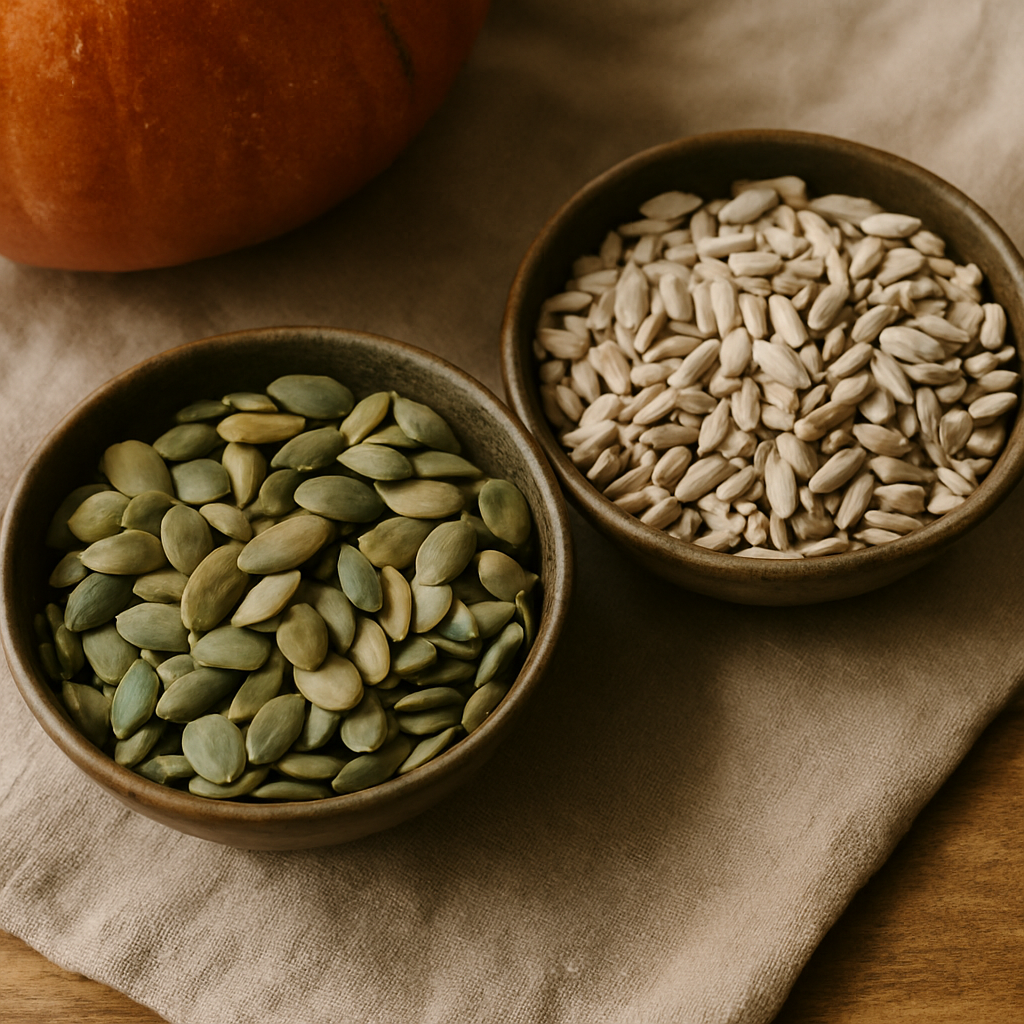
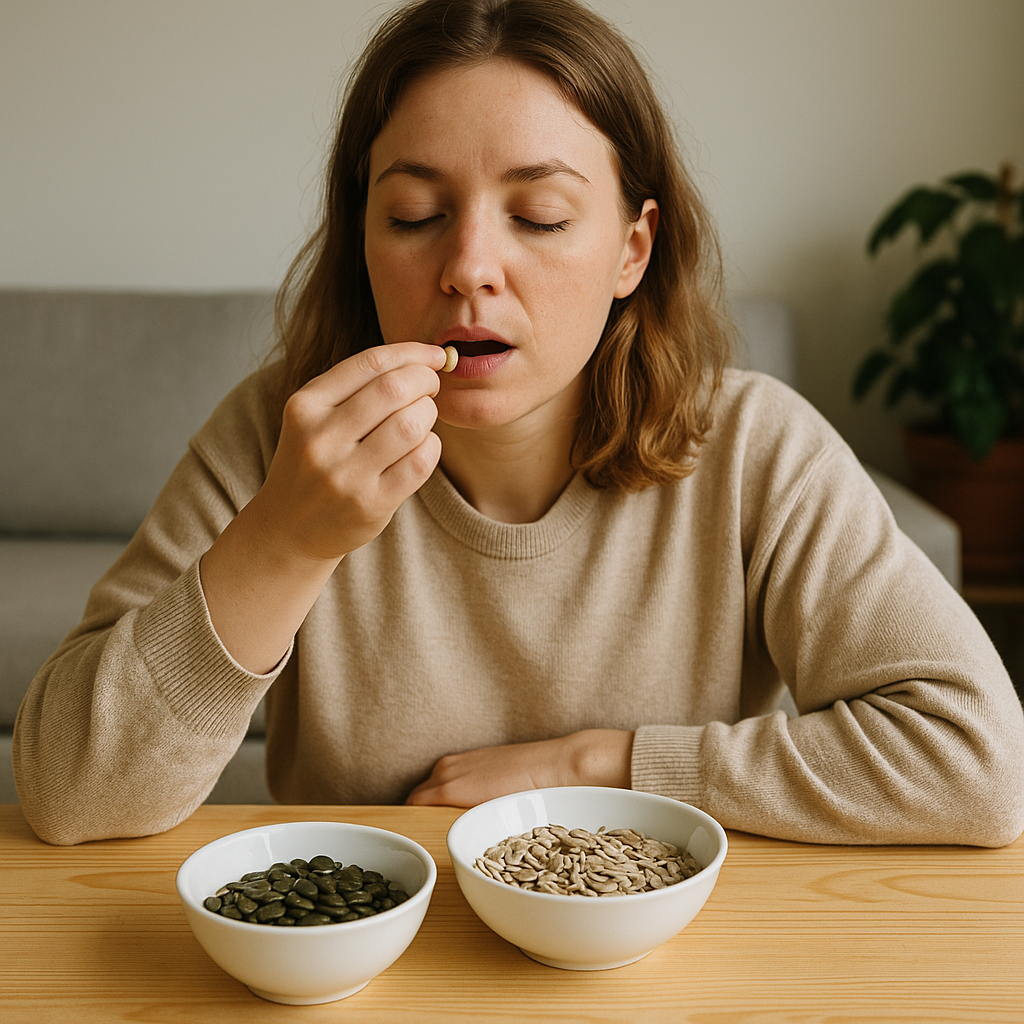
Can You Eat Pumpkin and Sunflower Seeds Together?
Absolutely! Can you eat sunflower seeds and pumpkin seeds together? Yes, and it might actually be a great idea. Combining these seeds can maximize their nutrient profile since each offers unique vitamins, minerals, and antioxidants.
Synergistic Benefits of Eating Both
Eating pumpkin and sunflower seeds together creates a synergy that’s greater than the sum of their parts. Pumpkin seeds are high in magnesium and zinc, which support immune health and muscle function. Meanwhile, sunflower seeds are packed with vitamin E, an antioxidant that protects your cells from damage. Together, they provide a balanced nutrient boost that’s perfect for snacking or adding to meals.
Mixing these seeds also diversifies your intake of healthy fats and proteins, which can help improve your overall diet quality and keep meals interesting.
Who Should Avoid This Combination?
While pumpkin and sunflower seeds are generally safe for most people, those with allergies to seeds or specific digestive conditions should be cautious. People with certain nut or seed allergies might experience reactions, and overconsumption can cause bloating or discomfort due to high fiber content. If unsure, it’s best to start with small amounts and observe how your body reacts.
Creative Ways to Include Pumpkin and Sunflower Seeds in Your Diet
Adding pumpkin and sunflower seeds to your meals doesn't have to be boring or bland. There are plenty of delicious and creative ways to use them.
Breakfast Ideas: Smoothies, Oatmeal, and Toast
One simple way is tossing these seeds into your morning oatmeal or yogurt. They add a nice crunch and a nutrient boost. You can also blend sunflower and pumpkin seeds into smoothies — they blend surprisingly well and create a creamy texture without overpowering the flavor.
For toast lovers, sprinkle them over avocado or nut butter spreads for an added crunch and a dose of healthy fats.
Seed Mix Recipes and Snacks
Another tasty option is creating your own seed mix by combining roasted pumpkin and sunflower seeds with dried fruits and nuts. This mix is perfect for on-the-go snacking and offers a satisfying combination of textures and flavors.
You can also bake them into homemade granola bars or add them to salads and soups for extra nutrition and crunch.
Don't wait or self medicate. Start chat with Doctor NOW
Ayurveda’s View on Pumpkin and Sunflower Seed Consumption
In Ayurveda, pumpkin and sunflower seeds are valued not only for their nutrition but also for their energetic properties. Pumpkin seeds are believed to balance Vata and Kapha doshas thanks to their grounding and warming qualities. Sunflower seeds, meanwhile, can pacify Vata and Pitta but may increase Kapha if eaten excessively.
How to use pumpkin seeds and sunflower seeds in Ayurveda often involves mindful moderation and combining them with warming spices like ginger or cinnamon. Eating these seeds soaked or lightly roasted is preferred to enhance digestion and absorption. This ancient wisdom aligns well with modern insights on soaking seeds to reduce antinutrients and improve nutrient bioavailability.
Conclusion
So, how to eat pumpkin and sunflower seeds to reap their maximum benefits? The answer is pretty simple: enjoy a modest daily amount, choose your favorite preparation method—raw, roasted, or soaked—and mix them into your meals or snacks throughout the day. Whether eaten together or separately, pumpkin and sunflower seeds offer a wide range of health benefits, from improved heart health to better sleep.
Remember, the best time to eat sunflower and pumpkin seeds depends on your personal routine, but mornings and early afternoons are great for energy, while a small evening snack of pumpkin seeds might help you sleep better.
If you’re looking to spice up your diet, try adding these seeds to smoothies, oatmeal, or your homemade seed mixes. And for those curious about traditional approaches, Ayurveda offers valuable insights on how to consume pumpkin seeds and sunflower seeds mindfully.
Try incorporating these nutrient-packed seeds into your daily life—you might be surprised how such simple additions can boost your health and delight your taste buds!
FAQs
Can I eat pumpkin and sunflower seeds without soaking?
Yes, you can eat them without soaking, but soaking can help reduce phytic acid and improve digestibility. If you don’t soak them, opt for roasted or raw versions to suit your digestion.
How many sunflower and pumpkin seeds per day?
A good rule of thumb is about 1 to 2 tablespoons (20-30 grams) of each seed daily. This amount provides benefits without overdoing calories or fiber.
Are there any side effects of eating sunflower and pumpkin seeds?
For most people, these seeds are safe. However, eating too many may cause digestive upset or allergic reactions in sensitive individuals. Moderation and awareness of your body’s response is key.
If you enjoyed learning how to eat pumpkin and sunflower seeds, share this article with your friends and family so they can also discover the many benefits of these humble seeds. Your health journey is just a handful of seeds away!
Questions from users
Is it beneficial to eat roasted pumpkin and sunflower seeds for weight loss?
Daniel
4 days ago
Eating roasted pumpkin and sunflower seeds can be beneficial for weight loss as they are nutrient-dense and can help promote satiety, reducing overall calorie intake. However, because pumpkin and sunflower seeds are high in calories and fats, moderation is key. A typical serving size is about one ounce, offering healthy fats, protein, and fiber without excess calories. Include them as part of a balanced diet, alongside regular exercise. Monitor for digestive issues, as too much can cause discomfort. Consult a doctor if you experience adverse effects or have specific health conditions.
What is the best way to roast pumpkin and sunflower seeds for maximum flavor?
Elijah
14 days ago
Roasting seeds, yeah, it really brings out their flavor. To get that tasty, nutty goodness without losing much nutrients, try low temp roasting. Spread seeds on a baking sheet, sprinkle a bit of oil, and roast at 300°F (150°C) for 10-15 mins. Keep an eye on them so they don't get all burnt, just golden brown is what you're aiming for.
What happens if I eat pumpkin and sunflower seeds on an empty stomach?
Lindsey
23 days ago
Eating pumpkin and sunflower seeds on empty stomach is usually okay, but can be vary depending on individual digestion. They're nutritious, but starting with a small amount is wise in case they cause discomfort. Soaking or roasting can help make them easier to digest. Just listen to your body and see how you feel!
What is the best way to store pumpkin and sunflower seeds to keep them fresh?
Ellie
32 days ago
For keeping pumpkin and sunflower seeds fresh, store them in a cool, dark place in an airtight container. If you've got room in the fridge, even better! Light and heat can make them go rancid faster. Just keep them away from moisture to avoid spoilage. Happy snacking! 🌻🥰
What is the best time of day to eat sunflower and pumpkin seeds for maximum energy?
Scarlett
41 days ago
According to Ayurveda, eating seeds like sunflower and pumpkin seeds in the morning or early afternoon is ideal for boosting energy levels throughout the day. Your digestive fire, or "agni," is strongest around midday, so it's a good time to snack! You could munch on them alone or toss them in a salad or smoothie too.
Is it safe to eat sunflower and pumpkin seeds if I have digestive issues?
Sutton
51 days ago
If you have digestive issues, it's important to go easy on sunflower and pumpkin seeds. They have high fiber, which can sometimes cause discomfort if digestion's slow or sensitive. Try starting with small amounts and see how you feel. Soaking or sprouting them might make it easier too. Just listen to your body!
What are the health benefits of pumpkin seeds for skin health?
Isabella
61 days ago
Pumpkin seeds are pretty awesome when it comes to skin health. They're packed with zinc, which is great for collagen production and repair, and antioxidants to fight inflammation. Plus, the healthy fats help keep your skin hydrated and plump. Just watch out for eating too much — the fiber can be a bit much for some.
Can pumpkin and sunflower seeds help with sleep issues?
Patrick
70 days ago
Pumpkin seeds might actually help with sleep cuz they have tryptophan, which can boost serotonin and melatonin - both good for sleep. Sunflower seeds are great too, but too much can mess with Kapha balance. Maybe try a small amount an hour or so before bed and see how you feel.
What is the nutritional value of pumpkin seeds compared to sunflower seeds?
Carter
80 days ago
Pumpkin seeds and sunflower seeds are both nutrient-rich! Pumpkin seeds pack more magnesium, zinc, and protein, while sunflower seeds have more Vitamin E and B vitamins. It's really about what nutrients you need more. You could mix them for a balanced snack, getting a taste of both worlds!
Can I eat pumpkin and sunflower seeds if I have a nut allergy?
Walker
89 days ago
Yes, you can usually eat pumpkin and sunflower seeds even with a nut allergy, since they’re seeds, not technically nuts. Still, it's really important to check with you doctor first to be sure it's safe for you! Allergies can vary a lot from person to person, so better safe than sorry. 🌻🎃
Related articles

Nutrition
Which Chana Is Good for Weight Loss: Roasted, Soaked or Boiled?
Discover which chana is good for weight loss. Learn about roasted, black, and boiled chana, their benefits, and how to eat chana for healthy weight management
16,468
Nutrition
Can We Eat Curd and Pickle Together?
You know what’s weird? Some combinations that taste great together might not actually sit well with your body. Like, curd and pickle — such a common combo on Indian plates. Especially in the summer. You’ve probably had it. I have too. But is it... Ayurved
4,542

Nutrition
Burcalvin Soft Gel Capsule
Exploration of Burcalvin Soft Gel Capsule
2,469

Nutrition
Vita Ex Gold Plus Capsule
Exploration of Vita Ex Gold Plus Capsule
3,646

Nutrition
How to Make Fennel Water: Ayurvedic Recipe, Benefits, and Daily Use
How to make fennel water? Learn the simple recipe, how to drink fennel water for weight loss, and the benefits of drinking fennel seeds water daily
8,385

Nutrition
Is Curd Heating or Cooling? Ayurvedic Truths, Diet Tips & Lifestyle Insights
Ayurveda, the ancient Indian science of life, views curd as heating — yes, even though it’s stored cold and feels cool to the tongue. It’s heavy, sour, and increases Kapha and Pitta doshas — especially when consumed the wrong way. That means, curd can con
11,682

Nutrition
Dietetics and Its Solutions in Ayurveda
Ayurveda, also called the Science of Life has a two-folded aim, which is “Swasthasya Swasthya Rakshanam” i.e. to preserve the good health of the healthy, and “Aturasya Vikara Prashamanam” which means to cure the disease of the diseased.
3,124

Nutrition
Exploring Coconut Curd in Ayurveda
Coconut curd is a popular dairy-free alternative in Ayurveda, made from coconut milk, offering a creamy texture and unique flavor.
6,749
Nutrition
7-Day Meal Plan for Fatty Liver: The Ayurvedic Way (That Actually Feels Doable)
Ayurveda? It sees fatty liver not just as a buildup of fat but as an imbalance in the body’s internal fire — Agni. It’s not burning right. Maybe it’s too low (mandagni), or maybe it's burning in the wrong direction. And when Agni misbehaves, toxins (Ama)
5,310

Nutrition
Can We Eat Banana and Papaya Together? Ayurvedic View and Health Benefits
Can we eat banana and papaya together? Learn Ayurvedic views, health benefits, risks, and how papaya banana smoothies or juices can support digestion
20,590
Related consultations on the topic
Legal
Additional Documents
© 2024 Ask Ayurveda. All rights reserved.