Ask Ayurvedic doctor a question and get a consultation online on the problem of your concern in a free or paid mode. More than 2,000 experienced doctors work and wait for your questions on our site and help users to solve their health problems every day.
FREE! Ask Ayurvedic Doctors 24/7

 Fast responses
 1000+ verified doctors
Body DetoxEar, Nose, and Throat DisordersGeriatrics & RejuvenationImmunodeficiencyInfertility TreatmentNutritionOrthopedic DisordersPediatricsRespiratory DisordersSexually Transmitted Diseases (STDs)Surgery RecoveryUrological DisordersVascular DisordersDental DisordersEndocrinological DisordersGastrointestinal DisordersYoga TherapyGeneral MedicineAllergic DisordersCardio DisordersGynecology and ObstetricsCosmetologySkin and Hair DisordersEye DisordersInfectious DiseasesMental DisordersNeurological DisordersOncologyPanchakarmaSexual Health & DisordersSports Medicine
Published on 08/23/25
(Updated on 07/07/26)
9,845
Is Supari Good for Health: Benefits, Risks, and Ayurvedic Perspective

When it comes to traditional herbs and natural stimulants, few are as debated as supari, also known as betel nut. Some people ask, “is supari good for health?” while others worry, “is betel nut bad for health?” The truth is, the answer isn’t black and white. In Ayurveda, supari has been used for centuries as a digestive aid and even in spiritual rituals. But modern medical research often warns about its possible risks. So, is eating betel nut good for health, or is supari bad for health in the long run? This article explores both sides of the story — benefits, dangers, and cultural perspectives — so you can make a more informed choice.
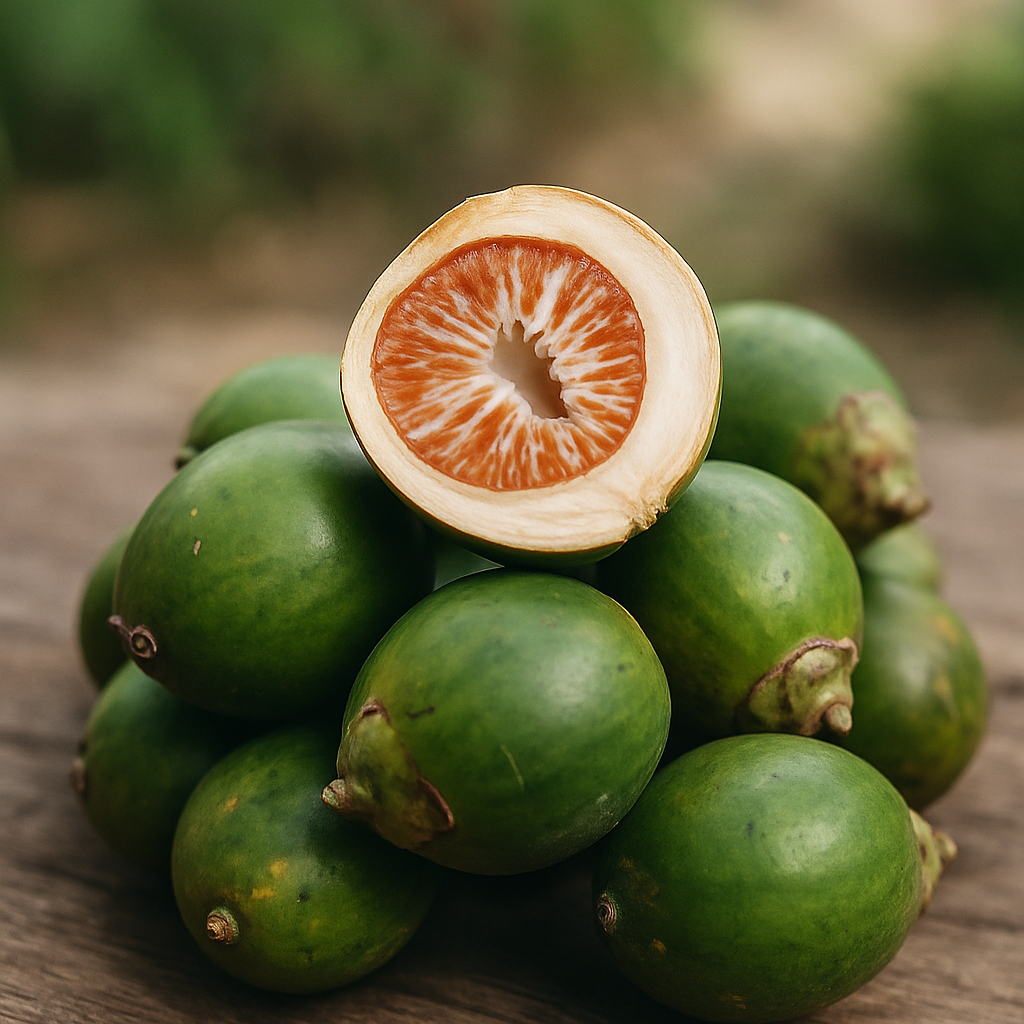
What Is Supari and Its Place in Ayurveda
Supari, commonly known as areca nut or betel nut, is the seed of the Areca palm. It’s usually chewed either on its own or wrapped with betel leaves and lime paste. In Ayurveda, supari has been traditionally used to freshen breath, improve digestion, and balance certain doshas.
Is Eating Supari Good for Health According to Tradition
From the Ayurvedic point of view, supari is believed to stimulate appetite and support digestion. Ancient texts even described it as a “mouth purifier.” Many people still believe that supari is good for health or not depends on how it’s prepared and how much is consumed. Chewed in moderation, it was once thought to enhance oral hygiene.
But here’s the catch — Ayurveda was developed thousands of years ago, without today’s scientific tools. So while the tradition says is eating supari good for health, modern research often paints a different picture.
Supari in Cultural and Religious Practices
Supari also carries strong cultural significance. In Indian weddings, for example, betel nut is offered as a symbol of respect and prosperity. Religious rituals across South Asia often include supari as part of offerings to deities. People don’t just ask “is supari harmful for health?” but also value its symbolic meaning.
For many, chewing supari after a meal is less about health and more about tradition — like the way some cultures drink coffee after dinner.
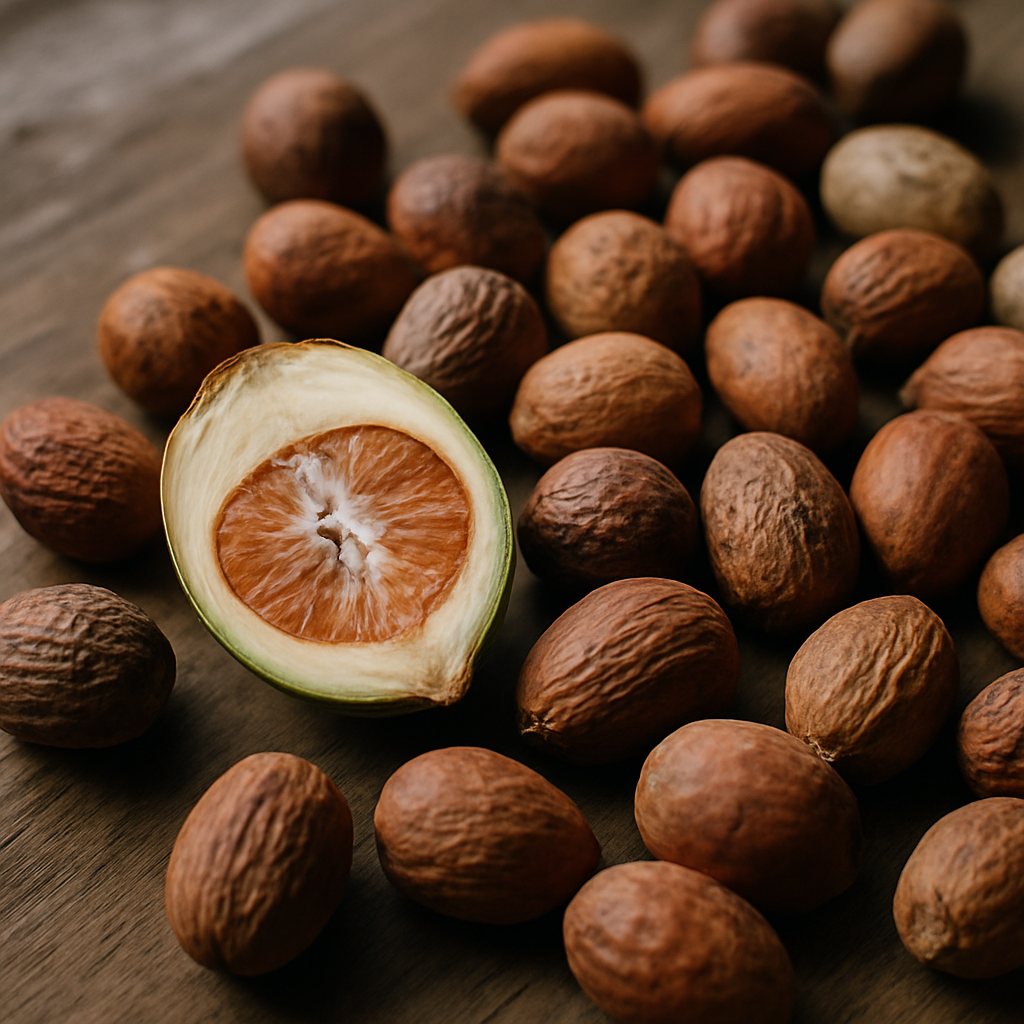
Betel Nut and Its Health Effects
While Ayurveda and tradition see betel nut in a positive light, science adds layers of complexity. Let’s explore both the benefits and the risks.
Is Betel Nut Good for Health in Ayurvedic Medicine
Ayurvedic texts mention that betel nut strengthens gums, improves digestion, and even increases energy. Some healers believed it had a cooling effect on the body, helping balance excess heat in the stomach. For centuries, this was enough to convince people that is betel nut good for health had a clear “yes” answer.
Why Is Betel Nut Harmful for Health in Modern Research
Modern science, however, raises red flags. Research shows that chewing supari regularly can lead to oral submucous fibrosis, a condition that stiffens the mouth lining and increases cancer risk. This is why doctors strongly argue about why is betel nut harmful for health. It’s not just about the nut itself, but also about how often people chew it, and whether they combine it with tobacco or lime.
In fact, studies say that is supari harmful for health is not a matter of tradition, but of dose and long-term exposure. Chewing it daily for years can seriously affect oral and digestive health.
Potential Health Benefits of Supari
Despite its risks, supari isn’t all bad. For centuries, people have turned to it for certain health benefits. Ayurveda, traditional medicine, and even cultural anecdotes suggest that betel nut can have positive effects — when consumed carefully.
Possible Positive Effects on Digestion and Oral Health
One of the most commonly cited benefits is digestion. Many households in India still offer betel nut or paan after meals, not only for tradition but also to help the stomach feel lighter. Some Ayurvedic practitioners suggest that small amounts of supari stimulate saliva, which supports digestion and prevents constipation.
Another often-mentioned benefit is oral hygiene. People in rural communities have long chewed supari as a way to clean the mouth. It was believed to strengthen gums and freshen breath. Some elders still argue, “is eating supari good for health? Yes, if you don’t overdo it.”
But here’s where it gets tricky: what feels like a benefit in the short term might create hidden risks in the long term. Modern dentists, for example, strongly disagree with the idea that supari helps the mouth — they warn it erodes enamel and stains teeth badly. So, supari’s supposed oral health benefits are… well, controversial at best.
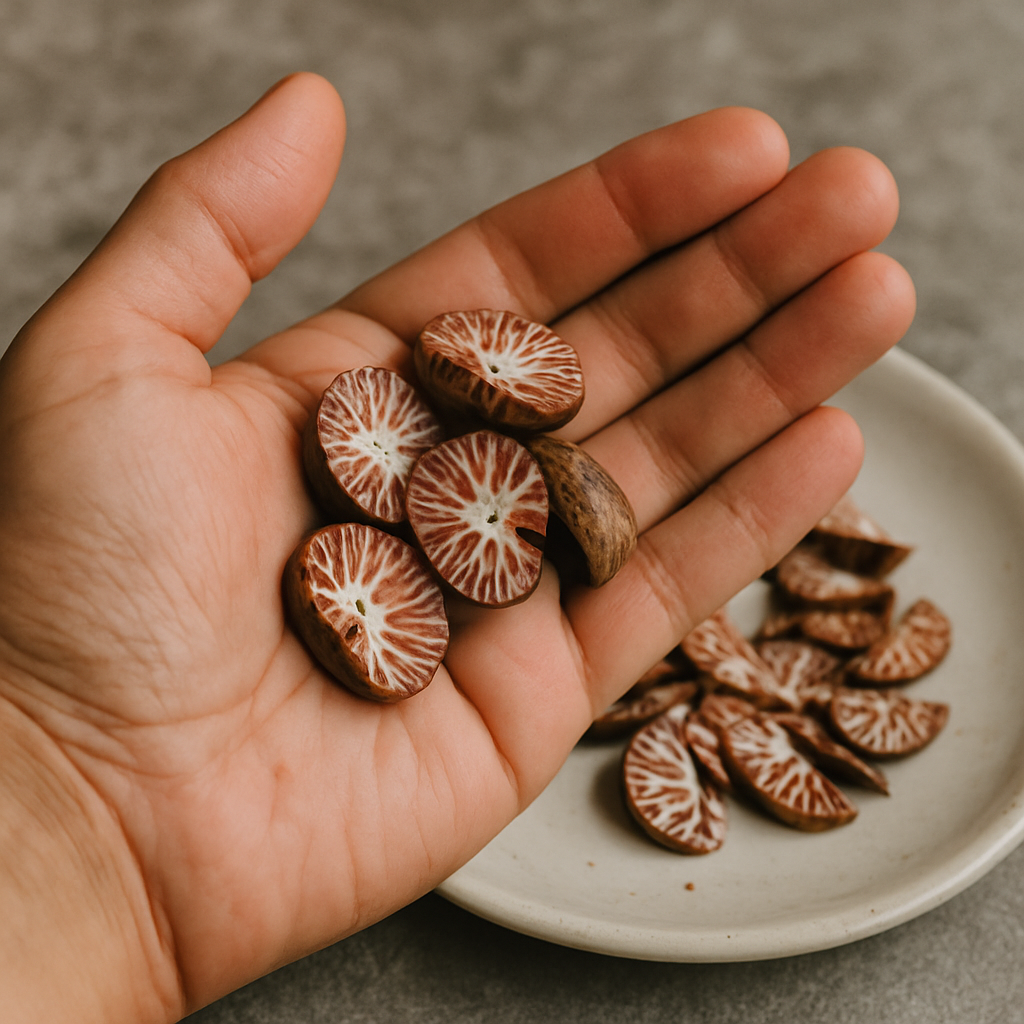
Risks and Side Effects of Betel Nut Consumption
While tradition praises supari, modern science paints a darker picture. And if we’re asking seriously, is betel nut bad for health, the research leans heavily toward “yes.”
Is Betel Nut Bad for Health: Scientific Findings
Chewing betel nut releases alkaloids — compounds that can act as stimulants, giving a slight “buzz” or alertness. This may explain why people enjoy it socially, similar to how others enjoy coffee. But the problem is, prolonged use has been linked to health issues.
Studies across South Asia and the Pacific islands found that frequent supari chewers are at much higher risk of oral cancers. Doctors also connect it to heart problems, gum disease, and digestive tract disorders. So when researchers are asked is betel nut bad for health, they don’t mince words. The risks outweigh the benefits in almost every long-term study.
Interestingly, some users say they feel more awake and energetic after chewing. That’s true — but it’s also why it becomes addictive. Which brings up another question people often ask: is supari addictive? Yes, very much so. The mild stimulant effect can hook people into daily use, making it hard to stop even when they know the dangers.
Is Supari Bad for Health and Associated Long-Term Risks
Beyond oral cancer, betel nut chewing is associated with metabolic issues. Some evidence suggests it can raise the risk of diabetes and high blood pressure. Others report it may cause stomach ulcers.
So while an elder may claim “supari is good for health or not depends on the person,” modern healthcare professionals are firm: is eating supari bad for health if done regularly? The answer is unfortunately yes.
What makes this even more concerning is how normal and casual its use has become. In many communities, people chew supari several times a day, unaware of the hidden dangers stacking up over years.
Supari Safe Usage and Recommendations
So, if both Ayurveda and modern science talk about supari, what’s the middle ground? Can you enjoy it without harming your health, or is it better to avoid it completely? Let’s break it down.
Is Eating Betel Nut Good for Health in Moderation
Some experts argue that moderation is key. Occasional chewing of plain betel nut — without tobacco, sweeteners, or artificial flavoring — might not cause immediate harm. For instance, an occasional post-meal chew during festivals or special rituals could be acceptable.
But here’s the catch: moderation is easier said than done. Because supari has addictive properties, many people don’t stop at “just once in a while.” This makes the question is eating betel nut good for health in moderation very tricky.
Is Eating Supari Bad for Health if Overused
If consumed daily or multiple times a day, the risks grow rapidly. Regular chewing can harden the oral tissues, discolor teeth, and even create precancerous conditions. This is why the medical community is strong in saying: is eating supari bad for health if overused? Absolutely yes.
It’s a bit like sugar — a tiny amount might not matter much, but overdoing it leads to serious long-term problems.
Who Should Avoid Supari for Better Health
Certain groups of people should stay away from supari entirely. Pregnant women, for example, as studies suggest it may affect fetal development. People with high blood pressure, diabetes, or oral health issues should also avoid it, since supari can worsen these conditions.
If you’re already dealing with mouth ulcers, gum disease, or digestive trouble, chewing supari will likely make it worse, not better.
Don't wait or self medicate. Start chat with Doctor NOW
Conclusion
So, let’s circle back to the big question: is supari good for health? The answer is complicated. From an Ayurvedic perspective, small doses were once believed to help with digestion and oral hygiene. In cultural and religious contexts, it holds symbolic and social importance.
But modern research tells a more alarming story. Is betel nut bad for health? Yes — when used frequently. The risks of oral cancer, gum disease, metabolic issues, and addiction far outweigh the supposed benefits.
If you really want to try it, keep it rare, ceremonial, or traditional — not a daily habit. Health should always come first, and there are safer natural alternatives for digestion and energy.
At the end of the day, the question supari is good for health or not really depends on how much, how often, and whether you’re willing to take the risk.
👉 Call to Action: If you or someone you know chews supari regularly, consider talking to a doctor or dentist about healthier alternatives. Share this article with friends and family so they too can understand the real facts behind this controversial nut.
FAQs
Why is betel nut harmful for health?
Because it contains alkaloids that can damage oral tissues, raise cancer risk, and negatively affect digestion and heart health when chewed regularly.
Is supari addictive?
Yes. It works as a mild stimulant, making people feel alert. Over time, this creates dependency, similar to caffeine but with worse health effects.
How often can supari be consumed safely?
There’s no completely “safe” level. Occasional use during festivals or rituals might be less risky, but doctors recommend avoiding it altogether to protect long-term health.
Questions from users
How does betel nut use affect oral health in different age groups?
Charlotte
6 days ago
Betel nut use can severely harm oral health across all age groups. Chewing betel nut is linked to oral submucous fibrosis, a condition that causes stiffening of the mouth lining and a heightened risk of oral cancer. Symptoms like a burning sensation in the mouth or difficulty opening the mouth might appear, typically worsening over months or years. While some Ayurvedic texts laud betel nut for gum strength, modern research underscores its risks. If experiencing persistent mouth pain or lesions, consult a healthcare provider to evaluate your oral health.
What is the impact of betel nut on metabolic health and weight management?
Vada
15 days ago
Betel nut can increase metabolic issues, like diabetes and high blood pressure, so not great for weight management. Though it's used traditionally as a digestive aid, modern insights suggest more risks than benefits. It can stimulate a bit, which might boost short-term alertness, but health-wise, best to be cautious with it, especially if metabolism-related concerns are a priority!
Can chewing betel nut strengthen teeth and gums as claimed in Ayurvedic medicine?
Rory
24 days ago
In Ayurveda, betel nut (supari) is said to help strengthen teeth and gums, but it comes with some serious caveats. Its use should be cautious and not overused as it can become addictive and poses health risks. If you're thinking about using it, I'd recommend consulting with an Ayurvedic practitioner to see if it's right for your individual needs and dosha balance.
What is the connection between betel nut use and traditional Indian wedding ceremonies?
Rory
33 days ago
Betel nut's got a symbolic role in Indian weddings! It's seen as a symbol of respect and prosperity, often gifted or shared during ceremonies. It's like a gesture of goodwill and blessings for the couple's future. Just beware of overusing it, as it can be stimulating and not great health-wise if used too much.
What are the symptoms of betel nut addiction and how can it be treated?
Tanner
43 days ago
Symptoms of betel nut addiction can include cravings, irritability without it, and maybe even withdrawing from social situations. Treating it usually involves reducing use gradually, like tapering off rather than quitting suddenly, and exploring natural remedies — think herbal teas that calm the mind. Consulting an Ayurvedic practitioner could help find a tailored approach based on dosha imbalance.
What happens to your body when you chew betel nut regularly over time?
Hannah
52 days ago
Regularly chewing betel nut can seriously harm oral and digestive health. It can harden oral tissues, discolor teeth, and may even lead to precancerous conditions in the mouth. It's really important to be cautious, as those compounds can build up over time. Maybe it’s best to just avoid it or keep it very occasional.
Is it safe to chew supari every day, or should it be limited to special occasions?
Levi
62 days ago
Chewing supari every day, not the best idea. While it might have short-term benefits like improved digestion, regularly chewing it can pose health risks, even cancer. It's better to save it for special occasions. If you're keen on using it frequently, maybe find a balanced approach or alternatives that match your dosha and health goals.
Can betel nut use lead to any dental problems over time?
Reese
71 days ago
Yes, frequent use of betel nut can lead to dental issues over time. It can stain teeth, cause wear on the enamel, and even lead to gum issues. So while it's traditionally used for some benefits, like with many things in Ayurveda, it's all about moderation, right? Stick to occasional use, like during festivals if you can.
How does betel nut affect blood pressure and why should I be concerned?
Paul
81 days ago
Betel nut could raise blood pressure cuz it acts as a stimulant, making your body work harder. Regular use can strain the heart, which isn't great in long term. If you're concerned, considering limiting or quitting might be a good idea & defo chat with your doc about how it fits your health goals. Be sure to consider your specific constitution too!
Can betel nut consumption during pregnancy affect fetal health?
Brooklyn
91 days ago
Yes, consuming betel nut during pregnancy can affect fetal health. It can potentially lead to developmental issues or complications. In Ayurveda, it's viewed as stimulating and can increase pitta, and balancing doshas during pregnancy is important. It's best to avoid it during this time. If you're curious, consider consulting an Ayurvedic practicioner for personalized advice.
Related articles

General Medicine
Is Ashwagandha Increase Height?
Is Ashwagandha Increase Height?
6,083

General Medicine
Panchmahabhoot in Ayurveda – The Five Element Theory in Traditional Healing
Discover the profound insights of Panchmahabhoot in Ayurveda, exploring the five elements that form the foundation of Ayurvedic medicine and their applications in health, balance, and healing.
4,086

General Medicine
Ksheerabala 101 Thailam Benefits How To Use Ingredients Side Effects
Exploration of Ksheerabala 101 Thailam Benefits How To Use Ingredients Side Effects
4,076

General Medicine
Ayurvedic Treatment for Heel Pain: A Natural Path to Relief
In Ayurveda, heel pain is often attributed to an imbalance of the Vata dosha, which governs movement and dryness in the body. T
2,680

General Medicine
Khadirarishta Uses, Side Effects, Ingredients, And Dose
Exploration of Khadirarishta Uses, Side Effects, Ingredients, And Dose
3,489

General Medicine
How to Cure Anal Fissure Naturally with Ayurvedic and Home Remedies
Learn how to cure anal fissure naturally with Ayurvedic remedies, healing oils, and home care. Discover the best treatments, creams, and lifestyle practices
6,648

General Medicine
What Causes Dry Mouth and How to Treat It Naturally
What causes dry mouth? Discover common and sudden causes of dry mouth at night, plus Ayurvedic treatments for constant or extreme dry mouth
3,053

General Medicine
Nimbadi Choornam Uses: Benefits & Applications in Ayurveda
Discover the uses and benefits of Nimbadi Choornam in Ayurveda. Learn how this traditional herbal formulation supports health, boosts immunity, and promotes well-being.
3,087

General Medicine
Nishakathakadi Kashayam Uses: Evidence-Based Guide and Benefits
Discover the top Nishakathakadi Kashayam uses, backed by research. Learn its key benefits, dosage guidelines, and safety tips in our in-depth article.
3,463

General Medicine
Sanjivani Vati Benefits, Dosage, Ingredients, And Side Effects
Exploration of Sanjivani Vati Benefits, Dosage, Ingredients, And Side Effects
2,657
Related consultations on the topic
Legal
Additional Documents
© 2024 Ask Ayurveda. All rights reserved.