FREE! Ask Ayurvedic Doctors 24/7

 Fast responses
 1000+ verified doctors
Managing High Blood Pressure with Ayurvedic Approaches
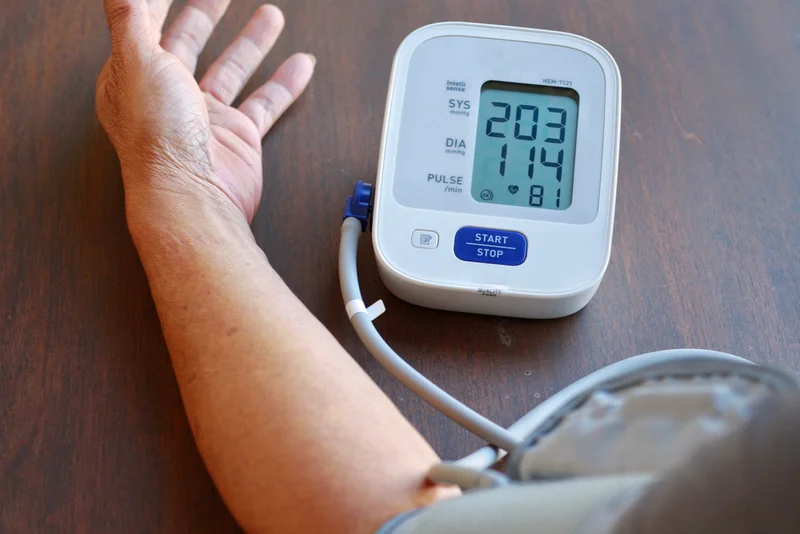
High blood pressure (hypertension) affects over 220 million adults in India alone, and globally its one of the leading causes of heart disease, stroke, and kidney failure. If you're searching for an ayurvedic treatment for high blood pressure, here's the direct answer: Ayurveda addresses hypertension by correcting the root dosha imbalance — through specific herbs like Arjuna, Sarpagandha, and Ashwagandha, Panchakarma detox therapies, dietary modifications, pranayama, yoga, and structured lifestyle changes — rather than simply suppressing symptoms with lifelong medication.
But this doesn't mean you should throw away your pills tomorrow. This guide walks you through exactly what works, what the clinical research actually says, when Ayurveda is appropriate vs. when you need emergency medical care, and how to build a week-by-week protocol. Let's get into it.
Understanding High Blood Pressure Through the Lens of Ayurveda
- Modern medicine defines hypertension as sustained blood pressure above 130/80 mmHg (per the 2017 ACC/AHA guidelines).
- Ayurveda doesn't use the term "hypertension" directly — instead, it correlates the condition with concepts like Raktagata Vata (Vata lodged in the blood tissue) and Vyana Vayu Vikruti (disturbance in the circulatory aspect of Vata dosha).
According to classical Ayurvedic pathogenesis, elevated blood pressure develops through the Shad Kriyakala — six progressive stages of dosha imbalance:
- 1.
- Sanchaya (Accumulation) — dosha begins building up due to poor diet and lifestyle
- 2.
- Prakopa (Aggravation) — stress, anger, or dietary triggers provoke the dosha
- 3.
- Prasara (Spread) — the aggravated dosha begins spreading through channels
- 4.
- Sthana Samshraya (Localization) — dosha lodges in blood vessels and heart
- 5.
- Vyakti (Manifestation) — measurable blood pressure elevation appears
- 6.
- Bheda (Complications) — organ damage (heart, kidneys, eyes) occurs
This framework is remarkably useful because it means Ayurveda can intervene before full-blown hypertension manifests — something conventional medicine often misses until readings are already elevated.
How Each Dosha Type Causes Different Hypertension Patterns
Not all hypertension is the same in Ayurveda. The treatment approach depends heavily on which dosha is dominant:
| Dosha Type | Key Characteristics | BP Pattern | Common Triggers |
|---|---|---|---|
| Vata-type | Anxiety, irregular heartbeat, insomnia, dry skin | Fluctuating — normal sometimes, suddenly high | Stress, irregular routine, cold weather, excess travel |
| Pitta-type | Anger, flushed face, burning eyes, headaches | Consistently elevated, especially systolic | Spicy food, alcohol, competitive stress, heat exposure |
| Kapha-type | Obesity, fluid retention, lethargy, high cholesterol | Steadily elevated with diastolic dominance | Sedentary lifestyle, heavy/oily foods, oversleeping |
Understanding your dosha type isn't just philosophical — it directly determines which herbs, diet, and therapies will work best for you. A Vata-type patient needs calming, grounding treatment, while a Pitta-type needs cooling therapies, and a Kapha-type needs stimulation and detoxification.
Vyana Vayu and Prana Vayu: The Ayurvedic Mechanics of Blood Pressure
The NIH-published research in PMC (2018) explains how Vyana Vayu governs the circulation of blood from the heart to peripheral tissues — essentially controlling systolic pressure. Prana Vayu, centered in the head and chest, regulates the force with which blood returns — correlating with diastolic pressure. When these two sub-doshas lose coordination, the concept of Avarana (obstruction) occurs — one dosha blocks another's pathway, creating sustained pressure elevation.
This isn't just ancient theory. It maps surprisingly well onto modern understanding of sympathetic nervous system overactivity and peripheral vascular resistance.
Which Ayurvedic Herbs for High Blood Pressure Are Most Effective?
- Herbs are the backbone of ayurvedic treatment for hypertension. But not all herbs work equally, and dosage matters enormously.
- Here's what the clinical evidence actually shows:
Arjuna (Terminalia arjuna) — The Heart Protector
Arjuna bark has the strongest evidence base among ayurvedic cardio herbs. A randomized controlled trial published in the Journal of the Association of Physicians of India found that Arjuna bark powder reduced systolic blood pressure by 12–15 mmHg and diastolic by 6–8 mmHg over 12 weeks. It works by strengthening cardiac muscle, improving endothelial function, and acting as a mild ACE-inhibitor.
Dosage: 500 mg of Arjuna bark powder with warm water, twice daily before meals.
Sarpagandha (Rauwolfia serpentina) — The Original Antihypertensive
This is historically significant — the modern antihypertensive drug reserpine was actually derived from Sarpagandha. A 2017 review in Pharmacognosy Reviews confirmed it reduces blood pressure by depleting catecholamines (norepinephrine, dopamine) from nerve endings, producing both anti-hypertensive and sedative effects.
Dosage: 250–500 mg standardized root extract daily, strictly under practitioner supervision. Critical warning: Sarpagandha can cause depression, excessive sedation, and nasal congestion. It is contraindicated in patients with history of depression, peptic ulcers, or those already on beta-blockers or central alpha-agonists.
Ashwagandha (Withania somnifera) — The Stress-Blood Pressure Connection
- A 2019 double-blind, placebo-controlled study published in Cureus showed that Ashwagandha root extract (300 mg twice daily for 8 weeks) reduced systolic BP by approximately 5.6 mmHg and diastolic by 4.2 mmHg.
- More importantly, it reduced serum cortisol by 30% — directly addressing stress-induced hypertension.
Dosage: 300–500 mg standardized extract (KSM-66 or Sensoril) twice daily with meals.
Jatamansi, Brahmi, and Other Supporting Herbs
- Jatamansi (Nardostachys jatamansi): Calms the nervous system, particularly effective for Vata-type hypertension with anxiety. 250–500 mg powder at bedtime.
- Brahmi (Bacopa monnieri): Mild vasodilator with anxiolytic properties. 300 mg standardized extract daily.
- Punarnava (Boerhavia diffusa): Natural diuretic, excellent for Kapha-type hypertension with fluid retention. 500 mg twice daily.
- Triphala: Not a direct antihypertensive, but supports digestion and elimination — critical for reducing ama (metabolic toxins). 1–2 grams at bedtime with warm water.
- Hibiscus (Hibiscus rosa-sinensis): A 2015 meta-analysis in Journal of Hypertension showed hibiscus tea reduced systolic BP by 7.58 mmHg on average. 2–3 cups daily.
Can Triphala Reduce BP?
- Triphala doesn't lower blood pressure directly in the way Arjuna or Sarpagandha do.
- However, it plays an important supporting role — it reduces oxidative stress, improves lipid profiles, and enhances gut health. Since gut microbiome disturbance has been linked to hypertension in recent research (a 2022 study in Hypertension Research identified gut dysbiosis as a contributing factor), Triphala's prebiotic effects may indirectly support blood pressure regulation over time.
Ayurvedic Diet for Hypertension: What to Eat and Avoid
Diet isn't secondary in Ayurveda — it's primary medicine. The concept of Pathya (therapeutic diet) is fundamental to managing blood pressure.
Foods That Lower Blood Pressure Naturally
- Potassium-rich foods: Bananas, sweet potatoes, spinach, pomegranate, coconut water — these counterbalance sodium and relax blood vessel walls
- Garlic (Lahsuna): 2–4 raw cloves daily. A Cochrane review (2012) of 11 RCTs confirmed garlic reduces systolic BP by 6–8 mmHg in hypertensive patients
- Healthy fats: Small amounts of ghee (1–2 tsp daily) — contrary to popular belief, ghee has anti-inflammatory properties and doesn't raise cholesterol when consumed in moderation
- Cooling spices for Pitta-type: Coriander seeds, fennel, cardamom, cumin
- Warming spices for Kapha-type: Ginger, turmeric, black pepper, ajwain
- Amla (Indian gooseberry): One of the richest sources of Vitamin C. 1–2 fresh amla or 500 mg amla powder daily improves endothelial function
Which Fruit Is Best to Control High Blood Pressure?
Pomegranate consistently tops the evidence list. A 2017 meta-analysis in Pharmacological Research covering 8 RCTs found that pomegranate juice consumption reduced systolic BP by 5 mmHg and diastolic by 2 mmHg regardless of dose or duration. Its high polyphenol content inhibits ACE activity naturally. Other excellent choices include bananas (high potassium), watermelon (citrulline improves nitric oxide), and beets — though beets are technically a vegetable.
Foods to Strictly Avoid
- Excess salt: Limit to 5 grams (1 teaspoon) daily. Ayurveda specifically cautions against Lavana Rasa (salty taste) excess aggravating Pitta and Rakta
- Processed and packaged foods: Hidden sodium, trans fats, preservatives increase ama
- Caffeine: More than 2 cups of coffee daily can elevate BP by 5–10 mmHg acutely
- Alcohol: Despite "red wine myths," alcohol raises BP dose-dependently
- Excessive sour and fermented foods for Pitta-type hypertension
- Heavy, oily, fried foods especially for Kapha-type
Panchakarma Therapy for Hypertension: Detox That Actually Works
Panchakarma — Ayurveda's signature detoxification system — offers specific therapies for hypertension that go far beyond "general wellness."
Virechana (Therapeutic Purgation)
Particularly effective for Pitta-type hypertension. Virechana cleanses accumulated Pitta from the GI tract and blood, reducing systemic inflammation. It involves preparation with internal oleation (ghee consumption for 3–5 days), followed by administered purgation using herbs like Trivrit or Castor oil. Clinical observations at Ayurvedic hospitals report systolic reductions of 15–25 mmHg post-Virechana in selected patients, though large-scale RCTs are still needed.
Basti (Medicated Enema)
The master therapy for Vata-dominant hypertension. Basti with medicated oils (Dashamula taila) and herbal decoctions calms Vata, improves Apana Vayu function, and has been shown to reduce anxiety-driven blood pressure spikes. A typical protocol involves 8–16 sessions over 8–16 days.
Shirodhara and Abhyanga (Oil Therapies)
Shirodhara — continuous pouring of warm medicated oil on the forehead — directly activates the parasympathetic nervous system. A small clinical study published in the Journal of Ayurveda and Integrative Medicine (2014) demonstrated significant reductions in both systolic and diastolic pressure after 7 consecutive days of Shirodhara. Abhyanga (full-body warm oil massage) with sesame oil or Bala taila improves peripheral circulation, reduces cortisol, and promotes vasodilation. Even self-massage (15–20 minutes daily before a warm shower) shows measurable stress reduction benefits.
Nasya (Nasal Administration) and Raktamokshana
Nasya with Anu taila or Brahmi ghrita — 2–4 drops in each nostril — directly influences Prana Vayu and has calming effects on the central nervous system. Raktamokshana (bloodletting/leech therapy) is a classical treatment for conditions involving Rakta dushti (blood vitiation). In select Pitta-type hypertension cases with signs of blood congestion, leech therapy has been used in specialized Ayurvedic hospitals. This should only be performed by experienced practitioners.
How Does Pranayama for Hypertension Work?
Breathing techniques aren't just relaxation tools — they produce measurable physiological changes in blood pressure regulation.
Specific Breathing Techniques with Evidence
Chandra Bhedana Pranayama (Left-Nostril Breathing): Breathing exclusively through the left nostril activates the parasympathetic nervous system (Ida nadi in yogic terms). A 2018 study in the International Journal of Yoga found that 15 minutes of left-nostril breathing reduced systolic BP by 9.3 mmHg and heart rate by 6.4 bpm acutely. Bhramari Pranayama (Humming Bee Breath): The vibration and prolonged exhalation stimulate the vagus nerve. Research published in the Nepal Medical College Journal (2009) showed significant BP reduction after 5 minutes of Bhramari practice. Nadi Shodhana (Alternate Nostril Breathing): Balances sympathetic and parasympathetic activity. Practice for 10–15 minutes daily. Avoid: Kapalabhati and Bhastrika in uncontrolled hypertension (BP > 160/100) — these are stimulating practices that can temporarily spike blood pressure.
Is Yoga for High Blood Pressure Safe and Effective?
Yes, with important caveats. A 2022 meta-analysis in the Journal of the American Heart Association covering 49 trials (3,517 participants) found that yoga reduced systolic BP by 5 mmHg and diastolic BP by 3.9 mmHg on average.
Best yoga practices for hypertension: Shavasana (20 minutes daily — shown to reduce systolic BP by 10+ mmHg), Sukhasana, Padmasana, gentle forward bends, and yoga nidra.
Avoid: Inversions (headstand, shoulderstand), forceful breath-holding, and intense Surya Namaskar if BP is uncontrolled above 160/100 mmHg.
Step-by-Step Ayurvedic Protocol: Week-by-Week Plan
- No competitor provides a concrete timeline.
- Here's a practical protocol based on clinical practice:
Weeks 1–2: Foundation Phase
- Start daily Abhyanga with warm sesame oil (15 minutes before bath)
- Begin Arjuna powder 500 mg twice daily
- Reduce salt intake to under 5g per day
- Start walking 30 minutes daily
- Practice Shavasana 15 minutes before sleep
- Monitor BP twice daily (morning and evening) and record
Weeks 3–4: Deepening Phase
- Add Ashwagandha 300 mg twice daily (if stress is a primary factor)
- Begin Nadi Shodhana pranayama — 10 minutes morning and evening
- Introduce pomegranate juice (200 ml daily) and garlic (2 raw cloves)
- Remove all processed foods and reduce caffeine to 1 cup daily
- Consider consultation for Panchakarma suitability
Month 2–3: Therapeutic Phase
- Undergo Panchakarma if recommended (Virechana or Basti based on dosha type)
- Add Jatamansi 250 mg at bedtime for Vata-type, or Punarnava 500 mg for Kapha-type
- Progress to gentle yoga asana practice 30–45 minutes, 5 days/week
- Begin meditation practice — even 10 minutes daily has documented cortisol-lowering effects
Month 3–6: Consolidation and Tapering
- Review BP readings with your doctor — if consistently below 130/80 for 4+ weeks, discuss gradual medication dose reduction (with your physician, never self-taper)
- Continue herbal protocol at maintenance doses
- Seasonal adjustments: increase warming practices in winter (Vata season), cooling practices in summer (Pitta season)
- Reassess dosha balance quarterly with an Ayurvedic practitioner
- ## Ayurvedic vs.
- Conventional Treatment: When to Choose What
This is probably the most important section of this article.
| Parameter | Ayurvedic Treatment | Conventional Treatment |
|---|---|---|
| Approach | Root cause correction via dosha balance | Symptom management via pharmacological action |
| Speed of action | Gradual (2–12 weeks for noticeable results) | Rapid (hours to days) |
| Side effects | Minimal when supervised; some herbs have interactions | Well-documented side effects (fatigue, cough, electrolyte imbalance) |
| Duration | Can potentially be discontinued once balance is restored | Usually lifelong |
| Best suited for | Stage 1 hypertension (130–139/80–89), stress-induced BP, prevention | Stage 2 (140+/90+), resistant hypertension, emergency |
| Cost | Generally lower long-term | Insurance-covered but ongoing expense |
| Evidence level | Growing but limited large RCTs | Extensive RCT evidence |
| Personalization | Highly individualized by prakriti/dosha | Standardized protocols with some individualization |
When Ayurveda Is NOT Enough — Critical Safety Boundaries
Hypertensive emergency (180/120 mmHg or above): Go to the hospital. Immediately. No herb will act fast enough. This is a life-threatening situation requiring IV medications within minutes. Stage 2 hypertension with organ damage: If you already have left ventricular hypertrophy, kidney disease (creatinine >1.5), retinopathy, or history of stroke — conventional medications are essential. Ayurveda can serve as a powerful adjunct, not a replacement.
- During pregnancy: Gestational hypertension and preeclampsia require obstetric monitoring.
- Most Ayurvedic herbs — including Sarpagandha, Ashwagandha, and strong Panchakarma procedures — are contraindicated in pregnancy. Only very mild interventions (gentle pranayama, dietary changes, Brahmi in low doses) may be considered under dual supervision of an obstetrician and Ayurvedic practitioner.
Herb-Drug Interactions: What Your Ayurvedic Doctor Must Know
This is a critical safety gap that almost no wellness website addresses properly.
| Ayurvedic Herb | Conventional Drug | Interaction Risk |
|---|---|---|
| Sarpagandha | Beta-blockers (Metoprolol, Atenolol) | Severe bradycardia, hypotension |
| Sarpagandha | SSRIs (Fluoxetine, Sertraline) | Worsened depression, serotonin issues |
| Ashwagandha | Thyroid medications (Levothyroxine) | May alter thyroid hormone levels |
| Ashwagandha | Benzodiazepines | Excessive sedation |
| Arjuna | ACE inhibitors (Enalapril, Ramipril) | Additive BP lowering — monitor for hypotension |
| Punarnava | Diuretics (Furosemide, Hydrochlorothiazide) | Excessive fluid/electrolyte loss |
| Garlic (high dose) | Anticoagulants (Warfarin) | Increased bleeding risk |
The rule is simple: Never start ayurvedic herbs without informing both your conventional doctor and your ayurvedic practitioner about everything you're taking. The risk of dangerous hypotension (BP dropping too low) is real when herbs and drugs with similar mechanisms are combined without dose adjustment.
Age-Specific Ayurvedic Approaches to Hypertension
Young Adults (20–40 Years)
- Hypertension in this age group is predominantly Pitta-driven or stress-induced.
- Focus on: anger management, competitive stress reduction, cooling diet (avoid excess spicy food and alcohol), Pitta-pacifying herbs (Brahmi, Amalaki, Guduchi). Panchakarma Virechana is highly effective here. This group has the highest potential for complete reversal.
Middle Age (40–60 Years)
- Mixed dosha involvement is common.
- This is when lifestyle diseases cluster — hypertension with diabetes, high cholesterol, early metabolic syndrome. Multi-herb formulations (Arjuna + Ashwagandha + Triphala), combined with structured Panchakarma twice yearly and regular yoga practice, yield best results.
- Medication tapering is possible but requires patience — typically 3–6 months of consistent Ayurvedic treatment before attempting.
Elderly (60+ Years)
- Vata naturally predominates with age.
- Focus shifts to gentle, nourishing treatments — warm oil Abhyanga is particularly important, Basti therapy, Ashwagandha for strength, Jatamansi for sleep. Aggressive Panchakarma is generally avoided. Medication reduction should be very gradual and closely monitored, as elderly patients are more vulnerable to both hypertensive crises and hypotensive falls.
The Role of Sleep and Circadian Rhythms in Blood Pressure
This connection is severely under-discussed. Ayurveda's concept of Dinacharya (daily routine) aligns with modern chronobiology.
- Blood pressure normally "dips" by 10–20% during sleep.
- Patients who don't experience this dip — called "non-dippers" — have significantly higher cardiovascular risk. Poor sleep quality, sleep apnea, and irregular sleep schedules disrupt this natural rhythm.
Ayurvedic sleep recommendations for hypertension:
- Sleep by 10 PM (before Pitta kala begins at 10 PM–2 AM)
- Wake before 6 AM (during Brahma Muhurta, the Vata transition period)
- Avoid screens for 1 hour before sleep
- Drink warm milk with nutmeg (Jaiphal) and cardamom at bedtime for Vata-calming
- If sleep apnea is suspected (loud snoring, daytime fatigue, morning headaches), get a formal sleep study — this is a major treatable cause of resistant hypertension that Ayurveda alone cannot address
Frequently Asked Questions
How to Reduce High BP Permanently?
Permanent reduction requires addressing the root cause. For many patients with Stage 1 hypertension, a combination of Ayurvedic herbs (Arjuna, Ashwagandha), consistent exercise (150 minutes weekly), weight management (even 5 kg weight loss can reduce systolic BP by 5–8 mmHg), stress management through pranayama and meditation, and a DASH-style Ayurvedic diet can achieve sustained normal blood pressure. "Permanent" means permanent lifestyle change — not a 30-day fix.
Can Ayurvedic Treatment for Blood Pressure Replace Conventional Medication?
In Stage 1 hypertension (130–139/80–89) without organ damage, yes — Ayurvedic treatment alone may be sufficient. In Stage 2 or with existing complications, Ayurveda works best as a complementary approach that may allow gradual dose reduction of conventional drugs over time. Never stop prescribed medications abruptly.
Are Herbal Supplements for BP Safe to Use?
- Generally safe when prescribed by a qualified Ayurvedic practitioner (BAMS degree minimum), sourced from reputable manufacturers with heavy metal testing certifications, and used with full disclosure to your allopathic doctor.
- Self-prescription from the internet carries real risks — especially with potent herbs like Sarpagandha.
What Is a Holistic Approach to Blood Pressure Management?
- It means treating the whole person — not just the blood pressure reading.
- In Ayurvedic terms: correct the dosha imbalance (herbs + Panchakarma), fix the fuel (Ahara/diet), fix the routine (Vihara/lifestyle), fix the mind (meditation/pranayama), and address the environment (relationships, work stress, sleep). When all five pillars are addressed, results are far more sustainable than any single intervention.
Why Choose Ayurveda for High Blood Pressure?
Because it offers something conventional medicine doesn't: a path toward resolution rather than lifelong managment. Conventional antihypertensives are excellent at controlling numbers but don't reverse the underlying process. Ayurveda, through its multi-dimensional approach, has the potential to restore normal regulatory function — particularly in early-stage and stress-driven hypertension.
Conclusion: Your Next Step
Managing high blood pressure with Ayurveda isn't about choosing between ancient wisdom and modern medicine. Its about using both intelligently. Start with getting your blood pressure properly assessed (ideally with 24-hour ambulatory monitoring for an accurate baseline), identify your dosha type with a qualified Ayurvedic physician, and follow the phased protocol outlined above.
If your reading is below 160/100 and you have no organ damage, you have an excellent chance of managing — or even reversing — hypertension through a committed Ayurvedic approach. If your readings are higher, use Ayurveda alongside your prescribed medications and work with both your doctors toward gradual optimization.
- The journey to normal blood pressure is not a sprint.
- It's a sustained commitment to living in balance — which, when you think about it, is exactly what Ayurveda has been teaching for over 5,000 years.
- Ready to start? Consult with a certified Ayurvedic practitioner who can assess your individual prakriti, current vikruti, and design a personalized treatment protocol.
- Your heart — and your whole body — will thank you.
Scientific Sources
- Effects of Withania somnifera Extract in Chronically Stressed Adults: A Randomized Controlled Trial — Pandit S et al., 2024, Nutrients
- A Multimodal Ayurveda and Mind-Body Therapeutic Intervention for Chronic Symptoms Attributed to a Postinfectious Syndrome: A Pilot Study — Shere-Wolfe KD et al., 2024, Journal of integrative and complementary medicine
- Methodological implications of nonlinear dynamical systems models for whole systems of complementary and alternative medicine — Bell IR et al., 2012, Forschende Komplementarmedizin (2006)
- Navarakizhi and pinda sweda as muscle-nourishing Ayurveda procedures in hemiplegia: double-blind randomized comparative pilot clinical trial — Guruprasad Aggithaya M et al., 2014, Journal of alternative and complementary medicine (New York, N.Y.)
- Some thoughts on the undergraduate Ayurveda curriculum — Chandra S, 2023, Indian journal of medical ethics
- Acute Lead Encephalopathy Secondary to Ayurvedic Medication Use: Two Cases with Review of Literature — Raut TP et al., 2021, Neurology India
- Multifocal signal modulation therapy of cancer: ancient weapon, modern targets — Das T et al., 2010, Molecular and cellular biochemistry
- Overview of the therapeutic potential of piplartine (piperlongumine) — Bezerra DP et al., 2013, European journal of pharmaceutical sciences : official journal of the European Federation for Pharmaceutical Sciences
- Radio protective effects of the Ayurvedic medicinal plant Ocimum sanctum Linn. (Holy Basil): A memoir — Baliga MS et al., 2016, Journal of cancer research and therapeutics
- Psychodermatology: An Indian perspective — Shenoi SD et al., 2018, Clinics in dermatology
- The Ayurvedic medicine Clitoria ternatea--from traditional use to scientific assessment — Mukherjee PK et al., 2008, Journal of ethnopharmacology
- Rational use of Ashwagandha in Ayurveda (Traditional Indian Medicine) for health and healing — Joshi VK et al., 2021, Journal of ethnopharmacology
- Knowledge, attitude and practice towards Ayurveda among patients attending cardiology and neurology clinics at a tertiary care institute in India — Sharma G et al., 2023, The National medical journal of India
- Aucklandia costus (Syn.Saussurea costus): Ethnopharmacology of an endangered medicinal plant of the himalayan region — Nadda RK et al., 2020, Journal of ethnopharmacology
- Clinical research on ayurvedic therapeutics: myths, realities and challenges — Bhatt AD, 2001, The Journal of the Association of Physicians of India
- Investigating neuroprotective roles of Bacopa monnieri extracts: Mechanistic insights and therapeutic implications — Fatima U et al., 2022, Biomedicine & pharmacotherapy = Biomedecine & pharmacotherapie
- Clinical outcomes, histopathological patterns, and chemical analysis of Ayurveda and herbal medicine associated with severe liver injury-A single-center experience from southern India — Philips CA et al., 2018, Indian journal of gastroenterology : official journal of the Indian Society of Gastroenterology
- Nano-ayurvedic medicine and its potential in cancer treatment — Lopus M, 2023, Journal of integrative medicine
- Efficacy and safety of ayurvedic intervention (Sarpgandha Mishran) vs amlodipine for Stage-I primary hypertension- study protocol for a prospective Double-Dummy, Double-Blind, placebo-controlled Randomized Clinical Trial — Yadav B et al., 2025, BMC complementary medicine and therapies
- Randomized placebo-controlled pilot clinical trial on the efficacy of ayurvedic treatment regime on COVID-19 positive patients — Devpura G et al., 2021, Phytomedicine : international journal of phytotherapy and phytopharmacology
Ask Ayurvedic doctor a question and get a consultation online on the problem of your concern in a free or paid mode.
More than 2,000 experienced doctors work and wait for your questions on our site and help users to solve their health problems every day.
Related articles