FREE! Ask Ayurvedic Doctors 24/7

 Fast responses
 1000+ verified doctors
Hridya Mahakashaya: Powerful Ayurvedic Formula for Heart Health
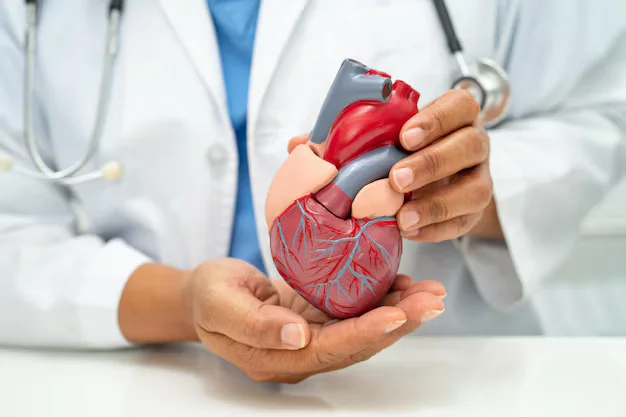
- Hridya Mahakashaya is a group of ten cardio-tonic herbs described in the Charaka Samhita (Sutrasthana, Chapter 4) that strengthen the heart, improve circulation, and protect the cardiovascular system.
- These ten plants — Amra, Amrataka, Lakucha, Karamarda, Vrksamla, Amlavetasa, Kuvala, Badara, Dadima, and Matulunga — form one of the 50 Mahakashaya groups classified by Acharya Charaka roughly 2,000 years ago. In a time when cardiovascular disease is the leading cause of death globally (accounting for nearly 17.9 million deaths per year according to WHO 2023 data), this ancient classification of heart-supportive herbs has attracted serious attention from both Ayurvedic practitioners and modern pharmacology researchers.
This guide goes far beyond a simple list. Below you will find the original Sanskrit shloka with translation, a detailed pharmacological profile of each herb, practical preparation and dosage instructions, scientific research evidence, safety considerations, and a comparison with related Ayurvedic cardiac formulations. Whether you are an Ayurveda student, a practitioner, or someone looking for evidence-informed natural cardiac support — this article covers everything you need to know.
What Is Hridya Mahakashaya?
Meaning of "Hridya" and "Mahakashaya" in Ayurveda
The term Hridya (हृद्य) is derived from the Sanskrit root "Hrid" meaning "heart." In Ayurvedic pharmacology, Hridya denotes any substance that is pleasing, nourishing, and beneficial to the heart — both the physical organ and the emotional center. Acharya Charaka defines Hridya dravyas as those that produce Hridaya Prasadana (cardiac gratification) and Hridaya Uttejana (cardiac stimulation).
- Mahakashaya (महाकषाय) literally translates to "great decoctions" or "great groups." In Charaka Samhita, this is a systematic classification system where 500 important medicinal plants are organized into 50 groups of 10 herbs each.
- Each group targets a specific therapeutic action — Jvarahara (antipyretic), Kasahara (anti-tussive), Balya (strength-promoting), Arshoghna (anti-hemorrhoidal), and so on.
Hridya Mahakashaya is the group specifically designated for cardiac wellness.
Origin in Charaka Samhita (Sutrasthana, Chapter 4)
The classification appears in Charaka Samhita, Sutrasthana, Shadvirechanashatashritiya Adhyaya (Chapter 4, Verses 11–12). This chapter is dedicated to the systematic categorization of drugs based on their primary karmas (actions). The Hridya group is listed among the first ten Mahakashaya categories, underscoring how important cardiac health was even in ancient Ayurvedic thinking.
Original Sanskrit Shloka with Translation
> आम्रामृतकलकुचकरमर्दवृक्षाम्लाम्लवेतसकुवलबदरदाडिममातुलुङ्गानि हृद्यानि भवन्ति।
> Āmrāmṛtakalakucakaramardavṛkṣāmlāmlavetasakuvalabadara-dāḍima-mātulungāni hṛdyāni bhavanti.
Translation: "Amra, Amrataka, Lakucha, Karamarda, Vrksamla, Amlavetasa, Kuvala, Badara, Dadima and Matulunga — these are the Hridya (cardiac-tonic) drugs."
Place Among the 50 Mahakashaya Groups
To understand where Hridya Mahakashaya fits, consider the broader system. The 50 Mahakashaya groups are divided into two meta-categories of 25 each:
| Category | Groups 1–25 | Groups 26–50 |
|---|---|---|
| Focus | Primarily disease-alleviating (Shamana) | Primarily health-promoting (Brimhana) |
| Example groups | Jvarahara, Kasahara, Hridya, Arshoghna | Balya, Varnya, Prajasthapana, Vayahsthapana |
- Hridya Mahakashaya falls in the first category, positioning it as a therapeutic group rather than a purely rejuvenative one.
- This is important: these herbs are not mere tonics — they are classified as medicines.
Complete List of 10 Hridya Mahakashaya Drugs
Amra (Mangifera indica) — Mango
The king of fruits needs no introduction, but its cardiac benefits are less well-known. In Ayurveda, ripe mango fruit is considered Hridya due to its Madhura (sweet) and Amla (sour) rasa. It strengthens heart muscles and improves blood quality. Modern research confirms that Mangifera indica contains mangiferin, a potent xanthone glucoside with demonstrated antioxidant, anti-inflammatory, and cardioprotective effects. A 2017 study published in Pharmacological Research showed mangiferin reduced myocardial infarction size in animal models by 38%.
Part used: Ripe fruit, seed kernel Key active compounds: Mangiferin, gallic acid, quercetin
2. Amrataka (Spondias pinnata)
Also known as Indian Hog Plum, Amrataka has a combined sweet-sour-astringent taste profile. It is considered Hridya, Rochana (appetizing), and Vata-Pitta Shamaka. The fruit pulp is rich in ascorbic acid and polyphenols. It's one of the less commonly discussed herbs of this group, but Acharya Charaka specifically valued it for its Ruchikara (taste-enhancing) and cardiac properties.
Part used: Fruit Key active compounds: Ascorbic acid, beta-carotene, polyphenolic compounds
3. Lakucha (Artocarpus lakoocha)
- A close relative of jackfruit, Lakucha (Monkey Jack) has Kashaya (astringent) and Tikta (bitter) rasa with Ushna (hot) veerya.
- Its bark and fruit contain oxyresveratrol — a stilbene compound that has shown significant cardioprotective and anti-atherosclerotic properties. A 2015 study in the Journal of Ethnopharmacology demonstrated that oxyresveratrol from Artocarpus lakoocha inhibited LDL oxidation, a key step in atherosclerosis development.
Part used: Fruit, bark Key active compounds: Oxyresveratrol, artocarpin, flavonoids
4. Karamarda (Carissa carandas)
Commonly called Karonda, this shrub produces small berries with a distinct sour taste. Karamarda is Amla-Kashaya in rasa and has notable anti-hyperlipidemic properties. Research published in Indian Journal of Experimental Biology (2012) found that Carissa carandas fruit extract significantly reduced total cholesterol and triglyceride levels in hyperlipidemic rats — directly relevant to cardiovascular disease prevention.
Part used: Fruit Key active compounds: Carissone, ursolic acid, oleanolic acid, cardiac glycosides
5.Vrksamla (Garcinia indica) — Kokum
- This tropical fruit from India's Western Ghats is perhaps better known in modern wellness circles for hydroxycitric acid (HCA) and its weight management benefits. But in Ayurveda, it is Hridya due to its Amla rasa and cooling potency.
- Garcinia indica contains garcinol — a polyisoprenylated benzophenone that has demonstrated anti-inflammatory and antioxidant actions in cardiac tissue. Its ability to reduce oxidative stress markers makes it particularly relevant for preventing atherosclerosis.
Part used: Fruit rind Key active compounds: Garcinol, HCA, anthocyanins
6. Amlavetasa (Garcinia pedunculata)
Often confused with Rheum emodi (Indian Rhubarb) in some texts, the most widely accepted identification is Garcinia pedunculata. This fruit has a prominently sour taste and is Ushna in veerya. It acts as a powerful Deepana (appetizer) and Pachana (digestive), and its cardiac benefit comes through its ability to reduce Kapha dosha and Ama (metabolic toxins) that obstruct Rasa Dhatu Vahana (nutrient circulation). A 2019 study in Food Chemistry identified potent antioxidant pedunculagin compounds in Garcinia pedunculata with free radical scavenging activity comparable to ascorbic acid.
Part used: Fruit Key active compounds: Pedunculagin, citric acid, malic acid
7. Kuvala (Ziziphus sativa)
Kuvala, a variety of Indian jujube, is Madhura-Amla in rasa and Sheeta (cooling) in veerya. It pacifies Vata and Pitta doshas. The fruit is rich in cyclopeptide alkaloids, flavonoids, and vitamin C. Traditional Ayurvedic texts describe Kuvala as Shramahara (fatigue-reducing) — a quality that directly benefits cardiac patients who experience exercise intolerance and chronic fatigue.
Part used: Fruit Key active compounds: Ziziphine, betulinic acid, jujubosides
8.Badara (Ziziphus jujuba) — Indian Jujube
Closely related to Kuvala but botanically distinct, Badara is one of the most well-researched plants in the Hridya group. Ziziphus jujuba contains jujuboside A and B, triterpenic acids, and flavonoids with demonstrated cardioprotective activity. A landmark 2018 study in Phytomedicine showed that jujube extract reduced myocardial injury markers (CK-MB and troponin) by up to 45% in an isoproterenol-induced cardiac damage model. Badara is also Nidrajnana (sleep-inducing), addressing the critical link between poor sleep and heart disease.
Part used: Fruit, seed Key active compounds: Jujuboside A, jujuboside B, betulinic acid, spinosin
9.Dadima (Punica granatum) — Pomegranate
If there is one herb in this group with the most robust modern evidence, it is Dadima. Pomegranate has been the subject of over 300 cardiovascular-related studies. A 2017 meta-analysis in Pharmacological Research pooling 8 randomized controlled trials (RCTs) found that pomegranate juice consumption significantly reduced systolic blood pressure (mean reduction: −5 mmHg), LDL cholesterol, and arterial intima-media thickness. Ayurvedically, Dadima is Tridosha Shamaka (balances all three doshas) — a rare and highly valued quality. Its Madhura-Amla rasa and Laghu-Snigdha guna make it the quintessential Hridya dravya.
Part used: Fruit juice, seeds, rind Key active compounds: Punicalagin, ellagic acid, punicalin, anthocyanins
10. Matulunga (Citrus medica / Citrus limon)
- Matulunga, identified as citron or lemon in modern botany, rounds out the group with its powerful Amla (sour) and Madhura rasa.
- It is Deepana, Pachana, and Hridya.
- Citrus flavonoids — hesperidin and naringenin in particular — have demonstrated vasodilatory, anti-hypertensive, and anti-atherogenic effects. A 2020 systematic review in Nutrients found that citrus flavonoid intake was associated with a 12% reduction in cardiovascular disease risk across observational studies.
Part used: Fruit, juice, rind Key active compounds: Hesperidin, naringenin, limonene, citric acid
Ayurvedic Pharmacology (Dravyaguna) of Hridya Drugs
Rasa, Guna, Veerya, and Vipaka — Complete Table
Understanding the pharmacological profile according to Ayurvedic principles reveals why these specific ten herbs were grouped together:
| Drug | Rasa (Taste) | Guna (Quality) | Veerya (Potency) | Vipaka (Post-digestive) | Dosha Action |
|---|---|---|---|---|---|
| Amra | Madhura, Amla | Guru, Snigdha | Sheeta | Madhura | V↓ P↓ |
| Amrataka | Madhura, Amla, Kashaya | Guru, Ruksha | Sheeta | Madhura | V↓ P↓ |
| Lakucha | Kashaya, Tikta | Guru, Ruksha | Ushna | Katu | K↓ |
| Karamarda | Amla, Kashaya | Laghu, Ruksha | Ushna | Amla | V↓ K↓ |
| Vrksamla | Amla | Laghu, Ruksha | Sheeta | Amla | V↓ K↓ |
| Amlavetasa | Amla | Laghu, Tikshna | Ushna | Amla | V↓ K↓ |
| Kuvala | Madhura, Amla | Guru, Snigdha | Sheeta | Madhura | V↓ P↓ |
| Badara | Madhura, Amla | Guru, Snigdha | Sheeta | Madhura | V↓ P↓ |
| Dadima | Madhura, Amla, Kashaya | Laghu, Snigdha | Anushna-Sheeta | Madhura | Tridosha↓ |
| Matulunga | Amla, Madhura | Laghu, Tikshna | Ushna | Madhura | V↓ K↓ |
Why the Amla (Sour) Rasa Dominates This Group
A striking pattern emerges from the table: Amla rasa (sour taste) is present in 9 out of 10 herbs. This is not coincidental. In Ayurvedic pharmacology, Amla rasa is composed of Prithvi (earth) and Agni (fire) mahabhutas. It directly stimulates Agni (metabolic fire), improves Rasa Dhatu formation, and enhances Hridaya Bala (cardiac strength). Sour taste also promotes salivation and appetite, ensuring proper nutrition reaches the heart through the Rasa Dhatu pathway.
Charaka specifically states: "Amla rasa is Hridya" (Charaka Samhita, Sutrasthana 26/42). The grouping reflects this pharmacological principle beautifully.
Prabhava — The Specific Cardiac Action Beyond Rasa-Veerya-Vipaka
- Some herbs in this group exhibit Prabhava (unexplained specific action) that goes beyond what their rasa-veerya-vipaka profile would predict. Dadima, for instance, is Tridosha Shamaka despite having Amla rasa (which typically aggravates Pitta).
- This is attributed to its Prabhava — an action that modern pharmacology might explain through its unique punicalagin content, which has anti-inflammatory rather than acid-irritating effects.
Synergy of the 10 Herbs: Why This Specific Combination?
The Multi-Target Approach to Cardiac Wellness
One question that no competitor has adequately addressed: why these particular ten plants? The answer lies in Ayurveda's understanding of heart disease as a multi-factorial condition involving multiple doshas, dhatus, and srotas.
The Hridya Mahakashaya addresses cardiac health through at least five distinct mechanisms:
- Rasa Dhatu Optimization (Amra, Badara, Kuvala) — Sweet, nourishing fruits that improve the quality of plasma/chyle, ensuring the heart receives adequate nutrition
- Ama Pachana / Detoxification (Amlavetasa, Matulunga, Karamarda) — Sour, pungent herbs that clear metabolic toxins obstructing the Rasa Vaha Srotas
- Meda Dhatu Regulation (Vrksamla, Lakucha) — Fat tissue metabolism regulators that prevent Dhamani Pratichaya (arterial plaque buildup)
- Tridosha Balance (Dadima) — The universal balancer that harmonizes the entire formulation
- Antioxidant Protection (all ten herbs contribute) — Free radical scavenging that protects cardiac endothelium
This multi-target synergy is what makes the group more effective as a whole than any single herb alone.
How to Prepare and Use Hridya Mahakashaya
Traditional Kashaya (Decoction) Preparation Method
No competitor provides actual preparation instructions. Here is the traditional method based on Sharangadhara Samhita guidelines:
Ingredients:
- Equal parts (coarse powder) of all 10 Hridya drugs — 48 grams total (approximately 4.8 g each)
- Water — 768 ml (16 times the drug quantity)
Method:
- Soak the coarse powder (Yavakuta churna) in water for 2–4 hours (preferably overnight)
- Heat on a low flame, stirring occasionally
- Reduce to 1/4th the original volume (approximately 192 ml)
- Filter through a clean cotton cloth while still warm
- Consume fresh; do not store for more than 12 hours
Dosage:
- General adult dose: 40–80 ml, twice daily, before meals
- Mild cardiac support: 40 ml, once daily in the morning
- Active cardiac conditions (under practitioner supervision): 80 ml, twice daily
> Important: These dosages are general guidelines from classical texts. Individual dosing should always be determined by a qualified Ayurvedic practitioner based on Prakriti, Vikriti, Agni status, and concurrent medications.
Incorporating Hridya Herbs Into Daily Diet (Pathya-Apathya)
You don't necessarily need a formal decoction to benefit from these herbs.
Many of them are everyday foods in Indian households:
- Dadima (Pomegranate): Drink 100–150 ml fresh juice daily. Best consumed in the morning on a semi-empty stomach
- Amra (Mango): Eat ripe mango in season (moderately — 1 medium fruit per day). Avoid with dairy if you have Kapha conditions
- Matulunga (Lemon/Citron): Add fresh lemon juice to warm water every morning
- Badara (Jujube): Consume 5–6 dried jujubes as a snack; they're exceptionally good for sleep quality
- Vrksamla (Kokum): Use kokum in daily cooking, especially in dals and curries — common in Konkani and Maharashtrian cuisine
Key Ayurvedic Formulations (Yogas) Containing Hridya Drugs
Several classical formulations incorporate drugs from this group:
| Formulation | Primary Hridya Drug | Classical Reference | Key Indication |
|---|---|---|---|
| Dadimarishta | Dadima | Bhaishajya Ratnavali | Cardiac weakness, anemia |
| Dadimadyavaleha | Dadima | Charaka Samhita | Heart disease with digestive weakness |
| Matala Rasayana | Matulunga | Charaka Chikitsasthana | Cardiac rejuvenation |
| Madiphala Rasayana | Madiphala (related) | Charaka Samhita | Hrdroga (heart disease) |
| Panchapallava Yoga | Multiple Hridya drugs | Ashtanga Hridaya | Acid-peptic disorders with cardiac symptoms |
| Indu Kuvalayadi Kashaya | Kuvala | Sahasrayoga | Heart palpitations |
Hridya Mahakashaya vs. Hridya Gana of Sushruta and Vagbhata
Comparison Across the Three Major Samhitas
This is a gap no competitor has addressed. The three great Ayurvedic texts have overlapping but distinct heart-tonic drug groups:
| Drug | Charaka (Hridya Mahakashaya) | Sushruta (Hridya Gana) | Vagbhata (Hridya Gana) |
|---|---|---|---|
| Amra | ✅ | ✅ | ✅ |
| Amrataka | ✅ | ✅ | ✅ |
| Lakucha | ✅ | ✅ | ✅ |
| Karamarda | ✅ | ❌ | ❌ |
| Vrksamla | ✅ | ❌ | ❌ |
| Amlavetasa | ✅ | ❌ | ❌ |
| Kuvala | ✅ | ✅ | ✅ |
| Badara | ✅ | ✅ | ✅ |
| Dadima | ✅ | ✅ | ✅ |
| Matulunga | ✅ | ✅ | ✅ |
| Draksha (Vitis vinifera) | ❌ | ✅ | ✅ |
| Parushaka | ❌ | ✅ | ✅ |
| Kharjura (Date) | ❌ | ✅ | ❌ |
Key takeaway: Seven herbs are common across all three texts, confirming a strong consensus in classical Ayurveda about their cardiac efficacy. Charaka's unique additions (Karamarda, Vrksamla, Amlavetasa) tend to be more Amla-dominant and metabolically active, while Sushruta adds sweeter, more nourishing options like Draksha and Kharjura.
Modern Clinical Relevance: Hridya Herbs for Specific Cardiac Conditions
Coronary Artery Disease (CAD) and Atherosclerosis
The anti-atherosclerotic potential of Dadima is arguably the best-documented. A 2004 study by Aviram et al. in Clinical Nutrition showed that patients with carotid artery stenosis who consumed pomegranate juice for 1 year had a 35% reduction in intima-media thickness compared to controls. The antioxidant activity of punicalagin directly inhibits LDL oxidation — the initiating event in atherogenesis.
Oxyresveratrol from Lakucha and garcinol from Vrksamla add complementary anti-inflammatory action at the endothelial level.
Hypertension
Citrus flavonoids (Matulunga) and pomegranate polyphenols (Dadima) both demonstrate vasodilatory properties through nitric oxide pathway modulation. The meta-analysis mentioned earlier showed consistent systolic BP reduction with pomegranate consumption. Combined with the mild diuretic action of some herbs in the group, this makes Hridya Mahakashaya a rational adjunct for Stage 1 hypertension management.
Dyslipidemia
Vrksamla (Garcinia indica) contains HCA which inhibits ATP citrate lyase — the same mechanism targeted by bempedoic acid, a modern lipid-lowering drug. Karamarda has shown triglyceride-lowering effects in animal studies. A combined approach using multiple herbs from this group could address total cholesterol, LDL, triglycerides, and HDL simultaneously.
Heart Failure and Cardiac Weakness (Hrid Daurbalya)
For patients with reduced cardiac output and fatigue, the Madhura-Amla combination of Amra, Badara, and Kuvala provides nourishment to the depleted Rasa Dhatu, while Dadima's iron content addresses concurrent anemia — a common comorbidity in heart failure.
Safety, Contraindications, and Drug Interactions
When to Avoid Hridya Mahakashaya
Despite being primarily food-based herbs, there are genuine contraindications:
- Active peptic ulcers or gastritis: The predominant Amla rasa can aggravate acid-related conditions. Acharya Charaka himself warns that excessive sour taste causes Dantaharsha (tooth sensitivity) and Paridaha (burning sensation)
- Bleeding disorders: Some herbs like Karamarda have mild blood-thinning properties
- Pregnancy: Amlavetasa and Lakucha (Ushna veerya herbs) should be used cautiously or avoided during pregnancy
- Diabetes (uncontrolled): Amra and Badara have significant sugar content when ripe; use under guidance
Interactions with Modern Cardiac Medications
This is a critical gap that no competitor has addressed, and it's worth being honest — robust interaction studies are limited.
However, based on known pharmacological properties:
| Modern Drug Class | Potential Interaction | Risk Level | Recommendation |
|---|---|---|---|
| Anticoagulants (Warfarin) | Pomegranate may inhibit CYP2C9, altering warfarin metabolism | Moderate | Monitor INR closely |
| ACE Inhibitors | Additive hypotensive effect with citrus flavonoids | Low-Moderate | Watch for postural hypotension |
| Statins | Pomegranate inhibits CYP3A4 (some in-vitro data) | Low | Likely safe at dietary doses; avoid concentrated extracts with atorvastatin |
| Beta-blockers | Minimal known interaction | Low | Generally considered safe |
| Antiplatelet agents (Aspirin, Clopidogrel) | Theoretical additive effect with Karamarda | Low | Use standard dietary amounts |
> Disclaimer: Always consult your cardiologist before combining Ayurvedic formulations with prescription cardiac medications. The above table is based on available pharmacological data and should not replace professional medical advice.
50 Mahakashaya Classification — The Broader Context
Understanding the Complete System
For students and researchers looking up the 50 Mahakashaya PDF or related study material, here is a brief overview of how Hridya Mahakashaya fits within the complete system:
Charaka's 50 Mahakashaya groups represent 500 drugs organized into pairs of opposing actions.
For example:
- Jvarahara (antipyretic) ↔ Jvarala (fever-inducing)
- Hridya (cardiac tonic) ↔ Shothahara (anti-inflammatory) — while not direct opposites, they appear in sequence, reflecting that cardiac health and inflammation control are closely linked
- Balya (strength-promoting) ↔ Arshoghna (anti-hemorrhoidal) — different therapeutic domains addressed systematically
The genius of this classification is its clinical utility. A practitioner can quickly identify 10 relevant herbs for any given condition and then select specific ones based on the patient's Dosha, Agni, and Koshtha.
Frequently Asked Questions (FAQ)
What is the connection between Hridya Mahakashaya and Hridya Rasayana?
Hridya Mahakashaya refers to the group of 10 cardiac herbs classified in Charaka Sutrasthana Chapter 4. Hridya Rasayana, on the other hand, refers to specific rejuvenative formulations (like Dadimadyavaleha, Matala Rasayana) described in Charaka Chikitsasthana that use some of these same herbs in processed forms with additional ingredients for long-term cardiac rejuvenation. The Mahakashaya is the raw material group; the Rasayana is the finished therapeutic product.
How is Hridya Mahakashaya different from Shothahara Mahakashaya?
Shothahara Mahakashaya is the group of 10 herbs that reduce Shotha (edema/inflammation) — conditions like Mocharasa, Kuthaja, Lodhra, etc. While inflammation contributes to heart disease, the Shothahara group targets swelling throughout the body rather than specifically nourishing and strengthening cardiac tissue. In clinical practice, both groups may be combined for conditions like cardiac edema or inflammatory cardiomyopathy.
How does Hridya Mahakashaya compare to Arshoghna Mahakashaya?
These are entirely different therapeutic groups. Arshoghna Mahakashaya targets hemorrhoids (Arsha) and contains herbs like Kutaja, Nagakeshara, and Surana. The only connection is that both belong to Charaka's 50 Mahakashaya system and represent the systematic classification of Ayurvedic therapeutics.
Can I find Hridya Mahakashaya as a ready-made product?
Yes, some Ayurvedic companies now offer pre-formulated Hridya Mahakashaya in Kwath (decoction), Pravahi (liquid), or syrup form. These are convenient alternatives to preparing fresh decoctions, though traditionalists argue that fresh preparation has superior efficacy. When purchasing commercial products, verify that all 10 herbs are present and check for standardization of key actives like punicalagin content.
Is there a PPT or PDF resource for studying 50 Mahakashaya?
Several Ayurvedic universities have published study material on the 50 Mahakashaya classification. Key textbook references include Charaka Samhita Sutrasthana Chapter 4 (commentaries by Chakrapanidatta) and Dravyaguna Vijnana by Prof. P.V. Sharma, which provides detailed analysis of each group. BAMS students will find the CCRAS publications particularly useful for exam preparation.
Conclusion: Integrating Ancient Cardiac Wisdom Into Modern Life
Hridya Mahakashaya represents one of the most elegant examples of Ayurvedic systematic pharmacology — ten carefully selected herbs that address cardiac health through multiple complementary mechanisms. From the robust clinical evidence behind Dadima to the emerging research on mangiferin, oxyresveratrol, and garcinol, modern science is increasingly validating what Acharya Charaka documented two millennia ago.
- The practical beauty of this group is that most of these are not exotic, hard-to-find herbs.
- Pomegranate, mango, lemon, jujube, kokum — these are kitchen staples across India. Simply increasing your dietary intake of these fruits, especially Dadima and Matulunga, is perhaps the easiest and most accessible first step toward cardiac wellness.
For therapeutic applications — whether you're managing early hypertension, borderline dyslipidemia, or seeking cardiac rejuvenation — work with a qualified Ayurvedic practitioner who can tailor the Kashaya preparation, dosage, and duration to your individual constitution and health status.
Your heart deserves the best of both worlds: the wisdom of Charaka and the validation of modern science. Hridya Mahakashaya offers exactly that bridge.
This article is for informational purposes only and does not substitute for professional medical advice. If you have a diagnosed cardiac condition, consult both your cardiologist and a qualified Ayurvedic practitioner before starting any herbal regimen.
Scientific Sources
- Chronic inflammation: Cross linking insights from Ayurvedic Sciences, a silver lining to systems biology and personalized medicine — Nair PP et al., 2024, Journal of Ayurveda and integrative medicine
- Indigenous drugs and atherosclerosis — Udupa SL, 2001, Drugs of today (Barcelona, Spain : 1998)
- Complementary therapy and infertility: an Icelandic perspective — Veal L, 1998, Complementary therapies in nursing & midwifery
- Effectiveness of Ayurveda treatment in Urdhwaga Amlapitta: A clinical evaluation — Meenakshi K et al., 2021, Journal of Ayurveda and integrative medicine
- Neuroadaptability and Habit: Modern Medicine and Ayurveda — Wallace RK et al., 2021, Medicina (Kaunas, Lithuania)
- Prameha purvaroopa as diabetes risk predictor - trends from a retrospective cohort study of newly diagnosed type 2 diabetes patients — Rastogi S et al., 2023, Journal of Ayurveda and integrative medicine
- 'Yoga for Lifestyle Diseases': Conference held on 2nd International Day of Yoga-2016 at Kolar, India — Patil NJ et al., 2016, Journal of Ayurveda and integrative medicine
- Understanding wellness center loyalty through lifestyle analysis — Suresh S et al., 2011, Health marketing quarterly
- Diet and lifestyle-related factors associated with Apathyanimittaja Prameha (type 2 diabetes): A cross-sectional survey study — Shukla A et al., 2018, Ayu
- Role of Yoga in Distinctly Targeting Modifiable Risk Factors in Type 2 Diabetes to Improve Immuno-Metabolic Axis — Joshi HB et al., 2025, Journal of evidence-based integrative medicine
- Desiring foods: Cultivating non-attachment to nourishment in Buddhist Sri Lanka — Van Daele W, 2016, Appetite
- Genome-wide DNA methylation profiling after Ayurveda intervention to bronchial asthmatics identifies differential methylation in several transcription factors with immune process related function — Bhat S et al., 2023, Journal of Ayurveda and integrative medicine
- Effect of dietary, social, and lifestyle determinants of accelerated aging and its common clinical presentation: A survey study — Samarakoon SM et al., 2011, Ayu
- Plant- and Nutraceutical-based Approach for the Management of Diabetes and its Neurological Complications: A Narrative Review — Öztürk Y et al., 2019, Current pharmaceutical design
- Some excerpts from Charaka Samhita - An ancient treatise on Ayurveda & healthy living — Katiyar CK et al., 2017, Journal of ethnopharmacology
- Yoga as a Preventive Intervention for Cardiovascular Diseases and Associated Comorbidities: Open-Label Single Arm Study — Sharma K et al., 2022, Frontiers in public health
- Ayurveda and Epigenetics — Sharma H et al., 2020, Medicina (Kaunas, Lithuania)
- Chrononutrition and Diabetes: Mapping the Scientific Landscape Through Bibliometric Insights — Kumar S et al., 2025, Cureus
- Illuminating Insomnia: A Scientometric Exploration of Complementary and Alternative Medicine in Treatment Research — Singh A et al., 2026, Journal of lifestyle medicine
- Traditional Nutritional and Health Practices Targeting Lifestyle Behavioral Changes in Humans — Singh A et al., 2020, Journal of lifestyle medicine
Ask Ayurvedic doctor a question and get a consultation online on the problem of your concern in a free or paid mode.
More than 2,000 experienced doctors work and wait for your questions on our site and help users to solve their health problems every day.
Related articles