
Ask Ayurvedic doctor a question and get a consultation online on the problem of your concern in a free or paid mode. More than 2,000 experienced doctors work and wait for your questions on our site and help users to solve their health problems every day.
FREE! Ask Ayurvedic Doctors 24/7

 Fast responses
 1000+ verified doctors
Body DetoxEar, Nose, and Throat DisordersGeriatrics & RejuvenationImmunodeficiencyInfertility TreatmentNutritionOrthopedic DisordersPediatricsRespiratory DisordersSexually Transmitted Diseases (STDs)Surgery RecoveryUrological DisordersVascular DisordersDental DisordersEndocrinological DisordersGastrointestinal DisordersYoga TherapyGeneral MedicineAllergic DisordersCardio DisordersGynecology and ObstetricsCosmetologySkin and Hair DisordersEye DisordersInfectious DiseasesMental DisordersNeurological DisordersOncologyPanchakarmaSexual Health & DisordersSports Medicine
Published on 02/10/25
(Updated on 07/10/26)
3,658
Best Ayurvedic Medicine for Heart – Natural Remedies for Cardiovascular Health
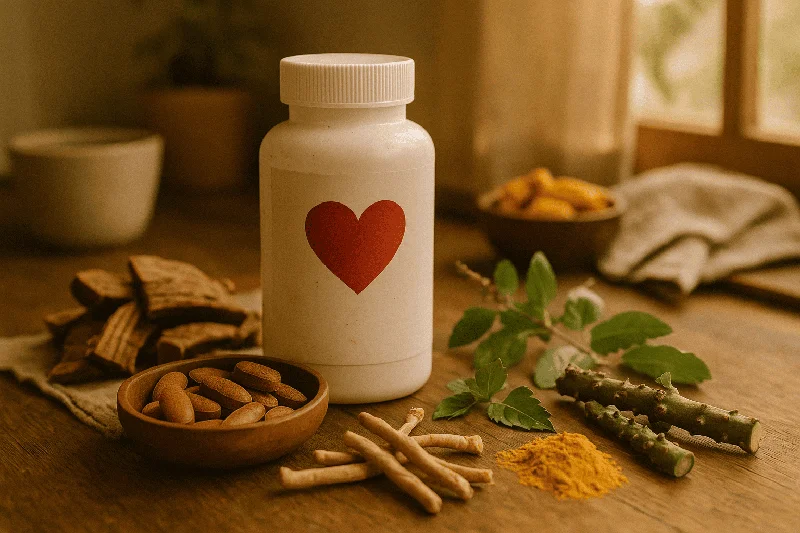
- Heart disease remains the leading cause of death in India, claiming over 28% of all deaths annually. If you're searching for ayurvedic medicine for heart health, here's the direct answer: Terminalia arjuna is the most clinically studied and widely recommended ayurvedic herb for cardiovascular support, backed by research showing improvements in ejection fraction, cholesterol levels, and endothelial function.
- But arjuna is just the starting point — Ayurveda offers an entire system of herbal formulations, detoxification therapies, dietary protocols, and lifestyle practices that address heart disease at its root.
This guide goes beyond what other articles cover. You'll find specific dosages, herb-drug interactions with modern cardiac medications, condition-specific recommendations, expected timelines for results, and a step-by-step protocol for safely beginning ayurvedic heart care. Whether you're managing hypertension, recovering from a cardiac event, or simply want to protect your heart naturally — this is the most comprehensive resource available.
Understanding Heart Disease in Ayurveda (Hridroga)
What Is Hridroga — The Ayurvedic View of Heart Disease
In Ayurveda, heart disease is classified under Hridroga (हृद्रोग) — a term found in classical texts like Charaka Samhita and Sushruta Samhita. But the ayurvedic understanding of "heart" goes far beyond the physical organ. Hridaya (the heart) is described as the seat of Chetana (consciousness), Mana (mind), Ojas (vital energy), and Prana (life force). This is why Ayurveda considers heart disease not merely a plumbing problem, but a disruption of the body's deepest vitality.
Charaka classified Hridroga into five types based on causative factors:
- Vataja Hridroga — caused by Vata imbalance (palpitations, sharp chest pain, anxiety)
- Pittaja Hridroga — caused by Pitta imbalance (burning sensation, sweating, acidic digestion)
- Kaphaja Hridroga — caused by Kapha imbalance (heaviness, congestion, fluid retention)
- Tridoshaja Hridroga — involving all three doshas (most severe, often chronic)
- Krimija Hridroga — caused by infections or parasitic factors
This classification matters practically because treatment protocols differ based on the dominant dosha involved. A Kapha-type blockage requires different herbs than a Vata-type arrhythmia.
The Role of Doshas in Heart Health
Each dosha affects the cardiovascular system differently:
- Vata governs all movement in the body, including the heartbeat itself.
- When Vata becomes aggravated — through stress, irregular routines, excessive travel, or aging — it can cause irregular heart rhythms, anxiety-driven palpitations, and poor circulation. Vata-type heart issues often feel erratic and unpredictable.
Pitta controls metabolic transformation and inflammation. Excess Pitta leads to inflammatory conditions in the blood vessels, hypertension, and what modern medicine calls endothelial dysfunction. Pitta-type heart problems are associated with anger, competitive stress, and excessive consumption of spicy or fried foods. Kapha governs structure and lubrication. When Kapha accumulates excessively, it leads to elevated cholesterol (medas), arterial plaque formation, obesity, and sluggish circulation. This is the most common pattern seen in coronary artery disease — and why Ayurveda's approach to atherosclerosis focuses heavily on Kapha-reducing therapies.
Ama and Medo Dhatu — Root Causes of Heart Blockage
Two concepts are absolutely central to understanding how Ayurveda explains heart blockage:
Ama refers to metabolic toxins produced by incomplete digestion. When Agni (digestive fire) weakens, partially digested food creates this sticky, toxic residue that circulates through the body and deposits in vulnerable tissues. In the cardiovascular system, Ama accumulates in the Rasa (plasma) and Rakta (blood) dhatus, contributing to what modern medicine recognizes as atherosclerotic plaque.
- Medo Dhatu represents the fat tissue.
- When Medo Dhatu metabolism becomes disturbed — through overeating, sedentary living, or genetic predisposition — excess fats enter the bloodstream. Ayurveda calls this condition Medoroga, and it directly parallels hyperlipidemia and dyslipidemia.
The combination of Ama + disturbed Medo Dhatu + Kapha accumulation creates what classical texts describe as Dhamani Pratichaya (arterial obstruction). This three-factor model is remarkably consistent with modern understanding of atherosclerosis as an inflammatory process involving lipid accumulation and endothelial damage.
Symptoms of Heart Disease According to Ayurveda
Classical texts describe Hridroga symptoms that align closely with modern cardiology:
- Hridshula — chest pain (angina equivalent)
- Shwasa — breathlessness/dyspnea
- Kasa — cough (often in heart failure)
- Arati — restlessness and anxiety
- Murcha — fainting or syncope
- Jwara — fever (in infective conditions)
- Shotha — edema/swelling (peripheral congestion)
- Trishna — excessive thirst
- Vaivarnya — discoloration of skin (cyanosis)
- Daurbalya — fatigue and weakness
> Important: If you experience sudden chest pain, severe breathlessness, or loss of consciousness, seek emergency medical care immediately. Ayurvedic medicines are for preventive care and adjunct therapy — not for cardiac emergencies.
Top Ayurvedic Medicines and Herbs for Heart Health
Terminalia Arjuna — The King of Heart Herbs
If there's one ayurvedic medicine for heart that you should know, it's Arjuna (Terminalia arjuna). The bark of this tree has been used for over 2,500 years specifically for cardiac conditions — and it's now one of the most scientifically validated ayurvedic herbs.
What the research shows:
- A 2001 study published in the Journal of the Association of Physicians of India found that arjuna bark powder (500 mg every 8 hours) significantly improved left ventricular ejection fraction and reduced anginal episodes in patients with stable angina, performing comparably to isosorbide mononitrate.
- A 2014 review in PMC documented arjuna's cardioprotective, hypolipidemic, antihypertensive, and antithrombotic properties — essentially showing that this single herb produces effects similar to what modern medicine achieves with a combination of drugs (the "polypill" concept).
- Arjuna bark contains arjunolic acid, arjunetin, and terminic acid — bioactive compounds that strengthen cardiac muscle, improve coronary artery flow, and reduce LDL oxidation.
Dosage guidelines:
| Form | Typical Dosage | When to Take |
|---|---|---|
| Arjuna bark powder (Churna) | 3–6 g/day in divided doses | With warm milk or water, morning and evening |
| Arjunarishta (fermented liquid) | 15–30 ml twice daily | After meals, mixed with equal water |
| Arjuna capsules/tablets | 500 mg, 2–3 times daily | With meals |
| Kshirapaka (milk decoction) | 1 cup daily | Morning on empty stomach |
Timeline for results: Most patients report noticeable improvement in exercise tolerance and reduction in chest discomfort within 4–8 weeks of consistent use. Lipid profile changes typically show after 8–12 weeks.
Commiphora Mukul (Guggulu) — Cholesterol and Inflammation Fighter
- Guggulu has a unique place in ayurvedic cardiology.
- The resin of Commiphora mukul contains guggulsterones — compounds that have been shown to lower total cholesterol by 14–27% and triglycerides by 22–30% in clinical studies. In fact, guggulu's lipid-lowering properties were so promising that it was approved as a hypolipidemic agent in India in 1987.
Guggulu works through multiple mechanisms: it enhances thyroid function (boosting metabolism), inhibits hepatic cholesterol synthesis, and increases LDL receptor activity. It also has significant anti-inflammatory and antiplatelet properties.
Key formulations containing Guggulu:
- Pushkara Guggulu — specifically designed for heart and respiratory conditions
- Triphala Guggulu — combines detoxification with lipid management
- Medohar Guggulu — targets obesity and excess fat metabolism
Dosage: Shuddha Guggulu (purified) — 250–500 mg, 2–3 times daily after meals. Always use purified (shuddha) form, as raw guggulu can cause gastrointestinal irritation.
Allium Sativum (Garlic/Lasuna) — The Natural Blood Thinner
Garlic is perhaps the most universally accessible ayurvedic medicine for heart health. Ayurveda classifies it as Lasuna and considers it a potent Kapha-reducing and Vata-pacifying medicine.
Modern research validates its cardiovascular effects — a 2016 meta-analysis of 39 trials found that garlic supplementation reduces total cholesterol by 17 mg/dL on average. It also exhibits anticoagulant, antihypertensive, and antioxidant properties. Aged garlic extract has been shown to reduce coronary artery calcification progression by 80% in a 2016 study published in Journal of Nutrition.
Practical use: 2–4 cloves of raw garlic daily, crushed and consumed on empty stomach with warm water. Or Lasuna capsules, 250–500 mg twice daily.
Withania Somnifera (Ashwagandha) — Stress, Stamina, and the Heart
Ashwagandha protects the heart primarily through its adaptogenic and anti-stress mechanisms. Chronic stress elevates cortisol, which directly damages blood vessels and promotes atherosclerosis. A 2019 study in Medicine found that ashwagandha root extract (300 mg twice daily) reduced perceived stress by 44% and serum cortisol by 27.9%.
For the heart specifically, ashwagandha shows cardioprotective effects by reducing lipid peroxidation, improving VO2 max (cardiorespiratory fitness), and modulating inflammatory markers like CRP and IL-6.
Dosage: 300–600 mg of standardized root extract daily, or 3–6 g of root powder with warm milk.
Other Important Cardiac Herbs
| Herb | Primary Action | Typical Dosage |
|---|---|---|
| Brahmi (Bacopa monnieri) | Reduces anxiety, improves cerebral circulation | 300–450 mg extract daily |
| Punarnava (Boerhavia diffusa) | Diuretic, reduces edema in heart failure | 500 mg powder, 2x daily |
| Pippali (Long pepper) | Bioenhancer, improves circulation, reduces Kapha | 1–3 g powder with honey |
| Dalchini (Cinnamon) | Antidiabetic, lipid-lowering, anti-inflammatory | 1–3 g powder daily |
| Amalaki (Indian gooseberry) | Antioxidant, endothelial protection, lipid-lowering | 500 mg–1g, 2x daily |
| Jatamansi (Nardostachys jatamansi) | Anti-arrhythmic, anxiolytic, cardioprotective | 250–500 mg, 2x daily |
Can Arjunarishta Remove Heart Blockage?
This is one of the most searched questions online, and it deserves an honest answer.
Arjunarishta is a traditional fermented preparation (arishta) made from Arjuna bark, jaggery, and other herbs. Classical texts prescribe it for Hridaya Shoola (heart pain), Hridroga (heart disease), and general cardiac strengthening.
What Arjunarishta Can Realistically Do
Based on available evidence:
- Improve blood flow to the heart by enhancing endothelial function and vasodilation
- Reduce anginal symptoms (chest pain episodes) — documented in multiple clinical studies
- Lower LDL cholesterol and triglycerides, slowing plaque progression
- Strengthen cardiac muscle contractility (inotropic effect similar to digitalis, but milder)
- Reduce oxidative stress in blood vessel walls
What It Cannot Do
- Dissolve existing calcified plaques — no ayurvedic or pharmaceutical medicine can reliably do this
- Replace emergency cardiac intervention — stenting or bypass surgery when critically indicated
- Work overnight — therapeutic effects require consistent use over weeks to months
A more accurate statement would be: Arjunarishta can help prevent further blockage, improve collateral circulation, and reduce symptoms — but calling it a "blockage remover" is misleading and potentially dangerous.
Panchakarma Therapies for Heart Health
Panchakarma — Ayurveda's five-fold detoxification system — plays a crucial role in cardiac care by addressing the root cause: Ama accumulation and dosha imbalance.
Virechana (Therapeutic Purgation)
Virechana is considered the primary Panchakarma for Pitta-type heart conditions and hyperlipidemia. By cleansing the GI tract, it removes metabolic waste products that contribute to inflammation and plaque formation. Typically performed under supervision using herbs like Trivrit, Aragvadha, or castor oil.
Basti (Medicated Enema)
Basti is the treatment of choice for Vata-type cardiac issues — arrhythmias, palpitations, and anxiety-driven heart conditions. Specific formulations like Dashamoola Basti help pacify Vata and restore normal cardiac rhythm.
Hridaya Basti — The Specialized Heart Procedure
This is a unique external therapy where warm medicated oil (typically Arjuna-infused oil or Bala Taila) is retained in a dough dam placed over the heart region (Hridaya Marma) for 30–45 minutes.
Though it sounds simple, Hridaya Basti is reported to:
- Reduce anxiety and emotional stress held in the chest
- Improve local circulation
- Strengthen the cardiac muscle
- Alleviate arrhythmias and palpitation sensations
This is one of the gentlest yet most effective cardiac therapies and is safe even for elderly patients.
Vamana (Therapeutic Emesis)
Specifically indicated for Kapha-dominant heart conditions — obesity-related cardiac disease, hypercholesterolemia, and congestive patterns. Performed only under strict medical supervision.
Ayurvedic Treatment by Type of Heart Condition
This is where most guides fall short. They treat "heart disease" as one condition, when actually the approach should differ significantly.
For Coronary Artery Disease (CAD) & Atherosclerosis
Primary herbs: Arjuna + Guggulu + Garlic Formulations: Pushkara Guggulu, Arjunarishta, Hridayarnava Rasa Panchakarma: Virechana (primary), followed by Basti Diet: Strict Kapha-reducing diet — minimize dairy, fried foods, sugars Timeline: 3–6 months minimum for measurable lipid improvements
For Hypertension
Primary herbs: Sarpagandha (Rauwolfia serpentina), Jatamansi, Arjuna, Brahmi Formulations: Sarpagandha Vati, Brahmi Vati, Saraswatarishta Diet focus: Reduce salt, increase potassium-rich foods, emphasize bitter and astringent tastes Note: Sarpagandha is the source of reserpine — one of the first modern antihypertensive drugs. This is a powerful herb and requires physician supervision.
For Arrhythmias & Palpitations
Primary herbs: Jatamansi, Ashwagandha, Arjuna, Brahmi Formulations: Manasamitra Vatakam, Arjuna Kshirapaka Panchakarma: Shirodhara (oil on forehead) for nervous system calming, Hridaya Basti Lifestyle: Pranayama (especially Anulom-Vilom), meditation, regular sleep schedule
For Heart Failure (Adjunctive Support)
Primary herbs: Punarnava (diuretic, reduces edema), Arjuna (cardiac tonic), Pippali (bioenhancer) Formulations: Punarnavadi Kashayam, Dashamoola Punarnavadi Kashayam, Arjunarishta Critical note: Heart failure MUST be managed with a cardiologist. Ayurvedic support can improve quality of life and reduce symptoms but should never replace standard heart failure medications.
Don't wait or self medicate. Start chat with Doctor NOW
Drug Interactions: Ayurvedic Medicines with Modern Cardiac Drugs
This is a topic no other guide covers, yet it's critically important for patient safety. Many people taking statins, blood thinners, or beta-blockers also want to use ayurvedic medicines.
Here's what you need to know:
| Ayurvedic Medicine | Modern Drug | Interaction Risk | What to Do |
|---|---|---|---|
| Garlic (Lasuna) | Warfarin, Aspirin, Clopidogrel | HIGH — garlic has anticoagulant properties, can increase bleeding risk | Stop garlic supplements 2 weeks before surgery; inform your doctor |
| Guggulu | Statins (Atorvastatin, Rosuvastatin) | MODERATE — both lower cholesterol; combined use may cause excessive LDL reduction or muscle pain | Use only with medical supervision; monitor liver enzymes |
| Arjuna | Beta-blockers (Metoprolol, Atenolol) | LOW-MODERATE — arjuna has mild hypotensive and heart rate-lowering effects | Generally safe to combine, but monitor blood pressure regularly |
| Ashwagandha | Thyroid medications (Levothyroxine) | MODERATE — ashwagandha may stimulate thyroid function | Monitor TSH levels; adjust thyroid medication if needed |
| Sarpagandha | Antihypertensives (Amlodipine, Losartan) | HIGH — can cause excessive blood pressure drop, depression | Never combine without direct physician oversight |
| Brahmi | Sedatives, Benzodiazepines | MODERATE — additive sedative effects | Reduce doses; avoid driving |
> Golden rule: Always inform both your cardiologist AND ayurvedic physician about all medicines you're taking — conventional and herbal. Never stop prescribed cardiac medications abruptly to "switch" to Ayurveda.
Diet, Yoga & Lifestyle — The Ayurvedic Heart Protocol
Heart-Healthy Ayurvedic Diet (Hridya Ahara)
Ayurveda identifies specific foods as Hridya (beneficial for the heart):
- Pomegranate (Dadima) — possibly the most important cardiac fruit in Ayurveda; rich in polyphenols, shown to reduce arterial plaque
- Old rice (Purana Shali) — lighter and easier to digest than new rice
- Green gram (Mudga) — lowest Kapha-increasing among all lentils
- Goat milk — lighter than cow's milk for Kapha-prone individuals
- Bitter gourd, drumstick, ash gourd — reduce Kapha and Ama
- Ghee in moderate quantities — Ayurveda considers small amounts of ghee heart-protective (1–2 tsp/day); a 2010 study in Indian Journal of Medical Research found no association between moderate ghee consumption and cardiovascular disease
Foods to avoid: Excessive salt, deep-fried food, processed sugars, heavy meats, cold foods and beverages (weaken Agni), excessive dairy (increases Kapha).
Yoga Asanas for Heart Health
| Asana | Benefit | Duration |
|---|---|---|
| Tadasana (Mountain Pose) | Improves posture and circulation | 1–2 minutes |
| Trikonasana (Triangle Pose) | Opens chest, improves breathing | 30 sec each side |
| Bhujangasana (Cobra Pose) | Stimulates heart, opens chest | 15–30 seconds |
| Setu Bandhasana (Bridge Pose) | Strengthens heart, reduces blood pressure | 30–60 seconds |
| Shavasana (Corpse Pose) | Activates parasympathetic nervous system | 5–10 minutes |
Pranayama — The Breathing Prescriptions
- Anulom Vilom (Alternate nostril breathing): Balances Vata, reduces anxiety and palpitations — 10 minutes daily
- Bhramari (Humming bee breath): Lowers blood pressure, calms the nervous system — 5 minutes daily
- Deep diaphragmatic breathing: Improves heart rate variability (HRV), a key marker of cardiac health
Avoid: Kapalbhati and Bhastrika if you have hypertension, arrhythmia, or recent cardiac events. These rapid breathing techniques can spike blood pressure.
Seasonal Recommendations (Ritucharya) for Cardiac Patients
This is almost never discussed, but seasonal adaptation is a core ayurvedic principle:
- Winter (Hemant/Shishira): Heart attacks peak in winter. Keep warm, use warming spices (ginger, cinnamon), practice oil massage (Abhyanga) with sesame oil, increase Arjuna intake
- Summer (Grishma): Stay hydrated, favor cooling herbs like Brahmi and Shatavari, avoid excessive exertion
- Monsoon (Varsha): Vata aggravation season — prioritize Basti therapy, warm cooked foods, and stress management
- Autumn (Sharad): Pitta peaks; favor bitter herbs, Virechana therapy, and avoid inflammatory foods
How to Start Ayurvedic Heart Treatment — A Step-by-Step Protocol
Step 1: Get a Modern Cardiac Assessment First
Before beginning any ayurvedic treatment for heart disease, get these baseline tests:
- Lipid profile (Total cholesterol, LDL, HDL, triglycerides)
- ECG/EKG
- Echocardiogram (if recommended)
- HbA1c and fasting glucose
- Blood pressure measurement
- hs-CRP (high-sensitivity C-reactive protein — an inflammation marker)
This gives you a baseline to measure the effectiveness of ayurvedic interventions.
Step 2: Consult a Qualified Ayurvedic Physician
Look for a BAMS (Bachelor of Ayurvedic Medicine and Surgery) graduate registered with your state medical council. Avoid unqualified "practitioners" who prescribe without proper Prakriti (constitution) and Vikriti (imbalance) assessment.
Step 3: Begin with Gentle Interventions
- Don't start with Panchakarma or multiple herbs simultaneously.
- A typical introductory protocol might be:
- Weeks 1–4: Arjuna powder (3g twice daily with warm milk) + dietary modifications
- Weeks 4–8: Add Guggulu or Garlic based on lipid profile + begin yoga/pranayama
- Weeks 8–12: Evaluate symptoms and repeat lipid profile + consider Panchakarma if needed
- Month 3+: Adjust formulations, add condition-specific herbs, deepen lifestyle changes
Step 4: Monitor and Adjust
- Repeat your lipid panel, blood pressure measurements, and cardiac assessment every 3 months during the first year.
- Track symptoms in a daily journal — chest pain episodes, breathlessness, energy levels, sleep quality.
Choosing the Right Form: Churna vs. Kashayam vs. Arishta vs. Tablets
| Form | Best For | Bioavailability | Taste | Shelf Life |
|---|---|---|---|---|
| Churna (powder) | Those who want traditional preparation; can customize dosage | Moderate | Earthy, sometimes bitter | 6–12 months |
| Kashayam (decoction) | Acute conditions, faster absorption needed | High | Strong, bitter | Prepare fresh daily |
| Arishta/Asava (fermented) | Long-term use, easier to take, self-generated alcohol aids absorption | High | Sweet-sour, palatable | 5+ years (improves with age) |
| Vati/Gulika (tablets) | Convenience, travel, standardized dosing | Moderate | Neutral | 2–5 years |
| Kshirapaka (milk decoction) | Nourishing and cardiac-tonic; best for Vata types | High | Mild, pleasant | Prepare fresh |
Recommendation: For long-term heart health maintenance, Arjunarishta or Arjuna tablets offer the best balance of efficacy and compliance. For acute symptom management, Kashayam preparations are more potent.
Historical Validation: Modern Heart Drugs That Came from Plants
Here's something that adds powerful context — many of the most important cardiac drugs in modern medicine were originally derived from plants that Ayurveda and traditional medicine systems used for centuries:
- Digitalis (digoxin) for heart failure — from foxglove (Digitalis purpurea)
- Reserpine for hypertension — from Sarpagandha (Rauwolfia serpentina), an ayurvedic herb used for centuries
- Aspirin (antiplatelet) — derived from willow bark (Salix alba)
- Quinidine (anti-arrhythmic) — from cinchona bark
This isn't coincidental. It demonstrates that plants contain pharmacologically active compounds, and Ayurveda's 3,000-year empirical tradition identified many of these long before modern pharmacology existed.
Contraindications and Side Effects of Ayurvedic Heart Medicines
Another gap no one addresses. Ayurvedic medicines are generally safe, but they're not without risks:
Arjuna: May cause mild gastric discomfort, constipation, or headache in some individuals. Avoid during pregnancy. Use cautiously with hypotension (low blood pressure). Guggulu: Can cause skin rashes, diarrhea, or appetite changes. Contraindicated in acute kidney disease and pregnancy. Unpurified (ashuddha) guggulu can cause severe GI irritation. Garlic (Lasuna): Contraindicated before surgery (bleeding risk), in active gastric ulcers, and while taking anticoagulant drugs. Can cause heartburn and body odor. Sarpagandha: Can cause depression, nasal congestion, excessive sedation, and dangerously low blood pressure. Strictly requires medical supervision. Contraindicated in depression, peptic ulcer, and pregnancy. Ashwagandha: May worsen hyperthyroidism. Potential interaction with immunosuppressive drugs. Avoid in autoimmune conditions without guidance.
Frequently Asked Questions (FAQ)
What is the best medicine for heart health in Ayurveda?
Terminalia arjuna (Arjuna) is considered the gold standard ayurvedic medicine for heart health, supported by both classical texts and modern clinical research. For a comprehensive approach, it's typically combined with Guggulu (for cholesterol), Ashwagandha (for stress), and Garlic (for blood thinning) — along with diet and lifestyle modifications tailored to your dosha type.
How to repair a heart naturally?
The heart has limited regenerative capacity, but you can significantly improve its function naturally through: (1) Daily Arjuna supplementation to strengthen cardiac muscle, (2) Regular aerobic exercise — even 30 minutes of brisk walking, (3) Pranayama breathing practices to improve heart rate variability, (4) Anti-inflammatory diet rich in pomegranate, turmeric, green vegetables, and omega-3 fats, (5) Stress management through meditation and adequate sleep. A 2012 study in The Lancet (the INTERHEART study follow-up) confirmed that lifestyle modifications can reduce heart disease risk by up to 80%.
Which 3 tablets are commonly used for heart attack in Ayurveda?
For post-cardiac-event support (NOT as emergency treatment), three commonly prescribed ayurvedic formulations are: (1) Hridayarnava Rasa — a herbomineral preparation for cardiac strengthening, (2) Arjuna Vati/tablets — for myocardial protection and angina reduction, (3) Pushkara Guggulu — for clearing chest congestion and improving circulation. These should be used ONLY alongside standard post-heart-attack medications (aspirin, statins, beta-blockers) and under medical supervision.
How long does ayurvedic treatment for heart take to show results?
Symptomatic improvement (better energy, reduced chest discomfort, improved breathing) typically begins within 4–8 weeks. Measurable changes in lipid profile and blood pressure require 8–12 weeks. Significant structural improvements (like reduced arterial stiffness) may take 6–12 months of consistent treatment. Ayurveda works gradually but aims for sustained, root-cause correction rather than quick symptom suppression.
Can I take Arjuna with my blood pressure medication?
Generally, yes — Arjuna has mild hypotensive effects and is usually safe to combine with most antihypertensives. However, if you're taking beta-blockers, monitor for excessive heart rate reduction. If you're on multiple antihypertensives, the additive effect could cause dizziness or lightheadedness. Always inform your cardiologist and start with a lower Arjuna dose (500 mg once daily), gradually increasing while monitoring blood pressure.
Is Ayurvedic medicine safe for heart patients with diabetes?
Most ayurvedic cardiac herbs are safe — and some are actually beneficial — for diabetic patients. Arjuna, Guggulu, and Garlic all show favorable effects on blood sugar. However, if you're on insulin or oral hypoglycemics, monitor blood glucose closely when adding these herbs, as the combined effect could cause hypoglycemia. Avoid Arjunarishta or other arishta preparations if you're strictly avoiding alcohol, as they contain 5–10% self-generated alcohol.
Conclusion: An Integrated Approach to Heart Health
- Ayurvedic medicine for heart care is not about choosing between ancient and modern.
- The most effective approach integrates both — using Ayurveda's deep understanding of constitution, lifestyle, and herbal medicine alongside modern cardiology's diagnostic precision and emergency capabilities.
Start with getting proper diagnostics. Work with qualified practitioners on both sides. Begin gently with proven herbs like Arjuna and foundational lifestyle changes. Monitor your progress with regular bloodwork. And never abruptly stop prescribed cardiac medications without your cardiologist's approval.
Your heart has been beating for you every moment of your life. It deserves the best of both worlds.
Ready to begin your ayurvedic heart health journey? Consult with a qualified BAMS doctor who can assess your Prakriti, review your medical history, and create a personalised treatment protocol. If you're already on cardiac medications, bring your prescription list to your first appointment so your ayurvedic physician can design a safe, complementary plan.
Scientific Sources
- Akarnan: The Stethoscope and Making of Modern Ayurveda, Bengal, c. 1894-1952 — Mukharji PB, 2019, Technology and culture
- Indian Medical Association launches hunger strike — Sharma DC, 2021, Lancet (London, England)
- The scientific value of Ayurveda — Hankey A, 2005, Journal of alternative and complementary medicine (New York, N.Y.)
- Dentistry and ayurveda--1 — Amrutesh S, 2003, Indian journal of dental research : official publication of Indian Society for Dental Research
- Historical and cross-cultural perspectives on Parkinson's disease — Blonder LX, 2018, Journal of complementary & integrative medicine
- [[Outbreak of lead poisoning associated with Ayurvedic medicine]](https://pubmed.ncbi.nlm.nih.gov/24559541/) — Fernández S et al., 2015, Medicina clinica
- Ayurvedic Herbal Therapies: A Review of Treatment and Management of Dementia — Srivastava V et al., 2022, Current Alzheimer research
- [[Procedures of complementary medicine in rheumatology]](https://pubmed.ncbi.nlm.nih.gov/38935116/) — Keyßer G et al., 2024, Zeitschrift fur Rheumatologie
- Medical ethics in India: then and now — Pandya SK, 1999, Acta neurochirurgica. Supplement
- Non-allopathic systems of medicine--time to reflect and act — Gaitonde S et al., 2002, The Journal of the Association of Physicians of India
- ON INDIAN COLORS(https://pubmed.ncbi.nlm.nih.gov/14093449/) — MUELLER RF, 1963, Sudhoffs Archiv fur Geschichte der Medizin und der Naturwissenschaften
- The political economy of the introduction of Western medicine in India and preexisting health practices — Banerji D, 2009, International journal of health services : planning, administration, evaluation
- Ayurvedic medicine for schizophrenia — Agarwal V et al., 2007, The Cochrane database of systematic reviews
- Plural medicine in Sri Lanka: do Ayurvedic and Western medical practices differ? — Waxler-Morrison NE, 1988, Social science & medicine (1982)
- Ayurvedic medicine and primary health care — Fendall NR, 1981, Tropical doctor
- The theory and practice of psychological medicine in the Ayurvedic tradition — Obeyesekere G, 1977, Culture, medicine and psychiatry
- Indian Herbs for the Treatment of Neurodegenerative Disease — Mannangatti P et al., 2016, Advances in neurobiology
- Reflections from the Far East — Stevensen C, 1998, Complementary therapies in nursing & midwifery
- [[Ayurvedic medicine and Chinese traditional medicine: first molecular bases]](https://pubmed.ncbi.nlm.nih.gov/18334184/) — Labie D, 2008, Medecine sciences : M/S
- Factors that influence patients in Sri Lanka in their choice between Ayurvedic and Western medicine — Wolffers I, 1985, British medical journal (Clinical research ed.)
Questions from users
What precautions should I take when using Ayurvedic remedies for heart disease?
Makayla
2 days ago
When using Ayurvedic remedies for heart disease, it's essential to take precautions to avoid harmful interactions with prescribed cardiac medications. Ayurvedic treatments like Pushkara Guggulu, Triphala Guggulu, and Medohar Guggulu have properties such as anticoagulant and antihypertensive effects. These need monitoring to prevent adverse interactions with modern drugs that have similar effects. Consult your healthcare provider before starting any Ayurvedic remedies to ensure they won't conflict with your current treatments. Watch for signs of low blood pressure and any unusual symptoms, and report these to your doctor immediately. Ayurvedic remedies should support but never replace standard heart medications.
Is it safe to consume raw garlic daily for heart health?
Caleb
11 days ago
It's generally safe to have raw garlic daily for heart health, but just be aware that it can cause minor digestive issues for some folks. Start slowly to see how your body reacts & maybe have it with your meals if taking on empty stomach irritates you. If you have any health conditions or meds, it's a good idea to check with your doc first!
Can I take garlic with my heart medication safely in Ayurvedic treatment?
Wade
21 days ago
It’s best to be cautious. Garlic can thin the blood, so if you're on heart meds like blood thinners, it might be risky. Always chat with your doctor or a skilled ayurvedic practitioner before mixing garlic into your routine to make sure all is balanced and safe! Keep an eye on any unusual symptoms too.
How to identify high-quality Ayurvedic herbs for improving heart health?
Grace
36 days ago
To identify high-quality Ayurvedic herbs for heart health, look for organic certification, sourcing details, and purity testing. Trustworthy brands or direct advice from an Ayurvedic practitioner can also help you find reliable products. It's best to consult a qualified Ayurvedic doctor to tailor the herbs to your unique needs, since they can vary based on your dosha and health condition.
What is the best way to prepare Ayurvedic herbs for heart health?
Zachary
45 days ago
For prepping Ayurvedic herbs for heart health, consider starting with teas or decoctions – just boil the herbs in water, and let them simmer a bit. You can also add them to ghee (clarified butter) for an herbal ghee concoction, enhances absorption. Herb powders can be mixed with honey or warm water too. Just go slow & listen to your body!
Can Ayurvedic remedies for heart health interact with over-the-counter medications?
Nadine
55 days ago
Yes, Ayurvedic remedies can sometimes interact with over-the-counter medications. It's really important to talk with both your Ayurvedic practitioner and your regular doctor to make sure everything is safe and works well together. They can check for possible interactions based on your unique situation and help keep things balanced.
What is the role of diet in Ayurvedic heart health treatments?
Jayden
64 days ago
Diet plays a big role in Ayurvedic heart health treatments. It's all about balancing your doshas and supporting your agni (digestive fire). Foods that are fresh, warm, and easy to digest can help balance Vata and Kapha doshas, which are crucial for heart health. Try to favor natural sweet and bitter flavors, and avoid overly processed or cold foods. Also, include heart-friendly spices like turmeric or garlic. Always consider your unique constitution and maybe check with an Ayurvedic practitioner for personalized advice!
Is it normal to feel digestive discomfort when using Ayurvedic heart treatments?
Allison
74 days ago
Sometimes mild digestive discomfort can happen with Ayurvedic heart treatments. This might be due to the body's adjustment to new herbs or dosha imbalances. Pay attention to how your agni (digestive fire) is. If it feels too strong or weak, that could cause issues. Always best to check with a healthcare provider if it persists or gets worse.
Can I use medicated oils for heart health in Ayurvedic therapy?
Vanessa
83 days ago
Yes, you can use medicated oils for heart health in Ayurvedic therapy! Oils like Arjuna oil often support heart function, especially in Abhyanga massage where they're absorbed through the skin, helping balance doshas and support circulation. Just make sure to consult a practitioner to get a regimen that fits your body type, ok?
Can I use Ayurvedic heart medicine alongside my existing heart treatment plan?
Robert
93 days ago
You can use Ayurvedic heart medicine alongside your existing treatment, but you *really* wanna check in with both your conventional doctor and an experienced Ayurvedic practitioner. That way, you know it's all safe and compatible! They might guide you on dosages too. Mixing treatments is all about synergy, not clash. 😊
Related articles

Cardio Disorders
Understanding Angina Pain and Ayurveda
Angina pain is caused by reduced blood flow to the heart, presenting as chest pain with identifiable symptoms and causes.
2,254
Cardio Disorders
Managing High Blood Pressure with Ayurvedic Approaches
High blood pressure, also known as hypertension, has become a widespread health issue, affecting millions of people globally in today’s fast-paced world.
3,399

Cardio Disorders
Kravyad Ras Benefits, Dosage, Ingredients, Side Effects
Exploration of Kravyad Ras Benefits, Dosage, Ingredients, Side Effects
2,378

Cardio Disorders
A Holistic Guide to Preventing and Curing Heart Diseases Naturally
Heart disease is a debilitating condition brought on by an accumulation of fatty deposits and other materials in the arteries.
2,955

Cardio Disorders
Cardostab Tablets Benefits, Dosage, Ingredients, Side Effects
Exploration of Cardostab Tablets Benefits, Dosage, Ingredients, Side Effects
2,575

Cardio Disorders
Patanjali Divya Hridyamrit Vati
Exploration of Patanjali Divya Hridyamrit Vati
4,063

Cardio Disorders
High BP Symptoms: Early Warning Signs and Ayurvedic Solutions
Discover the key symptoms of high BP, how to recognize early signs, understand hypertension, and learn Ayurvedic ways to control high blood pressure naturally
2,197

Cardio Disorders
Sarpagandha Ghan Vati – Benefits, Dosage, Ingredients and Side Effects
Exploration of Sarpagandha Ghan Vati – Benefits, Dosage, Ingredients and Side Effects
6,087

Cardio Disorders
Avalambaka Kapha – Balancing the Supportive Force in Ayurveda
Explore the role of avalambaka kapha in enhancing lung function and heart health through balanced Ayurvedic principles.
3,134

Cardio Disorders
Cardostab Uses – Ayurvedic Formulation for Enhanced Cardiovascular Health
Discover Cardostab uses in Ayurveda, a natural remedy designed to strengthen the heart, improve circulation, and support overall cardiovascular function through potent herbal ingredients.
3,308
Related consultations on the topic
Legal
Additional Documents
© 2024 Ask Ayurveda. All rights reserved.