FREE! Ask Ayurvedic Doctors 24/7

 Fast responses
 1000+ verified doctors
Depression and Ayurveda: A Natural Path
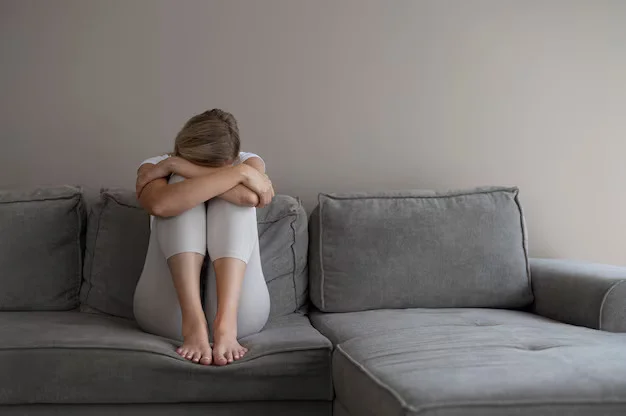
- Depression is not just sadness. It's a persistent, often debilitating condition that affects over 56 million Indians according to WHO estimates — and Ayurveda offers one of the oldest, most comprehensive frameworks for understanding and treating it. If you're looking for a natural, holistic path alongside or beyond conventional medicine, Ayurvedic therapies including specific herbs (Ashwagandha, Brahmi, Jatamansi), Panchakarma detoxification, dietary changes, yoga, and lifestyle restructuring have shown measurable results in clinical studies.
- But — and this is critical — Ayurveda works best when you understand your specific imbalance, follow evidence-based protocols, and know when professional psychiatric help is non-negotiable.
This guide covers everything: the Ayurvedic understanding of depression, dosha-specific types, proven herbs with actual dosages, Panchakarma therapies, a practical home protocol you can start today, and the honest truth about when Ayurveda alone isn't enough.
What Is Depression? Understanding the Modern and Ayurvedic Perspectives
Depression in Modern Medicine: Causes, Types and Statistics
Clinical depression (Major Depressive Disorder) is a mood disorder characterized by persistent low mood, loss of interest in activities, changes in sleep and appetite, fatigue, difficulty concentrating, and in severe cases, suicidal ideation. The World Health Organization ranks depression as the leading cause of disability worldwide, with India carrying one of the heaviest burdens — the National Mental Health Survey (2015-16) found a prevalence of approximately 5.25% among the adult population.
- Modern medicine treats depression primarily through antidepressants (SSRIs, SNRIs, tricyclics) and psychotherapy (CBT, interpersonal therapy).
- These treatments are effective for many, but side effects — weight gain, sexual dysfunction, emotional blunting — drive a significant number of patients to seek complementary or alternative approaches.
Depression in Ayurveda: Vishada, Avasada, and Kaphaja Unmada
Ayurveda doesn't isolate depression as a purely "mental" disorder. The classical texts describe conditions closely resembling depression under several terms:
- Vishada — described in Charaka Samhita as a state of despondency, loss of motivation, and mental darkness. Charaka actually listed Vishada as a factor that aggravates all diseases.
- Avasada — a state of deep emotional sinking, apathy, and withdrawal.
- Kaphaja Unmada — a Kapha-predominant mental disturbance marked by heaviness, excessive sleep, social withdrawal, and loss of desire — clinically very close to what modern psychiatry calls Major Depressive Disorder with melancholic features.
In Ayurvedic understanding, depression arises from the imbalance of doshas (Vata, Pitta, Kapha) combined with weakened Sattva guna (the quality of clarity and harmony in the mind), accumulation of mental Ama (toxins), and disturbed Prana Vayu — the vital energy governing mind and emotions.
The Gut-Brain Connection: Agni, Ama, and Mental Health
Here's something remarkable: Ayurveda emphasized the gut-mind connection thousands of years before modern science discovered the gut-brain axis. Ayurvedic texts state that weakened Agni (digestive fire) leads to the formation of Ama (metabolic toxins), which clouds the mind and disrupts mental clarity.
- Modern research now confirms this. A 2019 systematic review published in Annals of General Psychiatry found that probiotic supplementation significantly reduced depression scores, supporting the concept that gut health directly influences mental health.
- The vagus nerve — the physical pathway connecting gut to brain — essentially validates what Ayurveda described conceptually as the Agni-Manas (digestion-mind) relationship.
This is why every serious Ayurvedic protocol for depression begins with restoring digestive health. Not as an afterthought, but as the foundation.
Types of Depression According to Dosha Imbalance
Understanding your predominant dosha imbalance is essential because the treatment approach differs significantly for each type. Taking a Kapha-pacifying protocol when your depression is Vata-driven can actually make things worse.
Kapha-Type Depression: Symptoms and Characteristics
This is the most commonly recognized type of depression in Ayurveda and maps closely to what modern psychiatry calls "atypical depression" or depression with melancholic features.
Key symptoms: Heaviness in body and mind, excessive sleeping (hypersomnia), weight gain, lethargy, emotional numbness, social withdrawal, sluggish digestion, feeling of being "stuck," loss of motivation, sweet cravings. Root cause: Excess Kapha blocks the channels of mental energy (Manovaha Srotas), creating a sense of heaviness and stagnation.
Vata-Type Depression: Symptoms and Characteristics
Often misdiagnosed or overlooked because it presents with agitation rather than the "classic" depressive picture.
Key symptoms: Anxiety mixed with depression, insomnia or restless sleep, racing thoughts, fear and worry, weight loss, irregular appetite, feeling ungrounded, mood swings, difficulty concentrating, restlessness. Root cause: Excess Vata disturbs Prana Vayu, the subtle energy governing the mind, creating instability and fear.
Pitta-Type Depression: Symptoms and Characteristics
This type frequently shows up in high-achievers and professionals experiencing burnout.
Key symptoms: Irritability, anger, self-criticism, perfectionism leading to despair, feelings of failure, burning sensations, acid reflux, disturbed sleep (waking between 2-4 AM), competitive frustration, substance use as coping. Root cause: Aggravated Pitta creates excess heat in the mind (Sadhaka Pitta), leading to emotional inflammation and eventual exhaustion.
How to Identify Your Dosha Imbalance: A Self-Assessment Guide
| Feature | Kapha Depression | Vata Depression | Pitta Depression |
|---|---|---|---|
| Energy | Very low, heavy | Erratic, depleted | Initially high, then crashes |
| Sleep | Excessive | Insomnia or broken | Waking at 2-4 AM |
| Appetite | Low with sugar cravings | Irregular, forgets meals | Intense but acid reflux |
| Mood | Numb, flat | Anxious, fearful | Angry, irritable |
| Thinking | Foggy, slow | Racing, scattered | Sharp but self-critical |
| Season worse | Late winter/spring | Autumn/early winter | Summer/late spring |
| Body | Weight gain, congestion | Weight loss, dryness | Inflammation, heat |
> Important: Mixed presentations are common. Many people experience Vata-Kapha or Pitta-Vata depression. An Ayurvedic practitioner (Vaidya) can provide accurate assessment through pulse diagnosis (Nadi Pariksha) and detailed consultation.
Ayurvedic Herbs for Depression: Evidence-Based Guide With Dosages
This is where most articles fail — they list herbs without dosages, research references, or contraindications. Let's fix that.
Ashwagandha (Withania somnifera)
How it works: Ashwagandha is an adaptogen that modulates the HPA axis (stress response system), reducing cortisol levels. A 2012 randomized double-blind, placebo-controlled study published in the Indian Journal of Psychological Medicine showed that 300 mg of full-spectrum Ashwagandha root extract twice daily reduced stress scores by 44% and serum cortisol by 27.9% over 60 days. Typical dosage: 300-600 mg standardized root extract daily, or 3-6 grams of root powder with warm milk. Best for: Vata and Kapha-type depression; particularly effective when anxiety accompanies depression.
Brahmi (Bacopa monnieri)
How it works: Brahmi enhances serotonin availability and acts as a cognitive enhancer. A 2014 meta-analysis in the Journal of Ethnopharmacology reviewing 9 RCTs found Brahmi significantly improved attention, cognitive processing, and reduced anxiety scores. Typical dosage: 300-450 mg of standardized extract (containing 55% bacosides) daily, or 2-3 grams of powder. Best for: All dosha types; especially Vata-type depression with racing thoughts and poor concentration.
Jatamansi (Nardostachys jatamansi)
How it works: Jatamansi has demonstrated MAO-inhibitory activity in preclinical studies — the same mechanism used by a class of pharmaceutical antidepressants. A 2018 study in Pharmacognosy Reviews confirmed its neuroprotective and antidepressant properties. Typical dosage: 250-500 mg powder or extract, twice daily. Best for: All types, particularly Vata-type with insomnia and Pitta-type with irritability.
Shankhpushpi (Convolvulus pluricaulis)
How it works: Shankhpushpi acts as an anxiolytic and antidepressant, modulating GABA and serotonin pathways. Animal studies published in Phytotherapy Research (2012) showed antidepressant effects comparable to imipramine. Typical dosage: 3-6 grams of whole plant powder, or 2-4 tablespoons of liquid extract daily. Best for: Pitta and Vata-type depression.
Turmeric / Curcumin (Curcuma longa)
How it works: Curcumin reduces neuroinflammation and modulates serotonin and dopamine. A landmark 2014 RCT published in Phytotherapy Research found that 1000 mg curcumin was as effective as 20 mg fluoxetine (Prozac) in treating Major Depressive Disorder over 6 weeks. The combination of curcumin + fluoxetine performed best. Typical dosage: 500-1500 mg curcumin (with piperine for absorption) daily. Best for: Pitta-type depression with inflammation; also beneficial across all types.
Complete Dosage Reference Table
| Herb | Standardized Extract | Raw Powder | Frequency | Duration for Effect |
|---|---|---|---|---|
| Ashwagandha | 300 mg (2x/day) | 3-6 g/day | Morning & night | 4-8 weeks |
| Brahmi | 300-450 mg/day | 2-3 g/day | Morning | 8-12 weeks |
| Jatamansi | 250-500 mg (2x/day) | 1-3 g/day | Afternoon & night | 4-6 weeks |
| Shankhpushpi | As per product | 3-6 g/day | 2-3 times daily | 4-8 weeks |
| Curcumin | 500-1500 mg/day | 3-5 g turmeric/day | With meals | 6-8 weeks |
> ⚠️ Critical Warning: These dosages are general references from published studies. Individual dosing should be determined by a qualified Ayurvedic practitioner based on your Prakriti (constitution), Vikriti (current imbalance), and any medications you're currently taking. Never self-prescribe without professional guidance.
Panchakarma Therapies for Depression: What Works and What to Expect
Panchakarma — Ayurveda's signature detoxification and rejuvenation system — is considered the most powerful intervention for deep-seated depression, particularly when simpler measures haven't been sufficient.
Shirodhara: The Gold Standard for Mental Health
A steady stream of warm medicated oil poured over the forehead (specifically the Ajna/third-eye region) for 30-45 minutes. This therapy directly calms the hypothalamus and induces a parasympathetic (rest-and-repair) response. Studies have shown it reduces cortisol and anxiety levels significantly. It's profoundly effective for Vata-type depression and insomnia.
What to expect: A typical course involves 7-21 consecutive daily sessions. Many patients report a noticeable shift in mood by day 5-7.
Nasya: Nasal Administration of Medicated Oils
Medicated oils or herbal preparations administered through the nostrils — the most direct route to the brain according to Ayurveda. Anu Taila and Shadbindu Taila are commonly used. Nasya clears the channels of the head, improves Prana flow, and is particularly effective for foggy-thinking Kapha-type depression.
Abhyanga and Shiro Abhyanga: Therapeutic Oil Massage
Full-body warm oil massage (Abhyanga) and head massage (Shiro Abhyanga) using dosha-specific oils. This grounds Vata, stimulates lymphatic flow, and triggers oxytocin release. Daily self-Abhyanga is one of the most accessible Panchakarma-adjacent practices you can do at home.
Virechana and Basti: Internal Cleansing
- Virechana (therapeutic purgation) — primarily for Pitta-type depression, clearing excess heat and toxins from the liver and GI tract.
- Basti (medicated enema) — the premier treatment for Vata disorders. Matra Basti with sesame oil or Dashamoola Basti can dramatically stabilize Vata-type depression.
Clinical Evidence: A Documented Case Study
- A case report published in PMC/Journal of Ayurveda and Integrative Medicine documented the treatment of a patient with severe Major Depressive Disorder (Hamilton Depression Rating Score of 31 — indicating severe depression). Through a comprehensive Ayurvedic protocol including Panchakarma therapies, internal medicines, and lifestyle modifications over a 352-day treatment period, the patient's HDRS score dropped from 31 to 6 (normal range), achieving full clinical remission by day 180.
- This wasn't a mild case — this was severe depression achieving remission without pharmaceutical antidepressants.
Approximate Costs and Duration
| Therapy | Typical Duration | Approximate Cost (India) |
|---|---|---|
| Shirodhara (single session) | 45-60 min | ₹800-2,500 |
| Full Panchakarma course | 14-28 days | ₹15,000-75,000 |
| Nasya (per session) | 15-30 min | ₹300-800 |
| Abhyanga (per session) | 45-60 min | ₹500-1,500 |
| Consultation with Vaidya | 30-60 min | ₹300-1,500 |
Costs vary significantly by city, clinic reputation, and whether it's a hospital or wellness center. Government Ayurvedic hospitals offer subsidized rates.
Diet (Ahara) for Depression: What to Eat and What to Avoid
The Sattvic Diet: Food as Medicine for the Mind
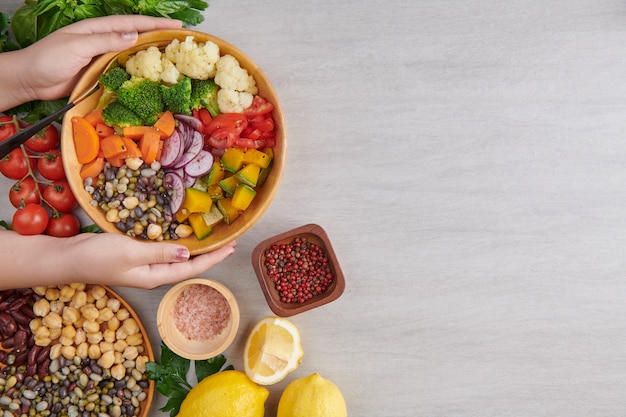
- Ayurveda classifies food into three categories based on their effect on the mind: Sattvic (promotes clarity), Rajasic (promotes agitation), and Tamasic (promotes dullness).
- For depression, a predominantly Sattvic diet is recommended — regardless of dosha type.
Sattvic foods to emphasize: Fresh fruits, vegetables, whole grains, mung dal, ghee, fresh milk (if well-digested), almonds, walnuts, dates, honey (unheated), fresh herbs, light spices like ginger, turmeric, cumin and coriander. Foods to reduce or avoid:
- Tamasic (increases Kapha/depression): Leftover food, processed food, refined sugar, excessive meat, canned food, alcohol, overly oily food
- Rajasic (increases agitation/anxiety): Excessive caffeine, very spicy food, onion and garlic in excess, fermented food in large quantities
Dosha-Specific Dietary Adjustments
For Kapha-Type Depression
Favor warm, light, spiced foods. Avoid dairy, wheat, and cold/heavy meals. Include ginger tea, black pepper, honey (raw), leafy greens, and barley. Eat your lightest meal at dinner.
For Vata-Type Depression
Favor warm, nourishing, grounding foods. Include ghee, warm soups, cooked root vegetables, sesame oil, warm milk with nutmeg before bed. Avoid raw food, cold food, and irregular meal timings.
For Pitta-Type Depression
Favor cooling, slightly sweet, bitter foods. Include coconut, cucumbers, fresh coriander, sweet fruits, rice, and cooling herbs like fennel and mint. Avoid spicy food, alcohol, fermented foods, and sour/acidic items.
Lifestyle, Yoga, and Daily Routine (Dinacharya) for Mental Health
Building a Depression-Resistant Daily Routine
Ayurveda considers Dinacharya (daily routine) as one of the most powerful preventive and therapeutic tools. Depression thrives in chaos, irregularity and isolation.
Morning routine (6:00-8:00 AM):
- Wake before or with sunrise (ideally by 6 AM — sleeping past Kapha time worsens Kapha-type depression)
- Tongue scraping and oil pulling
- Self-Abhyanga with warm sesame oil (Vata), coconut oil (Pitta), or dry brushing (Kapha) — 10-15 minutes
- Warm water with lemon or ginger
- 20-30 minutes of yoga and pranayama
- 10-15 minutes of meditation
- Sattvic breakfast
Yoga Asanas for Depression
- Kapha-type: Sun Salutations (vigorous), Backbends (Ustrasana, Bhujangasana), Inversions — anything that generates heat and energy
- Vata-type: Gentle forward bends (Paschimottanasana), Balasana, grounding poses with longer holds
- Pitta-type: Cooling poses, forward bends, Shavasana with extended relaxation, Moon Salutations
Pranayama and Meditation Practices
- Nadi Shodhana (Alternate Nostril Breathing): Balances both hemispheres of the brain. A 2013 study in the International Journal of Yoga found it significantly reduced perceived stress. Practice 5-10 minutes daily.
- Bhramari (Humming Bee Breath): Stimulates the vagus nerve and increases nitric oxide. Effective for anxiety-predominant depression.
- Surya Bhedana (Right Nostril Breathing): Specifically for Kapha-type depression — energizing and activating.
Modern Lifestyle Adjustments in Ayurvedic Context
- Digital detox: Reduce screen time, especially 1-2 hours before bed. The constant stimulation aggravates Vata and depletes Ojas (vital essence).
- Earthing/Grounding: Walking barefoot on grass or earth for 15-20 minutes. Grounds Vata powerfully.
- Gratitude practice: Writing 3 things you're grateful for each evening.
- This isn't just "wellness fluff" — a 2015 study in Psychotherapy Research showed gratitude journaling reduced depressive symptoms by 35% over 3 weeks.
- Aromatherapy: Sandalwood and vetiver for Vata, rose and jasmine for Pitta, eucalyptus and rosemary for Kapha.
- Color therapy: Surround yourself with warm, bright colors if Kapha-dominant; cool, soothing tones if Pitta-dominant; warm and calming earth tones if Vata-dominant.
Ayurvedic Psychotherapy: Satwavajaya and Daivavyapashraya
Beyond herbs and physical therapies, Ayurveda prescribes two unique psychological intervention systems that no competitor article adequately covers.
Satwavajaya Chikitsa (Mind Control Therapy)
- This is Ayurveda's indigenous psychotherapy system.
- It involves:
- Gnana (knowledge): Helping the patient understand the nature of their mind and suffering
- Vigyana (specific knowledge): Training in self-awareness and emotional regulation
- Dhairya (courage cultivation): Building mental resilience through graduated challenges
- Smriti (memory training): Using positive memory recall and reconditioning
- Samadhi (meditative absorption): Deep meditation practices to restructure mental patterns
The Ayurvedic mental examination itself assesses mana (mind), buddhi (intellect), smruti (memory), bhakti (desire/motivation), sheela (temperament), chesta (psychomotor activity), and achara (behavioral conduct) — a surprisingly comprehensive framework that predates modern mental status examinations by millennia.
Daivavyapashraya Chikitsa (Spiritually-Oriented Therapy)
This includes mantra chanting, wearing specific gemstones (ratna), and spiritual practices. While this may seem esoteric, the rhythmic repetition of mantras functionally resembles what modern psychology calls "focused attention meditation" — and its efficacy in reducing rumination (a core mechanism of depression) is well-documented.
A Practical 21-Day Home Protocol for Beginners
No one else is providing this — a step-by-step, actionable plan you can begin at home while you arrange a proper Ayurvedic consultation.
Week 1: Foundation (Days 1-7)
- Start waking by 6:30 AM consistently
- Begin self-Abhyanga with warm sesame oil before morning shower (even 5 minutes helps)
- Drink warm water with ½ tsp turmeric + pinch of black pepper each morning
- Start Ashwagandha: 300 mg standardized extract with warm milk at bedtime
- 10 minutes of Nadi Shodhana pranayama daily
- Remove processed food, reduce sugar and caffeine gradually
- Evening gratitude journal: 3 things daily
Week 2: Deepening (Days 8-14)
- Add Brahmi: 300 mg with breakfast
- Introduce 20 minutes of dosha-appropriate yoga
- Switch to Sattvic dinner by 7 PM — light, warm, cooked
- Begin 10 minutes of guided meditation (apps like Insight Timer work fine)
- Reduce screen time after 8 PM
- Add 15 minutes of walking in nature or barefoot on grass
- Start drinking CCF tea (cumin, coriander, fennel) after meals for Agni support
Week 3: Integration (Days 15-21)
- Add Jatamansi if sleep remains disturbed: 250 mg at bedtime
- Increase yoga to 30 minutes
- Try Bhramari pranayama before bed (5 minutes)
- Full Dinacharya routine should now feel relatively natural
- Book an appointment with a qualified Ayurvedic practitioner for personalized protocol
- Assess: journal your mood, sleep quality, energy, and appetite changes
> Track your progress using a simple 1-10 daily mood rating. Most people notice meaningful improvement by days 14-21. If you notice no change or worsening, this is a signal to seek professional help promptly.
Depression in Specific Groups: An Ayurvedic Perspective
Postpartum Depression
- Ayurveda describes the postpartum period (Sutika Kala) as a time of extreme Vata aggravation — the body has literally created space where a baby was.
- Vata-pacifying measures are paramount: warm oil massages, warm nourishing foods (especially ghee-rich preparations), Shatavari, Dashamoola Kashayam, and absolute rest. Ashwagandha is generally safe postpartum but must be cleared by your doctor if breastfeeding.
Seasonal Affective Disorder (SAD)
- In Ayurvedic terms, SAD is a Kapha accumulation during late autumn and winter. The reduced sunlight increases Tamas.
- Treatment focuses on stimulating practices: vigorous exercise, Surya Bhedana pranayama, light therapy, spiced warm foods, and herbs like Trikatu (ginger, pepper, long pepper) to counter Kapha stagnation.
Depression in the Elderly
- Often linked to depleted Ojas (vital essence) and accumulated Vata with age.
- Gentle Rasayana (rejuvenation) therapies are appropriate: Chyawanprash, Ashwagandha in smaller doses, Brahmi, gentle Abhyanga, and importantly — social connection, which Ayurveda considers essential medicine.
Adolescent Depression
Frequently Pitta-Vata combination driven by hormonal changes, academic pressure, and excessive screen time. Brahmi, Shankhpushpi, and Saraswatarishta (a traditional formulation) are commonly prescribed. Digital detox and structured daily routine are often more impactful than any herb in this age group.
When Ayurveda Is NOT Enough: Red Flags and Safety
This is perhaps the most important section in this article, and one that almost no Ayurvedic content addresses honestly.
Seek immediate psychiatric help if you or someone you know experiences:
- Suicidal thoughts or plans
- Self-harm behaviors
- Psychotic symptoms (hallucinations, delusions)
- Inability to perform basic daily functions (eating, bathing, getting out of bed)
- Severe depression lasting more than 2 weeks without any improvement
- Rapid weight loss or complete loss of appetite
- Substance abuse as a coping mechanism
Never do the following without your psychiatrist's supervision:
- Stop prescribed antidepressants abruptly (risk of discontinuation syndrome)
- Replace psychiatric medication with herbs
- - Use Ayurvedic herbs that may interact with SSRIs/SNRIs (e.g., St.
- John's Wort — though not strictly Ayurvedic — combined with SSRIs can cause serotonin syndrome; Jatamansi's MAO-inhibitory properties require caution with existing antidepressants)
Ayurveda works beautifully alongside modern medicine. The ideal approach for moderate to severe depression is integrative: psychiatric care for acute stabilization, Ayurveda for long-term healing and prevention of recurrence. For mild depression and prevention, Ayurveda can serve as a standalone approach under professional guidance.
Preventing Relapse: Long-Term Maintenance
- Depression has a high recurrence rate — up to 50% after a first episode.
- Ayurveda's strength lies in its preventive framework:
- Maintain Dinacharya (daily routine) consistently
- Seasonal cleansing (Ritucharya) — light Panchakarma at seasonal transitions
- Continuous Rasayana (rejuvenation) therapy with herbs like Ashwagandha or Brahmi
- Regular Yoga and pranayama practice
- Annual comprehensive Panchakarma course
- Ongoing Sattvic diet
- Regular consultation with your Vaidya (every 3-6 months)
Frequently Asked Questions
Which Ayurvedic medicine is best for depression and anxiety?
Ashwagandha is the most well-researched Ayurvedic herb for combined depression and anxiety. At 300 mg twice daily (standardized extract), it has demonstrated significant reductions in both depression and anxiety scores in multiple RCTs. For anxiety-predominant cases, Brahmi and Shankhpushpi are excellent additions. However, the "best" medicine depends entirely on your dosha imbalance — a Kapha-type depression responds differently than a Vata-type.
Can Ayurveda cure mental health issues?
- Ayurveda can effectively manage and in many cases resolve mild to moderate depression, anxiety, and stress-related mental health conditions. The documented case study showing complete remission (HDRS from 31 to 6) demonstrates this potential even for severe cases.
- However, "cure" is complex — Ayurveda focuses on restoring balance and building resilience rather than claiming a one-time cure. Ongoing maintenance and lifestyle practices are essential to prevent relapse.
How long does Ayurvedic treatment for depression take?
Most patients notice initial improvement within 2-4 weeks with herbs and lifestyle changes. Significant improvement typically occurs at 6-8 weeks. Full stabilization and deep healing through Panchakarma may take 3-6 months. The clinical case study mentioned earlier achieved complete remission at day 180 of a 352-day protocol. Mild cases respond faster; chronic or severe cases require longer, more intensive treatment.
Can I take Ayurvedic herbs while on antidepressants?
Many Ayurvedic herbs can safely complement antidepressant medication, but this MUST be done under supervision of both your psychiatrist and Ayurvedic practitioner. Ashwagandha and Brahmi are generally considered safe alongside SSRIs in clinical practice, but Jatamansi (with its MAO-inhibitory properties) requires specific caution. Never adjust your antidepressant dosage based on how you feel with Ayurvedic herbs — always consult your prescribing doctor.
How to reduce anxiety and depression naturally?
Start with the foundational triad: regular daily routine (fixed wake/sleep times), daily physical movement (yoga or walking, 30 minutes minimum), and dietary cleanup (reduce processed food, sugar, caffeine, alcohol). Add Nadi Shodhana pranayama for 10 minutes daily. Begin Ashwagandha supplementation. These five changes alone can produce noticeable improvement within 2-3 weeks for mild to moderate cases.
What is the difference between Ayurvedic treatment and a spa experience?
A genuine Ayurvedic treatment protocol involves diagnosis (Nadi Pariksha, Prakriti assessment), customized internal medicines, therapeutic procedures with specific medicinal oils chosen for your condition, dietary prescriptions, and follow-up monitoring. A spa offers relaxation using Ayurvedic-inspired techniques but without diagnosis, customization, or therapeutic intent. The clinical outcomes are vastly different. Always seek treatment from a qualified BAMS (Bachelor of Ayurvedic Medicine and Surgery) practitioner, not a wellness center.
Start Your Healing Journey Today
Depression is treatable. Ayurveda offers a profound, time-tested system that addresses not just symptoms but root causes — the doshic imbalances, the weakened Agni, the accumulated Ama, and the disconnection from natural rhythms that modern life creates.
Start with the 21-day home protocol outlined above. Track your mood daily. Book a consultation with a qualified Ayurvedic practitioner for a personalized treatment plan. And if you're in crisis, reach out for professional psychiatric help immediately — iCall (9152987821) and Vandrevala Foundation (1860-2662-345) offer free, confidential mental health support in India.
- You don't have to choose between Ayurveda and modern medicine.
- The most powerful approach is often integrative — using the best of both systems. Your path to healing isn't about perfection. Its about consistent, compassionate steps toward balance.
Scientific Sources
- Pharmacological evaluation of Ashwagandha highlighting its healthcare claims, safety, and toxicity aspects — Mandlik Ingawale DS et al., 2021, Journal of dietary supplements
- Can Ashwagandha Benefit the Endocrine System?-A Review — Wiciński M et al., 2023, International journal of molecular sciences
- Clinician guidelines for the treatment of psychiatric disorders with nutraceuticals and phytoceuticals: The World Federation of Societies of Biological Psychiatry (WFSBP) and Canadian Network for Mood and Anxiety Treatments (CANMAT) Taskforce — Sarris J et al., 2022, The world journal of biological psychiatry : the official journal of the World Federation of Societies of Biological Psychiatry
- Effects of Withania somnifera (Ashwagandha) on Stress and the Stress- Related Neuropsychiatric Disorders Anxiety, Depression, and Insomnia — Speers AB et al., 2021, Current neuropharmacology
- Plant-derived nootropics and human cognition: A systematic review — Lorca C et al., 2023, Critical reviews in food science and nutrition
- Depression and Its Phytopharmacotherapy-A Narrative Review — Dobrek L et al., 2023, International journal of molecular sciences
- Neuroprotective Herbs for the Management of Alzheimer's Disease — Gregory J et al., 2021, Biomolecules
- Pharmacological attributes of Bacopa monnieri extract: Current updates and clinical manifestation — Fatima U et al., 2022, Frontiers in nutrition
- Meta-analysis of randomized controlled trials on cognitive effects of Bacopa monnieri extract — Kongkeaw C et al., 2014, Journal of ethnopharmacology
- Bacopa monnieri — Walker EA et al., 2026
Ask Ayurvedic doctor a question and get a consultation online on the problem of your concern in a free or paid mode.
More than 2,000 experienced doctors work and wait for your questions on our site and help users to solve their health problems every day.
Related articles