Ask Ayurvedic doctor a question and get a consultation online on the problem of your concern in a free or paid mode. More than 2,000 experienced doctors work and wait for your questions on our site and help users to solve their health problems every day.
FREE! Ask Ayurvedic Doctors 24/7

 Fast responses
 1000+ verified doctors
Body DetoxEar, Nose, and Throat DisordersGeriatrics & RejuvenationImmunodeficiencyInfertility TreatmentNutritionOrthopedic DisordersPediatricsRespiratory DisordersSexually Transmitted Diseases (STDs)Surgery RecoveryUrological DisordersVascular DisordersDental DisordersEndocrinological DisordersGastrointestinal DisordersYoga TherapyGeneral MedicineAllergic DisordersCardio DisordersGynecology and ObstetricsCosmetologySkin and Hair DisordersEye DisordersInfectious DiseasesMental DisordersNeurological DisordersOncologyPanchakarmaSexual Health & DisordersSports Medicine
Published on 02/21/25
(Updated on 07/06/26)
star_border 5
5,183
Narayan Kalp Vati – Ayurvedic Tonic for Comprehensive Health & Rejuvenation
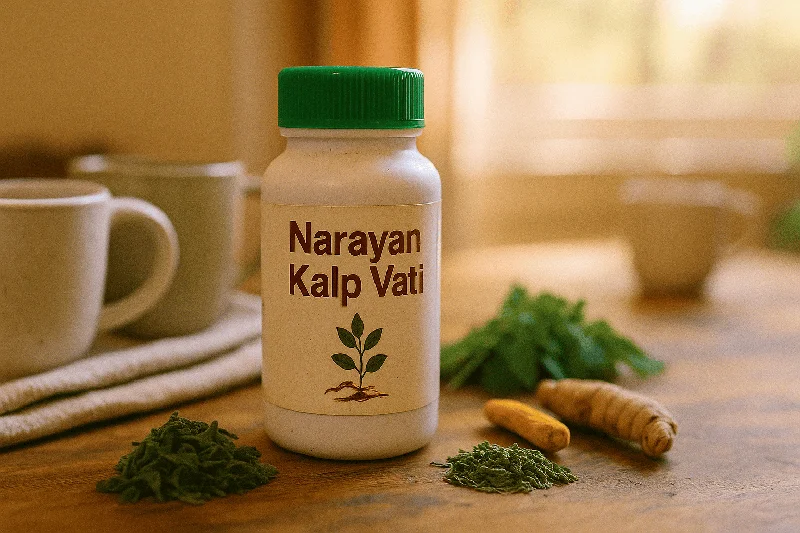
- Narayan Kalp Vati is a polyherbal Ayurvedic formulation primarily used to manage anxiety, chronic stress, insomnia, and cognitive decline.
- It combines time-tested adaptogenic herbs — Ashwagandha, Brahmi, Jatamansi, Shankhpushpi, and Shatavari among others — into a single tablet that targets multiple body systems simultaneously. Whether you're exploring this medicine for mental wellness, sleep support, or overall rejuvenation, this guide covers everything: full ingredient breakdown with scientific evidence, exact dosage protocols, realistic timelines for results, side effects, drug interactions, and how different brands compare.
If you've been searching for a reliable, evidence-backed resource on this formulation — you're in the right place.
What Is Narayan Kalp Vati?
Definition and Form
Narayan Kalp Vati (also spelled Narayana Kalpa Vati) is a classical-meets-proprietary Ayurvedic tablet designed for comprehensive health restoration. The word "Kalp" derives from the Sanskrit Kalpa, meaning "rejuvenation therapy" — one of the eight branches of Ayurveda (Ashtanga Ayurveda). The formulation falls under the Rasayana (rejuvenation) and Medhya (brain tonic) categories in traditional Ayurvedic pharmacology.
It's typically available as 500 mg tablets, packaged in bottles of 60 tablets. The medicine is classified as an over-the-counter Ayurvedic product in India, though expert guidance before starting is always recommended.
Historical Roots and Ayurvedic Significance
The individual ingredients in Narayan Kalp Vati have been documented in foundational Ayurvedic texts for over 2,000 years. Ashwagandha appears in the Charaka Samhita (circa 100 BCE) as a premier Rasayana herb. Brahmi is praised in the Sushruta Samhita for enhancing Medha (intellect). Jatamansi finds mention in Ayurvedic and Unani traditions as a remedy for Unmada (psychosis) and Anidra (insomnia).
The specific combination as "Narayan Kalp Vati" is a relatively modern proprietary formulation — not a classical Shastriya yoga found in ancient texts verbatim. This is an important distinction. The formulation draws on classical principles of synergistic herbal combination (Polyherbalism), where multiple herbs amplify each other's effects while minimizing individual side effects.
How Different Brands Differ — and Why It Matters
Here's something most resources won't tell you: Narayan Kalp Vati is not a single standardized formula. Different manufacturers may use significantly different ingredient ratios, additional herbs, or proprietary processing methods (Shodhana or purification techniques).
| Feature | Sri Sri Tattva (Narayana Kalpa) | Divya Pharmacy / Patanjali | Other Regional Brands |
|---|---|---|---|
| Primary herbs | Ashwagandha, Brahmi, Jatamansi, Shankhpushpi, Shatavari | May include Guggulu, Shallaki for musculoskeletal support | Varies significantly |
| Tablet weight | 500 mg | Varies (often 300–500 mg) | 250–500 mg |
| Primary focus | Stress, anxiety, cognitive health | May emphasize pain and Vata disorders | Brand-dependent |
| Quality certifications | GMP certified, AYUSH licensed | GMP certified | Check individual labels |
| Price range (60 tabs) | ₹150–₹220 | ₹100–₹180 | ₹80–₹200 |
Practical tip: Always check the ingredient list on the back of the pack. If you're buying specifically for anxiety and cognitive support, ensure Brahmi, Ashwagandha, and Jatamansi are listed among the top ingredients. If the label prioritizes Guggulu and Shallaki, that formulation leans more toward musculoskeletal support.
Full Ingredient Breakdown: What's Inside and How Each Herb Works
This is where we go deeper than any other resource available. Below is a pharmacological profile of each key ingredient, with references to actual research.
Ashwagandha (Withania somnifera) — The Adaptogenic Backbone
- Ashwagandha is arguably the most extensively studied Ayurvedic herb in modern science.
- It functions as an adaptogen — a substance that helps the body resist physical, chemical and biological stressors.
Mechanism of action: The active compounds, withanolides (primarily Withaferin A and Withanolide D), modulate the hypothalamic-pituitary-adrenal (HPA) axis. A landmark 2012 prospective, double-blind, randomized, placebo-controlled study published in the Indian Journal of Psychological Medicine (Chandrasekhar et al.) found that 600 mg/day of Ashwagandha root extract reduced serum cortisol levels by 27.9% compared to placebo over 60 days. Participants also showed a 69.7% reduction in the Hamilton Anxiety Rating Scale scores. Hormonal impact: A 2019 randomized controlled trial in American Journal of Men's Health (Lopresti et al.) demonstrated that Ashwagandha supplementation increased testosterone levels by approximately 14.7% and DHEA-S by 18.2% in overweight men aged 40–70 over 8 weeks.
Brahmi (Bacopa monnieri) — Cognitive Enhancement
Brahmi is classified as a Medhya Rasayana — a specific category of Ayurvedic brain tonics.
Mechanism of action: Bacosides A and B, the primary active saponins, enhance synaptic communication by increasing dendritic branching and length in neurons, particularly in the hippocampus and basolateral amygdala. A 2014 meta-analysis published in the Journal of Ethnopharmacology (Kongkeaw et al.), reviewing 9 randomized controlled trials with 518 subjects, concluded that Bacopa monnieri significantly improved attention, cognitive processing speed, and working memory. Timeline for results: Unlike synthetic nootropics, Brahmi requires consistent use. Most clinical studies show measurable cognitive improvements at the 8–12 week mark. This is important to set realistic expectations.
Jatamansi (Nardostachys jatamansi) — Natural Tranquilizer
Jatamansi is often called the "Indian Spikenard" and has been used for centuries as a natural sedative.
Mechanism of action: The herb increases GABA (gamma-aminobutyric acid) levels in the brain. A 2006 study published in Journal of Medicinal Food demonstrated that Jatamansi extract exhibited significant anxiolytic and antidepressant activity in animal models, comparable to diazepam but without the sedation hangover. Jatamansone and nardostachone are the key sesquiterpene active compounds responsible for this effect. Unique value: Jatamansi also exhibits neuroprotective properties. Research from 2010 in Phytotherapy Research showed it inhibits acetylcholinesterase — the same mechanism used by conventional Alzheimer's drugs like Donepezil.
Shankhpushpi (Convolvulus pluricaulis) — Anxiolytic and Memory Enhancer
Mechanism of action: Shankhpushpi works through multiple pathways — it modulates serotonin, dopamine, and norepinephrine levels. A 2014 study in the Asian Pacific Journal of Tropical Biomedicine confirmed its significant anxiolytic effects in rodent models, showing performance comparable to the reference drug Lorazepam on elevated plus maze tests.
The herb also supports Prabhava (special therapeutic action) on the mind according to Ayurvedic principles — calming Pitta and Kapha doshas in the Manovaha Srotas (mental channels).
Shatavari (Asparagus racemosus) — Hormonal Balance and Immune Support
Shatavari means "she who possesses a hundred husbands," reflecting its traditional use in female reproductive health. However, its benefits extend far beyond.
- Mechanism of action: Steroidal saponins (Shatavarins I–IV) modulate estrogen receptors and enhance immune function by increasing macrophage activity. A 2018 study in Biomedicine & Pharmacotherapy demonstrated significant immunomodulatory and adaptogenic properties.
- Additionally, Shatavari exhibits gastroprotective effects — it increases gastric mucin secretion, which is relevant because stress commonly manifests as acidity and digestive issues.
Hormonal note: Women on hormonal therapy or with estrogen-sensitive conditions (endometriosis, fibroids, certain breast cancers) should consult a physician before use due to the phytoestrogenic activity.
Yashtimadhu (Glycyrrhiza glabra) — Anti-Inflammatory and Mucosal Protector
Yashtimadhu (Licorice root) contains glycyrrhizin, which has documented anti-inflammatory, antimicrobial, and hepatoprotective effects. A 2019 review in Phytotherapy Research cataloged over 300 bioactive compounds in licorice root. In the context of Narayan Kalp Vati, it serves primarily as a Yogavahi — a bioavailability enhancer that helps other herbs absorb more effectively.
Additional Components
| Ingredient | Latin Name | Primary Action | Relevant Research |
|---|---|---|---|
| Amla | Phyllanthus emblica | Antioxidant, Vitamin C source (up to 720 mg/100g) | 2011, European Journal of Clinical Nutrition — improved endothelial function |
| Jyotishmati | Celastrus paniculatus | Nootropic, nerve tonic | 2013, Pharmacognosy Reviews — enhanced memory in rodent models |
| Bala | Sida cordifolia | Nerve strengthening, anti-fatigue | Traditional use in Vatavyadhi (neurological disorders) |
| Pippali | Piper longum | Bioavailability enhancer (contains piperine-like compounds) | Well-documented synergistic absorption effects |
What Are the Main Benefits of Narayan Kalp Vati?
Anxiety, Stress, and Emotional Resilience
The combination of Ashwagandha (cortisol regulation), Jatamansi (GABA enhancement), and Shankhpushpi (serotonin modulation) creates a multi-target anxiolytic effect. This three-pronged approach is what makes the polyherbal formula potentially more effective than single-herb supplements for complex anxiety presentations.
Patients typically report initial calming effects within 1–2 weeks, with substantial improvement in generalized anxiety symptoms by weeks 6–8.
Improving Sleep Quality
Insomnia is one of the most common reasons people seek out this formulation. Jatamansi and Ashwagandha are both clinically demonstrated sleep promoters. A 2020 study in Sleep Medicine (Deshpande et al.) showed that Ashwagandha root extract at 600 mg/day improved sleep quality scores by 72% on the Pittsburgh Sleep Quality Index compared to 29% in the placebo group.
Unlike sedative hypnotics (Zolpidem, Alprazolam), these herbs promote natural sleep architecture — they don't suppress REM sleep or create dependency.
Cognitive Function and Mental Clarity
The Medhya herbs in this formulation — Brahmi, Shankhpushpi, and Jyotishmati — work synergistically to enhance:
- Short-term memory and recall (Brahmi — hippocampal support)
- Attention span and focus (Shankhpushpi — prefrontal cortex modulation)
- Neuroprotection against age-related decline (Jatamansi — AChE inhibition)
This makes Narayan Kalp Vati relevant not just for students or professionals but also for elderly individuals experiencing early cognitive decline.
Can Narayan Kalp Vati Help With Age-Related Cognitive Decline?
While it's not a replacement for medical treatment of dementia or Alzheimer's, the neuroprotective ingredients have shown promise as adjunctive support. A 2016 review in Neural Regeneration Research highlighted Bacopa monnieri's ability to reduce amyloid-beta aggregation — a hallmark of Alzheimer's pathology. For elderly users, it's generally considered safe but dosage adjustments may be necessary (see dosage section below).
Dosha Balancing and Holistic Rejuvenation
- In Ayurvedic terms, Narayan Kalp Vati primarily pacifies Vata dosha (responsible for neurological and movement disorders) and Pitta dosha (responsible for inflammatory and emotional imbalances).
- The Rasayana properties support Dhatu Pushti — nourishment of all seven body tissues.
For individuals with predominantly Vata-type imbalances (nervousness, dryness, joint cracking, erratic digestion, insomnia), this formulation is particularly well-suited.
How Should Narayan Kalp Vati Be Consumed for Best Results?
Standard Dosage Protocol
| Patient Group | Dosage | Timing | Duration |
|---|---|---|---|
| Adults (general wellness) | 1 tablet (500 mg) twice daily | Before meals with lukewarm water or milk | 2–3 months |
| Adults (anxiety/insomnia) | 1–2 tablets twice daily | Morning + 30 min before bedtime | 3–6 months as guided by physician |
| Elderly (65+ years) | 1 tablet once or twice daily | With meals to avoid GI discomfort | Start with 4 weeks, reassess |
| Adolescents (16–18 years) | 1 tablet once daily | After breakfast | Only under medical supervision |
| Children under 16 | Not recommended unless prescribed by qualified Ayurvedic physician | — | — |
Anupana (Adjuvant) Matters
In Ayurveda, Anupana — the substance used to take the medicine — affects its absorption and action:
- Lukewarm water: Standard, suitable for most people
- Warm milk: Enhances Rasayana (rejuvenative) and sleep-promoting effects — best for nighttime dose
- Ghee (clarified butter): Traditional choice for Vata pacification, especially in thin or elderly individuals
- Honey: Sometimes recommended for Kapha-type individuals, but never combine honey with equal parts ghee (this is considered Viruddha Ahara — incompatible food combination in Ayurveda)
Realistic Timeline: When to Expect Results
One of the biggest gaps in available information is how long this formulation takes to work. Let me be specific based on ingredient pharmacokinetics and clinical evidence:
- Week 1–2: Mild improvement in sleep onset and general calmness (primarily Jatamansi and Ashwagandha effects)
- Week 3–4: Noticeable reduction in daily anxiety levels; some digestive improvement
- Week 6–8: Significant stress resilience; cortisol normalization; improved emotional regulation
- Week 8–12: Cognitive benefits become apparent — better memory, clearer thinking, improved concentration
- Month 3–6: Full Rasayana effects — improved vitality, immunity, and overall sense of well-being
Important: If you experience zero improvement after 8 weeks of consistent use at therapeutic dosage, consult your physician. The formulation may not be suitable for your specific condition, or the underlying issue may require different treatment.
Side Effects, Precautions, and Drug Interactions
Is Narayan Kalp Vati Safe for Long-Term Use?
When taken at recommended dosages, Narayan Kalp Vati is generally well-tolerated. However, "Ayurvedic" does not automatically mean "free of side effects." Here are documented and potential concerns:
Common (mild, usually self-limiting):
- Mild drowsiness, especially when starting — typically resolves within 3–5 days
- Mild gastrointestinal discomfort (nausea, loose stools) in Pitta-dominant individuals
- Heaviness in the head after morning dose
Uncommon but possible:
- Allergic reactions (skin rash, itching) — discontinue and consult doctor immediately
- Hypotension (low blood pressure) — Ashwagandha and Jatamansi both have mild hypotensive effects
Detailed Contraindications
| Condition | Risk Level | Explanation |
|---|---|---|
| Pregnancy (all trimesters) | ⛔ Avoid | Ashwagandha may stimulate uterine contractions; Shatavari's hormonal effects are unpredictable during pregnancy |
| Breastfeeding | ⚠️ Caution | Limited safety data; consult physician |
| Autoimmune diseases (Lupus, RA, MS) | ⚠️ Caution | Ashwagandha stimulates immune activity, which may worsen autoimmune conditions |
| Thyroid disorders (hyperthyroidism) | ⚠️ Caution | Ashwagandha can increase thyroid hormone levels (T3, T4) |
| Diabetes (on medication) | ⚠️ Monitor | Several ingredients lower blood sugar — risk of hypoglycemia when combined with metformin, glipizide, etc. |
| Estrogen-sensitive conditions | ⚠️ Caution | Shatavari has phytoestrogenic activity |
| Scheduled surgery | ⛔ Stop 2 weeks prior | Mild blood-thinning effects of some components |
Interactions With Allopathic Medications
This is critically underreported.
Key interactions to be aware of:
- Antihypertensive drugs (Amlodipine, Atenolol, Losartan): Additive blood pressure lowering — monitor BP regularly
- Benzodiazepines and sedatives (Alprazolam, Clonazepam, Zolpidem): Additive CNS depression — excessive drowsiness risk
- Thyroid medications (Levothyroxine): Ashwagandha may alter thyroid levels, requiring dose adjustment
- Immunosuppressants (Tacrolimus, Cyclosporine): Ashwagandha's immunostimulatory effects may counteract these drugs
- Antidiabetic medications: Enhanced hypoglycemic effect — monitor blood glucose
Rule of thumb: If you're on any daily prescription medication, consult both your allopathic doctor and an Ayurvedic physician before starting Narayan Kalp Vati. A 2-hour gap between Ayurvedic and allopathic medicines is generally recommended as a minimum.
Narayan Kalp Vati vs Other Ayurvedic Brain Tonics: How Does It Compare?
No other resource provides this comparison — yet it's exactly what informed consumers need.
| Parameter | Narayan Kalp Vati | Brahmi Vati | Manasamitra Vatakam | Saraswatarishta |
|---|---|---|---|---|
| Form | Tablet | Tablet | Tablet (gold-containing in classical form) | Liquid (fermented Arishta) |
| Primary focus | Anxiety + sleep + cognition + rejuvenation | Cognition primarily | Severe mental disorders, neurological conditions | Memory, speech, cognitive function |
| Key differentiator | Broadest multi-system action | Targeted cognitive support | Contains gold bhasma (classical); most potent for psychiatric conditions | Liquid form = faster absorption; contains self-generated alcohol (~5–8%) |
| Potency for anxiety | ★★★★☆ | ★★☆☆☆ | ★★★★★ | ★★★☆☆ |
| Potency for cognition | ★★★★☆ | ★★★★★ | ★★★★☆ | ★★★★☆ |
| Safety profile | Excellent | Excellent | Requires strict medical supervision (metal-based) | Good; avoid if alcohol-sensitive |
| Best suited for | General wellness + mild-moderate anxiety/stress | Students, professionals needing focus | Severe anxiety, psychosis, epilepsy (under expert care) | Children and elderly needing gentle cognitive support |
| Price (monthly) | ₹150–₹250 | ₹100–₹180 | ₹300–₹800 | ₹120–₹200 |
Bottom line: Narayan Kalp Vati occupies a unique "middle ground" — it's more comprehensive than single-herb formulations but gentler and safer than potent classical preparations like Manasamitra Vatakam. For mild to moderate stress, anxiety, and cognitive concerns combined with general fatigue, it's often the ideal starting point.
Don't wait or self medicate. Start chat with Doctor NOW
Dietary and Lifestyle Recommendations During Use
The effectiveness of any Rasayana medicine in Ayurveda is significantly enhanced — or undermined — by diet and lifestyle. This is called Pathya-Apathya (do's and don'ts).
What to Eat (Pathya)
- Warm, freshly cooked meals — supports Agni (digestive fire) and nutrient absorption
- Ghee (1–2 tsp daily) — excellent carrier for fat-soluble herbal compounds; nourishes brain tissue (Majja Dhatu)
- Milk (warm, preferably with turmeric or nutmeg at night) — enhances Rasayana effects
- Almonds, walnuts, pumpkin seeds — rich in omega-3s and magnesium for neural health
- Green leafy vegetables, amla, pomegranate — antioxidant support
What to Avoid (Apathya)
- Excessive caffeine — counteracts the calming effects; limit to 1 cup of tea/coffee before noon
- Processed and fried foods — increase Ama (metabolic toxins) and impair herb absorption
- Alcohol — directly antagonizes the anxiolytic and hepatoprotective effects
- Cold beverages with meals — suppresses Agni
- Late-night eating (after 8 PM) — worsens sleep quality regardless of medication
Complementary Yoga and Lifestyle Practices
For Vata-predominant individuals (who benefit most from this formulation):
- Yoga Nidra — 20 minutes daily, profoundly enhances the sleep and anxiety benefits
- Nadi Shodhana Pranayama (alternate nostril breathing) — balances Vata and calms the nervous system
- Abhyanga (self-massage with warm sesame oil) — 15 minutes before morning shower, 3–4 times per week
- Consistent sleep schedule — bed by 10 PM; the Pitta period (10 PM–2 AM) is critical for neural repair
Where Can I Purchase Authentic Narayan Kalp Vati?
Authenticity is a genuine concern with Ayurvedic products.
Here's how to ensure you're getting the real thing:
- Official brand websites (Sri Sri Tattva, Divya Pharmacy official stores)
- Licensed online pharmacies: 1mg, PharmEasy, Madanapalas, Swadeshaj — these platforms verify AYUSH manufacturing licenses
- Authorized retail outlets: Patanjali stores, Sri Sri Tattva outlets, certified Ayurvedic pharmacies
- Avoid: Unbranded products on marketplace platforms without clear manufacturer information, batch numbers, or expiry dates
Check for: AYUSH manufacturing license number, GMP certification mark, batch number, manufacturing and expiry dates, complete ingredient list with quantities.
Frequently Asked Questions (FAQ)
Which Is the Best Brain Tonic in Ayurveda?
There's no single "best" — it depends on the individual's constitution (Prakriti), specific symptoms, and severity. For mild-moderate anxiety with cognitive concerns, Narayan Kalp Vati offers the broadest benefits. For pure cognitive enhancement without significant anxiety, Brahmi Vati or standalone Bacopa monnieri extract may be more targeted. For severe neurological conditions, classical preparations like Manasamitra Vatakam under expert supervision are traditionally considered superior.
How Does Narayan Kalp Vati Enhance Overall Health?
The formulation works on multiple levels simultaneously: it regulates the stress hormone axis (HPA axis), enhances neurotransmitter balance (GABA, serotonin, acetylcholine), provides potent antioxidant protection against free radical damage, modulates immune function, and nourishes all seven Dhatus (tissues) through its Rasayana properties. This multi-system approach is why it's classified as a "comprehensive health tonic" rather than a single-purpose medicine.
Can Narayan Kalp Vati Affect Hormonal Levels?
Yes. Ashwagandha has been shown to reduce cortisol (by up to 27.9%), increase testosterone and DHEA-S in men, and modulate thyroid hormones (T3, T4). Shatavari contains phytoestrogens that can mildly influence estrogen levels. This hormonal modulation is generally beneficial for stressed individuals but requires monitoring in people with pre-existing hormonal conditions.
Is It Safe to Take With Blood Pressure Medications?
It can be, but with monitoring. Both Ashwagandha and Jatamansi have mild hypotensive (blood pressure lowering) effects. When combined with antihypertensive medications like Amlodipine or Losartan, there's a risk of excessive blood pressure drops. Maintain a minimum 2-hour gap between the Ayurvedic and allopathic medicines, and monitor your blood pressure weekly for the first month.
Can Students Take Narayan Kalp Vati for Exam Preparation?
For students aged 18 and above, yes — the cognitive-enhancing properties of Brahmi and Shankhpushpi make it beneficial for exam periods. However, start at least 8 weeks before you need the cognitive benefits (Brahmi requires this timeframe to show measurable effects). One tablet daily after breakfast is a reasonable starting dose for healthy young adults. For adolescents aged 16–18, medical supervision is advisable.
What Health Issues Can Narayan Kalp Vati Help Address?
Based on its ingredient profile and traditional indications, the formulation can support: generalized anxiety disorder, chronic stress, insomnia and disturbed sleep, mild-to-moderate cognitive decline, general fatigue and low vitality, weakened immunity, and stress-related digestive issues. Some formulations with added Guggulu and Shallaki may also support musculoskeletal conditions like chronic back pain and joint stiffness.
Final Thoughts: Is Narayan Kalp Vati Right for You?
Narayan Kalp Vati represents the best of what polyherbal Ayurvedic medicine can offer — a well-designed, multi-target formulation that addresses the interconnected nature of stress, sleep, cognition, and overall vitality. The ingredients are backed by a growing body of clinical evidence, and the safety profile is favourable for most adults when used at recommended dosages.
- That said, it's not a magic pill. Maximum benefit comes from combining the formulation with appropriate diet, regular physical activity, yoga, and adequate sleep hygiene.
- And it requires patience — meaningful results develop over weeks and months, not days.
Before starting, especially if you have any pre-existing medical condition or are taking prescription medications, consult a qualified Ayurvedic physician who can assess your Prakriti, current doshic imbalance, and potential interactions. Personalized guidance makes the difference between mediocre results and genuinely transformative outcomes. This article is for informational purposes only and does not substitute professional medical advice. Always consult a certified healthcare practitioner before starting any new supplement or medication.
Scientific Sources
- Can Ashwagandha Benefit the Endocrine System?-A Review — Wiciński M et al., 2023, International journal of molecular sciences
- Pharmacological evaluation of Ashwagandha highlighting its healthcare claims, safety, and toxicity aspects — Mandlik Ingawale DS et al., 2021, Journal of dietary supplements
- Clinician guidelines for the treatment of psychiatric disorders with nutraceuticals and phytoceuticals: The World Federation of Societies of Biological Psychiatry (WFSBP) and Canadian Network for Mood and Anxiety Treatments (CANMAT) Taskforce — Sarris J et al., 2022, The world journal of biological psychiatry : the official journal of the World Federation of Societies of Biological Psychiatry
- Effects of Withania somnifera (Ashwagandha) on Stress and the Stress- Related Neuropsychiatric Disorders Anxiety, Depression, and Insomnia — Speers AB et al., 2021, Current neuropharmacology
- Plant-derived nootropics and human cognition: A systematic review — Lorca C et al., 2023, Critical reviews in food science and nutrition
- A Canadian Consensus on Androgenetic Alopecia: Approach and Management — Landells I et al., 2025, Journal of cutaneous medicine and surgery
- Traditional uses, bioactive composition, pharmacology, and toxicology of Phyllanthus emblica fruits: A comprehensive review — Saini R et al., 2022, Journal of ethnopharmacology
- Herbal Remedies for Hair Loss: A Review of Efficacy and Safety — Ahmed A et al., 2025, Skin appendage disorders
- Therapeutic potential of Phyllanthus emblica (amla): the ayurvedic wonder — Krishnaveni M et al., 2010, Journal of basic and clinical physiology and pharmacology
- Phytotherapy in periodontics as an effective and sustainable supplemental treatment: a narrative review — Gawish AS et al., 2024, Journal of periodontal & implant science
- Can Guduchi (Tinospora cordifolia), a well-known ayurvedic hepato-protectant cause liver damage? — Panneer Selvam K et al., 2023, Journal of Ayurveda and integrative medicine
- Medicinal and Beneficial Health Applications of Tinospora cordifolia (Guduchi): A Miraculous Herb Countering Various Diseases/Disorders and its Immunomodulatory Effects — Dhama K et al., 2017, Recent patents on endocrine, metabolic & immune drug discovery
- Humoral immune and adjuvant responses of mucosally-administered Tinospora cordifolia immunomodulatory protein in BALB/c mice — Aranha I et al., 2020, Journal of Ayurveda and integrative medicine
- Indian Ayurvedic medicine: Overview and application to brain cancer — Newton HB, 2024, Journal of Ayurveda and integrative medicine
- Using Guduchi (Tinospora cordifolia) as an eco-friendly feed supplement in human and poultry nutrition — Saeed M et al., 2020, Poultry science
- Efficacy of Pippali in vardhamana and fixed dosage pattern in primary hypothyroidism - A randomized clinical trial — Shah SB et al., 2022, Journal of Ayurveda and integrative medicine
- Piper longum L.: A comprehensive review on traditional uses, phytochemistry, pharmacology, and health-promoting activities — Biswas P et al., 2022, Phytotherapy research : PTR
- Management of giardiasis by a herbal drug 'Pippali Rasayana': a clinical study — Agarwal AK et al., 1997, Journal of ethnopharmacology
- Ayurvedic management of systemic sclerosis - A case report — Parmar JR et al., 2024, Journal of Ayurveda and integrative medicine
- Role of Agni Karma with Pippali on Kadara- An open labeled clinical trial — Ganjoo N, 2017, Ayu
Questions from users
Is Jatamansi safe to use with other medications?
Millie
7 days ago
Jatamansi is generally considered safe, but always be cautious when mixing it with other medications, especially those that affect the brain. Since it increases GABA levels, it might interact with other sedatives or drugs affecting neurotransmitters. Best to consult with a healthcare provider before combining it with other meds.
What is the best way to take Bacopa monnieri for cognitive enhancement?
Leslie
16 days ago
For cognitive enhancement, taking Bacopa monnieri extract directly is often a good way to start. You might try a standardized extract (usually 300-450mg per day). Remember to pair it with a diet and lifestyle that supports your dosha balance—like good sleep and healthy eating habits—to get the best effect! Keep in mind, sometimes it takes a few weeks to feel the full benefits.
Can Narayan Kalp Vati help improve liver function and how does it work?
Lucy
30 days ago
Yeah, Narayan Kalp Vati can help with liver function by detoxifying and boosting digestion and balance. It acts as a detoxifier, helping the liver cleanse and rejuvenate itself. It also supports the immune system and balances doshas, which can lead to overall improved health. For best results, though, it's good to check with a practitioner, 'cause personal constitution matters.
What is the history of Narayan Kalp Vati in traditional Ayurvedic practices?
Vance
39 days ago
Narayan Kalp Vati has a pretty storied history in Ayurveda. It's been mentioned in ancient Ayurvedic texts for its amazing adaptogenic and restorative properties. The exact texts aren't always the same, but it's been celebrated for helping balance doshas and supporting overall health. If you're diving deeper into Ayurveda, check out classical texts like the Charaka Samhita for more insights!
Can I take Narayan Kalp Vati if I have a pre-existing health condition?
Xanthe
48 days ago
It's possible, but it's crucial to be cautious. For pre-existing health conditions, chatting with a certified Ayurvedic practitioner or a doctor first would be smart. They can consider your unique constitution, imbalances, and any potential risks. Safest path forward is always to get a pro's advice tailored to your situation!
Can Narayan Kalp Vati help improve my mental focus and clarity?
Charlotte
58 days ago
Narayan Kalp Vati could potentially aid your mental focus and clarity due to herbs like Ashwagandha, known for reducing stress and boosting vitality. While it's primarily for overall health, it's possible the reduced stress and improved well-being could indirectly help with mental clarity. But always good to listen to your body and maybe discuss with an ayurvedic practitioner!
What is the traditional use of Narayan Kalp Vati in Ayurvedic medicine?
Wade
68 days ago
Narayan Kalp Vati traditionally is used in Ayurveda to boost the immune system, reduce fatigue and enhance overall endurance, both physical and mental. It's designed to balance the doshas, especially Vata, supporting longevity and overall well-being. Its herbal components aim harmonizing your body's systems naturally.
Is Narayan Kalp Vati suitable for children or adolescents?
Walker
77 days ago
Narayan Kalp Vati is generally designed for adults, so it's not typically recommended for children or adolescents without consulting an Ayurvedic practitioner. Kids have different dosha balance and constitution, and it's important to ensure it suits their unique needs. Best to chat with a healthcare professional who can tailor advice for your child's specific situation.
What is the best time of day to take Narayan Kalp Vati for maximum benefits?
Mckenzie
87 days ago
Taking Narayan Kalp Vati is best on an empty stomach in the morning, as that's when digestion (agni) is at its peak. This is to ensure great absorption and max benefits. If that's hard, take it before meals. Balance with your prakriti, and listen to your body’s response too. Everyone's different, so adjust if needed!
Can Narayan Kalp Vati help with weight management and how should it be used for that purpose?
Teagan
96 days ago
Narayan Kalp Vati isn't specifically aimed at weight management, but its balancing and rejuvenating effects might support overall health, which could indirectly help with weight. For best results, consider consulting an Ayurvedic practitioner to tailor its usage to your unique dosha balance and lifestyle. Always listen to your body :)
Related articles

Mental Disorders
Ayurvedic Medicine for Sleep Apnea: Natural Relief for Restful Sleep
Find natural relief from sleep apnea symptoms with Ayurvedic medicine. Learn how herbal formulations improve respiratory function and promote deep, restorative sleep.
4,514

Mental Disorders
Understanding Anxiety through Ayurveda
Ayurveda views anxiety as a disruption in mind-body balance, emphasizing the importance of understanding its root causes.
2,486

Mental Disorders
Ayurvedic Insights on Bipolar Disorder
Ayurveda offers a unique perspective on bipolar disorder, viewing it as a mental imbalance and addressing it through ancient principles and practices.
3,469

Mental Disorders
Dementia Treatment in Ayurveda – Holistic Approach to Cognitive Health
Explore effective dementia treatment in Ayurveda through natural herbal therapies, medhya rasayanas, and detoxification techniques designed to enhance cognitive function, memory, and overall brain health.
3,132
Mental Disorders
Psychological Illnesses
Mental illness is a condition that affects an individual’s thinking, feelings, mood, and behavior. They can be occasional or long-term (chronic).
2,999

Mental Disorders
OCD Treatment in Ayurveda: Holistic Solutions for Mental Wellness
Discover how Ayurveda addresses OCD with holistic therapies, herbal remedies, lifestyle changes, and mind-body practices. Learn about natural treatments for OCD rooted in ancient Ayurvedic wisdom.
3,561

Mental Disorders
How to Manage Stress with Ayurveda
Everybody has dealt with stress in one way or another daily.
2,850

Mental Disorders
Manasamitra Vatakam – Benefits, Dosage, Ingredients, Side Effects
Exploration of Manasamitra Vatakam – Benefits, Dosage, Ingredients, Side Effects
5,481

Mental Disorders
Brahmi Drakshadi Kashayam: Improve Mental Clarity with Brahmi Drakshadi Kashayam
Explore Brahmi Drakshadi Kashayam, its benefits, proper dosage, uses, and the scientific evidence supporting this Ayurvedic remedy for cognitive health, stress relief, and overall well-being.
2,965

Mental Disorders
How to Reduce Stress: Ayurvedic Remedies, Practices, and Natural Relief
SEO descr How to reduce stress naturally? Discover Ayurvedic tips, lifestyle practices, and herbal remedies like calming churna to reduce stress and anxiety at home
2,598
Related consultations on the topic
Legal
Additional Documents
© 2024 Ask Ayurveda. All rights reserved.