Ask Ayurvedic doctor a question and get a consultation online on the problem of your concern in a free or paid mode. More than 2,000 experienced doctors work and wait for your questions on our site and help users to solve their health problems every day.
FREE! Ask Ayurvedic Doctors 24/7

 Fast responses
 1000+ verified doctors
Body DetoxEar, Nose, and Throat DisordersGeriatrics & RejuvenationImmunodeficiencyInfertility TreatmentNutritionOrthopedic DisordersPediatricsRespiratory DisordersSexually Transmitted Diseases (STDs)Surgery RecoveryUrological DisordersVascular DisordersDental DisordersEndocrinological DisordersGastrointestinal DisordersYoga TherapyGeneral MedicineAllergic DisordersCardio DisordersGynecology and ObstetricsCosmetologySkin and Hair DisordersEye DisordersInfectious DiseasesMental DisordersNeurological DisordersOncologyPanchakarmaSexual Health & DisordersSports Medicine
Published on 10/08/24
(Updated on 07/04/26)
5,172
Ayurvedic Insights on Urinary Incontinence and Holistic Management Strategies
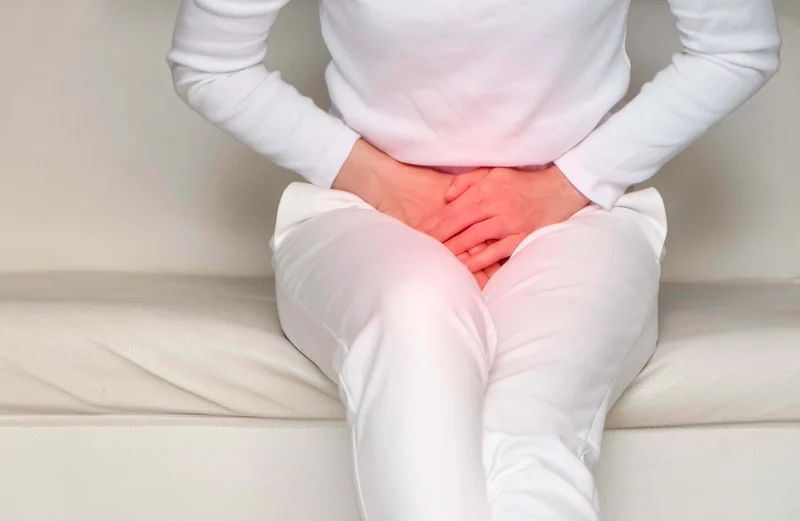
- Urinary incontinence is the involuntary loss of bladder control, leading to unintentional leakage of urine. It ranges from occasionally leaking a small amount when you cough or sneeze to having an urge so sudden and strong that you can't reach a toilet in time.
- Affecting an estimated 423 million people worldwide — roughly twice as many women as men — urinary incontinence is far more common than most people realize, yet it remains deeply under-reported due to embarrassment and stigma. It is not a disease itself but a symptom of underlying conditions, lifestyle factors, or physical changes in the body. And the good news? Most forms of urinary incontinence can be significantly improved or even cured with the right approach.
This comprehensive guide covers everything you need to know: the different types of urinary incontinence, what causes it, how it's diagnosed, all available treatment options (from Kegel exercises to surgery), and practical tips that no other resource brings together in one place — including a full bladder irritant food list, medication comparisons, mental health impact, and step-by-step pelvic floor exercise instructions.
What Is Urinary Incontinence?
Urinary incontinence (UI) refers to any involuntary leakage of urine. It can happen to anyone, though it becomes more prevalent with age. According to the National Association for Continence, over 25 million adults in the United States alone experience some form of bladder leakage. In India, studies suggest prevalence rates between 16% and 36% among adult women, though actual numbers are likely higher due to cultural reluctance to report symptoms.
- It's a misconception that incontinence is simply a normal part of aging.
- While the risk does increase as you get older — the muscles supporting the bladder naturally weaken over time — urinary incontinence at any age signals that something can be addressed. It's not something you just have to live with.
Who Does Incontinence Affect?
Urinary incontinence affects people across all demographics, but certain groups are disproportionately impacted:
- Women are affected roughly twice as often as men, primarily due to pregnancy, childbirth, and menopause — all of which place stress on pelvic floor structures.
- Older adults (over 65) have higher rates, but UI is not exclusive to the elderly. Many women in their 20s and 30s experience stress incontinence after childbirth.
- Men most commonly develop incontinence after prostate surgery or due to enlarged prostate (benign prostatic hyperplasia).
- People with neurological conditions such as multiple sclerosis, Parkinson's disease, stroke, or spinal cord injuries.
- Individuals with obesity, diabetes, or chronic cough conditions.
A 2018 study published in Neurourology and Urodynamics found that nearly 51% of women over age 20 reported at least one type of urinary incontinence symptom, making it arguably one of the most common health issues that nobody talks about.
What Are the Different Types of Urinary Incontinence?
Understanding which type you have is critical — because treatment approaches differ significantly. There are five main types, and some people experience more than one simultaneously.
Stress Incontinence
Leakage occurs when physical movement or activity puts pressure (stress) on your bladder. Coughing, sneezing, laughing, exercising, or lifting heavy objects can trigger it. The underlying problem is weakened pelvic floor muscles or a weakened urethral sphincter. This is the most common type in younger women, especially after pregnancy and vaginal delivery.
Urge Incontinence (Overactive Bladder)
You feel a sudden, intense urge to urinate followed by involuntary loss of urine. You may need to urinate frequently, including throughout the night (nocturia). Urge incontinence can be caused by infections, neurological disorders, or diabetes. When no specific cause is found, the condition is often called overactive bladder (OAB).
Overflow Incontinence
- The bladder doesn't empty completely, causing it to overflow and leak. You may experience frequent or constant dribbling of urine. This type is more common in men with prostate problems but can also occur in people with nerve damage from diabetes.
- This is the only type that can be physically dangerous — chronic urinary retention can lead to recurrent infections, bladder damage, and even kidney failure if left untreated.
Functional Incontinence
The urinary system itself may work fine, but a physical or cognitive impairment prevents you from reaching the bathroom in time. Severe arthritis may make it difficult to unbutton pants quickly. Alzheimer's disease or dementia may prevent someone from recognizing the need to use the toilet or finding the bathroom. This type is particularly common in elderly individuals in care facilities.
Mixed Incontinence
A combination of two or more types — most commonly stress and urge incontinence occurring together. This is very common in women and requires a treatment plan that addresses both components.
Transient Incontinence
Worth mentioning separately: this is temporary incontinence triggered by a reversible condition — a urinary tract infection (UTI), new medication (such as diuretics or sedatives), constipation, or excessive caffeine intake. Once the underlying cause is treated, the incontinence resolves.
Comparison Table: Types of Urinary Incontinence at a Glance
| Type | Primary Symptom | Most Common Cause | First-Line Treatment | Who It Affects Most |
|---|---|---|---|---|
| Stress | Leaks with coughing, sneezing, exercise | Weak pelvic floor muscles | Kegel exercises, pessary | Women (post-childbirth) |
| Urge | Sudden, intense urge before leaking | Overactive bladder muscles | Bladder training, medication | Older adults, both genders |
| Overflow | Constant dribbling, incomplete emptying | Blocked urethra, nerve damage | Catheterization, surgery | Men (prostate issues) |
| Functional | Normal bladder but can't reach toilet | Mobility/cognitive impairment | Environmental modifications | Elderly, disabled individuals |
| Mixed | Combination of stress + urge symptoms | Multiple factors | Combined approach | Women, especially post-menopausal |
| Transient | Temporary leakage | UTI, medication, constipation | Treat underlying cause | Anyone |
What Causes Urinary Incontinence?
The causes of urinary incontinence can be divided into temporary and chronic categories. Understanding the root cause is essential for effective treatment.
Temporary Causes
Certain foods, drinks, and medications act as diuretics — stimulating your bladder and increasing urine volume:
- Alcohol and caffeine
- Carbonated beverages
- Artificial sweeteners
- Chocolate
- High doses of vitamin C
- Spicy foods, citrus fruits, and tomatoes
- Blood pressure and heart medications (ACE inhibitors, diuretics)
- Sedatives and muscle relaxants
- Large doses of vitamin B supplements
- Urinary tract infections can irritate the bladder and cause strong urges and incontinence.
- Constipation also plays a role — the rectum sits near the bladder and shares many nerves, so hard, compacted stool causes these nerves to become overactive.
Chronic Causes
- Pregnancy and childbirth: Hormonal changes and the weight of the growing uterus stress the pelvic floor. Vaginal delivery can weaken muscles needed for bladder control and damage bladder nerves. A 2020 meta-analysis in BJOG found that women who had vaginal deliveries were 70% more likely to develop stress incontinence than those who had cesarean sections.
- Menopause: Declining estrogen levels cause deterioration of the bladder and urethral lining, worsening incontinence.
- Prostate problems: Enlarged prostate (BPH) or prostate cancer treatment, particularly radical prostatectomy, commonly leads to incontinence in men.
- Neurological disorders: Multiple sclerosis, Parkinson's disease, stroke, brain tumors, and spinal injuries can interfere with nerve signals controlling the bladder.
- Obstruction: Tumors or urinary stones blocking the urinary tract can cause overflow incontinence.
- Aging: The bladder muscle can lose capacity and involuntary bladder contractions become more frequent with age.
Why Does Pregnancy Cause Incontinence?
During pregnancy, the growing uterus puts direct pressure on the bladder. Hormonal shifts (particularly increased progesterone and relaxin) cause the pelvic floor muscles and ligaments to loosen in preparation for delivery. After vaginal birth, these muscles may remain stretched or damaged. Studies show that up to 30-50% of women experience some urinary incontinence during pregnancy, and about 25% continue to have symptoms postpartum. Pelvic floor rehabilitation, started during pregnancy and continued after delivery, significantly reduces this risk.
What Are the Symptoms of Urinary Incontinence?
Symptoms vary based on the type, but common signs include:
- Leaking urine during everyday activities — coughing, sneezing, laughing, or exercising
- A sudden, strong urge to urinate that's difficult to control
- Frequent urination (more than 8 times in 24 hours)
- Waking up two or more times at night to urinate (nocturia)
- Leaking urine during sleep (nocturnal enuresis / bedwetting)
- A feeling that the bladder is never completely empty
- Constant dribbling of urine
- Leaking during sexual intercourse
Bedwetting in Adults and Children
While often associated with childhood, bedwetting (nocturnal enuresis) affects 1-2% of adults. In children, it is common up to age 5-7 and usually resolves on its own. Adult bedwetting can be linked to overactive bladder, sleep apnea, hormonal imbalances (low antidiuretic hormone at night), small bladder capacity, or genetics — studies show that if both parents had bedwetting issues, the child has a 77% chance of experiencing it.
When to See a Doctor — Red Flags You Shouldn't Ignore
- Many people wait years before seeking help.
- Don't.
Seek medical attention promptly if you experience:
- Blood in your urine (hematuria) — this could indicate infection, stones, or malignancy
- Pain or burning during urination alongside incontinence
- Sudden onset of severe incontinence with no obvious cause
- Inability to urinate despite feeling a full bladder
- Incontinence interfering with daily activities, work, or relationships
- Recurring urinary tract infections
- New neurological symptoms (numbness, weakness, difficulty walking) along with bladder changes
The sooner you get evaluated, the better the outcomes tend to be.
How Is Urinary Incontinence Diagnosed?
Diagnosing urinary incontinence involves multiple steps, starting with simpler assessments and progressing to specialized tests as needed.
Initial Evaluation
- Medical history: Your doctor will ask about your symptoms, fluid intake, medication use, surgical history, and number of pregnancies/deliveries.
- Physical examination: Includes pelvic exam for women and prostate exam for men, checking for pelvic organ prolapse, and assessing pelvic floor muscle strength.
- Bladder diary: You track your fluid intake, urination times, urine volume, number of leakage episodes, and what triggered them — typically for 3-7 days. This is one of the most useful diagnostic tools.
- Urinalysis: A urine sample checks for infection, blood, or other abnormalities.
What Tests Will Be Done to Diagnose Urinary Incontinence?
If initial evaluation doesn't provide clear answers, more advanced tests may include:
- Post-void residual measurement: An ultrasound or catheter measures how much urine remains in your bladder after urinating. More than 200 ml suggests overflow incontinence.
- Urodynamic testing: A series of tests measuring bladder pressure, urine flow rate, and bladder capacity. This is the gold standard for complex cases.
- Cystoscopy: A thin, flexible scope is inserted through the urethra to visually examine the bladder and urethra.
- Pelvic ultrasound or MRI: Imaging to evaluate the pelvic floor structures, bladder position, and surrounding anatomy.
- Pad test: You wear a pre-weighed pad during activities, which is then weighed again to quantify urine loss.
Differential Diagnosis
It's important to rule out conditions that mimic incontinence, including urinary tract infections, bladder stones, interstitial cystitis (painful bladder syndrome), bladder cancer, vaginal discharge (sometimes mistaken for urine leakage), and fistulas (abnormal connections between the bladder and other organs).
Don't wait or self medicate. Start chat with Doctor NOW
How Do You Stop Urinary Incontinence? Treatment Options
- Treatment depends on the type of incontinence, its severity, and the underlying cause.
- Most healthcare providers follow a stepped approach — starting with the least invasive methods.
Lifestyle Changes and Behavioral Techniques
These are always the first line of treatment and can be remarkably effective:
- Bladder training: You practice delaying urination after you get the urge. Start by trying to hold for 10 minutes, then gradually increase the interval to 2.5-3.5 hours between bathroom visits. A 2019 Cochrane review found bladder training effective for urge and mixed incontinence.
- Double voiding: Urinate, wait a few minutes, then try again — helps ensure complete bladder emptying.
- Scheduled toileting: Going at set times rather than waiting for the urge.
- Fluid management: Reducing intake before bedtime, limiting bladder irritants (more on this below).
- Weight loss: Even a 5-8% reduction in body weight can reduce incontinence episodes by up to 50%, according to a landmark 2009 New England Journal of Medicine study.
Step-by-Step Kegel Exercise Instructions
- Pelvic floor muscle training (Kegel exercises) is the single most effective non-surgical treatment for stress and mixed incontinence. Yet most resources simply say "do Kegels" without explaining how.
- Here's a detailed guide:
Step 1: Find the right muscles.
Try to stop urination midstream. The muscles you use to do this are your pelvic floor muscles. (Only do this once to identify the muscles — don't make it a regular practice, as it can interfere with normal bladder emptying.)
Step 2: Perfect your technique.
- Once you've identified the muscles, empty your bladder and lie down. Tighten your pelvic floor muscles, hold the contraction for 5 seconds, then relax for 5 seconds. Do not hold your breath.
- Do not tighten your abdomen, thighs, or buttocks — isolate the pelvic floor.
Step 3: Build duration gradually.
Work up to holding contractions for 10 seconds at a time, with 10-second rest periods between each contraction.
Step 4: Establish a routine.
- Aim for at least 3 sets of 10-15 repetitions per day.
- You can do them lying down, sitting, or standing — variety helps strengthen the muscles in different positions.
Step 5: Be patient.
Most people notice improvement within 4-6 weeks, but it can take up to 3 months of consistent practice. A 2018 trial in the British Journal of Sports Medicine showed that supervised Kegel programs improved stress incontinence in 70% of women.
Common mistakes to avoid:
- Bearing down instead of lifting up (you should feel a "squeeze and lift" sensation)
- Holding your breath
- Only doing them lying down
- Giving up too soon
Medications for Urinary Incontinence
Several medications can help, primarily for urge incontinence / overactive bladder:
| Medication | Class | How It Works | Common Side Effects | Notes |
|---|---|---|---|---|
| Oxybutynin (Ditropan) | Anticholinergic | Relaxes bladder muscle | Dry mouth, constipation, blurred vision, cognitive effects | Available as patch or gel to reduce side effects |
| Tolterodine (Detrol) | Anticholinergic | Similar to oxybutynin | Dry mouth, headache | Generally better tolerated than oxybutynin |
| Solifenacin (Vesicare) | Anticholinergic | Selective bladder muscle relaxation | Constipation, dry mouth | Once-daily dosing |
| Mirabegron (Myrbetriq) | Beta-3 agonist | Relaxes bladder muscle via different pathway | Increased blood pressure, UTI | Not anticholinergic — fewer cognitive side effects |
| Vibegron (Gemtesa) | Beta-3 agonist | Similar to mirabegron | Headache, UTI, nasopharyngitis | Newer option, no BP increase in trials |
| Topical estrogen | Hormone | Strengthens urethral/vaginal tissue | Local irritation | For postmenopausal women, applied vaginally |
| Duloxetine | SNRI | Strengthens urethral sphincter | Nausea, fatigue | Used for stress incontinence in some countries |
Important: Anticholinergic medications carry a risk of cognitive side effects, particularly in older adults. A 2019 study in JAMA Internal Medicine found a link between long-term anticholinergic use and increased dementia risk. Newer beta-3 agonists (mirabegron, vibegron) avoid this concern.
Medical Devices and Procedures
- Pessary: A flexible silicone ring inserted into the vagina to support the urethra. Effective for stress incontinence, especially in women who prefer a non-surgical option.
- Urethral inserts: Small, disposable, tampon-like devices inserted before specific activities (like jogging) and removed before urination.
- Botulinum toxin (Botox) injections: Injected directly into the bladder muscle for overactive bladder that hasn't responded to medications. Effects last approximately 6-9 months. A 2012 New England Journal of Medicine trial showed Botox reduced urge incontinence episodes by 50% or more in most patients.
- Bulking agents: Synthetic materials (like collagen or hydrogel) injected around the urethra to help keep it closed. Minimally invasive but may require repeat injections.
- Sacral neuromodulation (InterStim): A small device implanted near the sacral nerves sends mild electrical pulses to improve communication between the brain and bladder. Effective for urge incontinence when other treatments fail.
- Percutaneous tibial nerve stimulation (PTNS): A less-invasive alternative to sacral neuromodulation, delivering electrical stimulation through a needle near the ankle. Requires weekly sessions for 12 weeks, then monthly maintenance.
Surgical Options
Surgery is typically considered when conservative treatments haven't worked:
- Sling procedures: The most common surgery for stress incontinence. A strip of synthetic mesh or body tissue is placed under the urethra to provide support. Success rates range from 70-90% at 5 years. Mid-urethral slings are the current gold standard.
- Burch colposuspension: The bladder neck is lifted and secured using sutures attached to ligaments near the pubic bone. Often done laparoscopically.
- Artificial urinary sphincter: An inflatable cuff placed around the urethra (most commonly used in men after prostate surgery). The patient deflates the cuff to urinate by pressing a pump in the scrotum.
- Bladder augmentation: Enlarging the bladder using tissue from the intestine. Reserved for severe cases.
The Interdisciplinary Team Approach
Effective incontinence management often requires multiple specialists working together — urologists, urogynecologists, physiotherapists specializing in pelvic floor rehabilitation, geriatricians, neurologists, and continence nurse specialists. If your current treatment isn't working, ask about being referred to a multidisciplinary continence clinic.
Who Treats Urinary Incontinence?
- Your first point of contact is usually your primary care physician or gynecologist.
- Depending on the complexity, you might be referred to:
- Urologist — specializes in urinary tract disorders
- Urogynecologist — specializes in female pelvic floor disorders
- Pelvic floor physiotherapist — for exercises and biofeedback training
- Geriatrician — for elderly patients with functional incontinence
- Neurologist — when neurological causes are suspected
Don't be reluctant to bring this up with your doctor. They hear about it constantly. It's one of the most common issues they deal with, and they have real solutions.
Foods and Drinks That Trigger Bladder Leakage
- No other top-ranking resource provides a complete list of bladder irritants.
- Here is a comprehensive guide based on urology guidelines:
Drinks to limit or avoid:
- Coffee and tea (including decaf — it's the acidity, not just caffeine)
- Alcohol (especially beer and wine)
- Carbonated beverages of any kind
- Citrus juices (orange, grapefruit, lemon)
- Tomato juice
Foods to watch:
- Spicy foods (chili peppers, hot sauces, curries)
- Citrus fruits (oranges, lemons, grapefruits, limes)
- Tomatoes and tomato-based products
- Chocolate
- Raw onions
- Cranberries (surprisingly — while helpful for UTI prevention, they can irritate some bladders)
- Artificial sweeteners (aspartame, saccharin)
- Sugar and honey in large amounts
- Vinegar-based foods
Bladder-friendly alternatives:
- Water (still, not sparkling)
- Pear or apple juice (low acid)
- Herbal teas like chamomile (non-caffeinated)
- Low-acid fruits: bananas, blueberries, watermelon
- Vegetables: broccoli, carrots, celery, cucumber
Try an elimination diet — remove all potential irritants for 1-2 weeks, then reintroduce one at a time to identify your personal triggers.
Mental Health Impact and Sexual Health
This is the section you won't find in other clinical guides — but it matters enormously.
The Emotional Toll of Incontinence
- A 2017 systematic review in the International Journal of Clinical Practice found that women with urinary incontinence were 2.3 times more likely to experience depression and 2.1 times more likely to have anxiety disorders compared to continent women.
- Social isolation is common — people avoid outings, travel, and social gatherings out of fear of an accident. Some people even avoid drinking adequate water, leading to dehydration and paradoxically worsening their symptoms.
If incontinence is affecting your mood, sleep, or willingness to participate in activities, please talk to your healthcare provider. Treating the incontinence often resolves the emotional symptoms, but sometimes counseling or medication for anxiety/depression is needed alongside continence treatment.
Impact on Sexual Life
- Up to 25-50% of women with incontinence report urine leakage during sexual intercourse — during penetration (associated with stress incontinence) or during orgasm (associated with urge incontinence). Many people never mention this to their doctor. Partners may feel confused or concerned.
- Open communication and practical strategies — such as emptying the bladder before intercourse, using waterproof sheets, and exploring comfortable positions — can help significantly. Some treatments (particularly pelvic floor exercises) improve both continence and sexual satisfaction.
Incontinence Products: A Practical Guide
While working on long-term treatment, managing day-to-day leakage with the right products makes a real difference:
- Absorbent pads and liners: Range from thin pantyliners for light leaks to heavy-duty pads for significant leakage. Use products specifically designed for urine (not menstrual pads — urine pads have different absorbency properties and odor control).
- Protective underwear (pull-ups): Disposable underwear that looks and feels more like regular undergarments. Available for both men and women.
- Reusable incontinence underwear: Washable underwear with built-in absorbent layers. More eco-friendly and cost-effective long-term.
- External collection devices: For men, condom catheters attach over the penis and drain into a leg bag. Useful for moderate to severe incontinence.
- - Waterproof mattress protectors: Essential for nighttime incontinence.
- Invest in a quality one — it protects your mattress and reduces anxiety about bedwetting.
- Skin care products: Barrier creams and moisture-wicking wipes help prevent skin irritation from prolonged urine contact.
Prognosis: What Are the Success Rates?
- Many people want to know — will treatment actually work?
- Here's what the evidence shows:
- Pelvic floor exercises (Kegels): 56-70% of women with stress incontinence report significant improvement or cure after 3-6 months of supervised training
- Bladder training: Reduces urge incontinence episodes by 50-80% in most patients
- Medications (anticholinergics/beta-3 agonists): 60-75% of patients experience significant reduction in urge incontinence episodes
- Mid-urethral sling surgery: 70-90% success rate at 5 years for stress incontinence
- Botox injections: 60-70% of patients achieve a 50%+ reduction in daily leakage episodes
- Sacral neuromodulation: Approximately 70% of patients achieve 50%+ improvement in symptoms
The key takeaway: most people get significantly better with treatment. Complete cure is possible in many cases, particularly for stress incontinence.
Frequently Asked Questions (FAQ)
What is the main cause of urinary incontinence?
There isn't a single main cause — it depends on the type. For stress incontinence, the most common cause is weakened pelvic floor muscles, often from pregnancy, childbirth, or aging. For urge incontinence, the cause is often overactive bladder muscles or neurological conditions. Temporary incontinence can be caused by UTIs, medications, or dietary factors like excessive caffeine or alcohol intake.
How do you stop urinary incontinence?
You can stop or significantly reduce incontinence through a combination of approaches: pelvic floor exercises (Kegels), bladder training, avoiding dietary triggers, maintaining a healthy weight, and — when needed — medications or surgery. The best approach depends on which type of incontinence you have, so getting a proper diagnosis is the critical first step.
Why am I not able to hold my pee?
This could be caused by several things: weak pelvic floor muscles, an overactive bladder, a urinary tract infection, certain medications, or nerve damage affecting bladder control. If this is a new problem or it's getting worse, don't ignore it — see a doctor to find out the specific cause and get appropriate treatment.
Can urinary incontinence be cured completely?
Yes, in many cases. Stress incontinence caused by weak pelvic floor muscles can often be cured with dedicated Kegel exercises or sling surgery. Transient incontinence resolves once the trigger (UTI, medication) is addressed. Urge incontinence may not always be "cured" but can usually be managed very effectively to the point where it no longer significantly impacts daily life.
Is urinary incontinence common in dogs?
Yes — while this guide focuses on human health, urinary incontinence is quite common in dogs, particularly spayed females and older dogs. It's often caused by weakened urethral sphincter tone and is typically managed with medication (phenylpropanolamine or hormone therapy). If your dog is leaking, consult a veterinarian.
What are the best natural remedies for urinary incontinence?
Evidence-based natural approaches include: pelvic floor exercises (most effective), maintaining healthy weight, magnesium supplementation (may help relax bladder muscles — some small studies show benefit), pumpkin seed extract (a 2014 study in the Journal of Traditional and Complementary Medicine showed improvement in overactive bladder symptoms), and capsaicin (used in some research for neurogenic bladder). Avoid unproven herbal remedies marketed as "bladder cures" without discussing them with your doctor first.
Take Action: Don't Suffer in Silence
- Urinary incontinence affects hundreds of millions of people worldwide — you are absolutely not alone. Whether your symptoms are mild or severe, new or long-standing, effective treatments exist.
- The most important step is the first one: talking to a healthcare provider. Start a bladder diary today, practice your Kegel exercises, review the dietary triggers listed above, and schedule that appointment you've been putting off.
- Better bladder control — and a better quality of life — is within reach.
Scientific Sources
- Effect of Electroacupuncture on Urinary Leakage Among Women With Stress Urinary Incontinence: A Randomized Clinical Trial — Liu Z et al., 2017, JAMA
- Postpartum Stress Urinary Incontinence: Current Advances in Non-Pharmacological Therapies — Chen Y et al., 2025, Archivos espanoles de urologia
- Female urinary microbiota — Mueller ER et al., 2017, Current opinion in urology
- Mechanisms Governing Anaphylaxis: Inflammatory Cells, Mediators, Endothelial Gap Junctions and Beyond — Nguyen SMT et al., 2021, International journal of molecular sciences
- Prévention des chutes chez les personnes âgées fragiles hospitalisées en court séjour : utilisation des chaussettes antidérapantes.
- Une revue systématique de littérature — Pelliard T et al., 2021, Recherche en soins infirmiers
- Procidentia(Archived) — Doo J et al., 2026
- Effect of Electroacupuncture Added to Pelvic Floor Muscle Training in Women with Stress Urinary Incontinence: A Randomized Clinical Trial — Tang K et al., 2023, European urology focus
- Electroacupuncture in Patients With Early Urinary Incontinence After Radical Prostatectomy: A Randomized Clinical Trial — Niu J et al., 2025, JAMA network open
- Geriatric assessment tools — Rosen SL et al., 2011, The Mount Sinai journal of medicine, New York
- Mental health and lower urinary tract symptoms: Results from the NHANES and Mendelian randomization study — Zhang X et al., 2024, Journal of psychosomatic research
- Clinical efficacy of traditional Chinese medicine therapy for female stress urinary incontinence: a meta-analysis — Liu H et al., 2024, Revista da Escola de Enfermagem da U S P
- Incidence and influencing factors of urinary incontinence in stroke patients: A meta-analysis — Wang S et al., 2024, Neurourology and urodynamics
- Stress Urinary Incontinence and Pelvic Organ Prolapse: Biologic Graft Materials Revisited — Whooley J et al., 2020, Tissue engineering. Part B, Reviews
- Associations between metabolic syndrome and female stress urinary incontinence: a meta-analysis — Huang H et al., 2022, International urogynecology journal
- Innovations in Stress Urinary Incontinence: A Narrative Review — Szabo T et al., 2025, Medicina (Kaunas, Lithuania)
- Non-pharmacological and nonsurgical interventions in male urinary incontinence: A scoping review — Zhang Y et al., 2023, Journal of clinical nursing
- Association between cardiometabolic index and postmenopausal stress urinary incontinence: a cross-sectional study from NHANES 2013 to 2018 — Yin T et al., 2025, Lipids in health and disease
- Acupuncture for postprostatectomy incontinence: a systematic review — Chen H et al., 2023, BMJ supportive & palliative care
- Electroacupuncture for post-stroke urinary incontinence: a systematic review and meta-analysis with trial sequential analysis — Jiang Z et al., 2023, Frontiers in neurology
- Treating Prediabetes With Medications … or Not — Srivastava SB, 2024, American journal of lifestyle medicine
Questions from users
Can I use pelvic floor exercises to improve urinary incontinence symptoms?
Quinn
8 days ago
Yes, pelvic floor exercises, also known as Kegels, can definitely help improve symptoms of urinary incontinence. They work by strengthening the pelvic floor muscles, which support the bladder. Start slowly, and be consistent – it can take time to see improvement. If you're unsure how to do them, a therapist can help guide you.
What is the role of pelvic floor rehabilitation in managing urinary incontinence?
Andrew
17 days ago
Pelvic floor rehab can really help with urinary incontinence. It strengthens the muscles that support your bladder and urethra, reducing leaks. It's not just about Kegels, though. A pelvic floor physiotherapist can guide you with tailored exercises. Consider it as a team effort with other treatments for best results!
What is transient incontinence and what causes it?
Millie
27 days ago
Transient incontinence is kinda like a temporary loss of bladder control, often caused by things that can be fixed. Think urinary tract infections (UTIs), starting a new med, constipation, or having too much caffeine. These are usually reversible, so once the underlying issue is addressed, the incontinence often goes away. Just remember to check in with a doc if you’re worried!
Is it normal to experience urinary incontinence after menopause?
Thomas
36 days ago
Yes, it’s quite common to experience urinary incontinence after menopause. Hormonal changes can weaken pelvic floor muscles, leading to stress or urge incontinence. Strengthening exercises like Kegels can help. If it’s bothering you, checking with a healthcare provider for personalized advice is a good idea! 😊
What is basti chikitsa and how does it help with urinary incontinence?
Paul
53 days ago
Basti chikitsa is an ayurvedic treatment using medicated enemas. It's believed to balance Vata dosha, which can play a role in urinary incontinence. By improving digestive fire (agni) and removing ama (toxins), basti helps strengthen body tissues (dhatus) and improve bladder control. But for the best results, it's a good idea to consult with an Ayurvedic practitioner.
Is stress incontinence common in women after childbirth and what can help?
Stella
63 days ago
Yep, stress incontinence is quite common for women after childbirth. It can happen due to weakened pelvic muscles. In Ayurveda, focusing on balancing Vata through practices like pranayama and yoga, and strengthening agni with warm, easy-to-digest foods, could help. Regularly practice pelvic floor exercises, too, for strengthening muscles.
Can I use basti chikitsa for treating fungal infections effectively?
Natalie
73 days ago
Basti chikitsa is great for balancing Vata dosha, but it's not really the go-to for fungal infections. Usually, herbs like neem and turmeric, and dietary changes are more effective. Managing the agni and imbalances might help indirectly, so you might wanna consult an Ayurvedic practitioner to guide you properly.
Can I use Triphala and ashwagandha together for better bladder control?
Julian
82 days ago
It's possible to use Triphala and Ashwagandha together for bladder control, but they work in different ways. Triphala can improve digestion and cleanse, while Ashwagandha helps reduce stress and balance Vata, which might aid with bladder issues. Be sure to consult with an Ayurvedic expert to make sure it fits your unique constitution (prakriti) and condition!
What are the benefits of using Triphala for urinary incontinence symptoms?
Addison
92 days ago
Triphala can be helpful! It supports digestion and promotes detoxification, which in Ayurveda is key for maintaining overall health, including urinary health. It may strengthen muscles around the bladder and reduce symptoms by improving digestion and balancing Vata dosha, often involved in incontinence problems. Try it but keep track of how you feel!
Is it safe to use warm sesame oil on my skin for bladder health?
Mateo
101 days ago
Yes, using warm sesame oil on your skin is generally safe and it can help with bladder health, as it is believed to strengthen pelvic muscles and improve bladder function. Just make sure it’s warmed gently and you’re not allergic to it. It’s always a good idea to chat with an Ayurvedic practitioner for advice tailored to you!
Related articles

Urological Disorders
Chandraprabha Vati – Benefits, Dosage, Ingredients, Side Effects
Exploration of Chandraprabha Vati – Benefits, Dosage, Ingredients, Side Effects
8,905
Urological Disorders
Ashmarihar Kwath: Benefits, Dosage & Science-Backed Insights
Explore the benefits, proper dosage, and scientific insights behind Ashmarihar Kwath, an Ayurvedic formulation for managing urinary health and discomfort.
5,462
Urological Disorders
Urinary system
The urinary system – consists of the kidneys, the urethra (the tubes that connect the kidneys and the bladder), the bladder, and the urethra (the tube that connects the bladder to the outside of the body). ).
3,288

Urological Disorders
Patanjali Divya Vrikkdoshhar Kwath Powder
Exploration of Patanjali Divya Vrikkdoshhar Kwath Powder
2,833

Urological Disorders
Cystone Syrup
Exploration of Cystone Syrup
7,645

Urological Disorders
Neeri Syrup Uses, Ingredients, Dose, Side Effects
Exploration of Neeri Syrup Uses, Ingredients, Dose, Side Effects
5,791

Urological Disorders
Hydrocele Treatment in Ayurveda: A Scientific Exploration
Explore how Ayurveda addresses hydrocele management with herbal therapies, dietary guidelines, and scientific evidence for holistic male reproductive health.
4,823
Urological Disorders
Nyagrodhadi Churna: An Ayurvedic Blend for Holistic Wellness
Discover Nyagrodhadi Churna, its Ayurvedic roots, potential health benefits, current research, and usage tips. Learn how science supports this herbal blend.
2,431

Urological Disorders
Stonvil Capsule
Exploration of Stonvil Capsule
3,121

Urological Disorders
Ural BPH Capsule
Exploration of Ural BPH Capsule
2,669
Related consultations on the topic
Legal
Additional Documents
© 2024 Ask Ayurveda. All rights reserved.