
Ask Ayurvedic doctor a question and get a consultation online on the problem of your concern in a free or paid mode. More than 2,000 experienced doctors work and wait for your questions on our site and help users to solve their health problems every day.
FREE! Ask Ayurvedic Doctors 24/7

 Fast responses
 1000+ verified doctors
Body DetoxEar, Nose, and Throat DisordersGeriatrics & RejuvenationImmunodeficiencyInfertility TreatmentNutritionOrthopedic DisordersPediatricsRespiratory DisordersSexually Transmitted Diseases (STDs)Surgery RecoveryUrological DisordersVascular DisordersDental DisordersEndocrinological DisordersGastrointestinal DisordersYoga TherapyGeneral MedicineAllergic DisordersCardio DisordersGynecology and ObstetricsCosmetologySkin and Hair DisordersEye DisordersInfectious DiseasesMental DisordersNeurological DisordersOncologyPanchakarmaSexual Health & DisordersSports Medicine
Published on 11/12/24
(Updated on 07/04/26)
star_border 4
9,166
Ayurveda's Approach to Skin Tags
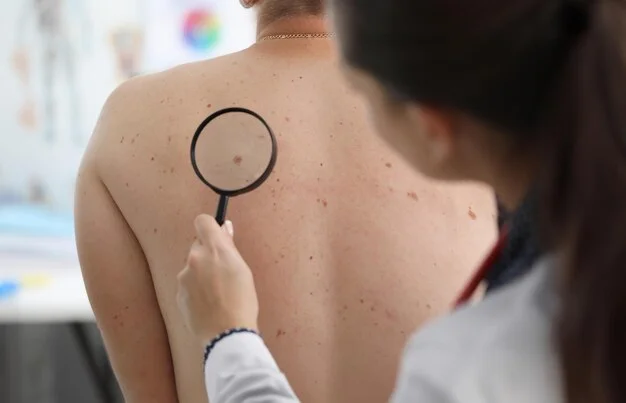
Skin tags — those tiny, soft, flesh-colored growths that seem to appear out of nowhere — are one of the most common skin concerns affecting nearly 46% of the general population, according to a study published in the International Journal of Dermatology. While modern dermatology treats them as a cosmetic nuisance, Ayurveda views skin tags (known as Charmakeela in classical texts) as an external sign of deeper internal imbalance. The good news? Ayurveda offers a comprehensive system for not just removing skin tags but addressing the root cause so they don't keep coming back.
In this guide, we'll cover everything from the ancient Ayurvedic understanding of skin tags to specific remedies, internal medicines, dietary protocols, and when you absolutely should see a doctor. Whether you've tried modern treatments or are exploring natural alternatives for the first time — this article gives you a clear, actionable plan grounded in both tradition and evidence.
What Are Skin Tags? (Medical Overview)
- Skin tags, medically called acrochordons, are small, benign growths that hang off the skin by a thin stalk called a peduncle. They're typically 1–5 mm in size, though some can grow up to 5 cm.
- They're usually painless and harmless — but they can become irritated by clothing, jewelry, or repetitive friction.
Symptoms and Common Locations
Skin tags are soft to the touch, flesh-colored or slightly brownish, and usually appear in areas where skin rubs against skin or clothing:
- Neck (the most common site)
- Armpits (axillae)
- Eyelids
- Under the breasts
- Groin and inguinal folds
- Upper chest
Most people develop skin tags after age 30, and they become increasingly common with age.
They're not contagious and don't turn into cancer — but their sudden increase in number can sometimes signal an underlying health issue.
Medical Causes: Friction, Hormones, Genetics, Obesity & HPV
Modern medicine identifies several contributing factors:
- Friction — Repeated rubbing of skin in folds creates microtrauma, triggering overgrowth of skin cells.
- Obesity — Higher BMI correlates with increased skin tag prevalence. A 2010 study in the Indian Journal of Dermatology found that individuals with BMI > 30 had significantly more skin tags than those with normal weight.
- Hormonal changes — Pregnancy, polycystic ovary syndrome (PCOS), and elevated estrogen levels are associated with skin tag development.
- Insulin resistance & Type 2 diabetes — Multiple studies have linked skin tags to hyperinsulinemia. A 2007 study in the Journal of the European Academy of Dermatology found that patients with multiple skin tags had a higher likelihood of impaired carbohydrate metabolism.
- Genetics — Family history plays a role; if your parents had skin tags, your chances are higher.
- HPV (Human Papillomavirus) — A study published in An Bras Dermatol (2015) detected HPV DNA in a significant percentage of skin tag samples, suggesting a possible viral connection — though this remains debated.
What Hormone Imbalance Causes Skin Tags?
This is one of the most frequently asked questions. Elevated insulin and insulin-like growth factor (IGF-1) are the primary hormonal culprits. When your body becomes resistant to insulin, excess insulin in the bloodstream stimulates epidermal growth factor receptors, leading to skin overgrowth. Additionally, elevated estrogen during pregnancy and high androgen levels in PCOS contribute to skin tag formation.
Ayurvedic Understanding of Skin Tags (Charmakeela)
- Ayurveda doesn't view skin tags as a mere cosmetic problem.
- They are considered a manifestation of systemic imbalance — a signal that something inside needs attention.
Charmakeela in Classical Ayurvedic Texts
The term Charmakeela comes from two Sanskrit words: Charma (skin) and Keela (nail/growth). Acharya Sushruta, in the Sushruta Samhita (one of the foundational texts of Ayurvedic surgery written around 600 BCE), describes Charmakeela under the classification of Kshudra Roga (minor diseases). The text describes them as small, painless, hanging growths of the skin — remarkably consistent with the modern description of acrochordons.
Sushruta recommended both Shastra Karma (surgical excision) and Kshara Karma (alkaline cauterization) for treating these growths — making Ayurveda one of the earliest medical systems to document procedural treatment for skin tags.
The Role of Doshas: Kapha, Vata, and Pitta Imbalances
According to Ayurvedic pathology, skin tags arise from the vitiation of one or more doshas:
- Kapha dosha is the primary offender. Excess Kapha leads to accumulation of fluids, fatty tissue, and sluggish metabolism — creating the soft, fleshy nature of skin tags. This aligns remarkably well with the modern understanding that obesity and metabolic syndrome drive skin tag formation.
- Vata dosha contributes to dryness and irregularity in skin texture, and when combined with Kapha, it creates the pedunculated (hanging) structure characteristic of skin tags.
- Pitta dosha, when aggravated, can cause skin tags to become inflamed or discolored.
The Ayurvedic understanding is not contradictory to modern medicine — it's complementary. Where modern science talks about insulin resistance and obesity, Ayurveda speaks of Kapha aggravation and Meda dhatu (fat tissue) imbalance. Different languages, same underlying truth.
Agni (Digestive Fire) and Ama (Toxins) in Skin Tag Formation
- This is a critical concept that no other resource adequately covers. In Ayurveda, Agni (digestive and metabolic fire) is the master regulator of health.
- When Agni is weakened — through improper diet, stress, or lifestyle — food is not properly metabolized, leading to the production of Ama (metabolic toxins).
Ama circulates through the body, clogs the Srotas (microchannels), and disrupts tissue metabolism. When Ama accumulates in the Rasa dhatu (plasma), Rakta dhatu (blood), and Meda dhatu (fat tissue), it creates the conditions for skin overgrowths like skin tags.
- Think of it this way: skin tags are the body's way of pushing accumulated waste outward through the skin when internal elimination pathways are overwhelmed.
- Addressing Agni and Ama is therefore not optional — it's foundational to any Ayurvedic treatment of skin tags.
Ayurvedic Diagnosis: Identifying Your Dosha Type (Prakriti Analysis)
One of Ayurveda's greatest strengths is personalized treatment. The same skin tag may require different approaches depending on your constitutional type.
Kapha-Type Skin Tags
- Appearance: Soft, fleshy, large, pale or skin-colored
- Location: Commonly in moist areas — armpits, under breasts, groin
- Associated symptoms: Weight gain, sluggish digestion, lethargy, oily skin
- Root cause: Meda dhatu excess, Kapha aggravation, slow metabolism
- Treatment focus: Kapha-reducing herbs (bitter and astringent), dry and warming therapies
Vata-Type Skin Tags
- Appearance: Small, dry, irregularly shaped, sometimes darker
- Location: Often on the neck, face, or eyelids
- Associated symptoms: Dry skin, anxiety, irregular digestion, constipation
- Root cause: Vata disturbing skin tissue integrity
- Treatment focus: Nourishing oils externally, Vata-pacifying diet and herbs
Pitta-Type Skin Tags
- Appearance: May be reddish or inflamed, sometimes tender
- Location: Areas exposed to heat or friction
- Associated symptoms: Skin sensitivity, acidity, irritability
- Root cause: Pitta vitiation affecting Rakta dhatu (blood tissue)
- Treatment focus: Cooling herbs (neem, aloe vera), Pitta-pacifying diet
A qualified Ayurvedic practitioner (Vaidya) can perform a comprehensive Prakriti assessment through pulse diagnosis (Nadi Pariksha), tongue examination, and detailed health history to determine your unique doshic picture. This personalization is what makes Ayurvedic treatment far more effective than a one-size-fits-all approch.
Natural Ayurvedic Remedies for Skin Tag Removal
Now let's get practical. These remedies range from simple home applications to classical Ayurvedic procedures.
Topical Remedies (External Application)
Turmeric (Haridra) Paste
Turmeric is Ayurveda's gold-standard skin remedy. Its active compound, curcumin, has documented anti-inflammatory, antimicrobial, and antiproliferative properties (a 2016 review in Phytotherapy Research confirmed curcumin's ability to modulate skin cell growth).
How to use:
- Mix 1/2 teaspoon of organic turmeric powder with a few drops of sesame oil to form a thick paste
- Apply directly to the skin tag
- Cover with a small bandage
- Leave overnight; wash off in the morning
- Repeat daily for 3–6 weeks
Caution: Turmeric stains skin and fabric. Use old clothing and bedsheets.
Neem (Nimba) Application
Neem is described as Kushtaghna (destroyer of skin diseases) in Ayurvedic pharmacology. A 2013 study in the Journal of Pharmacy & BioAllied Sciences confirmed neem's antiviral and antiproliferative skin effects — particularly relevant given the possible HPV connection to skin tags.
How to use:
- Crush fresh neem leaves into a fine paste, or use pure neem oil
- Apply to the skin tag and surrounding area
- Allow to dry for 20–30 minutes
- Rinse with lukewarm water
- Apply twice daily for 4–6 weeks
Tea Tree Oil (Melaleuca)
While not a traditional Ayurvedic herb, tea tree oil is widely adopted in modern Ayurvedic practice for its potent antimicrobial and astringent properties. A 2012 study in Clinical Microbiology Reviews documented its effectiveness against various skin growths.
How to use:
- Always dilute — mix 2-3 drops of tea tree oil with 1 tablespoon of coconut oil
- Apply to the skin tag with a cotton swab
- Cover with a small bandage
- Repeat 2-3 times daily for 3-6 weeks
- The skin tag will gradually darken, dry out, and fall off
Important: Never apply undiluted tea tree oil directly to skin. Conduct a patch test on your inner forearm 24 hours before first use.
Castor Oil (Eranda Taila)
Castor oil holds a special place in Ayurveda as both an internal detoxifier and external healing oil. Its ricinoleic acid content provides anti-inflammatory action.
How to use:
- Mix castor oil with a pinch of baking soda to create a thick paste
- Apply to the skin tag
- Cover and leave overnight
- Repeat daily for 2-4 weeks
Apple Cider Vinegar (ACV)
ACV's acidity (pH 2-3) works by gradually breaking down the tissue of the skin tag.
How to use:
- Soak a small cotton ball in organic, unfiltered apple cider vinegar
- Place on the skin tag and secure with a bandage
- Leave for 15-30 minutes (initially) and gradually increase to overnight
- Repeat daily for 2-4 weeks
Caution: Do NOT use ACV on skin tags near the eyes or on sensitive areas. Discontinue if you experience burning, blistering, or significant irritation.
Pratisarniya Kshara (Ayurvedic Alkaline Therapy)
This is one of Ayurveda's most powerful and unique contributions to skin tag treatment — and virtually no other online resource explains it properly.
Pratisarniya Kshara is an alkaline preparation described by Acharya Sushruta in the Sushruta Samhita. It's prepared from the ashes of specific medicinal plants (commonly Apamarga — Achyranthes aspera, or Palasha — Butea monosperma) processed with lime water and other ingredients to create a highly alkaline paste. How it works:
- The Kshara is applied directly to the skin tag under the supervision of a trained Ayurvedic surgeon. The alkaline nature of the preparation causes controlled chemical cauterization, destroying the skin tag tissue.
- The process is described as:
- Cleaning the area with antiseptic solution
- Applying Pratisarniya Kshara precisely to the skin tag for a measured duration (typically 1-2 minutes or until the tissue changes color)
- Neutralizing with lemon juice or sour buttermilk
- Applying soothing Ghrita (medicated ghee) for healing
A 2018 case study published in the Journal of Ayurveda and Integrated Medical Sciences documented successful removal of multiple skin tags using Kshara Karma with no recurrence at 6-month follow-up.
This procedure must only be performed by a qualified Ayurvedic Shalya Tantra (surgery) specialist. Do not attempt this at home.
Internal Ayurvedic Medicines
- This is a major gap in existing online resources.
- Topical treatment alone addresses symptoms — internal medicines correct the underlying doshic imbalance.
| Medicine | Primary Action | Dosage (General Adult) | Duration | Best For |
|---|---|---|---|---|
| Kaishore Guggulu | Purifies Rakta dhatu, balances Pitta-Kapha | 2 tablets (500mg each), twice daily after meals | 4–8 weeks | Pitta-type skin tags, inflammatory tendency |
| Arogyavardhini Vati | Stimulates Agni, clears Ama, balances all doshas | 1-2 tablets (250mg each), twice daily before meals | 4–6 weeks | Sluggish metabolism, liver dysfunction, Kapha excess |
| Gandhak Rasayana | Purifies blood, antimicrobial, supports skin health | 1-2 tablets (250mg each), twice daily with milk | 6–8 weeks | Recurrent skin tags, possible HPV-related cases |
| Triphala Churna | Gentle detoxification, improves digestion, balances all doshas | 1 teaspoon with warm water at bedtime | Ongoing (safe for long-term use) | General prevention, Ama clearance |
Critical disclaimer: These dosages are general guidelines. Individual dosing must be determined by a qualified Ayurvedic physician based on your Prakriti, Vikriti, Agni status, and coexisting conditions. Self-medication with Guggulu and Rasayana preparations without professional guidance is not advised.
Panchakarma and Internal Cleansing (Shodhana) for Skin Tags
While topical remedies and oral medicines handle most cases, stubborn or recurrent skin tags often require deeper cleansing through Panchakarma — Ayurveda's five-fold detoxification system.
Why Panchakarma Matters for Skin Tags
If Ama (toxins) is deeply embedded in the Dhatus (tissues), surface-level treatment will only provide temporary relief. Panchakarma removes deep-seated toxins, resets Agni, and restores doshic balance at a fundamental level. Think of it as a system reboot.
Relevant Panchakarma Procedures
- Virechana (Therapeutic Purgation): Particularly effective for Pitta-Kapha type skin tags. Virechana cleanses the liver, blood, and GI tract. It directly addresses Meda dhatu and Rakta dhatu impurities. Typically administered after 3-7 days of preparatory oleation (Snehana) and sudation (Swedana).
- Raktamokshana (Bloodletting): The most directly relevant Panchakarma procedure for skin conditions. It purifies Rakta dhatu and removes Pitta-vitiated blood. Can be performed through Jalaukavacharana (leech therapy) — leeches are applied near the affected area to remove toxin-laden blood. A 2014 pilot study in Ayu Journal demonstrated significant improvement in various skin conditions following Raktamokshana.
- Vamana (Therapeutic Emesis): Specifically for Kapha-dominant individuals with multiple skin tags, obesity, and sluggish metabolism. Removes excess Kapha from the upper body and respiratory system.
- Basti (Medicated Enema): Addresses Vata imbalance. Particularly useful when skin tags are accompanied by constipation, irregular digestion, and anxiety.
Duration: A typical Panchakarma course for skin conditions runs 7–21 days and must be done under direct medical supervision at a certified Panchakarma center.
Don't wait or self medicate. Start chat with Doctor NOW
Diet and Lifestyle Protocol for Skin Tag Prevention
- All the remedies in the world won't help if your diet and lifestyle keep aggravating the same doshic imbalance.
- Here's a detailed, dosha-specific protocol — something no other resource provides.
Dosha-Specific Diet for Skin Tags
| Category | Kapha-Balancing (Primary) | Vata-Balancing | Pitta-Balancing |
|---|---|---|---|
| Favor | Bitter gourd, leafy greens, barley, millet, honey, ginger, black pepper, turmeric, light soups | Warm, cooked foods, ghee, sesame oil, sweet potatoes, rice, warm milk | Cooling foods, cucumber, coconut, coriander, fennel, bitter greens, ghee |
| Avoid | Sugar, dairy (especially cheese and ice cream), fried foods, wheat, cold drinks, excessive salt | Raw salads, cold drinks, dry crackers, beans (unless well-cooked), irregular meals | Spicy food, fermented foods, tomatoes, citrus excess, alcohol, red meat |
| Spices | Trikatu (black pepper, long pepper, ginger), fenugreek, cinnamon | Cumin, cardamom, fennel, asafoetida, ginger (moderate) | Coriander, fennel, turmeric, cardamom, mint |
| Meal timing | 2-3 meals, no snacking, largest meal at lunch | Regular schedule, never skip meals, warm food | Moderate portions, don't skip meals, avoid eating when angry |
Lifestyle Modifications (Dinacharya)
- 1.Wake before 6 AM — Waking during Kapha time (6-10 AM) increases lethargy and Kapha accumulation
- 2.Dry brushing (Garshana) — Use raw silk gloves to stimulate lymphatic drainage before bath. This directly reduces Kapha stagnation in skin
- 3.Exercise daily — At least 30-45 minutes of moderate exercise. Brisk walking, yoga, or swimming. Sweating helps eliminate Ama through skin
- 4.Hydration — Drink warm water throughout the day (not cold). Add cumin, coriander, and fennel seeds (CCF tea) for enhanced detoxification
- 5.Stress management — Chronic stress disrupts Agni and increases cortisol, contributing to insulin resistance. Practice Pranayama (Nadi Shodhana, Bhramari) for 10-15 minutes daily
- 6.Sleep by 10 PM — Sleeping during Pitta time (10 PM–2 AM) supports liver detoxification and metabolic repair
- 7.Maintain healthy weight — Given the strong connection between obesity and skin tags, achieving and maintaining a healthy BMI is perhaps the single most impactful preventive measure
Recurrence Prevention Protocol (Step-by-Step)
- Follow dosha-appropriate diet consistently (not just for weeks — as a lifestyle)
- Take Triphala Churna nightly for ongoing gentle detoxification
- Seasonal Panchakarma (at least once yearly, ideally at season transitions)
- Keep skin folds dry and clean — use neem powder in areas prone to moisture
- Wear loose-fitting, breathable cotton clothing to minimize friction
- Monitor blood sugar and insulin levels annually (given the diabetes connection)
- Apply neem or turmeric-based body oil weekly to skin-fold areas as preventive measure
- Ayurvedic vs Modern Methods: A Comparison
| Feature | Ayurvedic Approach | Modern Dermatology |
|---|---|---|
| Philosophy | Address root cause (doshic imbalance, Ama) | Remove the growth (symptom management) |
| Topical methods | Kshara Karma, herbal pastes | Cryotherapy, electrocautery, surgical excision |
| Internal treatment | Herbal medicines, Panchakarma, diet reform | Usually none (unless linked to diabetes/PCOS) |
| Pain level | Minimal to moderate (Kshara Karma) | Minimal (with local anesthesia) |
| Cost | Low to moderate | Moderate to high (not usually covered by insurance) |
| Recurrence rate | Lower when full protocol followed | Higher (30-40% recurrence if underlying cause not addressed) |
| Time to results | 3-8 weeks (topical), immediate (Kshara) | Immediate (procedural) |
| Side effects | Possible skin irritation from herbs; allergic reactions rare | Scarring, hyperpigmentation, infection risk |
| Best for | Holistic treatment, recurrence prevention, mild-moderate cases | Large skin tags, rapid removal, diagnostic biopsy needed |
The honest answer? These approaches are not mutually exclusive. You can have a skin tag surgically removed for immediate results while simultaneously following Ayurvedic diet and internal medicines to prevent new ones from forming.
Contraindications and Safety: When NOT to Use These Remedies
This section is critically important and missing from virtually every competitor article.
- Pregnancy: Avoid Kaishore Guggulu, Arogyavardhini Vati, and strong Kshara preparations. Tea tree oil and ACV should also be avoided. Turmeric in dietary amounts is fine, but concentrated pastes should be used cautiously.
- Children under 12: Do not apply ACV, tea tree oil, or Kshara to children's skin without medical guidance.
- Skin tags near eyes: Only use diluted castor oil (if anything). NEVER apply ACV, tea tree oil, or Kshara near the eyes.
- Bleeding or rapidly changing skin tags: If a skin tag suddenly changes color, bleeds, or grows rapidly, see a dermatologist immediately for biopsy. This could indicate something other than a benign skin tag.
- Allergy-prone individuals: Always perform a 24-hour patch test before using any new topical remedy.
- Diabetes patients on medication: Arogyavardhini Vati and some Guggulu preparations may affect blood sugar levels. Coordinate with both your Ayurvedic and allopathic physician.
When to See a Doctor
Consult a medical professional if:
- A skin tag bleeds without trauma
- It changes in color, shape, or size rapidly
- You develop many skin tags suddenly (screen for diabetes/insulin resistance)
- A treated skin tag becomes infected (redness, pus, swelling, fever)
- You're unsure whether a growth is a skin tag or something else (warts, moles, or seborrheic keratosis can look similar)
Frequently Asked Questions
How to Remove Skin Tags in One Night?
Truthfully, no natural remedy removes skin tags overnight. Anyone claiming otherwise is misleading you. Even modern cryotherapy requires the skin tag to fall off over 7-10 days. The fastest natural option is Kshara Karma performed by an Ayurvedic surgeon — which can destroy the tag in a single session, with the dead tissue falling off within 5-7 days. For home remedies, expect 2-6 weeks of consistent application.
What Removes Skin Tags Permanently?
Permanent removal requires addressing both the skin tag itself AND the underlying cause. Topical remedies or surgical excision removes the existing tag. To prevent recurrence permanently, you need to correct doshic imbalance through diet, internal medicines, and lifestyle changes. Without addressing root causes like insulin resistance, obesity, or Kapha excess, skin tags will keep coming back — regardless of how you remove them.
Are Ayurvedic Skin Tag Removal Creams Effective?
Several Ayurvedic creams available in India (like Wartosin and similar products) contain herbal ingredients that can help with small skin tags. However, results vary widely. Look for products containing Kshara (alkaline ash), turmeric, or neem as active ingredients. Always check for AYUSH certification. For larger or numerous skin tags, creams alone are unlikely to be sufficient.
Can Tea Tree Oil Really Remove Skin Tags?
Yes, but patience is needed. Tea tree oil's astringent and antimicrobial properties cause the skin tag to gradually dehydrate and fall off. A small 2008 study in the Journal of Applied Microbiology supported tea tree oil's tissue-modifying effects. Expect 3-6 weeks of twice-daily application. It works best on small skin tags (under 3mm). Always dilute with a carrier oil.
What Are Skin Tags, and Should I Be Concerned About Them?
- Skin tags are benign (non-cancerous) growths of excess skin. They are NOT dangerous and do NOT become cancerous.
- However, their presence — especially in large numbers — may indicate underlying metabolic issues like insulin resistance or Type 2 diabetes. It's wise to get a blood sugar screening if you develop multiple skin tags, especially after age 40.
How Does Ayurveda Explain the Cause of Skin Tags?
Ayurveda attributes skin tags (Charmakeela) primarily to Kapha dosha aggravation combined with Ama (toxin) accumulation in the Rasa, Rakta, and Meda dhatus. Weakened Agni (digestive fire) fails to properly metabolize food, creating toxins that manifest as excess tissue growths on the skin. This is remarkably consistent with the modern understanding linking skin tags to metabolic syndrome and obesity.
Why Do Skin Tags Occur in Certain Areas?
- Ayurveda explains this through the concept of Sthana (site-specific vulnerability). Areas with natural skin folds have higher Kapha accumulation due to moisture, warmth, and reduced air circulation. Combined with friction (which aggravates Vata locally), these areas become prime locations for Charmakeela formation.
- Modern medicine confirms: friction, moisture, and warmth are the key local triggers.
Final Thoughts: A Holistic Path Forward
- Skin tags are small, but they often signal something bigger happening inside your body.
- Ayurveda's greatest gift is this perspective — that the surface always reflects the deeper reality.
Start with the basics: clean up your diet, strengthen your Agni with proper spices and meal timing, and apply the topical remedy most suited to your dosha type. If skin tags are persistent or numerous, consult a qualified Ayurvedic physician for internal medicines and consider Panchakarma for deeper detoxification.
Don't chase overnight cures. Chase lasting balance.
If you found this guide helpful, consult with a certified Ayurvedic doctor to create a personalized treatment plan based on your unique Prakriti. The most effective treatment is the one tailored specifically to you.
Scientific Sources
- Effects of Nadishodhana and Bhramari Pranayama on heart rate variability, auditory reaction time, and blood pressure: A randomized clinical trial in hypertensive patients — Upadhyay J et al., 2023, Journal of Ayurveda and integrative medicine
- A critical review of rhythmic recitation of Charakasamhita as per Chhanda Shastra — Panja A, 2013, Ayu
- Investigating Ayurvedic Strategies: An In-Depth Examination of Managing Diabetes across Different Types — Balkrishna A et al., 2025, Current diabetes reviews
- Integrative Medicine System Based on Music — Balasubramanian SV et al., 2016, Alternative therapies in health and medicine
- Ayurveda Body-Mind Constitutional Types and Role of Yoga Intervention Among Type 2 Diabetes Mellitus Population of Chandigarh and Panchkula Regions — Sivapuram MS et al., 2020, Annals of neurosciences
- Managing Scalp Psoriasis Through Ayurvedic Therapies: A Case Report — Nagpure D et al., 2025, Alternative therapies in health and medicine
- From ancient medicine to modern medicine: ayurvedic concepts of health and their role in inflammation and cancer — Garodia P et al., 2007, Journal of the Society for Integrative Oncology
- Ayurvedic Stress Management: Balancing Mind Body in Men Women — Swaroop A, 2025, Advances in mind-body medicine
- A review on exploring evidence-based approach to harnessing the immune system in times of corona virus pandemic: Best of modern and traditional Indian system of medicine — Pathania M et al., 2020, Journal of family medicine and primary care
- Effect of integrated approach of yoga and naturopathy on polycystic ovarian syndrome: A case study — Shrivastava R et al., 2022, Journal of family medicine and primary care
- Efficacy of Sharapunkhadi powder (a polyherbal formulation) and lifestyle modification in the management of nonalcoholic fatty liver disease-A randomized placebo-controlled clinical trial — Remya E et al., 2020, Ayu
- Holistic approach to preventive cardiology: Where tradition meets innovation (Fellow's Voice) — Wasir AS, 2024, American journal of preventive cardiology
- Integrative approach combining Ayurveda, counselling, Yoga and meditation with conventional management of Ankylosing Spondylitis - A case report — Sushma NS et al., 2022, Journal of Ayurveda and integrative medicine
- A century of 'The science of yoga' (1921-2021): Revival, renewal and renaissance — Vaidya ADB et al., 2023, Journal of Ayurveda and integrative medicine
- Healthcare and disease management in Ayurveda — Mishra L et al., 2001, Alternative therapies in health and medicine
- Role of integrative medicine in the continuum of care of breast cancer patients in the Indian context — Basu P et al., 2021, Cancer causes & control : CCC
- Siddha medicine--background and principles and the application for skin diseases — Thas JJ, 2008, Clinics in dermatology
- Understanding wellness center loyalty through lifestyle analysis — Suresh S et al., 2011, Health marketing quarterly
- Ancient Indian concepts about phenomenology, biology, and therapeutics of epilepsy — Arya R, 2018, Journal of the history of the neurosciences
- A machine learning-based clinical decision support system for effective stratification of gestational diabetes mellitus and management through Ayurveda — Shetty NP et al., 2024, Journal of Ayurveda and integrative medicine
Questions from users
Can I use castor oil for skin tags along with other treatments?
Ellie
8 days ago
Yep, you can use castor oil for skin tags along with other treatments. Just make sure to do a patch test first to check for any reactions. Using castor oil alone or with other methods can be effective, but give it a few weeks to see results. And hey, if you're trying different things, that's fine too.
How does Ayurveda explain the relationship between skin tags and metabolism?
Miles
18 days ago
In Ayurveda, skin tags can be related to an imbalance of the Kapha dosha and the Meda dhatu, which involves fat tissue. This imbalance can impact metabolism, leading to issues like insulin resistance. Addressing the Kapha imbalance through lifestyle changes, diet, and therapies like Vamana could help. Consult a qualified practitioner for personalized advice.
What role does body weight play in the development of skin tags?
Seth
27 days ago
Body weight can influence skin tag development, as skin tags are more common in areas where skin rubs together, like folds, which can happen more in individuals with higher body weight. This friction might lead to tag formation. From an Ayurvedic point of view, balancing Kapha dosha and reducing excess Meda dhatu (body fat) might be beneficial.
What is the connection between insulin levels and skin tags in Ayurveda?
Isabella
36 days ago
In Ayurveda, high insulin levels upset your doshas, especially Kapha, and may lead to formation of skin tags. This happens cuz elevated insulin can create ama (toxins) and affect Agni (digestive fire). To address this, focus on balancing your doshas through diet, lifestyle, and remedies like neem or turmeric, just like I mentioned in the article.
Can turmeric help with other skin conditions besides skin tags?
Walter
54 days ago
Absolutely! Turmeric is great for other skin conditions too, due to its anti-inflammatory and antioxidant properties. It can help with acne, eczema, and even psoriasis. In Ayurveda, its believed to balance the doshas and reduce toxin accumulation, which often cause these issues. Try mixing it with honey or yogurt for a soothing face mask!
What is the best way to consult with an Ayurvedic practitioner for skin tag treatment?
Tucker
63 days ago
To consult with an Ayurvedic practitioner, first research and find a well-qualified one who's experienced in skin care. You can ask for recommendations from friends or search online reviews. A practitioner will assess your dosha imbalances and give you personalized advice, possibly involving changes to diet, lifestyle, and herbal remedies.
What is the best way to prepare herbal pastes for treating skin tags at home?
Mckenzie
73 days ago
To prep herbal pastes for skin tags, you can mix a tiny bit of turmeric with coconut oil or water for a smooth paste. Some also use garlic or tea tree oil. Apply gently, as skin can be sensitive. Make sure to patch-test first. Remember, everyone’s skin and body is different, so what works for one person might not work for another.
What is the role of diet in Ayurveda for preventing skin tags?
Xander
83 days ago
Diet plays a crucial role in Ayurveda for preventing skin tags since it's believed that imbalances in doshas like Kapha and Vata contribute to them. Eating light, easily digestible foods and including bitter-tasting foods might help balance these doshas and improve skin health. You might want to avoid heavy, oily foods and consider more fibrous veggies, but always listen to your body!
Is it normal for skin tags to change color or size over time?
Shelby
92 days ago
It can be normal for skin tags to change color or size gradually over time, but drastic changes should be checked by a doctor. Ayurveda suggests looking at your body's overall balance, like considering your dosha. Imbalances might affect skin health, so simple lifestyle tweaks might help. If you're worried, get it looked at!
Is it safe to apply tea tree oil directly on skin tags?
William
102 days ago
Applying tea tree oil directly might be a bit too strong for sensitive areas like skin tags. It's better to dilute it with a carrier oil, like coconut or olive oil. Also, do a patch test first to make sure there’s no irritation. And always keep in mind, balance diet and stress for overall skin health! 😊
Related articles

Skin and Hair Disorders
Does Dandruff Cause Hairfall and What You Can Do About It?
Learn if dandruff causes hair fall and how to treat heavy hair fall due to dandruff with Ayurvedic care. Discover why dandruff can cause hair loss
3,977

Skin and Hair Disorders
Gandhaka Rasayana: Scientific Insights & Health Applications
Explore Gandhaka Rasayana, an Ayurvedic sulfur-based remedy. Learn its science, research backing, potential benefits, and safety considerations.
2,677

Skin and Hair Disorders
How to Rejuvenate Skin Naturally: Ayurvedic Guide for a Healthy Glow
How to rejuvenate skin naturally? Discover Ayurvedic treatment for skin rejuvenation, how to rejuvenate skin overnight, at home, and restore glow on your face
2,283

Skin and Hair Disorders
How to Prepare Rosemary Oil for Hair Growth: Recipes, Benefits, and Ayurvedic Uses
Exploration of Unlock the Benefits of Rosemary Oil for Hair Growth and Care
6,664

Skin and Hair Disorders
How to Remove Oil from Hair Naturally
Learn how to remove oil from hair naturally without shampoo. Discover home remedies, Ayurvedic tips, and the best treatments for oily hair and scalp balance
6,083
Skin and Hair Disorders
Bhallataka Vati – Potent Ayurvedic Remedy for Rejuvenation & Therapeutic Support
Discover the bhallataka vati benefits, a powerful Ayurvedic formulation used for rejuvenation, pain management, and chronic condition support. Learn about its traditional preparation, therapeutic uses, dosage, and necessary precautions.
2,518

Skin and Hair Disorders
Narasimha Rasayanam for Hair Growth – Natural Ayurvedic Solution for Stronger, Healthier Hair
Discover the benefits of Narasimha Rasayanam for hair growth, including its Ayurvedic ingredients, therapeutic properties, and how it supports scalp health and prevents hair loss.
4,154

Skin and Hair Disorders
How to Use Kasturi Manjal for Skin Whitening and Glow
Learn how to use Kasturi Manjal for skin whitening. Discover its skin benefits, face packs, and Ayurvedic tips to reduce pigmentation and brighten complexion
6,744

Skin and Hair Disorders
Which Oil Is Best for Face Massage: Ayurvedic Guide by Skin Type
Discover which oil is best for face massage based on your skin type. Explore Ayurvedic benefits of almond, coconut, castor, and jojoba oils for healthy glow
21,266
Skin and Hair Disorders
Indralupta Treatment in Ayurveda: Revitalizing Health with Ancient Wisdom
Discover Indralupta Treatment in Ayurveda, a unique blend of ancient healing practices and modern insights. Learn its benefits, mechanisms, guidelines, and precautions.
2,594
Related consultations on the topic
Legal
Additional Documents
© 2024 Ask Ayurveda. All rights reserved.