Ask Ayurvedic doctor a question and get a consultation online on the problem of your concern in a free or paid mode. More than 2,000 experienced doctors work and wait for your questions on our site and help users to solve their health problems every day.
FREE! Ask Ayurvedic Doctors 24/7

 Fast responses
 1000+ verified doctors
Body DetoxEar, Nose, and Throat DisordersGeriatrics & RejuvenationImmunodeficiencyInfertility TreatmentNutritionOrthopedic DisordersPediatricsRespiratory DisordersSexually Transmitted Diseases (STDs)Surgery RecoveryUrological DisordersVascular DisordersDental DisordersEndocrinological DisordersGastrointestinal DisordersYoga TherapyGeneral MedicineAllergic DisordersCardio DisordersGynecology and ObstetricsCosmetologySkin and Hair DisordersEye DisordersInfectious DiseasesMental DisordersNeurological DisordersOncologyPanchakarmaSexual Health & DisordersSports Medicine
Published on 12/13/24
(Updated on 06/16/26)
3,204
Ayurvedic Treatment for Plantar Fasciitis: Natural Relief for Foot Pain
- Plantar fasciitis is the most common cause of heel pain, responsible for roughly 1 million doctor visits per year in the United States alone and affecting up to 10% of the general population over a lifetime.
- It happens when the plantar fascia — a thick, fibrous band of connective tissue that runs from your heel bone (calcaneus) to the base of your toes — develops micro-tears and undergoes degenerative changes due to repetitive stress. The hallmark symptom is a sharp, stabbing pain in the bottom of the heel, especially with those first steps in the morning.
Here's what most people don't realize: despite the "-itis" in its name (which implies inflammation), modern research shows that plantar fasciitis is primarily a degenerative condition, not an inflammatory one. Histological studies reveal an absence of inflammatory cells and instead show collagen disarray, fibroblastic proliferation, and micro-tears — a process more accurately called plantar fasciosis. Understanding this distinction matters because it changes how you should approach treatment.
- The good news? Over 90% of people recover fully with conservative (non-surgical) treatment.
- This guide covers everything — from accurate diagnosis and a week-by-week home recovery plan to advanced therapies, return-to-sport protocols, and practical shoe selection criteria that no other guide provides.
What Is Plantar Fasciitis and What Does It Feel Like?
The plantar fascia is not a muscle — it's a dense, web-like ligament that acts as a shock absorber and supports the arch of your foot during every step you take. When you walk, run, or simply stand, this tissue bears tremendous load. Plantar fasciitis develops when that load exceeds what the fascia can handle, causing repetitive micro-trauma at the insertion point on the medial calcaneal tuberosity (the inside-bottom of your heel bone).
Plantar Fasciitis vs Plantar Fasciosis: Why the Difference Matters
- Traditional medical terminology calls this condition plantar fasciitis, suggesting an inflammatory process. However, landmark histopathological studies (Lemont et al., 2003) examined surgical specimens and found zero inflammatory cells in the majority of cases.
- Instead, they found:
- Myxoid degeneration (tissue breakdown)
- Collagen fiber disorganization
- Angiofibroblastic hyperplasia (abnormal blood vessel and tissue growth)
This means the condition is fundamentally a failed healing response — not classic inflammation. Why does this matter for you? Because treatments targeting inflammation (like ice and NSAIDs) may help with pain but won't fix the underlying tissue degeneration. Effective long-term treatment must include loading-based exercises that stimulate collagen repair.
What Does Plantar Fasciitis Feel Like?
The pain is distinctive and most people describe it as:
- A sharp, stabbing sensation at the bottom of the heel
- Worst during the first 5–10 steps after waking up (called "post-static dyskinesia")
- Returns after prolonged sitting, then standing up
- Typically eases with light activity but worsens again after extended time on your feet
- May feel like "walking on a pebble" or a bruised heel
- By evening, a dull, throbbing ache is common
About one-third of cases are bilateral (affecting both feet), which is a clinical fact frequently overlooked. If both your heels hurt, it's still very likely plantar fasciitis — not something more sinister.
What Causes Plantar Fasciitis?
There's rarely a single cause. Plantar fasciitis typically results from a combination of biomechanical, lifestyle, and anatomical factors working together over weeks or months.
Primary Causes and Risk Factors
| Risk Factor | How It Contributes |
|---|---|
| Overuse / Repetitive loading | Running, jumping, prolonged standing (teachers, factory workers, nurses) |
| Obesity (BMI > 25) | Increases mechanical load on the fascia by up to 40% |
| Age (40–60 years) | Natural degeneration of fascia elasticity and fat pad cushioning |
| Flat feet (pes planus) or high arches (pes cavus) | Altered load distribution across the plantar fascia |
| Tight calf muscles (gastrocnemius/soleus) | Limits ankle dorsiflexion → increased tension on fascia |
| Inadequate footwear | Worn-out shoes, thin soles, no arch support |
| Sudden activity changes | New exercise program, sudden increase in mileage for runners |
| Female sex | Women are affected more frequently than men |
Epidemiological data from StatPearls (2024) shows that 83% of affected patients are active working adults between 25 and 65 years old, making this a significant occupational health concern.
How Body Weight Directly Affects Your Plantar Fascia
- Conkurents mention BMI as a risk factor but stop there.
- Here's what you actually need to know: a 2019 systematic review published in Obesity Reviews confirmed a strong dose-response relationship between body weight and plantar fasciitis risk. Each point increase in BMI above 25 correlates with increased fascial strain during weight-bearing activities.
Practical weight management tips for plantar fasciitis recovery:
- Even a 5–10% reduction in body weight can significantly reduce heel pain
- Focus on non-weight-bearing exercise during recovery (swimming, cycling, seated upper-body workouts)
- Avoid crash diets — gradual weight loss (0.5–1 kg/week) is sustainable and doesn't compromise tissue repair
- Adequate protein intake (1.2–1.6 g/kg body weight) supports collagen synthesis in the healing fascia
How Is Plantar Fasciitis Diagnosed?
In most cases, plantar fasciitis is diagnosed clinically — meaning your doctor can identify it through a physical examination and your symptom history without needing fancy imaging.
Physical Examination Findings
A doctor will typically:
- 1.Palpate the medial calcaneal tuberosity — direct pressure on this spot reproduces the characteristic pain
- 2.Perform the Windlass test — passively dorsiflexing (bending back) your big toe stretches the plantar fascia and reproduces symptoms
- 3.Assess ankle dorsiflexion — limited range (less than 10° past neutral) suggests tight calf muscles contributing to the problem
- 4.Evaluate gait and foot structure — looking for flat feet, high arches, or abnormal walking patterns
What Tests Do Healthcare Providers Use to Diagnose Plantar Fasciitis?
Imaging is not routinely needed but is ordered when diagnosis is uncertain or symptoms don't improve:
- X-ray: Primarily to rule out calcaneal stress fracture or other bone pathology. May show a heel spur, but this is incidental (more on that below)
- Ultrasound: Shows fascial thickening (> 4 mm is diagnostic). Increasingly used in clinics because it's fast, cheap, and reliable
- MRI: Reserved for atypical cases or when surgery is being considered. Can reveal fascial tears, bone marrow edema, or soft tissue masses
The Heel Spur Myth
- Here's something that surprises a lot of patients: approximately 50% of people with plantar fasciitis have a heel spur on X-ray, but heel spurs also appear in about 20% of people with zero heel pain.
- The spur itself is not the cause of your pain — it's a secondary bony response to chronic traction at the fascia's attachment. Removing the spur surgically does not reliably resolve symptoms. So if a doctor tells you "your pain is from a heel spur," it's worth getting a second opinion.
Differential Diagnosis: When It's NOT Plantar Fasciitis
Several conditions mimic plantar fasciitis, and missing them can lead to months of ineffective treatment:
- Calcaneal stress fracture — pain with squeezing the heel from both sides, often follows sudden increase in high-impact activity
- Tarsal tunnel syndrome / plantar nerve entrapment — burning, tingling, or numbness along the sole
- Insertional Achilles tendinitis — pain at the back of the heel, not the bottom
- Fat pad atrophy — central heel pain (not medial), common in older adults
- Seronegative spondyloarthropathies (e.g., ankylosing spondylitis, reactive arthritis) — bilateral heel pain in younger patients, especially with morning stiffness lasting >30 minutes and lower back pain
If your pain doesn't improve after 4–6 weeks of proper treatment, or if you have "red flag" symptoms like pain at rest, night pain, or unexplained weight loss, see a specialist promptly.
How Is Plantar Fasciitis Treated?
Treatment follows a step-up approach: start simple, add therapies if needed. Here's the most comprehensive breakdown available.
Step-by-Step Home Treatment Plan (Week-by-Week Protocol)
- No competitor provides this, yet it's exactly what patients search for.
- Here is a structured plan based on clinical evidence:
Weeks 1–2: Acute Phase — Pain Control and Load Reduction
- Relative rest: Reduce (don't eliminate) weight-bearing activity. Avoid running, jumping, or prolonged standing
- Ice massage: Roll your foot over a frozen water bottle for 10–15 minutes, 3 times daily
- NSAIDs: Ibuprofen (400–600 mg) or naproxen (250–500 mg) with food, twice daily — for short-term pain relief (7–10 days max)
- Supportive footwear at all times — never walk barefoot, even indoors
- Begin gentle stretching (see exercises section below), 2× daily
Weeks 3–6: Rehabilitation Phase — Tissue Loading and Stretching
- Continue daily stretching; add eccentric strengthening exercises (heel drops off a step)
- Introduce plantar fascia-specific loading: single-leg heel raise with a rolled towel under the toes (the Rathleff protocol — shown in a 2015 RCT to be superior to traditional stretching)
- Consider night splints to maintain ankle dorsiflexion during sleep
- Use over-the-counter orthotic insoles with firm arch support
- Gradually return to normal walking distances
Weeks 6–12: Progressive Loading Phase
- Increase exercise intensity slowly (10% rule for runners — never increase weekly mileage by more than 10%)
- Continue strengthening 3× weekly
- If pain persists, consider custom orthotics, physical therapy referral, or kinesio taping
Beyond 12 Weeks: Reassess
If significant pain remains after 3 months of consistent effort, discuss advanced therapies with your doctor (injections, ESWT, or other interventions listed below).
Best Exercises for Plantar Fasciitis (Stretches & Strengthening)
Calf Stretch at the Wall
- Stand facing a wall, hands flat on the wall at shoulder height
- Step the affected foot back approximately 60–90 cm, keeping the heel flat on the floor
- Bend the front knee until you feel a stretch in the back calf
- Hold for 30 seconds. Repeat 3 times. Do this 3× per day
- Perform once with the back knee straight (targets gastrocnemius), once with it slightly bent (targets soleus)
Seated Plantar Fascia Stretch
- Sit in a chair and cross the affected foot over the opposite knee
- Use your hand to pull the toes back toward the shin until you feel a stretch along the arch
- Hold 30 seconds. Repeat 10 times
- Do this before taking your first steps in the morning — this single habit dramatically reduces morning pain
Towel Curl Strengthening
- Place a towel flat on the floor
- Using only your toes, scrunch the towel toward you
- Perform 3 sets of 10 repetitions, once daily
High-Load Strength Training (Rathleff Protocol)
- Stand on a step with a rolled towel under the toes of the affected foot
- Rise up on the ball of the foot slowly (3 seconds up)
- Hold at the top for 2 seconds
- Lower slowly (3 seconds down)
- Start with 3 sets of 12 reps (both legs), progress to single-leg over time
- Perform every other day; some discomfort during the exercise is acceptable (up to 5/10 pain)
Comparison of Plantar Fasciitis Treatment Methods
| Treatment | Effectiveness | Time to Relief | Cost (Approx.) | Evidence Level |
|---|---|---|---|---|
| Stretching + Strengthening | High (first-line) | 4–8 weeks | Free | Strong (multiple RCTs) |
| OTC Orthotic insoles | Moderate–High | 2–4 weeks | ₹500–₹2,000 | Moderate |
| Custom Orthotics | High for biomechanical issues | 3–6 weeks | ₹3,000–₹10,000 | Moderate |
| Night Splints | Moderate | 4–6 weeks | ₹1,000–₹3,500 | Moderate |
| NSAIDs (oral) | Short-term pain relief only | Days | ₹50–₹200 | Moderate |
| Corticosteroid Injection | Good short-term (< 3 months) | 1–2 weeks | ₹1,500–₹4,000 | Moderate (risk of fascial rupture) |
| PRP Injection | Promising long-term | 6–12 weeks | ₹5,000–₹15,000 | Emerging (needs more data) |
| ESWT (Shockwave Therapy) | Moderate–Good for chronic cases | 6–12 weeks | ₹3,000–₹8,000/session | Moderate |
| Kinesio Taping | Mild–Moderate (adjunct) | Immediate (temporary) | ₹100–₹300/application | Weak–Moderate |
| Percutaneous Needle Tenotomy | Good for recalcitrant cases | 6–12 weeks | ₹8,000–₹20,000 | Limited but promising |
| Surgery (Partial Fascial Release) | High (last resort) | 3–6 months recovery | ₹30,000–₹1,00,000 | Moderate |
Don't wait or self medicate. Start chat with Doctor NOW
Night Splints, Taping & Alternative Therapies: A Practical Guide
Night Splints: Types, How to Wear, and How to Adjust
- Night splints hold the foot in a 0–5° dorsiflexion position during sleep, preventing the plantar fascia from contracting overnight.
- This directly addresses why morning pain is so severe — the fascia shortens and tightens during sleep, then suddenly gets loaded when you stand.
Types:
- Boot-style (posterior): Most effective, but bulkier and harder to sleep in
- Sock-style (Strassburg sock): Lighter, more comfortable; uses a strap from the toe to just below the knee to maintain stretch
- Anterior shell: Attaches to the front of the shin; less bulky than boot-style
How to adjust: Start wearing the splint for 1–2 hours while reading or watching TV before attempting overnight use. Most patients need 1–2 weeks to adapt. If it's unbearable, switch to a sock-style splint.
Kinesio Taping for Plantar Fasciitis
Taping provides temporary arch support and can reduce pain during weight-bearing activities.
The low-dye taping technique is most commonly used:
- Apply anchor strips around the forefoot and heel
- Apply support strips from the lateral forefoot, across the arch, to the medial heel
- Layer 3–4 overlapping strips
- Cover with a locking strip
Taping works well as a bridge therapy — something to use while building strength through exercises. It is not a standalone solution.
Dry Needling and Acupuncture
Dry needling targets myofascial trigger points in the calf and intrinsic foot muscles. A 2014 systematic review in the Journal of Orthopaedic & Sports Physical Therapy found moderate evidence supporting dry needling for plantar heel pain. Acupuncture, while less studied specifically for plantar fasciitis, shows some promise in a few small RCTs for chronic heel pain relief.
How to Choose the Right Shoes for Plantar Fasciitis
Everyone says "wear supportive shoes." But what does that actually mean?
Here are the specific criteria:
What to Look For
- Heel-to-toe drop of 8–12 mm: This reduces strain on the Achilles-plantar fascia complex
- Firm heel counter: Squeeze the back of the shoe — it should resist deformation
- Midsole cushioning: EVA or polyurethane foam in the heel region
- Arch support: A palpable, contoured arch — not flat
- Forefoot flexibility: The shoe should bend at the ball of the foot, not the middle
- Replace shoes every 500–700 km (for runners) or every 6–8 months (for daily wear)
What to Avoid
- Completely flat shoes: ballet flats, flip-flops, thin-soled sandals
- Minimalist/barefoot shoes during recovery (these may be fine after full recovery, with gradual transition)
- Worn-out shoes with compressed midsoles — even if they look fine externally
- High heels above 4 cm — they shorten the calf muscles and reduce ankle dorsiflexion
- Walking barefoot at home — use supportive slippers with arch support instead
Return-to-Sport Protocol After Plantar Fasciitis
- This is a major gap in existing online resources.
- Athletes — especially runners — need structured guidance for getting back to activity safely.
Phase 1: Pain-Free Daily Activities (Prerequisite)
- No morning pain or pain score < 2/10 on first steps
- Can walk 30 minutes continuously without symptom flare
- Full pain-free ankle dorsiflexion range of motion
Phase 2: Walk-Run Transition (Weeks 1–3)
- Begin with walk-run intervals: 4 min walk / 1 min jog, total 20 minutes
- Progress by reducing walk intervals and increasing run intervals over 3 weeks
- Run on softer surfaces (tracks, grass) initially
Phase 3: Progressive Running (Weeks 4–8)
- Continuous running, starting at 50% of pre-injury mileage
- Increase by no more than 10% per week
- Avoid hills and speed work for the first 4 weeks
- Continue calf stretching and strengthening exercises on non-run days
Phase 4: Full Return
- Gradually reintroduce sport-specific activities (sprinting, cutting, jumping)
- Maintain 2–3 sessions per week of calf and foot strengthening indefinitely — this is your long-term prevention strategy
If pain recurs above 3/10 during or after a session, drop back to the previous phase for one week.
Surgical Treatment: When Is It Necessary?
Surgery is rarely needed — fewer than 5–10% of patients ever require it. It is considered only after 6–12 months of consistent, multi-modal conservative treatment has failed.
Partial Plantar Fascia Release
The most common procedure. A surgeon detaches part of the plantar fascia from the heel bone, relieving tension. It can be done as open surgery or endoscopically. Recovery takes 3–6 months, and most patients achieve significant pain reduction.
Gastrocnemius Recession
If the primary issue is severely tight calf muscles limiting ankle dorsiflexion, the surgeon lengthens the gastrocnemius tendon. This reduces chronic tension transmitted to the plantar fascia.
Percutaneous Needle Tenotomy (Tenex)
A minimally invasive ultrasound-guided procedure where a needle is inserted through the skin to break down damaged tissue. Less downtime than traditional surgery, with promising early results.
Potential Complications of Surgery
- Partial fascia release can alter foot biomechanics, potentially causing midfoot pain, lateral column overload, or arch flattening
- Incomplete pain relief in 20–25% of surgical patients
- Risk of plantar fascia rupture
- Chronic pain and altered gait leading to secondary knee, hip or lower back pain
How Long Does Plantar Fasciitis Last?
This is one of the most common questions, and the honest answer is: it depends on how consistently you treat it.
- With proper conservative treatment: Most patients see significant improvement within 6–8 weeks and full resolution within 6–12 months
- Without treatment: Pain can persist for 1–2 years or longer, and chronic cases become progressively harder to treat
- "How to cure plantar fasciitis in one week" — this is a popular search query, but it's unrealistic. You can significantly reduce pain in one week with aggressive rest, icing, stretching, and proper footwear. Full tissue healing, however, requires weeks to months
The overall prognosis is excellent. Studies consistently show that more than 90% of patients recover without surgery.
Frequently Asked Questions (FAQ)
How do you pronounce "plantar fasciitis"?
It's pronounced PLAN-tar fash-ee-EYE-tis. The "fasci" part rhymes with "fashion," not "fassy." This is one of the most commonly mispronounced medical terms.
Can I live a normal life with plantar fasciitis?
- Absolutely. Most people continue working and performing daily activites throughout recovery.
- The key is modifying — not eliminating — activity, wearing supportive footwear, and staying consistent with stretching and strengthening. The condition is self-limiting in the vast majority of cases.
How common is plantar fasciitis?
Very common. It affects approximately 1 in 10 people at some point in their life, with peak incidence between ages 40 and 60. It accounts for about 11–15% of all foot complaints requiring medical attention. Women are affected slightly more than men.
Is plantar fasciitis the same as a heel spur?
No. A heel spur is a bony growth that sometimes develops at the site where the plantar fascia attaches to the heel bone. About 50% of people with plantar fasciitis have a heel spur, but many people with heel spurs have no pain at all. The spur is a consequence, not a cause.
What is the best plantar fasciitis support?
- A combination of firm arch-support orthotic insoles (OTC or custom) and properly supportive shoes provides the best external support. Night splints add support during sleep.
- However, support alone won't resolve the condition — active rehabilitation through stretching and strengthening is essential.
Can Ayurvedic treatment help with plantar fasciitis?
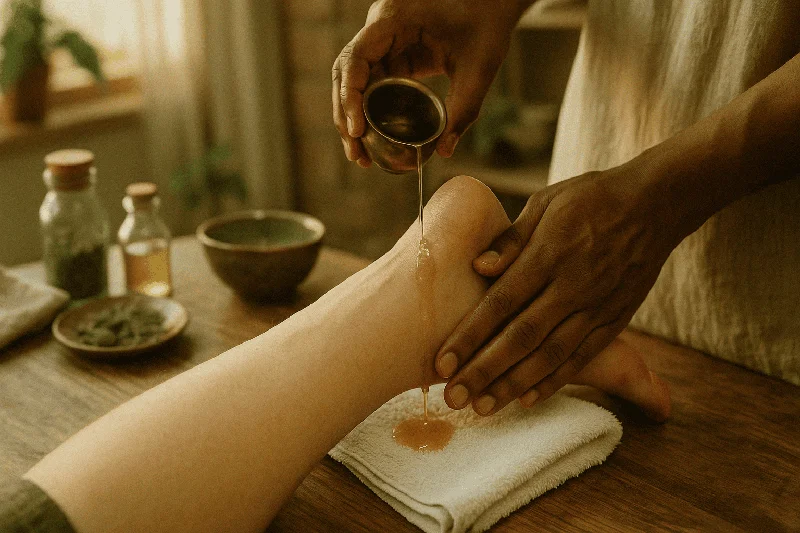
- Ayurvedic approaches like Abhyanga (oil massage), Agnikarma (thermal microcautery), and herbal anti-inflammatory formulations may provide symptomatic relief and complement conventional treatment.
- However, they should be used alongside — not instead of — evidence-based rehab exercises and biomechanical correction. Always consult a qualified practitioner.
Final Thoughts: Your Action Plan Starts Today
Plantar fasciitis is painful and frustrating — but it is treatable, and the odds are heavily in your favor. Over 90% of people recover without surgery when they commit to a structured approach.
Your immediate next steps:
- Start the seated plantar fascia stretch tomorrow morning before your feet hit the floor
- Assess your footwear — replace anything flat, worn-out, or unsupportive
- Begin the week-by-week protocol outlined above
- If symptoms persist beyond 6–8 weeks despite consistent effort, see an orthopedic specialist or sports medicine doctor
- Don't wait for it to "go away on its own." Early, proactive treatment shortens recovery time dramatically.
- Your feet carry you through every single day — they deserve the attention.
Scientific Sources
- The effectiveness of shockwave therapy on patellar tendinopathy, Achilles tendinopathy, and plantar fasciitis: a systematic review and meta-analysis — Charles R et al., 2023, Frontiers in immunology
- Plantar Fasciitis: An Updated Review — Tseng WC et al., 2023, Journal of medical ultrasound
- Platelet-rich plasma and corticosteroid injection for tendinopathy: a systematic review and meta-analysis — Ye Z et al., 2025, BMC musculoskeletal disorders
- Myofascial points treatment with focused extracorporeal shock wave therapy (f-ESWT) for plantar fasciitis: an open label randomized clinical trial — Tognolo L et al., 2022, European journal of physical and rehabilitation medicine
- The effectiveness of dry needling for plantar fasciitis: a systematic review and meta-analysis — Yang A et al., 2024, Frontiers in neurology
- The Relationship between Calcaneal Spur Type and Plantar Fasciitis in Chinese Population — Zhang L et al., 2020, BioMed research international
- Comparative Efficacy of 3D-Printed Insoles in Managing Common Foot Conditions: A Review — Chang MC et al., 2025, Medical science monitor : international medical journal of experimental and clinical research
- Anatomical features of plantar fasciitis in various age cohorts: Based on magnetic resonance imaging — Zhang L et al., 2023, Journal of orthopaedic surgery (Hong Kong)
- Musculoskeletal Ultrasound for the Diagnosis of Plantar Fasciitis: An Accuracy and Diagnostic Yield Study — Wang X et al., 2023, International journal of general medicine
- Development and Validation of a Novel Scoring System for Severity of Plantar Fasciitis — Yin MC et al., 2020, Orthopaedic surgery
- Comparative effectiveness of focused shock wave therapy of different intensity levels and radial shock wave therapy for treating plantar fasciitis: a systematic review and network meta-analysis — Chang KV et al., 2012, Archives of physical medicine and rehabilitation
- Comparative efficacy of six injection therapies for plantar fasciitis: a systematic review and network meta-analysis — Wang Z et al., 2026, International journal of surgery (London, England)
- A randomized controlled trial of a supervised self-administered program for chronic plantar fasciitis — Buttagat V et al., 2025, Chiropractic & manual therapies
- Effectiveness of Acupuncture Therapies to Manage Musculoskeletal Disorders of the Extremities: A Systematic Review — Cox J et al., 2016, The Journal of orthopaedic and sports physical therapy
- Clinical Study of a Four-Step Program for the Treatment of Plantar Fasciitis with Bone Spurs — Jiang L et al., 2024, Orthopaedic surgery
- Clinical efficacy of botulinum toxin type A in the treatment of fasciitis pain: A systematic review and meta-analysis — Li TT et al., 2023, Medicine
- The Effectiveness of Acupuncture on Myofascial Trigger Points Versus Traditional Chinese Medicine Acupoints for Treating Plantar Fasciitis With Low Back Pain: A Study Protocol for a Randomised Clinical Trial — Huang Z et al., 2025, Journal of pain research
- Clinical Efficacy of Application-Linked Stretching Ball as Digital Therapeutics in Plantar Fasciitis — Ryu SC et al., 2024, Journal of clinical medicine
- Selected Topical Agents Used in Traditional Chinese Medicine in the Treatment of Minor Injuries- A Review — Leung PC et al., 2016, Frontiers in pharmacology
- Small needle-knife versus extracorporeal shock wave therapy for the treatment of plantar fasciitis: A systematic review and meta-analysis — Feng C et al., 2024, Heliyon
Questions from users
Can I continue exercising with plantar fasciitis, and what modifications should I make?
Kennedy
5 days ago
Yes, you can keep exercising with plantar fasciitis, but make some tweaks! Opt for low-impact activities, like swimming or biking. If you wanna walk or run, try using well-cushioned shoes and don't forget those stretches—really helps. Rest and listen to your body; overdoing it might just make things worse.
Is dry needling effective for treating plantar fasciitis pain?
Quinn
14 days ago
Dry needling can be effective for plantar fasciitis pain by targeting trigger points in the calf and foot muscles, helping reduce tension. But remember, complete tissue healing takes time, like weeks to months, so it's not a quick fix. It can be part of a larger treatment plan, combined with other therapies for best results.
What is the role of diet in healing plantar fasciitis according to Ayurveda?
Isabella
25 days ago
In Ayurveda, diet plays a crucial role in healing plantar fasciitis by supporting balance in your body's doshas, especilly, Vata. You'd want foods that are warm, cooked, and grounding to reduce Vata dosha, like soups, stews, and whole grains. Avoid processed foods and excessive cold/raw foods, as they can aggravate Vata. Adjusting your diet can help with inflammation and support the healing process in a natural way. 😊
What is Pinda Sweda therapy and how does it help with foot pain?
Hudson
35 days ago
Pinda Sweda is a warm herbal poultice therapy. It's great for foot pain 'cause it boosts circulation and reduces stiffness. The heat and herbs work together to relax muscles and soothe pain. Its also helps balance the doshas and promotes overall joint health, so it kinda kick-starts recovery!
What are some anti-inflammatory snacks I can eat to help with plantar fasciitis discomfort?
Owen
45 days ago
For plantar fasciitis discomfort, try munching on snacks with anti-inflammatory properties. Almonds or walnuts are great, just remember moderation! Turmeric roasted chickpeas or ginger-infused warm teas can also be soothing. Avoid cold, raw foods like salads or dry snacks which may aggravate inflammation. Happy snacking!
What is the best time of day to perform Abhyanga for optimal relaxation and pain relief?
Abigail
55 days ago
The best time for Abhyanga is usually in the morning before shower or in the early evening. Morning helps energize you for the day, while evening can deeply relax you. If you can't fit it them, even a few minutes anytime can still be beneficial. Just ensure your digestion isn’t heavy at the time to avoid discomfort!
Is it safe to combine Ayurvedic treatments with conventional medicine for plantar fasciitis?
Rae
64 days ago
Combining Ayurvedic treatments with conventional medicine for plantar fasciitis can often be safe, but it's important to check with your doctor first. Some herbs might interact with medications, so having a healthcare provider oversee your treatment plan is a good idea. Keep an eye on how your body feels and adjust accordingly.
What is Ksheerabala oil and how does it help with plantar fasciitis?
Elijah
74 days ago
Ksheerabala oil is an ayurvedic oil that combines milk with bala herb. It's used to reduce stiffness and improve mobility, so it's helpful for plantar fasciitis by easing the tightness in the foot and enhancing movement. The healing of the tissues is also supported by its nourishing properties. Regular application can help balance your doshas and relieve discomfort.
What lifestyle changes can I make to prevent plantar fasciitis from recurring after treatment?
Makayla
150 days ago
To keep plantar fasciitis at bay, try to maintain a Vata-pacifying lifestyle: wear supportive footwear and avoid walking barefoot on hard surfaces. Gentle stretching of calves and feet is important. Eating warm, moist foods can also be helpful. And self-massage your feet with warm Mahanarayan oil occasionally too.
What precautions should I take when trying Pinda Sweda therapy at home to avoid injuries?
Ellie
159 days ago
When trying Pinda Sweda at home, make sure the poultice isn't too hot to prevent burns. Test the temperature on sensitive skin areas before applying. Ensure the herbs inside are evenly distributed and securely tied. Go gently on the application to avoid any strain. Also, maintain a calm, relaxed environment to enhance the therapy effectiveness.
Related articles

Yoga Therapy
Does Yoga Help in Weight Loss?
Discover how yoga helps in weight loss through effective poses, simple home routines, and Ayurvedic guidance. Ideal for beginners and women seeking natural results
1,744
Yoga Therapy
Feeling Blocked? How Yoga Poses for Constipation (Plus Ayurvedic Tips) Can Seriously Help
Constipation isn't just annoying — it's exhausting. You sit, you wait, you sigh, you maybe check your phone. Again. And still... nothing. It messes with your mood, your energy, even how your clothes feel. And let’s be real — nobody wants to talk about it.
2,357

Yoga Therapy
Finding Your Dosha's Meditation Fit
Understanding your dosha (Vata, Pitta, or Kapha) is essential for tailoring Meditation and Pranayama practices to your unique physical and mental state.
2,445
Yoga Therapy
Discover Abhyanga: A Healing Massage
Abhyanga is a traditional Ayurvedic self-massage practice using warm oils to support holistic physical and mental well-being.
2,428

Yoga Therapy
What Is Ashtanga Yoga: Meaning, Structure, and Yogic Benefits
What is Ashtanga Yoga? Learn its meaning, steps, poses, and benefits. Explore how this eight-limbed path supports health, balance, and inner awareness
6,701

Yoga Therapy
Yoga Therapy: Daily Practice for Healing and Well-Being
Explore yoga therapy and its daily benefits. Improve posture, flexibility, mental clarity, and reduce chronic pain through this holistic healing practice
2,168

Yoga Therapy
What Is Somatic Yoga? Meaning, Benefits & Poses
Let’s be honest — the name sounds a little technical, right? The word somatic itself comes from the Greek word soma, meaning “the body.” But in practice, somatic yoga is a whole different vibe than what most of us picture when we think about yoga.
2,301

Yoga Therapy
What Is Bhujangasana: Meaning, Procedure, and Yoga Benefits
What is Bhujangasana and how is it done? Learn the correct steps, benefits, and procedure of this yoga pose, also known as Cobra Pose, with Ayurvedic insight
6,616

Yoga Therapy
What Is Makarasana: Meaning, Steps, Benefits, and Yoga Practice
Learn what is makarasana and how to do it. Discover makarasana pose benefits, yoga meaning, steps, variations, and precautions for better results
3,955
Related questions on the topic
Legal
Additional Documents
© 2024 Ask Ayurveda. All rights reserved.