FREE! Ask Ayurvedic Doctors 24/7

 Fast responses
 1000+ verified doctors
Discover Abhyanga: A Healing Massage
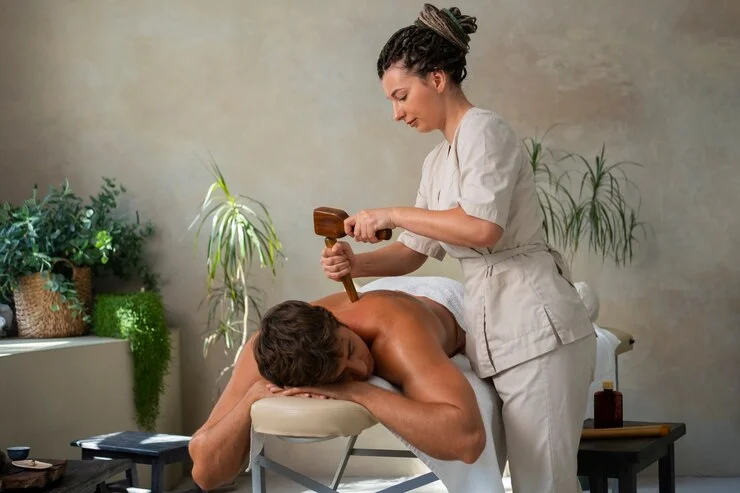
Abhyanga is a traditional Ayurvedic full-body massage performed with warm herbal oils, designed to nourish the skin, calm the nervous system, and restore balance across your physical, mental, and emotional health. Rooted in ancient Indian medicine and described in classical texts dating back over 3,000 years, Abhyanga is far more than a spa indulgence — it is a therapeutic practice (chikitsa) and a foundational element of the Ayurvedic daily routine known as Dinacharya.
Whether you're seeking relief from chronic stress, joint stiffness, or simply want to build a deeper self-care ritual, this guide covers everything: history, science, technique, oils, contraindications, and how to practice Abhyanga at home. Let's dive in.
What Is Abhyanga? Origin, Meaning & Ayurvedic Roots
The word Abhyanga comes from the Sanskrit root "abhi" (meaning "into" or "towards") and "anga" (meaning "limb" or "body"). Literally translated, it means "massaging the limbs" or "rubbing oil into the body." But this translation barely captures the depth of the practice.
- In Ayurveda, Abhyanga is considered a form of Snehana (oleation therapy) — one of the most important preparatory procedures in Panchakarma, the five-fold Ayurvedic detoxification system.
- The word sneha itself carries a double meaning in Sanskrit: it means both "oil" and "love." This is no coincidence. The ancient Ayurvedic physicians understood that the act of applying warm oil to the body is, at its core, an act of self-love and deep nourishment.
The Ancient Texts Behind Abhyanga
Abhyanga is not a modern wellness trend. It has been systematically documented across the three foundational texts of Ayurveda — the Brhat Trayi (Great Triad):
- Charaka Samhita (circa 300 BCE – 200 CE): Describes Abhyanga as part of Dinacharya (daily regimen). Charaka states that regular oil massage leads to softness and strength of the body, improved vision, resistance to disease, and longevity. He specifically recommends daily Abhyanga for the head, ears, and feet.
- Sushruta Samhita (circa 600 BCE): Emphasizes Abhyanga's role in surgical recovery and wound healing. Sushruta recommends specific oils for post-operative care and musculoskeletal rehabilitation.
- Ashtanga Hridaya by Vagbhata (circa 7th century CE): Provides the most detailed daily protocol.
- Vagbhata writes: "One who practices Abhyanga daily is not affected by old age, exertion, or Vata disorders."
These texts also appear in the Laghutrayi (Lesser Triad), including the works of Sharngadhara, Bhavaprakasha, and Madhava Nidana, which further elaborate on oil formulations and therapeutic applications.
How Abhyanga Evolved Over Millennia
- Originally, Abhyanga was prescribed exclusively by Vaidyas (Ayurvedic physicians) as part of a comprehensive treatment plan.
- It was not a standalone relaxation technique — it was medicine. Over centuries, as Ayurveda became woven into Indian household culture, the practice transitioned into a daily self-care ritual performed at home. In South India, infant Abhyanga (called Shishu Abhyanga) has been a household tradition for generations, with grandmothers massaging newborns daily with coconut or sesame oil.
Today, Abhyanga exists on a spectrum — from clinical Panchakarma therapy in Ayurvedic hospitals to the simple morning self-massage you can do in your own bathroom.
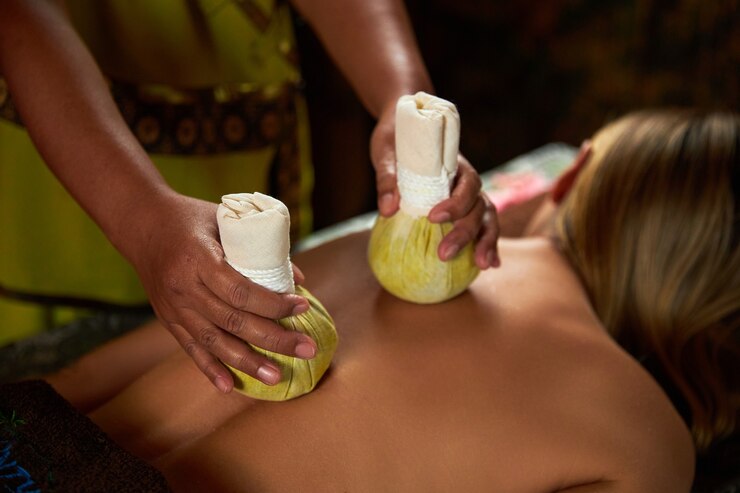
What Is Abhyanga Good For? Key Benefits Explained
- The benefits of Abhyanga are both extensive and well-documented in Ayurvedic literature, and increasingly supported by modern research.
- Here's what the practice delivers:
Physical Benefits
- Improved blood circulation: The rhythmic, directional strokes of Abhyanga stimulate blood flow to all tissues (Dhatus), enhancing oxygen and nutrient delivery. A 2011 study published in the Journal of Ayurveda and Integrative Medicine found that Abhyanga significantly improved peripheral circulation in participants.
- Lymphatic drainage and detoxification: The massage strokes follow the direction of lymph flow, helping to move lymph fluid and clear metabolic waste (referred to as Ama in Ayurveda). This supports the body's natural detoxification pathways.
- Joint health and flexibility: Warm oil penetrates into the joints and connective tissues, reducing stiffness and improving range of motion. When combined with Janu Basti (a localized oil pooling technique for the knees), Abhyanga becomes particularly powerful for arthritis and chronic knee pain.
- Skin nourishment and anti-aging: Regular oil application creates a protective lipid barrier on the skin, combating dryness, improving elasticity, and slowing visible signs of aging. The Ayurvedic texts describe this as nourishing the Bhrajaka Pitta (the subdosha governing skin luster).
- Better sleep quality: A 2019 study involving healthy adults showed that participants who practiced self-Abhyanga before bedtime experienced improved sleep onset and overall sleep quality compared to a control group.
Mental & Emotional Benefits
- Stress reduction and cortisol regulation: A 2017 study on Abhyanga-like massage techniques demonstrated measurable reductions in salivary cortisol levels and subjective stress ratings. The warm oil and repetitive strokes activate the parasympathetic nervous system (the "rest and digest" response), lowering heart rate and blood pressure.
- Emotional release and healing: Many practitioners — and this isn't something most guides talk about — report experiencing spontaneous emotional releases during or after Abhyanga sessions. Tears, a deep sense of relief, unexpected calmness. Ayurveda recognizes that unprocessed emotions can become stored in the body's tissues (particularly in muscle fascia and adipose tissue). The deep, slow massage helps release these held patterns.
- Hormonal balance and fertility support: By regulating cortisol and supporting the endocrine system, Abhyanga can positively influence reproductive hormones. Chronic stress is a well-known disruptor of menstrual regularity and fertility — reducing that stress through daily Abhyanga creates a more favorable hormonal environment.
Neurological Benefits
- Nerve nourishment (Vata pacification): In Ayurveda, the nervous system is governed by Vata dosha. Oil is considered the primary antidote to Vata's dry, cold, mobile qualities. Abhyanga literally coats and nourishes the nerve endings throughout the skin — the body's largest sensory organ.
- Improved proprioception and body awareness: The systematic touch across every body part enhances interoceptive awareness, which modern neuroscience links to better emotional regulation and reduced anxiety.
What Is the Difference Between Abhyanga and Regular Massage?
This is one of the most common questions people ask, and the distinction is genuinely important.
| Feature | Abhyanga (Ayurvedic Oil Massage) | Regular Body Massage (Spa/Swedish) |
|---|---|---|
| Primary goal | Therapeutic healing, dosha balance, detoxification | Relaxation, muscle tension relief |
| Oil usage | Central element — warm, medicated/herbal oils used generously | Minimal or optional; often lotions or light oils |
| Customization | Based on individual Prakriti (constitution) and Vikriti (imbalance) | Generally standardized techniques |
| Direction of strokes | Follows specific Ayurvedic principles: circular on joints, long strokes on limbs | Varies by modality |
| Holistic scope | Addresses physical, mental, emotional, and spiritual layers | Primarily physical |
| Roots | Medical system (Ayurveda) with 3,000+ years of documentation | Various modern and historical traditions |
| Post-massage protocol | Steam therapy (Svedana), warm bath, specific diet | No specific protocol |
| Professional format | Often performed by two therapists simultaneously (four-hand massage) | Usually one therapist |
In short: a spa massage is a service. Abhyanga is a medical therapy with a philosophical framework.
Abhyanga Oils: How to Choose by Dosha and Season
The choice of oil is not incidental in Abhyanga — it's central to the therapy's effectiveness. The oil acts as both a vehicle (carrying medicinal properties into the tissues) and a therapeutic agent itself.
Oils by Dosha (Body Constitution)
| Dosha | Recommended Oils | Properties Needed |
|---|---|---|
| Vata (dry, cold, light) | Sesame oil (tila taila), Ashwagandha oil, Bala oil, Mahanarayan oil | Warm, heavy, grounding, nourishing |
| Pitta (hot, sharp, oily) | Coconut oil, Sunflower oil, Brahmi oil, Neem oil | Cooling, soothing, anti-inflammatory |
| Kapha (heavy, cold, damp) | Mustard oil, Safflower oil, Calamus-infused oil | Light, warming, stimulating |
If you don't know your dosha, organic cold-pressed sesame oil is considered the universal default in Ayurveda — it's warming, deeply penetrating, and suitable for most constitutions, especially in cooler months.
Seasonal Recommendations (Ritucharya)
This is an area almost no one covers, but it's critical for getting the most from your practice.
- Winter (Hemanta & Shishira Ritu): Use heavier, warming oils — sesame, almond, or medicated Mahanarayan oil. Apply generously. Vata aggravation is highest in winter, so daily Abhyanga is most essential during this period.
- Summer (Grishma Ritu): Switch to cooling oils — coconut oil or sunflower oil. Use a lighter amount. The goal is to cool Pitta without creating excess oiliness.
- Monsoon/Rainy Season (Varsha Ritu): Vata becomes highly aggravated again due to the cold, damp environment. Warm sesame oil or medicated oils infused with Dashamoola (ten roots formula) work well. Avoid coconut oil during rainy season as its cooling nature can worsen Vata.
- Spring (Vasanta Ritu): Kapha accumulates. Use lighter, slightly warming oils like mustard or safflower. Dry powder massage (Udvartana) may be preferred over oil Abhyanga during heavy Kapha imbalance.
How to Make Herb-Infused Oil at Home
You can elevate your Abhyanga practice by preparing your own medicated oil.
Here's a simple method:
- Take 1 cup of base oil (sesame or coconut depending on your dosha)
- Add 1 tablespoon each of: turmeric powder, dried basil leaves, and a few whole cloves
- Optional additions: Brahmi (waterhyssop), lotus root powder, or Ashwagandha powder
- Heat the mixture on the lowest flame for 20-25 minutes — do not let it boil or smoke
- Strain through a fine muslin cloth into a glass jar
- Store in a cool, dark place. Use within 30 days
This herb-infused oil carries additional anti-inflammatory, calming, and skin-nourishing properties compared to plain base oil.
What Are the 7 Steps of Abhyanga? Self-Massage at Home
- Practicing Abhyanga at home is simpler than most people think.
- Here is a detailed, step-by-step guide:
Step 1: Prepare the Oil
- Warm approximately ½ cup (120 ml) of oil by placing the bottle in a bowl of hot water for 5-10 minutes.
- The oil should be comfortably warm — not hot. Test it on the inside of your wrist before applying.
Step 2: Start with the Scalp and Head
Pour about 1 tablespoon of warm oil onto your scalp. Massage in circular motions with your fingertips, covering the entire scalp. This calms the mind immediately and is considered the single most important area in Abhyanga.
Step 3: Move to the Face and Ears
- Apply a small amount of oil to your face using gentle upward strokes.
- Don't forget the ears — in Ayurveda, the ear canals are considered a primary site of Vata, and oiling them helps reduce anxiety and tinnitus.
Step 4: Massage the Neck, Shoulders and Arms
- Use long, sweeping strokes (called Dirgha movements) on the long bones of your arms. Use circular motions on the shoulder joints and elbow joints.
- The general rule: long strokes on straight areas, circles on joints.
Step 5: Massage the Chest, Abdomen and Back
Use broad, clockwise circular motions on the abdomen — this follows the direction of the colon and supports digestion. For the chest, use gentle open-palm strokes outward from the sternum. Reach as much of your back as you can.
Step 6: Massage the Legs and Knees
Similar to the arms: long strokes on the thighs and calves, circular motions on the knee and ankle joints. Pay extra attention to knees if you have any stiffness or Vata-related joint pain.
Step 7: Finish with the Feet
The feet are critically important. Ayurvedic tradition holds that massaging the feet stimulates vital energy points (Marma points) connected to every organ system. Use about 1 tablespoon of oil per foot. Massage each toe individually, then use your thumbs to press firmly along the sole.
Oil Quantities by Zone
| Body Zone | Approximate Oil Needed |
|---|---|
| Scalp and head | 1–1.5 tablespoons |
| Face and ears | ½ tablespoon |
| Neck, shoulders, arms, hands | 2 tablespoons |
| Chest, abdomen, back | 2–3 tablespoons |
| Legs, knees, ankles | 2–3 tablespoons |
| Feet | 1–2 tablespoons |
| Total | ½ cup (approx. 120 ml) |
- After the massage: Allow the oil to soak in for 15-20 minutes. Then take a warm (not hot) bath or shower.
- Use a mild soap only on necessary areas — let the oil remain on the skin where possible for continued absorption.
Professional Abhyanga Treatment: What Actually Happens?
- While self-Abhyanga is valuable for daily practice, a professional Abhyanga session is a substantially different experience. Most competitors describe self-massage in detail but leave the professional procedure vague.
- Here's what actually happens:
Before the Session
A qualified Ayurvedic physician (Vaidya) conducts a Prakriti and Vikriti assessment — evaluating your constitutional type and current imbalances through pulse diagnosis (Nadi Pariksha), tongue examination, and detailed health history. Based on this, they prescribe the specific oil, pressure level, and focus areas.
During the Session
A standard professional Abhyanga lasts approximately 60 minutes (50-55 minutes of massage plus 5-10 minutes of steam therapy). In traditional clinical settings, it is often performed by two therapists working in synchronized tandem — known as four-hand Abhyanga. This creates a deeply meditative, almost hypnotic experience as both sides of the body receive simultaneous attention.
The sequence typically follows:
- 1.Seated position: Head, scalp, and face massage
- 2.Supine (lying face up): Front of body — chest, abdomen, arms, legs, feet
- 3.Lateral positions (both sides): Hip and side body work
- 4.Prone (lying face down): Back, shoulders, posterior legs
- 5.Svedana (steam therapy): The patient sits in an herbal steam chamber (head exposed) for 10-15 minutes. The heat opens the channels (Srotas) and drives the oil deeper into the tissues
The therapists use varying pressure — lighter on bony prominences and sensitive areas, deeper on muscular regions. Strokes are always directed towards the heart to support venous return, and circular on all joint areas to improve synovial fluid circulation.
After the Session
Patients are advised to rest for 30 minutes, drink warm water, and eat a light, easily digestible meal. Heavy exercise and cold exposure should be avoided for at least 2-3 hours.
How to Choose a Clinic for Abhyanga
If you're seeking professional treatment, look for:
- ✅ BAMS or MD (Ayurveda) certified physicians on staff
- ✅ Individual dosha assessment before treatment begins
- ✅ Use of authentic, cold-pressed or medicated oils (not synthetic or paraffin-based)
- ✅ Clean, well-maintained treatment rooms
- ✅ Post-treatment guidance on diet and lifestyle
Abhyanga Massage Price
- The cost varies significantly by location, clinic type, and oil quality.
- In India, expect to pay:
- ₹800–₹2,000 for a standard session at a local Ayurvedic center
- ₹2,500–₹5,000 at a premium wellness resort or Panchakarma clinic
- ₹5,000–₹15,000+ at luxury Ayurvedic resorts (Kerala, Rishikesh, Coimbatore)
Factors affecting pricing: therapist qualifications, type of medicated oil used, session duration, and whether Svedana is included.
Abhyanga for Different Age Groups
- Another gap in most guides.
- Abhyanga is not a one-size-fits-all practice — it should be adapted across the lifespan.
For Infants and Children (Shishu Abhyanga)
- In India, baby massage is a deeply ingrained cultural practice. Infants as young as 2 weeks old receive daily oil massage from mothers or grandmothers. Research published in Indian Pediatrics journal has shown that regular oil massage in neonates improves weight gain, sleep patterns, and neurodevelopmental outcomes.
- For infants, use light, gentle oils — coconut oil in summer, sesame in winter. The strokes should be extremely gentle, using only fingertip pressure.
For the Elderly
- Abhyanga is arguably most beneficial for seniors.
- As we age, Vata naturally increases — leading to dry skin, joint stiffness, insomnia, and anxiety. Regular Abhyanga with warm sesame or Mahanarayan oil directly counteracts these changes. Use moderate pressure and extend the duration on joints. Always ensure the room is warm and the person is comfortable.
During Pregnancy
Gentle Abhyanga can be beneficial during the second and third trimesters, using mild oils like coconut or almond. Avoid deep abdominal massage and strong medicated oils. Always consult an Ayurvedic physician before starting Abhyanga during pregnancy. Many traditional formulations contain herbs that may not be suitable.
Best Time of Day for Abhyanga Practice
Morning Abhyanga (Recommended by Classical Texts)
- The traditional texts unanimously recommend Abhyanga as a morning practice, before bathing. Vagbhata specifically places it in the pre-dawn Dinacharya routine.
- Morning Abhyanga:
- Prepares the body for the day's activities
- Stimulates Agni (digestive fire)
- Increases alertness while maintaining groundedness
- Clears overnight Ama accumulation
Evening Abhyanga
While not the classical recommendation, evening Abhyanga (1-2 hours before sleep) has distinct advantages:
- Superior for insomnia and sleep disorders
- More practical for people with early morning work schedules
- Enhanced relaxation effect when combined with warm milk and calming herbs
The honest truth? The best time for Abhyanga is the time you'll actually do it consistently. A regular evening practice is far more valuable than an occasional morning one.
The Science: How Abhyanga Works at a Physiological Level
Understanding the mechanisms helps build confidence in the practice:
Transdermal absorption: The skin is not an impermeable barrier. Lipid-soluble compounds in sesame and coconut oil can penetrate the stratum corneum and reach the dermis within 20 minutes. A 2018 study on sesame oil showed that its bioactive compounds (sesamin, sesamolin) demonstrate measurable anti-inflammatory and antioxidant activity when applied topically. Fascial release: The sustained pressure and oil application during Abhyanga works on the body's fascial network — the continuous web of connective tissue that surrounds every muscle, organ, and nerve. Fascial restrictions contribute to chronic pain, reduced mobility, and even emotional tension. The warm oil and slow strokes help "unstick" fascial adhesions. Neuroendocrine effects: Slow, rhythmic touch activates C-tactile afferent nerve fibers in the skin, which communicate directly with the insular cortex of the brain — the region involved in emotional processing and interoception. This triggers oxytocin release, reduces cortisol output, and shifts the autonomic nervous system toward parasympathetic dominance. Lymphatic stimulation: Unlike blood, lymph has no pump — it relies on muscle contraction and external pressure to circulate. The directional strokes of Abhyanga provide this external force, supporting immune function and waste removal through the lymphatic system.
Who Should Avoid Abhyanga? Contraindications & Side Effects
Abhyanga is generally very safe, but there are specific situations where it should be avoided or modified:
- Fever or acute infection: Oil massage can trap heat and worsen fever
- Acute indigestion or immediately after meals: Wait at least 2 hours after eating
- During menstruation: Many Ayurvedic traditions advise against full-body Abhyanga during the first 2-3 days of menstrual flow (gentle foot massage is generally acceptable)
- Skin conditions with open wounds, oozing, or active infection: Oil can trap bacteria and worsen the condition
- Deep vein thrombosis (DVT) or blood clots: Massage can dislodge clots
- During chemotherapy or radiation: Consult your oncologist and Ayurvedic doctor before proceeding
- Severe Kapha imbalance or congestion: Excessive oiliness can aggravate Kapha — dry massage (Udvartana) may be more appropriate
- Immediately after Panchakarma purging therapies (Vamana/Virechana): The body needs rest
Side Effects of Abhyanga Massage
- True side effects are rare when the practice is done correctly.
- However, some people may experience:
- Mild skin breakouts in the first week (as toxins are mobilized)
- Feeling unusually tired or emotional after the first few sessions (this is part of the detox process)
- Allergic reactions to specific oils or herbs — always do a patch test first
Frequently Asked Questions About Abhyanga
How Abhyangam treatment works?
Abhyanga works through three simultaneous mechanisms: the thermal effect of warm oil opening the skin's pores and channels (Srotas), the pharmacological effect of medicated herbs absorbing through the skin, and the mechanical effect of massage strokes stimulating blood flow, lymph drainage, and nerve endings. Together, these three actions create a comprehensive healing response that Ayurveda describes as pacifying Vata, nourishing the seven Dhatus (tissues), and clearing Ama (toxins).
Who should take Ayurvedic Abhyangam treatment?
Anyone seeking to manage stress, improve sleep, relieve chronic pain, enhance skin health, or maintain general well-being can benefit from Abhyanga. It is especially recommended for people with Vata-predominant constitutions, those over 50, individuals recovering from illness or surgery, people with sedentary lifestyles, and anyone experiencing anxiety or nervous system dysregulation.
Can Abhyanga help with muscle fatigue, tiredness, and body aches?
Yes. Abhyanga is specifically indicated in Ayurvedic texts for Shrama (fatigue) and Angamarda (body ache). The warm oil penetrates muscle tissue, improves local circulation, reduces inflammatory markers, and relieves fascial tension. For chronic fatigue and widespread body pain, a 21-day course of daily Abhyanga is traditionally recommended.
How often should I practice Abhyanga?
Ideally, daily — as recommended by the classical texts. If daily practice isn't feasible, aim for at least 3-4 times per week. Even once a week delivers noticeable benefits over time. Consistency matters far more than perfection.
Can I eat before Abhyanga?
Avoid Abhyanga on a full stomach. Wait at least 1.5–2 hours after a meal. Practicing on an empty stomach or after light food is best.
Final Thoughts: Making Abhyanga Part of Your Life
- Abhyanga is one of the most accessible, affordable, and profoundly effective practices Ayurveda offers.
- It requires no special equipment — just warm oil, your own two hands, and 15-20 minutes of intentional self-care. The ancient Vaidyas placed it at the very foundation of daily health for good reason: it works.
- Start simple. Choose one oil appropriate for your dosha. Set aside time three mornings per week.
- Follow the seven steps.
- Notice what shifts — in your skin, your sleep, your stress levels, your mood.
And if you want to experience the full depth of what Abhyanga can offer, seek out a qualified Ayurvedic practitioner for a professional session. The difference between reading about Abhyanga and actually lying on a warm wooden table while medicated oil is worked into every joint and muscle of your body — that difference is something words can't fully convey.
Your body has been carrying you through everything. It deserves this.
Scientific Sources
- Ayurveda management of cystocele, uterine prolapse and weak pelvic floor strength-A case report — Muraleedharan KL et al., 2023, Journal of Ayurveda and integrative medicine
- Ayurvedic Stress Management: Balancing Mind Body in Men Women — Swaroop A, 2025, Advances in mind-body medicine
- Ayurveda management of pulmonary mycosis: an integrative approach: a case report — Shankar P et al., 2023, Journal of medical case reports
- Role of Shirodhara and Abhyanga on serum cortisol in Anxiety - A case report — Sharma A et al., 2025, Journal of Ayurveda and integrative medicine
- Traumatic Optic Neuropathy (TON) and Ayurveda - A case report — Bhat PM, 2022, Journal of Ayurveda and integrative medicine
- Shirodhara: A psycho-physiological profile in healthy volunteers — Dhuri KD et al., 2013, Journal of Ayurveda and integrative medicine
- Adjuvant Ayurvedic Management in Coronary Artery Disease with Coronary Microvascular Dysfunction — Kulkarni SP, 2025, Journal of visualized experiments : JoVE
- Ayurvedic approach for management of Wilson's disease: A case report — Kumar T et al., 2020, Journal of Ayurveda and integrative medicine
- Ayurveda management of Major Depressive Disorder: A case study — Tubaki BR et al., 2021, Journal of Ayurveda and integrative medicine
- Pilot study investigating the effects of Ayurvedic Abhyanga massage on subjective stress experience — Basler AJ, 2011, Journal of alternative and complementary medicine (New York, N.Y.)
- Exploratory study on the ayurvedic therapeutic management of cerebral palsy in children at a tertiary care hospital of karnataka, India — Shailaja U et al., 2014, Journal of traditional and complementary medicine
- Traditional infant oil massage in early life: a cross-sectional study of knowledge and practices among young mothers in Malappuram district, Kerala — Panicker KR et al., 2026, Frontiers in medicine
- A holistic approach to the management of Erb's palsy — Srilakshmi D et al., 2013, Journal of Ayurveda and integrative medicine
- Ayurvedic management of postlumbar myelomeningocele surgery: A case study — Butali S et al., 2014, Ancient science of life
- Management of spastic cerebral palsy through multiple Ayurveda treatment modalities — Bhinde SM et al., 2014, Ayu
- Role of Virechana Karma in cure and prevention of recurrence of Vicharchika (Eczema) — Kaur M et al., 2012, Ayu
- Ayurveda management of Guillain-Barre syndrome: A case report — Tubaki BR et al., 2020, Journal of Ayurveda and integrative medicine
- Clinical study on the efficacy of Rajayapana Basti and Baladi Yoga in motor disabilities of cerebral palsy in children — Shailaja U et al., 2014, Ayu
- A Clinical study of Matra Vasti and an ayurvedic indigenous compound drug in the management of Sandhigatavata (Osteoarthritis) — Shah MR et al., 2010, Ayu
- Trividha Snehapaka of Panchagavya Ghrita: A critical comparative evaluation — Jirankalgikar NM et al., 2013, Journal of Ayurveda and integrative medicine
Ask Ayurvedic doctor a question and get a consultation online on the problem of your concern in a free or paid mode.
More than 2,000 experienced doctors work and wait for your questions on our site and help users to solve their health problems every day.
Related articles