FREE! Ask Ayurvedic Doctors 24/7

 Fast responses
 1000+ verified doctors
Appendix Treatment in Ayurveda: A Natural Path to Healing
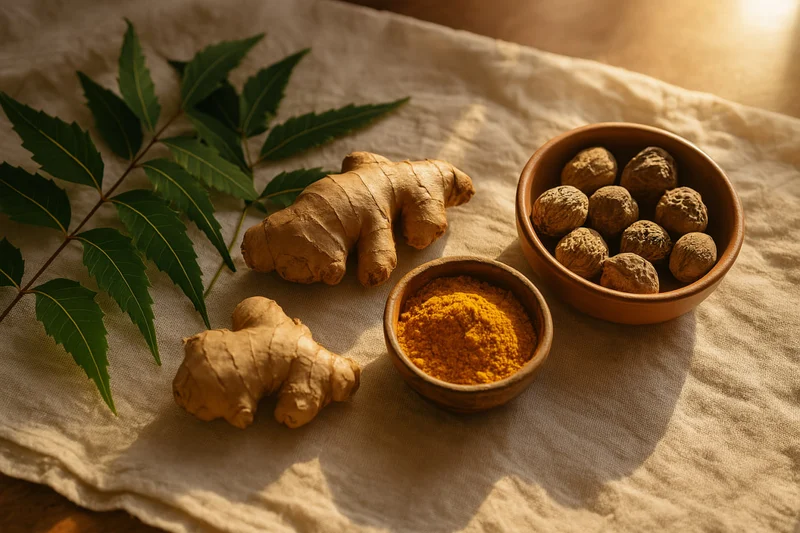
Appendicitis doesn't always have to end on an operating table. Ayurveda offers a time-tested, holistic approach to managing appendicitis — particularly chronic and early-stage cases — by addressing the root cause: dosha imbalance, weakened digestive fire (Agni), and toxic buildup (Ama). A 2023 case report published on PubMed documented a patient whose inflamed appendix shrank from 9 mm to less than 4 mm within just two weeks of Ayurvedic treatment, with the pain index dropping from 8 to 0. While surgery remains necessary for perforated or complicated appendicitis, Ayurvedic treatment for appendix can be remarkably effective when applied correctly and at the right stage.
This comprehensive guide covers everything you need to know — from understanding the condition through the Ayurvedic lens, to specific herbs, Panchakarma therapies, dietary changes, yoga practices, and a clear protocol for when Ayurveda is appropriate and when it's not.
What Is Appendicitis? Understanding the Condition
Appendicitis is the inflammation of the vermiform appendix, a small, finger-shaped pouch attached to the large intestine at the junction of the small and large bowel (the cecum). Though the appendix was long considered a vestigial organ, modern research suggests it plays a role in gut immunity and harbors beneficial bacteria.
When the appendix becomes blocked — by hardened stool (fecaliths), mucus, parasites, or enlarged lymph tissue — bacteria multiply rapidly inside. This leads to swelling, infection, and if untreated, potential rupture. It's one of the most common surgical emergencies worldwide, affecting roughly 7-8% of the population at some point during their lifetime.
Anatomy of the Appendix
- The appendix is located in the right lower quadrant of the abdomen, near McBurney's point (a spot one-third of the way from the right hip bone to the navel). It typically measures 5-10 cm in length.
- Its position can vary — retrocecal, pelvic, or subcecal — which is why appendicitis symptoms sometimes mimic other conditions like kidney stones or ovarian cysts.
Acute vs Chronic Appendicitis
Understanding the difference is critical because it directly affects whether Ayurvedic treatment is appropriate:
| Feature | Acute Appendicitis | Chronic Appendicitis |
|---|---|---|
| Onset | Sudden, within hours | Gradual, recurring over weeks/months |
| Pain severity | Severe, escalating | Mild to moderate, intermittent |
| Risk of rupture | High (within 48-72 hours) | Low |
| Fever | Often high (>101°F) | Low-grade or absent |
| Ayurvedic treatment | Usually NOT recommended as primary treatment | Highly suitable |
| Surgery needed | Often yes | Rarely |
- Chronic appendicitis involves repeated mild inflammation that partially resolves on its own.
- This is precisely where Ayurveda shines — it can fully resolve chronic cases and prevent progression to acute episodes.
Causes of Appendicitis
Physical Causes: Obstruction, Infection, and Tumors
- The most common trigger is luminal obstruction — something physically blocks the inside of the appendix.
- This includes:
- Fecaliths (hardened stool particles) — the single most common cause
- Lymphoid hyperplasia — swelling of immune tissue, often after viral infections
- Intestinal parasites (worms)
- Foreign bodies or undigested seeds
- Tumors — rare but possible, especially carcinoid tumors
Once blocked, bacteria proliferate, the appendix wall swells, blood supply gets compromised, and necrosis can begin within 24-72 hours in acute cases.
Ayurvedic Perspective: The Role of Dosha Imbalance, Agni, and Ama
Ayurveda doesn't view appendicitis as merely an anatomical problem. It's a systemic disorder rooted in three interconnected imbalances:
1. Mandagni (Weakened Digestive Fire)
When Agni — the digestive fire responsible for breaking down food and eliminating waste — becomes sluggish, food is incompletely digested. This creates Ama (metabolic toxins), which accumulates in the GI tract and clogs channels (srotas).
2. Ama (Toxic Accumulation)
Ama is sticky, heavy, and foul-smelling. It coats the intestinal lining, obstructs the appendiceal lumen, and creates a breeding ground for infection. Think of it as Ayurveda's explanation for why fecaliths and mucus plugs form in the first place.
3. Dosha Imbalance
- Pitta aggravation — causes the inflammatory component: heat, redness, swelling, fever
- Vata aggravation — responsible for the sharp, colicky pain and bloating
- Kapha aggravation — leads to mucus buildup, obstruction, and abscess formation
This tridoshic involvement explains why Ayurvedic treatment must address all three doshas, not just suppress symptoms.
Appendicitis in Ayurveda: The Concept of Vidradhi
Classical Ayurvedic texts don't use the word "appendicitis" directly, but they describe the condition under the concept of Vidradhi — a term for abscess formation in the body.
Bahya Vidradhi (External Abscess)
These are abscesses that form on the body's surface — in skin, muscle, or subcutaneous tissue. They are visible, palpable, and generally easier to treat. While relevant to general Ayurvedic surgery (Shalya Tantra), they are not directly related to appendicitis.
Abhyantara Vidradhi (Internal Abscess) and Its Link to Appendicitis
- Abhyantara or Antar Vidradhi refers to abscesses forming inside the body — in organs and internal cavities.
- Acharya Sushruta classified these based on the dosha involved:
- Vataja Vidradhi — extremely painful, dark-colored, irregular shape
- Pittaja Vidradhi — associated with fever, burning sensation, yellow pus
- Kaphaja Vidradhi — slow-growing, pale, with thick white discharge
- Sannipataja Vidradhi — involving all three doshas, most severe
Appendicitis, being an internal abscess of the cecal region, falls squarely under Antar Vidradhi. This classification is clinically useful because it guides the choice of herbs and therapies based on which dosha is predominantly involved.
Symptoms of Appendicitis: When to Recognize the Warning Signs
Early Symptoms
- Appendicitis typicaly begins with vague discomfort around the navel. Over 12-24 hours, the pain migrates to the right lower abdomen and becomes sharper.
- Other early signs include:
- Dull ache around the umbilicus that shifts to the right iliac fossa
- Loss of appetite (often the first symptom)
- Mild nausea
- Low-grade fever (99-100°F)
- Constipation or, less commonly, diarrhea
- Abdominal bloating and gas
In chronic appendicitis, these symptoms come and go. Patients often describe "episodes" lasting a few hours to a couple of days, then subsiding — only to return weeks later.
Red Flags — When You Must Seek Emergency Care
This section could save your life. Ayurvedic treatment is NOT appropriate when any of the following signs are present:
- Sudden, severe pain spreading across the entire abdomen (suggests perforation)
- Rebound tenderness — pain worsens when you press and release the abdomen
- Rigid, board-like abdomen — a sign of peritonitis
- High fever (>103°F) with chills
- Inability to pass gas or stool combined with vomiting
- Tachycardia (rapid heart rate >100 bpm) with pallor
- Symptoms in pregnant women — atypical presentation, high risk
If any of these red flags appear, go to the emergency room immediately. A ruptured appendix can cause life-threatening peritonitis within hours. No herbal remedy can replace emergency surgery in these situations.
Ayurvedic Treatment for Appendicitis: A Complete Protocol
Stage-by-Stage Treatment Plan
- No competitor offers a clear, time-bound protocol.
- Here's a practical framework based on Ayurvedic principles:
Phase 1: First 24-48 Hours (Acute Symptom Management)
- Complete rest; avoid all solid food
- Sip warm water with fresh ginger juice (1 tsp ginger juice in 1 cup warm water, every 2 hours)
- Apply castor oil pack on the right lower abdomen (warm, not hot)
- Begin herbal decoctions: Guduchi + Haridra kwath (decoction)
- Monitor symptoms closely — if pain escalates, seek medical evaluation
Phase 2: Days 3-14 (Active Healing)
- Introduce khichdi (rice + mung dal) as primary food
- Start full herbal protocol (detailed below)
- Panchakarma therapies if available
- Gentle walking only; no strenuous activity
Phase 3: Week 3 Onwards (Recovery & Prevention)
- Gradually reintroduce normal diet
- Continue maintenance herbs (Triphala, Guduchi)
- Begin yoga practice
- Focus on long-term Agni strengthening
Herbal Remedies for Appendicitis
These are the most effective Ayurvedic herbs for appendicitis, supported by classical texts and clinical experience:
Haridra (Turmeric — Curcuma longa)
Turmeric's active compound curcumin is a potent anti-inflammatory and antimicrobial agent. Multiple studies confirm its ability to inhibit NF-κB pathway, the master switch of inflammation. For appendicitis, take 1 tsp turmeric powder mixed with warm milk or water, twice daily. For enhanced absorption, add a pinch of black pepper (Pippali).
Giloy / Guduchi (Tinospora cordifolia)
- Known as "Amrita" (the immortal one), Guduchi is arguably the most important herb for appendicitis. It's an immunomodulator, anti-inflammatory, and antipyretic. It directly addresses Pitta aggravation and helps clear Ama.
- Dosage: 2-3 inches of fresh Guduchi stem boiled in 2 cups water, reduced to 1 cup. Drink twice daily.
Triphala (Three Fruits Combination)
Triphala — composed of Haritaki, Bibhitaki, and Amalaki — is the gold standard for digestive health in Ayurveda. It gently cleanses the colon, removes fecaliths, strengthens Agni, and balances all three doshas. Take 1 tsp Triphala churna with warm water at bedtime.
Kutaj (Holarrhena antidysenterica)
- Particularly useful when appendicitis presents with diarrhea or dysentery-like symptoms. Kutaj bark has strong antimicrobial and anti-inflammatory propertes.
- Dosage: 3-5 grams of bark powder, twice daily with buttermilk.
Varun (Crataeva religiosa)
Varun has a specific affinity for abdominal organs. It reduces swelling, dissolves calcifications, and improves lymphatic drainage. Classical texts recommned it for internal abscesses. Take 40 ml of Varunadi kwath twice daily.
Punarnava (Boerhaavia diffusa)
- An excellent anti-inflammatory diuretic that reduces edema around the inflamed appendix. It also supports kidney function and helps eliminate toxins.
- Dosage: 3-5 grams powder or 30 ml fresh juice daily.
Drumstick Tree / Shigru (Moringa oleifera)
- A unique remedy mentioned for appendicitis. Both internal consumption (leaves, pods in daily diet) and external application (leaf paste on the abdomen) are recommended.
- Moringa is rich in isothiocyanates — compounds with strong anti-inflammatory effects. Include drumstick pods in sambar or dal 3-4 times per week.
Panchakarma Therapies for Appendicitis
Panchakarma detoxification procedures can dramatically accelerate healing:
Virechana (Therapeutic Purgation)
Controlled, medicated purgation that eliminates accumulated Pitta and Ama from the GI tract. Typically done with Trivrit lehya or Avipattikar churna under supervision. This directly clears the obstructing material and reduces inflammation.
Basti (Medicated Enema)
Considered the king of Panchakarma, Basti introduces medicated oils or decoctions into the colon. For appendicitis, Dashamoola kwath basti is particularly effective — it pacifies Vata, reduces pain, and promotes healing of the intestinal lining. A course of 8-16 bastis is typical.
Raktamokshan (Bloodletting) and Jalaukavacharan (Leech Therapy)
Specialized therapies for Pitta-dominant appendicitis with significant inflammation and localized heat. Leech application near the affected area removes vitiated blood and releases anti-inflammatory compounds from leech saliva (hirudin, hyaluronidase). This should only be done by an experienced Ayurvedic surgeon.
Ayurveda vs Antibiotics vs Surgery: A Comparative Analysis
This comparison helps you make an informed decision:
| Parameter | Ayurvedic Treatment | Antibiotics Only | Appendectomy (Surgery) |
|---|---|---|---|
| Best suited for | Chronic / early-stage appendicitis | Uncomplicated acute cases | Complicated / perforated cases |
| Success rate | 70-85% for chronic cases (clinical estimates) | 63-72% (CODA trial, 2020) | 95-99% |
| Recovery time | 2-4 weeks | 1-2 weeks | 1-3 weeks (laparoscopic) |
| Recurrence risk | Low with lifestyle changes | ~39% within 5 years (CODA trial) | <1% |
| Side effects | Minimal (if properly guided) | Antibiotic resistance, gut dysbiosis | Surgical risks, adhesions |
| Addresses root cause | Yes (Agni, Ama, dosha balance) | No (symptom suppression) | No (removes organ entirely) |
| Cost (India) | ₹2,000 – ₹8,000 | ₹3,000 – ₹10,000 | ₹30,000 – ₹1,50,000 |
| Suitable for children | With dosage modification, yes | Yes | Yes |
The landmark CODA trial (2020), published in the New England Journal of Medicine, showed that antibiotics-alone approach for uncomplicated appendicitis had a nearly 39% failure rate over five years, requiring eventual surgery. This highlights a significant gap that Ayurveda can potentially fill — by not just managing infection but resolving the underlying conditions that cause appendicitis.
Diet and Lifestyle Recommendations for Appendicitis
Foods to Eat
- Liquid diet initially — warm water, herbal teas (ginger, fennel, cumin), clear vegetable broth
- Khichdi — the ultimate healing food in Ayurveda; easy to digest, balances all doshas
- Cooked vegetables — bottle gourd (lauki), ridge gourd, pumpkin, spinach
- Buttermilk (takra) — probiotic, digestive, Pitta-pacifying
- Fruits — ripe papaya, pomegranate, stewed apples
- Fiber-rich foods (introduced gradually) — oats, barley, psyllium husk
- Drumstick pods and leaves in soups or dal
Foods to Strictly Avoid
- Spicy, fried, and processed foods
- Red meat and heavy proteins
- White sugar, refined flour (maida)
- Cold drinks and ice cream
- Alcohol and caffeine
- Raw salads during active inflammation (difficult to digest)
- Beans, chickpeas, and gas-producing foods
Ayurvedic Home Remedies: DIY Preparations
1. Anti-Inflammatory Decoction (Kashayam)
- Ingredients: 1-inch fresh ginger, 1 tsp turmeric powder, 5-6 fresh Tulsi leaves, ½ tsp cumin seeds
- Method: Boil all ingredients in 2 cups water. Reduce to 1 cup. Strain and drink warm.
- Frequency: Twice daily on an empty stomach
2. Fenugreek Seed Water
- Soak 1 tablespoon fenugreek seeds in 1 glass of water overnight
- Strain and drink in the morning on an empty stomach
- Reduces inflammation and prevents constipation
3. External Castor Oil Pack
- Soak a flannel cloth in warm castor oil
- Place over the right lower abdomen
- Cover with plastic wrap and a hot water bottle
- Keep for 30-45 minutes
- Do this once daily during the healing phase
Yoga Asanas and Pranayama for Appendicitis Recovery
Specific yoga practices support digestive health and reduce inflammation. Begin these only after acute symptoms subside (typically Phase 3 of treatment).
Recommended Asanas:
- Pawanmuktasana (Wind-Relieving Pose) — directly relieves abdominal gas and bloating
- Vajrasana (Thunderbolt Pose) — the only asana recommended after meals; enhances digestion
- Bhujangasana (Cobra Pose) — gentle, stimulates Agni, improves intestinal blood flow
- Ardha Matsyendrasana (Half Spinal Twist) — massages abdominal organs, improves peristalsis
- Supta Baddha Konasana (Reclined Butterfly Pose) — relaxes the abdomen, reduces Vata
Pranayama Practices:
- Kapalabhati (Skull Shining Breath) — 30 strokes × 3 rounds; detoxifies, strengthens Agni. Avoid during active pain.
- Nadi Shodhana (Alternate Nostril Breathing) — balances Vata and Pitta, calms the nervous system
- Dirgha Pranayama (Three-Part Breath) — gently massages the abdominal organs through deep diaphragmatic breathing
Important: Avoid intense abdominal exercises like Nauli kriya or heavy core workouts during and immediately after recovery.
Appendicitis Treatment in Children: Ayurvedic Considerations
- Children between ages 10-19 are the most commonly affected age group for appendicitis.
- Ayurvedic treatment in children requires specific adjustments:
- Dosage modification: All herbal doses should be halved for children aged 6-12, and quartered for children under 6
- Palatability: Mix herbs with honey (for children over 1 year) or jaggery to improve taste
- Giloy Swaras (fresh juice) can be given 10-15 ml twice daily
- Triphala dose: ¼ to ½ tsp at bedtime for children
- Diet: Khichdi with ghee is often well-accepted and therapeutically ideal
- Avoid Virechana in young children; gentle Basti is preferred under expert supervision
Critical note: Children's appendicitis can progress to perforation faster than in adults (as quickly as 24-36 hours). Always get a medical evaluation first. Use Ayurvedic treatment only for confirmed uncomplicated or chronic cases, and always under professional guidance.
Prevention of Recurrence: Long-Term Strategy
- Successfully treating appendicitis is only half the battle.
- Preventing recurrence requires sustained lifestyle changes:
1. Daily Agni Maintenance
- Drink warm water throughout the day (never iced)
- Eat meals at consistent times
- Avoid overeating — eat until 75% full (the "leave a quarter" rule)
- Include Agni-kindling spices daily: cumin, coriander, fennel, ginger
2. Weekly Detox
- One day per week of liquid-only diet (soups, juices, herbal teas)
- Weekly Triphala flush: 2 tsp Triphala in warm water before bed
3. Seasonal Panchakarma
- A mild Virechana at the junction of seasons (especially at the onset of autumn/Sharad Ritu) helps prevent Pitta accumulation
4. Monitor Bowel Habits
- Regular, daily bowel movements are non-negotiable
- If constipation persists for more than 2 days, take Isabgol (psyllium) with warm water or Gandharva Haritaki
5. Expected Timeline for Full Recovery
| Milestone | Timeframe |
|---|---|
| Pain relief | 3-7 days |
| Appetite normalization | 5-10 days |
| Appendix size reduction (confirmed by ultrasound) | 2-4 weeks |
| Complete resolution of symptoms | 4-8 weeks |
| Sustained remission (no recurrence) | 6-12 months of lifestyle adherence |
Frequently Asked Questions (FAQ)
How can I treat my appendix without surgery?
Chronic and uncomplicated appendicitis can often be managed without surgery using Ayurvedic herbs (Guduchi, Haridra, Triphala), Panchakarma therapies (Virechana and Basti), dietary modifications (khichdi-based diet, avoiding spicy and processed food), and lifestyle changes. A 2023 case study documented on PubMed showed successful non-surgical management with Ayurvedic medicines reducing appendix size from 9 mm to below 4 mm. However, complicated cases with perforation or peritonitis absolutely require surgery.
Which herb is best for appendix treatment?
- Guduchi (Giloy/Tinospora cordifolia) is considered the single most effective Ayurvedic herb for appendicitis.
- It's an immunomodulator, anti-inflammatory, and antipyretic — addressing the core pathology of appendicitis. Turmeric comes a close second due to its curcumin content. For best results, these herbs are used in combination rather than alone.
What are the 4 stages of appendicitis?
The four clinical stages are: (1) Early/Catarrhal — luminal obstruction begins, mild inflammation; (2) Suppurative — pus forms, bacteria multiply, significant swelling; (3) Gangrenous — blood supply is compromised, tissue death begins; (4) Perforated — the appendix wall ruptures, leading to peritonitis. Ayurvedic treatment is most effective in Stage 1 and potentially Stage 2. Stages 3 and 4 are surgical emergencies.
What are common stomach problems, and how can they relate to appendicitis?
Many digestive disorders — chronic constipation, IBS, intestinal parasites, poor Agni — can contribute to appendicitis by creating conditions for luminal obstruction. Ayurveda treats the digestive system holistically, which is why addressing underlying gut issues through Triphala, dietary changes, and Agni-strengthening practices actually serves as appendicitis prevention.
How to prevent appendicitis naturally?
Maintain strong Agni through regular meals, warm water, and digestive spices. Ensure daily bowel movements. Eat adequate fiber (25-30 grams daily). Avoid processed food and excessive cold foods. Practice seasonal Panchakarma cleanses. Include Triphala in your nightly routine. These habits keep the intestinal environment clean and prevent the toxic accumulation that leads to appendicitis.
What is the best overall treatment for appendix?
The best treatment depends on the type and severity. For uncomplicated chronic appendicitis, Ayurvedic treatment offers a holistic cure with minimal side effects and addresses root causes. For uncomplicated acute appendicitis, antibiotics may work but have a high recurrence rate (up to 39% per the CODA trial). For complicated acute appendicitis, laparoscopic appendectomy remains the gold standard. The ideal approach often combines Ayurvedic preventive care with modern diagnostics.
Conclusion: A Balanced Path Forward
Appendix treatment in Ayurveda is not about rejecting modern medicine — it's about expanding your options. For the millions of people dealing with chronic appendicitis, recurrent abdominal pain, or those who want to avoid unnecessary surgery, Ayurveda offers a scientifically grounded, holistic approach that treats the person, not just the organ.
- The key is proper assessment. Get a diagnosis. Understand which stage you're in. If it's uncomplicated, work with a qualified Ayurvedic practitioner to implement the herbal protocol, dietary changes, and Panchakarma therapies outlined here.
- If red flags appear, don't hesitate — seek emergency care.
Your digestive health is foundational to your overall wellbeing. Start with strengthening your Agni, clearing Ama, and restoring dosha balance. The appendix, like the rest of your body, has the capacity to heal when given the right support.
If you're dealing with appendicitis symptoms and want personalized Ayurvedic guidance, consult a certified Ayurvedic doctor who can assess your specific dosha constitution and design a treatment plan tailored to your needs.
Scientific Sources
- Rosemary and neem: an insight into their combined anti-dandruff and anti-hair loss efficacy — Hashem MM et al., 2024, Scientific reports
- Bangladeshi medicinal plant dataset — Borkatulla B et al., 2023, Data in brief
- Phytotherapy in periodontics as an effective and sustainable supplemental treatment: a narrative review — Gawish AS et al., 2024, Journal of periodontal & implant science
- Formulation and Evaluation of Turmeric- and Neem-Based Topical Nanoemulgel against Microbial Infection — Giri S et al., 2024, Gels (Basel, Switzerland)
- Molecular insights into anti-inflammatory activities of selected Indian herbs — Upadhyay S et al., 2025, Journal of Ayurveda and integrative medicine
- Chinese herbal medicine-derived extracellular vesicles as novel biotherapeutic tools: present and future — Zhang J et al., 2024, Journal of translational medicine
- Efficacy of herbal medicine (cinnamon/fennel/ginger) for primary dysmenorrhea: a systematic review and meta-analysis of randomized controlled trials — Xu Y et al., 2020, The Journal of international medical research
- A critical review of Ginger's (Zingiber officinale) antioxidant, anti-inflammatory, and immunomodulatory activities — Ayustaningwarno F et al., 2024, Frontiers in nutrition
- Ayurvedic Herbal Medicines: A Literature Review of Their Applications in Female Reproductive Health — Patibandla S et al., 2024, Cureus
- Zingiber officinale var. rubrum: Red Ginger's Medicinal Uses — Zhang S et al., 2022, Molecules (Basel, Switzerland)
- Ulcerative colitis: molecular insights and intervention therapy — Liang Y et al., 2024, Molecular biomedicine
- Turmeric and Curcumin: From Traditional to Modern Medicine — Akaberi M et al., 2021, Advances in experimental medicine and biology
- Curcumin (Turmeric) and cancer — Unlu A et al., 2016, Journal of B.U.ON. : official journal of the Balkan Union of Oncology
- The Essential Medicinal Chemistry of Curcumin — Nelson KM et al., 2017, Journal of medicinal chemistry
- Neuroprotective Herbs for the Management of Alzheimer's Disease — Gregory J et al., 2021, Biomolecules
Ask Ayurvedic doctor a question and get a consultation online on the problem of your concern in a free or paid mode.
More than 2,000 experienced doctors work and wait for your questions on our site and help users to solve their health problems every day.
Related articles