Ask Ayurvedic doctor a question and get a consultation online on the problem of your concern in a free or paid mode. More than 2,000 experienced doctors work and wait for your questions on our site and help users to solve their health problems every day.
FREE! Ask Ayurvedic Doctors 24/7

 Fast responses
 1000+ verified doctors
Body DetoxEar, Nose, and Throat DisordersGeriatrics & RejuvenationImmunodeficiencyInfertility TreatmentNutritionOrthopedic DisordersPediatricsRespiratory DisordersSexually Transmitted Diseases (STDs)Surgery RecoveryUrological DisordersVascular DisordersDental DisordersEndocrinological DisordersGastrointestinal DisordersYoga TherapyGeneral MedicineAllergic DisordersCardio DisordersGynecology and ObstetricsCosmetologySkin and Hair DisordersEye DisordersInfectious DiseasesMental DisordersNeurological DisordersOncologyPanchakarmaSexual Health & DisordersSports Medicine
Published on 01/16/25
(Updated on 06/18/26)
2,828
Bharangyadi Kashayam – Ayurvedic Remedy for Respiratory Health
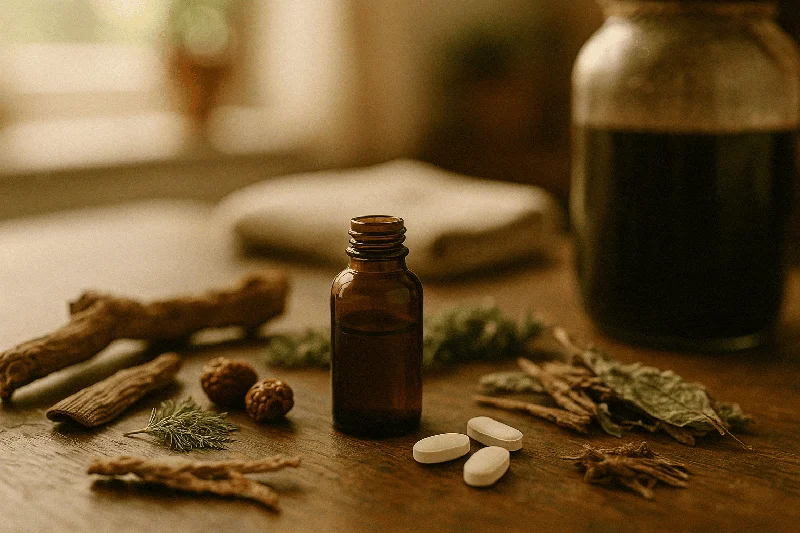
Bharangyadi Kashayam is a classical Ayurvedic decoction (kashayam) primarily used for managing respiratory conditions such as asthma, chronic cough, bronchitis, and fever. Rooted in ancient texts like the Sahasrayogam and Ashtanga Hridayam, this polyherbal formulation centers around Bharangi (Clerodendrum serratum) and combines it with Pushkaramoola, Dasamoola, Pippali, and several other medicinal herbs. It works by pacifying aggravated Kapha and Vata doshas, clearing airway obstruction, reducing inflammation, and restoring normal respiratory function. Whether you're an Ayurvedic practitioner, a patient exploring natural remedies, or simply curious about traditional Indian medicine — this guide covers everything you need to know about Bharangyadi Kashayam, backed by classical references and modern pharmacological insights.
What Is Bharangyadi Kashayam?
Definition & Ayurvedic Classification
Bharangyadi Kashayam belongs to the Kashaya Kalpana category in Ayurveda — one of the five fundamental pharmaceutical preparations (Pancha Vidha Kashaya Kalpana). The term "kashayam" itself translates to "decoction," meaning the active herbal ingredients are boiled in water until the liquid reduces to a concentrated therapeutic extract.
The prefix "Bharangyadi" indicates that Bharangi (Clerodendrum serratum) is the principal ingredient (pradhana dravya). In Ayurvedic naming conventions, the first herb listed gives the formulation its name, signaling its dominant therapeutic role.
This kashayam is classified as a Shamana Aushadhi — a palliative medicine that works by balancing disturbed doshas rather than through purification (Shodhana). It primarily targets Pranavaha Srotas (the respiratory channels) and Annavaha Srotas (the digestive channels), making it relevent for conditions involving both breathing difficulty and appetite loss.
Historical Origins & Classical References
Bharangyadi Kashayam finds its most detailed reference in the Sahasrayogam, a comprehensive compilation of Ayurvedic formulations widely followed in Kerala's Ayurvedic tradition. The original sloka describes the combination of Bharangi with Dasamoola and other herbs for Shwasa (dyspnea) and Kasa (cough).
- The formulation's individual ingredients are also extensively described in the Ashtanga Hridayam by Vagbhata and the Charaka Samhita.
- Charaka lists Bharangi under Shwasahara Mahakashaya — the group of ten herbs most effective against breathing disorders. Vagbhata references Pushkaramoola as one of the finest herbs for chest diseases.
Its worth noting that different classical texts present slight variations in the ingredient list. The Sahasrayogam version typically includes the full Dasamoola group, while some regional traditions may substitute or add herbs based on local availability. The core therapeutic intent, however, remains consistent across all versions.
How Does Bharangyadi Kashayam Work?
The mechanism of action operates on multiple levels — both through the Ayurvedic framework and through modern pharmacological understanding.
Ayurvedic Mechanism:
- Kapha Shamana: The predominantly Katu (pungent) and Tikta (bitter) tastes of the ingredients liquefy and expel accumulated Kapha from the respiratory tract
- Vata Anulomana: By directing Vata downward (anulomana), it corrects the upward movement of Vayu that causes coughing and wheezing
- Ushna Virya action: The hot potency of most ingredients increases Agni (digestive fire), which Ayurveda considers foundational to respiratory health — since undigested metabolic waste (Ama) is thought to be a root cause of respiratory congestion
Pharmacological Mechanism:
- On a biochemical level, the formulation's efficacy can be attributed to specific phytochemical compounds.
- Bharangein and scutellarein — flavonoids isolated from Clerodendrum serratum — have demonstrated significant anti-histaminic and mast cell-stabilizing properties in preclinical studies. A 2014 study published in the Journal of Ethnopharmacology confirmed that Clerodendrum serratum root extract showed bronchodilatory effects comparable to standard drugs in animal models.
Pushkaramoola (Inula racemosa) contains alantolactone and isoalantolactone, sesquiterpene lactones that exhibit anti-inflammatory activity by inhibiting NF-κB pathways. Pippali (Piper longum) contributes piperine, which enhances bioavailability of other compounds and has documented anti-asthmatic properties — a 2011 study in Phytomedicine showed piperine inhibited eosinophil infiltration in airway tissue.
Gingerols and shogaols from Nagara (ginger) inhibit cyclooxygenase and lipoxygenase pathways, reducing prostaglandin and leukotriene synthesis — the same inflammatory mediators targeted by modern NSAID drugs.
Dosha Action & Roga Marga
Bharangyadi Kashayam is classified as Kapha-Vata Hara — it primarily pacifies Kapha dosha and secondarily addresses Vata aggravation. It operates through Aabhyantara Rogamarga (the internal disease pathway), which includes diseases affecting the gastrointestinal tract and respiratory system.
The Dosha-Dushya Samurchhana (pathological combination) it addresses involves:
- Dosha: Kapha (Avalambaka Kapha specifically) and Vata (Prana Vayu, Udana Vayu)
- Dushya: Rasa dhatu and Prana vayu
- Srotas: Pranavaha Srotas (respiratory channels)
- Agni: Corrects Mandagni (weak digestive fire) that leads to Ama formation
Key Ingredients of Bharangyadi Kashayam
Bharangi (Clerodendrum serratum) — The Primary Herb
Bharangi serves as the cornerstone of this formulation. Known as the "blue glory" plant, its root is the part primarily used in kashayam preparation.
| Property | Detail |
|---|---|
| Rasa (Taste) | Katu (Pungent), Tikta (Bitter) |
| Guna (Quality) | Laghu (Light), Rooksha (Dry) |
| Virya (Potency) | Ushna (Hot) |
| Vipaka (Post-digestive effect) | Katu (Pungent) |
| Key Phytochemicals | Bharangein, scutellarein, hispidulin, D-mannitol |
| Primary Actions | Kaphahara, Shwasahara, Kasahara, Deepana |
Bharangi's anti-allergic properties are particularly noteworthy. Research published in Fitoterapia (2010) demonstrated that its saponin fraction inhibited histamine release from mast cells by up to 68% in vitro — providing a scientific basis for its traditional use in allergic asthma and rhinitis.
Pushkaramoola (Inula racemosa)
Often called "Pushkara" in classical texts, this Himalayan herb is considered one of the most potent herbs for heart and lung diseases in Ayurveda. Charaka places it in the Shwasahara and Hikkanigrahana (anti-hiccup) groups.
Its root contains inulin (a prebiotic polysaccharide), alantolactone, and isoalantolactone. A 2019 study in BMC Complementary Medicine and Therapies reported that Inula racemosa root extract showed significant cardioprotective and bronchodilatory activities, likely through calcium channel blocking mechanisms.
Pippali (Piper longum)
Long pepper is one of Ayurveda's most valued Rasayana herbs for the respiratory system. Its unique characteristic is that despite having Ushna Virya (hot potency), it posseses Madhura Vipaka (sweet post-digestive effect) — making it suitable for long-term use without excessive Pitta aggravation.
- Piperine, its primary alkaloid, has been extensively studied.
- Beyond bronchodilation, it acts as a bio-enhancer — increasing the absorption and efficacy of other herbs in the formulation by up to 30% according to research published in Planta Medica (2004).
Nagara / Shunti (Zingiber officinale)
Dry ginger (Shunti) is added to the kashayam both as a therapeutic agent and as a Yogavahi (catalyst) that enhances the overall formulation. In traditional preparation, Nagara is often added in a potli (cloth pouch) to the decoction — a specific technique mentioned in the Sahasrayogam to control its intensity.
Dasamoola — The Group of Ten Roots
Dasamoola is itself a renowned formulation within Ayurveda, consisting of roots from ten specific plants. When incorporated into Bharangyadi Kashayam, it amplifies the anti-inflammatory and Vata-pacifying effects substantially.
| Category | Herb | Botanical Name |
|---|---|---|
| Brihat Panchamoola (5 Greater Roots) | Bilva | Aegle marmelos |
| Agnimantha | Premna mucronata | |
| Shyonaka | Oroxylum indicum | |
| Kashmarya / Gambhari | Gmelina arborea | |
| Patala | Stereospermum suaveolens | |
| Laghu Panchamoola (5 Lesser Roots) | Shalaparni | Desmodium gangeticum |
| Prishniparni | Uraria picta | |
| Brihati | Solanum indicum | |
| Kantakari | Solanum surattense | |
| Gokshura | Tribulus terrestris |
Kantakari and Brihati from the Laghu Panchamoola group are particularly relevant here — both are individually classified as Shwasahara herbs and have documented expectorant activity.
Other Supporting Ingredients
Depending on the specific classical reference followed, additional herbs may include:
- Rasna (Pluchea lanceolata) — analgesic and anti-inflammatory
- Musta (Cyperus rotundus) — digestive stimulant and Ama-pachana
- Pathya / Haritaki (Terminalia chebula) — mild laxative, Tridosha balancer
- Yavanika / Ajwain (Trachyspermum ammi) — carminative, bronchodilator
- Parpata (Fumaria parviflora) — antipyretic, blood purifier
Complete Pharmacological Properties Table
| Ingredient | Rasa | Guna | Virya | Vipaka | Primary Karma |
|---|---|---|---|---|---|
| Bharangi | Katu, Tikta | Laghu, Rooksha | Ushna | Katu | Kaphahara, Shwasahara |
| Pushkaramoola | Katu, Tikta | Laghu, Rooksha | Ushna | Katu | Hridya, Shwasahara |
| Pippali | Katu | Laghu, Snigdha | Ushna | Madhura | Deepana, Rasayana |
| Nagara | Katu | Laghu, Snigdha | Ushna | Madhura | Pachana, Shoolahara |
| Bilva | Kashaya, Tikta | Laghu, Rooksha | Ushna | Katu | Grahi, Deepana |
| Kantakari | Katu, Tikta | Laghu, Rooksha | Ushna | Katu | Kaphahara, Shwasahara |
| Gokshura | Madhura | Guru, Snigdha | Sheeta | Madhura | Mutrala, Balya |
Health Benefits and Indications
Respiratory Relief — Asthma, Bronchitis, and Chronic Cough
This is the primary therapeutic domain of Bharangyadi Kashayam. The formulation addresses respiratory conditions through a multi-pronged approach:
- Bronchial asthma (Tamaka Shwasa): Reduces bronchospasm through the combined bronchodilatory action of Bharangi and Pushkaramoola. Stabilizes mast cells to prevent histamine-triggered airway constriction.
- Chronic cough (Kasa): The expectorant herbs liquefy thick, tenacious mucus, while Pippali and Nagara stimulate mucociliary clearance.
- Bronchitis: Anti-inflammatory compounds target airway inflammation, reducing edema and facilitating easier breathing.
- Rhinitis and sinusitis: The Kapha-liquefying action helps drain accumulated mucus from the upper respiratory tract.
Clinically, Ayurvedic practitioners report noticeable improvement in wheezing and breathlessness within 7-14 days of regular use, though chronic conditions typically require 6-8 weeks of sustained treatment.
Fever Management (Jwara Chikitsa)
Several ingredients — particularly Parpata, Musta, and the Dasamoola group — possess significant antipyretic properties. The kashayam is indicated in Kapha-Vataja Jwara (fever with congestion, bodyache, and chills). It promotes sweating (Swedana), which naturally reduces fever while simultaneously addressing the underlying congestion.
Digestive Benefits and Appetite Restoration
Perhaps an often-overlooked benefit: Bharangyadi Kashayam is also indicated for Arochaka (loss of appetite) and Agnimandya (weak digestive fire). The Ushna Virya and Deepana-Pachana properties of Bharangi, Pippali, and Nagara stimulate gastric secretions and enhance nutrient absorption.
This dual action on respiration and digestion isn't coincidental — Ayurveda recognizes a direct relationship between Agni and Kapha. When digestive fire is weak, Ama (metabolic toxins) accumulates and travels to the respiratory channels, manifesting as mucus and congestion. By correcting digestion at its source, the kashayam addresses the root cause rather than merely the symptoms.
Anti-inflammatory and Analgesic Effects
The combined action of Rasna, Dasamoola, and Pushkaramoola provides notable anti-inflammatory benefits beyond the respiratory system. Practitioners sometimes prescribe this kashayam as an adjunct in musculoskeletal conditions involving both inflammation and Kapha-Vata imbalance — though this is secondary to its main respiratory indication.
How to Prepare Bharangyadi Kashayam at Home
Traditional Preparation Method (Step-by-Step)
The classical method follows the standard Kashaya Kalpana ratio of 1:16:2 — meaning one part coarse herb powder is boiled in sixteen parts water and reduced to two parts (or in some traditions, reduced to one-eighth of the original water volume).
Step 1: Take the prescribed coarse powder (yavakuta churna) of all ingredients. Typically, 48 grams (approximately 1 pala) is the standard single-preparation quantity. Step 2: Add 768 ml of water (16 times the powder quantity). Step 3: Soak the herbs in water for 2-4 hours or overnight. This is a often-missed step that significantly improves extraction. Step 4: Place Nagara (dry ginger) in a small cotton cloth pouch (potli) and add it to the soaking mixture. This technique, specifically mentioned in the Sahasrayogam, prevents ginger particles from creating excessive pungency in the final decoction.
- Step 5: Boil on medium-low heat.
- Maintain a gentle rolling boil — not vigorous boiling, which can destroy volatile active compounds.
Step 6: Reduce the liquid to 96 ml (1/8th of the original water volume). This typically takes 45-60 minutes. Step 7: Filter through a clean cotton cloth while still warm. Discard the residue. Step 8: Add prescribed Prakshepa Dravyas (adjuvants) if recommended by your practitioner — commonly honey or warm water.
Tablet vs Traditional Decoction: Which Is Better?
- Modern Ayurvedic manufacturers offer Bharangyadi Kashayam in tablet (Kashayam Gulika) form for convenience.
- Here's how they compare:
| Parameter | Traditional Decoction | Tablet Form |
|---|---|---|
| Potency | Higher — freshly prepared | Slightly lower — processed |
| Convenience | Requires daily preparation | Ready to use |
| Taste | Intensely bitter | Easier to consume |
| Shelf life | Must be consumed same day | 2-3 years |
| Customization | Can adjust ratios | Fixed formulation |
| Bioavailability | Immediate absorption | Requires dissolution |
For acute respiratory conditions, the traditional decoction is generally preferred for its superior potency and faster onset. Tablets work well for maintenance therapy and for patients who cannot tolerate the bitter taste.
To use tablets: typically 2 tablets are dissolved in 12-15 ml of boiling water, cooled slightly, and consumed warm — essentially reconstituting a mini-kashayam.
Dosage Guidelines
Standard Adult Dosage
| Form | Dose | Frequency | Timing | Anupana (Vehicle) |
|---|---|---|---|---|
| Fresh decoction | 48-96 ml | Twice daily | Before meals (empty stomach) | Warm water or honey |
| Kashayam tablet | 2 tablets | Twice daily | Before meals | Dissolved in 12-15 ml warm water |
| Syrup form | 15-25 ml | Twice daily | Before meals | Equal quantity warm water |
Can Bharangyadi Kashayam Be Taken by Children?
- For children aged 5-12 years, the dose is generally reduced to 1/4th to 1/2 of the adult dose, depending on the child's age and body weight. Children below 5 years should only take this kashayam under strict medical supervision.
- The bitter taste can be challenging for pediatric patients — mixing with a small amount of honey (for children over 1 year) can improve compliance.
Dosage for Elderly Patients
Elderly patients (above 65 years) may start with half the standard dose to assess tolerance, especially if they have concurrent gastrointestinal sensitivity. The dose can be gradually increased based on response.
How Long Should I Use Bharangyadi Kashayam to See Improvements?
Treatment duration varies significantly based on the condition:
| Condition | Expected Duration | When to Expect Initial Relief |
|---|---|---|
| Acute cough/cold | 5-7 days | 2-3 days |
| Chronic bronchitis | 4-8 weeks | 1-2 weeks |
| Bronchial asthma | 8-12 weeks (or longer) | 2-3 weeks |
| Allergic rhinitis | 4-6 weeks | 1-2 weeks |
| Loss of appetite | 2-3 weeks | 3-5 days |
It's generally not recommeded to continue any kashayam for more than 3 months without reassessment by a qualified Ayurvedic physician. Prolonged use of Ushna Virya formulations can potentially aggravate Pitta dosha.
Don't wait or self medicate. Start chat with Doctor NOW
Side Effects, Precautions, and Contraindications
Known Side Effects
Bharangyadi Kashayam is considered safe when taken in prescribed doses under medical guidance.
However, some patients may experience:
- Gastric irritation: The pungent and bitter herbs can cause heartburn, nausea, or epigastric discomfort, especially when taken on an empty stomach by Pitta-predominant individuals
- Loose stools: The stimulant laxative effect of Haritaki (if included in the formulation) may cause mild diarrhea in sensitive individuals
- Allergic reactions: Rare, but possible in individuals with known hypersensitivity to any ingredient — particularly Piper longum or ginger
- Increased body heat: Due to the predominantly Ushna Virya nature, some patients report feeling excessively warm
Detailed Contraindications Table
| Condition | Risk Level | Recommendation |
|---|---|---|
| Pregnancy | High | Avoid — Ushna Virya herbs may stimulate uterine contractions |
| Lactation | Moderate | Use only under medical supervision; pungent compounds may pass into breast milk |
| Active gastric/duodenal ulcer | High | Contraindicated — may worsen mucosal irritation |
| Acute gastritis | Moderate-High | Avoid or use with gastroprotective adjuncts |
| Severe liver disease | Moderate | Use with caution; hepatic metabolism may be impaired |
| Pitta Prakriti with Pitta aggravation | Moderate | Reduce dose or use with cooling adjuncts like milk |
| Children under 2 years | High | Not recommended |
| Bleeding disorders | Moderate | Pippali may affect platelet function; consult physician |
Interactions with Modern Medicines
This is an area no other resource has adequately addressed.
Based on the known pharmacology of the ingredients:
- Anti-hypertensive drugs: Pushkaramoola has mild hypotensive properties; concurrent use with beta-blockers or ACE inhibitors may cause additive blood pressure lowering. Monitor BP regularly.
- Anti-diabetic medications: Some ingredients (particularly Dasamoola herbs) may have mild hypoglycemic effects. Diabetic patients on metformin or insulin should monitor blood sugar closely.
- Theophylline / Aminophylline: Since Bharangi has bronchodilatory action, combining with xanthine-derivative bronchodilators could potentially cause excessive bronchodilation. Spacing doses by at least 2 hours is advisable.
- Antibiotics: Piperine from Pippali can increase bioavailability of certain drugs including rifampicin, tetracyclines, and some fluoroquinolones. This could be beneficial but needs dose monitoring.
- Anticoagulants (Warfarin): Some ingredients may have mild anti-platelet activity. INR monitoring is recommended.
Important: Always inform your allopathic physician if you are taking this kashayam alongside conventional medication.
Bharangyadi Kashayam vs. Other Ayurvedic Respiratory Formulations
No competitor has provided this comparison, and it's something patients and practitioners genuinely need.
| Parameter | Bharangyadi Kashayam | Dashamoola Kashayam | Kanakasava | Vasarishtam |
|---|---|---|---|---|
| Primary Dosha | Kapha-Vata | Vata-Kapha | Kapha | Pitta-Kapha |
| Best For | Asthma, bronchitis with thick mucus | Generalized inflammation, body pain with respiratory issues | Bronchial asthma with wheezing | Bleeding disorders with cough (hemoptysis) |
| Form | Decoction | Decoction | Asava (fermented) | Arishtam (fermented) |
| Contains Alcohol | No | No | Yes (self-generated) | Yes (self-generated) |
| Taste Tolerance | Bitter, difficult | Bitter, moderate | Relatively pleasant | Moderate |
| Suitable for Children | With dose adjustment | With dose adjustment | Generally not (alcohol content) | Generally not (alcohol content) |
| Speed of Action | Fast (decoction form) | Moderate | Moderate (requires fermentation period to take full effect) | Moderate |
| Unique Strength | Targeted anti-allergic + expectorant | Broad anti-inflammatory | Sustained bronchodilation | Hemostatic + respiratory |
Diet, Lifestyle, and Complementary Practices
Recommended Diet (Pathya) During Treatment
What you eat during treatment significantly impacts outcomes.
Follow these dietary guidelines:
Foods to favor:
- Warm, freshly cooked meals
- Light grains: old rice (purana shali), barley, ragi
- Green gram (mudga) — easiest pulse to digest
- Warm soups with black pepper and turmeric
- Honey (in small amounts, never heated above 40°C)
- Lukewarm water throughout the day
Foods to avoid (Apathya):
- Cold foods and beverages — ice cream, cold milk, refrigerated items
- Heavy, oily, fried foods
- Curd/yogurt (especially at night — increases Kapha)
- Bananas, watermelon, and other Kapha-aggravating fruits
- Excessive sweets and refined sugars
- Incompatible food combinations (Viruddha Ahara) like fish with milk
Yoga and Pranayama Recommendations
Complementing Bharangyadi Kashayam with specific yogic practices can significantly enhance respiratory outcomes:
- Nadi Shodhana Pranayama (Alternate Nostril Breathing): Balances Prana Vayu and clears nasal passages. Practice 5-10 minutes daily.
- Bhujangasana (Cobra Pose): Opens the chest, strengthens respiratory muscles, and facilitates deeper breathing.
- Bhastrika Pranayama (Bellows Breath): Powerful Kapha-reducing practice, but should only be performed when acute symptoms have subsided. Avoid during active wheezing.
- Steam inhalation with Eucalyptus or Tulsi leaves before taking the kashayam can enhance its bronchodilatory effect.
Storage and Shelf Life
Freshly Prepared Decoction
- A freshly prepared kashayam should ideally be consumed within 6-8 hours. It can be stored for up to 12 hours if refrigerated, but reheating before consumption is essential.
- Never store a fresh decoction beyond 24 hours — bacterial contamination and loss of potency make it ineffective and potentially harmful.
Manufactured Products (Tablets, Syrups)
| Form | Typical Shelf Life | Storage Conditions |
|---|---|---|
| Kashayam tablets | 2-3 years from manufacture | Cool, dry place away from direct sunlight |
| Syrup/liquid form | 2-3 years (unopened); 3-6 months after opening | Refrigerate after opening |
| Coarse powder (for home preparation) | 6-12 months | Airtight container, moisture-free |
Where Can I Purchase Authentic Bharangyadi Kashayam?
- Authentic formulations are available from established Ayurvedic pharmacies such as AVP (Arya Vaidya Pharmacy), Kottakkal Arya Vaidya Sala, SNA Oushadhasala, and Vaidyaratnam.
- When purchasing, verify:
- The product follows Ayurvedic Pharmacopoeia of India standards
- GMP certification is present on the label
- Batch number, manufacturing date, and expiry date are clearly printed
- The ingredient list matches classical references
Frequently Asked Questions (FAQ)
What are the benefits of Bharangi as an individual herb?
Bharangi (Clerodendrum serratum) independently offers anti-asthmatic, anti-allergic, anti-inflammatory, hepatoprotective, and antipyretic benefits. It's considered one of the top ten anti-dyspnea herbs in Charaka Samhita. As a standalone herb, it's used as churna (powder) at 1-3 grams dosage for mild respiratory complaints.
What are the side effects of Kashayam in general?
Most kashayams share common potential side effects due to their decoction format: gastric irritation (from concentrated herbal extracts), loose motions, and occasional nausea. The bitter taste can trigger vomiting reflex in sensitive individuals. Taking kashayam with warm water or a small amount of jaggery can mitigate taste-related issues without significantly reducing potency.
Is Bharangyadi Kashayam available in syrup form?
Yes, several manufacturers produce a syrup version which is essentially a sugar-based or honey-based preparation of the kashayam, making it more palatable. However, the syrup form may be less suitable for diabetic patients due to its sugar content. The decoction and tablet forms are generally preferred for therapeutic purposes.
What is the original sloka (verse) reference for Bharangyadi Kashayam?
The primary reference comes from Sahasrayogam, Kashaya Prakarana. The verse describes the combination of Bharangi, Pushkaramoola, Dasamoola, and other herbs to be prepared as kashayam for Shwasa and Kasa conditions. Some practitioners also cite references from Chikitsa Manjari and regional Kerala Ayurvedic texts.
Are there any contraindications for using Bharangyadi Kashayam?
Yes — it is contraindicated in pregnancy, active peptic ulcers, acute gastritis, and in patients with known Pitta aggravation presenting with bleeding disorders. Patients with severe hepatic impairment should also avoid it. Always consult a qualified Ayurvedic physician before starting treatment, especially if you are on conventional medications.
Can I take Bharangyadi Kashayam along with allopathic asthma inhalers?
Many practitioners do prescribe it alongside conventional inhalers, particularly during the transition period. However, this should only be done under dual medical supervision (both Ayurvedic and allopathic). Never abruptly stop your prescribed inhalers in favor of any herbal formulation — asthma can be life-threatening if inadequately managed.
Final Thoughts
Bharangyadi Kashayam represents one of Ayurveda's most targeted and effective formulations for respiratory health. Its multi-herb composition addresses not just the symptoms of cough, congestion, and breathlessness — but also the underlying doshic imbalances and digestive dysfunction that Ayurveda considers the root cause of respiratory disease.
The combination of classical wisdom with emerging pharmacological evidence makes it a compelling option for those seeking natural, holistic respiratory support. Whether used as a primary treatment for mild-to-moderate conditions or as complementary therapy alongside conventional medicine, its efficacy is well-documented through centuries of clinical practice.
However, remember that Ayurvedic treatment is inherently personalized. Your Prakriti, the specific nature of your condition, your Agni status, and any concurrent medications all influence how this kashayam should be prescribed. Self-medication, while tempting given the availability of over-the-counter products, cannot replace the nuanced assessment of a trained Ayurvedic physician.
If you're experiencing persistent respiratory symptoms, consult a qualified Ayurvedic practitioner who can evaluate whether Bharangyadi Kashayam is the right formulation for your specific condition — and guide you on dosage, duration, dietary modifications, and complementary practices for optimal results.
Scientific Sources
- Chinese herbal medicine-derived extracellular vesicles as novel biotherapeutic tools: present and future — Zhang J et al., 2024, Journal of translational medicine
- Efficacy of herbal medicine (cinnamon/fennel/ginger) for primary dysmenorrhea: a systematic review and meta-analysis of randomized controlled trials — Xu Y et al., 2020, The Journal of international medical research
- A critical review of Ginger's (Zingiber officinale) antioxidant, anti-inflammatory, and immunomodulatory activities — Ayustaningwarno F et al., 2024, Frontiers in nutrition
- Ayurvedic Herbal Medicines: A Literature Review of Their Applications in Female Reproductive Health — Patibandla S et al., 2024, Cureus
- Zingiber officinale var. rubrum: Red Ginger's Medicinal Uses — Zhang S et al., 2022, Molecules (Basel, Switzerland)
- Piperine: A review of its biological effects — Haq IU et al., 2021, Phytotherapy research : PTR
- Health Benefits of Culinary Herbs and Spices — Jiang TA, 2019, Journal of AOAC International
- Liver Injury Associated with Turmeric-A Growing Problem: Ten Cases from the Drug-Induced Liver Injury Network DILIN(https://pubmed.ncbi.nlm.nih.gov/36252717/) — Halegoua-DeMarzio D et al., 2023, The American journal of medicine
- Herbal formulation "turmeric extract, black pepper, and ginger" versus Naproxen for chronic knee osteoarthritis: A randomized, double-blind, controlled clinical trial — Heidari-Beni M et al., 2020, Phytotherapy research : PTR
- Aromatherapy and Essential Oils: Holistic Strategies in Complementary and Alternative Medicine for Integral Wellbeing — Caballero-Gallardo K et al., 2025, Plants (Basel, Switzerland)
Questions from users
What is the role of Bharangyadi Kashayam in improving appetite during respiratory issues?
Phillip
4 days ago
Bharangyadi Kashayam helps improve appetite during respiratory issues by supporting Annavaha Srotas, which are the digestive channels. It balances the body’s energies and clears blockages, leading to better digestion. By calming the Pranavaha Srotas too, it eases breathing, indirectly boosting appetite through an overall sense of well-being.
What is the最佳时间 to take Bharangyadi Kashayam for respiratory health benefits?
Aria
14 days ago
Best time to take Bharangyadi Kashayam is typically before meals, like 30 minutes before breakfast and dinner. This can help with better absorption and effectivity. Ideally, you want to take it on an empty stomach to maximize its benefits for respiratory health. Just start slow and see how your body responds, everyone is a little bit different!
What is the best diet to follow while using Bharangyadi Kashayam for respiratory health?
Vada
24 days ago
For best results with Bharangyadi Kashayam, aim for a diet that calms Vata and Kapha. Warm, cooked foods like soups and stews are great! Include spices like ginger and turmeric to support digestion. Stay clear of cold, heavy, and fried foods. Listen to your body, and if unsure, maybe chat with an Ayurvedic doc.
What traditional practices complement the use of Bharangyadi Kashayam for improving respiratory health?
Olivia
33 days ago
Traditional practices like steam inhalation with herbs such as eucalyptus, practicing pranayama breathing exercises to boost lung capacity, and applying warm oil massages, especially on the chest area, can complement Bharangyadi Kashayam. Also consider keeping your diet light and easy to digest, as it supports agni, your digestive fire, better!
Can I use Bharangyadi Kashayam to help with chronic bronchitis symptoms?
Tanner
43 days ago
Yes, Bharangyadi Kashayam can be used for symptoms of chronic bronchitis! It's great for helping with bronchial congestion, due to its anti-inflammatory and bronchodilatory properties. Just remember, always check in with an Ayurvedic doctor to ensure it's a good fit for your unique body constitution (prakriti)!
What is the traditional preparation method for Bharangyadi Kashayam in Ayurveda?
Serenity
53 days ago
To make Bharangyadi Kashayam, you start by taking the required herbs—like Bharangi and Kantakari—in specific proportions. Then, these are boiled with water, usually in a 1:16 ratio, till the water reduces to a quarter. Strain the mix and it’s ready! But remember, avoid overuse to not upset your stomach. 😊
What conditions can Bharangyadi Kashayam help improve beyond respiratory issues?
Evelyn
62 days ago
Bharangyadi Kashayam primarily targets respiratory issues, but it can also aid in boosting immunity due to its anti-inflammatory properties, and sometimes it's used for digestive ailments like indigestion or to improve agni. But keep in mind, it's really best to consult an Ayurvedic practitioner to know what works best for your unique constitution!
Is Bharangyadi Kashayam effective for children with respiratory problems?
Sandra
72 days ago
Yes, Bharangyadi Kashayam can be helpful for children with respiratory problems like cough and congestion due to its anti-inflammatory, expectorant, and bronchodilatory properties. But always start with a smaller dose and consults with an Ayurvedic practitioner to ensure its suitability for your child's specific dosha and condition.
Can I use Bharangyadi Kashayam for seasonal allergies and respiratory discomfort?
Joseph
81 days ago
Yes, Bharangyadi Kashayam can help with seasonal allergies and respiratory discomfort! It's great for balancing Vata and Kapha, which are often involved in these issues. It may ease symptoms like wheezing and coughing. Just keep an eye on how your body responds, and it’s always a good idea to check with an Ayurvedic doctor for personal advice.
What lifestyle changes should I consider while using Bharangyadi Kashayam for respiratory health?
Summer
161 days ago
When using Bharangyadi Kashayam, think 'bout incorporating practices like Pranayama (breathing exercises), regular walks, and a balanced diet rich in fruits and vegies. Avoid cold foods and beverages to support your agni (digestive fire), as it interconnects with respiratory health. Keep your stress levels low with meditation too. Hope that helps!
Related articles

Respiratory Disorders
Hamsapathyadi Kashayam
Exploration of Hamsapathyadi Kashayam
1,357

Respiratory Disorders
How to Use Harad for Cough: Ayurvedic Remedies and Benefits
Exploration of Harness the Power of Harad for Natural Cough Relief
3,594

Respiratory Disorders
Bhunimbadi Kadha – Benefits, Dose, Side Effects, Ingredients
Exploration of Bhunimbadi Kadha – Benefits, Dose, Side Effects, Ingredients
4,821

Respiratory Disorders
Trin Panchmool Kwath: Benefits, Dosage, Ingredients, Side Effects
Exploration of Trin Panchmool Kwath: Benefits, Dosage, Ingredients, Side Effects
3,261

Respiratory Disorders
Lavangadi Vati Benefits, Dosage, Ingredients, And Side Effects
Exploration of Lavangadi Vati Benefits, Dosage, Ingredients, And Side Effects
2,499

Respiratory Disorders
Vyoshadi Guggulu Benefits, Dosage, How To Use, Side Effects, Ingredients, Reference
Exploration of Vyoshadi Guggulu Benefits, Dosage, How To Use, Side Effects, Ingredients, Reference
1,201
Respiratory Disorders
Vasarishtam Uses: An Ayurvedic Approach to Respiratory Health
Discover the science behind Vasarishtam uses, its Ayurvedic roots, and how it may support respiratory wellness. Learn about research, safety, and best practices.
2,326

Respiratory Disorders
Pushkaramrith – Ayurvedic Remedy for Respiratory Health
Pushkaramrith is a traditional Ayurvedic formulation celebrated for its efficacy in managing various respiratory ailments.
3,624

Respiratory Disorders
Kankayan Vati Benefits, Dosage, Side Effects, Ingredients
Exploration of Kankayan Vati Benefits, Dosage, Side Effects, Ingredients
1,730

Respiratory Disorders
Pushpadhanwa Ras Benefits Dosage Ingredients Side Effects
Exploration of Pushpadhanwa Ras Benefits Dosage Ingredients Side Effects
6,337
Related questions on the topic
Legal
Additional Documents
© 2024 Ask Ayurveda. All rights reserved.