FREE! Ask Ayurvedic Doctors 24/7

 Fast responses
 1000+ verified doctors
Gulma Chikitsa: Ayurvedic Approach to Abdominal Distention and Discomfort
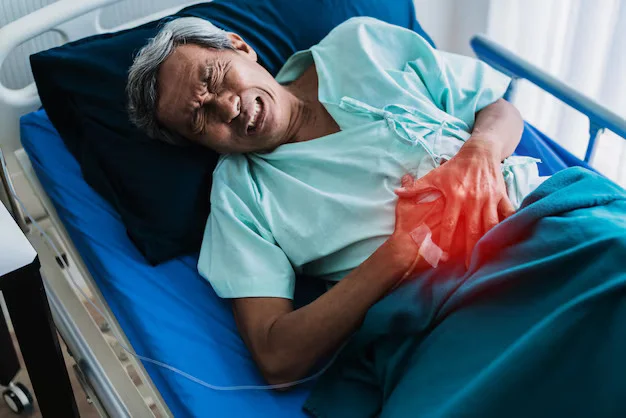
- Gulma Chikitsa is the specialized Ayurvedic treatment protocol for Gulma — a palpable, rounded abdominal mass that forms between the hridaya (cardiac/epigastric region) and basti (urinary bladder) due to vitiated Vata dosha obstructing bodily channels. Described extensively in Charaka Samhita Chikitsa Sthana Chapter 5, Gulma is not a single disease but a spectrum of five distinct clinical entities classified by doshic predominance.
- This article covers everything: etiology, pathogenesis, all five types with their symptoms, stage-wise treatment protocols with actual dosages, modern clinical correlations, and a decision-making flowchart that no other resource currently provides.
If you've been searching for a comprehensive, clinically actionable resource on Gulma Chikitsa — one that bridges classical Ayurvedic wisdom with contemporary medical understanding — you're in the right place.
What Is Gulma in Ayurveda?
Gulma literally translates to "a cluster" or "a bush." In Ayurvedic pathology, it refers to a rounded, palpable mass (granthi-like swelling) in the abdomen that appears intermittently or persistently. Acharya Charaka defines it as a condition where vitiated Vata dosha accumulates in the koshtha (abdominal cavity), gets obstructed, and forms a mass that can be felt on palpation.
- The word "chikitsa" means treatment.
- So Gulma Chikitsa encompasses the full therapeutic approach — from Panchakarma procedures to herbal formulations to dietary regulation — used to dissolve, reduce, or manage these abdominal masses.
Why Gulma Is Classified Under Mahasrotas and Mamsavaha Srotas
- This is a nuanced point most resources miss. Gulma is a disease of the mamsavaha srotas (channels carrying muscle tissue nutrients) and mahasrotas (the great alimentary canal). Charaka places Gulma immediately after Raktapitta in his treatment sequence — this isn't accidental.
- The logic is sequential: when blood vitiation (raktapitta) is left unaddressed, the pathology progresses deeper into the mamsa dhatu, creating physical masses.
The involvement of mahasrotas explains why digestive disturbances (agnimandya, constipation, bloating) are invariably present in all forms of Gulma. Treatment must therefore address both the srotas and the dhatu simultaneously.
What Are the 5 Sites of Gulma?
Charaka and Sushruta both identify five specific anatomical locations (sthana) where Gulma manifests. Understanding these sites is critical for diagnosis and treatment planning.
| Sthana (Site) | Ayurvedic Term | Anatomical Correlation | Common Presentations |
|---|---|---|---|
| Urinary bladder region | Basti pradesha | Hypogastric/pelvic region | Pelvic masses, ovarian cysts |
| Umbilical region | Nabhi pradesha | Periumbilical area | Mesenteric cysts, intestinal masses |
| Cardiac/epigastric region | Hridaya pradesha | Epigastrium | Gastric tumors, peptic pathology |
| Right flank | Dakshina parshva | Right lumbar/iliac region | Hepatomegaly, right ovarian masses |
| Left flank | Vama parshva | Left lumbar/iliac region | Splenomegaly, left-sided masses |
These five locations correspond remarkably well to the nine-quadrant abdominal division used in modern clinical examination. A Gulma in the nabhi region, for instance, overlaps with the umbilical quadrant where mesenteric cysts and aortic aneurysms are typically detected.
Classification: The 5 Types of Gulma and Their Symptoms
Ayurveda classifies Gulma into five types based on doshic predominance. Each type has distinct etiological factors, symptom profiles, and treatment requirements.
Vataja Gulma
Causes: Excessive intake of dry (ruksha), cold, and light foods; fasting; suppression of natural urges (vegas); grief; excessive physical exertion. Key Symptoms:
- Intermittent, migrating abdominal mass — sometimes palpable, sometimes not
- Severe colicky pain that radiates to back, flanks, and chest
- Constipation with hard stools and excessive flatulence
- Dry skin and emaciation
- Gurgling sounds in the abdomen (antrakujana)
- The mass feels hard but not fixed; it moves on palpation
Vataja Gulma is the most common type and, fortunately, most responsive to treatment when caught early.
Pittaja Gulma
Causes: Excessive consumption of pungent, sour, salty, and hot foods; anger; exposure to sun and fire; alcohol. Key Symptoms:
- Burning sensation over the mass and in the abdomen
- Fever, sweating, and thirst
- Yellowish discoloration of skin, eyes, and urine
- Loose stools with yellowish or greenish color
- The mass feels warm to the touch
- Fainting spells and dizziness in advanced cases
Clinically, Pittaja Gulma correlates closely with peptic ulcer disease and inflammatory abdominal conditions.
Kaphaja Gulma
Causes: Excessive intake of heavy, oily, sweet, and cold foods; sedentary lifestyle; daytime sleeping; lack of exercise. Key Symptoms:
- Fixed, heavy, well-defined mass that doesn't migrate
- Nausea, vomiting, and loss of appetite
- Excessive salivation and sweet taste in the mouth
- Heaviness in the body and lethargy
- The mass feels cold and firm on palpation
- Mild, dull pain (unlike the sharp pain of Vataja)
Kaphaja Gulma is the most likely to require surgical intervention when conservative treatment fails.
Sannipatika (Tridoshaja) Gulma
Also called Nichaya Gulma, this involves vitiation of all three doshas simultaneously. It presents mixed symptoms from all three types and is considered yapya (manageable but difficult to cure) or asadhya (incurable) depending on the stage.
Prognosis: Poor. Charaka explicitly warns that Sannipatika Gulma with signs of all three doshas simultaneously — especially when accompanied by severe emaciation, ascites, and total loss of digestive fire — is asadhya.
Raktaja Gulma
This is exclusively a condition of women. Raktaja Gulma forms in the garbhashaya (uterus) when menstrual blood gets vitiated and accumulates, forming a mass that mimics pregnancy.
Causes: Coitus during menstruation, suppression of menstrual flow, trauma to the uterine region, consumption of Vata-aggravating foods during menstruation. Key Symptoms:
- Amenorrhea followed by gradual abdominal enlargement
- Mimics pregnancy symptoms — nausea, breast changes, food cravings
- Foul-smelling vaginal discharge in later stages
- Severe lower abdominal pain
Modern Correlation: Ectopic pregnancy, ovarian cysts, uterine fibroids, endometriosis, and hematometra.
What Is Gulma in Modern Medicine? (ICD & Western Disease Correlation)
This is a critical gap in existing literature. No competitor has systematically mapped Gulma types to Western diagnoses.
Here's a comprehensive correlation table:
| Gulma Type | Probable Western Correlations | ICD-10 Codes |
|---|---|---|
| Vataja Gulma | Irritable Bowel Syndrome, functional abdominal pain, intestinal pseudo-obstruction | K58, R10.9 |
| Pittaja Gulma | Peptic ulcer disease, gastritis, inflammatory masses, hepatic abscess | K25-K28, K75.0 |
| Kaphaja Gulma | Benign abdominal tumors, mesenteric cysts, lipomas, lymphomas | D17, K66.8, C85 |
| Sannipatika Gulma | Advanced intra-abdominal malignancies, peritoneal carcinomatosis | C78.6, C48 |
| Raktaja Gulma | Ectopic pregnancy, ovarian cysts, uterine fibroids, endometriosis, hematometra | O00, N83, D25, N80 |
Important disclaimer: These correlations are clinical approximations. They are not exact equivalences. An Ayurvedic diagnosis of Gulma should always be complemented with modern diagnostic investigations (USG abdomen, CT scan, blood work) to rule out surgical emergencies.
Gulma Chikitsa: Complete Treatment Protocols With Dosages
This is where we go deeper than any other resource. Below are actual treatment protocols with specific formulations, dosages, and durations as described in classical texts and practiced clinically.
Treatment of Vataja Gulma
Vataja Gulma responds best to a sequential approach:
Step 1 — Snehana (Oleation Therapy)
- Internal: Hingusauvarchaladya Ghrita — 20-30 ml with warm water, twice daily for 5-7 days
- External: Abhyanga with Dhanvantara Taila over the abdominal region
Step 2 — Swedana (Sudation)
- Nadi Swedana (localized steam) over the Gulma site for 15-20 minutes daily
- Pinda Sweda using Bala and Dashamoola decoction in cloth bolus
Step 3 — Shodhana (Purification)
- Vamana (therapeutic emesis) if kapha is associated — using Madanaphala pippali 3-6 grams with honey and rock salt
- Virechana with Trivrit lehya 20-30 grams or Eranda taila 30 ml with warm milk
- Basti (medicated enema) — this is the primary treatment for Vataja Gulma:
- Anuvasana Basti: Dashamuli Taila 60-80 ml
- Niruha Basti: Dashamoola kwatha 300 ml + rock salt 5g + honey 30 ml + Dashamuli Taila 60 ml
Step 4 — Shamana Aushadhi (Palliative Medicines)
- Shatyadi Churna: 3-5 grams with warm water, twice daily after meals
- Lashuna Kshirapaka: 6-8 cloves of garlic boiled in 200 ml milk, reduced to 100 ml — once daily at bedtime
- Trayushanadi Ghrta: 10-15 ml twice daily before meals
Duration: Typically 21-45 days depending on severity and chronicity.
Treatment of Pittaja Gulma
The approach shifts to cooling, bitter, and blood-purifying therapies:
- Virechana with Avipattikar Churna 5-10 grams or Trivrit with milk
- Raktamokshana (bloodletting) using Jalaukavacharana (leech therapy) over the Gulma site — 2-4 leeches, once weekly for 3-4 sessions
- Kshira Basti: Milk medicated with Shatavari and Yashtimadhu — 200 ml per session
- Ksheera Shatpalaka Ghruta: 15-20 ml twice daily with milk
- Pippalyadyam Ghritam: 10-15 ml before meals
- Pathya (Diet): Cool milk, ghee, bitter vegetables (patola, nimba), pomegranate, old rice, moong dal
Treatment of Kaphaja Gulma
Kaphaja Gulma requires the most aggressive approach:
Conservative Line:
- Langhana (fasting/lightening therapy) for 3-7 days
- Vamana with Madanaphala yoga — repeat every 15 days if needed
- Strong Virechana with Trivrit + Triphala + Trikatu
Intermediate:
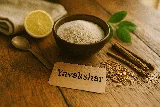
- Kshara Prayoga (alkaline preparations): Apamarga Kshara or Yavakshara 1-2 grams with warm water
- Agni Karma (cauterization): Direct thermal cauterization over the Gulma site using specialized instruments (shalaka). This is reserved for well-localized, superficial masses that haven't responded to 2-3 months of conservative treatment.
Surgical (Last Resort):
- Bhedana (incision and drainage) when the mass has matured (pakva avastha)
- Post-operative care includes wound dressing with Jatyadi Taila, light diet (peya and vilepi for 3-5 days), and gradual reintroduction of normal foods
Staging-Based Treatment Approach
This is a unique decision framework based on the maturation stage of Gulma:
Apakva (Unripened/Immature Stage)
- The mass is new, mobile, and not suppurated.
- Treatment: Conservative — Snehana, Swedana, Basti, oral medications. Do NOT attempt Bhedana at this stage.
Pachyamana (Suppurating Stage)
- The mass is ripening — there may be localized warmth, tenderness, and mild fever.
- Treatment: Continue Swedana to accelerate maturation. Prepare for possible Bhedana. Use Panchavalkala Kwatha for local fomentation.
Pakva (Matured/Ripened Stage)
- The mass is soft, fluctuant, and ready for drainage.
- Treatment: Bhedana (surgical incision), followed by drainage, and wound management with Jatyadi Ghrita.
Svayampravrutta (Self-Ruptured Stage)
- The mass has burst spontaneously.
- Treatment: Wound toilet, prevention of secondary infection, and supportive therapy.
Step-by-Step Treatment Decision Flowchart
No existing resource provides a clinical decision algorithm for Gulma.
Here's one:
Step 1: Identify the type → Palpation characteristics + symptom profile → Vataja / Pittaja / Kaphaja / Sannipatika / Raktaja Step 2: Assess the stage → Apakva / Pachyamana / Pakva / Svayampravrutta Step 3: Choose therapy line:
- Apakva + Vataja → Snehana → Swedana → Basti → Shamana medicines (3-6 weeks)
- Apakva + Pittaja → Virechana → Raktamokshana → Ghrita therapy → Kshira Basti (4-6 weeks)
- Apakva + Kaphaja → Langhana → Vamana → Virechana → If no response in 8 weeks → Kshara/Agni Karma
- Pakva (any type) → Bhedana → Post-op care
- Raktaja → Gynecological evaluation + Virechana + Uttara Basti + Surgical if needed
- Sannipatika → Palliative management; address predominant dosha first
Step 4: Post-treatment → Pathya-Apathya adherence → Follow-up palpation at 2-week intervals → Rasayana therapy for 3 months
Key Ayurvedic Formulations for Gulma Chikitsa
Ghrita Preparations (Medicated Ghee)
| Formulation | Primary Indication | Dosage | Anupana (Vehicle) |
|---|---|---|---|
| Trayushanadi Ghrta | Vataja Gulma | 10-15 ml, twice daily | Warm water |
| Hingusauvarchaladya Ghrita | Vataja Gulma with bloating | 20-30 ml, twice daily | Warm water |
| Pippalyadyam Ghritam | Pittaja Gulma | 10-15 ml, twice daily | Milk |
| Ksheera Shatpalaka Ghruta | Pittaja Gulma with burning | 15-20 ml, twice daily | Cold milk |
| Dashamuli Ghrita | All types (Basti use) | 60-80 ml per basti | — |
| Mishraka Sneha | Sannipatika Gulma | 15-20 ml, twice daily | Warm water |
Churna and Other Preparations
- Shatyadi Churna: 3-5 grams twice daily with warm water — excellent for Vataja type
- Lashuna Kshirapaka: Garlic milk preparation — specifically for Vata predominant cases
- Shilajatu: 250-500 mg twice daily with milk or warm water — acts as a yogavahi (bioenhancer) that enhances the efficacy of primary medicines
- Arishta Therapy: Dashamularishta 20-30 ml with equal water after meals — used for long-term maintenance in chronic Gulma
Taila Panchakam (5 Medicated Oils)
Classical texts describe five specific medicated oils for external application and Basti therapy in Gulma. These include oils prepared with Dashamoola, Bala, Eranda (castor), Sahachara, and Dhanvantara as base ingredients. They are primarily used for Abhyanga over the abdomen before Swedana.
Pathya and Apathya (Do's and Don'ts)
Recommended (Pathya)
- Old rice (purana shali), moong dal, kulatha (horse gram)
- Warm water and ginger-infused water throughout the day
- Buttermilk with cumin and rock salt
- Garlic, ajwain, and asafoetida in cooking
- Light physical activity and walks after meals
- Regular meal timings — never skip meals
Prohibited (Apathya)
- Heavy, cold, dry, and stale foods
- Suppression of natural urges (especially flatus, defecation, and urination)
- Daytime sleeping
- Excessive fasting or overeating
- Black gram (urad dal), raw salads, cold beverages
- Emotional stress, grief, and excessive anger
- Viruddha Ahara (incompatible food combinations like milk with fish)
Prognosis: Signs of Incurable Gulma
Classical texts are remarkably clear about prognostic criteria.
Gulma is considered asadhya (incurable) when:
- The patient shows severe emaciation with visible ribs and loss of muscle mass
- Ascites (udara) develops alongside the Gulma
- Complete loss of digestive fire (agnimandya) with inability to tolerate even liquid diet
- Sannipatika Gulma presenting all symptoms of three doshas simultaneously
- Raktaja Gulma with foul-smelling discharge and systemic sepsis signs
- The mass is fixed, extremely hard, and occupying multiple abdominal quadrants
In such cases, treatment becomes palliative (yapana) — aimed at symptom relief rather than cure.
Modern Research and Evidence Base
This is an area where honesty matters. Large-scale randomized controlled trials (RCTs) specifically on "Gulma" as an Ayurvedic entity are scarce. However, several relevant studies support individual components of Gulma Chikitsa:
- A 2018 observational study published in the Journal of Ayurveda and Integrative Medicine showed that Dashamoola-based Basti therapy produced significant reduction in abdominal distension and pain scores in 34 patients with functional abdominal disorders over 30 days (p<0.05).
- A 2020 case series in AYU Journal documented resolution of mesenteric lymphadenitis (correlating with Kaphaja Gulma) in 3 pediatric patients treated with Vamana and Shatyadi Churna over 45 days.
- Shilajatu's anti-inflammatory and bioenhancer properties have been validated in a 2019 systematic review in Journal of Ethnopharmacology, supporting its traditional role as a yogavahi in Gulma treatment.
- Lashuna (garlic) Kshirapaka's spasmolytic action on intestinal smooth muscle was demonstrated in a 2017 in-vitro study published in Phytotherapy Research, providing a pharmacological basis for its use in Vataja Gulma.
The gap remains: We still need multi-center RCTs comparing standardized Gulma Chikitsa protocols against modern interventions for conditions like functional abdominal masses and ovarian cysts. Until such evidence emerges, Gulma Chikitsa should be practiced as a complementary approach alongside modern diagnostics.
How Much Does 21 Days Panchakarma Cost for Gulma Treatment?
A full 21-day Panchakarma program for Gulma in India typically costs between ₹35,000 and ₹1,50,000 depending on the facility, location, and specific treatments included.
Here's a general breakdown:
| Setting | Approximate Cost (21 days) | Includes |
|---|---|---|
| Government Ayurvedic Hospital | ₹5,000 - ₹15,000 | Basic Panchakarma, medicines, consultation |
| Private Ayurvedic Clinic | ₹35,000 - ₹75,000 | Full Panchakarma, customized medicines, diet |
| Premium Ayurvedic Resort/Center (Kerala) | ₹80,000 - ₹1,50,000+ | Luxury stay, full treatment, personalized diet, yoga |
The duration of 21 days is considered minimum for chronic Gulma cases — some practitioners recommend 28-45 days for Kaphaja and Sannipatika types.
Frequently Asked Questions (FAQ)
Q: Can Gulma be completely cured?
A: Vataja and Pittaja Gulma in the Apakva (immature) stage are generally sadhya (curable) with proper treatment. Kaphaja Gulma requires longer treatment and sometimes surgical intervention. Sannipatika Gulma is difficult to cure and often managed palliatively.
Q: Is Gulma the same as a tumor?
- A: Not exactly. Gulma is a broader clinical entity that encompasses functional masses (which may disappear and reappear) as well as structural masses.
- Not all Gulma are tumors — Vataja Gulma, for instance, often corresponds to functional conditions like IBS rather than actual growths.
Q: How is Gulma different from Udara Roga?
- A: Gulma is a localized, palpable mass, while Udara Roga (abdominal diseases including ascites) involves generalized abdominal distension.
- However, chronic untreated Gulma can progress to Udara Roga — this is explicitly mentioned in classical texts as a complication.
Q: Can women get all five types of Gulma?
A: Yes. Women can develop all five types, but Raktaja Gulma is exclusive to women as it involves vitiated menstrual blood accumulating in the uterus. Men can only develop four types.
Q: What dietary changes should I make immediately if diagnosed with Gulma?
A: Start with warm, freshly cooked, easily digestible foods. Prioritize moong dal khichdi, warm water with ginger, and buttermilk. Avoid cold, heavy, raw, and stale food immediately. Don't suppress natural urges, especially gas and bowel movements.
Conclusion: Integrating Classical Wisdom With Modern Practice
- Gulma Chikitsa represents one of Ayurveda's most sophisticated treatment frameworks — a system that classifies abdominal masses by their doshic origin, stages them by maturity, and prescribes graded interventions from gentle oleation to surgical drainage.
- The beauty of this approach lies in its individualization: no two patients with Gulma receive identical treatment.
- However, in today's clinical landscape, the wisest approach is integration. Use Ayurvedic diagnostic principles to understand the root cause. Use modern imaging to confirm the nature and extent of the mass.
- Then apply Gulma Chikitsa protocols — with proper dosages, staging awareness, and follow-up — to treat the condition from its foundation.
- If you suspect you have Gulma or have been diagnosed with an abdominal mass, consult a qualified Ayurvedic physician (BAMS/MD Ayurveda) who can assess your prakriti, determine the Gulma type, and design a personalized Chikitsa protocol.
- Early intervention makes all the difference — especially in Vataja and Pittaja types where complete resolution is absolutely achievable.
Scientific Sources
- Neuroprotective Herbs for the Management of Alzheimer's Disease — Gregory J et al., 2021, Biomolecules
- The antitumor effects of herbal medicine Triphala on oral cancer by inactivating PI3K/Akt signaling pathway: based on the network pharmacology, molecular docking, in vitro and in vivo experimental validation — Hu S et al., 2024, Phytomedicine : international journal of phytotherapy and phytopharmacology
- Role of Triphala in dentistry — Prakash S et al., 2014, Journal of Indian Society of Periodontology
- Indian Ayurvedic medicine: Overview and application to brain cancer — Newton HB, 2024, Journal of Ayurveda and integrative medicine
- Comparison of medicinal preparations of Ayurveda in India and five traditional medicines in China — Li X et al., 2022, Journal of ethnopharmacology
- Embelia ribes ameliorates lipopolysaccharide-induced acute respiratory distress syndrome — Shirole RL et al., 2015, Journal of ethnopharmacology
- Effect of ethanolic extract of Embelia ribes on dyslipidemia in diabetic rats — Bhandari U et al., 2002, International journal of experimental diabetes research
- Reviewing the Traditional/Modern Uses, Phytochemistry, Essential Oils/Extracts and Pharmacology of Embelia ribes Burm — Sharma V et al., 2022, Antioxidants (Basel, Switzerland)
- Clinical Safety and Efficacy of Ayurveda Multi-Herbal Formulation in the Management of Obesity — Giri SK et al., 2025, Global advances in integrative medicine and health
- An ayurvedic approach in the management of Siragatavata complicated with Dusta Vrana — Singh SK et al., 2021, Journal of Ayurveda and integrative medicine
Ask Ayurvedic doctor a question and get a consultation online on the problem of your concern in a free or paid mode.
More than 2,000 experienced doctors work and wait for your questions on our site and help users to solve their health problems every day.
Related articles