Ask Ayurvedic doctor a question and get a consultation online on the problem of your concern in a free or paid mode. More than 2,000 experienced doctors work and wait for your questions on our site and help users to solve their health problems every day.
FREE! Ask Ayurvedic Doctors 24/7

 Fast responses
 1000+ verified doctors
Body DetoxEar, Nose, and Throat DisordersGeriatrics & RejuvenationImmunodeficiencyInfertility TreatmentNutritionOrthopedic DisordersPediatricsRespiratory DisordersSexually Transmitted Diseases (STDs)Surgery RecoveryUrological DisordersVascular DisordersDental DisordersEndocrinological DisordersGastrointestinal DisordersYoga TherapyGeneral MedicineAllergic DisordersCardio DisordersGynecology and ObstetricsCosmetologySkin and Hair DisordersEye DisordersInfectious DiseasesMental DisordersNeurological DisordersOncologyPanchakarmaSexual Health & DisordersSports Medicine
Published on 03/14/25
(Updated on 07/11/26)
3,058
Amritprash Ghrita: An Ayurvedic Elixir for Modern Wellness
Introduction
Imagine a single formulation that combines the potency of ancient Ayurvedic wisdom with today’s scientific rigor—this is where amritprash ghrita steps into the spotlight. Revered in traditional Indian medicine, amritprash ghrita is often described as an immune-supporting, rejuvenating ghee-based remedy. Over the centuries, it has found mention in classical Ayurvedic texts like the “Charaka Samhita” and “Sushruta Samhita.” Today, modern research is beginning to explore its potential benefits for various health applications. In this article, we will delve into the key components, purported benefits, and evolving scientific perspective on amritprash ghrita. We’ll also discuss how it is prepared, ways to integrate it into your daily routine, and what the medical community is saying regarding its efficacy and safety. Whether you’re a healthcare professional, a wellness enthusiast, or simply curious about Ayurvedic formulations, you’ll walk away with a balanced, evidence-based understanding of amritprash ghrita.
Table of Contents
- What Is Amritprash Ghrita?
- Historical Roots in Ayurveda
- Key Ingredients and Their Properties
- Mechanisms of Action: How Amritprash Ghrita Works
- Scientific Evidence and Current Research
- Health Benefits and Potential Uses
- Preparation: Traditional vs. Modern Methods
- Usage Guidelines and Recommended Dosage
- Safety, Side Effects, and Precautions
- Expert Insights and Clinical Guidelines
- FAQs on Amritprash Ghrita
- Conclusion and Call to Action
1. What Is Amritprash Ghrita?
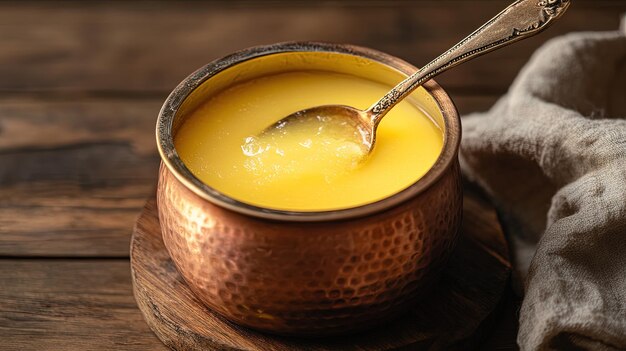
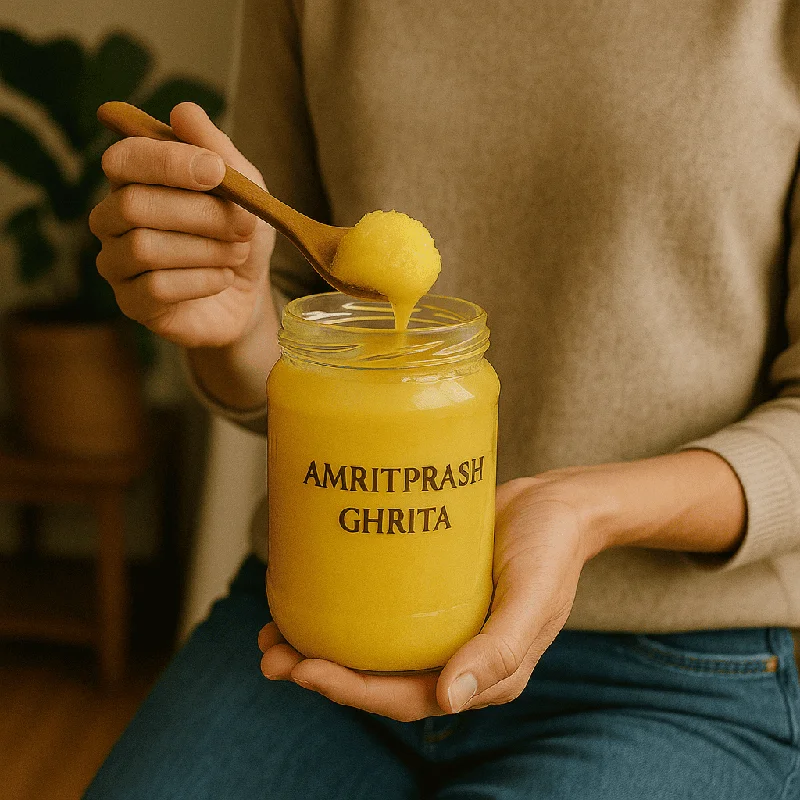
Amritprash ghrita is a ghee-based, herbal formulation traditionally used in Ayurvedic medicine for its reported immunomodulatory and rejuvenating qualities. The term “ghrita” in Sanskrit refers to clarified butter, or ghee, which is used extensively in Ayurvedic preparations due to its capacity to carry herbal ingredients deep into the body’s tissues. Amritprash ghrita is typically made by infusing medicinal herbs and spices into ghee, resulting in a potent concoction often likened to a “multi-herbal jam” or a “therapeutic butter.”
Key Characteristics
- Ghee as a base: Enhances absorption and bioavailability of herbs.
- Multi-herbal synergy: Contains a variety of traditional Ayurvedic herbs.
- Renowned for Rasayana properties: Rasayana in Ayurveda refers to rejuvenative therapies aimed at promoting longevity and vitality.
2. Historical Roots in Ayurveda
Ancient Textual References
Ayurveda, a 5,000-year-old system of medicine, categorizes amritprash ghrita under rasayana chikitsa (rejuvenation therapies). Classical texts like the “Charaka Samhita” document preparations similar to amritprash ghrita, highlighting its role in:
- Boosting the immune system
- Improving digestion and gut health
- Promoting longevity and vitality
- Supporting mental clarity and emotional balance
Evolution Over Time
Historically, preparation methods could vary by region and lineage. Over centuries, Ayurvedic practitioners refined the ingredient list based on local herb availability and shifting healthcare needs. Today, standardized recipes exist to ensure consistent quality and efficacy.
Don't wait or self medicate. Start chat with Doctor NOW
3. Key Ingredients and Their Properties
While formulations can differ slightly, common components often include:
- Ghee (Clarified Butter)
- Acts as a lipid medium that increases the bioavailability of other ingredients.
- Known for its nourishing properties in Ayurveda.
- Amalaki (Emblica officinalis or Indian Gooseberry)
- A rich source of vitamin C, antioxidants, and tannins.
- Traditionally used for improving digestion and boosting immunity.
- Guduchi (Tinospora cordifolia)
- Often called “Amrita” in Sanskrit, meaning “nectar of immortality.”
- Studied for its immunomodulatory and anti-inflammatory effects.
- Ashwagandha (Withania somnifera)
- An adaptogenic herb known for reducing stress and promoting overall vitality.
- Supported by research for its potential to balance cortisol levels.
- Licorice (Glycyrrhiza glabra)
- Provides soothing and demulcent effects, often used for respiratory health.
- Contains glycyrrhizin, which may have anti-inflammatory properties.
- Honey (Optional in Some Formulations)
- Not always included, but can be added for sweetness and additional therapeutic benefits.
Each herb contributes distinct phytoconstituents that work in synergy to create the holistic effects attributed to amritprash ghrita.
4. Mechanisms of Action: How Amritprash Ghrita Works
Bioavailability Through Lipid Medium
One central concept in Ayurveda is the use of ghrita (ghee) to “carry” water-soluble and fat-soluble active compounds into the body’s tissues. Modern science aligns with this view, observing that certain lipid-based formulations can enhance the absorption of bioactive molecules.
Immunomodulatory & Adaptogenic Effects
- Herbal synergy: Ingredients like amalaki and guduchi offer antioxidants and immune-boosting phytochemicals.
- Stress Response Regulation: Herbs like ashwagandha are adaptogens, meaning they help the body better cope with stress and restore balance.
Gut Health & Nutrient Assimilation
Some ingredients, particularly those high in dietary fiber and natural enzymes, may improve gastrointestinal function. A balanced gut microbiome is increasingly recognized as pivotal to overall health, affecting everything from immunity to neurological well-being.
5. Scientific Evidence and Current Research
Ongoing Studies
Clinical trials investigating the rasayana (rejuvenative) properties of formulations similar to amritprash ghrita have gained traction in recent decades. For instance, a 2019 study published in the Journal of Ayurveda and Integrative Medicinenoted significant improvements in subjective well-being markers among participants taking a ghee-based, poly-herbal remedy.
Meta-Analyses and Systematic Reviews
While direct meta-analyses on amritprash ghrita remain sparse, broader systematic reviews of Ayurvedic herbal concoctions show promising results for:
- Boosting immune response
- Reducing inflammation markers
- Improving antioxidant status
However, researchers emphasize the need for larger, well-controlled clinical trials to solidify these findings.
Expert Opinions
Leading Ayurvedic practitioners and some integrative medicine experts endorse amritprash ghrita for adjunctive care in conditions that involve chronic inflammation, fatigue, or weakened immunity. Yet, conventional medical consensus is more reserved, often citing a need for standardized preparations and rigorous scientific validation.
6. Health Benefits and Potential Uses
Below are some of the most commonly reported benefits of amritprash ghrita:
- Immune System Support
- Regular intake may help fortify the body’s natural defense mechanisms.
- Respiratory Health
- Certain herbs in the blend are believed to maintain clear respiratory pathways.
- Digestive Aid
- Ghee combined with herbs like amalaki may support a healthy digestive tract.
- Anti-inflammatory Potential
- Some bioactive compounds found in the herbs may help reduce inflammation markers in the body.
- Enhanced Energy and Vitality
- Rejuvenative (rasayana) properties are aimed at combating fatigue and age-related declines in physical and mental performance.
7. Preparation: Traditional vs. Modern Methods
Traditional Preparation
- Soaking & Boiling of Herbs: Herbs are often soaked overnight, then simmered in water until their essence is extracted.
- Addition of Ghee: The decoction is strained, and ghee is then added. The mixture is cooked on low heat until the water content reduces substantially.
- Infusion & Cool Down: Additional heat-sensitive herbs may be added after partial cooling, ensuring their active compounds remain intact.
Modern Adaptations
- Standardized Extracts: Many manufacturers use standardized herbal extracts for consistency in potency.
- Quality Control Measures: Modern labs test for contaminants like heavy metals, microbial load, and pesticides.
8. Usage Guidelines and Recommended Dosage
General Dosage
- Adults: Typically 1–2 teaspoons of amritprash ghrita once or twice a day, often with warm water or milk.
- Children: Usually half the adult dose, but it’s essential to consult a pediatrician or Ayurvedic specialist.
Disclaimer: Dosages can vary based on individual constitution (prakriti), health condition, and the formulation’s strength. Always consult a healthcare professional for personalized guidance.
Best Time to Consume
Amritprash ghrita is generally recommended on an empty stomach in the morning or at bedtime, making it easier for the body to absorb the nutrients.
9. Safety, Side Effects, and Precautions
Amritprash ghrita is generally well-tolerated when consumed in moderation. However:
- Allergic Reactions: Individuals with dairy allergies or sensitivities to any herbal ingredient should proceed with caution.
- Caloric Density: Since it’s ghee-based, excessive consumption can lead to unwanted weight gain or exacerbate certain metabolic conditions.
- Medication Interactions: Some herbs may interact with pharmaceuticals like blood thinners or anti-diabetic medications.
Medical Disclaimer: This article is for informational purposes only and should not replace professional medical advice. Consult your healthcare provider before adding amritprash ghrita to your regimen.
10. Expert Insights and Clinical Guidelines
From Traditional Practitioners
Ayurvedic physicians often integrate amritprash ghrita into a broader treatment protocol, which might include dietary adjustments, yoga, and other herbal formulas. They emphasize the concept of individual constitution (prakriti) to tailor dosage and frequency.
From Modern Healthcare Providers
Conventional medical practitioners may recommend amritprash ghrita as a complementary therapy—particularly for immune support—while stressing the importance of evidence-based medicine and clinical research for conclusive recommendations.
Guidelines for Healthcare Professionals
- Assessment: Evaluate a patient’s dietary habits, health status, and medication use.
- Monitoring: Watch for any contraindications or adverse effects.
- Combination Therapy: If prescribing alongside pharmaceutical drugs, assess potential herb-drug interactions.
11. FAQs on Amritprash Ghrita
Q1: Is amritprash ghrita safe for pregnant women?
A1: While certain herbal ingredients in amritprash ghrita are generally safe, pregnancy requires special caution. Always consult a qualified healthcare practitioner before use.
Q2: Can I make amritprash ghrita at home?
A2: Yes, but ensuring the right proportions, sourcing high-quality herbs, and following traditional cooking methods can be challenging. Beginners may find reputable commercial brands more convenient.
Q3: How long does it take to see results?
A3: The timeframe varies by individual. Some report noticeable improvements in vitality and digestion within a few weeks, while others may take a few months.
Q4: Can vegans consume amritprash ghrita?
A4: Traditional amritprash ghrita contains ghee (clarified butter), making it unsuitable for vegans. However, newer plant-based alternatives may be available, albeit with different efficacy profiles.
12. Conclusion and Call to Action
Amritprash ghrita serves as a fascinating intersection between age-old Ayurvedic wisdom and modern scientific inquiry. Whether you seek immune support, improved energy, or simply a natural way to enhance overall well-being, this ghee-based herbal elixir may be worth exploring. That said, remember the importance of evidence-based practice—consulting healthcare professionals, conducting thorough research, and using reputable products are crucial steps in ensuring a safe and beneficial experience. If you’ve found this article helpful, feel free to share it with friends, comment below with your own experiences, and subscribe to stay updated on the latest in integrative health and wellness. Your journey with amritprash ghrita or any Ayurvedic formulation can be enriched by a community of informed readers and practitioners alike.
References & Recommended Readings
- Charaka Samhita, Ancient Ayurvedic Text
- Journal of Ayurveda and Integrative Medicine (2019),
PubMed Abstract - National Institutes of Health, Dietary Supplements
NIH Office of Dietary Supplements - World Health Organization, Traditional Medicine Strategy
WHO Publications
Disclaimer: The information provided in this article is for educational and informational purposes only. It does not constitute medical advice. For personalized recommendations, always consult a qualified healthcare professional.
Questions from users
What signs indicate an allergic reaction to amritprash ghrita?
Quinn
1 day ago
Signs of an allergic reaction to amritprash ghrita may include itching, hives, swelling (particularly around the lips, tongue, or throat), difficulty breathing, nausea, vomiting, or stomach upset. These symptoms can appear quickly after ingestion. The ghee in amritprash ghrita can cause issues for those with dairy allergies. It's crucial to stop using it if you experience any of these symptoms and see a doctor immediately, especially as allergies can be severe or even life-threatening. For personalized advice, consult a healthcare professional familiar with your medical history.
Can I mix amritprash ghrita with other herbal supplements for added benefits?
Makayla
11 days ago
Yeah, you can mix amritprash ghrita with other herbal supplements. Just be sure to check in with a healthcare pro first. Balancing your doshas and keeping your agni strong matters, so it's essential to make sure everything plays well together for your body's unique needs.
What is the recommended duration for taking amritprash ghrita before expecting results?
Landon
20 days ago
There's no one-size-fits-all answer for how long it takes to see results from amritprash ghrita since it depends on individual factors like health status and dosha balance. Some folks might notice changes in a few weeks, but for others, it may take longer. Best to chat with your healthcare provider for tailored advice! 🔍
What is the role of ghee in Ayurvedic medicine and why is it so important?
Vanessa
29 days ago
Ghee plays a huge role in Ayurvedic medicine due to its ability to penetrate deeply into the tissues, carrying the benefits of herbs and nutrients with it. It's like a vehicle for delivering the good stuff right where it's needed. Plus, it helps in balancing the doshas, supports digestion, and nourishes the dhatus, or tissues.
What is the best way to store amritprash ghrita to prolong its shelf life?
Una
38 days ago
Yo, to keep amritprash ghrita fresh, store it in a cool, dry place away from sunlight. Make sure the jar's airtight. A dark, glass container would be ideal 'cause it shields from light. Refrigerating it could extend its life too, but always check for signs of spoilage. If it changes smells or color, it's prob not good anymore.
Can I use amritprash ghrita as a topical treatment for skin issues?
Virginia
48 days ago
Amritprash ghrita isn't commonly used as a topical treatment. It's more of an ingestible meant to balance doshas and enhance digestion when taken internally. But everyone's unique, so if you're considering trying it on skin issues, do consult with an Ayurvedic practitioner first just to be safe! Skin can be sensitive.
Is amritprash ghrita suitable for children, and what dosage should I consider?
Andrew
57 days ago
Yes, Amritprash Ghrita can be suitable for kids, but it's super important to check with a healthcare professional to get the right dosage for them. Generally, a small dose like a quarter or half teaspoon might be fine, but again, best to consult to ensure safety and appropriateness for your child's unique needs.
What is the ideal storage method for amritprash ghrita to maintain its potency?
Genesis
67 days ago
The best way to store amritprash ghrita is in a cool, dark place - preferably in an airtight glass jar to keep moisture out. Keep it away from direct sunlight and heat sources, as they can affect its potency. If stored well, it should last for a good amount of time.
What is the process for making amritprash ghrita at home?
Wallace
77 days ago
To make amritprash ghrita, you'll need a good-quality ghee, along with herbs like amla, shatavari, or ashwagandha. You'll gently heat these herbs in the ghee, letting them infuse over a low flame. Strain the mixture & let it cool before storing it. It's important to ensure cleanliness throughout the process. Adjust ingredients based on your dosha and consult a professional for specifics.
What is the best time of day to take amritprash ghrita for optimal results?
Shelby
86 days ago
Best time to take amritprash ghrita is early morning on an empty stomach. This helps your body absorb its nutrients more effectively and balance your doshas better. But everyone’s body is different, so you might try taking it before bedtime if that feels more right for you. Either way, listen to your body!
Related articles

Gastrointestinal Disorders
Ras Pachak Vati Uses: An Ayurvedic Solution for Digestive Wellness
Ras Pachak Vati is a time-tested Ayurvedic remedy for digestive wellness. Its ability to relieve indigestion, acidity, and bloating makes it a must-have for those seeking natural and holistic solutions for gut health
3,887
Gastrointestinal Disorders
Ayurvedic Medicine for Blood Clots: A Science-Based Overview
Explore how ayurvedic medicine for blood clot prevention complements modern therapies. Learn about research, best practices, and safe usage.
4,114
Gastrointestinal Disorders
Sudha Varga in Ayurveda – Health Benefits and Scientific Insight
Explore the Ayurvedic concept of Sudha Varga, its therapeutic uses, and the latest scientific findings supporting its role in holistic health.
3,026
Gastrointestinal Disorders
Kalasakadi Kashayam Benefits: Boost Your Health Naturally with Ayurveda
Explore the benefits, proper dosage, uses, and scientific evidence behind Kalasakadi Kashayam, a potent Ayurvedic herbal decoction for overall health.
2,939

Gastrointestinal Disorders
Drakshasava Uses, Side Effects, Dose, And Ingredients
Exploration of Drakshasava Uses, Side Effects, Dose, And Ingredients
4,439

Gastrointestinal Disorders
Krimi Kuthar Ras Benefits, Dosage, Ingredients, Side Effects
Exploration of Krimi Kuthar Ras Benefits, Dosage, Ingredients, Side Effects
5,953

Gastrointestinal Disorders
Ayurvedic Treatment for Gastritis: A Real Talk on Gut Healing
Let’s not sugarcoat it—gastritis sucks. Whether it hits you like a slow burn or drops you with sudden, stabbing upper-abdominal pain, it’s no walk in the park. Technically speaking, gastritis is inflammation of the stomach lining. But if you’ve dealt with
3,371
Gastrointestinal Disorders
Panchavalkala Churna: An Ayurvedic Solution for Holistic Healing
Panchavalkala Churna is a versatile Ayurvedic formulation that addresses various health concerns, from digestive disorders to skin care. Its natural properties make it a safe and effective option for those seeking holistic healing.
3,092
Gastrointestinal Disorders
Madhuyashtyadi Taila – Traditional Ayurvedic Oil for Healing and Rejuvenation
Discover the benefits and uses of Madhuyashtyadi Taila, a potent Ayurvedic herbal oil renowned for its wound healing, rejuvenation, and detoxification properties, enhancing overall wellness.
4,033

Gastrointestinal Disorders
Vilwadi Gutika: Scientific Insights & Practical Applications
Explore the science behind Vilwadi Gutika, its Ayurvedic origins, research findings, and expert tips for safe, effective use in holistic healthcare.
3,009
Related consultations on the topic
Legal
Additional Documents
© 2024 Ask Ayurveda. All rights reserved.