

Ask Ayurvedic doctor a question and get a consultation online on the problem of your concern in a free or paid mode. More than 2,000 experienced doctors work and wait for your questions on our site and help users to solve their health problems every day.
FREE! Ask Ayurvedic Doctors 24/7

 Fast responses
 1000+ verified doctors
Body DetoxEar, Nose, and Throat DisordersGeriatrics & RejuvenationImmunodeficiencyInfertility TreatmentNutritionOrthopedic DisordersPediatricsRespiratory DisordersSexually Transmitted Diseases (STDs)Surgery RecoveryUrological DisordersVascular DisordersDental DisordersEndocrinological DisordersGastrointestinal DisordersYoga TherapyGeneral MedicineAllergic DisordersCardio DisordersGynecology and ObstetricsCosmetologySkin and Hair DisordersEye DisordersInfectious DiseasesMental DisordersNeurological DisordersOncologyPanchakarmaSexual Health & DisordersSports Medicine
Published on 01/29/25
(Updated on 07/05/26)
3,350
Atatvabhinivesha – Understanding the Concept & Significance in Ayurveda
Introduction to Atatvabhinivesha
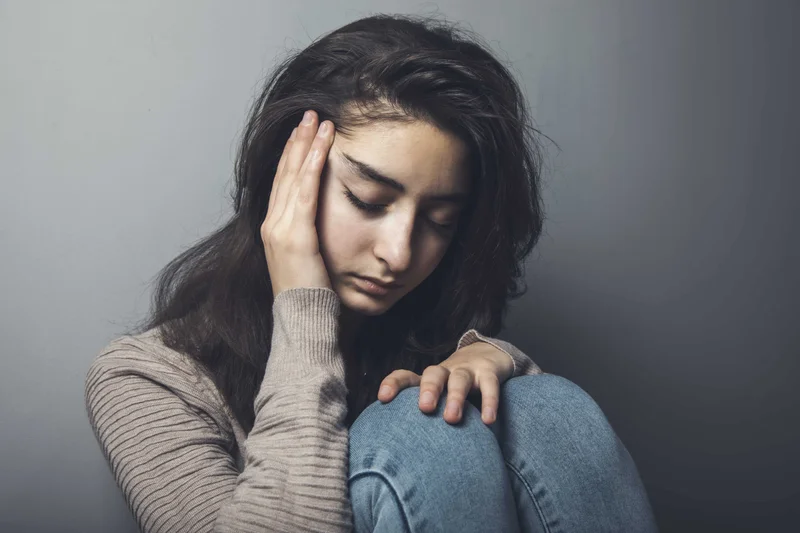
Atatvabhinivesha is an important concept in Ayurveda that pertains to the confusion or misidentification of the self with something that is not one's true essence. This misidentification typically leads to emotional distress and mental imbalances, resulting in an individual’s inability to discern their true nature. In Ayurveda, Atatvabhinivesha is often associated with emotional and psychological conditions such as anxiety, fear, depression, and existential confusion, and is considered a barrier to mental clarity and inner peace.
Historical Roots & Ayurvedic Significance
In Ayurvedic philosophy, understanding the nature of the self, or Atman, is key to achieving mental health and spiritual well-being. Atatvabhinivesha translates to a misconception about the nature of reality, where an individual mistakenly identifies themselves with external factors such as material possessions, societal status, or fleeting emotions. This identification creates imbalances within the mind and emotions, leading to mental disturbances. The concept emphasizes the need for self-awareness and the realization of one’s true nature as part of achieving holistic health.
Key Aspects of Atatvabhinivesha
1. Misidentification of the Self
Atatvabhinivesha occurs when individuals identify their self with transient external factors or false beliefs. These could be material possessions, titles, or external validations that do not reflect one's true essence. This leads to mental and emotional disturbance, as the individual becomes attached to things that are impermanent and beyond their control.
2. Mental and Emotional Disturbances
When a person is influenced by Atatvabhinivesha, they experience psychological and emotional disturbances, including:
- Anxiety and stress from the constant fear of losing attachments or external sources of validation.
- Depression due to disillusionment when the person’s expectations do not align with reality.
- Existential confusion and a sense of disconnection from one’s true self, leading to feelings of emptiness.
- Fear of change or the unknown, due to attachment to the familiar.
3. The Role of the Mind in Atatvabhinivesha
According to Ayurveda, the mind is the root of all emotional and psychological conditions. Atatvabhinivesha arises from incorrect thought patterns and attachments that create illusions. The mind’s attachment to the material world and the ego contributes to the misperception of self, which in turn fuels emotional imbalances and prevents the realization of true inner peace.
4. The Impact of Atatvabhinivesha on Doshas
Atatvabhinivesha can aggravate the three doshas — Vata, Pitta, and Kapha — depending on the nature of the emotional disturbance:
- Vata imbalance may cause anxiety, restlessness, and confusion.
- Pitta imbalance could result in irritability, anger, and frustration.
- Kapha imbalance may manifest as depression, lethargy, and attachment to material comfort.
This confusion and misidentification create a state of imbalance in the mind and body, leading to disorders and poor mental health.
Don't wait or self medicate. Start chat with Doctor NOW
How Atatvabhinivesha Affects Overall Well-being
Atatvabhinivesha is considered a major obstacle to achieving mental clarity, emotional balance, and spiritual growth. When an individual is caught in the cycle of misidentification, they are unable to experience true contentment or peace, as their happiness is dependent on transient external factors. This constant dependence on external validation or material possessions leads to mental instability and emotional suffering. True well-being, according to Ayurveda, can only be achieved when an individual realizes their true nature beyond the material world.
Addressing Atatvabhinivesha in Ayurveda
1. Self-Realization and Awareness
The first step in overcoming Atatvabhinivesha is to realize the false identification with external factors and return to one’s true essence. Ayurveda emphasizes the importance of self-awareness and the practice of meditation, mindfulness, and contemplation to recognize the transient nature of the material world and establish a deeper connection with the inner self.
2. Balancing the Doshas
To address the mental and emotional imbalances caused by Atatvabhinivesha, Ayurvedic treatments focus on restoring harmony to the doshas. This can include:
- Herbal remedies: Herbs like Brahmi, Ashwagandha, and Shankhpushpi help calm the mind, improve mental clarity, and reduce anxiety.
- Dietary changes: An appropriate diet based on one’s dosha can help balance the mind and body, reducing the emotional disturbances caused by misidentification.
- Lifestyle adjustments: Regular sleep patterns, stress management techniques, and physical activity can help reduce the impact of emotional disturbances and bring balance to the mind.
3. Emotional Healing Practices
Ayurveda also advocates for practices that nurture emotional health, including:
- Yoga: Certain yoga practices, such as pranayama (breath control) and dhyana (meditation), can help calm the mind, reduce stress, and create a sense of inner peace.
- Detachment (Vairagya): Developing detachment from material possessions and societal expectations is a key principle in Ayurvedic healing, as it helps individuals align more with their true nature.
- Therapeutic massage: Ayurvedic massages with calming oils help reduce mental tension and provide physical and emotional relaxation.
4. Seeking Guidance from a Spiritual Mentor
In Ayurveda, spiritual well-being is equally important as physical health. Seeking guidance from a spiritual mentor or Ayurvedic practitioner can help individuals on their journey to overcoming Atatvabhinivesha. These mentors can provide wisdom and guidance to help individuals navigate emotional and psychological imbalances and foster a deeper understanding of their true self.
Frequently Asked Questions (FAQ)
What is Atatvabhinivesha in Ayurveda?
Atatvabhinivesha refers to the confusion or misidentification of the self with external factors, leading to mental and emotional disturbances. It is seen as a barrier to true mental clarity and peace.
How does Atatvabhinivesha affect mental health?
Atatvabhinivesha can lead to anxiety, stress, depression, existential confusion, and emotional instability. The misidentification with external things creates attachment, fear, and a sense of emptiness.
How can Atatvabhinivesha be treated in Ayurveda?
Treatment for Atatvabhinivesha focuses on self-awareness, balancing the doshas, using calming herbs, and engaging in emotional healing practices like meditation, yoga, and detachment from material attachments.
What are the common emotional symptoms of Atatvabhinivesha?
Common emotional symptoms include anxiety, stress, depression, existential confusion, and an overwhelming sense of fear or insecurity due to attachment to transient external factors.
How does Ayurveda view the mind in relation to Atatvabhinivesha?
Ayurveda views the mind as the root of emotional and mental conditions. Atatvabhinivesha arises from incorrect thought patterns and attachments to the material world, which disrupt the natural flow of mental clarity and peace.
Can yoga help in overcoming Atatvabhinivesha?
Yes, yoga, especially meditation and breath control (pranayama), is highly beneficial in calming the mind, fostering emotional balance, and helping individuals connect with their true self.
Is detachment important in overcoming Atatvabhinivesha?
Yes, detachment from material possessions and societal validation is a crucial principle in Ayurveda. It helps individuals release attachments that cause emotional disturbance and aligns them with their true, inner nature.
Conclusion & Expert Insights
Atatvabhinivesha represents a critical Ayurvedic concept that addresses the emotional and psychological imbalances arising from misidentifying the self with external, impermanent factors. By recognizing and overcoming these attachments through self-awareness, Ayurveda provides effective tools for restoring mental clarity, emotional stability, and spiritual well-being. Embracing practices such as meditation, yoga, and a balanced lifestyle can help individuals break free from the cycle of misidentification and experience lasting peace.
References & Further Reading
- Sharma, P.V. (1995). Ayurvedic Healing: A Comprehensive Guide.
- Lad, V. (2002). Ayurveda: The Science of Self-Healing.
- Journal of Ayurveda and Integrative Medicine for research on mental health and emotional healing in Ayurveda.
- National Institute of Ayurveda:
Questions from users
Is it normal to feel depressed when my expectations don't match reality?
Vance
7 days ago
Yes, it's quite normal. When your expectations don't match reality, it can create a sense of disillusionment, which can lead to feelings of depression. It's like a natural reaction of the mind trying to navigate discontent. A good step is to seek guidance from a spiritual mentor or an Ayurvedic practitioner to help you realign your thoughts with your true self.
Can I use Ayurveda to improve my emotional balance and reduce anxiety?
Levi
17 days ago
Absolutely, Ayurveda can definitely help with emotional balance and reduce anxiety. It focuses on identifying your unique dosha and creating balance through diet, lifestyle, and herbs. You might wanna try ghee for memory and emotions or ashwagandha for anxiety. Also, regular meditation and pranayama, like we talked about in the article, really helps too!
Is it safe to seek help from an Ayurvedic practitioner for emotional issues?
Vanessa
26 days ago
Yes, it's generally safe to seek help from an Ayurvedic practitioner for emotional issues. They might offer approaches like herbs, meditation, or diet to support mental health. But, it's important to also check in with a mental health professional, keep an open conversation about both practices, and make sure everything fits your personal needs and feels right for you.
What is the role of the ego in emotional imbalances according to Ayurveda?
Wade
35 days ago
In Ayurveda, the ego contributes to emotional imbalances when it leads us away from recognizing our true self (Atman). This misalignment is a root cause of issues like anxiety or depression because we're attaching too much to material or external things instead of our inner essence. Working on self-awareness and lessening that external attachment can really help!
What is the impact of emotional attachments on mental health in Ayurveda?
Nadine
44 days ago
In Ayurveda, emotional attachments can create imbalance in the mind, which may lead to mental turbulence. When we cling to things like status or possessions, it disrupts our peace, causing emotional distress. Letting go through self-awareness restores balance, clarity, and stability. Watch out for those external validations—focus more on inner essence.
What is Atatvabhinivesha and how does it affect mental health in Ayurveda?
Reid
54 days ago
Atatvabhinivesha refers to the misconception of identifying with things that are not aligned with our true self, or Atman. In Ayurveda, this misidentification can lead to mental health issues like anxiety, fear, or existential confusion. It distracts from inner peace by focusing on external, impermanent factors. Seeking guidance from an Ayurvedic practitioner can be a way to address these challenges. Think about practices that promote awareness and true understanding of the self, might help in overcoming these issues.
What is the role of breath control in managing emotional balance according to Ayurveda?
Presley
64 days ago
Breath control or pranayama in Ayurveda is super helpful for emotional balance. It regulates your prana energy, calms the nervous system, and helps clear your mind. When your breath is steady and peaceful, your emotions tend to follow suit. It's really about finding internal harmony and balancing your doshas.
What is the significance of self-awareness in Ayurveda for improving mental clarity?
Serenity
73 days ago
Self-awareness in Ayurveda is kinda like shining a light on your inner world. It helps you understand your mental patterns and emotions better, which can really boost mental clarity. By being more aware, you align more with your true self instead of gettin' lost in external stuff—this can clear up that mental fog and bring peace.
What is the role of meditation in achieving inner peace according to Ayurveda?
Daniel
83 days ago
Meditation is super important in Ayurveda for finding inner peace. It helps calm the mind, reducing its attachment to the material stuff and the ego. By focusing inward, you start seeing through all the external noise, leading to a balanced emotional state and eventually, true peace. It's all about connecting with that deeper part of yourself :)
How does Atatvabhinivesha contribute to emotional instability in everyday life?
Henry
92 days ago
Atatvabhinivesha messes with emotional stability cuz it leads to misidentifcation and attachment to illusions. This creates dependence on external stuff for validation, causing anxiety, stress or depression. It basically stops you from seeing the real you, affecting your mental clarity. Recognizing these patterns can help gain stability and peace.
Related articles

Mental Disorders
Dementia Treatment in Ayurveda – Holistic Approach to Cognitive Health
Explore effective dementia treatment in Ayurveda through natural herbal therapies, medhya rasayanas, and detoxification techniques designed to enhance cognitive function, memory, and overall brain health.
3,132

Mental Disorders
Depression and Ayurveda: A Natural Path
Ayurveda views depression as an imbalance in the body's natural energies, influenced by the doshas, rather than just a mental health issue.
2,419

Mental Disorders
Manasamitra Vatakam Benefits, Dosage, Ingredients and Side Effects
Exploration of Manasamitra Vatakam Benefits, Dosage, Ingredients and Side Effects
8,306

Mental Disorders
Rilanx Capsules: Uses, Benefits, and Scientific Insights
Discover the science behind Rilanx Capsules, their benefits, potential risks, and research-backed insights to make informed healthcare decisions.
4,322

Mental Disorders
Achieve Body & Mind Balance through Ayurveda
Body and mind balance plays an important role in one’s life. It helps a person to achieve their utmost potential and lead life in an efficient manner.
2,768

Mental Disorders
Stress Management: Techniques and Tips to Help You Cope
Stress is a common experience that everyone goes through at some point in their lives.
2,807

Mental Disorders
Stress Management through Ayurveda
Stress is one of the biggest antagonists of modern society. It plays an important role in reducing one’s productivity and affects both the physical and mental health of an individual.
3,065

Mental Disorders
Psychological Illnesses
Mental illness is a condition that affects an individual’s thinking, feelings, mood, and behavior. They can be occasional or long-term (chronic).
2,998

Mental Disorders
Manasamitra Vatakam – Benefits, Dosage, Ingredients, Side Effects
Exploration of Manasamitra Vatakam – Benefits, Dosage, Ingredients, Side Effects
5,481

Mental Disorders
Understanding Anxiety through Ayurveda
Ayurveda views anxiety as a disruption in mind-body balance, emphasizing the importance of understanding its root causes.
2,486
Related consultations on the topic
Legal
Additional Documents
© 2024 Ask Ayurveda. All rights reserved.