Ask Ayurvedic doctor a question and get a consultation online on the problem of your concern in a free or paid mode. More than 2,000 experienced doctors work and wait for your questions on our site and help users to solve their health problems every day.
FREE! Ask Ayurvedic Doctors 24/7

 Fast responses
 1000+ verified doctors
Body DetoxEar, Nose, and Throat DisordersGeriatrics & RejuvenationImmunodeficiencyInfertility TreatmentNutritionOrthopedic DisordersPediatricsRespiratory DisordersSexually Transmitted Diseases (STDs)Surgery RecoveryUrological DisordersVascular DisordersDental DisordersEndocrinological DisordersGastrointestinal DisordersYoga TherapyGeneral MedicineAllergic DisordersCardio DisordersGynecology and ObstetricsCosmetologySkin and Hair DisordersEye DisordersInfectious DiseasesMental DisordersNeurological DisordersOncologyPanchakarmaSexual Health & DisordersSports Medicine
Published on 02/05/25
(Updated on 07/10/26)
2,927
Sthanika Chikitsa – Ayurvedic Local Therapies for Targeted Healing
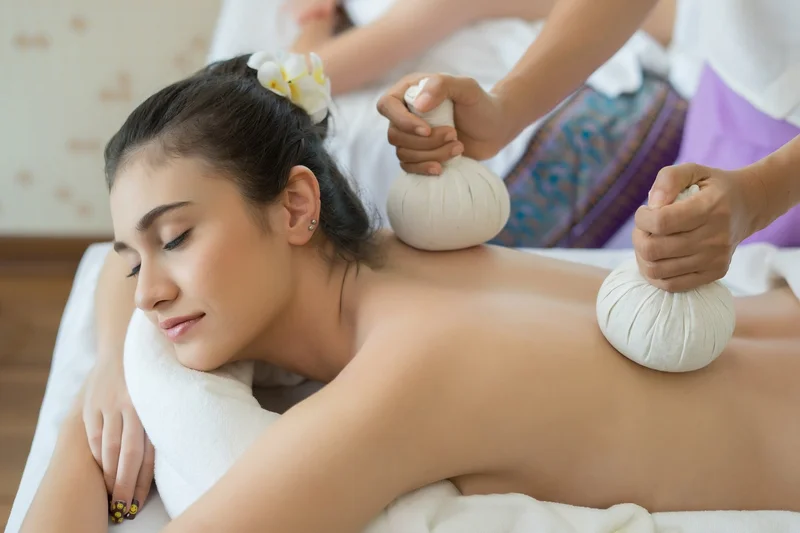
Sthanika Chikitsa is the Ayurvedic system of local (topical) therapeutic procedures applied directly to the affected site — most commonly the vaginal canal — to treat gynaecological disorders classified under Stree Roga and Prasuti Tantra. Unlike systemic (Sarvadaihika) therapy that works through oral medication and whole-body detoxification, Sthanika Chikitsa delivers medicated formulations straight to the reproductive tissues, leveraging the high absorptive capacity of the vaginal mucosa for rapid, targeted healing. According to the World Health Organization, approximately 357 million new cases of reproductive tract infections occur globally every year, which underscores just how relevant these time-tested local therapies remain in modern clinical practice.
This guide covers every major procedure within Sthanika Chikitsa — from Yoni Prakshalana to Yoni Dhoopana — along with step-by-step protocols, specific herbal formulations, contraindications, clinical evidence, and a detailed comparison with conventional gynaecological treatments. Whether you are a BAMS/MD Ayurveda student, a practicing Vaidya, or a woman exploring natural options for reproductive health, this is the most comprehensive resource you will find.
What Is Sthanika Chikitsa? Definition, Etymology and Ayurvedic Context
The term Sthanika Chikitsa derives from two Sanskrit words: Sthanika (स्थानिक), meaning "local" or "pertaining to a specific place," and Chikitsa (चिकित्सा), meaning "treatment" or "therapeutics." In the framework of Ayurvedic gynaecology, it refers to any therapeutic procedure performed directly on or within the Yoni (vaginal canal and surrounding structures) to address localized pathology.
Classical Acharyas recognized that many gynaecological conditions — especially the 20 types of Yonivyapad described in Charaka Samhita (Chikitsa Sthana, Chapter 30) — involve localized Dosha vitiation in the Apana Vayu region. While systemic purification (Shodhana) and internal medicines (Shamana) correct the root imbalance, Sthanika Chikitsa acts as the critical adjuvant that addresses local symptoms directly and often provides faster symptomatic relief.
Sthanika Chikitsa vs Sarvadaihika Chikitsa (Local vs Systemic Therapy)
Understanding the distinction between these two therapeutic approaches is foundational:
| Parameter | Sthanika Chikitsa (Local) | Sarvadaihika Chikitsa (Systemic) |
|---|---|---|
| Route | Topical — vaginal, perineal, vulvar | Oral, nasal, rectal (systemic absorption) |
| Primary Goal | Direct action on local pathology | Correction of systemic Dosha imbalance |
| Speed of Relief | Often rapid (symptomatic) | Gradual (addresses root cause) |
| Key Procedures | Yoni Prakshalana, Varti, Pichu, Lepana, etc. | Vamana, Virechana, Basti, oral Kashaya |
| Absorption Mechanism | Vaginal mucosa (rich venous plexus) | GI tract absorption, first-pass metabolism |
| Classical Indication | Adjuvant for Yonivyapad, Shweta Pradara | Primary for Doshic correction, Ama Pachana |
In practice, most Ayurvedic gynaecologists use both approaches simultaneously. Acharya Charaka explicitly recommends combining Shodhana with Sthanika Chikitsa for comprehensive management of Yonivyapad (Ch.Chi.30/115-116).
Why the Vaginal Mucosa Makes Local Therapy So Effective
The vaginal mucosa is a non-keratinized stratified squamous epithelium with an extensive venous plexus (the vaginal venous plexus drains into the internal iliac veins).
This anatomical feature allows for:
- Rapid drug absorption without hepatic first-pass metabolism
- High local bioavailability of herbal active compounds
- Direct contact with pathological discharge, microbial colonies, and inflamed tissue
A 2017 review published in the Journal of Ayurveda and Integrated Medical Sciences noted that the vaginal route can achieve local tissue drug concentrations 10–100 times higher than oral administration for the same compound. This is precisely why Sthanika Chikitsa has endured as a cornerstone of Stree Roga management for thousands of years.
Historical References in Classical Ayurvedic Texts
Sthanika Chikitsa is not a modern improvisation. It is deeply embedded in the foundational texts of Ayurveda.
Charaka Samhita
Acharya Charaka provides the most systematic description of Yonivyapad (20 types) in Chikitsa Sthana, Chapter 30. He describes Nidana (etiology), Samprapti (pathogenesis), Lakshana (symptoms), and Chikitsa (treatment) for each type. Crucially, Charaka prescribes specific Sthanika Chikitsa procedures — including Yoni Prakshalana with Kashaya (decoctions), Kalka (paste) application, and Varti (suppository) insertion — as integral components of the treatment protocol. He mentions that after systemic Shodhana, the local application of Ghrita (medicated ghee) and Taila (medicated oil) to the Yoni is essential for complete resolution.
Sushruta Samhita
- Acharya Sushruta, in Uttara Tantra (Chapter 38), describes Yonivyapad from a surgical perspective.
- His unique contribution includes the concept of Yoni Dharana — the use of devices or plugs to retain medication within the vaginal canal. Sushruta also elaborates on Yoni Dhoopana (fumigation) using specific Dravyas like Guggulu, Haridra, and Neem leaves, a procedure that has antimicrobial implications validated by modern research.
Ashtanga Hridaya and Ashtanga Sangraha (Vagbhata)
Vagbhata consolidates the teachings of both Charaka and Sushruta. In Uttara Sthana, he provides a concise but clinically actionable summary of Sthanika Chikitsa procedures, adding specific Yoga (formulation combinations) not found in earlier texts. His emphasis on Yoni Pichu (medicated tampon) as a daily therapeutic measure for chronic conditions like Shweta Pradara is a notable contribution.
Kashyapa Samhita and Other Texts
The Kashyapa Samhita, focused on Kaumarbhritya (pediatrics) and obstetrics, provides insights into the use of Sthanika Chikitsa during the postpartum period (Sutika Kala). Bhavaprakasha and Sharangadhara Samhita further elaborate on the pharmaceutical preparation of Varti (suppositories) and Taila (medicated oils) specifically designed for vaginal application.
Types of Sthanika Chikitsa: All Major Local Therapies Explained
The classical texts describe approximately 7–10 distinct types of Sthanika Chikitsa. Below is a detailed breakdown of each, including step-by-step protocols that no other online resource currently provides in full.
Yoni Prakshalana (Vaginal Douching / Irrigation)
Yoni Prakshalana involves washing or irrigating the vaginal canal with medicated decoctions (Kashaya), warm water infusions, or medicated liquids. It is considered the most fundamental and widely practiced form of Sthanika Chikitsa.
Step-by-Step Procedure (Purva, Pradhana, Pashchat Karma)
Purva Karma (Preparation):
- Patient is asked to empty the bladder
- Lithotomy position on a Yoni Karma table (or modified dorsal position)
- Perineal area cleaned with lukewarm water
- Medicated Kashaya prepared fresh — temperature maintained at approximately 37–40°C (lukewarm)
Pradhana Karma (Main Procedure):
- Using a sterile catheter or Yoni Yantra (vaginal speculum), the medicated liquid is introduced into the vaginal canal.
- Volume: typically 500–1000 mL per session (varies by condition)
- Duration of irrigation: 10–15 minutes
- Gentle flow maintained — no forceful irrigation
Pashchat Karma (Post-Procedure):
- Excess liquid allowed to drain naturally
- Perineal area patted dry with sterile gauze
- Patient rests in supine position for 15–20 minutes
- Yoni Pichu or Varti may be inserted subsequently if indicated
Specific Formulations for Yoni Prakshalana
| Condition | Recommended Kashaya/Liquid | Key Dravyas |
|---|---|---|
| Kaphaja Yonivyapad | Triphala Kashaya | Haritaki, Bibhitaki, Amalaki |
| Vataja Yonivyapad | Dashamoola Kashaya | Bilwa, Agnimantha, Shyonaka, Patala, Gambhari + 5 Laghu Pancha Moola |
| Pittaja Yonivyapad | Nyagrodhadi Kashaya | Nyagrodha (Ficus benghalensis), Udumbara, Ashvattha, Plaksha |
| Shweta Pradara (Leucorrhoea) | Panchavalkala Kashaya | Vata, Udumbara, Ashvattha, Parisha, Plaksha (barks) |
| Yoni Kandu (Vaginal Itching) | Neem Patra Kashaya + Haridra | Nimba, Haridra |
Yoni Pichu (Medicated Vaginal Tampon)
- Yoni Pichu involves placing a sterile cotton or gauze tampon soaked in medicated oil (Taila) or ghee (Ghrita) inside the vaginal canal.
- The tampon is retained for a specific duration — allowing prolonged contact between the medication and vaginal mucosa.
Common Medicated Oils Used:
- Jatyadi Taila — for wounds, ulcers, cervical erosion
- Shatavari Ghrita — for Vataja conditions, dryness, atrophy
- Phala Ghrita — for infertility (Vandhyatva) related protocols
- Yashtimadhu Taila — for Pittaja inflammation
- Nirgundi Taila — for pain-dominant conditions
Retention Time: Typically 3–6 hours (Muhurta-based timing varies by Dosha — Vataja conditions benefit from longer retention). Frequency: Usually once daily for 7–14 days, or as specified by the treating Vaidya.
Yoni Varti (Vaginal Suppositories)
Yoni Varti is perhaps the most pharmacologically sophisticated form of Sthanika Chikitsa. Varti are solid, cylindrical or conical medicated preparations inserted into the vaginal canal where they dissolve gradually, releasing active ingredients over hours.
Preparation Method (per Sharangadhara Samhita):
- Fine powder (Churna) of indicated herbs mixed with binding agents
- Common binding agents: honey (Madhu), ghee (Ghrita), or wax (Siktha)
- Rolled into cylindrical shape — approximately 2–3 cm length, 1–1.5 cm diameter
- Dried in shade (not direct sunlight to preserve volatile oils)
Specific Varti Formulations:
| Varti Name | Ingredients | Primary Indication |
|---|---|---|
| Dashamoola Varti | Dashamoola Churna + Ghrita | Vataja Yonivyapad, pain |
| Palasha Varti | Palasha Beeja Churna + Madhu | Yoni Kandu, Kaphaja conditions |
| Tankana Varti | Tankana (Borax) + Neem + Ghrita | Kaphaja discharge, candidiasis |
| Arka Varti | Arka Patra + Haridra + Tila Taila | Yoni Arshas (vaginal polyps) |
| Phala Ghrita Varti | Phala Ghrita base + Shatavari | Vandhyatva (infertility support) |
Yoni Lepana (Local Paste Application)
Yoni Lepana involves applying a medicated paste (Kalka) to the vaginal walls, cervix, or vulvar area. The paste is prepared fresh from powdered herbs mixed with appropriate liquid media.
Typical application thickness: 3–5 mm layer Duration of retention: 30–45 minutes before gentle removal with lukewarm Kashaya wash
This procedure is particularly effective for localized swelling (Shotha), inflammation (Daha), and specific lesions. Acharya Sushruta recommends Lodhra + Dhanyaka + Yashtimadhu Lepana for Raktaja Yonivyapad.
Yoni Dhoopana (Vaginal Fumigation)
Yoni Dhoopana involves exposing the vaginal canal to medicated smoke or steam generated by burning specific herbs on charcoal.
Procedure:
- Patient sits on a special Dhoopana Yantra (fumigation stool with an opening)
- Medicated herbs placed on burning charcoal beneath the stool
- Smoke rises and contacts the perineal and vaginal area
- Duration: 5–10 minutes (patient comfort monitored continuously)
Common Dhoopana Dravyas: Guggulu, Haridra, Neem leaves, Ghrita, Sarshapa (mustard), Vacha
A 2020 study published in Ayushdhara reported that Yoni Dhoopana with Guggulu-based formulations demonstrated significant antimicrobial activity against common vaginal pathogens including Candida albicans and Gardnerella vaginalis in vitro.
Yoni Poorana (Vaginal Tamponing / Filling)
Yoni Poorana involves filling the vaginal canal with medicated Kalka (paste) or semi-solid preparations. It differs from Pichu in that the entire cavity is filled rather than a tampon being placed. This is indicated in severe Yonivyapad with prolapse tendencies or extensive mucosal involvement.
Yoni Dharana (Retention Devices)
Described primarily by Sushruta, Yoni Dharana involves inserting and retaining a medicated device or pessary within the vaginal canal. This is the closest classical parallel to the modern vaginal pessary used for uterine prolapse. The device may be coated with medicated Ghrita or Taila.
Uttara Basti (Intrauterine Instillation)
Though sometimes classified separately under Panchakarma, Uttara Basti is a form of Sthanika Chikitsa that involves instilling medicated oil or decoction directly into the uterine cavity via the cervical os. It is considered the most potent Sthanika Chikitsa for conditions like Vandhyatva (infertility), Artava Vyapad (menstrual disorders), and tubal blockage.
Dosage: 25–50 mL of medicated Taila or Ghrita per session (Sharangadhara Samhita) Timing: Performed during Ritukala (post-menstrual proliferative phase, days 5–12) Course: Typically 3 consecutive days, repeated for 3 menstrual cycles
What Is the Role of Sthanika Chikitsa in Stree Roga?
Sthanika Chikitsa is not merely an "add-on" in Stree Roga — it is often the decisive therapeutic intervention that determines clinical outcomes.
Management of 20 Yonivyapad
Each of the 20 Yonivyapad described by Charaka has specific Sthanika Chikitsa recommendations.
Here is a focused mapping:
| Yonivyapad Type | Dosha | Recommended Sthanika Chikitsa | Key Dravya |
|---|---|---|---|
| Vatala Yonivyapad | Vata | Yoni Pichu with Bala Taila + Uttara Basti with Shatavari Ghrita | Bala, Shatavari |
| Pittala Yonivyapad | Pitta | Yoni Prakshalana with Nyagrodhadi Kashaya + Yoni Pichu with Shatadhauta Ghrita | Nyagrodha, Chandana |
| Shlaishmiki Yonivyapad | Kapha | Yoni Dhoopana + Varti with Tankana | Tankana, Haridra |
| Raktaja Yonivyapad | Rakta/Pitta | Yoni Lepana with Lodhra Kalka | Lodhra, Ashoka |
| Acharana | Vata | Yoni Pichu with Tila Taila | Tila, Masha |
| Aticharana | Vata | Yoni Prakshalana with Dashamoola + Pichu | Dashamoola |
| Udavarta | Vata | Uttara Basti with Dashamoola Taila | Dashamoola |
| Bandhya (infertility) | Tridosha | Uttara Basti with Phala Ghrita | Phala Ghrita |
Beyond Yonivyapad: Other Conditions Treated
Sthanika Chikitsa extends well beyond the classical 20 Yonivyapad.
Modern Ayurvedic gynaecology applies these procedures for:
- Shweta Pradara (Leucorrhoea): Yoni Prakshalana with Panchavalkala Kashaya followed by Yoni Pichu with Jatyadi Taila
- Vandhyatva (Infertility): Uttara Basti with Phala Ghrita — a 2019 clinical study at Gujarat Ayurveda University showed a 67% improvement in endometrial thickness among 30 infertile women after 3 cycles of Uttara Basti
- Yoni Kandu (Vaginal Candidiasis): Yoni Varti with Tankana + Neem
- Garbhashaya Mukha Gata Vrana (Cervical Erosion): Yoni Pichu with Jatyadi Taila — a pilot study (n=20) published in IAMJ (2018) reported complete healing of cervical erosion in 14 of 20 patients after 21 days of Jatyadi Taila Pichu
- Garbhashaya Bhramsha (Uterine Prolapse): Yoni Dharana combined with Yoni Pichu
- PCOD (Ayurvedic management as adjuvant): Uttara Basti with specific formulations alongside systemic treatment
Sthanika Chikitsa vs Modern Gynaecological Procedures: A Comparative Analysis
No existing resource provides this comparison, yet it is exactly what clinicians and patients searching for integrative options need.
| Parameter | Sthanika Chikitsa (Ayurvedic) | Modern Conventional Approach |
|---|---|---|
| Vaginal Irrigation | Yoni Prakshalana with herbal Kashaya | Vaginal douche with antiseptic solutions (Povidone-iodine, Chlorhexidine) |
| Suppositories | Yoni Varti (herb-based, Ghrita/wax base) | Vaginal pessaries/suppositories (Clotrimazole, Metronidazole) |
| Tampon Therapy | Yoni Pichu (medicated oil-soaked tampon) | Medicated vaginal packs (rarely used in modern practice) |
| Fumigation | Yoni Dhoopana (herbal smoke) | No direct equivalent; closest is vaginal ozone therapy |
| Intrauterine Instillation | Uttara Basti (medicated oil/ghee) | Intrauterine insemination (IUI), hysterosalpingography |
| Pessary/Retention | Yoni Dharana (medicated device) | Ring pessary for prolapse |
| Drug Vehicle | Ghrita, Taila, Kashaya, Madhu | Synthetic polymers, creams, gels |
| Side Effects | Minimal when performed correctly | Potential for chemical irritation, resistance (antibiotics) |
| Cost | Generally low | Variable, often higher |
The key advantage of Sthanika Chikitsa lies in its multi-modal mechanism: herbal formulations typically have anti-inflammatory, antimicrobial, wound-healing, and Dosha-balancing properties simultaneously — something single-molecule pharmaceutical agents cannot replicate as easily.
Don't wait or self medicate. Start chat with Doctor NOW
Contraindications and Safety Considerations
This is a critical gap in existing literature. No procedure is universally safe, and Sthanika Chikitsa is no exception.
Absolute Contraindications
- Pregnancy (especially Uttara Basti and Yoni Varti — risk of uterine stimulation)
- Active menstruation (Rajahkala — procedures avoided during menstrual flow)
- Acute pelvic inflammatory disease with high fever
- Post-surgical recovery (recent gynaecological surgery — minimum 6 weeks gap)
- Malignant lesions of cervix or vagina (requires oncological management first)
Relative Contraindications
- Severe vaginal atrophy in postmenopausal women (gentle Pichu with Ghrita may be permissible, but no Prakshalana with astringent Kashaya)
- Known allergy to specific Dravyas — always perform a patch test for Lepana
- IUD/IUCD in situ — Uttara Basti contraindicated; other procedures with caution
- Immediately after coitus — wait minimum 4–6 hours
Potential Side Effects
When performed by trained practitioners with proper aseptic technique, side effects are rare.
However, documented possibilities include:
- Mild burning sensation (especially with Kashaya containing Katu/Tikta Dravyas)
- Vaginal dryness after repeated Prakshalana with astringent decoctions
- Allergic contact dermatitis (rare — usually with specific herbs like Arka)
- Infection risk if instruments are not properly sterilized
Seasonal Considerations and Ritucharya in Sthanika Chikitsa
This is another aspect entirely missing from competing resources, yet it has significant clinical relevance.
Ayurveda emphasizes that therapeutic choices should align with Ritu (season):
| Season (Ritu) | Dominant Dosha | Preferred Vehicle | Notes |
|---|---|---|---|
| Hemanta / Shishira (Winter) | Kapha accumulation | Taila-based preparations (warming) | Ideal for Yoni Dhoopana |
| Vasanta (Spring) | Kapha aggravation | Kashaya-based (astringent, Kapha-reducing) | Prakshalana most effective |
| Grishma (Summer) | Pitta accumulation | Ghrita-based (cooling) | Avoid hot/Tikshna Dravyas |
| Varsha (Rainy) | Vata aggravation | Taila-based (Vata-pacifying, Snigdha) | Pichu with Bala Taila excellent |
| Sharad (Autumn) | Pitta aggravation | Ghrita-based + cooling Kashaya | Chandana, Yashtimadhu preferred |
Practitioners who adjust their Sthanika Chikitsa protocols according to Ritucharya often report better patient compliance and outcomes, though formal comparative studies on this specific variable are still lacking.
Evidence Base: Clinical Studies on Sthanika Chikitsa
While large-scale RCTs are limited, several smaller clinical studies provide encouraging evidence:
- 1.Uttara Basti with Phala Ghrita for Infertility — A clinical trial (n=30) at IPGT&RA, Gujarat Ayurved University (2019) showed 67% improvement in endometrial receptivity markers after 3 cycles. Four patients conceived during the study period.
- 2.Yoni Prakshalana with Triphala Kashaya for Leucorrhoea — A 2018 study (n=40) in the Journal of Ayurveda and Integrated Medical Sciences reported 72.5% reduction in vaginal discharge volume and significant improvement in vaginal pH (from 5.8 to 4.2 average) after 14 days of treatment.
- 3.Yoni Pichu with Jatyadi Taila for Cervical Erosion — Pilot study (n=20), International Ayurvedic Medical Journal (2018): 70% complete healing rate at 21 days, with colposcopic documentation.
- 4.Yoni Varti with Tankana for Vulvovaginal Candidiasis — A comparative study (n=60, two groups) published in Ayushdhara (2020) showed that Tankana Varti was non-inferior to standard Clotrimazole pessaries at 14 days, with lower recurrence rates at 3-month follow-up (13% vs 28%).
- 5.Yoni Dhoopana — Antimicrobial Activity — An in-vitro study (2020) demonstrated zone-of-inhibition activity of Guggulu-Neem-Haridra Dhoopana smoke extract against Candida albicans (18mm), E. coli (15mm), and Staphylococcus aureus (16mm).
These studies, while promising, are limited by small sample sizes. More multi-center RCTs with standardized protocols are needed — an area where the SOP development initiative by researchers at WJPLS may prove valuable.
Frequently Asked Questions (FAQ)
What is Sutika disease and how does Sthanika Chikitsa help?
- Sutika Roga refers to postpartum disorders described in Ayurveda. After delivery, the woman (Sutika) is vulnerable to Vata aggravation, uterine infections, and improper involution of the uterus.
- Sthanika Chikitsa — particularly gentle Yoni Prakshalana with Dashamoola Kashaya and Yoni Pichu with Bala Taila — is prescribed in the Sutika period (typically after the initial 7-day rest) to promote uterine healing, prevent infection, and restore vaginal flora. Kashyapa Samhita provides the most detailed protocols for Sutika management including local therapies.
Can Sthanika Chikitsa be used for fungal infections of the vagina?
Yes. Yoni Varti prepared with Tankana (Borax), Neem (Nimba), and Haridra (Turmeric) has demonstrated antifungal properties against Candida albicans in both clinical and in-vitro studies. Yoni Prakshalana with Neem Kashaya followed by Yoni Dhoopana with Guggulu also forms an effective anti-fungal protocol. However, severe or recurrent fungal infections should be evaluated by a qualified practitioner to rule out underlying conditions like uncontrolled diabetes.
How often should Sthanika Chikitsa procedures be performed?
This depends on the condition and procedure type:
- Yoni Prakshalana: Once daily for 7–14 days (acute conditions); twice weekly for chronic conditions
- Yoni Pichu: Once daily, retained 3–6 hours, for 7–21 days
- Yoni Varti: Once at bedtime for 7–14 days
- Uttara Basti: 3 consecutive days post-menstruation, repeated for 3–6 cycles
- Yoni Dhoopana: Once daily for 5–7 days, or as maintenance once weekly
Is Sthanika Chikitsa safe for unmarried women?
The procedures can be modified for patients who have not had vaginal delivery or intercourse. Yoni Prakshalana (external wash only), Yoni Dhoopana (non-invasive), and Yoni Lepana (external application) are safe and appropriate. Invasive procedures like Yoni Varti, Pichu, and especially Uttara Basti require clinical judgement and patient consent.
Can Sthanika Chikitsa be combined with modern gynaecological treatment?
Absolutely. Many integrative gynaecologists combine Sthanika Chikitsa with conventional treatments. For example, Yoni Pichu with Jatyadi Taila can be used alongside antibiotic therapy for cervicitis, or Uttara Basti can complement IUI/IVF cycles. The key is proper communication between the Ayurvedic practitioner and the allopathic gynaecologist to avoid contraindicated combinations.
Where can I find Sthanika Chikitsa PPT or PDF resources for academic study?
Several academic institutions and journals provide downloadable resources. The Journal of Ayurveda and Integrated Medical Sciences (jaims.in) has multiple peer-reviewed articles available as open-access PDFs. SlideShare and academic platforms also host lecture presentations by BAMS/MD faculty. This article itself covers more comprehensive clinical detail than most available PPTs.
Conclusion: Integrating Sthanika Chikitsa into Modern Gynaecological Practice
Sthanika Chikitsa represents one of the most practical, clinically validated, and cost-effective contributions of Ayurveda to women's health. Its strength lies in the direct delivery of multi-action herbal formulations to the site of pathology — bypassing systemic side effects while achieving high local therapeutic concentrations.
For practitioners, the priority should be developing standardized operating procedures (SOPs), maintaining strict aseptic protocols, and documenting clinical outcomes systematically. For patients, Sthanika Chikitsa offers a gentler, holistic alternative — or complement — to conventional vaginal treatments, with growing evidence supporting its efficacy.
If you're dealing with any gynaecological concern — whether it's chronic discharge, recurrent infections, cervical erosion, menstrual irregularity, or infertility — consult a qualified Ayurvedic gynaecologist (Prasuti Tantra & Stree Roga specialist) to determine whether Sthanika Chikitsa is appropriate for your specific condition. The right combination of systemic and local therapy, guided by classical principles and modern clinical wisdom, can make a transformative difference.
Scientific Sources
- [[Ayurveda for the treatment of obesity]](https://pubmed.ncbi.nlm.nih.gov/27546800/) — Korossy A et al., 2016, Orvosi hetilap
- Ayurvedic medicine for rheumatoid arthritis — Basnyat S et al., 2014, Current rheumatology reports
- From ayurvedic folk medicine to preclinical neurotherapeutic role of a miraculous herb, Tinospora cordifolia — Sharma A et al., 2020, Neurochemistry international
- Stress, steroids, and "ojas": neuroendocrine mechanisms and current promise of ancient approaches to disease prevention — Walton KG et al., 1995, Indian journal of physiology and pharmacology
- Ayurveda and Epigenetics — Sharma H et al., 2020, Medicina (Kaunas, Lithuania)
- Keeping abreast about ashwagandha in breast cancer — Vashi R et al., 2021, Journal of ethnopharmacology
- Chronic arsenic poisoning following ayurvedic medication — Pinto B et al., 2014, Journal of medical toxicology : official journal of the American College of Medical Toxicology
- Swarna Prashana - faith in the embrace of research — Verma S et al., 2022, Journal of complementary & integrative medicine
- Chemical composition and medicinal significance of Fagonia cretica: a review — Qureshi H et al., 2016, Natural product research
- Insights on personalized medicine from Ayurveda — Sumantran VN et al., 2013, Journal of alternative and complementary medicine (New York, N.Y.)
- Terminalia bellirica (Gaertn.) roxb. (Bahera) in health and disease: A systematic and comprehensive review — Gupta A et al., 2020, Phytomedicine : international journal of phytotherapy and phytopharmacology
- Interaction of Indian Culture and Ayurveda with Modern Medicine — Chandalia HB, 2025, The Journal of the Association of Physicians of India
- A double-blind, randomized, placebo-controlled trial on the effect of Ashwagandha (Withania somnifera dunal.) root extract in improving cardiorespiratory endurance and recovery in healthy athletic adults — Tiwari S et al., 2021, Journal of ethnopharmacology
- The Microbiome in Health and Disease from the Perspective of Modern Medicine and Ayurveda — Wallace RK, 2020, Medicina (Kaunas, Lithuania)
- Fumigation in Ayurveda: potential strategy for drug discovery and drug delivery — Vishnuprasad CN et al., 2013, Journal of ethnopharmacology
- People With Non-Communicable Diseases Using Ayurveda: A UK-Based Qualitative Study — Egwumba P et al., 2025, Health expectations : an international journal of public participation in health care and health policy
- The practitioner's perspective: introduction to Ayurvedic herbalism — Khalsa KP, 2007, Journal of herbal pharmacotherapy
- A short review on deciphering Vyadhikshamatva: insights from HLA-B27-ankylosing spondylitis relation — P AT et al., 2024, Journal of complementary & integrative medicine
- Genomic insights into ayurvedic and western approaches to personalized medicine — Prasher B et al., 2016, Journal of genetics
- Medical ethics in India: then and now — Pandya SK, 1999, Acta neurochirurgica. Supplement
Questions from users
What ingredients in Yoni Varti enhance its antifungal properties against infections?
Joseph
2 days ago
The antifungal properties of Yoni Varti are enhanced by ingredients such as Tankana (Borax), Neem (Nimba), and Haridra (Turmeric). These components have shown effectiveness against Candida albicans, a common cause of yeast infections. Tankana is known for its antiseptic properties, Neem possesses strong antimicrobial characteristics, and Haridra is valued for its anti-inflammatory and antifungal effects. While studies indicate promise, the small sample sizes suggest consulting a healthcare provider for severe or persistent symptoms.
Can I use Yoni Dhoopana with Guggulu for treating recurring infections?
Bella
12 days ago
Yes, Yoni Dhoopana with Guggulu is used for treating recurring infections, especially as part of an anti-fungal approach. Make sure to also balance your doshas and boost your agni with a suitable diet. But, it's always best to consult a qualified Ayurvedic practitioner to get guidance suited for your unique constitution and condition, as they can give more personalized advice.
Can I combine local application of Ghrita and Taila for faster recovery in Yoni health?
Charles
21 days ago
Yes, you can combine Ghrita and Taila locally for Yoni health! It's pretty effective as they both offer unique properties – Ghrita soothes and Taila can nourish and strengthen. But make sure they're medicated specifically for your concerns. Keep an eye on your body's response, tho, as it varies with one's dosha or constitution, ya know?
What is the best time of the month to perform Yoni Prakshalana for optimal results?
Elizabeth
34 days ago
The best time of the month for Yoni Prakshalana ideally is right after menstruation ends. This is when the body is naturally in a renewal phase, and the treatment can help reset and enhance balance, especially if there are any dosha imbalances. But always, a chat with an Ayurvedic practitioner is good for personalizing it to your needs!
Can I use Yoni Prakshalana to help with excessive vaginal discharge?
Paisley
43 days ago
Yes, yoni prakshalana can help with excessive vaginal discharge. The herbal solutions used in it can cleanse and balance the area, addressing issues like bacteria and fungi. It's good for balancing doshas like excess kapha, which might be causing the discharge. Always check with a practitioner to make sure it's right for you tho!
What is the detoxification process involved in Yoni Prakshalana and how does it work?
Olivia
53 days ago
Yoni Prakshalana detoxifies by using herbal solutions and steaming. This reduces toxin buildup, enhances blood flow, and supports balanced doshas. The herbs used can cleanse while opening pores, which helps maintain vaginal health. A more personalized approach could depend on your unique dosha balance, though.
What is the role of Yoni Swedana in balancing hormonal levels for women's health?
Kennedy
63 days ago
Yoni Swedana can play a role in balancing hormonal levels by using steam infused with specific herbs that support the reproductive system and hormonal balance. It's thought to help improve circulation, reduce stress, and maybe even ease menstrual discomfort. Everyone's different, so it might not be a one-size-fits-all solution. It's always good to consult with an Ayurvedic practitioner for personalized advice!
Can I use Yoni Prakshalana if I have a history of yeast infections?
Alexander
72 days ago
If you've had yeast infections, be cautious with Yoni Prakshalana. Though it can be soothing and balancing, everyone's different. It's a great idea to chat with an Ayurvedic practitioner first. They can check if it's suitable for your personal history and constitution, just to be safe!
Can I use Yoni Prakshalana to help with postmenopausal symptoms?
Avery
82 days ago
Yoni Prakshalana can be helpful for postmenopausal symptoms by soothing any doshic imbalances and promoting general health of reproductive organs. The steam or douching with herbal solutions can address discomfort and let the soothing herbs to work their magic. Start slow, monitor your body response, and possibly consult an Ayurvedic practitioner.
Can I use vaginal steaming as part of Yoni Prakshalana for better results?
Anna
91 days ago
Yes, vaginal steaming can be a part of Yoni Prakshalana for better reuslts! It helps open up channels and promote the flow of apana vayu, balancing the doshas. Just make sure the herbs you choose align with your prakriti and don't cause discomfort. But always consult with an ayurvedic practitioner first to avoid any imbalances!
Related articles

Gynecology and Obstetrics
Ayurvedic Treatment for Bartholin Cyst – Natural Remedies for Relief and Healing
Explore Ayurvedic treatments for Bartholin cysts, including herbal remedies, therapies, and lifestyle changes to naturally reduce cyst size and promote healing.
6,882

Gynecology and Obstetrics
Raja Pravartini Vati Benefits, Dosage, Ingredients and Side Effects
Exploration of Raja Pravartini Vati Benefits, Dosage, Ingredients and Side Effects
4,879

Gynecology and Obstetrics
She Care Syrup
Exploration of She Care Syrup
6,609

Gynecology and Obstetrics
Krishna Jeeraka: Ancient Spice for Postpartum Care and Wellness
Explore the benefits of Krishna Jeeraka (Black Caraway) in Ayurvedic postpartum care and its uses for eyes, bloating, vomiting, and overall wellness. Learn about its properties, applications, and traditional significance.
2,428
Gynecology and Obstetrics
Endometriosis and Ayurveda Insights
Endometriosis involves the growth of tissue similar to the uterine lining outside the uterus, leading to pain and discomfort, impacting daily life.
3,714

Gynecology and Obstetrics
Femiplex Tablet
Exploration of Femiplex Tablet
2,716
Gynecology and Obstetrics
Kaharva Pishti Uses – Natural Ayurvedic Remedy for Health Balance
Discover the diverse kaharva pishti uses in Ayurveda for enhancing digestive health, balancing doshas, and promoting overall wellness with this time-tested natural remedy.
2,452

Gynecology and Obstetrics
Ayurvedic Medicine for Uterus Problems: A Comprehensive Guide
Discover how Ayurvedic medicine for uterus problems can support women’s reproductive health. Learn evidence-based treatments, tips, and more.
3,438

Gynecology and Obstetrics
How to Relieve Constipation During Pregnancy Immediately
Constipation during pregnancy isn't just “a bit uncomfortable.” It can be painful, frustrating, and sometimes even scary. I’ve had friends who said they cried in the bathroom. Others who were too embarrassed to bring it up at checkups. And some who popped
3,988

Gynecology and Obstetrics
Evecare Syrup
Exploration of Evecare Syrup
13,079
Related consultations on the topic
Legal
Additional Documents
© 2024 Ask Ayurveda. All rights reserved.