Ask Ayurvedic doctor a question and get a consultation online on the problem of your concern in a free or paid mode. More than 2,000 experienced doctors work and wait for your questions on our site and help users to solve their health problems every day.
FREE! Ask Ayurvedic Doctors 24/7

 Fast responses
 1000+ verified doctors
Body DetoxEar, Nose, and Throat DisordersGeriatrics & RejuvenationImmunodeficiencyInfertility TreatmentNutritionOrthopedic DisordersPediatricsRespiratory DisordersSexually Transmitted Diseases (STDs)Surgery RecoveryUrological DisordersVascular DisordersDental DisordersEndocrinological DisordersGastrointestinal DisordersYoga TherapyGeneral MedicineAllergic DisordersCardio DisordersGynecology and ObstetricsCosmetologySkin and Hair DisordersEye DisordersInfectious DiseasesMental DisordersNeurological DisordersOncologyPanchakarmaSexual Health & DisordersSports Medicine
Published on 02/14/25
(Updated on 07/05/26)
4,852
Best Ayurvedic Oil for Cervical Spondylosis – Natural Remedies for Pain Relief and Mobility

The best ayurvedic oil for cervical spondylosis is Mahanarayan Taila — a classical polyherbal formulation containing Ashwagandha, Shatavari, and over 50 therapeutic herbs in a sesame oil base. It directly pacifies aggravated Vata dosha, reduces inflammation in the cervical spine, and restores mobility when applied warm with gentle massage. However, the ideal oil depends on your specific symptoms, disease stage, and dosha constitution. This guide covers every oil worth considering, how to use them correctly, and what the research actually says.
Cervical spondylosis affects roughly 85% of people over 60 years old, according to the American Academy of Orthopaedic Surgeons. In India, where desk-bound work and smartphone use have skyrocketed, younger populations are now presenting with symptoms too. While conventional medicine offers NSAIDs and physiotherapy, Ayurvedic oils provide a time-tested complementary approach that targets the root cause — not just the pain.
Let's break down everything you need to know.
What Is Cervical Spondylosis? Understanding the Condition Through Ayurveda
Cervical spondylosis is a degenerative condition of the cervical spine (the neck region, vertebrae C1–C7). Over time, the intervertebral discs lose hydration and height, bone spurs (osteophytes) form, and the facet joints deteriorate. The result? Pain, stiffness, reduced range of motion, and sometimes nerve compression.
Symptoms You Shouldn't Ignore
The symptoms range from mild to debilitating:
- Chronic neck pain and stiffness — worse in the morning and after prolonged sitting
- Headaches — typically originating from the base of the skull
- Radiating pain into shoulders, arms, and fingers
- Numbness or tingling in the upper extremities
- Muscle weakness in the arms or hands
- Grinding or popping sensation when turning the neck
- Dizziness in some cases, due to vertebral artery compression
Cervical Spondylosis vs Spondylitis — Know the Difference
- Many people confuse these two conditions. Cervical spondylosis is a degenerative, wear-and-tear process. Cervical spondylitis (specifically ankylosing spondylitis affecting the cervical spine) is an autoimmune inflammatory condition.
- The treatment approach — including which oils to use — differs significantly. Spondylitis requires stronger anti-inflammatory protocols, while spondylosis responds well to Vata-pacifying therapies.
Cervical Spondylosis with Radiculopathy
When a degenerated disc or bone spur compresses a nerve root, it's called radiculopathy. This causes sharp, shooting pain down the arm, significant numbness, and measurable muscle weakness. This is a more serious presentation that requires medical supervision alongside ayurvedic treatment — oils alone won't be sufficient.
The Ayurvedic Perspective: Vata Dosha Imbalance
- In Ayurveda, cervical spondylosis correlates closely with Greeva Stambha (neck stiffness) and Manyagata Vata (Vata lodged in the neck region).
- The condition is fundamentally a Vata disorder — the dry, degenerative, and mobile qualities of aggravated Vata dosha cause tissue depletion (dhatu kshaya) in the bones, cartilage, and joints of the cervical spine.
This is why oil therapy (Snehana) is so central to treatment. Oil is the direct antagonist of Vata's dry, rough, and light qualities. Warm, heavy, unctuous medicated oils applied externally pacify Vata at its site of aggravation and nourish the depleted tissues.
Common Causes and Risk Factors
| Factor | How It Contributes |
|---|---|
| Age (40+ years) | Natural disc degeneration accelerates |
| Sedentary lifestyle | Weakens cervical muscles, promotes poor posture |
| Prolonged screen use | Forward head posture increases cervical load by up to 27 kg |
| Genetic predisposition | Family history of spinal degenerative disorders |
| Obesity | Increased mechanical load on the spine |
| Smoking | Reduces disc nutrition and accelerates degeneration |
| Previous neck injury | Trauma accelerates degenerative changes |
| Vitamin D deficiency | Linked to accelerated bone and disc deterioration |
Which Vitamin Deficiency Causes Cervical Spondylosis?
Vitamin D and Vitamin B12 deficiencies are most commonly associated with cervical spondylosis progression. A 2018 study published in the Asian Spine Journal found that patients with cervical spondylosis had significantly lower Vitamin D levels compared to controls. B12 deficiency contributes to neuropathic symptoms and can mimic or worsen radiculopathy. Getting your levels checked is a simple but often-overlooked step.
How Do Ayurvedic Oils Help in Treating Cervical Spondylosis?
Ayurvedic oils work through multiple mechanisms simultaneously — this is what makes them different from a simple analgesic balm. Understanding these mechanisms helps you choose the right oil and use it effectively.
Mechanism of Action: Why Warm Oil Works
- 1.Vata Pacification (Snehana) — The unctuous quality of oil directly opposes Vata's dryness. Warm oil penetrates through the skin layers (the concept of Tiryak Gati in Ayurveda) and reaches the deeper tissues — muscle, bone, and marrow.
- 2.Anti-inflammatory action — Herbs like Ashwagandha (Withania somnifera), Nirgundi (Vitex negundo), and Dashmool reduce pro-inflammatory cytokines. A 2015 study in the Journal of Ayurveda and Integrative Medicine demonstrated that Mahanarayan oil application significantly reduced TNF-α levels in joint disorders.
- 3.Improved local circulation — Massage with warm oil causes vasodilation, increasing blood flow to the cervical region. This delivers more oxygen and nutrients to degenerating tissues and removes metabolic waste.
- 4.Muscle relaxation — The combination of warmth, herbal action, and manual pressure releases muscle spasm in the trapezius, sternocleidomastoid, and deep cervical muscles.
- 5.Neuroprotective effects — Certain oils (particularly Kshirabala and Brahmi oil) contain herbs that support nerve health, crucial when cervical spondylosis involves nerve compression.
The Role of the Base Oil
The base oil matters more than most people realize. In Ayurveda, sesame oil (Tila Taila) is considered the king of oils for Vata disorders. It's naturally warming, deeply penetrating, and rich in antioxidants (sesamol, sesaminol). Most classical formulations for cervical spondylosis use sesame as the base.
Coconut oil bases are preferred in Pitta-predominant conditions or during hot climates, while castor oil bases provide extra anti-inflammatory and analgesic properties.
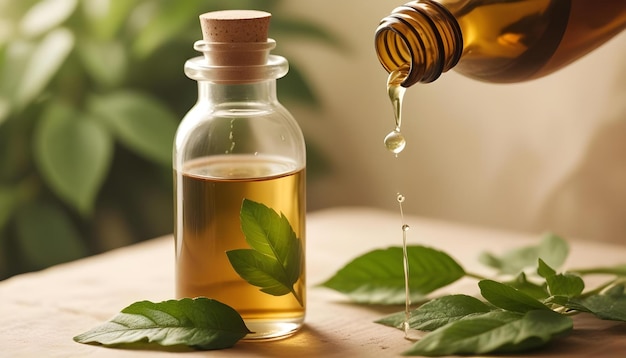
Which Oil Is Best for Cervical Spondylosis? Top 8 Ayurvedic Oils Compared
Here's a detailed breakdown of the most effective oils, ranked by their suitability for cervical spondylosis.
- 1.Mahanarayan Taila — The Gold Standard
Composition: Over 50 herbs including Ashwagandha, Shatavari, Bala, Ginger, Turmeric, Devadaru, and Dashmool, processed in sesame oil and goat milk. Why it works: This is the most comprehensive Vata-pacifying oil in classical Ayurveda. The Ashwagandha strengthens Mamsa and Asthi dhatu (muscle and bone tissue), Shatavari nourishes and cools, while Dashmool provides potent anti-inflammatory action. The goat milk processing enhances its penetrating quality. Best for: Chronic cervical spondylosis with stiffness, general degeneration, and moderate pain. Suitable for all stages. Research: A randomized controlled trial published in Ayu Journal (2017) found that Mahanarayan Taila application with Greeva Basti produced statistically significant improvement in neck pain (VAS score reduction of 68%) and range of motion over 21 days.
- 2.Kshirabala Taila — Best for Nerve Involvement
Composition: Three core ingredients — Bala (Sida cordifolia), Ksheera (cow's milk), and sesame oil — processed 101 times (Kshirabala 101 Avarti). Why it works: Bala is one of Ayurveda's premiere Vata-pacifying and nerve-strengthening herbs. The repeated processing (Avarti) dramatically enhances potency. This oil excels at nourishing Majja dhatu (nervous tissue). Best for: Cervical spondylosis with radiculopathy, numbness, tingling, and nerve pain. Excellent for both external application and Nasya. Research: A 2016 study in International Journal of Ayurveda Research showed Kshirabala 101 Avarti Taila significantly improved nerve conduction velocity in patients with cervical radiculopathy.
3. Dhanwantharam Taila
Composition: Bala, Yava, Kola, Kulatha, Devadaru, Dashmool, and 28+ herbs in sesame oil and milk. Why it works: Deeply nourishing, specifically balances Vata in bones and joints. Particularly effective for the stiffness component of cervical spondylosis. Best for: Severe stiffness with limited range of motion, especially in elderly patients.
- 4.Kottamchukkadi Taila — Best for Acute Pain
Composition: Kottam (Saussurea lappa), Chukku (dry ginger), Vacha, Devadaru in sesame oil. Why it works: More warming and penetrating than other oils. The dry ginger and Saussurea lappa combination provides strong analgesic action. Think of this as the "acute pain reliever" of ayurvedic oils. Best for: Acute flare-ups with severe pain and muscle spasm. Not ideal for long-term daily use in Pitta constitutions due to its heating nature.
- 5.Brahmi Oil — Best for Stress-Related Cervical Pain
Composition: Brahmi (Bacopa monnieri) in coconut or sesame oil base. Why it works: Stress and anxiety significantly worsen cervical spondylosis by increasing muscle tension in the neck and shoulders. Brahmi oil calms the nervous system, reduces stress-induced muscle spasm, and supports cognitive function that may be affected by chronic pain. Best for: Cervical spondylosis aggravated by stress, anxiety, and poor sleep. Excellent for head and neck massage before bed.
6. Karpasasthyadi Taila
Composition: Karpasa (cotton seed), Bala, Rasna, Devadaru, Sahachara in sesame oil. Why it works: Specifically indicated for Vata disorders of the musculoskeletal system. Excellent for cervical spondylosis with associated shoulder pain and arm weakness. Best for: Spondylosis with muscle weakness and wasting in the arms.
- 7.Murivenna Oil — Best for Post-Injury Spondylosis
Composition: Coconut oil base with Karanja, Munga, Aloe vera, and other herbs. Why it works: Traditionally used for trauma, fractures, and post-injury conditions. When cervical spondylosis has been triggered or worsened by a neck injury, Murivenna supports tissue repair. Best for: Post-traumatic cervical spondylosis and acute injuries.
- 8.Castor Oil (Eranda Taila) — Simple but Effective
- Why it works: Pure castor oil, while not a complex formulation, is powerfully anti-inflammatory (ricinoleic acid) and deeply penetrating.
- Affordable and readily available — a good starting option.
Best for: Budget-conscious patients, mild spondylosis, or as a carrier for essential oil blends.
Comparative Table: Choosing the Right Oil
| Oil | Best For | Dosha Balance | Stage | Heat Level | Price Range (INR) | Availability |
|---|---|---|---|---|---|---|
| Mahanarayan Taila | All-round cervical spondylosis | Vata ↓↓↓ | All stages | Warm | ₹200–500 | Widely available |
| Kshirabala Taila | Nerve involvement, radiculopathy | Vata ↓↓↓, Pitta ↓ | Chronic | Cool-neutral | ₹300–700 | Ayurvedic stores |
| Dhanwantharam Taila | Severe stiffness, elderly | Vata ↓↓↓ | Chronic | Warm | ₹250–600 | Ayurvedic stores |
| Kottamchukkadi Taila | Acute pain, muscle spasm | Vata ↓↓, Kapha ↓ | Acute | Hot | ₹200–450 | South India mainly |
| Brahmi Oil | Stress-related neck pain | Vata ↓↓, Pitta ↓ | All stages | Cool | ₹150–400 | Widely available |
| Karpasasthyadi Taila | Muscle weakness, arm symptoms | Vata ↓↓↓ | Chronic | Warm | ₹250–500 | Ayurvedic stores |
| Murivenna | Post-injury spondylosis | Vata ↓↓, Pitta ↓ | Acute/Recovery | Cool | ₹200–400 | Kerala specialty |
| Castor Oil | Mild cases, budget option | Vata ↓↓ | Mild/Moderate | Warm | ₹80–200 | Everywhere |
Oils for Different Stages of Cervical Spondylosis
No competitor has addressed this, but the stage of your condition should dictate which oil you choose. Here's the breakdown.
Acute Phase (Flare-Up with Severe Pain)
During acute flare-ups, the priority is pain control and reducing muscle spasm.
Use:
- Kottamchukkadi Taila for strong analgesic effect
- Murivenna if swelling is present
- Apply gently — no deep pressure massage during acute phase
- Frequency: 2–3 times daily, warm but not hot
- Duration: Until acute symptoms subside (typically 5–10 days)
Avoid vigorous massage, very hot oils, or Greeva Basti during acute inflammation.
Chronic Phase (Ongoing Degeneration)
This is where comprehensive treatment shines.
Use:
- Mahanarayan Taila as primary oil
- Kshirabala Taila if nerve symptoms are present
- Regular oil massage (Abhyanga) — daily or at least 4–5 times per week
- Combine with Greeva Basti therapy weekly
- This phase requires patience — expect gradual improvement over 2–3 months
Remission Phase (Maintenance and Prevention)
Once symptoms are well-controlled, maintenance therapy prevents recurrence.
Use:
- Sesame oil (plain or lightly medicated) 2–3 times per week
- Brahmi oil for head and neck massage weekly
- Focus shifts to lifestyle, yoga, and dietary measures
- Continue Nasya therapy 2–3 times per week
How to Use Ayurvedic Oil for Cervical Spondylosis: Proper Techniques
Knowing which oil to use is half the battle. The other half is using it correctly.
Self-Massage Technique (Abhyanga for the Neck)
Step-by-step protocol:
- 1.Warm the oil — Place 15–20 ml of oil in a small steel bowl and warm it in hot water (not microwave).
- The oil should be comfortably warm to the touch — around 40–42°C.
- 2.Starting position — Sit upright in a chair. Relax your shoulders.
- 3.Begin at the base of the skull — Using your fingertips, apply oil with circular motions along the occipital ridge (where the skull meets the neck). Spend 2 minutes here.
- 4.Work down the cervical spine — Use your thumbs to apply gentle pressure along the paravertebral muscles (the rope-like muscles on either side of the spine). Move from top to bottom. Repeat 8–10 times.
- 5.Address the trapezius — Knead the muscle between your neck and shoulder using your opposite hand. Switch sides. This is where most tension accumulates.
- 6.Side of the neck — Gently massage the sternocleidomastoid muscles with your fingers.
- Be careful — don't apply deep pressure near the front of the neck where major blood vessels run.
- 7.Total time: 10–15 minutes
- 8.After massage — Apply a warm towel or use a heating pad over the area for 5–10 minutes (Swedana/fomentation). This enhances oil absorption dramatically.
- Leave oil on for at least 30–45 minutes before washing. Overnight application is even better.
Simplified Greeva Basti at Home
Greeva Basti is a specialized Panchakarma procedure where warm medicated oil is retained over the cervical spine using a dough dam.
Here's a safe, simplified home version:
What you need:
- Black gram flour (Urad dal flour) or whole wheat flour
- 100–150 ml of warm Mahanarayan or Kshirabala oil
- A towel and a helper (recommended)
Procedure:
- Lie face-down on a flat surface with your forehead on a thin pillow
- Make a ring of dough about 6–8 inches in diameter and 2 inches high
- Place it around the cervical area, pressing edges gently to seal against the skin
- Pour warm oil slowly into the dough ring until the cervical spine is submerged
- Maintain for 20–30 minutes. Keep oil warm by removing cooled oil with a syringe and replacing with warm oil every 5–7 minutes
- After completion, remove the dough and gently massage the residual oil
- Follow with a warm towel compress
Frequency: Once or twice a week for chronic spondylosis. Important: If you experience dizziness, increased pain, or numbness during the procedure, stop immediately.
Nasya Therapy: Nasal Application of Oil
Nasya (nasal oil application) is a powerful but underutilized treatment for cervical spondylosis. The nose is considered the gateway to the head (Shira) in Ayurveda, and medicated oils administered nasally reach the cervical region through the nasopharyngeal pathway.
Which Oils for Nasya vs. External Massage?
This distinction is critical — not all oils are interchangeable:
| Purpose | Recommended Oils | Dosage |
|---|---|---|
| External massage | Mahanarayan, Kottamchukkadi, Dhanwantharam, Karpasasthyadi | 15–20 ml per session |
| Nasya (nasal) | Kshirabala Taila, Anu Taila, Shadbindu Taila, plain sesame oil | 2–4 drops per nostril |
| Both | Kshirabala Taila (101 Avarti) | Varies by use |
Nasya protocol: Instill 2 drops of warm Anu Taila or Kshirabala oil into each nostril in the morning on an empty stomach. Lie supine with head slightly tilted back for 2–3 minutes. Do not perform Nasya during a cold, sinusitis, or immediately after head bath.
Don't wait or self medicate. Start chat with Doctor NOW
Synergistic Oil Combinations and DIY Blends
Sometimes a single oil isn't enough. Here are proven combinations.
Sesame Oil + Turmeric Blend
Mix 100 ml warm sesame oil with 1 teaspoon of turmeric powder. Heat gently for 5 minutes and strain. Turmeric's curcumin adds anti-inflammatory action. Simple and effective for daily use.
Eucalyptus + Wintergreen in Sesame Base
- Add 5 drops of eucalyptus oil and 3 drops of wintergreen oil to 50 ml of warm sesame oil. This combination provides immediate cooling-then-warming sensation and fast pain relief.
- Use sparingly — essential oils are potent.
Mahanarayan + Castor Oil (50:50)
For severe stiffness, mixing Mahanarayan Taila with castor oil enhances penetration and provides additional anti-inflammatory action from ricinoleic acid.
Ayurvedic Panchakarma Therapies for Cervical Spondylosis
Beyond self-care, clinical Panchakarma therapies offer deeper healing. These should be performed by trained Ayurvedic practitioners.
Greeva Vasti (Clinical Version)
The professional version of what we described above, performed with precise temperature control and specific herbal oils chosen for your Prakriti. Typically done in series of 7, 14, or 21 sessions.
Greeva Pichu
A cotton pad soaked in warm oil is placed on the cervical region and maintained for 30–45 minutes. Less intensive than Greeva Basti but very effective for moderate cases.
Abhyanga + Swedana
Full body oil massage followed by herbal steam therapy. The steam opens the channels (Srotas) and drives the medicated oil deeper into the tissues.
Shirodhara
Continuous pouring of warm oil on the forehead. While it seems unrelated to the neck, Shirodhara profoundly calms the nervous system and reduces the stress-muscle tension cycle that perpetuates cervical spondylosis.
What Is the Best Natural Treatment for Cervical Spondylosis? Lifestyle and Diet
Oil therapy works best when combined with lifestyle modifications. Here's what actually helps.
Yoga Asanas for the Cervical Spine
A 2019 randomized controlled trial in IJOY (International Journal of Yoga) found that a 12-week yoga program was significantly more effective than home exercises alone for reducing neck pain and disability in cervical spondylosis patients.
Recommended asanas:
- Bhujangasana (Cobra Pose) — strengthens cervical extensors
- Marjariasana-Bitilasana (Cat-Cow) — improves cervical mobility
- Matsyasana (Fish Pose) — opens the chest and anterior neck
- Setu Bandhasana (Bridge Pose) — strengthens upper back support
Avoid: Sirsasana (headstand), Sarvangasana (shoulder stand), and any extreme neck flexion or extension during acute phases.
Water-Based Exercises
Gentle neck exercises performed in a warm bath infused with ginger or cumin decoction can be remarkably soothing. The buoyancy reduces cervical load while the warmth relaxes muscles. Fill a bath with comfortably warm water, add a handful of crushed fresh ginger, and perform gentle neck rotations for 5–10 minutes.
Dietary Recommendations
Foods to include:
- Ghee — lubricates joints, nourishes Vata
- Turmeric milk — anti-inflammatory
- Ginger — fresh ginger in cooking and ginger tea
- Garlic — 2 raw cloves in the morning (warming, Vata-pacifying)
- Whole grains — wheat, rice, oats
- Warm soups with sesame oil
- Ashwagandha in warm milk — strengthens bones and muscles
Foods to avoid:
- Kodo millet (Kodrava), dried peas, cauliflower, and bitter gourd — these aggravate Vata
- Cold, raw foods and carbonated beverages
- Excessive caffeine
- Processed and fried foods
Ergonomic and Postural Corrections
- Use a cervical pillow that maintains the natural lordotic curve
- Position your screen at eye level
- Take breaks every 30 minutes during desk work
- Avoid sleeping on your stomach
- Don't cradle your phone between your ear and shoulder
How to Choose Authentic Ayurvedic Oil: Quality Criteria
The market is flooded with substandard products.
Here's how to identify genuine medicinal-grade oils:
What to Look For
- 1.GMP Certification — The manufacturer should have Good Manufacturing Practices certification from the AYUSH Ministry
- 2.Classical reference — Authentic oils cite their classical source text (e.g., "As per Bhaishajya Ratnavali" or "Sahasrayogam")
- 3.Batch number and expiry date — Legitimate products always have these
- 4.Complete ingredient list — Avoid products that don't disclose all ingredients
- 5.Oil color and consistency — Genuine medicated oils are typically darker than their base oil (due to herb processing) and may have a slightly gritty texture
- 6.Smell — Should have a complex, herbal aroma — not a synthetic fragrance
Trusted Manufacturers
Look for oils from established manufacturers like Arya Vaidya Sala (Kottakkal), Arya Vaidya Pharmacy (Coimbatore), Nagarjuna Ayurveda, SNA Oushadhasala, or Vaidyaratnam. These companies follow traditional manufacturing processes with modern quality control.
Can Ayurvedic Oils Be Used Alongside Other Treatments?
Compatibility with Conventional Medicine
This is a question that almost no one answers clearly, so let me be direct.
Generally compatible with:
- Physiotherapy — Ayurvedic oil massage before physiotherapy sessions can actually enhance outcomes
- Gentle exercises and yoga — Complementary
- Cervical traction — Oil application before traction improves tissue compliance
Use with caution alongside:
- NSAIDs (Ibuprofen, Diclofenac) — No direct interaction, but both reduce inflammation through different pathways. Monitor for excessive anti-inflammatory effect
- Muscle relaxants — Oil massage adds to the relaxation effect; be aware of increased drowsiness or muscle laxity
- Blood thinners (Warfarin, Aspirin) — Some ayurvedic herbs may have mild blood-thinning properties. Inform your doctor if you're on anticoagulants
Avoid combining with:
- Topical pharmaceutical analgesics (Diclofenac gel, Capsaicin cream) applied to the same area — use at different times of day
- Do not apply oil immediately over open wounds, skin infections, or active dermatitis
How Long Does It Take to See Results with Ayurvedic Oil?
Let's set realistic expectations. Here's a general timeline based on clinical experience and available study data:
| Timeframe | What to Expect |
|---|---|
| 1–2 weeks | Reduction in muscle stiffness, improved sleep, mild pain reduction |
| 3–4 weeks | Noticeable decrease in pain intensity (typically 30–40% reduction) |
| 6–8 weeks | Significant improvement in range of motion, reduced frequency of headaches |
| 3 months | Maximum therapeutic benefit from oil therapy alone; pain reduction of 50–70% in responsive patients |
| 6+ months | Sustained results with maintenance therapy; some patients achieve near-complete symptom resolution |
Important factors that affect results:
- Severity and duration of the condition (chronic cases take longer)
- Consistency of application (daily is far better than sporadic)
- Whether oil therapy is combined with lifestyle changes, diet, and exercise
- Individual constitution and response
If you see no improvement after 6 weeks of consistent, correct application — reassess the oil choice, consult an Ayurvedic practitioner, and consider additional interventions.
Precautions and Side Effects of Ayurvedic Oils
Are There Any Side Effects?
Ayurvedic oils are generally safe for external application, but side effects can occur:
- Skin allergies — Rare but possible, especially with complex polyherbal formulations. Always do a patch test on your inner forearm 24 hours before first use
- Acne or folliculitis — If oil is left on the skin too long without washing, or if you're prone to oily skin conditions
- Increased pain initially — Some patients experience mild aggravation in the first 2–3 days. This usually resolves. If pain significantly worsens, stop and consult your practitioner
- Staining — Most ayurvedic oils stain clothing and bedsheets permanently. Use old towels and pillowcases
When to Stop and See a Doctor
Stop using ayurvedic oils and seek immediate medical attention if you experience:
- Progressive weakness in arms or legs
- Loss of bladder or bowel control
- Severe, unrelenting pain that worsens despite treatment
- Fever with neck stiffness (rule out meningitis)
- Allergic reaction (hives, difficulty breathing, swelling)
Frequently Asked Questions
How often should I use ayurvedic oil for cervical spondylosis?
For active symptoms, apply warm oil daily — preferably in the morning or before bed. During the maintenance phase, 3–4 times per week is sufficient. Nasya can be done daily for up to 7 days, then 2–3 times weekly.
Can Ayurvedic oils prevent cervical spondylosis?
Yes, regular oil massage of the neck and shoulders (even with plain warm sesame oil) helps maintain tissue hydration, muscle flexibility, and joint lubrication. Combined with proper posture and exercise, this can significently slow degenerative changes. Start preventive Abhyanga in your 30s if you have a desk job.
Which ayurvedic medicine is best for cervical spondylosis (internal)?
Internally, Yogaraja Guggulu, Maharasnadi Kashayam, and Ashwagandha Churna are commonly prescribed alongside oil therapy. However, internal medicines must be prescribed by a qualified Ayurvedic physician based on your individual assessment — self-medication with internal formulations is not recomended.
Can I use these oils during pregnancy?
Most medicated oils should be avoided during pregnancy unless specifically approved by your Ayurvedic doctor. Plain sesame oil or coconut oil for gentle neck massage is generally safe, but avoid strong formulations like Kottamchukkadi Taila.
What is Cerflex oil? Is it ayurvedic?
Cerflex is a proprietary ayurvedic oil marketed specifically for cervical pain. While it may contain useful ingredients, it's not a classical formulation. Classical oils like Mahanarayan Taila and Kshirabala Taila have centuries of documented use and more robust clinical evidence behind them.
Is there a specific oil for cervical pain without spondylosis?
If your neck pain is muscular (without degenerative changes), plain warm sesame oil massage is often sufficient. For tension-type neck pain, Brahmi oil or Chandanadi Taila (sandalwood-based) work well due to their calming and cooling properties.
Final Thoughts: Building Your Cervical Spondylosis Recovery Plan
Cervical spondylosis is a chronic condition, and there's no overnight miracle cure — ayurvedic or otherwise. But consistent, correct use of appropriate medicated oils, combined with lifestyle modifications, can genuinely transform your quality of life.
Here's your action plan:
- Get a proper diagnosis — Confirm whether you have spondylosis, spondylitis, or radiculopathy. Get imaging if needed.
- Choose your oil based on the comparison table and your primary symptoms.
- Start with daily warm oil massage using proper technique for at least 6–8 weeks.
- Add Nasya therapy with Anu Taila or Kshirabala oil.
- Modify your lifestyle — posture correction, regular yoga, anti-inflammatory diet.
- Consult an Ayurvedic practitioner for personalized assessment and Panchakarma therapies if self-care isn't providing adequate relief.
- Get your Vitamin D and B12 levels checked and supplement if
Scientific Sources
- Can Ashwagandha Benefit the Endocrine System?-A Review — Wiciński M et al., 2023, International journal of molecular sciences
- Pharmacological evaluation of Ashwagandha highlighting its healthcare claims, safety, and toxicity aspects — Mandlik Ingawale DS et al., 2021, Journal of dietary supplements
- Clinician guidelines for the treatment of psychiatric disorders with nutraceuticals and phytoceuticals: The World Federation of Societies of Biological Psychiatry (WFSBP) and Canadian Network for Mood and Anxiety Treatments (CANMAT) Taskforce — Sarris J et al., 2022, The world journal of biological psychiatry : the official journal of the World Federation of Societies of Biological Psychiatry
- Effects of Withania somnifera (Ashwagandha) on Stress and the Stress- Related Neuropsychiatric Disorders Anxiety, Depression, and Insomnia — Speers AB et al., 2021, Current neuropharmacology
- Plant-derived nootropics and human cognition: A systematic review — Lorca C et al., 2023, Critical reviews in food science and nutrition
- Ayurvedic Herbal Medicines: A Literature Review of Their Applications in Female Reproductive Health — Patibandla S et al., 2024, Cureus
- Efficacy and Safety of Shatavari Root Extract for the Management of Menopausal Symptoms: A Double-Blind, Multicenter, Randomized Controlled Trial — Gudise VS et al., 2024, Cureus
- Wild Asparagus — 2006
- Shatavari supplementation in postmenopausal women alters the skeletal muscle proteome and pathways involved in training adaptation — O'Leary MF et al., 2024, European journal of nutrition
- A Standardized Asparagus Racemosus Root Extract Improves Hormonal Balance and Menstrual Health and Reduces Vasomotor Symptoms in Perimenopausal Women: A Randomized, Double-Blind, Placebo-Controlled Study — Yadav P et al., 2025, Journal of the American Nutrition Association
- Chinese herbal medicine-derived extracellular vesicles as novel biotherapeutic tools: present and future — Zhang J et al., 2024, Journal of translational medicine
- Efficacy of herbal medicine (cinnamon/fennel/ginger) for primary dysmenorrhea: a systematic review and meta-analysis of randomized controlled trials — Xu Y et al., 2020, The Journal of international medical research
- A critical review of Ginger's (Zingiber officinale) antioxidant, anti-inflammatory, and immunomodulatory activities — Ayustaningwarno F et al., 2024, Frontiers in nutrition
- Zingiber officinale var. rubrum: Red Ginger's Medicinal Uses — Zhang S et al., 2022, Molecules (Basel, Switzerland)
Questions from users
Can I use Nasya therapy for headaches related to cervical spondylosis?
Kiley
8 days ago
Yes, Nasya therapy can be helpful for headaches related to cervical spondylosis. The application of oil helps calm vata dosha and can relieve stiffness and pain. Mahanarayan Taila is a great choice due to its warming and soothing properties. Just be cautious—if you feel dizzy or more pain, stop straight away!
What ingredients can I add to the oil for enhanced benefits in Greeva Basti at home?
Yara
17 days ago
You can enhance your Greeva Basti with a few extra ingredients like ginger or garlic juice for improving circulation, or essential oils like eucalyptus for added relaxation. Just make sure to mix them carefully into the main oil to avoid any irritation. Remember, small doses! It's best to try a patch test first to be safe.
What are the benefits of using Ayurvedic oils for improving overall spine health?
Ella
34 days ago
Ayurvedic oils, like Brahmi oil, boost spinal health by easing pain, relaxing muscles, and enhancing mobility, thanks to their warming properties. They also improve circulation and reduce inflammation. For best results, you'll want to apply them consistently over a few weeks. Perfect for easing stiffness linked to conditions like cervical spondylosis.
What is the best way to store Ayurvedic oils to maintain their effectiveness?
Mia
43 days ago
Store Ayurvedic oils in a cool, dark place, away from direct sunlight and heat to keep their potency. Using glass bottles, especially amber or cobalt blue, can help protect the oils from light. Tightly seals like airtight caps are important too. Remember to keep them away from strong-smelling substances.
Can I use Ayurvedic oil on other body parts besides the neck and back?
Paisley
53 days ago
Absolutely, you can use Ayurvedic oil on other body parts too! Massage it into your arms, legs, or feet for relaxing and nourishing benefits. Just be mindful of your skin type and any specific sensitivities you might have. It's great for overall circulation and relaxing muscles anywhere on the body really.
What is the best time of day to use Ayurvedic oil for cervical spondylosis relief?
Zoe
63 days ago
For using Ayurvedic oil for cervical spondylosis relief, it's often best to do it in the morning or before bedtime. This can help relax your muscles and ease discomfort throughout the day or night. But, just keep in mind, consulting an Ayurvedic practitioner is always a good idea. They can tailored advice based on your specific needs and dosha imbalance!
Can Ayurvedic oils also help with headaches associated with cervical spondylosis?
Abigail
72 days ago
Absolutely, Ayurvedic oils can help! For headaches linked to cervical spondylosis, oils like Mahanarayana and Bala Ashwagandha might ease pain by soothing the Vata dosha, which often plays a role in these issues. Just remember to do a patch test and chat with an Ayurvedic pro to find what’s right for you!
Is it safe to use warm Ayurvedic oils daily for managing cervical spondylosis symptoms?
Wesley
82 days ago
Using warm Ayurvedic oils daily for cervical spondylosis is generally considered safe and beneficial, as they can help reduce inflammation, relax muscles, and improve mobility. Just be sure to monitor any reactions or discomfort. If you're unsure, a quick check with an Ayurveda practitioner can give more personalized guidance.
Can I use Ayurvedic oils for cervical spondylosis alongside conventional treatments?
Robert
91 days ago
Yeah, definitely, you can use Ayurvedic oils along with conventional treatments for cervical spondylosis. Oils like Brahmi and others reduce stiffness and inflammation by balancing Vata dosha. Just make sure to talk with your doctor first to check they won't interfere with what you're already doing. Stay comfy!
What is the role of herbs in Ayurvedic oils for treating cervical spondylosis?
Makayla
101 days ago
The herbs in Ayurvedic oils play a big role in treating cervical spondylosis by reducing inflammation and relaxing muscles. They nourish and rejuvenate tissues, helping repair the degeneration in the spine and neck. These herbs work with your body's constitution (prakriti) to enhance flexibility and comfort. Always consider consulting an Ayurvedic practitioner for tailored advice!
Related articles

Orthopedic Disorders
An Ayurvedic Guide to Managing Joint and Muscle Pain
Joint and muscle pain is a common problem that affects people of all ages.
3,347

Orthopedic Disorders
Calcury Tablet
Exploration of Calcury Tablet
2,105

Orthopedic Disorders
Kadali Rasayanam - Ayurvedic Supplement for Digestive Wellness and Strong Bones
Discover the advantages, proper dosage, side effects, and scientific research behind Kadali Rasayanam, a powerful Ayurvedic formulation.
3,004

Orthopedic Disorders
Lakshadi Oil Benefits, How To Use, Ingredients, Side Effects
Exploration of Lakshadi Oil Benefits, How To Use, Ingredients, Side Effects
2,083
Orthopedic Disorders
Laksha Rasa – Ayurvedic Remedy for Strengthening Immunity and Treating Joint Disorders
Learn about the therapeutic benefits of Laksha Rasa, an Ayurvedic formulation used to treat joint disorders, strengthen immunity, and promote overall health.
3,632

Orthopedic Disorders
Mushak Tail: Discover the Benefits of Mushak Tail for Wellness
Discover Mushak Tail, its benefits, proper dosage, uses, and the scientific evidence supporting this Ayurvedic remedy for joint health, mobility, and overall well-being.
3,184

Orthopedic Disorders
Chandan Bala Lakshadi Tel: Benefits and Uses of This Traditional Ayurvedic Oil
Learn about Chandan Bala Lakshadi Tel, an Ayurvedic oil blend that promotes skin health, reduces inflammation, and supports overall body rejuvenation with natural ingredients
4,835

Orthopedic Disorders
Kokilakshakam Kashayam Uses: A Comprehensive Guide
Discover the benefits, scientific evidence, and best practices for using Kokilakshakam Kashayam in Ayurveda. Learn how it supports holistic health.
2,240

Orthopedic Disorders
Sciatilon Capsules Benefits, Dosage, Ingredients, Side Effects
Exploration of Sciatilon Capsules Benefits, Dosage, Ingredients, Side Effects
2,001

Orthopedic Disorders
Lumbatone: Your Ultimate Guide to Lumbar Health
Discover how Lumbatone enhances lumbar health, backed by science. Learn key insights, usage tips, and evidence-based research in this comprehensive guide.
2,392
Related consultations on the topic
Legal
Additional Documents
© 2024 Ask Ayurveda. All rights reserved.