Ask Ayurvedic doctor a question and get a consultation online on the problem of your concern in a free or paid mode. More than 2,000 experienced doctors work and wait for your questions on our site and help users to solve their health problems every day.
FREE! Ask Ayurvedic Doctors 24/7

 Fast responses
 1000+ verified doctors
Body DetoxEar, Nose, and Throat DisordersGeriatrics & RejuvenationImmunodeficiencyInfertility TreatmentNutritionOrthopedic DisordersPediatricsRespiratory DisordersSexually Transmitted Diseases (STDs)Surgery RecoveryUrological DisordersVascular DisordersDental DisordersEndocrinological DisordersGastrointestinal DisordersYoga TherapyGeneral MedicineAllergic DisordersCardio DisordersGynecology and ObstetricsCosmetologySkin and Hair DisordersEye DisordersInfectious DiseasesMental DisordersNeurological DisordersOncologyPanchakarmaSexual Health & DisordersSports Medicine
Published on 02/27/25
(Updated on 06/18/26)
star_border 5
3,145
Amavata Shloka – Understanding the Ayurvedic View on Rheumatism
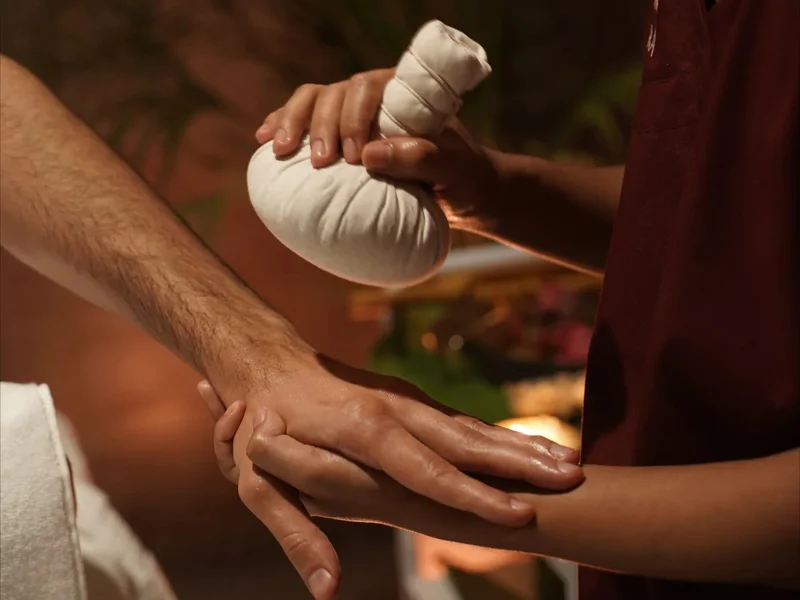
Amavata is a chronic inflammatory joint disease described in Ayurveda, caused by the combination of vitiated Vata dosha and accumulated Ama (metabolic toxins) lodging in the joints and other tissues. It closely correlates with rheumatoid arthritis (RA) in modern medicine — a condition affecting approximately 0.5–0.75% of the Indian population and around 0.8% globally. This guide covers everything from classical pathogenesis and stage-by-stage progression to differential diagnosis, prognosis, evidence-based treatment protocols, and lifestyle management — filling critical gaps that most existing resources miss entirely.
- Madhava Nidana, one of the most authoritative Ayurvedic diagnostic texts, provides the foundational description of Amavata.
- The verse states: "When vitiated Vata circulates Ama throughout the body and deposits it in Shleshma sthana (Kapha-dominant sites like joints), it produces the disease called Amavata" (Madhava Nidana, Chapter 25). Understanding this mechanism is the key to both preventing and treating this debilitating condition.
What Is Amavata in Ayurveda?
Amavata is a compound term: Ama (undigested, toxic metabolic byproduct) + Vata (the dosha governing movement). When these two pathological factors combine, they create a disease that primarily targets the synovial joints but can also affect the heart (Hridaya), gut, and other vital organs.
The concept was first elaborated comprehensively by Acharya Madhavakara in Madhava Nidana (7th century CE), though references to Ama-related pathology appear in Charaka Samhita, Ashtanga Hridaya, and Ashtanga Sangraha. Later texts like Chakradatta, Vangasena Samhita, and Harita Samhita expanded on the classification and treatment protocols.
How Amavata Differs from Ordinary Joint Pain
Not all joint pain is Amavata.
The distinguishing features include:
- Symmetrical involvement — both sides of the body are typically affected
- Morning stiffness (Stabdhata) that improves with movement over time
- Scorpion-sting-like pain (Vrishchika damshavat peeda) — a classical descriptor emphasizing the intense, burning quality
- Systemic symptoms — fever, fatigue, loss of appetite accompanying the joint inflammation
- Migratory nature — pain shifts between joints, especially in early stages
Amavata in English: The RA Connection
- In modern clinical terminology, Amavata most closely corresponds to Rheumatoid Arthritis (RA), an autoimmune inflammatory disorder.
- Both conditions share striking similarities: symmetrical polyarthritis, morning stiffness lasting over 30 minutes, elevated inflammatory markers (ESR, CRP), positive Rheumatoid Factor, and a chronic relapsing-remitting course.
However, Amavata as a concept is slightly broader. It can also encompass early inflammatory arthropathies that don't yet meet the full ACR/EULAR criteria for RA — making the Ayurvedic framework potentially useful for earlier intervention.
What Causes Amavata? (Nidana — Etiology)
The root cause of Amavata lies in the impairment of Agni (digestive fire), specifically Jatharagni (the primary digestive fire in the gut). When Agni becomes Manda (weak), it fails to fully digest food, producing Ama instead of proper Ahara Rasa (nutritive essence).
Primary Causative Factors
| Category | Specific Causes (Nidana) | Modern Parallel |
|---|---|---|
| Dietary (Aharaja) | Viruddha Ahara (incompatible food combinations), excessive oily/heavy food, eating before previous meal is digested | Poor dietary habits, processed foods |
| Lifestyle (Viharaja) | Sedentary habits (Avyayama), sleeping immediately after meals, irregular daily routines | Physical inactivity, irregular lifestyle |
| Constitutional | Mandagni (inherently weak digestion), Nindita prakriti | Genetic predisposition to RA |
| Behavioral (Cheshta) | Viruddha cheshta (improper activities), exercising immediately after eating heavy food | Overexertion, lifestyle imbalance |
| Psychological | Excessive stress, worry, anger (Manasika nidana) | Psychoneuroimmune triggers |
The Psychosomatic Component Most Resources Ignore
Here's something virtually no competing resource covers adequately: the role of Manovaha srotas (mind channels) in Amavata pathogenesis. Modern research increasingly recognizes the psychoneuroimmune axis in RA — a 2020 systematic review published in Autoimmunity Reviews found that psychological stress significantly increases RA flare risk and can trigger disease onset in genetically predisposed individuals.
- From the Ayurvedic perspective, chronic stress vitiates both Vata and Agni. Disturbed Prana Vata impairs Sadhaka Pitta (which governs emotional processing), leading to Agni mandya — and ultimately, Ama formation.
- This creates a vicious cycle: pain causes stress, stress weakens digestion, weakened digestion produces more Ama, and more Ama worsens joint inflammation.
Practical takeaway: Any comprehensive Amavata management plan must address mental health — through meditation, Pranayama, counseling, or Medhya Rasayana herbs.
Pathogenesis of Amavata (Samprapti): How the Disease Develops
The pathogenesis of Amavata follows a clear, stepwise mechanism described in classical texts:
- Mandagni → weakened digestive fire due to causative factors
- Ama formation → improperly digested food produces a toxic, sticky substance
- Vata vitiation → simultaneously, Vata dosha becomes aggravated
- Ama + Vata combine → vitiated Vata carries Ama through Rasavaha and Raktavaha srotas (circulatory channels)
- Sthana Samshraya in Shleshma sthana → the Ama-Vata complex lodges in Kapha-dominant sites, primarily synovial joints (Sandhi)
- Sroto-avarodha → Ama blocks the channels (Srotas), causing stiffness, swelling, and pain
- Dhatukshaya → progressive tissue damage if untreated
The Six Stages of Amavata (Kriyakala) — A Framework No Competitor Covers
Applying the Shat Kriyakala (six stages of disease manifestation) to Amavata gives clinicians and patients a powerful framework for understanding disease progression and identifying optimal intervention points:
| Stage | Name | Amavata Manifestation | Intervention Opportunity |
|---|---|---|---|
| 1 | Sanchaya (Accumulation) | Mild digestive discomfort, slight heaviness after meals, early Ama accumulation in GI tract | Best time — dietary correction alone can prevent disease |
| 2 | Prakopa (Provocation) | Increased indigestion, bloating, irregular appetite, mild body aches | Deepana-Pachana herbs highly effective |
| 3 | Prasara (Spread) | Ama enters circulation via vitiated Vata; generalized body aches (Angamarda), fatigue, low-grade fever | Langhana + Pachana can still reverse the process |
| 4 | Sthana Samshraya (Localization) | Ama lodges in specific joints; first appearance of localized joint pain and stiffness | Panchakarma becomes necessary |
| 5 | Vyakti (Manifestation) | Full clinical picture — painful swollen joints, morning stiffness, Vrishchika damshavat peeda, fever | Shodhana + Shamana required |
| 6 | Bheda (Complications) | Joint deformities, ankylosis, cardiac involvement (Hridgraha), severe systemic involvement | Difficult to treat; Yapya or Asadhya |
This staging is clinically significant because it tells us when to do what. Early-stage Amavata (stages 1–3) responds beautifully to simple dietary changes, fasting, and digestive herbs. By stage 5, you need intensive Panchakarma. By stage 6, the prognosis changes dramatically.
Symptoms of Amavata (Lakshana)
Early Symptoms (Purvarupa)
The prodromal signs often appear weeks or months before joint symptoms become obvious:
- Angamarda — generalized body aches and malaise
- Aruchi — loss of appetite or distaste for food
- Trishna — excessive thirst
- Alasya — lethargy, lack of motivation
- Gaurava — heaviness of the body
- Jwara — mild intermittent fever
- Apaka — indigestion
- Shotha — mild, generalized swelling
These early signs are often dismissed or attributed to "just stress." Recognizing them as Purvarupa of Amavata allows for early intervention.
Established Symptoms (Rupa)
Once the disease is fully manifested:
- Painful, stiff, swollen joints — especially small joints of hands and feet initially
- Vrishchika damshavat peeda — pain resembling a scorpion sting
- Sandhi shotha — joint swelling that is tender to touch
- Morning stiffness — characteristically worse upon waking, improving with activity
- Angamarda — persistent body pain
- Jwara — fever (can be continuous or intermittent)
- Agnimandya — persistent digestive weakness
- Praseka — excessive salivation
- Hridayagaurava — heaviness in the cardiac region
- Vidvibaddhata — constipation
Symptoms by Dosha Predominance
Amavata can present with varying dosha predominance, changing the symptom picture:
- Vataja predominance — intense pain, cracking joints, variable swelling, constipation
- Pittaja predominance — burning sensation, redness, inflammation, diarrhea, intense thirst
- Kaphaja predominance — heavy swelling, stiffness dominant over pain, itching, unctuous feel
Types of Amavata According to Harita Samhita
Harita Samhita provides a unique classification not found in other major texts:
- Vataja Amavata — predominantly pain and deformity
- Pittaja Amavata — burning, redness, fever-dominant presentation
- Kaphaja Amavata — heavy swelling, itching, cold sensation
- Tridoshaja Amavata — mixed symptoms; most severe and difficult to treat
This classification aids in differential treatment selection — the dosha predominance determines which specific formulations and Panchakarma procedures are prioritized.
Differential Diagnosis: Amavata vs. Other Joint Diseases
This is a critical area that virtually no online resource addresses properly. Correct identification prevents wrong treatment.
| Feature | Amavata (RA) | Sandhigata Vata (OA) | Vatarakta (Gout) | Kroshtukashirsha (Knee bursitis) |
|---|---|---|---|---|
| Age of onset | 25–50 years typically | >50 years | 30–60 years, males predominant | Any age |
| Joint pattern | Symmetrical, small joints first | Asymmetrical, large weight-bearing joints | First MTP joint classically | Knee joint specifically |
| Swelling character | Soft, tender, warm (Sashula shotha) | Hard, bony enlargement | Acute, extremely painful, red | Swelling resembles jackal's head |
| Morning stiffness | Prominent, >30 minutes | Brief, <15 minutes | Not characteristic | Not characteristic |
| Ama involvement | Central to pathology | Not primary | Not primary | Not primary |
| Systemic features | Fever, malaise, fatigue | Minimal | Acute systemic inflammation | Localized |
| Agni status | Mandagni always present | May be normal | May be normal or Tikshagni | Variable |
Don't wait or self medicate. Start chat with Doctor NOW
Prognosis of Amavata (Sadhyasadhyata)
Another significant gap in existing literature. Classical texts provide prognostic criteria that help set realistic expectations:
Sadhya (Curable)
- New onset (Nava), single dosha involvement
- Few joints affected
- Strong patient with good Agni
- Early stages (Sanchaya to Sthana Samshraya)
- Patient follows dietary and lifestyle guidelines strictly
Yapya (Manageable but Not Fully Curable)
- Chronic (Jeerna) but without deformities
- Multiple joints involved
- Two doshas vitiated
- Moderate Agni impairment
- Requires ongoing treatment to maintain remission
Asadhya (Incurable / Difficult to Treat)
- Tridoshaja involvement with Bheda stage
- Joint deformities and ankylosis established
- Cardiac involvement (Hridgraha)
- Severe Dhatukshaya (tissue wasting)
- Completely suppressed Agni
Clinical reality: Most patients presenting in clinical practice fall in the Yapya category. The goal then shifts from cure to sustained remission, functional improvement, and prevention of deformity progression.
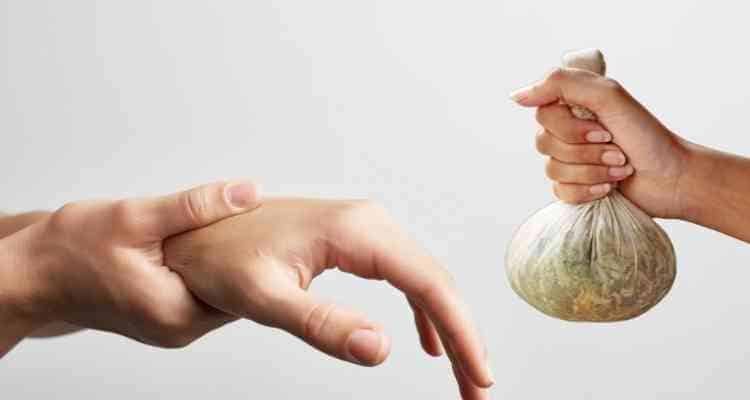
Amavata Chikitsa: Complete Treatment Protocol
The treatment of Amavata follows a systematic, staged approach described primarily in Chakradatta, Ashtanga Hridaya, and Madhava Nidana Madhukoshavyakhya.
Foundational Principles (Chikitsa Sutra)
Chakradatta outlines the core principles:
- 1.Langhana — therapeutic fasting to digest Ama
- 2.Swedana — sudation therapy to relieve stiffness and open channels
- 3.Tikta-Katu Rasa Deepana — bitter and pungent herbs to kindle digestive fire
- 4.Virechana — therapeutic purgation to eliminate Ama and Pitta
- 5.Snehapana (with caution) — internal oleation only after Ama is adequately digested
- 6.Basti — medicated enema therapy, the prime treatment for Vata disorders
Critical note: Snehana (oleation) is generally contraindicated in the early Ama-predominant stage. Giving oil or ghee when significant Ama is present can worsen the condition — this is a common mistake.
Stage 1: Deepana-Pachana (Digestive Preparation)
Before any Shodhana (purification), the patient must undergo Deepana-Pachana to digest existing Ama and restore Agni:
- Chitrakadi Vati — 2 tablets twice daily before meals
- Shunthi (dry ginger) Churna — 3–5 g with warm water
- Hingvashtak Churna — 3 g before meals
- Panchakola Churna — for severe Agnimandya
Duration: typically 3–7 days or until Ama lakshanas (coated tongue, foul breath, body heaviness) subside.
Stage 2: Langhana and Swedana
Langhana ranges from complete fasting (in strong patients) to light, warm, easily digestible food (Yavagu/gruel, Mudga yusha/green gram soup). The type of Langhana is selected based on patient strength (Bala). Swedana options for Amavata:
| Type | Method | Best For |
|---|---|---|
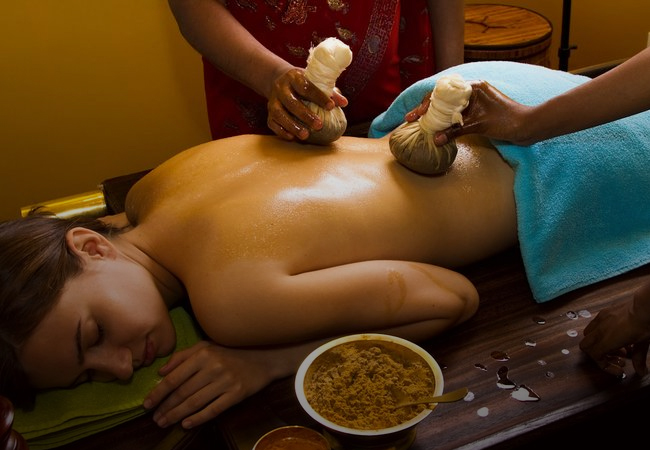
| Valuka Sweda | Hot sand bolus fomentation | Joints with significant swelling |
| Patra Pinda Sweda | Herbal leaf bolus massage | Pain-predominant presentation |
| Nadi Sweda | Steam directed at affected joints | Stiffness-predominant |
| Dhanyamla Kayaseka | Pouring fermented liquid over the body | Generalized Amavata with Kapha predominance |
| Bashpa Sweda | Steam chamber/box | Whole-body treatment |
Important: Snigdha Sweda (oily sudation) is avoided when Ama is prominent. Rooksha Sweda (dry sudation) is preferred until Ama is cleared.
Stage 3: Panchakarma Therapies
Virechana Karma (Therapeutic Purgation)
Virechana is considered the primary Shodhana for Amavata because it eliminates both Ama and Pitta from the gut, which is the origin site of Ama.
A detailed protocol from a published case report (PMC, 2016):
- Snehapana (internal oleation): Plain cow's ghee, starting 40 ml and increasing daily to 120 ml over 5 days until Samyak Snigdha lakshanas (proper oleation signs) appear
- Abhyanga + Swedana for 3 days post-Snehapana
- Virechana day: Trivrita Avaleha (100 g) + Castor oil (20 ml) administered in the morning
- Expected outcome: 15 Vega (bouts of purgation) indicating proper Shodhana
- Post-Virechana: Samsarjana Krama (graduated diet) for 3–7 days
Remarkable result from this case: RA Factor dropped from 94 to 50 IU/ml, CRP from 22.7 to 1.8 mg/L, IgE from 680 to 53.7 kU/L, and ESR normalized. The patient maintained remission for over 1 year with minimal medication.
Basti Karma (Medicated Enema)
Basti is the most important therapy for Vata disorders. Two specific formulations are classically indicated for Amavata:
- Vaitarana Basti — containing Eranda taila, Gomutra, Saindhava lavana, Guduchi, and honey. Specifically designed for Amavata.
- Kshara Basti — alkaline enema formulations
- Guduchyadi Kashaya Basti — decoction enema using Guduchi, Dashamula, and other herbs
External Therapies
- Upanaha Sweda — warm poultice applied to affected joints overnight
- Lepa (herbal pastes):
- Shatapushpadi Lepa
- Kottamchukkadi Lepa — widely used in Kerala tradition
- Dashanga Lepa
- Dhara — continuous pouring of warm medicated liquids over joints
Stage 4: Shamana Chikitsa (Palliative Medicines)
Classical Ayurvedic formulations for Amavata — many have centuries of documented clinical use:
| Formulation | Form | Key Ingredients | Primary Action |
|---|---|---|---|
| Simhanada Guggulu | Guggulu preparation | Triphala, Gandhaka, Guggulu, Castor oil | Ama digestion + Vata pacification; frontline medicine |
| Amavata-ari Rasa | Rasa aushadhi (herbomineral) | Parada, Gandhaka, Vatsanabha | Potent anti-inflammatory; use under supervision |
| Yogaraja Guggulu | Guggulu preparation | Multiple herbs + Guggulu | Joint inflammation, chronic cases |
| Rasnadi Kashaya | Decoction | Rasna, Guduchi, Eranda, Devadaru | Pain relief, anti-inflammatory |
| Amavatahara Churna | Powder | Shunthi, Guduchi, Haritaki | Deepana, Pachana, Vata-shamana |
| Rasnasaptaka Kashaya | Decoction | Rasna and 6 other herbs | Specifically for Amavata |
| Dashamula Kashaya | Decoction | 10 roots | Anti-inflammatory, Vata-shamana |
The Role of Rasayana: Preventing Recurrence
This is where most treatment discussions end — but Rasayana therapy is actually crucial for long-term management and preventing relapses.
After Shodhana and Shamana control the active disease:
- Ashwagandha (Withania somnifera) — immunomodulator, shown in a 2015 study (Journal of Ayurveda and Integrative Medicine) to reduce CRP and improve joint function in RA patients
- Guduchi (Tinospora cordifolia) — called "Amritavalli" (the immortal vine), both an Ama-pachaka and Rasayana; has demonstrated immunomodulatory activity in multiple pharmacological studies
- Amalaki (Emblica officinalis) — antioxidant-rich Rasayana, supports tissue repair
- Bala (Sida cordifolia) — nourishes Mamsa and Asthi dhatu, strengthens joint structures
- Rasayana is given after proper Shodhana for maximum tissue penetration and efficacy.
- It's not effective when Ama is still present — timing matters.
How to Remove Ama from Joints: Home Remedies and Diet
Home Remedies for Amavata
These approaches work best for early-stage Amavata or as adjuncts to formal treatment:
- 1.Shunthi (dry ginger) decoction — boil 5g dry ginger in 200ml water, reduce to half, drink warm twice daily. The simplest and most effective Ama-pachaka.
- 2.Castor oil with warm milk — 10ml Eranda taila in warm milk at bedtime; provides Mridu Virechana (mild purgation). Classical Amavata remedy.
- 3.Fasting or light diet — weekly fasting on warm fluids or Mudga yusha (green gram soup) to reset Agni
- 4.Warm water intake — throughout the day; cold water suppresses Agni
- 5.Turmeric + Shunthi paste — external application on affected joints for pain relief
- 6.Rasna decoction — 3g Rasna boiled in water; effective for joint pain
Pathya (Favorable Diet) and Apathya (Foods to Avoid)
| Pathya (Include) | Apathya (Avoid) |
|---|---|
| Yava (barley) — best grain for Amavata | Dadhi (curd/yogurt) — especially at night |
| Kulattha (horse gram, Macrotyloma uniflorum) | Matsya (fish) — heavy and Ama-producing |
| Raktashali (red rice) | Viruddha Ahara (incompatible combinations) |
| Mudga (green gram, Vigna radiata) | Cold foods and beverages |
| Shigru (Moringa, Moringa oleifera) | Guru (heavy) and Abhishyandi foods |
| Karavellaka (bitter gourd) | Excess sugar, jaggery in Ama stage |
| Millets (Kodrava, Kangni) | Urad dal (black gram) |
| Warm, freshly cooked food | Refrigerated or reheated food |
| Takra (buttermilk) with Deepana spices | Milk in acute stage |
| Punarnava (as vegetable or decoction) | Curd-based preparations |
Nidana Parivarjana: The Allergenic Connection
A fascinating case report published in PMC (2016) identified specific allergens through IgE screening in an Amavata patient — including food allergens (wheat, milk proteins), inhalant allergens, and drug sensitivities. The systematic avoidance of identified allergens (a practice perfectly aligning with Ayurveda's Nidana Parivarjana principle) was a major factor in achieving and maintaining remission for over one year.
This suggests that individualized allergen identification through modern testing, combined with traditional Nidana Parivarjana, could represent an optimized integrative approach.
Modern Evidence: What Research Says About Ayurvedic Treatment for Amavata
Comparison with Conventional RA Treatment
Modern RA treatment relies on DMARDs (Disease-Modifying Anti-Rheumatic Drugs like Methotrexate), NSAIDs, corticosteroids, and biological agents. While effective at controlling inflammation, these carry significant long-term side effects: hepatotoxicity, immunosuppression, gastrointestinal bleeding, and increased infection risk.
Ayurvedic approaches offer potential advantages in:
- Addressing root cause (Agni correction) rather than just suppressing symptoms
- Fewer adverse effects with classical formulations when properly prescribed
- Holistic management including diet, lifestyle and mental health
- Potential for reducing dependency on immunosuppressive medications
Existing Clinical Evidence
While large-scale RCTs remain limited, several published studies show promise:
- Simhanada Guggulu has been studied in multiple clinical trials showing significant reduction in joint pain, swelling, and stiffness scores
- Vaitarana Basti has demonstrated efficacy in controlled studies for Amavata, with improvements in DAS28 (Disease Activity Score) scores
- A 2016 case study documented objective improvement in RA Factor, CRP, IgE, and ESR after Virechana-based protocol (PMC reference)
Current gap: Systematic reviews and well-designed multicenter RCTs are still needed. This is an area where the Ayurvedic research community needs to invest more effort — the traditional knowledge deserves rigorous modern validation.
Frequently Asked Questions (FAQ)
What is the best Amavata oil for joint massage?
Vishgarbha Taila, Sahacharadi Taila, and Kottamchukkadi Taila are classically indicated. However, external oil application should be avoided during active Ama stage (when joints are acutely swollen, warm, and tender). Use dry fomentation first until Ama signs reduce, then introduce oil application. Dhanwantaram Taila is preferred for chronic stages with Vata predominance.
Can Amavata be completely cured?
It depends on the stage. Early-stage Amavata (Nava, single dosha) in a patient with good strength can be completely cured (Sadhya). Chronic cases with multiple joint involvement are typically Yapya — manageable with ongoing treatment to maintain remission. Advanced cases with deformities are Asadhya. Early detection and treatment dramatically improves outcomes.
How long does Amavata treatment take?
Acute symptom relief can occur within 2–4 weeks of proper treatment. However, comprehensive management including Panchakarma, Shamana, Rasayana, and dietary modifications typically spans 3–6 months for significant improvement. Long-term dietary discipline and periodic Panchakarma (especially seasonal Virechana) may be needed for years to prevent recurrence.
Is there a connection between gut health and Amavata?
- Absolutely — this is actually the central insight of the Ayurvedic understanding. Amavata originates in the gut (Amashaya) due to Agni impairment.
- Modern research on the "gut-joint axis" in RA supports this: studies have found altered intestinal microbiome composition (dysbiosis) in RA patients, increased intestinal permeability ("leaky gut"), and elevated antibodies against gut bacteria. The Ayurvedic emphasis on Agni correction and Ama elimination essentially addresses gut health as the foundation of treating joint disease.
What is the difference between Amavata and Sandhigata Vata?
Sandhigata Vata (osteoarthritis) is primarily a degenerative condition affecting Vata-predominant individuals, usually in older age, involving weight-bearing joints asymmetrically, without significant Ama involvement or systemic symptoms. Amavata is inflammatory, affects younger patients, involves symmetrical small joints, has prominent Ama features (fever, heaviness, coated tongue, loss of appetite), and causes soft-tissue swelling rather than bony enlargement.
Conclusion: Taking the First Step Toward Managing Amavata
- Amavata is a complex but well-understood disease in Ayurveda, with a treatment framework that has been refined over more than a thousand years.
- The key insight remains unchanged: correct the Agni, eliminate the Ama, pacify the Vata. Whether you're experiencing early symptoms like unexplained fatigue and vague joint aches, or you're dealing with established RA and looking for complementary approaches — the Ayurvedic framework offers a systematic, root-cause-oriented path forward.
Start with the basics: clean up your diet, favor warm and easily digestible foods, incorporate Shunthi into your daily routine, and avoid the known Nidana factors. If symptoms persist or are already advanced, consult a qualified Ayurvedic physician (preferably one trained in Panchakarma) for a personalized treatment protocol. Early intervention at the Sanchaya or Prakopa stage can prevent years of suffering.
- *Always consult a qualified Ayurvedic practitioner before starting any Panchakarma procedure or herbo-mineral formulation. If you are currently on conventional RA medications, do not discontinue them without medical supervision.
- Integrative management — combining the best of both systems — often yields the best patient outcomes.*
Scientific Sources
- Ankylosing spondylitis — Edavalath M, 2010, Journal of Ayurveda and integrative medicine
- A case-control study for exploring the association of Prakriti with Rheumatoid Arthritis — Chinthala R et al., 2023, Journal of Ayurveda and integrative medicine
- Aam assessment instrument for disease activity in Aamavata: Scope and challenges — Wagh S et al., 2023, Journal of Ayurveda and integrative medicine
- Therapeutic influence of some dietary articles on gut microbiota in the pathogenesis of rheumatoid arthritis (Amavata) - A review — Aswathy YS et al., 2019, Ayu
- Efficacy of Seetarama Vati (A Sri Lankan traditional drug) and Vatari Guggulu in the management of Amavata (rheumatoid arthritis)-an open labeled randomized comparative clinical trial — Maragalawaththa MGSK et al., 2019, Ayu
- Clinical metabolomics investigation of rheumatoid arthritis patients receiving ayurvedic whole system intervention — Rastogi S et al., 2024, Journal of Ayurveda and integrative medicine
- Anti-rheumatic formulations from ayurveda — Raut AA et al., 1991, Ancient science of life
- Management of Amavata (rheumatoid arthritis) with diet and Virechanakarma — Gupta SK et al., 2015, Ayu
- Development and validation of an ama instrument for assessing the disease activity on the basis of constitutional features in Amavata (Rheumatoid Arthritis) — Pandey P et al., 2023, Journal of Ayurveda and integrative medicine
- Tongue coating, severity of Ama, and disease activity in patients with Rheumatoid Arthritis: A pilot study — Wagh S et al., 2026, Journal of Ayurveda and integrative medicine
- Clinical evaluation of Vardhamana Pippali Rasayana in the management of Amavata (Rheumatoid Arthritis) — Soni A et al., 2011, Ayu
- Management of Amavata with 'Amrita Ghrita': A clinical study — Lekurwale PS et al., 2010, Ayu
- Effect of kshara basti and nirgundi ghana vati on amavata (rheumatoid arthritis) — Thanki K et al., 2012, Ayu
- Clinical evaluation of efficacy of Alambushadi Ghana Vati and Vaitarana Basti in the management of Amavata with special reference to rheumatoid arthritis — Sasane P et al., 2016, Ayu
- Effect of panchakarma and Ayurvedic treatment in postpartum rheumatoid arthritis (amavata): A case study — Deshpande SV et al., 2017, Journal of Ayurveda and integrative medicine
- Pharmacognostic study of Lepidium sativum Linn (Chandrashura) — Raval ND et al., 2011, Ayu
- Clinical effect of Matra Basti and Vatari Guggulu in the management of Amavata (rheumatoid arthritis) — Khagram R et al., 2010, Ayu
- Integrative approach combining Ayurveda, counselling, Yoga and meditation with conventional management of Ankylosing Spondylitis - A case report — Sushma NS et al., 2022, Journal of Ayurveda and integrative medicine
- Evaluation of Anti-arthritic and in-vitro Anti-inflammatory activity of Vaisvanara Churna — Ilavarasan R et al., 2025, Journal of ethnopharmacology
- Clinical efficacy of Rasona Pinda in the management of Amavata (rheumatoid arthritis) — Singh JP et al., 2010, Ayu
Questions from users
Can I use yoga and meditation together to manage symptoms of Amavata effectively?
Chloe
14 days ago
Yes, yoga and meditation can work great together to manage Amavata. Yoga helps improve flexibility and reduce stiffness, while meditation can calm the mind and reduce stress. Staying consistent with both can balance your doshas and improve overall well-being. But be gentle! Avoid movements that aggavate your symptoms and adapt poses as needed.
What is Panchakarma and how does it help detoxify the body in Ayurveda?
Kennedy
23 days ago
Panchakarma is a key detox process in Ayurveda, and it helps cleans the body of toxins, or "Ama", improving overall health and balance. It's like a reset, targeting dosha imbalances and rekindling agni (your digestive fire). It involves therapies like massages, herbal baths, and enemas. Good for boosting health, but best to do under an expert practitioner's guidance!
Can I use herbal treatments alongside Ayurvedic therapies for managing Amavata symptoms?
Phillip
33 days ago
Absolutely, you can use herbal treatments alongside Ayurvedic therapies for Amavata management. They actually complement each other! Just be mindful of your dosha balance. Opt for warming, detoxifying herbs like Trikatu and Ginger, but maybe check in with an Ayurvedic practitioner to make sure everything suits your unique constitution.
Is it safe to undergo Panchakarma if I have existing health conditions?
Sebastian
43 days ago
It's really important to check with a qualified Ayurvedic doc and maybe even your regular doctor before starting Panchakarma, especially if you've got existing health conditions. They can tell you if it's safe or needs adjustment. Panchakarma can be intense, so personal health needs should be considered!
What is Amavata and how does it relate to Vata dosha imbalances in Ayurveda?
Uriah
52 days ago
Amavata is a condition described in Ayurveda involving the accumulation of ama (toxins) and imbalanced Vata dosha, often showing up as joint pain and stiffness. Vata dosha, when imbalanced, especially contributes to the erratic movement and dryness, and it needs to be grounded and stabilized with therapies, similar to what the article mentioned.
What is the role of herbal oils in treating Amavata through Ayurvedic therapy?
Kayden
62 days ago
Herbal oils play a pretty vital role in treating Amavata by reducing joint pain and inflammation. They usually penetrate deeply into the skin and can improve blood circulation, reduce stiffness, and soothe painful areas. Oils used in massages also help balance doshas, especially Vata, which is often out of balance in Amavata. So, regular massages with the right oils is beneficial!
What is the best way to use Guggulu for reducing inflammation in Amavata?
Nathan
71 days ago
For reducing inflammation in Amavata, you can use Guggulu by taking it in tablet or powder form, often after meals to support digestion and help reduce Ama. Combining it with Triphala might improve digestion and help with detoxification. As always, it's best to consult with an Ayurvedic practitioner to understand your specific dosha imbalance and get personalized guidance.
Is it safe to practice yoga if I have symptoms of Amavata?
Ruby
81 days ago
Practicing yoga with Amavata can be tricky. It's usually recommended to focus on gentle, restorative poses to avoid straining the joints. Always listen to your body and consider speaking with an Ayurvedic practioner who might offer specific guidance based on your unique dosha balance and symptoms. 🧘♀️
What are the mental or emotional aspects of managing Amavata through Ayurveda?
Makayla
159 days ago
Ohh, great question! Managing Amavata mentally and emotionally involves calming the mind and reducing stress, which is key in Ayurveda. Techniques like meditation, pranayama (breathing exercises), and yoga can help balance the mind. Reducing emotional stress helps balance Vata dosha and supports the treatment process. Try to create a very supportive environment and practice mindfulness.
How does stress impact the balance of Vata dosha and worsen Amavata symptoms?
Maya
164 days ago
Stress can really throw Vata out of whack, making those Amavata symptoms worse. Vata governs movement and nerve impulses so when stress hits, it can heighten Vata's qualities—think irregularity and anxiety. This can lead to more dryness and stiffness, aggravating Amavata. Calming activities and routines can help soothe Vata and ease symptoms.
Related articles

Immunodeficiency
Boost Your Immunity Naturally with Ayurveda and Lifestyle Changes
Exploration of Boost Your Immunity Naturally with Ayurveda and Lifestyle Changes
2,303

Immunodeficiency
4 Easy-to-make Immune-Boosting Ayurvedic Drinks
A healthy body and mind make one’s life extremely productive and fulfilling.
3,367

Immunodeficiency
How to Check Jaundice at Home: Symptoms and Signs in Adults and Newborns
Learn how to check jaundice at home by spotting early symptoms in adults and newborns. Discover common signs, causes, and home detection tips
2,833

Immunodeficiency
Is Apple Good for Cough and Cold Relief?
Discover if apple is good for cough, its role during cold and cough, and possible side effects. Learn Ayurvedic tips for using apple in cough relief
14,326

Immunodeficiency
Madhusnuhi Rasayanam Uses, Dose, Side Effects, Ingredients
Exploration of Madhusnuhi Rasayanam Uses, Dose, Side Effects, Ingredients
1,524

Immunodeficiency
Mahasudarshan Kadha
Exploration of Mahasudarshan Kadha
3,435

Immunodeficiency
How to Control Autoimmune Disease Naturally with Ayurveda and Lifestyle
Discover how to control autoimmune disease naturally through Ayurvedic lifestyle tips, foods to control autoimmune disease, and immune-balancing remedies
2,277

Immunodeficiency
How to Make Chyawanprash at Home: Traditional Recipe and Ingredients
Learn how to make chyawanprash at home using Ayurvedic ingredients. Discover the full recipe, benefits, and traditional method based on classical Ayurveda texts
13,227

Immunodeficiency
Ekangveer Ras Benefits, Dosage, Ingredients, Side Effects
Exploration of Ekangveer Ras Benefits, Dosage, Ingredients, Side Effects
8,388

Immunodeficiency
What to Eat in Jaundice: Ayurvedic Diet, Safe Foods, and Nutrition Plan
What to eat in jaundice? Explore the best foods, fruits to avoid, complete jaundice diet chart, and Ayurvedic nutrition tips for fast liver recovery
6,861
Related questions on the topic
Legal
Additional Documents
© 2024 Ask Ayurveda. All rights reserved.