Ask Ayurvedic doctor a question and get a consultation online on the problem of your concern in a free or paid mode. More than 2,000 experienced doctors work and wait for your questions on our site and help users to solve their health problems every day.
FREE! Ask Ayurvedic Doctors 24/7

 Fast responses
 1000+ verified doctors
Body DetoxEar, Nose, and Throat DisordersGeriatrics & RejuvenationImmunodeficiencyInfertility TreatmentNutritionOrthopedic DisordersPediatricsRespiratory DisordersSexually Transmitted Diseases (STDs)Surgery RecoveryUrological DisordersVascular DisordersDental DisordersEndocrinological DisordersGastrointestinal DisordersYoga TherapyGeneral MedicineAllergic DisordersCardio DisordersGynecology and ObstetricsCosmetologySkin and Hair DisordersEye DisordersInfectious DiseasesMental DisordersNeurological DisordersOncologyPanchakarmaSexual Health & DisordersSports Medicine
Published on 02/28/25
(Updated on 06/18/26)
3,070
Yoga Vasti – Ayurvedic Treatment for Detoxification and Rejuvenation

- Yoga Vasti is a structured 8-day Ayurvedic enema therapy within Panchakarma that alternates between oil-based (Anuvasana) and decoction-based (Niruha) Basti sessions to pacify Vata dosha, eliminate deep-seated toxins, and rejuvenate the musculoskeletal, nervous, and reproductive systems.
- Considered "Ardha Chikitsa" — literally half of all treatment in Ayurveda — this protocol is one of the most powerful yet accessible Basti regimens available, requiring just 8 days compared to longer Kala Vasti (15 days) or Karma Vasti (30 days) programs.
- If you've been searching for a safe, time-efficient Panchakarma detox that addresses chronic joint pain, digestive issues, infertility, or general debility, Yoga Vasti is very likely where your Ayurvedic physician will start.
- In this guide, we break down everything — from classical textual references and the exact day-by-day protocol to diet guidelines, clinical evidence, and costs — so you can make a truly informed decision.
What Is Yoga Vasti and Why Is It Called "Basti"?
Yoga Vasti (also spelled Yoga Basti) is a therapeutic enema protocol consisting of exactly 8 Basti sessions administered over 8 consecutive days. It combines two types of medicated enemas in a specific sequence:
- Anuvasana Basti (oil/fat-based enema) — 5 sessions
- Niruha Basti (herbal decoction enema) — 3 sessions
The term "Basti" itself has a fascinating etymological origin. In ancient times, the enema apparatus was made from the urinary bladder (Basti) of animals such as goats or buffaloes. The bladder served as a natural, flexible container for the medicinal liquids. Over centuries, the name stuck even though modern clinics use sterile rubber or silicone equipment.
- The word "Yoga" here doesn't refer to the physical postures most people associate with the term.
- In Sanskrit, "Yoga" means combination or union — referring to the strategic combination of two Basti types into one cohesive treatment protocol.
How Yoga Vasti Fits Within Panchakarma
Panchakarma, Ayurveda's five-fold purification system, includes:
- Vamana (therapeutic emesis)
- Virechana (purgation)
- Nasya (nasal administration)
- Raktamokshana (bloodletting)
- Basti (medicated enema)
Among these five, Basti holds a uniquely elevated status. The ancient physician Acharya Charaka stated in the Charaka Samhita, Siddhi Sthana (Chapter 1, Verse 38-40): "Basti is Ardha Chikitsa" — meaning Basti alone constitutes half of the entire therapeutic armamentarium of Ayurveda. Some scholars go further, calling it the Pradhana Chikitsa (primary treatment) because of its unmatched ability to correct Vata dosha, which is the root cause of the majority of diseases listed in classical texts.
Classical Textual References for Yoga Vasti
This is an area where most online resources fall short.
Here are the precise classical sources:
| Text | Section | Key Reference |
|---|---|---|
| Charaka Samhita | Siddhi Sthana, Chapter 10 (Bastisiddhir Adhyaya) | Defines the Yoga Vasti schedule, Anuvasana/Niruha alternation, and indications |
| Ashtanga Hridaya | Sutra Sthana, Chapter 19 | Describes Basti types, preparation, and signs of proper administration (Samyak Yoga) |
| Sharangadhara Samhita | Uttara Khanda, Chapter 5 | Details specific formulations, dosages, and the three Basti regimens (Yoga, Kala, Karma) |
| Sushruta Samhita | Chikitsa Sthana, Chapter 35-38 | Elaborates on Basti Dravya (ingredients), contraindications, and routes of administration |
Understanding these sources matters — it separates evidence-based Ayurvedic practice from generic wellness advice.
How Many Days for Yoga Basti? The Complete 8-Day Protocol Chart
This is the most practical section for anyone preparing for or considering the treatment. The Yoga Vasti protocol follows a strict alternating pattern over 8 days.
Yoga Basti Day-by-Day Chart
| Day | Basti Type | Pre-Procedure (Purva Karma) | Approx. Session Duration |
|---|---|---|---|
| Day 1 | Anuvasana Basti (oil-based) | Abhyanga (oil massage) + Swedana (steam therapy) | ~90 minutes total |
| Day 2 | Niruha Basti (decoction) | Abhyanga + Swedana | ~90 minutes total |
| Day 3 | Anuvasana Basti | Abhyanga + Swedana | ~90 minutes total |
| Day 4 | Niruha Basti | Abhyanga + Swedana | ~90 minutes total |
| Day 5 | Anuvasana Basti | Abhyanga + Swedana | ~90 minutes total |
| Day 6 | Niruha Basti | Abhyanga + Swedana | ~90 minutes total |
| Day 7 | Anuvasana Basti | Abhyanga + Swedana | ~90 minutes total |
| Day 8 | Anuvasana Basti | Abhyanga + Swedana | ~90 minutes total |
Total: 5 Anuvasana + 3 Niruha = 8 sessions
Notice how the protocol always starts and ends with Anuvasana Basti. This is deliberate. Oil-based Basti is gentler, more nourishing, and easier for the body to tolerate. Starting with Anuvasana prepares the colon's mucosal lining for the stronger decoction-based Niruha, while ending with Anuvasana ensures the body is left in a nourished, lubricated state rather than a depleted one.
Yoga Vasti vs Kala Vasti vs Karma Vasti: Comparison Table
One of the most common confusions in clinical practice — and one no competitor has addressed with proper clarity — is the difference between the three Basti regimens.
| Parameter | Yoga Vasti | Kala Vasti | Karma Vasti |
|---|---|---|---|
| Total sessions | 8 | 15 (sometimes 16) | 30 |
| Anuvasana sessions | 5 | 10 | 18 |
| Niruha sessions | 3 | 5 (sometimes 6) | 12 |
| Duration | 8 days | 15–16 days | 30 days |
| Best for | Mild-to-moderate Vata vitiation, maintenance therapy, younger/stronger patients | Moderate chronic conditions, recurring pain syndromes | Severe Vata disorders, paralysis, advanced degenerative diseases, long-standing infertility |
| Typical cost (India, 2024) | ₹6,000–₹12,000 | ₹12,000–₹22,000 | ₹25,000–₹50,000+ |
Your Ayurvedic physician selects the appropriate regimen based on the severity of Vata vitiation, the patient's strength (Bala), digestive fire (Agni), and the nature of the bowel (Koshtha — whether the patient tends toward constipation or loose stools).
What Is the Process of Vasti? Step-by-Step Procedure Explained
Each daily session of Yoga Vasti follows three clearly defined phases, consistent with all Panchakarma procedures.
Purva Karma (Pre-Procedure Preparation)
This phase is critical — it literally determines how well the Basti will work.
- Abhyanga (Full-body oil massage): The therapist applies warm medicated oil (commonly Mahanarayan Taila or Sesame Oil) across the body with particular focus on the abdomen, lower back, and sacral region. This takes approximately 30–40 minutes.
- The massage serves two purposes: it loosens toxins from deep tissues (Dhatus) and relaxes the musculature, improving absorption.
Swedana (Steam therapy or fomentation): Immediately following Abhyanga, the patient receives localized or generalized steam therapy for 10–15 minutes. The heat opens the Srotas (body channels), enhances circulation, and further prepares tissues to receive the medicinal enema.
Patient Assessment Before First Session
Before the very first Basti, a qualified Vaidya (Ayurvedic physician) should assess:
- Agni (digestive fire) — Mandagni (weak digestion) may require preliminary digestive correction
- Koshtha (bowel type) — Krura Koshtha (hard bowel) patients may need modified formulations
- Bala (strength) — Elderly or debilitated patients may need reduced dosages
- Prakriti (constitution) — Determines oil and herb selection
- Relevant medical history — Including any surgical history involving the rectum or colon
Blood pressure, pulse, and basic blood work (CBC, blood sugar) are typically checked in reputable Panchakarma centers, though this practice varies between clinics.
Pradhana Karma (Main Procedure)
The patient lies on the left lateral position (Vama Parshva) with the left leg extended and the right knee flexed toward the chest. This position aligns with the anatomical course of the sigmoid colon and facilitates smooth administration.
For Anuvasana Basti: A small quantity (typically 60–120 ml) of warm medicated oil or ghee is slowly introduced through the rectal route using a sterile Basti Yantra (enema apparatus). The patient is encouraged to retain the oil as long as possible — ideally several hours or even overnight.
- For Niruha Basti: A larger volume (approximately 480–960 ml) of medicated decoction is administered.
- Unlike Anuvasana, Niruha is not meant for long retention — it should be expelled within 48 minutes (one Muhurta) according to classical guidelines.
Paschat Karma (Post-Procedure Care)
After administration, the patient rests with the hips slightly elevated. A light, warm, and easily digestible meal is given after Anuvasana Basti. After Niruha Basti, the patient waits for complete evacuation before taking a light meal of rice gruel (Peya or Vilepi).
The physician observes for signs of:
- Samyak Yoga (proper administration): Proper evacuation, feeling of lightness, improved appetite, reduced symptoms
- Ayoga (insufficient effect): Pain, discomfort, no evacuation, heaviness — may indicate inadequate dosage or poor retention
- Atiyoga (excessive effect): Weakness, dehydration, excessive evacuation — indicates overtreatment
The Classical Niruha Basti Formula: Exact Composition
This is something almost no online resource discloses in detail, yet it's fundamental to understanding what goes into your body during Niruha Basti.
The classical Niruha Basti Dravya (ingredients) follow a specific order of mixing called "Basti Samskarana Vidhi" as described in Charaka Samhita:
| Ingredient | Sanskrit Name | Approximate Quantity | Purpose |
|---|---|---|---|
| Honey | Madhu | 80–160 ml | Acts as Yogavahi (bio-enhancer), helps mix oil with water-based decoction |
| Rock salt | Saindhava Lavana | 5–10 g | Liquefies Kapha, aids absorption |
| Medicated oil/ghee | Sneha | 80–160 ml | Lubricates, nourishes, pacifies Vata |
| Herbal paste | Kalka | 40–80 g | Active therapeutic agent (e.g., Dashamoola, Ashwagandha, Shatavari) |
| Herbal decoction | Kwatha | 320–640 ml | Primary vehicle, carries medicinal properties |
Mixing order matters: Honey is triturated first with rock salt, then oil is added gradually while stirring continuously, followed by Kalka (paste), and finally the Kwatha (decoction). This emulsification process ensures proper mixing of oil-based and water-based components — an ancient pharmaceutical insight that modern science would recognize as creating a stable emulsion.
Common herbs used in the Kwatha include Dashamoola (ten roots formula), Ashwagandha (Withania somnifera), Bala (Sida cordifolia), Guduchi (Tinospora cordifolia), and Shatapushpa (Dill) for reproductive disorders.
Yoga Basti Benefits: From Detoxification to Reproductive Health
How Does Yoga Vasti Help in Detoxifying the Body?
The colon in Ayurveda is considered the primary seat of Vata dosha and a major site of toxin (Ama) accumulation.
Yoga Vasti works through multiple mechanisms:
- 1.Direct elimination: Niruha Basti physically flushes accumulated fecal matter, toxins, and metabolic waste from the colon
- 2.Transmucosal absorption: The rectal mucosa is highly vascularized. Medicated oils and decoctions are absorbed directly into the systemic circulation, bypassing the liver's first-pass metabolism — similar to how modern rectal suppositories work
- 3.Enteric nervous system stimulation: The gut contains over 100 million neurons (sometimes called the "second brain"). Basti directly influences this network, promoting peristalsis and autonomic balance
- 4.Vata regulation: By pacifying Vata at its primary site, Yoga Vasti restores normal movement, elimination, and nerve function throughout the body
Benefits for Musculoskeletal Health
This is arguably the most common reason patients seek Yoga Vasti.
The benefits include:
- Joint pain reduction — A 2019 clinical study published in the Journal of Pharmaceutical Research International (JPRI) evaluated the effect of Yoga Basti in Sandhivata (osteoarthritis) patients and found statistically significant reduction in pain, stiffness and improved joint function after the 8-day protocol
- Improved spinal mobility — Particularly effective for lumbar spondylosis, cervical spondylosis, and sciatica (Gridhrasi)
- Muscle relaxation — The combination of Abhyanga, Swedana, and Basti addresses muscle spasm from multiple angles
Real-world outcomes? Patients often report being able to climb stairs without wincing, walk to the market without needing rest breaks, and reduce their dependence on NSAID painkillers — sometimes within the first week itself.
Yoga Basti Benefits for Female Health and Infertility
Yoga Vasti has specific applications in gynecology, particularly for:
- Menstrual irregularities driven by Vata (Apana Vayu) dysfunction
- Unexplained infertility — by improving uterine blood flow and hormonal balance through Vata correction
- Post-menopausal joint pain and dryness — the nourishing effect of Anuvasana Basti counteracts the dryness and degeneration characteristic of Vata-dominant stages of life
- For fertility-specific cases, Yoga Vasti is often combined with Uttara Vasti (vaginal or uterine administration of medicated oils) as a follow-up protocol.
- The Yoga Vasti serves as the foundation — clearing the channels and balancing Apana Vayu — before the more targeted Uttara Vasti is introduced.
Additional Therapeutic Benefits
- Neurological conditions: Facial palsy, hemiplegia, paraplegia — Vata is the governing force of the nervous system
- GI disorders: IBS, chronic constipation, bloating, hyperacidity
- Immune enhancement: By clearing Ama and restoring Agni, the body's natural defense mechanisms strengthen
- Rejuvenation (Rasayana effect): Improved tissue nourishment, better sleep, enhanced vitality, and clearer skin
Don't wait or self medicate. Start chat with Doctor NOW
Diet During and After Yoga Vasti (Pathya-Apathya)
- This is a major gap in most online guides.
- Diet is not optional during Basti therapy — it's arguably as important as the procedure itself.
What to Eat (Pathya)
| Timing | Recommended Foods | Rationale |
|---|---|---|
| During Anuvasana Basti days | Light meal of rice with ghee, moong dal soup, warm milk | Supports retention of oil Basti; easy to digest |
| After Niruha Basti evacuation | Peya (thin rice gruel), Vilepi (thick rice gruel), Yusha (lentil soup) | Gradually reintroduces food without burdening Agni |
| Evening meals during course | Khichdi, steamed vegetables, warm water | Maintains digestive balance |
| Post-course (Days 9-15) | Gradually introduce regular foods: cooked grains, seasonal vegetables, mild spices, buttermilk | Allows the body to transition without shocking the GI tract |
What to Avoid (Apathya)
- Cold, raw foods — salads, iced beverages, raw fruits (especially banana, watermelon)
- Heavy, fried, and processed foods — deep-fried snacks, packaged foods, fast food
- Spicy and sour excess — very hot chilies, pickles, tamarind in large quantities
- Incompatible combinations (Viruddha Ahara) — milk with fish, fruit with meals, honey heated above 40°C
- Strenuous physical activity — heavy exercise, long travel, excessive walking
- Daytime sleep — suppresses Agni and promotes Kapha/Ama formation
- Sexual activity — to be avoided during the entire 8-day course to conserve Ojas
Seasonal Considerations (Ritucharya)
- Classical texts recommend that Basti therapy is most effective during Varsha Ritu (monsoon season, roughly July–September). During the rains, Vata dosha naturally aggravates due to cold, dampness, and changes in atmospheric pressure. Administering Basti during this period provides maximum therapeutic benefit.
- However, this is an ideal — Yoga Vasti can be administered in any season when clinically indicated.
Is Vasti Treatment Painful? Side Effects and Contraindications
Pain and Discomfort
Let's be honest — the idea of a medicated enema makes most people uneasy. But in practice, Yoga Vasti is generally well-tolerated and not painful. The pre-procedure massage and steam therapy relax the body significantly. The oil used for Anuvasana Basti is warm and soothing. Most patients describe a sensation of fullness or mild pressure, not pain.
Niruha Basti, given its larger volume, may cause temporary abdominal cramping as the body prepares for evacuation. This is normal and usually lasts only a few minutes.
Are There Any Side Effects of Yoga Vasti?
When administered by a qualified practitioner with proper patient assessment, side effects are rare.
Possible minor effects include:
- Mild bloating or gas for a few hours after Anuvasana Basti
- Temporary loose stools after Niruha Basti
- Light-headedness in patients who skip meals or are dehydrated
- Mild soreness in the anal area after repeated administration (resolved with application of medicated oil)
Serious complications are exceedingly rare and almost always linked to improper administration — wrong patient selection, unhygienic conditions, or incorrect formulation.
Contraindications (Who Should NOT Undergo Yoga Vasti)
| Absolute Contraindications | Relative Contraindications |
|---|---|
| Rectal bleeding or active hemorrhoids (bleeding type) | Extreme old age with debility |
| Intestinal perforation or obstruction | Severe anemia |
| Acute diarrhea or dysentery | Uncontrolled diabetes mellitus |
| Immediately after meals (within 2 hours) | Pregnancy (first trimester especially) |
| Severe dehydration | Children under age 7 (modified protocols needed) |
| Unconscious patients | Severe psychological disturbance |
| Pulmonary tuberculosis with active bleeding | Post-surgical patients (abdominal, recent) |
Critically important: Yoga Vasti should NEVER be self-administered. Even if you have access to ingredients, the dosage, temperature, formulation, and sequence require professional judgment based on your individual constitution and condition.
Routes of Basti Administration Beyond Rectal
While Yoga Vasti specifically refers to the rectal route (Pakwashayagata Basti), classical Ayurveda describes several other routes for completeness:
- Uttara Vasti (Urethral): Used for urological conditions in males, introduced through the urethra
- Uttara Vasti (Vaginal): Used for gynecological conditions, introduced through the vaginal canal
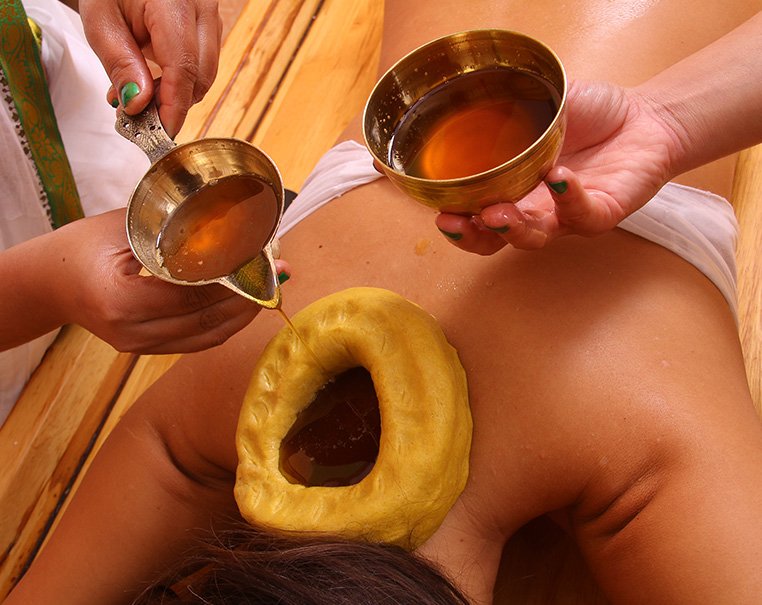
- Vrana Vasti: Application over wounds or ulcers using a dough ring filled with medicated oil
Additionally, localized Basti techniques use the dough-ring method over specific body areas:
- Kati Vasti — over the lumbosacral region for lower back pain
- Janu Vasti — over the knee joint for osteoarthritis
- Greeva Vasti — over the cervical spine for neck stiffness
- Hrid Vasti — over the chest for cardiac and respiratory benefits
These localized techniques are often combined with systemic Yoga Vasti for enhanced outcomes, particularly in musculoskeletal cases.
How Long Does It Take to See Results from Yoga Vasti?
Most patients notice initial improvements — reduced stiffness, better sleep, lighter feeling in the abdomen — by Day 3 or 4 of the protocol. However, the full therapeutic benefits typically manifest 2–4 weeks after completing the course, as the medicated oils continue to nourish tissues and the body's rebalancing process completes.
For chronic conditions like osteoarthritis or infertility, a single course of Yoga Vasti is often the starting point.
Your physician may recommend:
- Repeat Yoga Vasti after 1–2 months
- Upgrade to Kala Vasti (15 days) if the response is partial
- Full Karma Vasti (30 days) for deeply entrenched conditions
A 2019 study on Sandhivata patients noted that subjective pain scores (using a Visual Analog Scale) improved by approximately 45–60% after a single Yoga Basti course, with further improvement on follow-up at 30 days post-treatment.
Yoga Basti Cost and Where to Receive Treatment
In India (2024 estimates), Yoga Vasti typically costs between ₹6,000 and ₹12,000 for the complete 8-day program, depending on:
- Location (metro cities charge more; Kerala and Karnataka tend to have established, competitive pricing)
- Quality of herbal oils and decoctions used (classical hand-prepared formulations cost more than manufactured ones)
- Whether the program includes Abhyanga and Swedana (some centers charge these separately)
- Hospital vs. independent clinic setting
Where to receive treatment: Look for centers with:
- Registered Ayurvedic physicians (BAMS or MD Ayurveda qualification)
- Panchakarma therapy rooms that meet hygiene standards
- Willingness to do a thorough pre-treatment assessment (not just walk-in, start immediately)
- Reputation and reviews — ask for patient testimonials or case outcomes
Reputable institutions include government Ayurvedic hospitals, NABH-accredited Ayurveda centers, and established lineage-based clinics (Ashtavaidya tradition in Kerala, for example).
Frequently Asked Questions
How many types of Vasti are there?
- Basti can be classified multiple ways.
- By formulation: Anuvasana (oil-based) and Niruha/Asthapana (decoction-based).
- By regimen: Yoga Vasti (8), Kala Vasti (15), and Karma Vasti (30). By action, classical texts list 8 functional types including Vataharavasti, Pittaharavasti, Kaphaharavasti, Utkleshana Basti, Shodhana Basti, Shamana Basti, Lekhana Basti, and Brumhana Basti.
Can Yoga Vasti be combined with other Ayurvedic therapies?
Absolutely. In clinical practice, Yoga Vasti is frequently combined with Virechana (purgation) as a sequenced protocol, Nasya for head and neck conditions, Shirodhara for neurological and psychological complaints, and localized Basti techniques (Kati Vasti, Janu Vasti) for targeted joint relief.
How often should I undergo Yoga Vasti for chronic pain relief?
For chronic conditions, most Ayurvedic physicians recommend one course of Yoga Vasti every 3–6 months for the first year, then reassess. Some patients with severe Vata disorders may need quarterly sessions initially, tapering to biannual maintenance. Your physician will adjust based on your response.
Why is Basti considered half of all treatment in Ayurveda?
- Because Vata dosha is involved in the pathogenesis of the majority of diseases — classical texts attribute roughly 80 types of diseases to Vata alone. Since Basti is the most effective intervention for Vata, controlling Vata effectively means controlling the root cause of a vast number of health conditions.
- Hence Charaka's statement: Basti is Ardha Chikitsa.
Can Yoga Vasti help with weight management?
While not a weight-loss therapy per se, Yoga Vasti restores proper digestive fire (Agni) and elimination. Lekhana Basti (a specific scraping/reducing formulation) can be incorporated into the Niruha component for patients with Medo Dhatu (fat tissue) excess, but this requires specific physician-directed modifications.
What is the retention time for each type of Basti?
Anuvasana Basti should ideally be retained for a minimum of 3 hours, preferably overnight (a full Yama or 3 hours is the classical minimum — longer is better). Niruha Basti should be expelled within one Muhurta (approximately 48 minutes). If Niruha is retained beyond this window, it may cause complications, and if expelled too quickly (under 5 minutes), it indicates improper administration.
Final Thoughts: Is Yoga Vasti Right for You?
Yoga Vasti represents a remarkable intersection of ancient wisdom and practical therapeutics. In just 8 days, this protocol addresses the root cause of dozens of chronic conditions by targeting Vata dosha at its source — the colon. Whether you're dealing with stubborn lower back pain, digestive irregularity, or fertility challenges, Yoga Vasti offers a time-tested, relatively affordable, and deeply effective treatment option.
But here's the key point that cannot be overstated: the difference between a transformative Yoga Vasti experience and a mediocre one lies entirely in the skill of the practitioner. The selection of herbs, the precision of dosing, the assessment of your unique constitution — these are not things you can shortcut with generic protocols.
Consult a qualified Ayurvedic physician. Get a proper Prakriti and Vikriti assessment. Follow the dietary guidelines. And give your body the time it needs to heal.
This article is for educational purposes. Always consult a certified Ayurvedic practitioner (BAMS/MD Ayurveda) before undergoing any Panchakarma therapy.
Scientific Sources
- The genus Commiphora: a review of its traditional uses, phytochemistry and pharmacology — Shen T et al., 2012, Journal of ethnopharmacology
- Government policies and initiatives for development of Ayurveda — Katoch D et al., 2017, Journal of ethnopharmacology
- Neuronutrient impact of Ayurvedic Rasayana therapy in brain aging — Singh RH et al., 2008, Biogerontology
- Ayurvedic medicine and arthritis — Chopra A, 2000, Rheumatic diseases clinics of North America
- Ayurpharmacoepidemiology en Route to Safeguarding Safety and Efficacy of Ayurvedic Drugs in Global Outlook — Debnath P et al., 2017, Journal of evidence-based complementary & alternative medicine
- Merger of ayurveda and tissue culture-based functional genomics: inspirations from systems biology — Deocaris CC et al., 2008, Journal of translational medicine
- The practitioner's perspective: introduction to Ayurvedic herbalism — Khalsa KP, 2007, Journal of herbal pharmacotherapy
- The Microbiome in Health and Disease from the Perspective of Modern Medicine and Ayurveda — Wallace RK, 2020, Medicina (Kaunas, Lithuania)
- Some thoughts on the undergraduate Ayurveda curriculum — Chandra S, 2023, Indian journal of medical ethics
- Exploring the prevalence of Ayurveda use among Asian Indians — Satow YE et al., 2008, Journal of alternative and complementary medicine (New York, N.Y.)
- A brief history of Ayurveda in Hyderabad — Bhatnagar VK et al., 1994, Bulletin of the Indian Institute of History of Medicine (Hyderabad)
- An overview on ashwagandha: a Rasayana (rejuvenator) of Ayurveda — Singh N et al., 2011, African journal of traditional, complementary, and alternative medicines : AJTCAM
- Interaction of Indian Culture and Ayurveda with Modern Medicine — Chandalia HB, 2025, The Journal of the Association of Physicians of India
- Effects of Ashwagandha (roots of Withania somnifera) on neurodegenerative diseases — Kuboyama T et al., 2014, Biological & pharmaceutical bulletin
- The Perspective of Unani Medicine in Understanding Hyperthyroidism — Alam A et al., 2023, Alternative therapies in health and medicine
- Traditional uses, medicinal properties, and phytopharmacology of Ficus racemosa: a review — Ahmed F et al., 2010, Pharmaceutical biology
- Ayurveda and Epigenetics — Sharma H et al., 2020, Medicina (Kaunas, Lithuania)
- Āyurveda's Contributions to Vegetarian Nutrition in Medicine — Manohar R et al., 2016, Forschende Komplementarmedizin (2006)
- [[Procedures of complementary medicine in rheumatology]](https://pubmed.ncbi.nlm.nih.gov/38935116/) — Keyßer G et al., 2024, Zeitschrift fur Rheumatologie
- Exploring the Role of Mentha in Gut Microbiota: A Modern Perspective of an Ancient Herb — Arora S et al., 2023, Recent advances in food, nutrition & agriculture
Questions from users
What are the main benefits of Yoga Vasti for improving flexibility and mobility?
Mateo
12 days ago
Yoga Vasti mainly improves flexibility & mobility by tackling Vata dosha imbalances. The herbal oils penetrate deeply, promoting circulation and easing stiffness. This helps reduce pain and inflammation, making it easier to move freely. Plus, it detoxifies the body, enhancing overall vitality and natural healing. Hope that helps!
What are the best practices to follow during a Yoga Vasti treatment for maximum effectiveness?
Quincy
21 days ago
For Yoga Vasti, be patient and gentle—with both mind and body. Ensure you're in a calm environment, stay hydrated but avoid heavy meals before the session. You can use warm olive or sesame oil before starting, which helps to balance Vata. Listening to your body is key, avoid pushing too hard during the practice. Relax and breathe!
What is the process of preparing for a Yoga Vasti treatment session?
Brooklyn
31 days ago
Before a Yoga Vasti session, it's important to prepare by keeping your diet light and easily digestible, focusing on warm, nourishing foods. Avoid heavy, spicy, or fried foods, and it's best to stay hydrated but not overly so. Meditation or light yoga can help calm the mind before the treatment. But always check with an Ayurvedic practitioner for personalized advice!
What is the Vata dosha and how does it affect muscle health in Ayurveda?
Allison
40 days ago
The Vata dosha in Ayurveda is all about movement, flow, and creativity. It's linked to air and space elements, so when it's inbalance, it affects nervous system which can lead to muscel tension or spasms. For muscle health, keeping Vata balanced is key, often through warm, grounding foods, oils, and gentle exercise like yoga. Hope that help!
Can Yoga Vasti help with joint pain and stiffness associated with aging?
Sophia
50 days ago
Yes, Yoga Vasti can help with joint pain and stiffness, especially those linked to aging. The therapeutic herbal oils used seep into your skin and nourish the joints, helping to keep them flexible. So it might be a good option! But be sure to talk to a practitioner to tailor the treatment to your needs.
Can I use Yoga Vasti if I have a skin allergy to certain oils?
Zachary
59 days ago
If you have a skin allergy to certain oils, it's crucial to be careful with Yoga Vasti. I recommend doing a patch test with the oil on a small part of your skin to see if there's any reaction. And, always consult with an Ayurvedic practitioner to find alternative oils or treatments that suits your body's dosha better.
What is the recommended diet to follow after a Yoga Vasti treatment for best results?
Leslie
69 days ago
After a Yoga Vasti treatment, sticking to a simple, light, and easily digestible diet is best. Think warm, cooked foods like khichdi, moong dal soup, or steamed veggies. Avoid heavy, spicy, or oily foods that can disturb the agni. Lots of warm water or herbal teas will also be beneficial for hydrating and soothing your system :)
Is it safe to combine Yoga Vasti with other treatments for chronic pain?
Paul
79 days ago
Combining Yoga Vasti with other treatments can be safe, but it's really important to do so under the guidance of a qualified Ayurvedic practitioner. They can ensure it complements other therapies and prevents any interactions. Keep an eye on how your body responds. Could take time to see full benefits, but patience is key.
What are the possible long-term benefits of regular Yoga Vasti sessions for overall health?
Wallace
156 days ago
Regular Yoga Vasti can bring some great long-term benefits! It can improve digestion and help balance your doshas, especially Vata. Over time, it helps detox your body, reducing inflammation, which is awesome for flexibility. Plus, it supports the healing of tissues (dhatus) and boosts overall wellness. For a personalized approach, consult an Ayurvedic pro!
What lifestyle changes can enhance the benefits of Yoga Vasti for chronic pain management?
Reese
162 days ago
To enhance the benefits of Yoga Vasti for chronic pain, focusing on maintaining a balanced lifestyle is key. Try adopting a **Mithahara** diet - eating light, fresh, and seasonal foods to support your dosha. Stay hydrated and manage stress through daily meditation or gentle yoga. Regular sleep and proper daily routines like going to bed and waking up at consistent times can help, too! Avoiding heavy, processed food and staying active will support the whole detox process. Just listen to your body's cues.
Related articles

Panchakarma
Panchgun Tail Benefits, Dosage, Ingredients, Side Effects
Exploration of Panchgun Tail Benefits, Dosage, Ingredients, Side Effects
2,549

Panchakarma
Patra Pottali Sweda – Traditional Ayurvedic Herbal Steam Therapy for Holistic Healing
Discover Patra Pottali Sweda, a time-honored Ayurvedic herbal steam therapy using medicated leaf pouches to relieve muscle tension, improve circulation, detoxify the body, and balance doshas for overall well-being.
2,837

Panchakarma
Sodhak – Ayurvedic Detoxification & Cleansing Remedy
Discover Sodhak, a traditional Ayurvedic remedy designed to cleanse toxins, boost digestion, and balance doshas for overall vitality and well-being.
2,864

Panchakarma
Rajayapana Basti: A Comprehensive Ayurvedic Enema Guide
Uncover the science behind Rajayapana Basti, an Ayurvedic enema therapy. Learn how it works, potential benefits, research insights, and practical tips.
3,758

Panchakarma
Panchagavya Ghrita Benefits, Dosage, How To Use, Side Effects, Ingredients, Reference
Exploration of Panchagavya Ghrita Benefits, Dosage, How To Use, Side Effects, Ingredients, Reference
3,388

Panchakarma
Pinda Thailam Benefits How To Use Ingredients Side Efects
Exploration of Pinda Thailam Benefits How To Use Ingredients Side Efects
4,875

Panchakarma
Urustambha Chikitsa – Ayurvedic Approach to Leg Stiffness and Pain Relief
Explore the Ayurvedic treatment of Urustambha Chikitsa, a traditional remedy for relieving leg stiffness, muscle pain, and improving flexibility and mobility.
3,041

Panchakarma
Uttarbasti Procedure in Female: A Comprehensive, Research-Based Overview
Discover the benefits, scientific backing, and practical steps of the Uttarbasti procedure in female care. Explore its role in modern gynecological health.
2,833

Panchakarma
Raktamokshana in Ayurveda: A Comprehensive Overview
Explore raktamokshana in Ayurveda—a traditional bloodletting therapy. Learn benefits, research findings, procedures, and safety tips in this in-depth guide.
3,968
Related questions on the topic
Can I resume oil treatments after my period ends if I started virechana and got my period after 3 days of oiling?
6 days ago
How much can Panchakarma treatment improve quality of life for a 92-year-old with atypical Parkinson's and diabetes?
6 days ago
Can I undergo Panchakarma therapy with silent gallbladder stones and diverticulum in the large intestine?
9 days ago
Legal
Additional Documents
© 2024 Ask Ayurveda. All rights reserved.