Ask Ayurvedic doctor a question and get a consultation online on the problem of your concern in a free or paid mode. More than 2,000 experienced doctors work and wait for your questions on our site and help users to solve their health problems every day.
FREE! Ask Ayurvedic Doctors 24/7

 Fast responses
 1000+ verified doctors
Body DetoxEar, Nose, and Throat DisordersGeriatrics & RejuvenationImmunodeficiencyInfertility TreatmentNutritionOrthopedic DisordersPediatricsRespiratory DisordersSexually Transmitted Diseases (STDs)Surgery RecoveryUrological DisordersVascular DisordersDental DisordersEndocrinological DisordersGastrointestinal DisordersYoga TherapyGeneral MedicineAllergic DisordersCardio DisordersGynecology and ObstetricsCosmetologySkin and Hair DisordersEye DisordersInfectious DiseasesMental DisordersNeurological DisordersOncologyPanchakarmaSexual Health & DisordersSports Medicine
Published on 10/07/25
(Updated on 07/12/26)
star_border 2
5,309
Pinda Thailam Benefits How To Use Ingredients Side Efects

Introduction
Welcome to your deep dive into Pinda Thailam Benefits How To Use Ingredients Side Effects. If you’ve ever wondered why Pinda Thailam has been hailed for centuries in Ayurveda, you’re in the right spot. In this article we’ll cover the real Pinda Thailam benefits to how to use Pinda Thailam, its key ingredients, and even those pesky side effects you should watch out for.
What is Pinda Thailam?
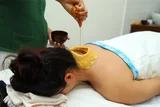
Pinda Thailam, sometimes called “Navarakizhi oil” or just “Pinda oil”, is a warm herbal oil treatment used in Panchakarma therapies. Essentially, it’s oil infused with herbs, tied into small cloth boluses (pindas), then heated and massaged over the body. The technique is super nourishing for muscles and joints, and it’s popular in classical Kerala Ayurvedic massage.
Why Pinda Thailam in Ayurveda?
Ayurveda is all about balancing your doshas—Vata, Pitta, and Kapha. Pinda Thailam therapy mainly pacifies Vata dosha by providing warmth, lubrication, and rejuvenation. This makes it great for age-related stiffness, arthritis, and muscular fatigue. Most Ayurveda experts say Pinda Thailam is like “oil therapy on steroids” because you get the benefits of both massage and herbal poultice in one go.
History and Tradition of Pinda Thailam
Pinda Thailam has roots tracing back to the Vedic period, mentioned in ancient texts like the Sushruta Samhita and Ashtanga Hridaya. In those days, Ayurvedic practitioners used locally available herbs and oils, customizing the recipe for each patient. Over centuries, the formula evolved, but the underlying principle—herb-infused heat therapy—remained the same.
Interestingly, many families in Kerala still follow handed-down recipes. My grandma’s neighbor, for example, swears by her secret blend of Maha Narayan tailam mixed with new rice. Yes, rice! That’s the “navara” in Navarakizhi. These days, we have branded oils, but the old-school, homemade method still has its charm—complete with the gentle crackle-sizzle when you dip the bolus in hot oil.
Ancient Origins
- Sushruta Samhita: Early references to oil bolus therapy
- Charaka Samhita: Mentions of warming oil applications for joint ailments
- Regional evolution: Kerala’s special role in perfecting Pinda Thailam
Pinda Thailam in Classical Texts
The Ashtanga Hridaya dedicates an entire chapter to Shashti Upakrama therapies, listing Pinda Thailam under Sneha Upakrama (oil-based treatments). It notes key benefits like improved circulation, reduced pain, and promotion of tissue regeneration. The instructions are quite precise—right down to how long you should keep the boluses on each body part!
Key Benefits of Pinda Thailam
Pinda Thailam benefits are vast, and they often overlap. It’s like a Swiss Army knife of Ayurvedic massage—but hey, let’s break it down:
- Alleviates Joint Pain and Arthritis: The gentle warmth and herbal infusion help reduce stiffness and pain in knees, shoulders, and spine.
- Muscle Relaxation: Perfect for sports injuries or everyday muscle tension. If you’ve overdone that morning run, a Pinda Thailam session can be a game-changer.
- Improves Circulation: The gentle kneading action combined with heat encourages blood flow, delivering nutrients and flushing out toxins.
- Rejuvenates Tissues (Rasayana effect): Helps in cell repair and regeneration, making your skin glowing and soft.
- Balances Vata Dosha: The warmth and heaviness of oil pacify Vata, which is often responsible for dryness, insomnia, and nervous disorders.
- Stress Relief: The rhythmic poulticing feels almost hypnotic—stress just melts away (trust me, it’s like a mini meditation session).
Case study time: My friend Raj, who’s a software engineer, had chronic lower back pain after long coding sprints. A few Pinda Thailam sessions later, he reported significant relief and better sleep.
Real-Life Example: Athletes
Professional athletes sometimes use Pinda Thailam as part of their recovery regimen. They combine it with other therapies—shirodhara, abhyanga— but Pinda Thailam stands out for acute muscle therapy. It was even used in the Rio Olympics by some Ayurvedic practitioners supporting Indian athletes.
Holistic Impact on Well-Being
It’s not just about muscles. After a session, many report mental clarity and an uplifted mood. It’s like a double whammy—physical and psycho-emotional benefits in one.
Ingredients & Preparation of Pinda Thailam
Getting the right ingredients matters. Traditional Pinda Thailam boasts a unique blend of oils and herbs. While there are regional variations, here’s a common recipe framework:
- Base Oils: Coconut oil, sesame oil, or a blend (sesame is warming; coconut is cooling, choose based on your dosha).
- Herbs: Bala (Sida cordifolia), Ashwagandha (Withania somnifera), Mahanarayan taila herbs, Rasna (Pluchea lanceolata), Erandamula (castor root).
- Rice: Navara rice or cooked rice poultice, makes the bolus (pinda) shape and adds starch for consistency.
Homemade preparation steps:
- Dry roast selected herbs lightly to activate their essential oils.
- Grind to a coarse powder. Don’t over-grind—some texture helps the poultice retain heat.
- Heat the chosen base oil gently in a copper or stainless steel vessel. Avoid overheating; ideal temp ~40–45°C.
- Add herb powder and simmer on low heat for 10–15 minutes.
- Strain and cool slightly. Meanwhile, steam-cook rice until soft.
- Mix rice with the herbal oil to form a pliable bolus, wrap tightly in muslin cloth.
Tip: Use filtered or spring water for steaming rice—impurities can affect the final aroma. Also, store the leftover oil in a dark glass bottle to retain potency.
Commercial vs. Homemade
Commercial brands often standardize herb ratios and sterilize the oil. Good for convenience but may cost more. Homemade gives you flexibility—especially if you have a specific dosha imbalance. But, you know, even I sometimes buy off-the-shelf when life gets too hectic!
Ayurvedic Processing Tips
- Use a clay or copper pot for better heat distribution.
- Follow classical “Dwitiya Paka” method—two-phase cooking for deeper infusion.
- Keep stirring gently to avoid sticking or burning herbs.
How To Use Pinda Thailam
Using Pinda Thailam isn’t just slather-and-go. There’s a method behind the magic:
- Warm the oil poultices (pindas) slowly over steam or hot water until they’re comfortably warm, not scalding.
- Begin at the feet, applying gentle pressure. Move in circular motions over muscles and joints.
- Progress upward—calves, thighs, lower back, shoulders, neck. Each area gets about 5–7 minutes of attention.
- Maintain consistent heat. Re-warm boluses as needed to keep that soothing warmth.
- After the poulticing, wipe off excess oil and allow 15–20 minutes of rest. A warm shower can follow, but stick to lukewarm water.
Typical treatment plan: 14 daily sessions is common in Panchakarma, but for general well-being, 3–4 sessions a month works wonders.
Dos and Don’ts
- Do a patch test if you’re sensitive—some herbs can irritate.
- Don’t use if you have open wounds or acute inflammation.
- Do consult an Ayurvedic professional if pregnant or nursing.
- Don’t combine with intense external heat (like sauna) immediately after.
Home Practice vs. Clinic
At-home Pinda Thailam is totally doable—grab some muslin cloth, herbs, and good-quality oil. But at a certified center, therapists are trained in the precise rhythm and pressure. If you’re tackling stubborn chronic pain, I’d recommend starting at a clinic.
Don't wait or self medicate. Start chat with Doctor NOW
Side Effects & Contraindications
No therapy is one-size-fits-all. While Pinda Thailam is generally safe, watch for:
- Allergic Reactions: Skin redness, itching, or rash from certain herbs or oils.
- Burns: If the boluses are too hot—be cautious about temperature.
- Worsened Inflammation: In acute injuries or inflammatory conditions like sprains, it might aggravate swelling.
- Digestive Upset: Rare, but some people report mild indigestion if the oil is overconsumed internally (in rare Panchakarma protocols).
Contraindications: Always skip Pinda Thailam in the following cases:
- Fever or infectious diseases
- Acute fever (like dengue, malaria)
- Skin infections, open wounds, recent fractures
- Pregnancy (especially the first trimester) unless guided by an expert
Little slip: I once recommended Pinda Thailam to a friend with a fresh ankle sprain—big mistake, it swelled more. Lesson learned: acute injuries need cold compresses first, then later you can move to warm therapies.
Managing Minor Reactions
If you notice mild itching, rinse area with cool water, apply aloe vera gel. For heat burns, gently press a cold cloth. Always monitor your body’s response.
When to Seek Professional Help
If redness persists beyond 24 hours or you get blisters, see a dermatologist or Ayurvedic doctor.
Conclusion
Pinda Thailam benefits span physical relief, mental relaxation, and long-term rejuvenation. Whether you’re chasing a natural remedy for arthritis relief or just craving a luxurious Ayurvedic massage at home, understanding how to use, what goes into it, and being mindful of side effects can make all the difference.
So next time your muscles scream after a workout, or you feel that classic Vata chill in your joints, give Pinda Thailam a shot. Create your own home-kit or visit an Ayurvedic center—just remember those dos and don’ts we chatted about. And if you love what you read, share this article with your friends, bookmark it, or even try a mini-session and let us know how it went!
Ready to explore more? Check out our other guides on Ayurvedic therapies, or drop a comment below sharing your Pinda Thailam experience!
FAQs
- Q: How often should I do Pinda Thailam?
A: For general wellness, 1–2 sessions a month suffice. For chronic issues, daily sessions over 7–14 days under expert supervision are recommended. - Q: Can Pinda Thailam help with sciatica?
A: Yes, the warming bolus therapy can soothe sciatic nerve pain by relaxing surrounding muscles and improving circulation. - Q: Is Pinda Thailam safe during pregnancy?
A: Generally avoided in the first trimester. In the second and third trimesters, only with professional guidance and gentle oil blends. - Q: Can I prepare Pinda Thailam at home?
A: Absolutely, if you have access to quality herbs, oils, muslin cloth and follow temperature guidelines. Otherwise, opt for certified products. - Q: What’s the ideal temperature for the bolus?
A: Around 40–45°C (104–113°F). It should feel warm and soothing, not burning hot. - Q: Any dietary recommendations post-Pinda Thailam?
A: Eat light, warm foods like khichdi, soups or easy-to-digest stews. Avoid heavy, oily meals immediately after.
Questions from users
How long does a typical Pinda Thailam session last?
Lucy
9 hours ago
A typical Pinda Thailam session usually lasts about 60 to 90 minutes. This Ayurvedic treatment involves the application of a warm herbal paste using rhythmic massage techniques to help relieve muscle and joint stiffness. The session length can vary depending on individual needs and the specific recommendations of the Ayurvedic practitioner. Watching for skin reactions and ensuring adequate hydration after the session are advisable. If you have any pre-existing health conditions, consult a healthcare provider before undergoing Pinda Thailam therapy.
Can I use a cold compress before applying Pinda Thailam for joint pain relief?
Tanner
9 days ago
Hmm, typically for acute injuries, you start with a cold compress to manage swelling and inflammation. Once things settle a bit, using Pinda Thailam can enhance joint pain relief by promoting circulation and reducing pain. So, yes, cold compress followed by Pinda Thailam seems fine, just listen to ya body and monitor how it responds!
What conditions can Pinda Thailam be particularly effective in treating?
Jackson
19 days ago
Pinda Thailam is great for treating joint pain and arthritis, alleviating stiffness and pain in places like the knees and shoulders. It's also pretty effective for muscle relaxation, helpful for both sports injuries and everyday tension. Think about it as a multi-tool for these issues, particularly when you follow the right preparation details!
What is the best way to apply Pinda Thailam for maximum benefits?
Victoria
28 days ago
To get the most out of Pinda Thailam, gently warm it and apply in circular motions, starting from calves, then moving to thighs, lower back, shoulders, and neck. It's best if done after a warm shower, when pores are open. Keep the oil on for a bit before a warm bath. Always listen to your body, if it feels too much, ease up!
Is it safe to use Pinda Thailam for children or during pregnancy?
Willow
37 days ago
Using Pinda Thailam for children or during pregnancy can be fine, but it's always best to check with an Ayurvedic practitioner familiar with your own situation. Pregnancy and kids often need extra care, you know? The oil's warming nature might soothe, but talk to a pro first to ensure it's suitable for you.
How to adjust Pinda Thailam temperature for different body conditions during treatment?
Olivia
47 days ago
To adjust Pinda Thailam temperature, consider the individual's body condition. For vata imbalances like joint pain or stiffness, keep it warmer, around 45°C, to support warmth. For pitta conditions, where there's excess heat, keep it cooler around 40°C. Kapha types often benefit from slightly higher warmth too, to stimulate energy flow, but always ensure comfort!
How to store Pinda Thailam for maximum shelf life and potency?
Chloe
56 days ago
For storing Pinda Thailam, keep it in a cool, dark place in a glass container with a tight lid to prevent contamination. It's also good to keep it away from direct sunlight and in a stable temperature area. The potency can last up to a year, though it's always best to observe any changes in smell or texture.
Can Pinda Thailam be used as a daily moisturizer for dry skin?
Landon
66 days ago
Pinda Thailam can be used for dry skin, but keep in mind it's typically for specific therapeutic use, mainly in Ayurveda for inflammation and pain relief. As a daily moisturizer, test with a small amount first; check if it's too heavy for daily use. If feel good, go ahead! Otherwise, look for oils known for hydration, like sweet almond or sesame oil.
What is the process of making Pinda Thailam and how long does it take?
Jayden
76 days ago
Making Pinda Thailam is like a mini-project! It involves infusing sesame oil with herbs like Manjishtha, Sariva, and Ashwagandha. Then, it's often prepared as boluses where the oil-soaked herbs are wrapped in cloth and heated before applying. The whole thing might take a few hours, depending on your pace and familiarity with the process. But each batch can last for a while, so it's worth it! Keep an eye on your ingredients and patience, it's key to gettin' it right. 🧘♂️☘️
Is it safe to steam rice for Pinda Thailam using tap water instead of filtered water?
Ava
85 days ago
Sure, you can use tap water for steaming rice, but it's good to know that impurities might impact the aroma or effectiveness of the Pinda Thailam. If your tap water is clean and drinkable, it should be fine in a pinch. But, if you're aiming for the best results in your preparation, filtered or spring water is just a safer choice!
Related articles

Panchakarma
Sodhak – Ayurvedic Detoxification & Cleansing Remedy
Discover Sodhak, a traditional Ayurvedic remedy designed to cleanse toxins, boost digestion, and balance doshas for overall vitality and well-being.
3,083
Panchakarma
Uttarbasti Procedure – Advanced Ayurvedic Therapy for Uterine Health
Explore the Uttarbasti procedure, an integral Ayurvedic therapy designed to balance the reproductive system, manage gynecological disorders, and promote uterine health through targeted herbal interventions.
3,039
Panchakarma
Ayurveda: The Science of Life
Ayurveda, known as the science of life, is an ancient Indian healing system emphasizing the balance of body, mind, and spirit through natural remedies.
2,568

Panchakarma
Raktamokshana in Ayurveda: A Comprehensive Overview
Explore raktamokshana in Ayurveda—a traditional bloodletting therapy. Learn benefits, research findings, procedures, and safety tips in this in-depth guide.
4,300

Panchakarma
Kala Basti: Ayurvedic Insights & Modern Perspectives
Discover the science of Kala Basti, an Ayurvedic detox therapy. Learn its benefits, procedure, research evidence, and expert recommendations.
3,103

Panchakarma
Ksheerabala 101 Thailam Benefits, How To Use, Ingredients, Side Effects
Exploration of Ksheerabala 101 Thailam Benefits, How To Use, Ingredients, Side Effects
3,795
Panchakarma
Panchakarma: Ayurvedic Detox and Rejuvenation Therapy
Panchakarma, derived from Sanskrit, translates to “five procedures ” or “five treatments.”
3,969
Panchakarma
Appendix Treatment in Ayurveda: A Natural Path to Healing
The appendix is a small, finger-shaped pouch attached to the large intestine. Inflammation of this organ, known as appendicitis, is usually caused by blockages, infections, or dietary issues.
5,381
Panchakarma
Griva Basti – Ayurvedic Therapy for Neck Health & Relief
Discover Griva Basti, an Ayurvedic therapy focusing on neck pain relief, improved mobility, and holistic healing through traditional herbal treatments and specialized techniques.
3,067

Panchakarma
Ksheerabala Thailam (Kshirabala Oil)
Exploration of Ksheerabala Thailam (Kshirabala Oil)
6,735
Related consultations on the topic
Can I resume oil treatments after my period ends if I started virechana and got my period after 3 days of oiling?
26 days ago
How much can Panchakarma treatment improve quality of life for a 92-year-old with atypical Parkinson's and diabetes?
27 days ago
Can I undergo Panchakarma therapy with silent gallbladder stones and diverticulum in the large intestine?
29 days ago
Legal
Additional Documents
© 2024 Ask Ayurveda. All rights reserved.