Ask Ayurvedic doctor a question and get a consultation online on the problem of your concern in a free or paid mode. More than 2,000 experienced doctors work and wait for your questions on our site and help users to solve their health problems every day.
FREE! Ask Ayurvedic Doctors 24/7

 Fast responses
 1000+ verified doctors
Body DetoxEar, Nose, and Throat DisordersGeriatrics & RejuvenationImmunodeficiencyInfertility TreatmentNutritionOrthopedic DisordersPediatricsRespiratory DisordersSexually Transmitted Diseases (STDs)Surgery RecoveryUrological DisordersVascular DisordersDental DisordersEndocrinological DisordersGastrointestinal DisordersYoga TherapyGeneral MedicineAllergic DisordersCardio DisordersGynecology and ObstetricsCosmetologySkin and Hair DisordersEye DisordersInfectious DiseasesMental DisordersNeurological DisordersOncologyPanchakarmaSexual Health & DisordersSports Medicine
Published on 01/24/25
(Updated on 07/07/26)
3,064
Griva Basti – Ayurvedic Therapy for Neck Health & Relief
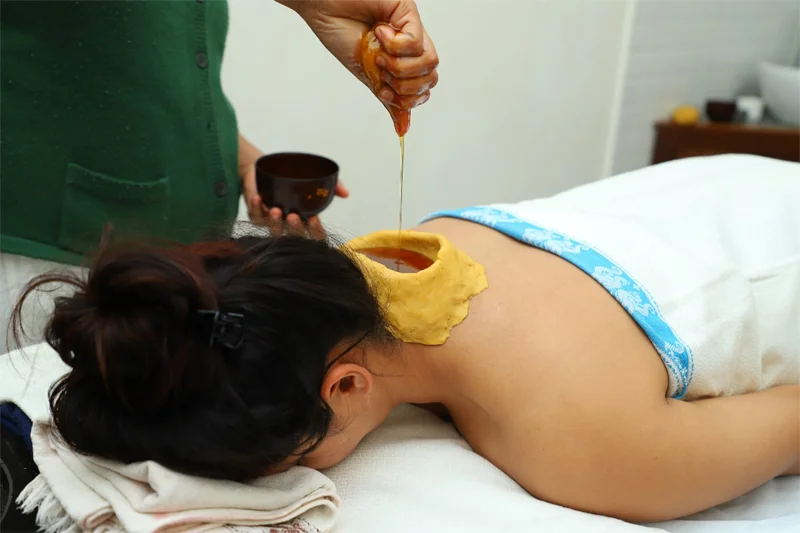
Griva Basti (also spelled Greeva Basti) is an ancient Ayurvedic localized oil-pooling therapy in which warm medicated oil is retained over the cervical spine inside a ring made of herbal dough. It is one of the most effective Panchakarma-adjacent treatments for neck pain, cervical spondylosis, and stiffness caused by modern lifestyle habits like prolonged screen use. Unlike oral painkillers that only suppress symptoms, Griva Basti works by delivering herb-infused oils transdermally to nourish discs, relax deep muscles, and calm aggravated Vata dosha at the root level.
If you've been dealing with persistent neck discomfort — or even that nagging "text neck" feeling after long hours at a desk — this guide covers everything you need to know. From the precise step-by-step procedure and the best oils used, to scientific mechanisms, costs, side effects, home adaptations, and how Griva Basti compares to other Basti therapies.
What Is Griva Basti?
Etymology and Meaning (Greeva + Basti)
The term comes from two Sanskrit words: Greeva (ग्रीवा), meaning neck or cervical region, and Basti (बस्ति), meaning to hold or contain. Together, Griva Basti literally translates to "holding (oil) at the neck." The therapy involves creating a well-like reservoir on the posterior neck area and filling it with warm medicated oil for a sustained period — typically 20 to 40 minutes.
You'll see it spelled as Greeva Basti, Griva Vasti, or Griva Basti across different texts. All refer to the same procedure.
Place of Griva Basti in Panchakarma
While Griva Basti is often listed under Panchakarma therapies, technically it belongs to the category of Bahya Basti (external Basti) or Sthanika Basti (localized oil treatment). It is not one of the five core Panchakarma procedures per se, but rather a specialized Purvakarma (preparatory) or Paschatkarma (post-procedure) therapy that complements the main detoxification protocols.
It falls in the same family as Kati Basti (lower back), Janu Basti (knee), and Hrid Basti (chest) — all sharing the same principle of localized oil pooling but targeting different anatomical regions.
The Dosha Connection: Why Vata Matters
- According to Ayurvedic pathology, most neck disorders originate from Vata dosha imbalance.
- Vata governs all movement in the body — including nerve impulses, muscle contractions, and joint mobility. When Vata becomes aggravated (through stress, cold exposure, irregular routines, or excessive physical strain), it tends to accumulate in the cervical region, leading to dryness, stiffness, crepitus, and pain.
Griva Basti directly pacifies Vata through the application of warm, unctuous medicated oils. In cases where inflammation is prominent, Pitta-pacifying oils may also be incorporated to address the heat and swelling component.
Anatomy of the Cervical Spine: What Griva Basti Actually Targets
Understanding the anatomy helps explain why this therapy is so effective. The cervical spine consists of seven vertebrae (C1–C7), six intervertebral discs, eight pairs of cervical nerve roots, and a complex network of muscles, ligaments, and blood vessels.
Key Structures Affected by Griva Basti
| Structure | Role | How Griva Basti Helps |
|---|---|---|
| Intervertebral discs (C2–C7) | Shock absorbers between vertebrae | Warm oil promotes hydration and nutrient diffusion into avascular disc tissue |
| Facet joints | Guide spinal movement | Heat reduces joint stiffness and improves synovial fluid viscosity |
| Cervical nerve roots | Transmit signals to arms, shoulders, and hands | Reduced inflammation around nerve roots decreases radiating pain and numbness |
| Paravertebral muscles (trapezius, levator scapulae, splenius) | Support and move the neck | Sustained heat relieves spasm and improves blood flow |
| Cervical ligaments | Stabilize vertebral alignment | Oil penetration nourishes connective tissue and improves flexibility |
No other competitor article breaks down this anatomy — but it's crucial for patients to understand where and why the therapy works, not just that it does.
How Griva Basti Is Performed: Step-by-Step Procedure
Pre-Procedure Preparation
The patient is assessed by an Ayurvedic physician who evaluates the Prakriti (constitution), Vikriti (current imbalance), and specific condition. The appropriate medicated oil is selected based on this assessment. The patient lies in a prone position (face down) on a comfortable treatment table, and the neck area is gently cleansed.
Building the Dough Ring (Reservoir)
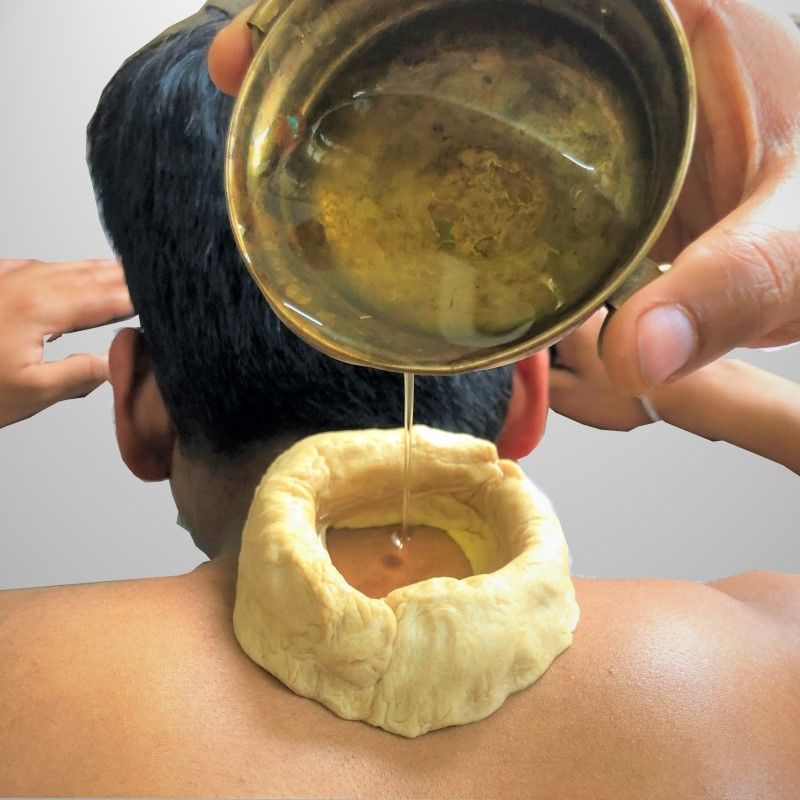
A ring-shaped reservoir is constructed from black gram flour (urad dal flour) mixed with water to form a pliable dough. Some practitioners also use whole wheat flour. This ring is carefully placed around the cervical spine region — typically spanning from the occiput to the upper thoracic area — and sealed to the skin so no oil leaks out. The ring is usually about 4–6 inches in diameter and 2–3 inches high.
Oil Pouring and Retention
Warm medicated oil (maintained at approximately 38–42°C / 100–108°F) is slowly poured into the reservoir until it covers the targeted area. As the oil cools, it is periodically removed using a cotton swab or syringe and replaced with freshly warmed oil to maintain a consistent therapeutic temperature.
The oil is retained for 20 to 40 minutes, depending on the severity of the condition.
Post-Procedure Care
After the oil is removed and the dough ring is taken off, the therapist performs a gentle localized Abhyanga (massage) of the neck and shoulder region using the same or complementary oil. This helps further absorption. The area is then wiped clean with a warm towel, and the patient is advised to rest for a few minutes before getting up.
Which Oil Is Used for Griva Basti?
The choice of oil is perhaps the most critical variable in the treatment's success. It's not a one-size-fits-all situation. The Ayurvedic physician selects the oil based on the patient's dosha imbalance, the underlying condition, and the level of inflammation or degeneration present.
Most Commonly Used Oils
| Oil | Primary Action | Best For |
|---|---|---|
| Mahanarayan Taila | Anti-inflammatory, Vata-pacifying, muscle-nourishing | Cervical spondylosis, chronic stiffness, degenerative conditions |
| Ksheerabala Taila | Nerve-nourishing (Vata-Pitta balancing) | Nerve compression, radiating pain, numbness in arms |
| Dhanwantaram Taila | Muscle relaxant, rejuvenating | Post-injury recovery, general neck tension, frozen shoulder |
| Sahacharadi Taila | Vata-pacifying, strengthening | Muscular weakness, cervical disc issues |
| Sesame Oil (Tila Taila) | Base oil, deep-penetrating, warming | Mild Vata aggravation, general maintenance therapy |
| Bala Taila | Nerve and muscle strengthener | Weakness, atrophy, post-surgical rehabilitation |
Active Herbal Components and Why They Work
Mahanarayan Taila, for instance, contains over 20 herbs including Ashwagandha (Withania somnifera), Shatavari (Asparagus racemosus), Bala (Sida cordifolia), and Rasna (Pluchea lanceolata). These herbs have demonstrated anti-inflammatory and analgesic properties in pharmacological studies. A 2017 study published in the Journal of Ayurveda and Integrative Medicine confirmed that Ashwagandha's withanolides exhibit significant COX-2 inhibitory activity, which partly explains the anti-inflammatory effect of Ashwagandha-based oils when applied topically. Ksheerabala Taila — processed with Bala and cow's milk — is particularly valued for its neuroprotective properties. Research published in Evidence-Based Complementary and Alternative Medicine (2012) showed Ksheerabala Taila exhibited antioxidant and anti-inflammatory effects in animal models, supporting its traditional use for nerve-related conditions.
How Griva Basti Works: The Science Behind the Therapy
This is where most articles stop — they tell you the procedure but not why warm oil sitting on your neck actually produces therapeutic results. Let's fix that.
Transdermal Absorption of Herbal Compounds
The skin over the posterior neck is relatively thin compared to other body areas, and the sustained contact time (20–40 minutes) allows lipid-soluble active compounds in the medicated oils to penetrate through the epidermis. Sesame oil, the base for most Ayurvedic formulations, is known for its excellent transdermal penetration properties. A study by Kahkeshani et al. (2019) in Journal of Traditional and Complementary Medicine confirmed that sesame oil acts as a natural penetration enhancer for topical drug delivery.
Localized Hyperthermia Effect
The sustained warmth (38–42°C) creates a localized hyperthermia effect that:
- Increases blood flow to the cervical muscles by 2–3x compared to resting state
- Relaxes muscle spindles and Golgi tendon organs, reducing protective spasm
- Improves viscoelasticity of connective tissues including ligaments and fascia
- Enhances synovial fluid production in the facet joints, improving joint nutrition
Proprioceptive Reset
Chronic neck pain often involves dysfunctional proprioceptive signaling — the muscles "forget" how to relax. The combination of warmth, oil pressure, and gentle manual therapy after the procedure helps reset proprioceptive feedback loops, which is why many patients report an immediate improvement in range of motion even after a single session.
Nervous System Calming
The posterior neck contains dense parasympathetic nerve pathways. Sustained warmth in this area stimulates the vagus nerve and shifts the autonomic nervous system toward parasympathetic dominance. This explains the commonly reported effects of deep relaxation, improved sleep, and reduced anxiety following Griva Basti sessions.
Don't wait or self medicate. Start chat with Doctor NOW
Conditions Treated by Griva Basti
Primary Indications
- Cervical spondylosis — degenerative changes in the cervical vertebrae and discs
- Cervical disc herniation (mild to moderate) — bulging or protruding discs causing nerve compression
- Frozen shoulder (Adhesive capsulitis) — when originating from cervical nerve involvement
- Neck stiffness and reduced range of motion — especially chronic postural strain
- Muscle spasm of the trapezius, levator scapulae, and cervical paraspinal muscles
- Text Neck Syndrome — a modern condition from prolonged forward head posture during phone/computer use
- Cervicogenic headaches — headaches originating from the cervical spine
- Whiplash-associated disorders (post-acute phase)
When to Urgently Consult a Doctor (Red Flags)
Not all neck pain is suitable for Griva Basti alone.
Seek immediate medical evaluation if you experience:
- Neck pain with progressive weakness in arms or legs
- Numbness or tingling that doesn't resolve within a few days
- Neck pain after trauma or accident
- Pain accompanied by fever, unexplained weight loss, or night sweats
- Loss of bladder or bowel control with neck/back symptoms
- Pain that worsens at night and is not relieved by rest
Griva Basti Benefits: Physical, Mental & Emotional
Physical Benefits
- 1.Pain relief — reduces both localized neck pain and radiating pain to shoulders and arms
- 2.Improved mobility — restores cervical range of motion (flexion, extension, rotation)
- 3.Muscle relaxation — releases chronic tension and trigger points
- 4.Tissue nourishment — medicated oils nourish vertebral discs, ligaments, and joint cartilage
- 5.Enhanced circulation — local blood flow increase supports healing and waste removal
- 6.Nerve decompression support — reduced inflammation and muscle spasm can indirectly relieve pressure on nerve roots
Mental and Emotional Benefits
Griva Basti isn't just about the neck. Because of its effect on the parasympathetic nervous system and vagus nerve stimulation:
- Stress reduction — patients often report a profound sense of calm during and after the session
- Improved sleep quality — particularly for those whose sleep is disrupted by neck pain or anxiety
- Mental clarity — reduced tension in the cervical region improves blood flow to the brain
- Emotional release — some patients experience emotional processing during treatment, as the neck is considered a site where emotions (particularly suppressed expression) are held
How Many Sessions Are Needed & What Does Griva Basti Cost?
Recommended Number of Sessions
| Condition | Sessions Recommended | Frequency |
|---|---|---|
| Acute neck pain or recent strain | 5–7 sessions | Daily or every other day |
| Chronic cervical spondylosis | 7–14 sessions | Daily for 1–2 weeks |
| Mild stiffness / preventive care | 3–5 sessions | Seasonal (at change of seasons) |
| Post-surgical rehabilitation | 10–14 sessions | As guided by physician |
| Maintenance after initial course | 1–2 sessions monthly | Ongoing |
Cost of Griva Basti in India
Pricing varies significantly by city, clinic reputation, and the oils used.
As a general benchmark:
- Tier-1 cities (Delhi, Mumbai, Bengaluru): ₹800–₹2,000 per session
- Tier-2 cities (Jaipur, Pune, Kochi): ₹500–₹1,200 per session
- Ayurvedic hospitals & Panchakarma centers (Kerala): ₹600–₹1,500 per session
- Premium wellness resorts: ₹2,000–₹5,000+ per session
Most clinics offer package discounts for a full course of 7–14 sessions.
Griva Basti vs Other Basti Therapies: A Comparison
This is something no other guide covers, but it's extremely helpful for patients trying to understand which therapy they actually need.
| Feature | Griva Basti (Neck) | Kati Basti (Lower Back) | Janu Basti (Knee) | Hrid Basti (Chest) |
|---|---|---|---|---|
| Target area | Cervical spine (C1–C7) | Lumbar spine (L1–L5) | Knee joint | Heart/chest region |
| Primary dosha | Vata (sometimes Pitta) | Vata | Vata-Kapha | Vata-Pitta |
| Common conditions | Cervical spondylosis, text neck, frozen shoulder | Lumbar spondylosis, sciatica, disc herniation | Osteoarthritis, ligament injuries | Cardiac weakness, emotional stress |
| Oil retention time | 20–40 min | 30–45 min | 25–40 min | 20–30 min |
| Common oils used | Mahanarayan, Ksheerabala | Mahanarayan, Dhanwantaram | Murivenna, Sahacharadi | Arjuna Taila, Dashamoola |
Griva Basti vs. Conventional Pain Management
| Aspect | Griva Basti | NSAIDs / Painkillers | Steroid Injections | Physiotherapy |
|---|---|---|---|---|
| Mechanism | Tissue nourishment + inflammation reduction | Symptom suppression (COX inhibition) | Localized inflammation suppression | Strengthening + mobility restoration |
| Side effects | Minimal (rare skin irritation) | GI issues, kidney/liver risk with long-term use | Tissue weakening, infection risk | Generally safe; soreness possible |
| Root cause treatment | Yes — addresses dosha imbalance and tissue degeneration | No — symptomatic relief only | No — temporary suppression | Partially — builds strength but doesn't nourish tissue |
| Holistic benefits | Stress relief, better sleep, emotional balance | None | None | Some stress relief through movement |
| Best used | Mild-to-moderate chronic conditions, preventive care | Acute pain episodes, short-term | Severe localized inflammation | Alongside other treatments |
The most effective approach, honestly, is often an integrative one — combining Griva Basti with appropriate physiotherapy exercises for long-term structural stability.
Complementary Therapies to Enhance Results
Griva Basti works best as part of a comprehensive treatment plan.
Consider combining it with:
- Abhyanga (full-body oil massage) — prepares the body for localized therapy, improves overall circulation
- Nasya (nasal administration of medicated oil) — particularly effective for conditions above the clavicle; supports cervical nerve nourishment
- Pinda Sweda (herbal bolus fomentation) — applied after Griva Basti to deepen the heat therapy effect
- Gentle yoga asanas — Cat-Cow (Marjariasana-Bitilasana), seated neck stretches, and supported fish pose can complement the therapy between sessions
Side Effects of Griva Basti & Contraindications
Possible Side Effects
Griva Basti is generally very safe when performed by a trained Ayurvedic practitioner.
However, some patients may experience:
- Mild skin redness at the site of the dough ring — usually resolves within a few hours
- Temporary increase in soreness after the first 1–2 sessions (similar to post-massage soreness)
- Allergic reaction to specific herbal oils — rare, but possible if there's a known sensitivity
- Lightheadedness when getting up — due to parasympathetic activation; resolve by sitting up slowly
Contraindications
Griva Basti should be avoided or performed only under strict medical supervision in:
- Active fever or systemic infection
- Open wounds, cuts, or skin infections in the neck area
- Severe cervical fractures or dislocations (acute trauma)
- Pregnancy — especially in the first trimester; consult an Ayurvedic gynecologist
- Active skin conditions like psoriasis flare-ups or eczema in the treatment area
- Cancer in the cervical region — requires oncologist clearance first
Age & Gender Considerations
- Elderly patients (65+): Griva Basti is actually highly beneficial due to the prevalence of degenerative changes, but oil temperature should be kept at the lower end (38°C) and session duration may be reduced
- Children (under 12): Rarely indicated; if needed, sessions are shorter (10–15 minutes) with milder oils
- Athletes: Can be used for recovery from cervical strain, particularly in contact sports; schedule sessions on rest days
- Pregnant women: Generally avoided, especially in trimester one. In the second and third trimesters, only with explicit physician approval and using pregnancy-safe oils
Diet & Lifestyle During a Griva Basti Course
Following the right regimen during your treatment course significantly amplifies results.
Here are practical, experience-based recommendations:
Diet Guidelines
- Favor warm, cooked, moist foods — soups, stews, rice with ghee, steamed vegetables
- Avoid cold, raw, and dry foods — salads, crackers, cold beverages, frozen items
- Reduce caffeine and alcohol — both aggravate Vata and can counteract the therapy
- Include anti-inflammatory spices: turmeric, ginger, cumin, and black pepper in daily cooking
- Stay hydrated with warm water or herbal teas (ginger-tulsi tea is excellent)
Lifestyle Adjustments
- Reduce screen time as much as possible, or use a monitor riser so the screen is at eye level
- Correct your sitting posture — ears should be aligned over shoulders, not jutting forward
- Avoid heavy lifting and vigorous exercise for 24–48 hours after each session
- Sleep on a supportive pillow — neither too high nor too flat; cervical contour pillows work well
- Practice 5–10 minutes of gentle neck stretches daily between sessions
How to Do a Modified Griva Basti at Home
While the full procedure with a dough ring is best done by a professional, you can adapt a simplified version at home for mild maintenance between clinical sessions:
- Warm 3–4 tablespoons of Mahanarayan Taila or plain sesame oil to a comfortable temperature (test on the inside of your wrist)
- Soak a thick, folded cotton cloth or flannel in the warm oil
- Lie face down on a comfortable surface with a towel underneath
- Place the oil-soaked cloth on the back of your neck, covering the cervical spine area
- Cover with a warm towel or heating pad on the lowest setting to maintain warmth
- Rest for 15–20 minutes, refreshing the warm cloth if it cools down
- Gently massage the neck and shoulders afterward
- Wipe clean with a warm towel; avoid cold showers for at least 2 hours
Important: This home adaptation is not a replacement for clinical Griva Basti. It lacks the sealed reservoir effect, the precise temperature control, and the practitioner's assessment. Use it only for general maintenance and mild discomfort.
How Long Do Results Last?
This is a question no other guide answers clearly, so let's be transparent about realistic expectations:
- Single session: Immediate relief typically lasts 2–5 days for mild conditions
- Full course (7–14 sessions): Therapeutic effects generally persist for 2–4 months, depending on the severity of the condition and adherence to lifestyle recommendations
- Repeated seasonal courses: Patients who complete 2–3 courses per year (especially during Vata-aggravating seasons — autumn and early winter) report sustained long-term improvement with progressively longer intervals between flare-ups
- Degenerative conditions (advanced cervical spondylosis): Ongoing maintenance sessions (1–2 per month) may be needed indefinitely to manage symptoms, as structural degeneration cannot be fully reversed
A 2020 observational study published in the International Journal of Ayurveda and Pharma Research followed 30 patients with cervical spondylosis who received 7 days of Griva Basti with Mahanarayan Taila. The study reported statistically significant improvement in neck pain (VAS score), cervical range of motion, and functional disability at 30-day follow-up compared to baseline.
Frequently Asked Questions (FAQ)
Is Griva Basti safe for people with cervical disc herniation?
Yes, for mild to moderate herniations. Griva Basti can help reduce the inflammation around the herniated disc and relieve nerve compression symptoms. However, for severe herniations with significant neurological deficits (weakness, loss of reflexes), a neurosurgeon's evaluation should come first. The therapy can then be used as a complementary approach.
Can Griva Basti be combined with physiotherapy?
Absolutely, and in fact, this combination often yields better outcomes than either alone. A practical approach is to schedule Griva Basti sessions in the morning and physiotherapy exercises in the afternoon, or on alternate days. The oil therapy reduces pain and spasm, making the body more receptive to the strengthening exercises that physiotherapy provides.
Which Basti is given on an empty stomach?
Internal Basti procedures (Niruha/Kashaya Basti — decoction enemas) are given on an empty stomach. Griva Basti, being an external therapy, does not have this requirement. However, it's advisable to avoid heavy meals immediately before the session — a gap of about 1–1.5 hours after eating is usually sufficient.
How often should Griva Basti courses be repeated?
For chronic conditions: every 3–4 months, or seasonally (especially at the onset of autumn). For preventive care in individuals with desk-bound jobs or a history of neck issues: 2 courses per year is typically adequate.
Can I take a shower immediately after Griva Basti?
It's recommended to wait at least 2 hours before bathing or showering after the procedure. Use warm (not hot) water, and avoid cold water entirely on the day of treatment. This allows maximum absorption of the medicated oil.
Is there any scientific evidence supporting Griva Basti?
While large-scale randomized controlled trials are limited (a common challenge for traditional medicine), several observational studies and pilot trials have demonstrated positive outcomes. A 2018 study in the Ayurpharm International Journal of Ayurveda and Allied Sciences showed significant pain reduction and improved cervical ROM in cervical spondylosis patients treated with Griva Basti. The individual herbal components (Ashwagandha, Bala, sesame oil) have more extensive research backing their anti-inflammatory and analgesic properties.
Final Thoughts: Is Griva Basti Right for You?
Griva Basti represents one of Ayurveda's most targeted and effective therapies for cervical health. In a world where neck problems are reaching epidemic proportions — thanks to our screen-dependent lifestyles — this centuries-old therapy is more relevant than ever.
If you're dealing with chronic neck pain, stiffness, cervical spondylosis, or even stress-related tension headaches, Griva Basti deserves serious consideration. It's safe, non-invasive, and addresses the root cause rather than masking symptoms.
Start by consulting a qualified Ayurvedic practitioner (BAMS or MD Ayurveda) who can assess your specific condition and design a treatment plan tailored to your dosha profile and clinical needs. If you're already receiving conventional treatment, discuss integrating Griva Basti as a complementary therapy — most orthopedic specialists and physiotherapists are increasingly open to this combined approach.
Your neck carries the weight of your head — quite literally. Give it the care it deserves.
Scientific Sources
- Can Ashwagandha Benefit the Endocrine System?-A Review — Wiciński M et al., 2023, International journal of molecular sciences
- Pharmacological evaluation of Ashwagandha highlighting its healthcare claims, safety, and toxicity aspects — Mandlik Ingawale DS et al., 2021, Journal of dietary supplements
- Clinician guidelines for the treatment of psychiatric disorders with nutraceuticals and phytoceuticals: The World Federation of Societies of Biological Psychiatry (WFSBP) and Canadian Network for Mood and Anxiety Treatments (CANMAT) Taskforce — Sarris J et al., 2022, The world journal of biological psychiatry : the official journal of the World Federation of Societies of Biological Psychiatry
- Effects of Withania somnifera (Ashwagandha) on Stress and the Stress- Related Neuropsychiatric Disorders Anxiety, Depression, and Insomnia — Speers AB et al., 2021, Current neuropharmacology
- Plant-derived nootropics and human cognition: A systematic review — Lorca C et al., 2023, Critical reviews in food science and nutrition
Questions from users
How does stress influence the need for Griva Basti therapy?
Wallace
6 days ago
Stress can aggravate Vata dosha, which may increase the need for Griva Basti therapy. This treatment involves applying warm, medicated oil to the cervical region, which can help alleviate symptoms such as stiffness, pain, and inflammation often exacerbated by stress. Stress tends to cause tension, leading to a rigid neck and shoulder region, where Griva Basti can be particularly beneficial. While it offers temporary relief, it is crucial to address underlying stressors. If symptoms persist or worsen, consult a healthcare professional for a comprehensive assessment.
What is the ideal temperature for the oil used in Griva Basti treatments?
Zuri
15 days ago
The ideal temperature for the oil used in Griva Basti treatments is between 38–42°C (or 100–108°F). It's important to keep the oil warm to help soothe the area and balance Vata dosha effectively, but make sure it's not too hot as it should be comfortable on the skin. If you're trying this at home, test a bit on your wrist first.
Can Griva Basti help with reducing inflammation in cervical spondylosis patients?
Joshua
24 days ago
Yeah, Griva Basti can definitely help with inflammation in cervical spondylosis. It's about using warm medicated oils that help in reducing pain and inflammation. If inflammation is a biggie, using pitta-pacifying oils can help cool things down. Just make sure to get a proper evaluation from a practitioner to suit your dosha needs.
Can Griva Basti help with headaches caused by neck tension?
Caleb
35 days ago
Yes, Griva Basti can potentially help with headaches caused by neck tension. The warm, medicated oils used in Griva Basti penetrate deeply, easing muscle tension and improving blood flow, which can alleviate headaches linked to neck tension. If headaches are severe, though, consider consulting with an Ayurvedic practitioner or other healthcare provider.
Can I use Griva Basti for neck stiffness caused by stress?
Joshua
44 days ago
Yes, Griva Basti can be helpful for neck stiffness from stress. It applies warm medicated oil to the neck, which soothes and balances Vata dosha, often linked to stress and tension. Just make sure to chat with an Ayurvedic practitioner first to tailor the treatment to your unique needs and constitution!
What oils are commonly used in Griva Basti treatments for neck pain relief?
Willow
54 days ago
In Griva Basti, commonly used oils include Mahanarayan oil, Sahacharadi oil, and Bala oil. These oils are often medicated with herbs like Ashwagandha or Guggulu to enhance their healing properties. They penetrate deep, soothe inflammation, and balance doshas for neck pain relief. Make sure to consult with an Ayurvedic practitioner for what's best for you, since every individual's needs can vary.
What is Griva Basti and how does it work to relieve neck pain?
Ruby
64 days ago
Griva Basti is a unique Ayurvedic therapy targeting the neck. It involves pooling warm herbal oils on the neck area, soothing muscles, reducing inflammation, and easing stiffness. The warmth and oils increase circulation and help balance Vata dosha, which is often at the root of neck discomfort. It's a soothing treatment, though results vary based on your specific condition. Make sure to pair it with a healthy diet and proper hydration for best results.
What is the role of Ashwagandha in Griva Basti and how does it help neck pain?
Ryan
73 days ago
Ashwagandha is used in Griva Basti mainly for its anti-inflammatory properties. It helps ease neck pain by reducing inflammation, enhancing local circulation, and relaxing muscles. And, it promotes absorption of therapeutic compounds during the treatment. So, if you've got neck pain, Ashwagandha can be a nice addition in your Griva Basti sessions!
What conditions indicate that Griva Basti might be beneficial for neck pain relief?
Shelby
83 days ago
Griva Basti might be helpful if you're experiencing chronic neck pain, stiffness, or limited mobility, possibly due to vata imbalance or stress. It's like a gentle, oily bear hug for your neck; it aims to relax muscles and increase circulation. Always check with a practitioner to see if it's right for your specific needs!
What is the process and recovery time like after a Griva Basti treatment?
Walter
92 days ago
Griva Basti typically involves setting up a dough dam on the neck and filling it with warm herbal oil, which helps ease tension and improve circulation. Sessions can last 30 to 45 minutes. Recovery time is generally short; many people feel relaxed right after but, you should follow your practitioner's advice on rest and post-care activities to get the most from it.
Related articles

Panchakarma
Rajayapana Basti: A Comprehensive Ayurvedic Enema Guide
Uncover the science behind Rajayapana Basti, an Ayurvedic enema therapy. Learn how it works, potential benefits, research insights, and practical tips.
4,003
Panchakarma
Panchakarma: Ayurvedic Detox and Rejuvenation Therapy
Panchakarma, derived from Sanskrit, translates to “five procedures ” or “five treatments.”
3,969

Panchakarma
Ksheera Basti – Traditional Ayurvedic Milk Enema for Detox and Rejuvenation
Discover the benefits and uses of Ksheera Basti, a traditional Ayurvedic milk enema therapy known for detoxification, dosha balancing, and rejuvenation, harnessing ancient healing wisdom.
3,869

Panchakarma
Panchamrit Parpati Benefits, Dosage, Ingredients, Side Effects
Exploration of Panchamrit Parpati Benefits, Dosage, Ingredients, Side Effects
2,107

Panchakarma
Panchakarma: Stress Relief Unveiled
Panchakarma offers a holistic approach to stress relief, rooted in Ayurvedic medicine, making it a popular natural remedy for managing stress.
2,029

Panchakarma
Ksheerabala Thailam (Kshirabala Oil)
Exploration of Ksheerabala Thailam (Kshirabala Oil)
6,733

Panchakarma
Shadanga Paniya: Benefits, Dose, Side Effects, Ingredients, Reference
Exploration of Shadanga Paniya: Benefits, Dose, Side Effects, Ingredients, Reference
3,323

Panchakarma
Patra Pottali Sweda – Traditional Ayurvedic Herbal Steam Therapy for Holistic Healing
Discover Patra Pottali Sweda, a time-honored Ayurvedic herbal steam therapy using medicated leaf pouches to relieve muscle tension, improve circulation, detoxify the body, and balance doshas for overall well-being.
3,040

Panchakarma
Panchatikta Guggulu Ghrita – Benefits, Dosage, How To Use, Side Effects, Ingredients, Reference
Exploration of Panchatikta Guggulu Ghrita – Benefits, Dosage, How To Use, Side Effects, Ingredients, Reference
3,397

Panchakarma
Pinda Thailam Benefits How To Use Ingredients Side Efects
Exploration of Pinda Thailam Benefits How To Use Ingredients Side Efects
5,309
Related consultations on the topic
Can I resume oil treatments after my period ends if I started virechana and got my period after 3 days of oiling?
26 days ago
How much can Panchakarma treatment improve quality of life for a 92-year-old with atypical Parkinson's and diabetes?
27 days ago
Can I undergo Panchakarma therapy with silent gallbladder stones and diverticulum in the large intestine?
29 days ago
Legal
Additional Documents
© 2024 Ask Ayurveda. All rights reserved.