Ask Ayurvedic doctor a question and get a consultation online on the problem of your concern in a free or paid mode. More than 2,000 experienced doctors work and wait for your questions on our site and help users to solve their health problems every day.
FREE! Ask Ayurvedic Doctors 24/7

 Fast responses
 1000+ verified doctors
Body DetoxEar, Nose, and Throat DisordersGeriatrics & RejuvenationImmunodeficiencyInfertility TreatmentNutritionOrthopedic DisordersPediatricsRespiratory DisordersSexually Transmitted Diseases (STDs)Surgery RecoveryUrological DisordersVascular DisordersDental DisordersEndocrinological DisordersGastrointestinal DisordersYoga TherapyGeneral MedicineAllergic DisordersCardio DisordersGynecology and ObstetricsCosmetologySkin and Hair DisordersEye DisordersInfectious DiseasesMental DisordersNeurological DisordersOncologyPanchakarmaSexual Health & DisordersSports Medicine
Published on 02/25/25
(Updated on 07/06/26)
3,868
Ksheera Basti – Traditional Ayurvedic Milk Enema for Detox and Rejuvenation
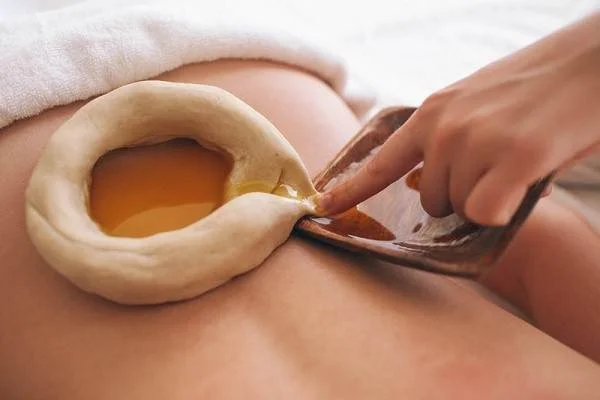
Ksheera Basti is a specialized Ayurvedic therapeutic enema (Basti) in which medicated milk serves as the primary liquid medium. Classified under Mrudu Niruha Basti (a mild decoction enema), it combines the cleansing action of Niruha Basti with the deeply nourishing, tissue-building properties of milk. The result is a procedure that simultaneously pacifies aggravated Doshas—especially Vata and Pitta—while directly strengthening Asthi Dhatu (bone tissue) and Majja Dhatu (bone marrow). In classical Ayurveda, Acharya Charaka declared Basti therapy as "Ardha Chikitsa" (half of all therapeutics), and some authorities even call it "Poorna Chikitsa" (complete therapy) because of its far-reaching systemic effects. Ksheera Basti is arguably the most refined expression of that principle, offering a gentle yet powerful intervention for degenerative bone diseases, joint disorders, and conditions rooted in Vata–Pitta vitiation.
This guide covers everything you need to know—from classical textual references and mechanism of action to exact dosages, step-by-step preparation, clinical applications, and safety considerations. Whether you are an Ayurvedic practitioner, a BAMS student, or a patient exploring treatment options, you will find actionable, evidence-informed detail that goes well beyond what is currently available online.
What Is Ksheera Basti?
Etymology and Meaning (Shabda Vyutpatti)
The term is a Sanskrit compound: Ksheera (क्षीर) means "milk," and Basti (बस्ति) literally means "bladder"—a reference to the animal bladder (Basti Putaka) that was historically used to administer therapeutic enemas. Together, Ksheera Basti denotes an enema procedure in which milk, processed with specific herbs, forms the chief decoction medium.
Definition According to Classical Texts
- Charaka Samhita (Siddhi Sthana 3) describes Basti as the supreme therapy for Vata disorders and details how milk-based decoctions fall under the Mrudu (mild) category of Niruha Basti.
- Sushruta Samhita (Chikitsa Sthana 35) recognizes the nutritive and Brimhana (anabolic) properties of Ksheera when used rectally, particularly for emaciated and debilitated patients.
- Ashtanga Hridaya (Vagbhata, Sutra Sthana 19) specifies that Basti therapy reaches tissues that oral medications cannot easily access, highlighting the Asthi-Majja nourishing potential of milk-based formulations.
Different Acharyas held slightly differing views on Basti's status. Charaka called it Ardha Chikitsa, while Vagbhata and some later commentators elevated it to Poorna Chikitsa, arguing that Basti's ability to pacify all three Doshas—and reach the deepest Dhatus—makes it a complete therapeutic system in itself.
Classification — Mrudu Niruha Basti
In the broader taxonomy of Basti Chikitsa, Ksheera Basti falls under:
| Classification Axis | Category | Meaning |
|---|---|---|
| By primary medium | Niruha (Asthapana) Basti | Decoction-based, primarily eliminatory |
| By intensity | Mrudu Niruha | Mild, gentle action (due to milk's Snigdha, Madhura qualities) |
| By therapeutic effect | Shodhana + Brimhana | Cleansing with simultaneous nourishment |
| By Dosha action | Vata-Pitta Shamaka | Pacifies Vata and Pitta dominantly |
This dual nature—mildly eliminatory yet deeply nutritive—is what sets Ksheera Basti apart from standard Niruha Basti (which is primarily Shodhana) and Anuvasana Basti (which is primarily oleating).
Concept and Mechanism of Action (Samprapti Vighatana)
Ashraya-Ashrayi Sambandha — The Vata–Asthi Relationship
- This is the conceptual backbone of Ksheera Basti's efficacy. According to Ayurvedic physiology, Vata Dosha resides in Asthi Dhatu as its Ashraya (seat). When Vata becomes aggravated it depletes Asthi, leading to degenerative conditions such as osteoporosis, osteoarthritis, and avascular necrosis. Conversely, nourishing Asthi Dhatu helps pacify Vata.
- This reciprocal relationship—called Ashraya-Ashrayi Sambandha—explains why a nourishing, Vata-pacifying medium like milk delivered via Basti (the prime Vata therapy) can produce striking clinical results in bone and joint diseases.
Dosha Shamana Effect
Milk is inherently Madhura (sweet) in Rasa, Sheeta (cool) in Virya, and Madhura in Vipaka. These properties directly counteract Vata (which is Ruksha, Laghu, Sheeta) through Snigdha and Guru Gunas, and Pitta (which is Ushna, Tikshna) through Sheeta Virya. When the milk is processed with bitter herbs (Tikta Dravyas) such as Patola, Nimba, Guduchi, Vasa, and Kantakari—as in Panchatikta Ksheera Basti—there is an added Pitta and Rakta Shamana effect.
Brimhana (Nourishing) Effect
- Ksheera is classified as a Jivaniya (life-promoting) and Brimhaniya (anabolic/nourishing) Dravya by Charaka.
- When administered rectally, the nutritive components of milk—proteins, calcium, fats, and the pharmacologically active compounds of the processed herbs—are absorbed through the highly vascular rectal mucosa, bypassing hepatic first-pass metabolism. This allows direct nourishment of deeper Dhatus, particularly Asthi and Majja.
Role in Pitta and Rakta Shamana
Beyond Vata disorders, Ksheera Basti is indicated in conditions involving Pitta and Rakta Dushti. The Sheeta Virya of milk combined with Tikta Rasa herbs creates a potent Pitta-Shamaka and Raktaprasadana (blood-purifying) combination. This is particularly relevant in inflammatory joint conditions, bleeding disorders, and Pitta-predominant Asthikshaya.
Modern Pharmacological Rationale
The rectal mucosa is rich in both blood and lymphatic capillaries. Studies on rectal drug delivery show that approximately 50–70% of a rectally administered dose can bypass first-pass metabolism via the inferior and middle rectal veins, entering systemic circulation directly. The fat-soluble herbal compounds in medicated milk would be further aided by milk's own lipid content, which acts as a natural emulsifier enhancing bioavailability. A 2016 review published in the Journal of Ayurveda and Integrative Medicine noted that Basti preparations demonstrate measurable systemic pharmacological effects beyond local colonic action, supporting the traditional claim of deep-tissue penetration.
Ingredients and Formulations (Dravya Yoga)
Standard Ksheera Basti Composition
A classical Ksheera Basti contains these standard components in the Niruha format:
| Ingredient | Sanskrit Term | Role | Typical Quantity |
|---|---|---|---|
| Honey | Madhu | Yogavahi (catalyst), Sukshma Marga Anusari | 60–80 ml |
| Rock salt | Saindhava Lavana | Vibhajaka (dispersant), Vata Shamaka | 5–6 g |
| Medicated oil/ghee | Sneha (Taila/Ghrita) | Snehana, carrier for lipophilic compounds | 80–100 ml |
| Herbal paste | Kalka | Main pharmacological agents | 40–50 g |
| Medicated milk | Ksheera (processed) | Liquid medium, Brimhana Dravya | 300–400 ml |
| Decoction (optional) | Kwatha | Additional therapeutic action | 100–200 ml (if used) |
Total Basti volume typically ranges between 480–700 ml for an adult, depending on the patient's Bala (strength), Koshtha (bowel constitution), and disease condition.
Ksheera as Kashaya Dravya vs. Avapa Dravya
This is a pharmaceutically important distinction that most references overlook. In Basti Kalpana, milk can be incorporated in two fundamentally different ways:
- 1.As Kashaya Dravya (main liquid medium): Here, milk replaces the herbal decoction entirely. The herbs are directly boiled in milk (Ksheera Paka), and this medicated milk becomes the bulk liquid of the Basti. This is the classical Ksheera Basti proper.
- 2.As Avapa Dravya (adjuvant ingredient): Here, a standard Kwatha (decoction) forms the main liquid, and milk is added as an additional ingredient for its Brimhana and Dosha-Shamana properties. This modification is used when the practitioner wants both the Shodhana strength of a decoction and the nourishing benefit of milk.
The choice between these approaches depends on the patient's condition. Purely degenerative conditions favor Ksheera as Kashaya Dravya, while conditions with Ama (toxin) involvement may benefit from the Avapa approach.
Panchatikta Ksheera Basti
One of the most clinically significant formulations. "Panchatikta" refers to five bitter herbs, classically:
- Nimba (Azadirachta indica)
- Patola (Trichosanthes dioica)
- Guduchi (Tinospora cordifolia)
- Vasa (Adhatoda vasica)
- Kantakari (Solanum xanthocarpum)
These Tikta Rasa Dravyas are boiled in milk, and the resulting Ksheera Paka is used as the Basti medium. Reference for this formulation is found in Charaka Samhita (Chikitsa Sthana 28/129-131) and Chakradatta. The combination is specifically indicated for Asthi-Majja Vikaras, avascular necrosis, and chronic Vata-Pitta conditions.
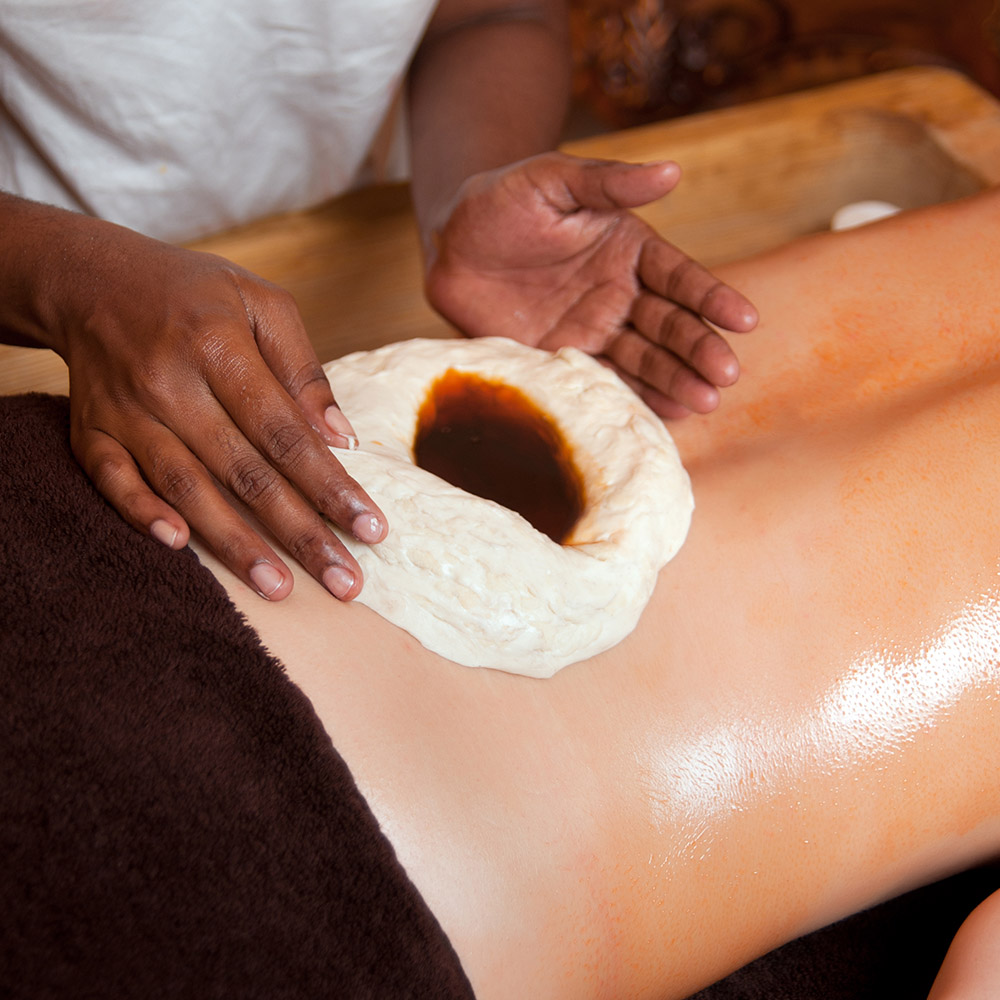
Dashmoola Panchtikta Bala Ksheera Basti
A powerful modification that adds Dashamoola (ten roots formula) and Bala (Sida cordifolia) to the Panchatikta base. A controlled clinical study published in the Research Journal of Pharmacy and Pharmaceutical Disciplines (RJPPD) demonstrated that this combination showed statistically significant improvement in Sandhigata Vata (osteoarthritis) parameters, including joint pain (Shula), swelling (Shotha), crepitus (Atopa), and restricted movement (Akunchana Prasarana Pravritti Savedana), compared to baseline.
Other Classical Yogas
- Tikta Ksheera Basti — uses a broader range of bitter herbs based on availability
- Bala Ksheera Basti — emphasizes Bala (Sida cordifolia) for Vata Shamana and muscle strengthening
- Yashtimadhu Ksheera Basti — incorporates Licorice for its Pitta-Shamana and demulcent properties
Dosage, Proportions, and Preparation (Basti Kalpana)
Exact Proportions (Matra)
Classical texts prescribe proportions in a specific ratio. Here is a practical reference table for an adult of average build:
| Component | Minimum Dose | Standard Dose | Maximum Dose |
|---|---|---|---|
| Madhu (Honey) | 40 ml | 60 ml | 80 ml |
| Saindhava Lavana | 3 g | 5 g | 6 g |
| Sneha (Oil/Ghrita) | 60 ml | 80 ml | 100 ml |
| Kalka (Herbal paste) | 25 g | 40 g | 50 g |
| Ksheera (Medicated milk) | 200 ml | 350 ml | 400 ml |
| Kwatha (if Avapa method) | 80 ml | 150 ml | 200 ml |
| Total Volume | ~400 ml | ~535 ml | ~700 ml |
For Yoga Basti (8-day cycle), Kala Basti (16-day cycle), and Karma Basti (30-day cycle), the dose may be adjusted daily based on the alternation between Niruha and Anuvasana days.
Step-by-Step Preparation Method
- 1.Prepare Ksheera Paka: Boil the selected herbs (e.g., Panchatikta group) in milk and water (1:4:16 ratio of Kalka:Milk:Water), reduce to one-fourth volume. Filter.
- 2.Take Khalva Yantra (mortar): Add honey first, then Saindhava Lavana. Mix thoroughly.
- 3.Add Sneha: Pour medicated oil or ghee slowly into the honey-salt mixture while stirring continuously in one direction.
- 4.Add Kalka: Incorporate the fine herbal paste. Continue mixing until a homogeneous emulsion forms.
- 5.Add Ksheera: Pour the filtered medicated milk in a thin stream, stirring continuously.
- 6.If using Kwatha (Avapa method): Add the decoction last, mix well.
- 7.Check temperature: The final mixture should be lukewarm—approximately 37–40°C (body temperature). Neither too hot nor cold.
- 8.Strain through a clean cloth to remove any coarse particles.
- The emulsion should be homogeneous, smooth, and free of lumps.
- Traditionally, the mixing sequence matters: Madhu → Saindhava → Sneha → Kalka → Ksheera/Kwatha. This sequence ensures proper emulsification.
Equipment (Basti Yantra / Basti Putaka)
Traditionally, a Basti Putaka (animal bladder bag) with a Basti Netra (metallic nozzle) was used. In modern clinical practice, a rubber enema bag or syringe with a lubricated rubber catheter (No. 8–10 French gauge for adults) is standard. The catheter is inserted approximately 4–6 inches into the rectum.
Procedure Protocol
Purva Karma (Pre-procedural Preparation)
- Deepana-Pachana (digestive stimulation) for 2–3 days before starting the Basti course, using herbs like Trikatu or Chitrakadi Vati
- Abhyanga (full body oil massage) with Vata-pacifying oils such as Bala Taila or Dhanvantaram Taila—15 to 20 minutes
- Swedana (sudation/steam therapy) — Nadi Swedana focused on the abdomen and lumbar region, or Bashpa Sweda (steam box), for 10–15 minutes
- Patient should have had a light meal 3–4 hours prior. Basti is best administered when the patient has neither a full nor completely empty stomach.
- The patient lies in the left lateral position (Vama Parshva) with the right knee flexed toward the chest and the left leg extended.
Pradhana Karma (Administration Technique)
- Lubricate the catheter tip with sesame oil or ghee
- Insert gently through the anal canal, approximately 4–6 inches (10–15 cm) for adults
- Administer the lukewarm Basti preparation slowly and steadily—avoid forceful or rapid infusion
- The entire volume should be instilled over 1–3 minutes (Matra Kala)
- After complete administration, withdraw the catheter gently
- Ask the patient to lie supine, and gently tap the buttocks and soles of the feet to encourage even distribution
Pashchat Karma (Post-procedural Care)
- The patient should remain lying down for 15–30 minutes minimum
- Evacuation typically occurs within 48 minutes (one Muhurta) for Niruha Basti; if it does not, gentle abdominal massage may help
- After evacuation, the patient should rest, avoid strenuous activity, and consume a light warm diet—rice gruel (Peya) or Manda is ideal
- Note the Samyak Yoga Lakshanas (signs of proper administration): easy passage of stool, flatus, and urine; lightness in the body; improved appetite; absence of discomfort
Course Duration — Yoga Basti, Kala Basti, Karma Basti
| Basti Schedule | Total Bastis | Niruha Days | Anuvasana Days | Best For |
|---|---|---|---|---|
| Yoga Basti | 8 | 3 | 5 | Mild to moderate conditions, initial treatment |
| Kala Basti | 16 | 6 | 10 | Moderate to severe conditions |
| Karma Basti | 30 | 12 | 18 | Chronic degenerative diseases, AVN, severe OA |
In clinical practice, Panchatikta Ksheera Basti is commonly given in the Kala Basti schedule (16 days) for Sandhigata Vata, often combined with Pippalyadi Anuvasana Basti on alternating days. For avascular necrosis, a Karma Basti (30-day) protocol is often preferred, sometimes repeated after a gap of one month.
Don't wait or self medicate. Start chat with Doctor NOW
Indications (Vyaadhis)
Asthi-Majjavaha Sroto Vikaras (Bone & Marrow Disorders)
- Asthikshaya (osteoporosis, reduced bone density)
- Asthi Bhagna (fracture healing support)
- Danta Vikara (dental and periodontal degeneration)
- Kesha Vikara (hair fall associated with Asthi Dhatu Kshaya)
- Nakha Vikara (nail disorders)
Sandhigata Vata (Osteoarthritis)
- This is the most widely researched indication.
- Multiple clinical studies—including a 2019 randomized controlled trial published in AYU Journal involving 60 patients—showed that Ksheera Basti (specifically Dashmoola Panchtikta formulation) provided statistically significant reduction in joint pain (p<0.01), morning stiffness, and improvement in joint mobility over a 16-day Kala Basti course.
Avascular Necrosis of the Femoral Head
A clinical protocol published by Medwin Publishers documented the use of Panchatikta Ksheer Basti combined with Pippalyadi Anuvasana Basti in avascular necrosis (Asthi-Majja Gata Vata). Patients showed radiological improvement (MRI evidence of revascularization) alongside significant pain reduction over a 30-day Karma Basti course repeated for three cycles.
Other Key Indications
- Gridhrasi (Sciatica) — especially when Asthi involvement is present
- Kati Graha / Kati Shula (Low back pain, lumbar spondylosis)
- Amavata (Rheumatoid arthritis) — particularly the chronic Vata-dominant stage
- Vatakantaka (Calcaneal spur)
- Pitta-Rakta Vikaras — chronic inflammatory conditions, Raktapitta (bleeding disorders)
- Daurbalya (generalized debility, post-illness weakness)
- Karshya (emaciation, underweight conditions)
Contraindications and Safety
Who Should NOT Receive Ksheera Basti
- Patients with active diarrhea, dysentery, or rectal bleeding
- Acute intestinal obstruction or perforation
- Severe anemia or extreme debility (where even mild Niruha may be too stimulating)
- Immediately after meals (Bhuktavat Purush)
- Children below 1 year of age
- Patients with known lactose intolerance or milk protein allergy—this is a contraindication unique to Ksheera Basti that classical texts did not address but modern practitioners must consider
Signs of Proper, Insufficient, and Excessive Administration
| Lakshana Type | Signs |
|---|---|
| Samyak Yoga (Proper) | Easy evacuation, lightness, improved appetite, relief of symptoms, clarity of senses |
| Ayoga (Insufficient) | Incomplete evacuation, heaviness, bloating, no symptom relief, restlessness |
| Atiyoga (Excessive) | Excessive watery evacuation, weakness, dizziness, abdominal cramps, dehydration |
If Ayoga occurs: Repeat administration may be needed, or dosage/volume should be increased slightly. Check if the Basti was too cold or if the patient's Koshtha is Krura (hard bowel). If Atiyoga occurs: Stop further Basti, administer Peya (rice water) or buttermilk. Piccha Basti (slimy enema with Shatavari or flax seeds) may be given to soothe the colon. Monitor hydration.
Special Patient Categories
Children (Bala)
- Ksheera Basti can be administered to children above 1 year in reduced doses.
- Volume is adjusted based on age—typically 50–100 ml for children aged 1–5 years, 100–200 ml for 5–12 years. A pediatric catheter (No. 5–6 French) is used.
Elderly Patients (Vriddha)
Elderly patients are actually ideal candidates for Ksheera Basti due to the natural predominance of Vata in old age (Vriddhavastha). Dose may be on the lower to standard range. Extra care with gentle catheter insertion due to potential mucosal fragility.
Pregnant Women (Garbhini)
Basti is classically indicated in the 8th and 9th months of pregnancy for facilitating normal delivery. However, Ksheera Basti specifically should be administered only under direct supervision of an experienced Ayurvedic physician. It is generally considered safe due to its mild Mrudu nature, but practitioner judgment is essential.
Dietary Guidelines (Pathya-Apathya) During the Course
Recommended (Pathya)
- Light, warm, easily digestible food — rice gruel (Peya), Khichdi, steamed vegetables
- Warm water throughout the day
- Milk (if tolerated), ghee in moderate quantity
- Old rice (Purana Shali), green gram (Mudga), pointed gourd (Patola)
- Rest and avoidance of physical or mental exertion
Avoid (Apathya)
- Cold, heavy, dry, and fried foods
- Raw salads, cold beverages, ice cream
- Excessive spicy, sour, or fermented foods
- Vigorous exercise, sexual activity, long travel
- Sleeping during the day (Divaswapna), staying up late at night
- Suppression of natural urges (Vegadharana)
Ksheera Basti vs Other Basti Types — Comparative Overview
| Parameter | Ksheera Basti | Niruha Basti | Anuvasana Basti | Matra Basti |
|---|---|---|---|---|
| Primary medium | Medicated milk | Herbal decoction | Oil/ghee | Small dose of oil |
| Main action | Shodhana + Brimhana | Shodhana (eliminatory) | Snehana (oleation) | Mild Snehana |
| Dosha target | Vata, Pitta | All Doshas (by formulation) | Primarily Vata | Primarily Vata |
| Tissue target | Asthi, Majja | Varies | Mamsa, Meda | General |
| Retention time | 48 min (1 Muhurta) | 48 min | Can retain overnight | Can retain overnight |
| Volume | 400–700 ml | 500–800 ml | 80–120 ml | 60–80 ml |
| Intensity | Mild (Mrudu) | Moderate to strong | Mild | Very mild |
| Best suited for | Degenerative bone diseases, debilitated patients | Acute and chronic Vata conditions, Shodhana | Snehana as part of Basti course | Daily maintenance, elderly |
Frequently Asked Questions (FAQ)
What are the ingredients in Ksheera Basti?
The standard ingredients include Madhu (honey), Saindhava Lavana (rock salt), Sneha (medicated oil or ghee), Kalka (herbal paste of selected drugs), and Ksheera (medicated milk as the primary liquid). In Panchatikta Ksheera Basti, the milk is processed with five bitter herbs: Nimba, Patola, Guduchi, Vasa, and Kantakari.
How to prepare Ksheera Basti?
The preparation follows a strict sequence: honey is mixed with rock salt first, then medicated oil/ghee is added gradually. The herbal paste (Kalka) is incorporated next, followed by the medicated milk in a thin stream. Everything is stirred continuously in one direction to form a stable emulsion. The final temperature should be lukewarm (37–40°C).
What are the side effects of Ayurvedic Basti?
When administered correctly, Ksheera Basti has minimal side effects due to its Mrudu nature. Potential issues include mild abdominal cramping during administration, loose stools if dosage is excessive (Atiyoga), and rarely, allergic reaction in patients with undiagnosed milk allergy. Proper assessment of patient's Koshtha and adherence to classical protocols virtually eliminates adverse effects.
Is Ksheera Basti painful?
Most patients describe the procedure as mildly uncomfortable during catheter insertion but not painful. The administration of lukewarm medicated milk typically produces a sensation of warmth and fullness. With proper lubrication and a skilled practitioner, discomfort is minimal.
Can Ksheera Basti be done at home?
No. Basti therapy requires trained administration, proper assessment of the patient's constitution and condition, and the ability to manage complications like Ayoga or Atiyoga. It should only be performed in a clinical setting by a qualified Ayurvedic practitioner or under their direct supervision.
How long does one session take?
The entire procedure—including Abhyanga, Swedana, administration, and rest—takes approximately 60 to 90 minutes. The Basti administration itself takes only 1–3 minutes, but the preparatory and post-procedural steps are essential and should not be skipped.
What are the 8 types of Ksheera?
Classical texts describe eight types of milk (Ashta Ksheera) from different sources: Cow (Gau), Buffalo (Mahishi), Goat (Aja), Sheep (Avika), Camel (Ushtri), Mare (Ashva), Elephant (Hastini), and Human (Stri). For Ksheera Basti, cow's milk (Go Ksheera) is most commonly used due to its Madhura, Snigdha, and Sheeta properties and its specific affinity for Vata-Pitta Shamana.
Where can I find textual references for Tikta Ksheera Basti?
Key classical references include Charaka Samhita Chikitsa Sthana 28/129-131, Chakradatta's chapter on Asthi-Majja Roga, and Sharangadhara Samhita's sections on Basti Kalpana. The specific term "Panchatikta Ksheer Basti" is widely referenced in Chakradatta and later compilations.
Conclusion
Ksheera Basti represents one of the most elegant therapeutic strategies in Ayurveda—a single procedure that cleanses, nourishes, and restores. Its unique position as a Mrudu Niruha Basti makes it safe enough for debilitated and elderly patients while remaining potent enough to address deep-seated degenerative diseases of bone and marrow. The growing body of clinical evidence, particularly in Sandhigata Vata and avascular necrosis, supports what classical texts have stated for thousands of years.
- If you are considering Ksheera Basti for a chronic joint condition, bone disorder, or as part of a rejuvenation protocol, consult a qualified Ayurvedic physician who can tailor the formulation, dosage, and course duration to your specific Prakriti and Vikruti.
- This is not a one-size-fits-all therapy—its greatest strength lies in individualized prescription.
Have questions about whether Ksheera Basti is right for your condition? Ask our certified Ayurvedic doctors for personalized guidance based on your health profile.
Scientific Sources
- Can Ashwagandha Benefit the Endocrine System?-A Review — Wiciński M et al., 2023, International journal of molecular sciences
- Pharmacological evaluation of Ashwagandha highlighting its healthcare claims, safety, and toxicity aspects — Mandlik Ingawale DS et al., 2021, Journal of dietary supplements
- Clinician guidelines for the treatment of psychiatric disorders with nutraceuticals and phytoceuticals: The World Federation of Societies of Biological Psychiatry (WFSBP) and Canadian Network for Mood and Anxiety Treatments (CANMAT) Taskforce — Sarris J et al., 2022, The world journal of biological psychiatry : the official journal of the World Federation of Societies of Biological Psychiatry
- Effects of Withania somnifera (Ashwagandha) on Stress and the Stress- Related Neuropsychiatric Disorders Anxiety, Depression, and Insomnia — Speers AB et al., 2021, Current neuropharmacology
- Plant-derived nootropics and human cognition: A systematic review — Lorca C et al., 2023, Critical reviews in food science and nutrition
- Ayurvedic Herbal Medicines: A Literature Review of Their Applications in Female Reproductive Health — Patibandla S et al., 2024, Cureus
- Efficacy and Safety of Shatavari Root Extract for the Management of Menopausal Symptoms: A Double-Blind, Multicenter, Randomized Controlled Trial — Gudise VS et al., 2024, Cureus
- Wild Asparagus — 2006
- Shatavari supplementation in postmenopausal women alters the skeletal muscle proteome and pathways involved in training adaptation — O'Leary MF et al., 2024, European journal of nutrition
- A Standardized Asparagus Racemosus Root Extract Improves Hormonal Balance and Menstrual Health and Reduces Vasomotor Symptoms in Perimenopausal Women: A Randomized, Double-Blind, Placebo-Controlled Study — Yadav P et al., 2025, Journal of the American Nutrition Association
- Confirmation of pain-related neuromodulation mechanism of Bushen Zhuangjin Decoction on knee osteoarthritis — Tan X et al., 2024, Journal of ethnopharmacology
- Sida cordifolia L.: Ethnobotany, Phytochemistry, Phytonanotechnology, and Commercial Application — Kumar S et al., 2024, Current pharmaceutical biotechnology
- A review on the concept of aging in Ayurveda literature — Yamuna Sisupalan A et al., 2022, Journal of complementary & integrative medicine
- Pathophysiology of Covid-19 and host centric approaches in Ayurveda — Pandkar PD et al., 2022, Journal of Ayurveda and integrative medicine
- Importance of Ayu Pareeksha for the Management of Diseases — Agrawal M et al., 2017, Journal of clinical and diagnostic research : JCDR
- Health benefits of ghee: Review of Ayurveda and modern science perspectives — Kataria D et al., 2024, Journal of Ayurveda and integrative medicine
- From tradition to science: Possible mechanisms of ghee in supporting bone and joint health — Falahatzadeh M et al., 2024, Prostaglandins & other lipid mediators
- Panchgavya: A precious gift to humankind — Bajaj KK et al., 2022, Journal of Ayurveda and integrative medicine
- Preparation and physicochemical characterization of ghee and mūrcchita ghŗ̥ta — Lamsal B et al., 2020, Journal of Ayurveda and integrative medicine
- Toxicity profile of honey and ghee, when taken together in equal ratio — Aditi P et al., 2020, Toxicology reports
Questions from users
What ingredients are essential for making a successful ksheera basti emulsion?
James
6 days ago
For a successful ksheera basti emulsion, you need to follow the mixing sequence closely: Start with honey and rock salt, add medicated oil or ghee, then the herbal paste, and finally the milk or decoction. For Panchatikta Ksheera Basti specifically, milk is used with five bitter herbs: Nimba, Patola, Guduchi, Vasa, and Kantakari. Make sure it's all smoothly blended and homogenous to avoid lumps. If it gets too tricky, might be worth chatting with a local practitioner to nail the ratios and techniques!
What is the duration of a typical ksheera basti session and what does it include?
Quinn
16 days ago
A typical ksheera basti session lasts about 60 to 90 minutes. It involves a sequence of steps: Abhyanga (oil massage), Swedana (herbal steam), the basti administration itself, and then a rest period. This therapy requires a trained Ayurvedic practitioner's presence to adjust for each individual's unique constitution and needs, so it's always best to do it with a pro.
Is ksheera basti helpful for managing stress and anxiety levels?
Christian
34 days ago
Yes, ksheera basti can help with stress and anxiety. It's great for calming an aggravated Vata dosha, which often fuels these feelings. Milk's soothing qualities and the herbs used nourish the body, leading to a calming effect. But it's crucial to work with an Ayurvedic practitioner to tailor the therapy to your needs!
What is the best time of year to start ksheera basti treatment for optimal results?
Isaac
43 days ago
The best time to start ksheera basti is usually during the transition into Vata season, which is autumn. Ksheera basti can help balance Vata dosha when it tends to increase. But specifics vary, and it’s important to chat with an Ayurvedic practitioner to consider your individual constitution and health needs.
What is the process of ksheera basti and how does it differ from other Ayurvedic treatments?
Grayson
53 days ago
Ksheera basti is a type of Ayurvedic enema that mainly involves using medicated milk, it’s particularly good for Vata dosha imbalances. What sets it apart from others is its nourishing and calming properties. It's more gentle compared to harsher cleansing enemas. While some treatments focus on detoxing, ksheera basti provides nourishment, like giving your insides a soothing warm blanket!
How does ksheera basti help in balancing doshas and promoting overall health?
Allison
63 days ago
Ksheera basti helps balance doshas by using medicated milk to cleanse and nourish your body simultaneously. It's like a detox but with added nutrition! It strengthens agni (your digestive fire), leading to better digestion and nutrient absorption, and can ease issues like constipation or bloating. So, your body finds its natural balance again.
Can I perform ksheera basti at home, or should it only be done by a professional?
Valerie
72 days ago
It's generally best to have ksheera basti done by a professional, especially if it's your first time. They can ensure it's done safely and tailored to your specific needs. If you're interested in attempting it at home, consult with an Ayurvedic practitioner first to understand the procedure and precautions. Stay safe!
What are the detoxification benefits of ksheera basti compared to regular detox methods?
Tucker
82 days ago
Ksheera basti, using medicated milk, detoxifies while nourishing the body, balancing doshas and rejuvenating tissues. Unlike regular detoxes that might just cleanse, ksheera basti offers both cleansing and nutritional benefits. It's great for those needing gentle detox combined with nourishment. Always consult a skilled practitioner though!
Is ksheera basti effective for improving nutrient absorption in the digestive system?
Vada
91 days ago
Absolutely, ksheera basti can help with nutrient absorption by supporting your agni, the digestve fire, and making sure your colon is clean and balanced. The nourishing milk and herbs in the basti work together to promote better digestion, so your body can absorb nutrients more effectively! Just remember, individual results can differ so it's best to talk to an ayurvedic doctor for personal advice. 😊
What is the role of ghee and honey in enhancing the effectiveness of ksheera basti?
Vincent
101 days ago
Ghee and honey are considered natural adjuvants in ksheera basti. Ghee helps in nourishing and lubricating tissues, while honey acts as a carrier to enhance the absorption and efficacy of the herbal components. Together, they make the treatment more palatable and beneficial, aiding in detox and balancing doshas. It's all about that synergy, really!
Related articles

Panchakarma
Panchamrit Parpati Benefits, Dosage, Ingredients, Side Effects
Exploration of Panchamrit Parpati Benefits, Dosage, Ingredients, Side Effects
4,227

Panchakarma
Discover the Benefits of Karma Kala Yoga Basti Detox Therapy
Discover the profound interconnection of karma, kala, and yoga basti in Ayurveda. Learn how ancient wisdom and therapeutic practices unite to enhance wellbeing and spiritual growth.
3,398

Panchakarma
Panchatikta Guggulu Ghrita – Benefits, Dosage, How To Use, Side Effects, Ingredients, Reference
Exploration of Panchatikta Guggulu Ghrita – Benefits, Dosage, How To Use, Side Effects, Ingredients, Reference
3,397

Panchakarma
Saptasaram Kashayam Benefits, Dose, Side Effects, Ingredients, And Reference
Exploration of Saptasaram Kashayam Benefits, Dose, Side Effects, Ingredients, And Reference
2,086

Panchakarma
Sodhak – Ayurvedic Detoxification & Cleansing Remedy
Discover Sodhak, a traditional Ayurvedic remedy designed to cleanse toxins, boost digestion, and balance doshas for overall vitality and well-being.
3,080
Panchakarma
Patra Pottali Sweda – Traditional Ayurvedic Herbal Steam Therapy for Holistic Healing
Discover Patra Pottali Sweda, a time-honored Ayurvedic herbal steam therapy using medicated leaf pouches to relieve muscle tension, improve circulation, detoxify the body, and balance doshas for overall well-being.
3,039

Panchakarma
Guggulutiktakam Ghritam (Gulguluthikthaka Ghritham)
Exploration of Guggulutiktakam Ghritam (Gulguluthikthaka Ghritham)
2,190

Panchakarma
Panchakola Choornam Benefits, Dosage, Ingredients, Side Effects
Exploration of Panchakola Choornam Benefits, Dosage, Ingredients, Side Effects
2,677

Panchakarma
Kshar Sutra Thread Change Pain: Causes & Expert Insights
Learn about kshar sutra thread change pain, its causes, research-backed solutions, and expert tips for managing discomfort in anorectal treatments.
6,398
Panchakarma
Piccha Basti Ingredients – Ayurvedic Enema Formulation for Vata Balance
Explore the key piccha basti ingredients used in Ayurvedic enema therapy. Discover the herbal decoctions, oils, and natural compounds that balance Vata and promote detoxification.
2,671
Related consultations on the topic
Can I resume oil treatments after my period ends if I started virechana and got my period after 3 days of oiling?
26 days ago
How much can Panchakarma treatment improve quality of life for a 92-year-old with atypical Parkinson's and diabetes?
27 days ago
Can I undergo Panchakarma therapy with silent gallbladder stones and diverticulum in the large intestine?
29 days ago
Legal
Additional Documents
© 2024 Ask Ayurveda. All rights reserved.