
Ask Ayurvedic doctor a question and get a consultation online on the problem of your concern in a free or paid mode. More than 2,000 experienced doctors work and wait for your questions on our site and help users to solve their health problems every day.
FREE! Ask Ayurvedic Doctors 24/7

 Fast responses
 1000+ verified doctors
Body DetoxEar, Nose, and Throat DisordersGeriatrics & RejuvenationImmunodeficiencyInfertility TreatmentNutritionOrthopedic DisordersPediatricsRespiratory DisordersSexually Transmitted Diseases (STDs)Surgery RecoveryUrological DisordersVascular DisordersDental DisordersEndocrinological DisordersGastrointestinal DisordersYoga TherapyGeneral MedicineAllergic DisordersCardio DisordersGynecology and ObstetricsCosmetologySkin and Hair DisordersEye DisordersInfectious DiseasesMental DisordersNeurological DisordersOncologyPanchakarmaSexual Health & DisordersSports Medicine
Published on 03/04/25
(Updated on 07/07/26)
star_border 5
5,358
Ayurveda for Pancreas Health: Natural Approaches to Healing and Support

The pancreas is one of those organs most people don't think about — until something goes wrong. Sitting quietly behind your stomach, this small gland handles two enormous jobs: producing digestive enzymes (exocrine function) and releasing hormones like insulin and glucagon that regulate blood sugar (endocrine function). When the pancreas struggles, everything from digestion to energy levels to long-term metabolic health can unravel.
Ayurveda for pancreas health offers a time-tested, holistic framework that addresses root causes rather than just symptoms. By balancing Agni (digestive fire), pacifying aggravated doshas, removing Ama (metabolic toxins), and using specific herbs, dietary protocols, and lifestyle practices, Ayurveda supports both the prevention and management of pancreatic disorders — including pancreatitis, insulin resistance, and even early-stage diabetic changes. This article is your comprehensive guide to understanding the pancreas through both modern and Ayurvedic lenses, and actionable steps you can take at home and with a practitioner.
Understanding the Pancreas: Anatomy, Functions, and What Can Go Wrong
Before diving into Ayurvedic solutions, it helps to understand exactly what the pancreas does and how it fails.
Dual Function: Exocrine and Endocrine Roles
The pancreas is roughly 15 cm long and weighs about 80 grams in adults. Despite its small size, it performs two critical categories of work:
| Function | What It Does | Key Secretions |
|---|---|---|
| Exocrine (95% of tissue) | Produces digestive enzymes released into the small intestine | Amylase (carbs), Lipase (fats), Proteases — trypsin, chymotrypsin (proteins) |
| Endocrine (5% — Islets of Langerhans) | Regulates blood glucose and metabolism | Insulin (lowers blood sugar), Glucagon (raises blood sugar), Somatostatin |
When exocrine function is impaired, you get maldigestion — bloating, oily stools, nutrient deficiencies. When endocrine function fails, the result is diabetes or hypoglycemia.
Types of Pancreatitis and Their Causes
Pancreatitis — inflammation of the pancreas — is the most common pancreatic disorder. It occurs when digestive enzymes (especially trypsinogen) activate prematurely inside the pancreas itself, essentially causing the organ to digest its own tissue (autodigestion).
Types include:
- Acute pancreatitis — sudden onset, potentially life-threatening
- Chronic pancreatitis — progressive, irreversible damage with fibrosis and calcification
- Recurrent pancreatitis — repeated acute episodes
- Autoimmune pancreatitis — the immune system attacks pancreatic tissue
- Necrotizing pancreatitis — tissue death within the gland
- Calcific pancreatitis — calcium deposits form in the pancreatic ducts
The TIGARO classification provides a structured framework for causes:
- Toxic — alcohol (accounts for ~40% of cases), smoking, medications
- Idiopathic — no identifiable cause
- Genetic — PRSS1, SPINK1, CFTR gene mutations
- Autoimmune — IgG4-related disease
- Recurrent — repeated acute episodes leading to chronic damage
- Obstructive — gallstones (another ~40%), tumors, pancreas divisum
How Pancreatitis Is Diagnosed
Modern diagnosis relies on blood tests showing elevated amylase and lipase levels (typically 3x the upper normal limit), CT scans to assess inflammation and necrosis, and MRI/MRCP to evaluate the pancreatic duct system. A 2017 Lancet review noted that chronic pancreatitis affects approximately 50 per 100,000 people globally, with rates rising in countries with higher alcohol consumption.
The Ayurvedic Understanding of Pancreatic Function
Ayurveda doesn't describe the pancreas as a distinct organ in classical texts — the tradition predates modern anatomical mapping by millennia. However, the functional concepts Ayurveda describes map remarkably well onto what we now know about pancreatic physiology.
Agni, Pachaka Pitta, and the Digestive Fire
In Ayurveda, all digestion and metabolism are governed by Agni — the digestive fire. The subtype most directly related to pancreatic function is Pachaka Pitta, located in the stomach and upper small intestine (Grahani). Pachaka Pitta is responsible for the enzymatic breakdown of food — which is precisely the exocrine function of the pancreas.
When Pachaka Pitta is balanced, digestion is efficient, nutrients are properly absorbed, and metabolic waste is minimal. When it's aggravated (by spicy foods, alcohol, emotional stress, or irregular eating), the "fire" becomes destructive — mirroring the autodigestive process seen in pancreatitis.
The Role of Kapha Dosha and Ama
The endocrine function of the pancreas — particularly insulin secretion and glucose regulation — is closely linked to Kapha dosha in Ayurveda. Excess Kapha leads to sluggish metabolism, weight gain, and tissue congestion. Ayurveda describes this as the accumulation of Ama (toxic metabolic byproducts) in the Medas dhatu (fat tissue) and Kleda (excess body fluid).
This concept directly parallels the modern understanding of insulin resistance: when tissues become "clogged" with excess fat and inflammatory markers, they stop responding to insulin effectively. The pancreas compensates by producing more insulin until it eventually burns out — leading to Type 2 diabetes.
Madhumeha: The Ancient Description of Diabetes
Classical Ayurvedic texts describe Madhumeha (literally "honey urine") — a condition where urine becomes sweet due to excess sugar. Charaka Samhita classifies 20 types of Prameha (urinary disorders), with Madhumeha being the most severe. This is now understood as diabetes mellitus, and Ayurveda recognized its connection to lifestyle, diet, and constitutional predisposition thousands of years before modern endocrinology did.
Importantly, Ayurveda views Madhumeha not as a disease of the pancreas alone, but as a systemic metabolic disorder involving all three doshas — with Kapha dominance in early stages and Vata aggravation in advanced stages. This has practical implications for treatment, as we'll see below.
How Do I Repair My Pancreas Naturally? The Ayurvedic Protocol
- The Ayurvedic approach to pancreatic healing follows the classical triad of Aahar (diet), Vihaar (lifestyle), and Aushadhi (medicine).
- This is not a quick fix — it's a systematic, phased approach to restoring function.
Phase 1: Detoxification and Ama Removal
Before rebuilding, you must first clear the accumulated toxins.
Ayurveda recommends:
- Langhana (therapeutic fasting) — light fasting or eating only easily digestible foods (rice gruel, mung dal soup) for 3–7 days to rest the pancreas
- Deepana-Pachana — using carminative and digestive herbs (dry ginger, cumin, coriander) to kindle Agni and digest Ama
- Hydration with warm water — sipping warm water throughout the day helps dissolve Ama and supports lymphatic drainage
For more advanced detoxification, Panchakarma therapies are recommended under clinical supervision.
Phase 2: Restoring Dosha Balance
Once the initial cleanse is complete, the focus shifts to rebalancing the specific doshas involved:
- For Pitta aggravation (acute inflammation, burning pain): cooling herbs, bitter and astringent foods, avoiding spicy and fermented items
- For Kapha aggravation (insulin resistance, sluggish digestion): light and dry foods, warming spices, regular physical activity
- For Vata aggravation (chronic pain, wasting, irregular digestion): nourishing foods, warm oil application, routine and regularity
Phase 3: Long-Term Maintenance and Prevention
This is where most people — and most competitors' articles — fall short. True pancreatic health requires ongoing preventive practices, not just crisis management.
Which Ayurvedic Medicine Is Best for Pancreas Health? Key Herbs and Formulations
Several Ayurvedic herbs have demonstrated significant potential for supporting pancreatic function, and some now have modern research backing their traditional use.
Top Single Herbs for Pancreatic Support
| Herb (Sanskrit/Common) | Key Actions | Evidence |
|---|---|---|
| Gurmar (Gymnema sylvestre) | Reduces sugar cravings, supports beta-cell regeneration, improves insulin secretion | A 2007 study in Journal of Ethnopharmacology showed gymnemic acids reduced blood glucose by up to 29% in diabetic models |
| Karela (Momordica charantia / Bitter Gourd) | Contains polypeptide-p (plant insulin), improves glucose uptake | A 2011 Journal of Ethnopharmacology 4-week trial showed significant fasting blood glucose reduction |
| Giloy (Tinospora cordifolia) | Immunomodulatory, anti-inflammatory, reduces oxidative stress on pancreatic tissue | Studies show it enhances insulin secretion and protects beta cells from damage |
| Methi (Trigonella foenum-graecum / Fenugreek) | Slows carbohydrate absorption, improves insulin sensitivity | A 2015 meta-analysis of 10 trials confirmed significant reduction in fasting glucose and HbA1c |
| Jamun (Syzygium cumini) | Jamboline content stimulates insulin secretion, reduces hyperglycemia | Traditional use extensively documented; multiple in-vivo studies support hypoglycemic effects |
| Haridra (Curcuma longa / Turmeric) | Powerful anti-inflammatory (curcumin), protects against pancreatitis progression | A 2019 study in Pancreatology showed curcumin reduced inflammatory markers in chronic pancreatitis patients |
Important Classical Formulations
- Triphala — gentle detoxification, improves digestion, antioxidant support for all tissues including the pancreas
- Chandraprabha Vati — classical formulation for metabolic disorders, supports urinary and reproductive health alongside pancreatic function
- Shilajit — mineral-rich adaptogen that enhances nutrient absorption and supports Agni
Is Ashwagandha Good for the Pancreas?
This is a common question — and the answer is nuanced. Ashwagandha (Withania somnifera) is not a direct pancreatic herb, but it supports pancreatic health indirectly through two important mechanisms:
- 1.Stress reduction — chronic stress elevates cortisol, which raises blood sugar and strains the pancreas. A 2012 study in the Indian Journal of Psychological Medicine showed Ashwagandha reduced serum cortisol by up to 30%.
- 2.Anti-inflammatory action — withanolides in Ashwagandha reduce systemic inflammation that can damage pancreatic tissue.
So while it's not a first-line pancreatic herb like Gurmar or Karela, Ashwagandha is a valuable supporting player — especially for people whose pancreatic issues are worsened by stress.
Ayurveda Diet for Pancreas: What to Eat and What to Avoid
- Diet isn't just complementary to treatment in Ayurveda — it IS treatment.
- The Charaka Samhita states: "Without proper diet, medicine is of no use. With proper diet, medicine is of no need." While this is a slight overstatement for severe pancreatic disease, the principle holds.
10 Amazing Foods to Heal Your Pancreas
- 1.Bitter gourd (Karela) — direct hypoglycemic, supports insulin function
- 2.Mung dal (green gram) — light, easy to digest, Tridosha-balancing
- 3.Barley (Yava) — recommended in classical texts for Prameha, lowers Kapha
- 4.Turmeric — anti-inflammatory, protects pancreatic cells
- 5.Amla (Indian Gooseberry) — richest natural source of Vitamin C, powerful antioxidant
- 6.Pointed gourd (Parval) — specifically recommended for Pitta-pacification
- 7.Garlic — reduces triglycerides, supports pancreatic enzyme production
- 8.Pomegranate — astringent, rich in ellagic acid, protects against oxidative damage
- 9.Fenugreek seeds — slow carb absorption, improve insulin sensitivity
- 10.Coriander seeds — mild cooling effect, supports Pachaka Pitta balance
Foods to Strictly Avoid
- Alcohol (the single biggest risk factor for pancreatitis)
- Deep-fried and excessively oily foods
- Refined sugar and high-glycemic carbohydrates
- Processed and packaged foods with artificial additives
- Very spicy foods (aggravate Pitta directly)
- Heavy dairy products, especially when combined with sour or salty foods
- Cold beverages during meals (suppresses Agni)
Home Remedy Recipes with Dosages
Here's something most guides don't give you — actual preparation methods and dosages:
Gurmar Powder Tea
- Mix ½ teaspoon Gurmar churna in 200 ml hot water
- Steep for 5 minutes, strain, and drink 30 minutes before meals
- Take twice daily — morning and evening
- Continue for 2–3 months minimum for measurable effect
Methi Water (Overnight Soak)
- Soak 1 tablespoon of whole fenugreek seeds in 250 ml water overnight
- Drink the water and chew the softened seeds on an empty stomach
- Best taken first thing in the morning, at least 30 minutes before breakfast
Karela Juice
- Extract juice from 1 medium-sized fresh bitter gourd
- Mix with ½ teaspoon of lemon juice and a pinch of rock salt
- Drink 30 ml on an empty stomach, 3–4 times per week
- Do not exceed 50 ml/day as excessive amounts can cause hypoglycemia
Triphala Decoction for Digestive Reset
- Boil 1 teaspoon Triphala powder in 400 ml water, reduce to 200 ml
- Cool to lukewarm, add ½ teaspoon honey (optional)
- Drink at bedtime for gentle detoxification
> Important note: These home remedies are supportive measures, not replacements for medical treatment in cases of acute pancreatitis or insulin-dependent diabetes. Always consult a qualified Ayurvedic practitioner for personalized dosing.
Don't wait or self medicate. Start chat with Doctor NOW
Panchakarma Therapies for Pancreatic Healing
For deeper intervention, Ayurveda's signature detoxification program — Panchakarma — offers targeted therapies for the pancreas.
Virechana (Therapeutic Purgation)
This is considered the primary Panchakarma for Pitta disorders, including pancreatitis and early diabetes. Medicated purgation (using herbs like Trivrit, Aragvadha, or castor oil preparations) cleanses the entire gastrointestinal tract, removes excess Pitta and Ama from the liver and pancreas, and resets Agni.
Virechana is typically performed after 3–7 days of internal oleation (drinking medicated ghee in increasing doses) and external oleation (Abhyanga — warm oil massage).
Basti (Medicated Enema Therapy)
For Vata-dominant pancreatic conditions — chronic pain, irregular digestion, wasting — Basti is the treatment of choice. Alternating oil-based (Anuvasana) and decoction-based (Niruha) enemas help nourish tissues, reduce inflammation in the lower GI tract, and calm Vata.
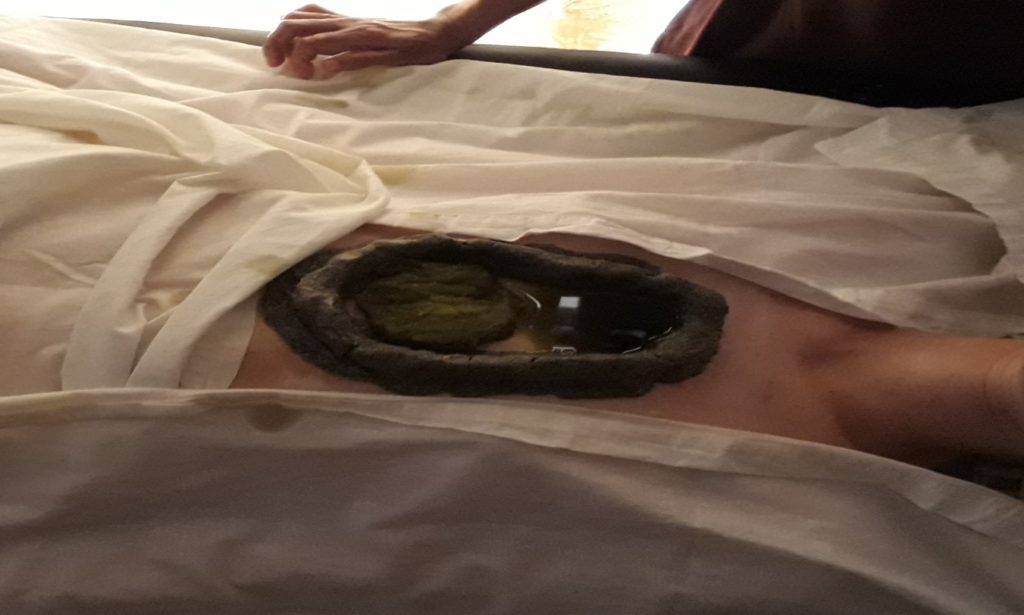
Abhyanga and Swedana
Regular warm oil massage (Abhyanga) followed by steam therapy (Swedana) improves circulation to abdominal organs, aids lymphatic drainage, and reduces stress hormones — all of which indirectly support pancreatic recovery.
Yoga, Pranayama, and Stress Management for the Pancreas
The connection between emotional health and pancreatic function is stronger than most people realize. Chronic stress elevates cortisol, which triggers gluconeogenesis (glucose production by the liver), forces the pancreas to produce more insulin, and over time contributes to beta-cell exhaustion.
Yoga Asanas That Stimulate the Pancreas
- Ardha Matsyendrasana (Half Spinal Twist) — compresses and massages abdominal organs including the pancreas; improves blood flow upon release
- Paschimottanasana (Seated Forward Bend) — gentle compression of the abdomen stimulates pancreatic and hepatic function
- Dhanurasana (Bow Pose) — stretches the entire front body, stimulates the pancreas and improves posture
- Surya Namaskar (Sun Salutation) — a complete sequence that improves overall metabolism and glandular function; aim for 6–12 rounds daily
Pranayama for Cortisol Reduction
- Nadi Shodhana (Alternate Nostril Breathing) — balances sympathetic and parasympathetic nervous systems; a 2013 study showed 12 weeks of practice significantly reduced perceived stress and cortisol levels
- Bhramari (Bee Breathing) — calms the mind, reduces anxiety; supports parasympathetic activation which is necessary for proper digestion and insulin release
- Kapalbhati — short, forceful exhalations that stimulate abdominal organs; practice with caution during active pancreatitis (avoid during acute episodes)
Meditation and Its Direct Impact on Agni
Regular meditation — even 15–20 minutes daily — has been shown to reduce inflammatory markers (CRP, IL-6) that are elevated in pancreatic disease. A 2016 study published in Biological Psychiatry demonstrated that mindfulness meditation reduced IL-6 levels by 15% compared to a relaxation control group. In Ayurvedic terms, meditation stabilizes Sadhaka Pitta (the mental aspect of Pitta), which has a cascading calming effect on Pachaka Pitta and, by extension, pancreatic function.
Preventing Pancreatic Disease: The Ayurvedic Advantage
This is where Ayurveda truly shines — and where conventional medicine often falls short. Prevention isn't an afterthought in Ayurveda; it's the primary goal. The classical texts describe two key preventive frameworks that can be applied specifically to pancreatic protection.
Dinacharya (Daily Routine) for Pancreatic Protection
- Wake before sunrise and drink warm water to gently activate Agni
- Eat meals at consistent times — ideally breakfast by 8 AM, lunch (largest meal) between 12–1 PM, light dinner by 7 PM
- Never skip meals and never overeat — both destabilize Pachaka Pitta
- Walk for 10–15 minutes after each meal — Charaka specifically recommends Shatapavali (100 steps after eating)
- Avoid sleeping immediately after meals — this increases Kapha and promotes Ama formation
Ritucharya (Seasonal Regimen)
Different seasons aggravate different doshas, and adapting your diet accordingly protects the pancreas year-round:
| Season | Dominant Dosha | Pancreas-Protective Strategy |
|---|---|---|
| Summer (Grishma) | Pitta | Emphasize cooling foods — cucumbers, coconut water, coriander; reduce spicy, sour, salty tastes |
| Monsoon (Varsha) | Vata | Include warming spices (ginger, black pepper); eat freshly cooked foods; avoid raw salads |
| Autumn (Sharad) | Pitta (accumulated) | Virechana is traditionally recommended in this season; include bitter greens, amla |
| Winter (Hemanta/Shishira) | Kapha | Agni is naturally strong; can eat heavier foods but include honey, barley, and Trikatu to prevent Kapha accumulation |
| Spring (Vasanta) | Kapha (released) | Lightest diet of the year; fasting days, Triphala, and exercise to prevent metabolic sluggishness |
Ayurvedic Perspective on Pancreatic Cancer Prevention
Roughly 5–10% of chronic pancreatitis cases progress to pancreatic cancer. In hereditary pancreatitis specifically, the lifetime cancer risk climbs to approximately 40% — a sobering statistic from genetic studies on PRSS1 mutations. While Ayurveda does not claim to cure cancer, its framework offers a rational preventive approach.
- In Ayurvedic oncology, cancer is understood as a deep-seated accumulation of Ama that has infiltrated the Dhatu (tissue) level, creating Arbuda (tumor).
- The preventive logic is straightforward: keep Agni strong, prevent chronic Ama accumulation, reduce chronic inflammation, and maintain tissue integrity.
Specific strategies include:
- Regular Panchakarma (especially Virechana) at least once or twice yearly to clear accumulated toxins
- Rasayana therapy — rejuvenative herbs like Ashwagandha, Guduchi (Giloy), and Amalaki that protect cellular health and enhance immunity
- Anti-inflammatory dietary pattern — turmeric, green leafy vegetables, whole grains, and antioxidant-rich fruits as daily staples
- Complete avoidance of alcohol and tobacco — non-negotiable in pancreatic cancer prevention
This is not a substitute for regular medical screening, particularly for those with genetic risk factors or a history of chronic pancreatitis. Think of it as an additional, complementary layer of protection.
Connecting Pancreas Health to Diabetes Management Through Ayurveda
The link between pancreatic health and diabetes is direct and undeniable — yet most articles treat them as separate topics. In reality, Type 2 diabetes IS a disease of pancreatic exhaustion (in its later stages), and supporting the pancreas can meaningfully influence diabetic outcomes.
Type 2 Diabetes: A Kapha-Dominant Disorder
- In early stages, excess Kapha blocks the channels (Srotas) through which insulin acts, creating resistance. The pancreas overworks to compensate.
- Ayurvedic intervention at this stage — through Kapha-reducing diet, exercise, and herbs like Gurmar and Methi — can potentially reverse the trajectory before permanent beta-cell damage occurs.
Type 1 Diabetes: A Vata-Pitta Condition
Type 1 diabetes involves autoimmune destruction of beta cells. While Ayurveda cannot regenerate destroyed cells, it can support remaining pancreatic function, improve quality of life, reduce complications, and address the Vata-dominant symptoms (weight loss, dryness, anxiety) that characterize advanced disease.
Pancreatic Insufficiency and Digestive Diabetes
A lesser-known condition — Type 3c diabetes (pancreatogenic diabetes) — occurs when chronic pancreatitis destroys enough endocrine tissue to cause diabetes. This is where the holistic Ayurvedic approach is most valuable, because it simultaneously addresses the exocrine (digestive) and endocrine (hormonal) dysfunction through a single integrated protocol.
Frequently Asked Questions
What Exactly Is Pancreatitis?
Pancreatitis is inflammation of the pancreas, occurring when digestive enzymes activate prematurely within the organ and begin digesting pancreatic tissue itself. It ranges from mild acute episodes (resolving in days with supportive care) to severe chronic disease with permanent fibrosis, calcification, and loss of function. Symptoms include severe upper abdominal pain radiating to the back, nausea, vomiting, and in chronic cases, oily stools and unexplained weight loss.
Can Ayurveda Treat Acute Pancreatitis?
Acute pancreatitis is a medical emergency that requires hospital management — IV fluids, pain control, and monitoring for complications like organ failure or necrosis. Ayurveda should not be used as primary treatment during an acute episode. However, Ayurvedic protocols can play a significant role in recovery after the acute phase, in preventing recurrence, and in managing chronic pancreatitis where conventional options are often limited to pain management and enzyme supplementation.
How Long Does Ayurvedic Treatment for Pancreas Take?
- Meaningful results typically require 2–3 months of consistent herbal therapy, dietary adherence, and lifestyle changes. For chronic conditions like recurrent pancreatitis or long-standing diabetes, expect 6–12 months for substantial improvement.
- Some Ayurvedic centers use a structured two-phase protocol: Phase 1 involves 21 days of intensive residential treatment (Panchakarma, personalized diet, herbal medicines), followed by Phase 2 — up to 1 year of at-home maintenance with periodic follow-ups.
Are Ayurvedic Medicines Safe to Take Alongside Conventional Medications?
- Generally yes, but interactions are possible.
- For example, Gurmar and Karela can lower blood sugar — if you're already on metformin or insulin, this could cause hypoglycemia. Always inform both your Ayurvedic practitioner and your allopathic doctor about all medications and supplements you're taking. Never discontinue prescribed medications without medical supervision.
What Foods Are Worst for the Pancreas?
- Alcohol tops the list — it's directly toxic to pancreatic acinar cells and is responsible for approximately 40% of pancreatitis cases worldwide.
- After that: deep-fried foods, refined sugar, processed meats, excessive dairy (especially cream and cheese), and sodas or artificially sweetened beverages. In Ayurvedic terms, these are all heavy, Kapha-increasing, Ama-producing foods that smother Agni and overburden the pancreas.
Conclusion: A Balanced Path to Pancreatic Wellness
Pancreatic health isn't just about avoiding disease — it's about optimizing the very foundation of your metabolism. Ayurveda offers something that purely symptomatic approaches cannot: a framework for understanding why the pancreas fails, and a systematic path for supporting its recovery and long-term protection.
Start simple. Incorporate Methi water and turmeric into your daily routine. Eat at consistent times. Practice Ardha Matsyendrasana and Nadi Shodhana for 10 minutes each morning. Reduce alcohol. These small, consistent changes compound over time into significant protective effects.
For existing pancreatic conditions — chronic pancreatitis, pre-diabetes, or insulin resistance — work with a qualified Ayurvedic practitioner (BAMS or MD Ayurveda) who can personalize your protocol based on your Prakriti (constitution), current dosha imbalance, and disease stage.
- Your pancreas works tirelessly for you every single day. It deserves more than neglect until it breaks down.
- Give it the support it needs — and it will reward you with decades of healthy digestion and stable metabolism.
Have specific questions about your pancreatic health? Consult with certified Ayurvedic doctors who can evaluate your unique constitution and recommend a personalized plan.
Scientific Sources
- Neuroadaptability and Habit: Modern Medicine and Ayurveda — Wallace RK et al., 2021, Medicina (Kaunas, Lithuania)
- Ayurved for digestion — Krebs K, 2004, Gastroenterology nursing : the official journal of the Society of Gastroenterology Nurses and Associates
- Presidential address — Joshi GV, 1970, Journal of the Indian Medical Association
- Ayurvedic medicine for schizophrenia — Agarwal V et al., 2007, The Cochrane database of systematic reviews
- Exploring pluralism--the many faces of Ayurveda — Nordstrom CR, 1988, Social science & medicine (1982)
- Overview of Ayurveda and Ashwagandha: Bioactive Phytochemicals and Potential Applications to Gliomas — Newton HB, 2025, Molecules (Basel, Switzerland)
- Traditional medicine — Skeet M, 1981, Nursing times
- Withania somnifera (L.) Dunal - Modern perspectives of an ancient Rasayana from Ayurveda — Mukherjee PK et al., 2021, Journal of ethnopharmacology
- Therapeutic Uses of Triphala in Ayurvedic Medicine — Peterson CT et al., 2017, Journal of alternative and complementary medicine (New York, N.Y.)
- Pediatric Residency Training for Integration of Behavior Health: Indian Perspective — Bhave SY et al., 2021, Pediatric clinics of North America
- An introduction to Ayurveda — Lad V, 1995, Alternative therapies in health and medicine
- Traditional systems of medicine — Shankar K et al., 2004, Physical medicine and rehabilitation clinics of North America
- Complete Resolution of Plantar Psoriasis With Ayurveda, A Case Report — Borse S et al., 2024, Alternative therapies in health and medicine
- Government policies and initiatives for development of Ayurveda — Katoch D et al., 2017, Journal of ethnopharmacology
- Doctors of Plural Medicine, Knowledge Transmission, and Family Space in India — Khalikova VR, 2020, Medical anthropology
- Approaches in fostering quality parameters for medicinal botanicals in the Indian context — Gupta PD et al., 2014, Indian journal of pharmacology
- Exploring the signature gut and oral microbiome in individuals of specific Ayurveda prakriti — Shalin TV et al., 2021, Journal of biosciences
- Utilization of Ayurveda in health care: an approach for prevention, health promotion, and treatment of disease.Part 2--Ayurveda in primary health care — Sharma H et al., 2007, Journal of alternative and complementary medicine (New York, N.Y.)
- Methodological implications of nonlinear dynamical systems models for whole systems of complementary and alternative medicine — Bell IR et al., 2012, Forschende Komplementarmedizin (2006)
- Role of pharmacology for integration of modern medicine and Ayurveda — Haranath PS, 2015, Indian journal of pharmacology
Questions from users
How can meditation specifically improve pancreatic health according to Ayurveda?
Elizabeth
5 days ago
Meditation itself may not directly improve pancreatic health, but it can play a supportive role by reducing stress, which in turn may benefit overall digestive and metabolic health. In Ayurvedic terms, meditation helps stabilize Sadhaka Pitta, potentially having a calming effect that may indirectly support pancreatic function. For those concerned about pancreatic health, incorporating meditation as part of a stress management routine could be beneficial. However, it is crucial to consult a healthcare provider for specific pancreatic health issues or symptoms. Ayurveda can supplement medical treatments by improving overall wellness but should not replace conventional medical care, especially in conditions like pancreatogenic diabetes or pancreatic insufficiency.
What is the role of herbal medicines in Ayurvedic treatments for chronic pancreatitis?
Isaac
15 days ago
Herbal medicines in Ayurveda can be super helpful for chronic pancreatitis by balancing imbalanced doshas, especially Kapha. As part of the treatment, they might support digestion, help reduce inflammation or strengthening the tissues. Remember, they should complement, not replace, conventional treatments and work best with a tailored plan from an Ayurvedic doctor. If you're already on medications, just keep an eye on potential interactions!
What is the best time of day to take bitter melon juice for pancreatic health?
Matthew
32 days ago
Taking bitter melon juice in the morning is generally best, ideally on an empty stomach if it suits your digestion. It helps awaken your digestive fire (Agni) and kickstarts detoxification. But remember, it depends on your dosha type, so it's always a good idea to consult an Ayurvedic practitioner to tailor it to your needs. Hope that helps!
What is ginseng and how does it help with blood sugar control?
Rory
42 days ago
Ginseng, or Withania somnifera, is awesome at helping control blood sugar by improving insulin sensitivity. It boosts your digestive fire, or agni, which is super important in Ayurveda. By strengthening agni, it supports your overall pancreatic health—think of it as a way to detoxify and keep everything running smoothly. It's like giving your system a little cleanup so it can function its best! If you're thinking about using it for blood sugar control, it's a great idea to chat with an Ayurvedic practitioner to see how it fits with your individual constitution and needs.
Can I use Ayurvedic detox methods to improve my pancreas function safely?
Rae
51 days ago
Yes, you can use Ayurvedic detox methods to improve pancreas function, but it's crucial to do it safely. Focus on cleansing ama (toxins) through practices like regular fasting, drinking warm water, and herbal supports like turmeric & aloe vera. Just make sure to consult an Ayurvedic practitioner, as personalized guidance based on your dosha and health needs is key.
How does stress management improve pancreatic health according to Ayurvedic principles?
Zachary
61 days ago
Stress management is super key in Ayurveda because stress messes with your doshas, especially Vata and Kapha, which can affect pancreas health. Too much stress can disturb agni (digestive fire), leading to ama buildup. By managing stress, you help maintain balanced doshas and improve digestion, which indirectly supports pancreatic function. Try mediation or yoga to find some balance 🌿💪.
What foods should I avoid to support my pancreas health according to Ayurveda?
Ava
70 days ago
In Ayurveda, supporting pancreas health involves balancing your doshas and avoiding foods that disturb digestion. Generally, aim to reduce processed foods, refined sugars, and very fatty or oily foods. These can weaken agni (digestive fire) and disrupt your body's natural balance. Fresh, whole foods, tailored to your dosha, will be more supportive. Consider talking to a practitioner to get personalized advice!
Is it safe to use Ayurvedic herbs alongside conventional diabetes medications?
Samuel
80 days ago
It's generally safe, but it's always a good idea to talk to your doc or an Ayurvedic practitioner before combining Ayurvedic herbs with conventional meds for diabetes. They can help you avoid any possible interactions and make sure your treatment's balanced and suits your body's needs. Plus, they can offer personalized advice!
Is it safe to use turmeric supplements for supporting digestive health?
Valerie
89 days ago
Yes, turmeric supplements can help digestion but they should be used carefully. Turmeric is warming, so it’s best suited for someone with a Kapha or Vata imbalance, but might not be great for Pitta. It's always a good idea to consult an Ayurvedic doctor to make sure it’s right for your body and current state of health. 🌿
What is the role of lifestyle changes in supporting pancreatic health with Ayurvedic practices?
Ava
99 days ago
Lifestyle changes can be huge in Ayurveda for pancreatic health! Think regular routines, like consistent sleep and meal times, managing stress through yoga and meditation, and choosing food to match your dosha. Exercise helps too, keeping agni, or digestive fire, strong. Remember, it's about balance and what works for your unique body.
Related articles

Gastrointestinal Disorders
Kayam Tablet
Exploration of Kayam Tablet
9,746

Gastrointestinal Disorders
Amavatari Kashayam: Benefits & Ayurvedic Uses
Discover the benefits, proper dosage, uses, and scientific research behind Amavatari Kashayam, a potent Ayurvedic herbal decoction for health.
2,586

Gastrointestinal Disorders
Ajmodadi Churna Benefits Dosage How To Use Side Effects Ingredients Reference
Exploration of Ajmodadi Churna Benefits Dosage How To Use Side Effects Ingredients Reference
2,626

Gastrointestinal Disorders
Swarn Sutshekhar Ras: Benefits, Dosage & Uses Explained
Explore Swarn Sutshekhar Ras benefits, uses, dosage, and precautions. Learn about its Ayurvedic significance and evidence-based applications for health and vitality.
3,692

Gastrointestinal Disorders
Krimi Mudgar Ras Benefits, Dosage, Ingredients, Side Effects
Exploration of Krimi Mudgar Ras Benefits, Dosage, Ingredients, Side Effects
2,096

Gastrointestinal Disorders
How to Digest Food Faster: Natural Tips and Remedies
Learn how to digest food faster using natural tips, fast-digesting foods, exercises, and Ayurvedic remedies. Improve digestion with simple lifestyle changes
5,570

Gastrointestinal Disorders
Shaddharanam Gulika – Benefits, Uses & Dosage in Ayurveda
Learn about Shaddharanam Gulika, an Ayurvedic remedy known for its detoxifying, digestive, and therapeutic properties, and how it supports overall health.
3,584

Gastrointestinal Disorders
Gandharva Haritaki Tablet Uses: An Ayurvedic Remedy for Holistic Health
Gandharva Haritaki is an herbal preparation widely used in Ayurveda to support digestive health, detoxification, and vitality.
4,141

Gastrointestinal Disorders
Amavatari Capsules – Ayurvedic Digestive and Liver Support
Discover Amavatari Capsules benefits, uses, and dosage. Learn how this Ayurvedic supplement supports health, wellness, and vitality through traditional wisdom.
2,015

Gastrointestinal Disorders
Nephrotic Syndrome Ayurvedic Treatment & Remedies
Explore Ayurvedic treatments for nephrotic syndrome, including benefits, proper dosage, uses, and scientific evidence supporting these natural remedies.
3,235
Related consultations on the topic
Legal
Additional Documents
© 2024 Ask Ayurveda. All rights reserved.