FREE! Ask Ayurvedic Doctors 24/7

 Fast responses
 1000+ verified doctors
Vatarakta Treatment in Ayurveda – Holistic Approach for Joint & Blood Disorders
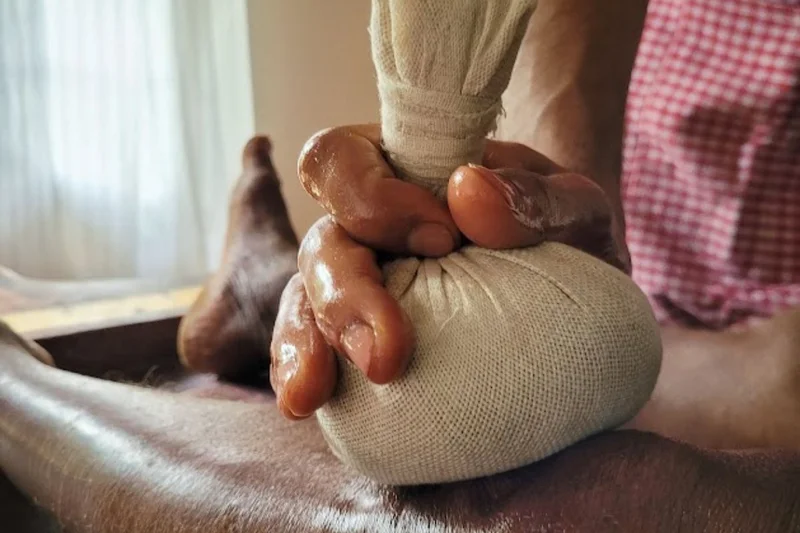
Vatarakta is a debilitating condition described in classical Ayurvedic texts where aggravated Vata Dosha gets obstructed by vitiated Rakta Dhatu (blood tissue), leading to severe joint pain, swelling, and inflammation — typically starting from the small joints of the feet and gradually ascending upward. Often correlated with gouty arthritis in modern medicine, Vatarakta affects approximately 1–2% of the global population, with men being over five times more likely to develop it than women. This comprehensive guide covers everything from ancient Ayurvedic understanding to modern integrative approaches, including areas no other resource has fully addressed: differential diagnosis, disease staging through Kriyakala, evidence-based formulations with dosages, and post-treatment rehabilitation.
What Is Vatarakta in Ayurveda?
Vatarakta (Sanskrit: वातरक्त) is a compound term derived from two words — Vata (the bio-energy governing movement) and Rakta (blood tissue). When Vata becomes aggravated and simultaneously the Rakta Dhatu becomes vitiated, the two pathological factors interact to produce a distinctive clinical syndrome affecting joints, skin, and deeper tissues.
Acharya Charaka, Sushruta, and Vagbhata — the three pillars of Ayurvedic literature — all dedicated separate chapters to Vatarakta, underscoring its clinical importance. Charaka describes it in Chikitsa Sthana Chapter 29, while Sushruta addresses it in Nidana Sthana Chapter 1.
Nirukti (Etymology) and Synonyms
The etymological breakdown is straightforward: the disease where Vata and Rakta are simultaneously vitiated is called Vatarakta. However, classical texts provide several synonyms that illuminate different facets of the condition:
- Adhyavata — Vata that overwhelms or superimposes on Rakta
- Khudda Vata — small or subtle Vata disorder (referring to its predilection for small joints)
- Vatabalasa — a condition where Vata gains strength by association with Rakta
- Vatashra / Vata Shonita — Vata associated with blood
Each synonym highlights a different pathological aspect, which is actually quite useful for understanding the multi-dimensional nature of this disease.
How Is Vatarakta Different from Other Joint Disorders?
This is a critical question that most resources overlook entirely. Ayurveda describes several joint disorders that can appear clinically similar, and proper differentiation is essential for effective treatment:
| Condition | Primary Dosha | Key Feature | Joint Pattern | Ama Involvement |
|---|---|---|---|---|
| Vatarakta | Vata + Rakta | Burning pain, redness, starts in feet | Small joints ascending | Variable |
| Amavata (Rheumatoid Arthritis) | Vata + Ama | Morning stiffness, symmetric | Small joints, symmetric | Primary |
| Sandhivata (Osteoarthritis) | Vata | Crepitus, pain on movement | Large weight-bearing joints | Minimal |
| Kroshtukashirsha | Vata + Kapha | Swelling resembling jackal's head | Knee joint primarily | Moderate |
The distinguishing feature of Vatarakta is the involvement of Rakta Dhatu alongside Vata, the characteristic pattern of ascending from the feet, and the association with dietary and lifestyle excesses typically seen in affluent individuals — which is why classical texts sometimes call it "the disease of kings."
What Causes Vatarakta? (Nidana)
- The causative factors of Vatarakta are broadly classified into Aharaja (dietary) and Viharaja (behavioral) categories.
- Understanding these causes isn't merely academic — it directly informs both prevention and treatment strategy.
Dietary Causes (Aharaja Nidana)
Classical texts are remarkably specific about the foods that provoke this condition:
- Excessive salty, sour, pungent, and alkaline foods — these aggravate both Vata and Rakta
- Meat of aquatic and marshy animals (Anupa Mamsa) — heavy, increases Kapha and Rakta Dushti
- Black gram (Masha) — highly Vata-aggravating when consumed excessively
- Curd and fermented foods (Shukta, Arnala) — sour post-digestive effect vitiates Rakta
- Fermented alcoholic beverages — directly vitiates Rakta and aggravates Pitta
- Incompatible food combinations (Viruddha Ahara) — such as fish with milk
- Horse meat (Ashwa Mamsa) — specifically mentioned in Charaka Samhita
What's particularly interesting is how closely these dietary triggers align with modern understanding of purine-rich foods that elevate uric acid levels.
Behavioral Causes (Viharaja Nidana)
- Divaswapna (daytime sleeping) — impairs metabolism and increases Kapha
- Ratri Jagarana (staying awake at night) — aggravates Vata
- Krodha (anger) — directly aggravates Pitta and Rakta
- Sedentary lifestyle (Aalasya) — impairs circulation and metabolism
- Prolonged horseback riding or travel — causes Vata aggravation through excessive jerky movements
- Suppression of natural urges (Vegadharana) — particularly urination and defecation
- Physical trauma to joints (Abhighata)
The Role of Ama (Metabolic Toxins)
This is one aspect that most resources fail to adequately address. The presence or absence of Ama in Vatarakta fundamentally changes the therapeutic approach:
Saama Vatarakta (with Ama):
- Joints feel heavy, stiff, and cold
- Coating on the tongue, loss of appetite
- Pain is dull, deep, and constant
- Treatment must begin with Ama-digesting therapy (Deepana-Pachana) BEFORE any oleation or purification
Nirama Vatarakta (without Ama):
- Pain is sharp, burning, and variable
- Appetite may be normal
- Joints are warm to touch
- Can proceed directly with Snehana and Shodhana therapies
Mistaking a Saama condition for Nirama and administering Snehana (oleation) prematurely is a common therapeutic error that can worsen the condition significantly.
Samprapti: How Vatarakta Develops (Pathogenesis)
Understanding the pathogenesis of Vatarakta is not just theoretical — it determines at what stage you intervene and how. Classical Ayurveda describes the pathological process with remarkable precision.
The Pathogenic Mechanism
The Samprapti unfolds in a specific sequence:
- 1.Vata Prakopa — Vata becomes aggravated due to causative factors
- 2.Rakta Dushti — Simultaneously, Rakta becomes vitiated through dietary indiscretions
- 3.Margavarana — The vitiated Rakta obstructs the pathways (Srotas) of Vata
- 4.Mutual Aggravation — Blocked Vata further vitiates Rakta, creating a vicious cycle
- 5.Sthana Samshraya — The pathology localizes in joints, starting from Padamula (base of feet)
- 6.Ascending Pattern — Spreads upward through ankle, knee, hip, hand, wrist, and elbow joints
Pitta and Kapha Doshas may also become involved secondarily, creating mixed clinical presentations that are more complex to treat.
Disease Progression Through Kriyakala (Six Stages)
No competitor resource maps Vatarakta to the six stages of Kriyakala, yet this framework is invaluable for determining prognosis and intervention timing:
| Stage | Name | Manifestation in Vatarakta | Intervention |
|---|---|---|---|
| 1 | Sanchaya (Accumulation) | Mild heaviness in legs, slight dietary intolerance | Nidana Parivarjana (avoid causes) |
| 2 | Prakopa (Provocation) | Occasional tingling in feet, increased craving for pungent food | Dietary correction, Deepana |
| 3 | Prasara (Spread) | Intermittent joint discomfort, mild swelling after certain foods | Shamana therapy, mild Shodhana |
| 4 | Sthanasamshraya (Localization) | Pain localizes in specific joints, Purvarupa appears | Shodhana (Virechana, Basti) |
| 5 | Vyakti (Manifestation) | Full clinical picture — pain, swelling, redness, burning | Intensive Shodhana + Shamana |
| 6 | Bheda (Complications) | Joint deformity, chronic changes, systemic involvement | Yapya (manageable, not curable) |
Early intervention at stages 1–3 offers the best prognosis. By stage 6, the condition typically becomes chronic and requires lifelong management.
What Are the Symptoms of Vatarakta? (Purvarupa and Rupa)
Prodromal Symptoms (Purvarupa)
Before the full disease manifests, certain warning signs appear that an experienced Ayurvedic practitioner can recognize:
- Excessive or absent sweating in the joints area
- Skin discoloration over joints — either darkening or unusual pallor
- Pricking pain (Toda) and itching (Kandu) in affected areas
- Numbness or tingling sensations (Suptata)
- Loose or stiff joint movements alternating without clear cause
- A "creeping" sensation under the skin (Sphuranam)
Clinical Features by Type
Vatarakta is classified by two parameters — depth of involvement and dominant Dosha.
Uttana Vatarakta (Superficial Type)
Involves skin (Twak) and muscle tissue (Mamsa Dhatu):
- Itching (Kandu), burning sensation (Daha)
- Skin discoloration — reddish, coppery, or blackish
- Stretching pain (Ayama) and pricking sensation
- Swelling is moderate and localized
- Skin feels rough and dry
Gambhira Vatarakta (Deep Type)
Involves bones (Asthi), joints (Sandhi), and marrow (Majja):
- Severe swelling (Shotha) with joint effusion
- Intense burning and throbbing pain
- Joint stiffness (Stabdhata) and deformity
- Deep-seated tenderness
- Skin over joints becomes taut, shiny, and coppery-colored
- In severe cases: suppuration, sinus formation, and contractures
Symptoms by Dominant Dosha
- Vataja — Severe pain that shifts location, joints crack on movement, dry and rough skin, pain worsens at night and in cold weather
- Pittaja — Burning pain, redness, inflammation, tenderness even to light touch, pain worsens at midday and in heat
- Kaphaja — Heavy, dull pain with pronounced swelling, oily and cold skin, itching, pain worsens in morning and damp weather
- Raktaja — Intense redness, copper-colored skin, burning, excessive warmth over joints, bleeding tendency
What Is the Best Treatment for Vatarakta? (Chikitsa)
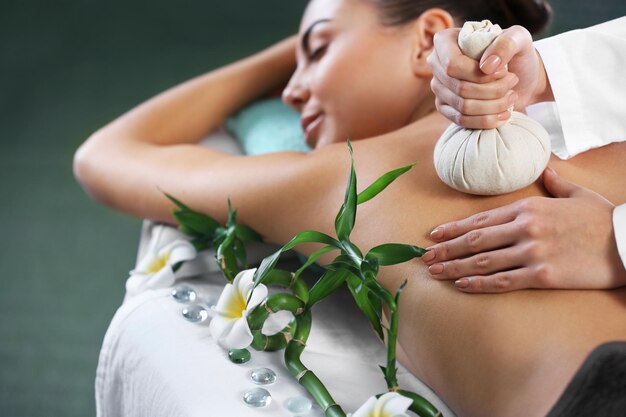
Ayurvedic management of Vatarakta follows a systematic, multi-layered approach. The treatment differs substantially based on whether the condition is Uttana or Gambhira, and which Dosha predominates.
Samanya Chikitsa (General Treatment Principles)
Regardless of the specific type, certain universal principles apply:
- 1.Nidana Parivarjana — Strict avoidance of all causative factors
- 2.Deepana-Pachana — Digestive correction and Ama elimination (if Saama)
- 3.Shodhana — Bio-purification through Panchakarma
- 4.Shamana — Palliative medications for symptomatic relief
- 5.Pathya — Dietary and lifestyle regimen for sustained results
Treatment of Uttana (Superficial) Vatarakta
External therapies form the cornerstone:
- Lepa (medicinal paste application) — Shatadhaut Ghrita, Chandanadi Lepa
- Abhyanga (therapeutic oil massage) — with Ksheerabala Taila or Pinda Taila
- Parisheka (pouring medicated liquids) — Dhanyamla Dhara, Ksheera Dhara
- Avagahana (immersion bath) — in medicated decoctions of Dashamoola
- Upanaha (warm poultice) — using Kolakulatthadi Churna
Treatment of Gambhira (Deep) Vatarakta
Internal purification becomes essential:
- Snehapana (internal oleation) — Guggulutiktaka Ghrita, Panchatikta Ghrita, or Mahatiktaka Ghrita for 3–7 days depending on Koshtha
- Virechana (therapeutic purgation) — using Trivrit Lehya or Eranda Taila with milk — this is considered the primary Shodhana for Vatarakta
- Basti (medicated enema) — both Niruha (decoction enema with Dashamoola Kwatha) and Anuvasana (oil enema with Ksheerabala Taila)
Raktamokshana (Bloodletting)
Raktamokshana holds special importance in Vatarakta due to the primary involvement of Rakta Dhatu.
Multiple methods are described:
- Jalaukavacharana (leech therapy) — preferred for Pitta-dominant Vatarakta; leeches are naturally anti-inflammatory and anti-coagulant
- Siravyadha (venipuncture) — for deep-seated Rakta Dushti
- Pracchana (scarification) — superficial incisions for localized blood vitiation
- Shrungavacharana (horn application) — using cow horn to create suction
- Alabu (gourd application) — for Kapha-dominant conditions
- Ghatiyantra (cupping with clay pots) — for Vata-dominant conditions
Dosha-Specific Treatment Protocols
Vataja Vatarakta
- Snehana with Dhanwantaram Taila externally
- Snehapana with Guggulutiktaka Ghrita internally
- Basti therapy is primary — Anuvasana with Ksheerabala Taila (101 Avartana)
Pittaja Vatarakta
- Virechana is the treatment of choice
- External: Chandanadi Lepa, Ghrita application
- Internal: Guduchi Swarasa, Tikta Rasa-dominant formulations
- Raktamokshana with Jalauka (leeches)
Kaphaja Vatarakta
- Rookshana (drying therapy) first, then mild Snehana
- Lekhana Basti (scraping enema) with honey and Triphala
- External: Dry powder massage (Udvartana) with Triphala Churna
Key Ayurvedic Formulations with Dosages
This is another area where existing resources fall short. Here are the most commonly prescribed formulations with their typical dosages:
| Formulation | Form | Typical Dosage | Indication | Duration |
|---|---|---|---|---|
| Kaishor Guggulu | Tablet | 2 tablets (500 mg each) twice daily | All types of Vatarakta | 1–3 months |
| Amritadi Guggulu | Tablet | 2 tablets twice daily after food | Pitta-dominant type | 1–2 months |
| Guggulutiktaka Ghrita | Ghee | 10–20 ml with warm water, morning empty stomach | Snehapana for Gambhira type | 3–7 days |
| Panchatikta Ghrita | Ghee | 10–15 ml before food | Pitta–Rakta dominant | 5–7 days |
| Ksheerabala Taila (101) | Oil | External: as needed; Internal: 10–15 drops | Vata-dominant type | 1–3 months |
| Pinda Taila | Oil | External application twice daily | Burning, inflammation | Until relief |
| Manjishtadi Kashayam | Decoction | 15 ml with equal water, twice daily before food | Rakta Shodhana | 1–2 months |
| Guduchi Satva | Powder | 500 mg–1 g twice daily with honey | Chronic Vatarakta | 2–3 months |
| Sarivadyasava | Liquid | 15–20 ml with equal water after food | Blood purification | 1–2 months |
Note: These dosages are general guidelines. Individual dosing should be determined by a qualified Ayurvedic practitioner based on Prakriti, Agni status, and disease severity.
Correlation with Gouty Arthritis and Modern Diagnostics
- The clinical features of Vatarakta show remarkable parallels with gouty arthritis.
- Modern science attributes gout to hyperuricemia — elevated serum uric acid (above 7 mg/dL in men, 6 mg/dL in women) — and the deposition of monosodium urate (MSU) crystals in joints and surrounding tissues.
Modern Laboratory Markers and Their Ayurvedic Correlates
Integrating laboratory investigations with Ayurvedic assessment provides a more complete diagnostic picture:
- Serum Uric Acid — elevated levels correlate with Rakta Dushti severity
- ESR (Erythrocyte Sedimentation Rate) — elevated ESR may indicate Pitta involvement and active inflammation
- C-Reactive Protein (CRP) — acute phase reactant; correlates with Amavastha
- Synovial Fluid Analysis — MSU crystals confirm diagnosis; needle-shaped birefringent crystals under polarized microscopy
- X-ray findings — "rat-bite" erosions and tophi in chronic cases correspond to Bheda stage of Kriyakala
A 2015 study published in the Journal of Ayurveda and Integrative Medicine demonstrated that Ayurvedic management protocols involving Virechana and Basti therapy reduced serum uric acid levels by an average of 2.1 mg/dL over 60 days in patients with Vatarakta, with statistically significant improvements in joint pain scores (p<0.05).
Beyond Gout: Connection with Psoriatic Arthritis
Some scholars have also drawn parallels between certain presentations of Vatarakta and psoriatic arthritis, particularly when skin manifestation (Twak Vikara) coexists with joint involvement. The Uttana type with significant skin discoloration, scaling, and dryness alongside joint pain may represent this clinical entity.
Sadhyasadhyata (Prognosis) and Rasayana (Rehabilitation)
Prognosis by Stage
Classical texts clearly categorize Vatarakta into prognostic groups:
- Sadhya (Curable) — Nava (new onset), Uttana type, single Dosha involvement, strong patient with good Agni
- Yapya (Manageable but not curable) — Chronic, Gambhira type, Dwidoshaja involvement, moderate Agni
- Asadhya (Incurable) — Long-standing with joint deformity, Tridoshaja involvement, complications like sinus formation or contractures, weakened patient
Rasayana Therapy (Post-Treatment Rehabilitation)
After active treatment, Rasayana therapy prevents recurrence and restores tissue integrity.
This stage is criminally under-discussed in most resources:
- Guduchi Rasayana — Guduchi (Tinospora cordifolia) powder 3–5 g with milk, daily for 3 months — rebuilds Rakta Dhatu and has demonstrated uric acid-lowering properties in animal studies
- Amalaki Rasayana — rich in Vitamin C, which modern research shows helps reduce serum uric acid (a 2005 study in Arthritis & Rheumatism found 500 mg Vitamin C daily reduced uric acid by 0.5 mg/dL)
- Bhallataka Rasayana — specifically indicated for chronic Vatarakta in Charaka Samhita, but requires expert supervision due to Bhallataka's caustic nature
Yoga and Physical Rehabilitation
Specific practices beneficial for Vatarakta patients during recovery:
- Pavanamuktasana — directly improves joint mobility and reduces Vata
- Ardha Matsyendrasana — stimulates metabolism and aids Rakta purification
- Gentle Padahastasana — stretches the lower extremity joints without excessive strain
- Pranayama — Nadi Shodhana and Sheetali for Pitta-dominant types; Bhastrika (gentle) for Kapha-dominant types
- Avoid: extreme stretching, high-impact activities, and prolonged standing during active disease
Seasonal Considerations (Ritucharya)
Vatarakta flare-ups show seasonal patterns that should inform both treatment and preventive strategy:
- Varsha Ritu (Monsoon) — highest risk of exacerbation due to natural Vata aggravation; prophylactic Basti therapy recommended
- Greeshma Ritu (Summer) — Pitta-dominant Vatarakta may worsen; cooling therapies and Virechana beneficial
- Hemanta/Shishira (Winter) — Vata-dominant types flare; Snehana and warm therapies emphasized
Pathya-Apathya (Diet and Lifestyle Guidelines)
Pathya (Beneficial)
- Grains: Old rice (Purana Shali), barley (Yava), wheat
- Pulses: Green gram (Mudga), horse gram in moderation for Kapha types
- Vegetables: Bitter gourd, pointed gourd (Parval), drumstick
- Fruits: Pomegranate, Amalaki, ripe grapes
- Others: Ghee, milk, warm water, Guduchi water
- Lifestyle: Moderate exercise, regular sleep schedule, stress management
Apathya (To Be Avoided)
- Foods: Curd, excess salt, sour foods, fermented preparations, black gram, sesame, jaggery in excess, red meat, organ meats, shellfish, alcohol
- Lifestyle: Daytime sleep, staying up late at night, excessive physical exertion, suppression of natural urges, prolonged travel, anger and emotional stress
Upashaya (Diagnostic Therapeutic Tests)
Upashaya is a unique Ayurvedic diagnostic tool where relief from a specific intervention confirms the diagnosis and dominant Dosha.
For Vatarakta:
- If pain reduces with cold application → Pitta-dominant Vatarakta confirmed
- If pain reduces with warm oil application → Vata-dominant type confirmed
- If pain reduces with dry powder massage → Kapha-dominant type confirmed
- If pain reduces after Virechana → Rakta Dushti is primary
- If pain worsens with sour foods but improves with bitter foods → supports Vatarakta diagnosis over Amavata
Frequently Asked Questions
What is the best drug for Vatarakta?
There is no single "best drug" — it depends on the type and dominant Dosha. However, Kaishor Guggulu is considered the most versatile formulation effective across most Vatarakta presentations. For Pitta-dominant types, Guduchi-based preparations excel. For chronic Gambhira type, Guggulutiktaka Ghrita is the formulation of choice for internal oleation. Always consult a qualified Ayurvedic practitioner for personalized prescription.
What are the symptoms of Vatakantaka?
Vatakantaka is a separate condition — specifically, pain in the heel or ankle region caused by walking on uneven surfaces or excessive standing. While sometimes confused with Vatarakta, Vatakantaka is localized exclusively to the heel (Gulpha region) and involves primarily Vata without significant Rakta Dushti. It correlates more closely with plantar fasciitis or calcaneal spur in modern medicine, rather than gouty arthritis.
Can Vatarakta be completely cured?
Yes, if detected early (Nava Vatarakta) and when it's the Uttana type with single Dosha involvement. Chronic, deep-seated (Gambhira) Vatarakta with joint deformity is classified as Yapya (manageable) or Asadhya (incurable). Even in chronic cases, Ayurvedic management can significantly reduce symptoms, prevent further joint damage, and improve quality of life.
How long does Ayurvedic treatment for Vatarakta take?
Acute episodes may respond within 2–4 weeks of intensive treatment. Chronic Vatarakta typically requires 3–6 months of combined Shodhana and Shamana therapy, followed by Rasayana for prevention of recurrence. Seasonal Panchakarma (especially during Varsha Ritu) is recommended annually for patients with recurring episodes.
Is Vatarakta the same as gout?
Vatarakta and gouty arthritis share significant clinical overlap — both present with acute joint pain starting from the first metatarsophalangeal joint, redness, swelling, and association with dietary excess. However, Vatarakta is a broader concept. Some presentations may correspond to psoriatic arthritis or other inflammatory arthropathies. The Ayurvedic framework considers the Dosha imbalance, tissue involvement, and individual constitution rather than focusing solely on uric acid levels.
Conclusion
Vatarakta represents one of Ayurveda's most sophisticated clinical entities — a condition where the interplay between Vata and Rakta creates a self-perpetuating cycle of joint inflammation and tissue damage. What makes the Ayurvedic approach uniquely powerful is its multi-dimensional framework: identifying the dominant Dosha, assessing the depth of involvement, checking for Ama, staging through Kriyakala, and tailoring treatment from Shodhana through Rasayana.
Whether you are dealing with an acute flare-up or chronic joint changes, the combination of proper Nidana Parivarjana, appropriate Panchakarma interventions (especially Virechana and Basti), targeted formulations like Kaishor Guggulu and Guggulutiktaka Ghrita, and long-term Rasayana therapy offers a comprehensive path toward recovery.
- If you suspect you may have Vatarakta, consult a qualified Ayurvedic practitioner who can perform a thorough Nidana Panchaka assessment and design a personalized treatment protocol.
- Early intervention dramatically improves outcomes — don't wait for the condition to progress to deeper tissue involvement.
Scientific Sources
- Ayurvedic management of systemic sclerosis - A case report — Parmar JR et al., 2024, Journal of Ayurveda and integrative medicine
- Efficacy of Ayurvedic treatment protocol in gouty arthritis - a clinical study — Vaprath Kuniyil AR et al., 2023, Journal of complementary & integrative medicine
- Effectiveness of herbal drug Terminalia Arjuna in chronic venous insufficiency - A prospective observational study — Pratap Shankar KM et al., 2024, Journal of vascular nursing : official publication of the Society for Peripheral Vascular Nursing
- Ayurveda management for acute upper limb ischemia - a case report — Singh SK et al., 2024, Journal of Ayurveda and integrative medicine
- A comparison of the antioxidant property of five Ayurvedic formulations commonly used in the management of vata vyadhis — Sruthi CV et al., 2012, Journal of Ayurveda and integrative medicine
- Ayurvedic Management of Systemic Lupus Erythematosus overlap Vasculitis — Gururaja D et al., 2019, Journal of Ayurveda and integrative medicine
- A comparative study of Kaishora Guggulu and Amrita Guggulu in the management of Utthana Vatarakta — Ramachandran AP et al., 2010, Ayu
- Anti-rheumatic formulations from ayurveda — Raut AA et al., 1991, Ancient science of life
Ask Ayurvedic doctor a question and get a consultation online on the problem of your concern in a free or paid mode.
More than 2,000 experienced doctors work and wait for your questions on our site and help users to solve their health problems every day.
Related articles