Ask Ayurvedic doctor a question and get a consultation online on the problem of your concern in a free or paid mode. More than 2,000 experienced doctors work and wait for your questions on our site and help users to solve their health problems every day.
FREE! Ask Ayurvedic Doctors 24/7

 Fast responses
 1000+ verified doctors
Body DetoxEar, Nose, and Throat DisordersGeriatrics & RejuvenationImmunodeficiencyInfertility TreatmentNutritionOrthopedic DisordersPediatricsRespiratory DisordersSexually Transmitted Diseases (STDs)Surgery RecoveryUrological DisordersVascular DisordersDental DisordersEndocrinological DisordersGastrointestinal DisordersYoga TherapyGeneral MedicineAllergic DisordersCardio DisordersGynecology and ObstetricsCosmetologySkin and Hair DisordersEye DisordersInfectious DiseasesMental DisordersNeurological DisordersOncologyPanchakarmaSexual Health & DisordersSports Medicine
Published on 03/06/25
(Updated on 07/07/26)
3,351
Lashuna Rasayana – Ayurvedic Rejuvenative Tonic for Overall Health

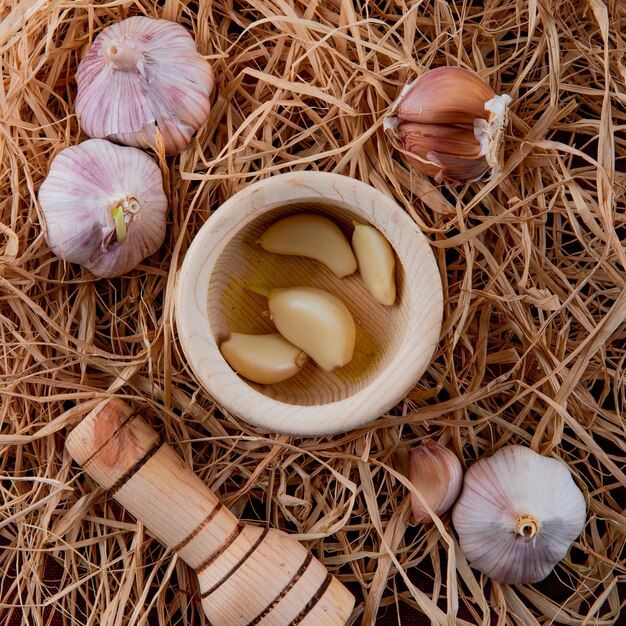
Lashuna Rasayana is a classical Ayurvedic rejuvenative formulation (Rasayana) built around garlic (Allium sativum L.), known in Sanskrit as Lashuna. It is prescribed primarily for neurological disorders, musculoskeletal conditions, digestive weakness, and immune deficiency — and it works by pacifying aggravated Vata dosha while gently balancing Kapha. If you've landed here looking for a clear, evidence-backed breakdown of what this formulation actually contains, how to take it, what it treats, and how it compares to other Rasayanas, you're in the right place.
Unlike most pages that simply say "consult your doctor" and leave it at that, this guide covers the full classical composition with Sanskrit names, exact dosage protocols, Rasa Panchaka pharmacology, preparation method, dietary rules during the course, drug interactions, and referenced clinical data. Let's get into it.
What Is Lashuna Rasayana?
Definition and Core Meaning
Lashuna Rasayana is a polyherbal Ayurvedic preparation classified under the Rasayana Tantra — one of the eight branches of Ashtanga Ayurveda dedicated to rejuvenation, longevity, and tissue nourishment. The word Rasayana literally translates to "the path of rasa (essence)," meaning a therapy that enhances the quality of Rasa Dhatu (plasma tissue) and, through it, nourishes all seven subsequent dhatus.
- The formulation uses processed garlic as its principal ingredient, combined with supporting herbs, ghee, sesame oil, and other adjuvants to amplify bioavailability and therapeutic reach.
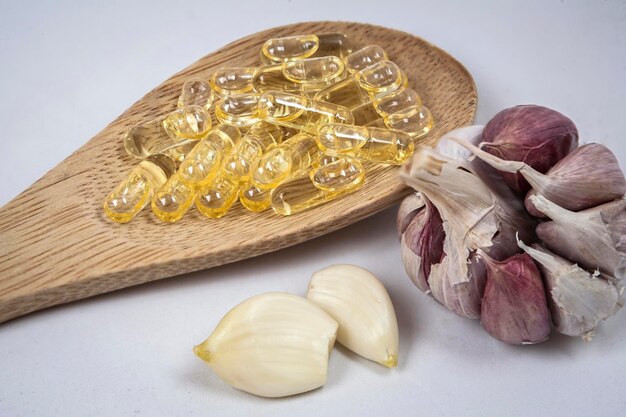
- It is available in two primary forms: Avaleha (semi-solid herbal jam) and encapsulated powder (capsules of 500 mg, typically sold in packs of 40 or 500 by SDM Ayurveda Pharmacy).
Classical References — Where Lashuna Rasayana Appears in Ancient Texts
One of the major gaps across competing resources is the absence of specific textual citations.
Here are the primary classical references:
- Bhaishajya Ratnavali — Vatavyadhi Adhikara (Chapter on Vata disorders), shloka references for Lashuna-based Rasayana preparations for neurological and musculoskeletal complaints
- Charaka Samhita — Chikitsa Sthana, Chapter 1 (Rasayana Adhyaya), where the Rasayana concept is defined and garlic is mentioned as a Vrishya (aphrodisiac) and Balya (strength-promoting) substance
- Ashtanga Hridaya — Uttara Tantra, references to garlic in the context of Vata Vyadhi management
- Kashyapa Samhita — Contains a dedicated Lashuna Kalpa (monograph on garlic therapeutics), which describes various garlic-based Rasayana formulations, their preparation, and indications
- Sushruta Samhita — Mentions garlic under Teekshna Dravyas with its Deepana (appetizing) and Pachana (digestive) properties
The Kashyapa Samhita's Lashuna Kalpa is particularly significant — it is perhaps the most exhaustive classical monograph on medicinal garlic in all of Ayurvedic literature.
Rasa Panchaka — Complete Pharmacological Profile
No competitor has covered this, and it's fundamental to understanding how the formulation works in Ayurvedic pharmacology:
| Parameter | Value | Significance |
|---|---|---|
| Rasa (Taste) | Pancharasa — all five tastes except Amla (sour); predominantly Katu (pungent) and Madhura (sweet) | Broad-spectrum tissue nourishment |
| Guna (Qualities) | Snigdha (unctuous), Teekshna (penetrating), Guru (heavy), Sara (flowing) | Deep tissue penetration, Vata pacification |
| Virya (Potency) | Ushna (hot) | Stimulates Agni, clears Ama, opposes Vata and Kapha |
| Vipaka (Post-digestive effect) | Madhura (sweet) | Nourishes Rasa and Shukra dhatus, promotes rejuvenation |
| Prabhava (Special action) | Rasayana — specific rejuvenative and neuro-regenerative action | Goes beyond what Rasa-Virya-Vipaka alone can explain |
This unique combination — Ushna Virya with Madhura Vipaka — is what makes garlic exceptionally valuable. The hot potency clears obstructions and stimulates metabolism, while the sweet post-digestive effect ensures the end products nourish tissues rather than deplete them.
Complete Ingredients & Composition of Lashuna Rasayana
Full Ingredient List with Sanskrit Names
This is one area where virtually every competitor falls short. Below is the classical composition based on traditional Ayurvedic pharmacy references:
| # | Ingredient (Sanskrit) | Botanical / English Name | Quantity (Classical Ratio) | Role in Formulation |
|---|---|---|---|---|
| 1 | Lashuna Swarasa | Garlic juice (Allium sativum) | Principal drug (1 part) | Main Rasayana agent, Vata-Kaphahara |
| 2 | Lashuna Kalka | Garlic paste | As required for processing | Enhances potency during Sneha Paka |
| 3 | Go Ghrita | Cow's ghee | 1/4 part | Anupana, tissue penetration, Pitta balance |
| 4 | Tila Taila | Sesame oil (Sesamum indicum) | 1/4 part | Vata pacification, nerve nourishment |
| 5 | Godugdha | Cow's milk | For processing | Medium for extraction, Madhura Rasa |
| 6 | Haritaki | Terminalia chebula | Supportive herb | Digestive correction, mild laxative |
| 7 | Amalaki | Indian gooseberry (Emblica officinalis) | Supportive herb | Antioxidant, vitamin C source, Tridosha balance |
| 8 | Shunthi | Dried ginger (Zingiber officinale) | Supportive herb | Bioavailability enhancer, Deepana |
| 9 | Pippali | Long pepper (Piper longum) | Supportive herb | Yogavahi (catalyst), respiratory support |
| 10 | Maricha | Black pepper (Piper nigrum) | Supportive herb | Kapha liquefaction, absorption enhancer |
| 11 | Saindhava Lavana | Rock salt | Small quantity | Channel opener (Srotoshodhaka) |
| 12 | Madhu | Honey | As Anupana or additive (added after cooling) | Yogavahi, Kapha Shamaka |
Note: The exact proportions may vary slightly between manufacturers. The SDM Ayurveda Pharmacy formulation (Shri Dharmasthala Manjunatheshwara) follows closely the classical reference from Bhaishajya Ratnavali.
Herbal Synergy and Formulation Logic
The inclusion of Trikatu (Shunthi + Pippali + Maricha) alongside garlic is not random — these three herbs act as Yogavahi agents, dramatically increasing the bioavailability of garlic's active compounds. Ghee and sesame oil serve as lipid-based media that carry fat-soluble constituents across the blood-brain barrier, which partly explains the formulation's pronounced effect on neurological conditions.
Amalaki and Haritaki from the Triphala group provide antioxidant cover and prevent the excessive Pitta aggravation that raw garlic alone might cause in some constitutions.
How Does Lashuna Rasayana Work? Mechanism of Action
Bioactive Compounds — The Modern Science
Garlic contains over 200 bioactive compounds. The most therapeutically relevant ones in the context of Rasayana activity include:
- Allicin — formed when garlic is crushed; potent antimicrobial and anti-inflammatory agent. A 2014 study published in the Asian Pacific Journal of Tropical Biomedicine confirmed allicin's significant immunomodulatory activity.
- S-allyl cysteine (SAC) — a water-soluble organosulfur compound with proven neuroprotective properties. Research published in Neurochemistry International (2010) demonstrated SAC's ability to prevent oxidative damage to neuronal cells.
- Diallyl disulfide (DADS) — anti-atherogenic properties, supports cardiovascular health by reducing LDL oxidation
- Ajoene — antithrombotic compound that inhibits platelet aggregation
The classical processing method (Sneha Paka — cooking with ghee and oil) actually enhances the stability and bioavailability of these compounds, converting volatile allicin into more stable lipid-soluble derivatives.
Action on Doshas — Vata, Pitta, and Kapha
| Dosha | Action | Mechanism |
|---|---|---|
| Vata | Strongly pacifies ↓ | Ushna Virya + Snigdha Guna + Madhura Vipaka counteract Vata's cold, dry, and light qualities |
| Kapha | Moderately pacifies ↓ | Teekshna + Ushna qualities liquefy and expel excess Kapha |
| Pitta | May mildly aggravate ↑ (managed by ghee and Amalaki in the formula) | Ushna Virya can increase Pitta; the formulation's ghee and sweet herbs counterbalance this |
- This makes Lashuna Rasayana primarily a Vata-Kapha Shamaka formulation.
- Its strongest affinity is for Vata disorders — which is why its classical indications center heavily on neurological and musculoskeletal conditions.
Modern Pharmacological Evidence
A clinical study published in the International Journal of Ayurveda and Pharma Research (IJAPR) analyzed Lashuna's Rasayana properties and confirmed its role in cellular regeneration and antioxidant defense. Analytical standardization work published in The Bioscan (peer-reviewed journal) verified the presence of key organosulfur compounds in the processed formulation, confirming that classical processing methods preserve (and in some cases concentrate) the active constituents.
A 2019 study in the Journal of Ethnopharmacology showed that aged garlic extract — chemically similar to the processed garlic in Rasayana — significantly improved cognitive function in animal models of neurodegeneration, supporting the classical claim of Medhya (intellect-enhancing) activity.
Therapeutic Benefits of Lashuna Rasayana
Neurological Conditions — The Primary Indication
This is where Lashuna Rasayana truly stands out among Rasayanas.
Classical and clinical indications include:
- Peripheral neuritis — garlic's neuroprotective compounds combined with Vata-pacifying properties make it effective for nerve inflammation
- Intervertebral Disc Prolapse (IVDP) — improves nerve conduction and reduces local inflammation
- Cervical spondylitis — addresses both the degenerative (Vata) and inflammatory components
- Diabetic neuropathy — SAC specifically protects against glycation-induced nerve damage
- Multiple sclerosis — classical references support its use; modern research on allicin's immunomodulatory action offers a plausible mechanism
- Myasthenia gravis — used as an adjuvant to strengthen neuromuscular function
- Amyotrophic Lateral Sclerosis (ALS) — referenced in classical texts as a supportive therapy, not a cure
- Facial palsy (Ardita Vata) — classical indication in Bhaishajya Ratnavali
Musculoskeletal Health
- Osteoarthritis (Sandhigata Vata) — reduces joint stiffness and improves mobility
- Lumbago and sciatica (Gridhrasi) — Vata pacification at the lumbar spine
- Rheumatoid arthritis (Amavata) — garlic's anti-inflammatory action + Ama Pachana (toxin digestion)
- Gout (Vatarakta) — classical indication
Digestive Health & Agni Enhancement
Lashuna Rasayana acts as a powerful Deepana-Pachana (appetite stimulant and digestive) formulation. It strengthens Jatharagni (digestive fire), clears Ama (metabolic toxins), and improves nutrient absorption. Patients with chronic indigestion, bloating, and sluggish metabolism often see improvement within the first 2-3 weeks.
Immune System Support
Garlic is one of Ayurveda's most potent Vyadhikshamtva Vardhaka (immunity-enhancing) substances. The allicin content provides broad-spectrum antimicrobial activity against bacteria, viruses, and fungi. The Rasayana processing further enhances this by improving tissue-level immunity (Vyadhi Bala Virodhitva) rather than just surface-level pathogen resistance.
Cardiovascular Health
Clinical evidence supports garlic's ability to reduce total cholesterol by 10-15%, lower triglycerides, and inhibit platelet aggregation. A meta-analysis published in the Journal of Clinical Lipidology (2018) involving 39 randomized controlled trials confirmed significant reductions in both total cholesterol and LDL cholesterol with garlic supplementation. The Rasayana form, with its ghee and oil base, offers sustained-release delivery.
Rejuvenation & Anti-Aging (Rasayana Effect)
The ultimate purpose. By nourishing Rasa Dhatu and subsequently all seven tissues, Lashuna Rasayana promotes Vayasthapana (age-defying) effects — improved skin texture, maintained muscle mass, sustained cognitive function, and enhanced reproductive vitality (Vajikarana).
Dosage, Administration & Complete Protocol
Recommended Dosage
| Form | Dosage | Frequency | Anupana (Vehicle) |
|---|---|---|---|
| Capsules (500 mg) | 1-2 capsules | Twice daily, before meals | Warm water or warm milk |
| Avaleha (herbal jam) | 6-12 grams (approximately 1-2 teaspoons) | Once or twice daily | Warm milk or warm water |
- Duration of course: Typically 1-3 months for chronic conditions.
- Rasayana protocols in classical texts recommend cycles — 3 months on, 1 month off — to prevent tolerance and allow tissue integration.
Best time to take: Before meals (30 minutes) for digestive benefits; after meals with milk for neurological and rejuvenative purposes.
Can Lashuna Rasayana Be Used Alongside Other Ayurvedic Treatments?
Absolutely.
In fact, it works synergistically with:
- Panchakarma therapies — particularly Basti (medicated enema) for Vata disorders. Classical texts recommend administering Rasayana after Shodhana (purification) for maximum tissue absorption
- Ksheerabala Taila — external application for neurological conditions alongside internal Lashuna Rasayana
- Ashwagandha — for enhanced neuro-muscular support
- Yoga therapy — gentle asanas like Bhujangasana and Shalabhasana for spinal conditions
How Long Does It Take to See Benefits?
Based on clinical experience and classical guidelines:
- Digestive improvement: 1-2 weeks
- Joint pain and stiffness: 3-4 weeks
- Neurological symptoms: 6-8 weeks for noticeable change; 3-6 months for significant improvement
- Rejuvenative (Rasayana) effects: 3+ months of consistent use
Don't wait or self medicate. Start chat with Doctor NOW
Classical Preparation Method (Rasayana Vidhi)
No competing resource covers this, yet it's critical for practitioners and serious students of Ayurveda.
Step-by-Step Process
- 1.Lashuna Swarasa extraction — Fresh garlic cloves are peeled, crushed, and juice is extracted
- 2.Kalka preparation — A portion of garlic is ground into fine paste
- 3.Sneha Paka (oil/ghee processing) — Ghee and sesame oil are heated in a vessel. Garlic paste (Kalka) is added, followed by garlic juice and milk as liquid media
- 4.Cooking according to Sneha Paka Siddhi Lakshana — The mixture is cooked on medium flame until classical signs of completion appear: the paste rolls into a wick without sticking (Varti Siddhi), no crackling sound when a drop of water is added, and the characteristic aroma of cooked garlic
- 5.Addition of Churna (herbal powders) — After removing from heat and cooling slightly, powders of Trikatu, Haritaki, and Amalaki are mixed in
- 6.Addition of Madhu (honey) — Added only after the mixture cools below 40°C to preserve honey's enzymatic properties
- 7.Storage — Stored in glass or earthenware containers, away from direct sunlight
This process can take 4-6 hours depending on the batch size. The prolonged cooking in fat media converts volatile, unstable allicin into stable, fat-soluble organosulfur compounds — essentially creating a more potent and longer-lasting therapeutic preparation than raw garlic.
Dietary Guidelines During the Course (Pathya-Apathya)
This is another significant gap across competitor content. Classical texts emphasize strict dietary discipline during Rasayana therapy.
Pathya (Favorable / Recommended)
- Freshly cooked warm food
- Basmati rice, moong dal, seasonal vegetables
- Warm milk (especially at night)
- Ghee in moderate quantities
- Ginger tea and cumin water
- Light, easily digestible meals
Apathya (Unfavorable / To Avoid)
- Cold, stale, or refrigerated food
- Excessive sour and fermented items (pickles, vinegar, yogurt in excess)
- Heavy, fried, and processed food
- Alcohol and smoking
- Excessive physical exertion and late nights
- Incompatible food combinations (Viruddha Ahara) — especially fish with milk
Side Effects, Contraindications & Drug Interactions
Are There Any Side Effects of Lashuna Rasayana?
When taken in prescribed dosage, side effects are uncommon.
However, possible effects include:
- Mild gastric irritation or heartburn (especially in Pitta-dominant individuals)
- Garlic odor in breath and sweat
- Bloating in the initial days (usually self-resolving)
- Loose stools if taken in excess
Contraindications
- Pregnancy and lactation — Ushna Virya may be contraindicated; avoid without medical supervision
- Active bleeding disorders — garlic's anti-platelet activity may worsen bleeding
- Pre-surgical patients — discontinue at least 2 weeks before surgery
- Pitta Prakruti with active Pitta aggravation — ulcers, acid reflux, bleeding conditions
- Children under 5 years — not traditionally recommended; children aged 5-12 may take half the adult dose under practitioner guidance
- Elderly patients — can safely use standard doses; in fact, it is particularly beneficial for age-related Vata conditions
Drug Interactions — Critical Information
| Medication Type | Interaction Risk | Recommendation |
|---|---|---|
| Anticoagulants (Warfarin, Heparin) | HIGH — additive anti-platelet effect | Avoid concurrent use or monitor INR closely |
| Antihypertensives | MODERATE — may potentiate hypotensive effect | Monitor blood pressure; dose adjustment may be needed |
| Hypoglycemic drugs (Metformin, Insulin) | MODERATE — garlic may lower blood sugar | Monitor blood glucose levels |
| HIV protease inhibitors (Saquinavir) | HIGH — garlic significantly reduces drug levels | Avoid concurrent use |
| CYP3A4 substrates | MODERATE — garlic may alter drug metabolism | Consult pharmacist |
This interaction profile is routinely overlooked in Ayurvedic product literature, and it's a serious oversight.
Lashuna Rasayana vs Other Popular Rasayanas — A Comparison
| Parameter | Lashuna Rasayana | Chyawanprash | Brahma Rasayana | Amalaki Rasayana |
|---|---|---|---|---|
| Primary Herb | Garlic (Allium sativum) | Amla (Emblica officinalis) | Amla + Haritaki | Amla |
| Primary Dosha Action | Vata-Kapha Shamaka | Tridosha Shamaka | Tridosha Shamaka | Pitta-Vata Shamaka |
| Best For | Neurological & musculoskeletal disorders | General immunity, respiratory health | Mental clarity, cognitive function | Antioxidant, anti-aging, Pitta conditions |
| Virya | Ushna (Hot) | Sheeta (Cold) | Sheeta (Cold) | Sheeta (Cold) |
| Unique Strength | Strongest Vata pacifier among Rasayanas | Broadest general tonic | Medhya (intellect) Rasayana | Highest antioxidant content |
| Pitta Suitability | Moderate (needs caution) | Excellent | Excellent | Excellent |
| Classical Reference | Bhaishajya Ratnavali, Kashyapa Samhita | Charaka Samhita | Charaka Samhita | Charaka Samhita |
This comparison makes it clear: if your primary concern is Vata-type neurological or joint disorders, Lashuna Rasayana is the most targeted choice. For general immunity and respiratory health, Chyawanprash remains the broader option.
Differences Between Manufacturers
| Manufacturer | Form | Pack Sizes | Notes |
|---|---|---|---|
| SDM Ayurveda Pharmacy | Capsules (500 mg) | 40 caps, 500 caps | Most widely available; follows Bhaishajya Ratnavali reference closely |
| Kottakkal Arya Vaidya Sala | Avaleha (jam) | 200g, 500g | Traditional Avaleha form; Kerala tradition |
| Nagarjuna Ayurveda | Soft gel capsules / Avaleha | Various | South Indian formulation tradition |
SDM (Shri Dharmasthala Manjunatheshwara Ayurveda Pharmacy) is the most commonly referenced manufacturer in the market. Their capsule form is convenient for daily use and travellers, though traditional practitioners often prefer the Avaleha form for its superior bioavailability since the fat-based medium is fully intact.
Storage Conditions and Shelf Life
- Avaleha form: Store in a cool, dry place in glass or food-grade plastic containers. Shelf life is typically 2-3 years from the date of manufacture when properly stored away from moisture and direct sunlight.
- Capsule form: Store below 30°C in original packaging. Shelf life is usually 3 years.
- From an Ayurvedic perspective, Avaleha preparations generally improve in potency during the first year of storage (Purana Avaleha principle), provided storage conditions are maintained.
Frequently Asked Questions (FAQ)
What are the benefits of Lasuna Rasayana?
Lashuna Rasayana offers a wide range of benefits including: strengthening the nervous system, improving joint mobility, boosting digestive fire (Agni), enhancing immunity, supporting cardiovascular health, promoting detoxification, and providing Rasayana (rejuvenative) effects that slow aging and nourish all body tissues. It is especially effective for Vata-dominant disorders.
What is Lashuna Rasayana SDM?
Lashuna Rasayana SDM refers to the formulation manufactured by Shri Dharmasthala Manjunatheshwara (SDM) Ayurveda Pharmacy, based in Udupi, Karnataka, India. It comes in 500 mg capsule form and is one of the most widely available commercial preparations of this classical formula.
Where can I purchase authentic Lashuna Rasayana?
Authentic Lashuna Rasayana can be purchased from authorized Ayurvedic pharmacies, directly from SDM Ayurveda Pharmacy's website (sdmayupharmacy.com), and from verified sellers on Amazon India. Platforms like AyurCentral and eAyur also stock genuine products. Always check for manufacturing license number, batch number, and expiry date.
Can I take Lashuna Rasayana with allopathic medicines?
While generally safe, garlic-based formulations can interact with anticoagulants, blood pressure medications, and diabetes drugs. Always inform both your Ayurvedic practitioner and allopathic doctor about concurrent medications. A gap of at least 2 hours between Ayurvedic and allopathic medicines is generally recommended.
Is Lashuna Rasayana suitable for vegetarians?
Yes. Despite containing ghee (clarified butter) and honey, which are lacto-vegetarian ingredients, the formulation contains no meat, fish, or egg derivatives. It is suitable for lacto-vegetarians. However, it is not vegan due to the ghee, milk, and honey content.
What is the difference between Lashuna Rasayana tablet and capsule forms?
Functionally, both deliver the same active ingredients. Capsules contain powdered Rasayana in a gelatin or vegetable-based shell, while tablets are compressed powder. Capsules dissolve faster and may offer slightly better absorption. The Avaleha (jam) form, however, is considered the most traditionally authentic and therapeutically potent.
Conclusion — Is Lashuna Rasayana Right for You?
- Lashuna Rasayana occupies a unique niche in Ayurvedic therapeutics.
- It is not a general-purpose health supplement — it's a targeted Rasayana with its strongest applications in Vata-dominant neurological, musculoskeletal, and degenerative conditions. Its classical pedigree, backed by emerging modern pharmacological evidence, makes it one of the most scientifically defensible Rasayana formulations available.
- If you're dealing with chronic nerve-related pain, joint degeneration, persistent digestive weakness, or simply seeking a potent Vata-balancing rejuvenative, Lashuna Rasayana deserves serious consideration.
- But — and this matters — always work with a qualified Ayurvedic practitioner who can assess your Prakruti, Vikruti, and current medication profile before starting any Rasayana protocol.
Consult a certified Ayurvedic doctor to determine the right dosage, form, and duration of Lashuna Rasayana therapy for your specific condition.
Scientific Sources
- Ulcerative colitis: molecular insights and intervention therapy — Liang Y et al., 2024, Molecular biomedicine
- Turmeric and Curcumin: From Traditional to Modern Medicine — Akaberi M et al., 2021, Advances in experimental medicine and biology
- Curcumin (Turmeric) and cancer — Unlu A et al., 2016, Journal of B.U.ON. : official journal of the Balkan Union of Oncology
- The Essential Medicinal Chemistry of Curcumin — Nelson KM et al., 2017, Journal of medicinal chemistry
- Neuroprotective Herbs for the Management of Alzheimer's Disease — Gregory J et al., 2021, Biomolecules
- Chinese herbal medicine-derived extracellular vesicles as novel biotherapeutic tools: present and future — Zhang J et al., 2024, Journal of translational medicine
- Efficacy of herbal medicine (cinnamon/fennel/ginger) for primary dysmenorrhea: a systematic review and meta-analysis of randomized controlled trials — Xu Y et al., 2020, The Journal of international medical research
- A critical review of Ginger's (Zingiber officinale) antioxidant, anti-inflammatory, and immunomodulatory activities — Ayustaningwarno F et al., 2024, Frontiers in nutrition
- Ayurvedic Herbal Medicines: A Literature Review of Their Applications in Female Reproductive Health — Patibandla S et al., 2024, Cureus
- Zingiber officinale var. rubrum: Red Ginger's Medicinal Uses — Zhang S et al., 2022, Molecules (Basel, Switzerland)
- A Canadian Consensus on Androgenetic Alopecia: Approach and Management — Landells I et al., 2025, Journal of cutaneous medicine and surgery
- Traditional uses, bioactive composition, pharmacology, and toxicology of Phyllanthus emblica fruits: A comprehensive review — Saini R et al., 2022, Journal of ethnopharmacology
- Herbal Remedies for Hair Loss: A Review of Efficacy and Safety — Ahmed A et al., 2025, Skin appendage disorders
- Therapeutic potential of Phyllanthus emblica (amla): the ayurvedic wonder — Krishnaveni M et al., 2010, Journal of basic and clinical physiology and pharmacology
- Phytotherapy in periodontics as an effective and sustainable supplemental treatment: a narrative review — Gawish AS et al., 2024, Journal of periodontal & implant science
Questions from users
What are the key ingredients in Lashuna Rasayana and their benefits?
Rory
6 days ago
Lashuna Rasayana primarily contains garlic as its key ingredient, known for its significant cardiovascular benefits such as reducing total cholesterol and LDL cholesterol, as supported by numerous studies. The active compound allicin, formed when garlic is crushed, acts as a potent antimicrobial and anti-inflammatory agent. While Lashuna Rasayana often comes in a capsule form that includes a base of ghee and honey for better absorption, it remains suitable for lacto-vegetarians. If you experience any side effects or have existing health conditions, it's advisable to consult with a healthcare professional before starting supplementation.
Can I use Lashuna Rasayana to support my cardiovascular health?
Vanessa
16 days ago
Yes, Lashuna Rasayana can be beneficial for cardiovascular health — it's known for improving circulation and reducing cholesterol levels. It's wise to consult an Ayurvedic practitioner to ensure it suits your dosha. And don't forget to keep your regular doctor updated about any Ayurvedic supplements you're taking!
Can I use Lashuna Rasayana during a detox diet for better results?
Grace
34 days ago
Yes, you can use Lashuna Rasayana during a detox diet! It's great for boosting immunity and digestion, which can actually support detox efforts. Just make sure it aligns with your dosha type and overall health. If you're unsure, maybe consult an Ayurvedic practitioner to be extra safe. Keep an eye on how it makes you feel, take it easy!
Is it safe to combine Lashuna Rasayana with other herbal supplements?
Elijah
43 days ago
Combining Lashuna Rasayana with other herbal supplements can be safe, but it's good to be cautious. Different herbs can interact with each other, affecting how they work. It's wise to consider your dosha balance and consult with an Ayurvedic practitioner for personalized advice. They can help ensure the herbs complement your specific needs without causing imbalances.
Is Lashuna Rasayana effective for reducing inflammation in the body?
Wade
52 days ago
Yes, Lashuna Rasayana can be effective for reducing inflammation due to its anti-inflammatory properties. Garlic, or lashuna, is known for these effects. It also helps with boosting digestion and detoxification, which can indirectly support inflammation reduction. If you're thinking about trying it, consider your unique body constitution, as balance is key in Ayurveda.
Can I use Lashuna Rasayana for allergy relief and how does it help?
Elijah
62 days ago
Yep, you can use Lashuna Rasayana for allergy relief! It's great because its anti-inflammatory effects might help reduce allergic reactions, and boosting immunity is a plus. But remember, Ayurveda’s personalized. It's best to check with an Ayurvedic practitioner so it's tailored to your unique situation. Take care! 😊
What causes the antimicrobial effects of garlic in Lashuna Rasayana?
Sandra
71 days ago
The magic behind garlic's antimicrobial power in Lashuna Rasayana is mainly due to a compound called allicin. Allicin is created when garlic is crushed or chopped, and it fights microbes effectively. It also works well with other herbs in the formulation to boost your health. Hope that helps! 🌿
What is Lashuna and how is it used in Ayurvedic medicine?
Aaliyah
81 days ago
Lashuna is actually garlic in Ayurveda! It's been used for centuries as a potent medicinal herb. It's mainly used to fight infections, boost your metabolism, and support the immune system. You'd typically find it recommended for balancing Vata and Kapha doshas. If you have any specific health concerns, it's a good idea to consult an Ayurvedic practitioner.
What is the traditional use of Lashuna Rasayana in Ayurvedic medicine?
Riley
91 days ago
Lashuna Rasayana, or garlic, is used in Ayurveda mainly to fight infections, boost the immune system, and enhance metabolism. It balances the body's internal systems and detoxifies, promoting strength and mental clarity. Its roots in Ayurveda show it's valued for improving digestion and vitality, focusing on rejuvenation and longevity.
Is it safe to use Lashuna Rasayana while pregnant or breastfeeding?
Sofia
100 days ago
Lashuna Rasayana isn't typically recommended during pregnancy and breastfeeding, just to be cautious, as garlic (lashuna) can have strong effects on digestion and circulation. It's best to chat with an Ayurvedic expert who can consider your specific situation and dosha balance. Tailoring any herbs or routines to individual needs is key!
Related articles

Gastrointestinal Disorders
Amritprash Ghrita: An Ayurvedic Elixir for Modern Wellness
Discover amritprash ghrita—a traditional Ayurvedic ghee-based remedy. Learn its benefits, scientific research, usage guidelines, and safety considerations.
3,061

Gastrointestinal Disorders
Annadrava Shoola – Ayurvedic Approach to Managing Deep-Seated Pain
Discover targeted Ayurvedic therapies for managing chronic pain and restoring balance with annadrava shoola solutions.
2,335
Gastrointestinal Disorders
Hutabhugadi Churnam: Powerful Ayurvedic Powder for Optimal Health
Learn about the benefits, proper dosage, uses, and scientific evidence behind Hutabhugadi Churnam, a powerful Ayurvedic herbal powder for holistic health.
2,367

Gastrointestinal Disorders
How to Make Saunf Water: Simple Ayurvedic Recipe and Uses
How to make saunf water at home? Learn the recipe, how to prepare jeera and saunf water, and use it for weight loss, digestion, and Ayurvedic detox routines
8,443

Gastrointestinal Disorders
Ayurveda for Gas – 5 effective Natural Remedies to Relieve Gas & Bloating
Discover natural remedies and holistic practices with Ayurveda for gas. Learn how Ayurvedic techniques can balance digestion, relieve bloating, and promote overall digestive wellness.
4,848
Gastrointestinal Disorders
Mayur Piccha Bhasma – Rare Ayurvedic Calcined Formulation for Detoxification & Rejuvenation
Discover Mayur Piccha Bhasma, an ancient Ayurvedic preparation crafted from purified peacock piccha. Learn how this unique bhasma supports detoxification, balances doshas, and promotes holistic vitality.
2,786

Gastrointestinal Disorders
Sama Pitta Lakshana – Symptoms, Causes & Treatment in Ayurveda
Learn about Sama Pitta Lakshana, the symptoms, causes, and treatment for Pitta imbalances in Ayurveda, and how to restore harmony to your body and mind.
4,134
Gastrointestinal Disorders
Ritu Haritaki – Ayurvedic Remedy for Digestive Health and Detoxification
Explore the benefits and uses of Ritu Haritaki, a seasonal Ayurvedic herb known for promoting digestive health, detoxification, and overall wellness.
3,484

Gastrointestinal Disorders
How to Cool Stomach Heat Instantly: Natural Ayurvedic Solutions
How to cool stomach heat instantly? Discover Ayurvedic ways to stop burning sensation in stomach, cool down heat fast, and keep your stomach cool naturally
4,836
Gastrointestinal Disorders
Yavakshar Uses: Benefits, Dosage & Science-Backed Insights
Explore the benefits, proper dosage, uses, and scientific research behind Yavakshar, a potent Ayurvedic formulation for holistic health and wellness.
5,791
Related consultations on the topic
Legal
Additional Documents
© 2024 Ask Ayurveda. All rights reserved.