Ask Ayurvedic doctor a question and get a consultation online on the problem of your concern in a free or paid mode. More than 2,000 experienced doctors work and wait for your questions on our site and help users to solve their health problems every day.
FREE! Ask Ayurvedic Doctors 24/7

 Fast responses
 1000+ verified doctors
Body DetoxEar, Nose, and Throat DisordersGeriatrics & RejuvenationImmunodeficiencyInfertility TreatmentNutritionOrthopedic DisordersPediatricsRespiratory DisordersSexually Transmitted Diseases (STDs)Surgery RecoveryUrological DisordersVascular DisordersDental DisordersEndocrinological DisordersGastrointestinal DisordersYoga TherapyGeneral MedicineAllergic DisordersCardio DisordersGynecology and ObstetricsCosmetologySkin and Hair DisordersEye DisordersInfectious DiseasesMental DisordersNeurological DisordersOncologyPanchakarmaSexual Health & DisordersSports Medicine
Published on 03/07/25
(Updated on 06/19/26)
2,343
Ampucare Lotion – Nourishing & Revitalizing Skincare for Healthy, Radiant Skin
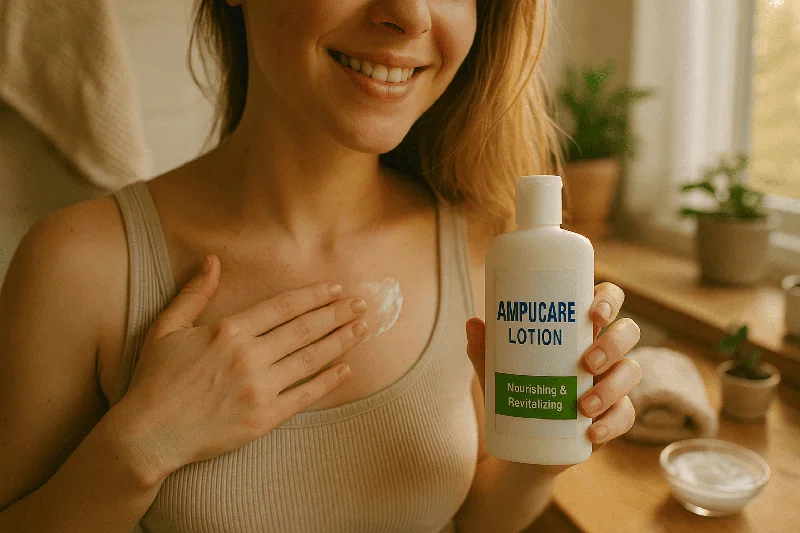
Ampucare Lotion is a polyherbal wound-healing formulation manufactured by Venus Remedies Ltd. that combines Neem (Azadirachta Indica), Turmeric (Curcuma Longa), and Pointed Gourd (Trichosanthes Dioica) to accelerate healing in chronic non-healing wounds, diabetic foot ulcers, surgical wounds, and skin lacerations. Unlike conventional antiseptic lotions, Ampucare works through a multi-pathway herbal mechanism — delivering antibacterial, anti-inflammatory, and tissue-regeneration benefits in a single 50 ml topical application. If you've been searching for a reliable answer to "What is Ampucare used for?" or "What are the side effects of Ampucare?", this is the most comprehensive guide you'll find anywhere online.
What Is Ampucare Lotion?
- Ampucare Lotion is a topical herbal preparation specifically formulated for wounds that refuse to heal through normal biological processes.
- It's not a general skincare lotion — let's be clear about that. This product is designed for clinical and home-care management of chronic wounds, particularly in patients whose immune response is compromised due to diabetes, malnutrition, prolonged steroid therapy, or other immunosuppressive conditions.
Product Overview
| Parameter | Details |
|---|---|
| Product Name | Ampucare Lotion |
| Category | Herbal Wound Healing Lotion |
| Volume | 50 ml |
| Form | Topical lotion for external use only |
| Key Ingredients | Azadirachta Indica, Curcuma Longa, Trichosanthes Dioica |
| Primary Use | Chronic non-healing wounds, diabetic foot ulcers, surgical wounds |
| Country of Origin | India |
| Prescription Required | No (OTC herbal product) |
Manufacturer — Venus Remedies Ltd.
Ampucare Lotion is manufactured by Venus Remedies Limited, a pharmaceutical company headquartered in Chandigarh, India. The company's registered address is SCO 857, Cabin No. 10, 2nd Floor, NAC, Manimajra, Chandigarh (U.T.), 160101, India. Venus Remedies has been active in the pharmaceutical sector for over two decades and holds expertise in developing both conventional and herbal therapeutic formulations.
The company operates GMP-certified manufacturing facilities and has a research wing that has published multiple studies on wound management and antimicrobial resistance. This background is important because it lends credibility to the Ampucare formulation — it's not just another herbal product thrown together without scientific backing.
Key Ingredients & How They Work
Understanding the composition of Ampucare Lotion is critical if you want to know why it works. Each ingredient plays a distinct pharmacological role and the combination creates a synergistic effect that individual components cannot achieve alone.
Azadirachta Indica (Neem) — Antibacterial & Antiseptic Properties
- Neem has been used in Ayurvedic medicine for over 4,000 years, and modern science has thoroughly validated its therapeutic potential.
- The key bioactive compounds in Neem — nimbin, nimbidin, and azadirachtin — exhibit powerful antibacterial activity against both gram-positive and gram-negative bacteria.
A 2017 study published in the Asian Pacific Journal of Tropical Biomedicine demonstrated that Neem leaf extracts showed significant antibacterial activity against Staphylococcus aureus and Pseudomonas aeruginosa — two bacteria most commonly responsible for wound infections. In chronic wounds, bacterial colonization is often the primary reason healing stalls. Neem addresses this root cause directly.
Beyond its antibacterial action, Neem also provides:
- Antifungal activity against Candida species
- Free radical scavenging (antioxidant protection for wound tissue)
- Modulation of inflammatory cytokines at the wound site
Curcuma Longa (Turmeric) — Anti-inflammatory & Healing Action
Curcumin, the primary active compound in turmeric, is arguably one of the most studied natural anti-inflammatory agents in the world. Over 12,000 peer-reviewed articles have been published on curcumin's therapeutic properties as of 2024.
In wound healing specifically, curcumin performs multiple functions:
- 1.Reduces chronic inflammation — In non-healing wounds, the inflammatory phase gets "stuck." Curcumin downregulates NF-κB and COX-2 pathways, helping the wound transition from the inflammatory phase to the proliferative phase.
- 2.Enhances collagen deposition — A 2014 study in Molecular and Cellular Biochemistry showed that topical curcumin increased collagen synthesis and accelerated wound contraction in diabetic rats by approximately 40% compared to controls.
- 3.Promotes angiogenesis — New blood vessel formation is essential for delivering oxygen and nutrients to healing tissue. Curcumin stimulates VEGF (Vascular Endothelial Growth Factor) expression in wound beds.
Trichosanthes Dioica (Pointed Gourd) — Tissue Regeneration Support
This is where Ampucare's formulation gets particularly interesting. Trichosanthes Dioica, commonly known as Pointed Gourd or "Parwal" in Hindi, is not a well-known wound healing agent in mainstream medicine. However, Ayurvedic texts have referenced its use in vrana shodhana (wound cleansing) and vrana ropana (wound healing) for centuries.
Modern pharmacological studies have identified several relevant properties:
- Wound granulation support — Pointed Gourd extracts promote fibroblast proliferation, which is essential for granulation tissue formation
- Hypoglycemic effect — A 2010 study in the Journal of Ethnopharmacology demonstrated significant blood sugar-lowering activity, which is particularly relevant for diabetic wound patients
- Nutritive value — Rich in vitamins A and C, both of which are critical cofactors in collagen synthesis
How Does Ampucare Lotion Work? (Mechanism of Action)
This is a section no competitor has adequately covered, and it's arguably the most important question patients ask: How does Ampucare work?
The mechanism operates through four simultaneous pathways:
1. Wound Bed Preparation (Antibacterial Cleansing)
- When applied to a wound, Neem's bioactive compounds create a hostile environment for bacteria. Nimbidin disrupts bacterial cell membranes, while azadirachtin interferes with microbial protein synthesis.
- This effectively reduces the bacterial bioburden — a critical first step in wound healing.
2. Inflammatory Modulation
- Chronic wounds are trapped in a perpetual inflammatory state. Curcumin from turmeric inhibits pro-inflammatory cytokines (TNF-α, IL-1β, IL-6) while promoting anti-inflammatory mediators (IL-10).
- This doesn't suppress inflammation entirely — it modulates it, allowing the wound to progress naturally through healing phases.
3. Granulation & Tissue Proliferation
Once inflammation is controlled, Trichosanthes Dioica and Curcumin synergistically promote fibroblast migration and proliferation. New granulation tissue forms across the wound bed, rich in new collagen fibers and blood vessels.
4. Re-epithelialization & Wound Closure
The final phase involves keratinocyte migration across the granulation tissue. The antioxidant properties of all three ingredients protect newly formed tissue from oxidative damage, supporting complete wound closure and minimizing scar formation.
This four-phase mechanism is what makes Ampucare particularly effective for wounds that have failed to respond to conventional antiseptic treatments alone.
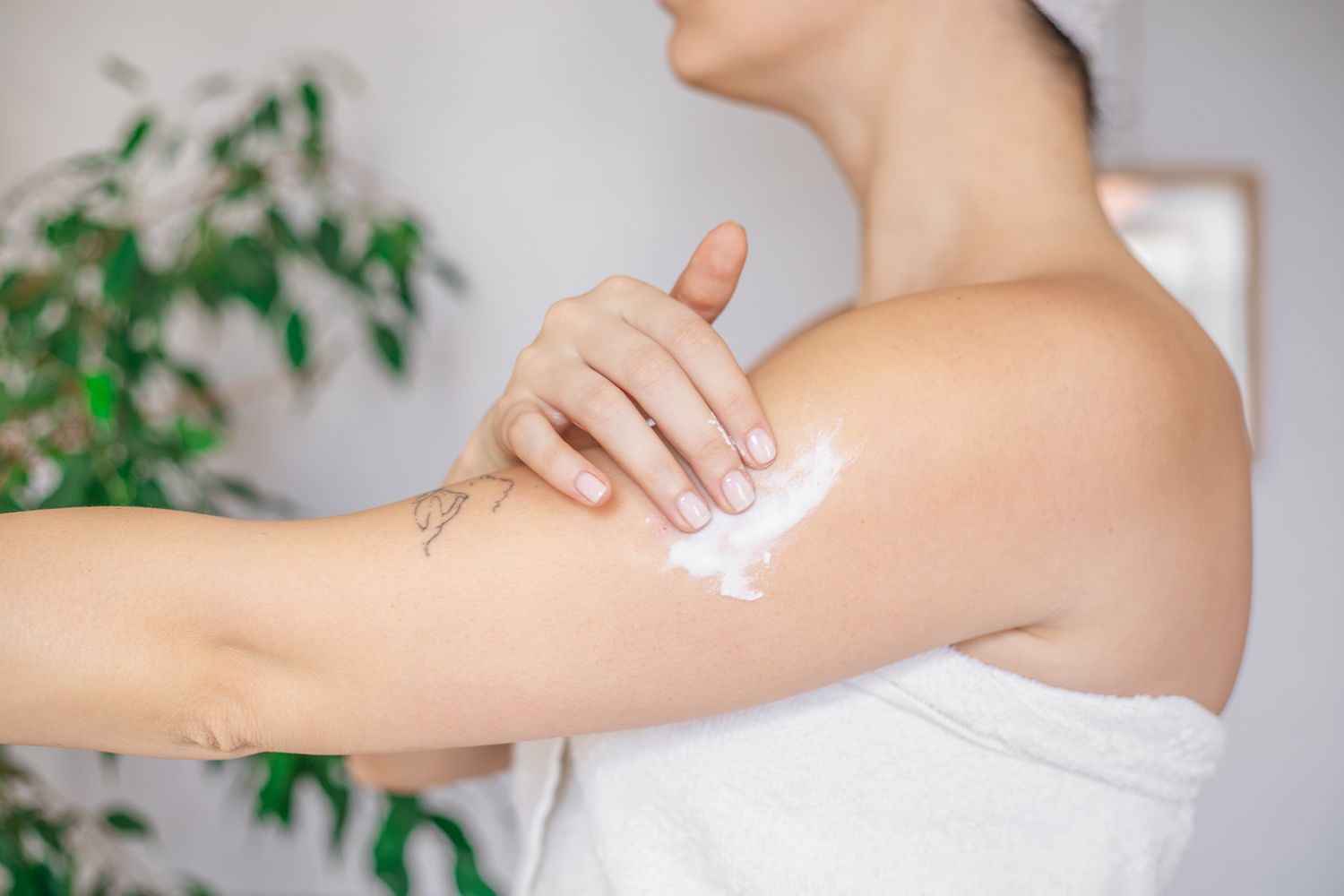
Uses of Ampucare Lotion
Chronic Non-Healing Wounds
This is Ampucare's primary indication. A wound is classified as "chronic" when it fails to progress through normal healing stages within 4-6 weeks. Common causes include poor blood supply, repeated trauma, infection, and systemic factors like diabetes or malnutrition. Ampucare addresses multiple barriers to healing simultaneously, making it particularly useful for these stubborn wounds.
Diabetic Foot Ulcers & Amputation Prevention
Diabetic foot ulcers affect approximately 15-25% of diabetic patients during their lifetime, according to data from the International Diabetes Federation. In India, where the diabetic population exceeds 100 million, this represents an enormous clinical burden. Untreated diabetic foot ulcers are the leading cause of non-traumatic lower limb amputations.
Ampucare Lotion is specifically formulated to address the unique challenges of diabetic wounds:
- Impaired immune response → Neem provides external antimicrobial protection
- Chronic inflammation → Curcumin modulates inflammatory response
- Poor tissue regeneration → Trichosanthes Dioica supports fibroblast activity
- Hyperglycemia at wound site → Pointed Gourd's hypoglycemic properties help locally
By promoting healing in diabetic foot wounds, Ampucare plays a potential role in preventing amputation — a claim supported by its manufacturer and Ayurvedic clinical experience.
Lacerations & Stab Wounds
Deep cuts and stab wounds that penetrate beyond the epidermis often require additional healing support. After initial medical treatment (suturing if necessary), Ampucare Lotion can be applied to promote faster tissue regeneration and reduce infection risk.
Surgical Wounds
Post-operative wound care is critical, especially for patients with compromised healing capacity. Ampucare can be used as an adjunct to standard surgical wound care protocols.
Skin Cuts & Abrasions
For minor surface wounds — everyday cuts, scrapes, and abrasions — Ampucare provides a natural antiseptic and healing-promoting alternative to chemical-based antiseptics.
Dental Caries & Oral Cavities
An often-overlooked application. The antibacterial properties of Neem have long been used in dental care (the traditional "neem stick" for tooth cleaning is a well-known practice across South Asia). Ampucare may be applied topically to oral wounds and cavities under dental supervision.
Benefits of Ampucare Lotion
For Immunocompromised Patients
Patients with weakened immune systems — whether due to HIV/AIDS, chemotherapy, organ transplant medications, or chronic illness — face significantly higher risk of wound complications. Their bodies simply cannot mount an adequate healing response. Ampucare provides external biological support through its herbal antimicrobial and healing-promoting properties, essentially compensating for what the immune system cannot do on its own.
For Malnourished Patients & Those on Steroid Therapy
- Long-term corticosteroid use suppresses wound healing by inhibiting inflammatory responses and collagen synthesis. Malnourished patients lack the essential vitamins and proteins needed for tissue repair.
- Ampucare's ingredient profile — rich in vitamins A and C from Trichosanthes Dioica, plus curcumin's collagen-boosting effects — helps bridge these nutritional and pharmacological gaps.
Natural, Herbal Formulation with Minimal Chemical Exposure
For patients who prefer avoiding synthetic chemicals or who have sensitivities to conventional wound care products (iodine-based solutions, silver compounds), Ampucare offers a plant-based alternative with a long history of traditional use.
Don't wait or self medicate. Start chat with Doctor NOW
How to Use Ampucare Lotion (Directions for Use)
Proper application technique significantly impacts outcomes.
Here's what you need to know:
For Minor Wounds
- Clean the wound gently with sterile water or saline solution
- Pat the area dry with a clean, soft cloth
- Apply a thin, uniform layer of Ampucare Lotion over the wound surface
- Leave uncovered or apply a light breathable bandage
- Repeat 2-3 times daily until the wound heals
For Major / Deep Wounds
- Ensure the wound has been properly assessed by a healthcare professional
- Clean the wound as directed by your doctor
- Apply Ampucare Lotion in a thin, even layer across the entire wound bed
- Cover with an appropriate sterile dressing
- Change the dressing and reapply Ampucare Lotion 2-3 times daily
- Monitor the wound for signs of improvement (reduced discharge, formation of pink granulation tissue)
Application Tips
- Never apply thick globs of lotion. A thin uniform layer ensures proper absorption
- Always wash your hands thoroughly before application
- For wound cavities or deep pockets, apply lotion to the wound edges and accessible surfaces
- If using alongside other medications, apply Ampucare first and allow it to absorb for 10-15 minutes before applying other products (unless your doctor advises otherwise)
Side Effects & Precautions
This is a critical section that, surprisingly, no competitor has adequately addressed — despite several promising it in their page titles.
Possible Side Effects
Ampucare Lotion is generally well-tolerated due to its herbal composition. However, like any topical product, some individuals may experience:
- Mild burning or stinging upon initial application, especially on open wounds (usually subsides within 2-3 minutes)
- Local skin irritation or redness in individuals with hypersensitivity to any ingredient
- Allergic contact dermatitis — rare, but possible in patients with known Neem or Turmeric allergy
- Temporary yellow staining of skin or dressings due to curcumin content
If any severe reaction occurs — significant swelling, spreading rash, difficulty breathing — discontinue use immediately and seek medical attention.
Contraindications
Ampucare Lotion should not be used in the following situations:
- Known allergy to Neem, Turmeric, or Trichosanthes Dioica
- On wounds with active, uncontrolled bleeding (apply only after hemostasis is achieved)
- On burns unless specifically recommended by a healthcare provider
- In or around the eyes, nostrils, or other sensitive mucous membranes
- Pregnancy and lactation — Insufficient safety data available. Consult a doctor before use
Drug Interactions
While no major drug interactions have been reported for topical Ampucare Lotion, consider the following:
- Topical antibiotics — Can generally be used alongside Ampucare, but apply them at different times to avoid dilution
- Anticoagulant therapy — Curcumin has mild anticoagulant properties. In patients on blood thinners (Warfarin, Heparin), monitor wound bleeding closely
- Immunosuppressant medications — No known interaction, but inform your doctor about all topical products you're using
- Other herbal wound products — Avoid layering multiple herbal formulations simultaneously without medical guidance
Safety Information & Storage
| Parameter | Guideline |
|---|---|
| Use Type | External use only |
| Eye Contact | Avoid. If accidental contact occurs, rinse thoroughly with clean water |
| Storage Temperature | Store below 25°C in a cool, dry place |
| Light Exposure | Keep away from direct sunlight (curcumin degrades under UV exposure) |
| After Opening | Use within 6 months of opening for optimal potency |
| Keep Out of Reach | Children should use only under adult supervision |
| Shelf Life | Typically 24 months from manufacture date (check packaging for exact expiry) |
Ampucare Lotion vs. Other Wound Healing Products
One question patients frequently ask is how Ampucare compares to other wound care products available in India.
Here's an honest, side-by-side comparison:
| Feature | Ampucare Lotion | Betadine (Povidone-Iodine) | Soframycin Cream | SilverEx Cream |
|---|---|---|---|---|
| Type | Herbal lotion | Chemical antiseptic | Antibiotic cream | Silver-based antimicrobial |
| Active Agents | Neem, Turmeric, Pointed Gourd | Povidone-Iodine 5% | Framycetin Sulphate | Silver Sulfadiazine 1% |
| Antibacterial | Yes (herbal) | Yes (broad spectrum) | Yes (antibiotic) | Yes (broad spectrum) |
| Anti-inflammatory | Yes (curcumin) | No | No | Mild |
| Tissue Regeneration | Yes | No (may delay healing at high concentrations) | No | Mild |
| Risk of Resistance | Very low | Low | Moderate (antibiotic resistance) | Low |
| Suitable for Chronic Wounds | Yes (primary indication) | Limited | Limited | Yes |
| Side Effects | Minimal | Thyroid concerns with prolonged use, staining | Allergic reactions, nephrotoxicity (rare) | Argyria (rare), leukopenia |
| Chemical-Free | Yes | No | No | No |
| Approximate Price | ₹150-250 / 50 ml | ₹70-120 / 50 ml | ₹80-100 / 30 g | ₹120-180 / 50 g |
Key Takeaway: Ampucare Lotion occupies a unique niche as a wound-healing product that doesn't just prevent infection (like Betadine) or treat bacterial infection (like Soframycin), but actively promotes tissue regeneration and modulates inflammation. For chronic non-healing wounds, this multi-action approach offers advantages that single-mechanism products simply cannot match.
That said, Ampucare is not a replacement for antibiotics in cases of severe wound infection. It works best as a primary treatment for chronic wounds or as an adjunct therapy alongside conventional treatments.
Price, Pack Size & Availability
| Detail | Information |
|---|---|
| Pack Size | 50 ml |
| MRP | ₹150 – ₹250 (varies by retailer) |
| Available At | Leading online pharmacies (1mg, PharmEasy, Netmeds), select offline medical stores |
| Prescription | Not required (OTC product) |
> Note: Prices may vary slightly depending on the platform and ongoing discounts. Always verify the MRP printed on the packaging and check the expiry date before purchase.
Also Commonly Bought With
Patients purchasing Ampucare Lotion often also buy:
- Ampucare Ointment — A thicker, ointment-based formulation for deeper wounds
- Sterile wound dressings and gauze pads
- Sterile saline solution for wound cleansing
- Diabetic foot care kits
Frequently Asked Questions (FAQ)
Can Ampucare Lotion be used on open wounds?
Yes, Ampucare Lotion is specifically designed for application on open wounds including cuts, ulcers, and surgical wounds. Clean the wound first, then apply a thin layer. For deep open wounds, always consult a healthcare provider before self-treatment.
What is the difference between Ampucare Lotion and Ampucare Ointment?
Ampucare Lotion has a thinner, liquid consistency ideal for surface-level wounds, abrasions, and wounds that need to breathe. Ampucare Ointment is thicker and provides a more occlusive barrier, making it better suited for deeper wounds that require prolonged moisture retention.
Can Ampucare Lotion be used during pregnancy?
There is insufficient clinical safety data regarding the use of Ampucare Lotion during pregnancy or breastfeeding. While its herbal ingredients are generally considered safe for topical use, it is always best to consult your obstetrician or Ayurvedic practitioner before using any new product during pregnancy.
How long does it take for Ampucare Lotion to show results?
Results vary depending on wound severity, patient health status, and consistency of application. Minor wounds may show visible improvement within 3-5 days. Chronic non-healing wounds typically require 2-4 weeks of regular application before significant progress becomes apparent. Diabetic foot ulcers may take longer.
Can children use Ampucare Lotion?
Ampucare Lotion can be used for minor wounds in children under adult supervision. For children under 2 years of age, or for large or deep wounds in pediatric patients, consult a pediatrician before use.
Is Ampucare Lotion the same as Septiloc Lotion?
No. Septiloc Lotion is a different product with a different composition and manufacturer. While both are used in wound care, they contain different active ingredients and have different mechanisms of action. Do not substitute one for the other without medical advice.
Can I use Ampucare Lotion with oral antibiotics?
Yes, Ampucare Lotion can generally be used alongside oral antibiotics. Since Ampucare is a topical herbal product and oral antibiotics work systemically, there is no known interaction. However, always inform your doctor about all products you're using for wound care.
What is the composition of Ampucare Ointment?
Ampucare Ointment shares the same core herbal ingredients as the lotion — Azadirachta Indica (Neem), Curcuma Longa (Turmeric), and Trichosanthes Dioica (Pointed Gourd) — but in an ointment base that provides a thicker, more occlusive formulation suited for different wound types.
Where can I buy Ampucare Lotion near me?
Ampucare Lotion is available at major online pharmacy platforms like 1mg, PharmEasy, and Netmeds. For offline purchase, check with local medical stores or chemists. If unavailable locally, the online route is the most reliable option across India.
Final Thoughts — Is Ampucare Lotion Worth It?
Ampucare Lotion fills a genuine gap in wound care — especially in India, where millions of diabetic patients struggle with chronic non-healing wounds that conventional treatments often fail to resolve. Its herbal, multi-action formulation addresses the three pillars of wound healing simultaneously: infection control, inflammation modulation, and tissue regeneration.
Is it a miracle cure? No. No single product is.
But for patients dealing with chronic wounds, diabetic foot ulcers, or post-surgical healing challenges — particularly those who are immunocompromised or on long-term steroid therapy — Ampucare Lotion offers a scientifically grounded, traditionally rooted, and practically accessible treatment option.
If you or a family member is managing a non-healing wound, consult your healthcare provider about incorporating Ampucare Lotion into your wound care protocol. For the best outcomes, combine it with proper wound hygiene, nutritional support, and regular medical follow-up. Disclaimer: This article is for informational purposes only and does not constitute medical advice. The information provided here should not replace professional consultation with a qualified healthcare practitioner. Always consult your doctor or Ayurvedic physician before starting any new treatment. Individual results may vary based on wound type, severity, and overall health condition.
Scientific Sources
- Atopic dermatitis — Ghazvini P et al., 2010, Journal of pharmacy practice
- Milia en Plaque of the Earlobe — Chiriac A et al., 2021, Maedica
- Pharmacological interventions for treating intrahepatic cholestasis of pregnancy — Walker KF et al., 2020, The Cochrane database of systematic reviews
- Oral supplements in atopic dermatitis — Fenner J et al., 2018, Clinics in dermatology
- Investigational drugs for atopic dermatitis — Hon KL et al., 2018, Expert opinion on investigational drugs
- Suitability of botanical extracts as components of complex mixtures used in herbal tea infusions-challenges and opportunities — Brendler T et al., 2022, Frontiers in pharmacology
- Understanding plant to extract ratios in botanical extracts — Monagas M et al., 2022, Frontiers in pharmacology
- Beneficial Effects of Plant Extracts and Bioactive Food Components in Childhood Supplementation — Ullah H et al., 2021, Nutrients
- Standardization and evaluation of botanical mixtures: lessons from a traditional Chinese herb, Epimedium, with oestrogenic properties — Yong EL et al., 2007, Novartis Foundation symposium
- Anticancer properties of Prunus mume extracts (Chinese plum, Japanese apricot) — Bailly C, 2020, Journal of ethnopharmacology
- Integrative sleep management: from molecular pathways to conventional and herbal treatments — Ebrahim YM et al., 2025, Naunyn-Schmiedeberg's archives of pharmacology
- From Palm to Plate: Unveiling the Potential of Coconut as a Plant-Based Food Alternative — Lu Y et al., 2024, Journal of agricultural and food chemistry
- Crithmum maritimum L.: Phytochemical Profile, Biological Activities, and Therapeutic Potential — Dzhoglova V et al., 2025, Molecules (Basel, Switzerland)
- Salt-contaminated water exposure induces gut microbial dysbiosis in chickens — Li A et al., 2023, Ecotoxicology and environmental safety
- Antiretrovirals and the use of traditional, complementary and alternative medicine by HIV patients in Kwazulu-Natal, South Africa: a longitudinal study — Peltzer K et al., 2011, African journal of traditional, complementary, and alternative medicines : AJTCAM
- A review of the pharmacological effects of Arctium lappa (burdock) — Chan YS et al., 2011, Inflammopharmacology
- Health Benefits of Culinary Herbs and Spices — Jiang TA, 2019, Journal of AOAC International
- Antioxidants in Traditional Mexican Medicine and Their Applications as Antitumor Treatments — Soto KM et al., 2023, Pharmaceuticals (Basel, Switzerland)
- Impact of Traditional Chinese Medicine Antioxidants on Oxidative Stress and Drug-Induced Liver Injury: A Review — Zhao J et al., 2024, Medical science monitor : international medical journal of experimental and clinical research
- Application of Traditional Chinese Herbal Medicine By-products as Dietary Feed Supplements and Antibiotic Replacements in Animal Production — Abdallah A et al., 2019, Current drug metabolism
Questions from users
What is the recommended storage method for Ampucare Lotion to maintain its effectiveness?
Natalie
6 days ago
Store Ampucare Lotion in a cool, dry place away from direct sunlight to maintain its effectiveness. Keeping it tightly closed when not in use also helps preserve its properties. If it gets exposed to heat or light, it might lose some of its beneficial effects. Just treat it like you would any beloved skincare product!
Can Ampucare Lotion help improve skin texture for rough or uneven skin?
Phoenix
16 days ago
Yes, Ampucare Lotion can indeed help with rough or uneven skin! The natural oils, vitamins, and antioxidants in it work to regenerate the skin and improve texture. Just remember to do a patch test first, especially if your skin is sensitive. It's supposed to be used twice a day on clean skin for the best effect. Give it a try!
Can I use Ampucare Lotion both day and night for better skin results?
Quincy
25 days ago
Yes, you can use Ampucare Lotion both day and night for better skin results. It's designed to be gentle enough for daily use, twice a day, which aligns with your idea! Just remember to do a patch test first, especially if your skin is sensitive. Always good to introduce a new product gradually to see how your skin takes it.
What is the best way to apply Ampucare Lotion for maximum absorption and effectiveness?
Leslie
34 days ago
For best results with Ampucare Lotion, apply it on clean, slightly damp skin to help lock in moisture. Use gentle, upward strokes to stimulate circulation and absorption. Let it sit for few minutes before applying other products. Your skin should feel nourished, and don't forget to check how your skin feels over time and adjust.
Is Ampucare Lotion effective for reducing fine lines and dullness in mature skin?
Christopher
44 days ago
Yes, Ampucare Lotion seems to be effective for reducing fine lines and dullness in mature skin! Its ingredients support natural skin regeneration and help repair enviromental damage, which can improve skin tone. But as always, try a patch test first just in case your skin reacts— especially if it's sensitive.
Can I mix Ampucare Lotion with other skincare products in my routine?
Ellie
54 days ago
It's usually okay to mix Ampucare Lotion with other skincare products, but it depends on what you're using. Sometimes different ingredients don’t get along well. Make sure to patch test to avoid any odd reactions. No harm in double-checking with a skincare pro if you're unsure!
Is it safe to use Ampucare Lotion on skin with eczema or psoriasis?
Zoe
63 days ago
it might be okay to use Ampucare Lotion on skin with eczema or psoriasis since it's described as gentle on sensitive skin and has anti-inflammatory properties. But you know, each skin is different, especially with conditions like these. Best to patch test it first or ask a healthcare pro just to be safe!
Can I use Ampucare Lotion as a daily moisturizer for dry skin?
Lila
73 days ago
Ampucare Lotion could be an option for your dry skin since it has those hydrating & moisture retaining qualities and is gentle on sensitive skin. But daily use? Well, it depends on ur skin’s unique needs! Check for any reactions first and maybe mix it up with another moisturizer if needed. Ayurveda likes balance ;-)
Is it safe to use Ampucare Lotion on acne-prone skin?
Una
82 days ago
While Ampucare Lotion is great for hydration, acne-prone skin can be tricky. If it's too heavy or clogs pores, it might cause breakouts. Everyone’s skin is different, so maybe patch test it. Try it on a small area first to see how your skin reacts. Or chat with a skincare pro for tailored advice!
What differences might I notice in my skin if I switch to using Ampucare Lotion exclusively?
Samantha
165 days ago
Switching to using Ampucare Lotion, you might notice your skin appearing more hydrated and smooth, maybe even more radiant. Thanks to its blend of natural oils and vitamins, it could also help with reducing redness or irritation, especially if you've got sensitive skin. Everyone's skin reacts a bit differently, but these are common benefits.
Related articles

Skin and Hair Disorders
Does Honey Make Hair White? Ayurvedic Truth and Misconceptions
Does honey make hair white or lighten it? Explore if applying honey to hair causes whitening, whether it’s safe, and how Ayurveda views honey for hair care
7,989

Skin and Hair Disorders
Ayurvedic Treatment for Rosacea – Soothing Herbal Care
Explore Ayurvedic approaches to treat rosacea naturally. Learn about herbs, lifestyle changes, dosage, precautions, and holistic insights for clear, calm skin.
3,670

Skin and Hair Disorders
How to Control Sweating: Natural Ways to Stay Fresh
Learn how to control excessive sweating naturally. Discover Ayurvedic tips for face, scalp, underarms, and palms. Stay fresh and confident in summer heat
3,630

Skin and Hair Disorders
How to Reduce Sunburn on Face
Discover how to reduce sunburn on face with home remedies, Ayurvedic tips, and natural treatments. Learn how to treat and soothe sunburnt skin effectively
2,762

Skin and Hair Disorders
Nalpamaradi Oil Benefits How To Use Ingredients Side Effects
Exploration of Nalpamaradi Oil Benefits How To Use Ingredients Side Effects
5,066
Skin and Hair Disorders
Kushta Chikitsa – Revitalizing Skin Health with Ayurveda
Discover Kushta Chikitsa, an age-old Ayurvedic approach to treating skin disorders. Learn how natural herbs, dietary modifications, and holistic therapies balance doshas and restore radiant skin.
2,546

Skin and Hair Disorders
Anti Ageing Ayurvedic Medicines: Do They Really Work or Is It Just Ancient Hype?
Let’s be honest for a second — everyone, at some point, pauses at their reflection and thinks, “Damn, when did that line get there?” Or maybe it's not even about the wrinkles yet. Maybe it’s the sluggish mornings, the fading glow, the feeling that somethi
2,442
Skin and Hair Disorders
Manjishtadi Lepam: Traditional Ayurvedic Paste for Skin Health
Discover Manjishtadi Lepam, a traditional Ayurvedic paste. Learn its benefits, uses, dosage, and scientific insights for effective skin health and healing.
2,935

Skin and Hair Disorders
Does Dandruff Cause Hairfall and What You Can Do About It?
Learn if dandruff causes hair fall and how to treat heavy hair fall due to dandruff with Ayurvedic care. Discover why dandruff can cause hair loss
3,792

Skin and Hair Disorders
SLE Treatment in Ayurveda – A Holistic Approach to Lupus Management
Discover Ayurvedic strategies for SLE treatment, focusing on natural herbal remedies, detoxification, dosha balancing, and lifestyle adjustments to manage Lupus holistically.
3,045
Related questions on the topic
Legal
Additional Documents
© 2024 Ask Ayurveda. All rights reserved.