Ask Ayurvedic doctor a question and get a consultation online on the problem of your concern in a free or paid mode. More than 2,000 experienced doctors work and wait for your questions on our site and help users to solve their health problems every day.
FREE! Ask Ayurvedic Doctors 24/7

 Fast responses
 1000+ verified doctors
Body DetoxEar, Nose, and Throat DisordersGeriatrics & RejuvenationImmunodeficiencyInfertility TreatmentNutritionOrthopedic DisordersPediatricsRespiratory DisordersSexually Transmitted Diseases (STDs)Surgery RecoveryUrological DisordersVascular DisordersDental DisordersEndocrinological DisordersGastrointestinal DisordersYoga TherapyGeneral MedicineAllergic DisordersCardio DisordersGynecology and ObstetricsCosmetologySkin and Hair DisordersEye DisordersInfectious DiseasesMental DisordersNeurological DisordersOncologyPanchakarmaSexual Health & DisordersSports Medicine
Published on 03/11/25
(Updated on 07/08/26)
star_border 5
3,028
Krikatika Marma: Understanding a Vital Energy Point in Ayurveda
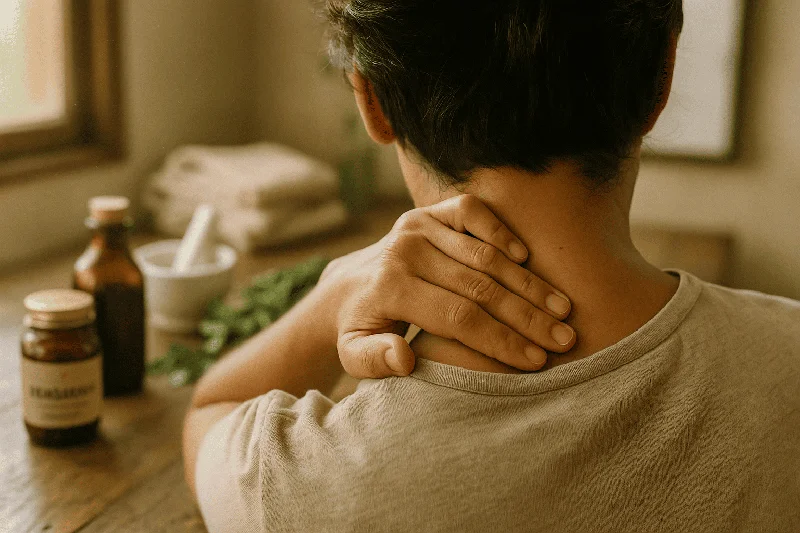
- Krikatika Marma is one of the 107 vital energy points (marma points) described in classical Ayurvedic texts, located at the junction of the head and neck (Shira-Greeva Sandhi).
- It is a paired marma point — one on each side of the cranio-cervical junction — classified as a Sandhi Marma (joint-type) with a size of ½ Angula. When injured, it produces a characteristic symptom called Chala Moordhata, or involuntary trembling and instability of the head. In marma therapy (Marma Chikitsa), therapeutic stimulation of Krikatika Marma is used to treat cervical spondylosis, chronic headaches, migraine, frozen shoulder, and various neck-related disorders.
If you've been searching for a truly comprehensive resource on Krikatika Marma — one that goes beyond basic definitions and actually covers the anatomy, the Ayurvedic energetics, practical therapy techniques, oil protocols, yoga recommendations, and even forensic relevance — you're in the right place. This guide synthesizes information from Sushruta Samhita, modern anatomical research, and clinical Marma Chikitsa practice to give you everything in one article.
What Is Krikatika Marma? (Definition & Etymology)
Krikatika Marma is a vital anatomical point (marma) situated at the atlanto-occipital joint — the articulation between the base of the skull (occiput) and the first cervical vertebra (atlas/C1). In Ayurvedic science, a marma is defined as a confluence of Mamsa (muscle), Sira (blood vessels), Snayu (ligaments), Asthi (bones), and Sandhi (joints), where Prana (life force) resides with particular intensity.
The word "Krikatika" carries deep anatomical meaning. Let's break it down.
Meaning of the Word "Krikatika"
- The Sanskrit term Krikatika (कृकाटिका) is derived from the root "Krik" or "Krikata," which refers to the joint or articulation of the neck.
- Some scholars interpret it as relating to "Krika" — a term associated with the throat or neck region. Essentially, the name itself tells you exactly where this marma lives: at the critical junction where the neck meets the skull.
- In Amarakosha (the classical Sanskrit lexicon), Krikatika is described as the bony structure or joint at the nape of the neck.
- This is not just a poetic name — it's a precise anatomical descriptor that has been consistent across millennia of Ayurvedic literature.
Sanskrit References: Sushruta Samhita and Ashtanga Hridaya
The primary classical reference for Krikatika Marma comes from Sushruta Samhita, Sharira Sthana, Chapter 6 (Pratyeka Marma Nirdesham Shareeram), where Acharya Sushruta systematically catalogs all 107 marma points.
Sushruta classifies Krikatika under:
- By Region (Sthana): Shiro-Greeva Gata Marma (marma of the head and neck region) — one of 37 marma points in this region
- By Structure (Rachana): Sandhi Marma (joint marma) — one of 20 Sandhi Marmas in the body
- By Effect of Injury (Viddha Prabhava): Vaikalyakara Marma — injury leads to deformity/disability, not immediate death
Ashtanga Hridaya by Vagbhata and Ashtanga Sangraha also describe Krikatika Marma with similar classifications, reinforcing the consistency of this knowledge across major Ayurvedic Samhitas.
| Parameter | Detail |
|---|---|
| Sanskrit Name | Krikatika (कृकाटिका) |
| Number | 2 (one on each side) |
| Type (Rachana) | Sandhi Marma (Joint type) |
| Region | Shiro-Greeva Gata (Head-Neck) |
| Injury Effect | Vaikalyakara (Causes disability) |
| Size (Pramana) | ½ Angula |
| Primary Symptom of Injury | Chala Moordhata (Head tremor/instability) |
| Classical Source | Sushruta Samhita, Sharira Sthana, Ch. 6 |
Exact Location of Krikatika Marma
Understanding the precise location of Krikatika Marma is essential — whether you're a student of Ayurveda, a Marma therapist, or a clinician trying to correlate it with modern anatomy.
Ayurvedic Description (Shira-Greeva Sandhi)
According to Sushruta, Krikatika Marma is located at Shira-Greeva Sandhi — literally, the joint between the head (Shira) and neck (Greeva). It is a bilateral (paired) marma, meaning there is one point on each side of this junction, slightly lateral to the midline.
- The classical texts describe it as situated at the posterior aspect of the cranio-cervical region, precisely where you can palpate the depression on either side of the midline at the base of the skull.
- If you place your thumbs at the suboccipital hollows — the soft depressions just below the occipital bone on either side of the spine — you are essentially touching the Krikatika Marma zone.
Modern Anatomical Correlation: The Atlanto-Occipital Joint
In contemporary anatomical terms, Krikatika Marma corresponds to the Atlanto-Occipital Joint — the synovial articulation between the occipital condyles of the skull and the superior articular facets of the atlas (C1 vertebra).
The structures involved in this region include:
- Anterior and Posterior Atlanto-Occipital Membranes — fibrous membranes connecting atlas to occiput
- Lateral Atlanto-Occipital Ligaments
- Articular Capsules of the atlanto-occipital joints
- Suboccipital muscles — Rectus Capitis Posterior Major and Minor, Obliquus Capitis Superior and Inferior
- Suboccipital nerve (dorsal ramus of C1)
- Vertebral arteries — which pass through this region before entering the foramen magnum
- Greater Occipital Nerve (C2 dorsal ramus) — a frequent contributor to cervicogenic headaches
This is an extraordinarily sensitive anatomical zone. The vertebral arteries, the brainstem just above, and the dense network of proprioceptive receptors in the suboccipital muscles make this a region where even minor dysfunction can produce wide-ranging symptoms.
Relationship with Neighboring Marma Points
Krikatika Marma does not exist in isolation. Several other marma points are located in close proximity, and understanding their spatial relationships is important for comprehensive Marma Chikitsa:
- Vidura Marma — located behind the ear (posterior to the mastoid process), just superior and lateral to Krikatika. Injury causes deafness (Badhirya).
- Manya Marma — located at the sides of the neck along the carotid region, slightly anterior and inferior. Related to blood supply to the head.
- Nila Marma — at the anterior neck, related to vocal function.
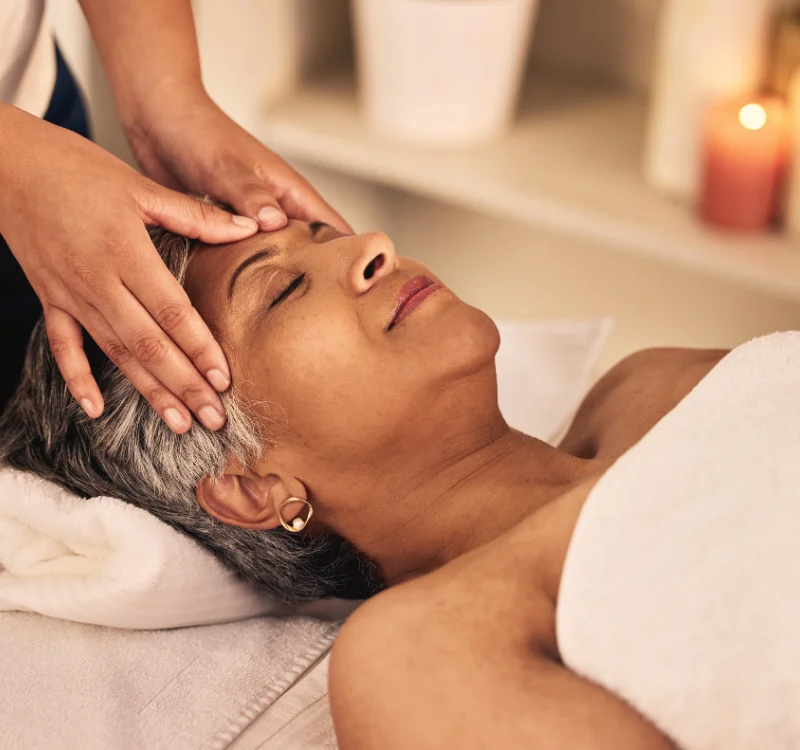
When treating conditions like cervical spondylosis or chronic neck stiffness, experienced Marma therapists often work on Krikatika along with Vidura and Manya as a regional marma cluster for synergistic effects.
What Is the Meaning of Krikatika Marma Injury? (Viddha Lakshana)
This is perhaps the most clinically significant aspect of Krikatika Marma studies. Sushruta explicitly states what happens when this marma is traumatized.
Chala Moordhata: Tremor and Instability of the Head
The signature symptom of Krikatika Marma injury is Chala Moordhata — involuntary trembling, shaking, or instability of the head.
The term breaks down as:
- Chala = unstable, trembling, moving
- Moordhata = of the head (Moordha = head)
This is not a trivial symptom. It represents a loss of neuromuscular control at the cranio-cervical junction, which in modern medicine could correlate with several conditions.
Differential Diagnosis: Chala Moordhata vs. Modern Neurological Conditions
No existing resource has thoroughly explored the modern clinical parallels to Chala Moordhata. Here is a differential analysis that connects Ayurvedic observation with contemporary neurology:
| Condition | Features | Correlation with Chala Moordhata |
|---|---|---|
| Essential Tremor | Rhythmic head tremor (yes-yes or no-no pattern), progressive | Partial — primarily a central nervous system disorder |
| Cervical Dystonia (Torticollis) | Involuntary neck muscle contractions causing abnormal head posture | Strong — involves same cervical musculature |
| Atlanto-Axial Instability | Excessive movement between C1 and C2, can cause head instability | Very strong — directly involves the structures at Krikatika |
| Grisel Syndrome | Non-traumatic subluxation of atlanto-axial joint, often post-infection | Moderate — pediatric condition affecting the same region |
| Whiplash-Associated Disorders | Post-traumatic cervical instability with head control deficits | Strong — traumatic injury to the exact anatomical location |
| Cervicogenic Proprioceptive Dysfunction | Impaired balance and head position sense from cervical damage | Very strong — suboccipital proprioceptors are at Krikatika zone |
Since Krikatika is a Vaikalyakara Marma, injury causes disability but not death. This aligns perfectly with conditions like cervical dystonia or atlanto-axial instability, which are debilitating but not immediately fatal.
Connection with Pranahavas Srotas and Vayu (Ayurvedic Energetics)
This is a dimension that existing literature on Krikatika Marma has almost completely ignored, yet it is fundamental to understanding why this marma is so important.
How Krikatika Marma Relates to Prana Flow
The cranio-cervical junction is the gateway between the head (Uttamanga) and the rest of the body. In Ayurvedic physiology, this is where the flow of Prana between the brain and the body must pass unobstructed. Krikatika Marma sits precisely at this gateway.
The sub-doshas of Vata most relevant to Krikatika Marma are:
- Prana Vayu — governs the brain, sensory perception, and mental functions. Its primary seat is in the head, and its movements pass through the cranio-cervical junction.
- Vyana Vayu — governs circulation and motor functions throughout the body. Any obstruction at Krikatika can impede Vyana Vayu's ability to coordinate muscular activity below the head.
- Udana Vayu — governs upward movements, speech, and effort. Located in the throat region, it directly traverses the Krikatika zone.
When Krikatika Marma is damaged or dysfunctional, the disruption of these Vayu subtypes explains the wide symptom picture: head tremor (Prana Vayu disturbance), loss of motor control (Vyana Vayu), and potential speech/swallowing difficulties (Udana Vayu).
This energetic framework also explains why Marma Chikitsa at Krikatika can have effects that seem disproportionate to the small size (½ Angula) of the point — you're not just treating a joint, you're restoring the flow of Prana through the body's most critical gateway.
Clinical Application: Marma Chikitsa at Krikatika Marma
Now let's get practical. Therapeutic stimulation of Krikatika Marma is used in clinical Ayurvedic practice for a range of conditions. A 2023 study by Kaler et al. explored the anatomical basis of pain pathways in relation to marma points, providing some scientific grounding for these traditional applications.
Conditions Treated Through Krikatika Marma Therapy
- Cervical Spondylosis (Greeva Sandhigata Vata) — the most common indication
- Chronic tension headache and cervicogenic headache
- Migraine
- Frozen Shoulder (Apabahuka) — especially when originating from cervical pathology
- Vertigo and dizziness related to cervical dysfunction
- Neck stiffness (Manya Stambha)
- Post-whiplash rehabilitation
Step-by-Step Stimulation Technique
Here is a practical technique description based on traditional Marma Chikitsa protocols:
Preparation:
- Patient sits comfortably or lies prone with forehead supported
- Therapist stands behind the patient
- Apply warm sesame oil or Mahanarayan Taila to the suboccipital region
Technique:
- Locate the suboccipital hollows on both sides — the depressions just below the occipital ridge, lateral to the midline
- Place both thumbs simultaneously on the Krikatika points (one on each side)
- Begin with gentle pressure, gradually increasing to moderate intensity — the patient should feel a deep, spreading pressure sensation, not sharp pain
- Maintain steady pressure for 1–2 minutes
- You can add small circular motions (clockwise) with the thumb pads while maintaining pressure
- Slowly release pressure over 15–20 seconds
- Repeat 2–3 times per session
Important notes: Never apply sudden, forceful pressure. Avoid this technique in patients with known atlanto-axial instability, recent cervical trauma, vertebrobasilar insufficiency, or during active inflammation.
Comprehensive Protocol: Krikatika with Other Marma Points
For conditions like cervical spondylosis, Krikatika Marma is most effective when stimulated as part of a multi-marma protocol. Based on the protocol described by researchers publishing in the Journal of Ayurveda and Integrated Medical Sciences (JAIMS), the following marma points are addressed in sequence:
- 1.Krikatika Marma — cranio-cervical junction (primary point)
- 2.Amsa Marma — at the shoulder joint (shoulder tip region)
- 3.Amsaphalaka Marma — at the scapular region
- 4.Kurpara Marma — at the elbow joint
- 5.Kshipra Marma — between thumb and index finger (hand)
- 6.Indravasti Marma — at the mid-forearm
This descending sequence from head-to-hand follows the pathway of nerve distribution from the cervical spine to the upper extremity. It's brilliant in its anatomical logic, even if it was codified thousands of years before modern neuroanatomy.
Don't wait or self medicate. Start chat with Doctor NOW
Abhyanga, Oils & Panchakarma Procedures for Krikatika Marma
One of the most overlooked aspects of Krikatika Marma therapy is the role of specific medicated oils and Panchakarma procedures.
Recommended Oils for Krikatika Marma Therapy
| Oil | Properties | Best Indicated For |
|---|---|---|
| Mahanarayan Taila | Vata-pacifying, analgesic, anti-inflammatory | Cervical spondylosis, stiffness, chronic pain |
| Kshirabala Taila (101 Avartana) | Deeply nourishing, Vata-Pitta balancing | Neurological symptoms, tremor, weakness |
| Balashwagandha Taila | Strengthening, Vata-pacifying | Muscle weakness, post-injury rehabilitation |
| Dhanwantaram Taila | Vata-balancing, rejuvenative | General marma therapy, preventive care |
| Plain Tila Taila (Sesame Oil) | Warm, penetrating, base oil for all Vata conditions | Daily self-massage, mild stiffness |
Panchakarma Procedures for the Krikatika Zone
Several Panchakarma and Upakarma (allied) therapies directly benefit the Krikatika Marma region:
- Greeva Basti — A dam made of black gram dough is placed around the posterior neck, and warm medicated oil is pooled inside. This provides sustained heat and oil penetration directly to the Krikatika area. Typically maintained for 30–45 minutes. Exceptional for cervical spondylosis.
- Nadi Sweda — Focused steam therapy directed at the posterior neck using a tube (nadi). The herbal steam (often containing Dashamoola, Nirgundi, Rasna) penetrates deep into the tissues surrounding Krikatika Marma.
- Pinda Sweda (Patra Pottali Sweda) — Bolus fomentation using herbal leaves (Nirgundi, Eranda, Dhatura) tied in cloth and heated in oil. The bolus is applied rhythmically to the Krikatika region.
- - Nasya Karma — Although it targets the nasal passages, medicated nasal drops (Anu Taila, Shadbindu Taila) have a direct effect on the head-neck junction.
- As Sushruta states: "Nasa hi shiraso dwaram" — the nose is the doorway to the head. Nasya indirectly nourishes and balances the Krikatika Marma region.
Yoga Therapy and Contraindicated Asanas for Krikatika Marma
Yoga can be a powerful tool for strengthening and protecting the Krikatika Marma region — but certain asanas can be genuinely dangerous if this area is compromised.
Beneficial Yoga Practices
- Gentle neck rotations (Greeva Sanchalana) — Slow, mindful cervical circles build proprioceptive awareness and strengthen suboccipital muscles
- Bhujangasana (Cobra Pose) — Gentle extension strengthens the posterior neck; do not force the head back excessively
- Marjariasana-Bitilakasana (Cat-Cow) — Mobilizes the entire spine including the cranio-cervical junction
- Matsyasana (Fish Pose) — Opens the anterior neck and strengthens the posterior cervical region (use a bolster under the upper back for support)
- Pranayama: Nadi Shodhana — Balances Prana Vayu flow through the cranio-cervical gateway
- Brahmari Pranayama — The vibration created during humming resonates through the cervical region and has a calming effect on Prana Vayu
Contraindicated or Cautionary Asanas
- Sirshasana (Headstand) — Places the entire body weight on the cranio-cervical junction. Absolutely contraindicated in Krikatika Marma dysfunction or any atlanto-occipital instability.
- Halasana (Plow Pose) — Extreme cervical flexion under body weight compresses the structures at Krikatika. Avoid or use significant blanket support under shoulders.
- Sarvangasana (Shoulder Stand) — Similar concerns as Halasana. The cervical spine bears excessive load in flexion.
- Chakrasana (Wheel Pose) — Full cervical extension under load can stress the atlanto-occipital joint.
- Any rapid neck movements or "neck rolls" with speed — jarring movements can traumatize the sensitive structures at Krikatika.
The general rule: slow, controlled, mindful movements at the cervical spine are therapeutic. Fast, loaded, or extreme range-of-motion movements are potentially dangerous.
Ahara-Vihara (Diet & Lifestyle) for Krikatika Marma Protection
No competitor resource has addressed dietary and lifestyle recommendations for protecting and healing the Krikatika Marma region. Since this is a Sandhi (joint) Marma, and its dysfunction primarily involves Vata dosha, the principles of Vata-pacifying Ahara-Vihara apply.
Dietary Recommendations (Ahara)
- Favor warm, moist, unctuous foods — soups, stews, ghee-rich preparations, warm milk with turmeric
- Include natural anti-inflammatory foods — turmeric, ginger, garlic, long pepper (Pippali)
- Calcium and mineral-rich foods — sesame seeds (Tila), milk products, Moringa (Shigru) leaves, ragi
- Avoid excess dry, cold, light foods — raw salads, cold beverages, dry crackers, popcorn (these aggravate Vata)
- Ashwagandha (Withania somnifera) — taken as churna with warm milk, supports both nervous system and musculoskeletal health
Lifestyle Recommendations (Vihara)
- Sleep on a supportive pillow — the pillow should maintain the natural cervical lordosis. Neither too high nor too flat.
- Avoid prolonged screen time with forward head posture — this places chronic strain on the Krikatika region. Take breaks every 30 minutes.
- Daily self-massage (Abhyanga) of the posterior neck with warm sesame oil — even 5 minutes provides protective benefit.
- Avoid sleeping in a prone position — this forces extreme cervical rotation and stresses the atlanto-occipital joint.
- Keep the neck warm — especially in cold or windy conditions. Vata is aggravated by cold wind exposure.
Forensic and Traumatological Significance of Krikatika Marma
The forensic relevance of Krikatika Marma is another area completely unexplored in existing literature. Given its location at the cranio-cervical junction, this marma has direct implications in:
Whiplash Injuries (Road Traffic Accidents)
The classic whiplash mechanism — sudden hyperextension followed by hyperflexion of the neck — directly impacts the atlanto-occipital joint. This is essentially a modern-day traumatic injury to Krikatika Marma. Interestingly, chronic post-whiplash symptoms (persistent headache, neck instability, dizziness, difficulty concentrating) mirror what Ayurveda would predict from Krikatika Marma trauma and the resulting Vata vitiation.
Sports Injuries
Contact sports (rugby, wrestling, boxing), diving accidents, and gymnastics can all cause direct trauma to the Krikatika zone. The condition known as "spear tackler's spine" in American football involves repeated cervical trauma that could affect this exact region.
Medico-Legal Relevance
In Ayurvedic jurisprudence (Vyavahara Ayurveda), Marma injuries were historically classified for legal purposes. Since Krikatika is a Vaikalyakara Marma, its injury resulting in permanent disability (Chala Moordhata) would have constituted a serious assault in ancient Indian legal systems — an interesting intersection of medicine and law that remains relevant to forensic Ayurvedic practice.
Frequently Asked Questions (FAQ)
What are the points of Krikatika Marma?
Krikatika Marma consists of 2 points — one on each side of the cranio-cervical junction (atlanto-occipital joint). They are located in the suboccipital hollows, at the depression just below the occipital bone, lateral to the midline of the neck. Each point measures ½ Angula in size. Both sides are typically stimulated simultaneously during Marma Chikitsa using bilateral thumb pressure.
What is the meaning of Krikatika?
- The Sanskrit word "Krikatika" (कृकाटिका) refers to the joint or articulation at the nape of the neck. It derives from "Krika" or "Krikata," which denotes the cervical junction region. The Amarakosha defines Krikatika as the bony articulation at the back of the neck where the skull meets the spine.
- The name is essentially a precise anatomical locator — it names the marma after its exact location.
Where is the Koorcha Marma located?
Koorcha Marma is located in the hands and feet — specifically, 2 Koorcha Marma points are in the hands (above the Kshipra Marma, between the thumb and index finger region) and 2 in the feet (at a similar location in the foot). There are 4 Koorcha Marma points in total. They are Snayu Marma (tendon/ligament type) with a size of 4 Angulas. This is distinct from Krikatika Marma which is located at the neck.
What are the 4 pillars of Chikitsa?
The 4 pillars (Chatushpada) of Chikitsa according to Ayurveda are: (1) Vaidya (the physician), (2) Dravya (the medicine/remedy), (3) Upasthata (the attendant/nurse), and (4) Rogi (the patient). In the context of Marma Chikitsa for Krikatika Marma, all four pillars are essential — a skilled therapist who knows the exact location, appropriate medicated oils, a supportive care environment, and a cooperative, compliant patient.
What is the difference between Krikatika Marma and Vidura Marma?
Both are Shiro-Greeva Gata Marma points located in close proximity at the base of the skull. However, Krikatika Marma is at the atlanto-occipital joint (posterior, at the suboccipital region), while Vidura Marma is behind the ear (posterior to the mastoid process). Krikatika injury causes Chala Moordhata (head instability), while Vidura injury causes Badhirya (deafness). Krikatika is a Sandhi Marma; Vidura is a Snayu Marma.
Can Krikatika Marma therapy help with migraine?
Yes, Krikatika Marma stimulation is traditionally indicated for migraine, particularly cervicogenic migraine where neck dysfunction contributes to headache. The greater occipital nerve (C2) passes through the Krikatika region, and this nerve is implicated in many migraine patterns. Gentle marma therapy combined with Nasya and Shirodhara can provide significant relief for chronic migraine sufferers.
Conclusion
Krikatika Marma is far more than a theoretical concept in ancient texts — it is a clinically relevant, anatomically precise energy point that bridges traditional Ayurvedic wisdom and modern understanding of the cranio-cervical junction. Its significance extends from classical Marma Chikitsa to contemporary rehabilitation, from Panchakarma treatment rooms to forensic assessments.
Whether you are a practitioner looking to refine your Marma therapy technique, a patient exploring Ayurvedic options for cervical spondylosis or chronic headaches, or a student seeking to understand Marma Shastra in depth — the knowledge of Krikatika Marma offers practical tools for healing and prevention.
A word of caution: Always seek treatment from a qualified Ayurvedic practitioner (Vaidya) who has specific training in Marma Chikitsa. The cranio-cervical junction is a sensitive area, and improper technique can cause harm rather than healing. If you experience symptoms suggestive of Krikatika Marma dysfunction — persistent head tremor, chronic neck instability, cervicogenic headaches — consult both an Ayurvedic specialist and a modern medical professional for comprehensive evaluation. Your neck carries your head, and Krikatika carries the bridge between body and mind. Treat it with the respect it deserves.
Scientific Sources
- Ayurvedic medicine and arthritis — Chopra A, 2000, Rheumatic diseases clinics of North America
- Snake stone for snake envenomization — Rasquinha D, 1996, The American journal of emergency medicine
- Myth and reality of "theory-driven individualised practice" in Ayurveda: Mapping physicians' approaches using case-based scenarios — Chauhan M et al., 2024, Indian journal of medical ethics
- Severe Alcoholic Hepatitis in a Teetotaler — Philips CA et al., 2018, The American journal of gastroenterology
- Ayurvedic genomics: establishing a genetic basis for mind-body typologies — Patwardhan B et al., 2008, Journal of alternative and complementary medicine (New York, N.Y.)
- Yogic breathing and Ayurveda in aphasia: a case study — Mohapatra B et al., 2014, Topics in stroke rehabilitation
- A systematic literature review and classification of knowledge discovery in traditional medicine — Arji G et al., 2019, Computer methods and programs in biomedicine
- Erosive osteoarthritis: presentation, clinical pearls, and therapy — Ehrlich GE, 2001, Current rheumatology reports
- Detoxification of Nerium indicum roots based on Indian system of medicine: phytochemical and toxicity evaluations — Banerjee AA et al., 2011, Acta poloniae pharmaceutica
- Finding the Mind-body Connection — Stevelos J, 2016, Diabetes self-management
- History of the Growing Burden of Cancer in India: From Antiquity to the 21st Century — Smith RD et al., 2019, Journal of global oncology
- The role of alternative medicine in rhinology — Roehm CE et al., 2012, Facial plastic surgery clinics of North America
- Arsenic and Ayurveda — Treleaven J et al., 1993, Leukemia & lymphoma
- Hepatoprotective activity of Apium graveolens and Hygrophila auriculata against paracetamol and thioacetamide intoxication in rats — Singh A et al., 1995, Journal of ethnopharmacology
- Antihyperglycemic effects of three extracts from Momordica charantia — Virdi J et al., 2003, Journal of ethnopharmacology
- Molecular signatures for obesity and associated disorders identified through partial least square regression models — Sinha N et al., 2014, BMC systems biology
- Maharishi Ayurveda and unclear conditions(https://pubmed.ncbi.nlm.nih.gov/20379326/) — Rasmussen LB, 2010, Tidsskrift for den Norske laegeforening : tidsskrift for praktisk medicin, ny raekke
- Clinical efficacy of Manasamitra Vataka (an Ayurveda medication) on generalized anxiety disorder with comorbid generalized social phobia: a randomized controlled study — Tubaki BR et al., 2012, Journal of alternative and complementary medicine (New York, N.Y.)
- Herbal immune-boosters: Substantial warriors of pandemic Covid-19 battle — Khanna K et al., 2021, Phytomedicine : international journal of phytotherapy and phytopharmacology
- Ayurveda metallic-mineral 'Bhasma'-associated severe liver injury — Philips CA et al., 2018, BMJ case reports
Questions from users
How does location of marma points affect treatment effectiveness?
Caroline
4 days ago
The location of marma points significantly affects the effectiveness of treatment because each point is associated with specific anatomical structures and functions. Precise knowledge of these points and their spatial relationships is crucial for effective Marma Chikitsa. For example, Vidura Marma, located behind the ear, may influence conditions related to the ear and adjacent areas, while Krikatika Marma, at the neck, is linked with neck flexibility and neurological health. Misidentifying or improperly stimulating a marma point can reduce treatment effectiveness or even cause harm. If you're considering marma treatment, consult a qualified practitioner to ensure accurate identification and manipulation of these points. If symptoms persist despite treatment, seek medical advice.
What is Nadi Sweda and how does it relate to Krikatika Marma therapy?
Paisley
13 days ago
Nadi Sweda is a focused steam therapy using a tube aimed at the posterior neck. It's often used to treat conditions like cervical spondylosis, which connects it with Krikatika Marma therapy. The warm steam helps relax muscles and tissues around the neck, enhancing the effects of stimulating Krikatika Marma points.
What is the significance of the Krikatika Marma in Ayurvedic medicine?
Amelia
30 days ago
Krikatika Marma is a vital point in Ayurveda where physical, mental, and energy aspects merge, essential for overall balance and vitality. In terms of significance, think of it like a hub for well-being, influencing both mind and body health. It's tricky to pinpoint exactly, but awareness and care around it can support holistic health!
What is the difference between marma therapy and other Ayurvedic healing practices?
Phillip
38 days ago
Marma therapy focuses on unique energy points in the body, aiming to balance life force and support healing, while other Ayurvedic practices like herbal remedies or panchakarma may focus more on cleansing, diet or specific dosha imbalances. It’s more hands-on, often involving gentle touch or massage around these points to nudge the body's energy flow back into balance!
Can marma therapy be combined with yoga for better health benefits?
Natalie
48 days ago
Absolutely, combining marma therapy with yoga can definitely enhance health benefits! Marma points are energetic intersections, and yoga, especially poses and breathing exercises, helps support the flow of prana in these areas. Always though, make sure to consult with a qualified practitioner to tailor the practices to your unique constitution and health needs.
Is it safe to practice marma therapy while pregnant?
Harper
58 days ago
Yeah, marma therapy can be safe during pregnancy, but it's super important to work with an experienced Ayurvedic practitioner! Pregnancy is a special time, and you want to make sure everything is tailored to your needs. Avoid intense pressure, especially on marma points around the abdomen. Stay in tune with what your body is telling you and adjust as needed. 😊
What is the importance of seeking proper instruction before starting marma therapy?
Valerie
67 days ago
Proper instruction in marma therapy is super important because marmas are really sensitive energy points in the body. Without good guidance, there’s a risk of disrupting energy flow or causing unintentional harm. Trained practitioners understand the specific areas and the right techniques—so, definitely worth learning from an expert!
Can marma therapy improve my sleep quality and how does it work?
Ruby
77 days ago
Yes, marma therapy can improve sleep quality by balancing your energy and calming the mind. It works by gently stimulating specific points on your body, which helps release tension and promotes relaxation. It's not a one-size-fits-all, so it's good to consult with an experienced practitioner who can guide you based on your specific needs. They might focus on marma points like Shirodhara or Krikatika to help you rest better.
What is the role of Krikatika Marma in balancing physical and mental health?
Robert
86 days ago
Krikatika Marma plays a role in balancing both physical and mental health by facilitating energy flow in the neck and upper back area. It's believed to help relieve tension, improve circulation, and promote a sense of calm and clarity. If aimed correctly, it can support overall balance and well-being. For specific guidance though, I'd definitely suggest consulting an Ayurvedic practitioner.
What is marma therapy and how does it work to improve overall health?
Addison
96 days ago
Marma therapy is a practice in Ayurveda focusing on stimulating specific points on the body known as marma points. These points are like energetic intersections that influence how prana (life force) flows in your body. By gently stimulating these areas, it can help balance physical, emotional, and energetic health. It's kind of like acupuncture but without the needles! Always best to work with a qualified therapist to ensure safety and effectiveness.
Related articles
Orthopedic Disorders
Ayurvedic Treatment for Muscle Stiffness: Real Help or Just Hype?
So, muscle stiffness. That annoying, sometimes borderline-debilitating feeling of being locked up from the inside out. We've all felt it — maybe after a hard workout, during flu season, or just from sitting like a shrimp for eight hours at the desk. But f
2,654

Orthopedic Disorders
Asthiposhak Tablets – Benefits, Dosage, Ingredients, Side Effects
Exploration of Asthiposhak Tablets – Benefits, Dosage, Ingredients, Side Effects
3,521

Orthopedic Disorders
Amavatari Ras Benefits, Dosage, Ingredients, Side Effects
Exploration of Amavatari Ras Benefits, Dosage, Ingredients, Side Effects
1,762
Orthopedic Disorders
What Causes Gout: Ayurvedic Perspective on Pain, Diet, and Healing
What causes gout? Learn Ayurvedic causes, food triggers, and remedies for joint pain. Discover natural gout treatment and home care in Ayurveda
2,370

Orthopedic Disorders
Maharajaprasarini Thailam Benefits, How To Use, Side Effects, Ingredients
Exploration of Maharajaprasarini Thailam Benefits, How To Use, Side Effects, Ingredients
1,938

Orthopedic Disorders
Best Ayurvedic Oil for Cervical Spondylosis – Natural Remedies for Pain Relief and Mobility
Discover the best Ayurvedic oils for cervical spondylosis, known for their ability to reduce pain, improve mobility, and promote overall spine health through natural healing.
4,851
Orthopedic Disorders
Vatarakta Treatment in Ayurveda – Holistic Approach for Joint & Blood Disorders
Discover the Ayurvedic approach to treating Vatarakta, a condition marked by joint pain, inflammation, and blood imbalances. Learn about herbal therapies, detoxification, and lifestyle changes for effective management.
2,474

Orthopedic Disorders
Simhanada Guggulu – Benefits, Dosage, How To Use, Side Effects, Ingredients, Reference
Exploration of Simhanada Guggulu – Benefits, Dosage, How To Use, Side Effects, Ingredients, Reference
2,835
Orthopedic Disorders
Amritadi Guggulu: Traditional Roots, Modern Evidence
Discover how amritadi guggulu supports holistic well-being, backed by both ancient Ayurvedic wisdom and emerging scientific research.
2,627

Orthopedic Disorders
Varunadi Ghrita – Ayurvedic Ghee for Joint Health, Detoxification & Rejuvenation
Discover the benefits of Varunadi Ghrita, an Ayurvedic ghee formulation used to promote joint health, detoxify the body, and rejuvenate the mind and body through traditional healing methods.
3,307
Related consultations on the topic
Legal
Additional Documents
© 2024 Ask Ayurveda. All rights reserved.