
Ask Ayurvedic doctor a question and get a consultation online on the problem of your concern in a free or paid mode. More than 2,000 experienced doctors work and wait for your questions on our site and help users to solve their health problems every day.
FREE! Ask Ayurvedic Doctors 24/7

 Fast responses
 1000+ verified doctors
Body DetoxEar, Nose, and Throat DisordersGeriatrics & RejuvenationImmunodeficiencyInfertility TreatmentNutritionOrthopedic DisordersPediatricsRespiratory DisordersSexually Transmitted Diseases (STDs)Surgery RecoveryUrological DisordersVascular DisordersDental DisordersEndocrinological DisordersGastrointestinal DisordersYoga TherapyGeneral MedicineAllergic DisordersCardio DisordersGynecology and ObstetricsCosmetologySkin and Hair DisordersEye DisordersInfectious DiseasesMental DisordersNeurological DisordersOncologyPanchakarmaSexual Health & DisordersSports Medicine
Published on 03/20/25
(Updated on 07/12/26)
3,425
Prasaranyadi Kashayam Vati: A Comprehensive Guide to Its Uses, Benefits, and Scientific Insights

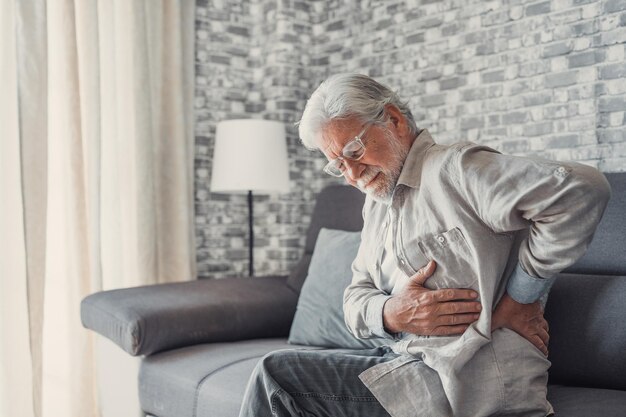
Have you been struggling with a stiff, painful shoulder that won't let you lift your arm? Or maybe chronic joint pain that flares up every monsoon season? Prasaranyadi Kashayam Vati is a classical Ayurvedic tablet formulation rooted in texts like the Sahasrayogam and Vangasena Samhita (dating back to the 7th century CE), specifically designed to address musculoskeletal conditions — most notably frozen shoulder (adhesive capsulitis), rheumatic disorders, and degenerative joint diseases. It works primarily by pacifying aggravated Vata dosha, reducing inflammation, and restoring mobility to stiff joints.
Unlike many modern painkillers that mask symptoms, this formulation targets the root cause according to Ayurvedic principles: accumulated ama (toxins), vitiated Vata, and impaired tissue nutrition. In this comprehensive guide, we'll break down everything you need to know — from its exact ingredients and dosage to how it compares with other Ayurvedic alternatives, and what modern science actually says about it.
What Is Prasaranyadi Kashayam Vati?
Prasaranyadi Kashayam Vati (also called Prasaranyadi Kashaya Gulika or Prasaranyadi Kwath Tablet) is the tablet form of the classical Prasaranyadi Kashayam decoction. The original liquid kashayam has been used by Ashtavaidya practitioners in Kerala for centuries, primarily referenced in the Sahasrayogam, a compilation of thousands of Ayurvedic formulations widely used in South Indian clinical practice. The Vangasena Samhita, composed around the 7th century CE, also documents similar formulations for Vata-vyadhi (Vata disorders).
The transition from liquid kashayam to compressed tablet form happened gradually during the 1990s, driven by practical needs — the traditional decoction has a strong, bitter taste that many patients find difficult to tolerate, and it requires daily preparation. Tablet forms offered a convenient, standardized, and travel-friendly alternative without fundamentally changing the herbal composition.
How Does Prasaranyadi Kashayam Vati Help in Relieving Symptoms of Frozen Shoulder Naturally?
Frozen shoulder involves three stages: freezing (increasing pain), frozen (severe stiffness), and thawing (gradual recovery). Prasaranyadi Kashayam Vati addresses multiple pathological layers simultaneously:
- Anti-inflammatory action: Ingredients like Shunthi (ginger) contain gingerols and shogaols that inhibit COX-2 enzymes — the same pathway targeted by modern NSAIDs like ibuprofen. A 2015 meta-analysis published in Osteoarthritis and Cartilage confirmed ginger's significant effect on reducing joint pain.
- Vata pacification: The formulation's overall rasa (taste), virya (potency), and vipaka (post-digestive effect) are designed to counteract Vata's cold, dry, and mobile qualities. The ushna virya (hot potency) of most ingredients improves circulation to affected tissues.
- Ama digestion: Rasona (garlic) and Pippali (long pepper) enhance agni (digestive fire), helping clear metabolic toxins that Ayurveda considers a primary cause of joint inflammation.
- Tissue nourishment: Bala (Sida retusa) and Masha (black gram) specifically nourish mamsa dhatu (muscle tissue) and asthi dhatu (bone tissue), supporting structural recovery.
The combined effect is what Ayurveda calls "Vatanulomana" — redirecting Vata's movement downward (adho gati) and restoring its normal flow through channels (srotas).
Kashayam (Liquid Decoction) vs Vati (Tablet) — Which Form Is Better?
This is something no competitor has properly addressed, so let's break it down clearly:
| Parameter | Kashayam (Liquid) | Vati / Gulika (Tablet) |
|---|---|---|
| Bioavailability | Higher — direct absorption from gut | Slightly lower — requires disintegration first |
| Speed of action | Faster onset (typically 30–45 min) | Slower onset (60–90 min) |
| Taste | Extremely bitter; hard to tolerate | Neutral; easy to swallow |
| Convenience | Needs daily preparation or refrigeration | Ready to take; travel-friendly |
| Shelf life | 3–6 months (liquid); needs cool storage | 2–3 years (tablets); stable at room temp |
| Dose precision | Variable (measured by cup) | Standardized per tablet |
| Best for | Acute conditions, clinic settings | Chronic conditions, home use, long-term therapy |
Bottom line: If you can tolerate the taste and want faster results, the liquid kashayam is traditionally considered superior. For most patients managing chronic joint conditions over weeks or months, the Vati form offers practical advantages without significantly compromising efficacy. Many Ayurvedic physicians actually prescribe the liquid form initially and then transition patients to tablets for maintenance.
Key Ingredients of Prasaranyadi Kashayam Vati
The formulation centers around Prasarini (Paederia foetida) as its primary herb, supported by a synergistic combination of Vata-pacifying, anti-inflammatory, and tissue-nourishing botanicals. Below is the detailed ingredient table based on classical references and the Vaidyaratnam formulation:
| Ingredient (Sanskrit) | Botanical / Scientific Name | Part Used | Key Action | Approx. per Tablet |
|---|---|---|---|---|
| Prasarini | Paederia foetida | Whole plant | Primary Vata-shamaka; reduces nerve pain | 963 mg* |
| Masha | Phaseolus mungo (Black gram) | Seed | Nourishes mamsa & asthi dhatu | 963 mg* |
| Bala | Sida retusa / Sida cordifolia | Root | Strengthens muscles and nerves; balya | 963 mg* |
| Rasona | Allium sativum (Garlic) | Bulb | Anti-inflammatory; Vata-Kapha shamaka | 963 mg* |
| Rasna | Alpinia galanga / Pluchea lanceolata | Root/Leaf | Analgesic; specific for joint disorders | 963 mg* |
| Shunthi | Zingiber officinale (Dry Ginger) | Rhizome | COX-2 inhibition; improves circulation | 963 mg* |
| Devadaru | Cedrus deodara | Heartwood | Anti-rheumatic; reduces swelling | 963 mg* |
| Eranda | Ricinus communis (Castor) | Root | Powerful Vata-hara; mild laxative | 963 mg* |
| Guduchi | Tinospora cordifolia | Stem | Immunomodulator; anti-inflammatory | 963 mg* |
| Pippali | Piper longum (Long pepper) | Fruit | Bioavailability enhancer (like piperine) | 963 mg* |
| Sahachara | Strobilanthes ciliatus | Root | Specific for sciatica and Vata disorders | 963 mg* |
\Dosages based on Vaidyaratnam classical formulation; may vary slightly between manufacturers.*
Pharmacodynamic Profile (Rasa-Virya-Vipaka-Prabhava)
Understanding the Ayurvedic pharmacology helps explain why this combination works:
- Predominant Rasa (taste): Tikta (bitter), Katu (pungent), Madhura (sweet)
- Virya (potency): Ushna (hot) — essential for counteracting Vata's cold nature
- Vipaka (post-digestive effect): Madhura — nourishing to tissues long-term
- Prabhava (special action): Specific affinity for sandhi (joints) and snayu (ligaments/tendons)
- Doshic action: Primarily Vata-shamaka, secondarily Kapha-shamaka; mildly increases Pitta
- Dhatu affected: Rasa, Rakta, Mamsa, Asthi
- Srotas: Asthi-vaha and Mamsa-vaha srotas
Uses and Indications of Prasaranyadi Kashayam Vati
Primary Indications
- 1.Frozen Shoulder (Adhesive Capsulitis / Apabahuka): This is the flagship indication. The condition called "Apabahuka" in classical texts describes the exact symptom complex — restricted shoulder movement, pain on lifting, and progressive stiffness. Prasaranyadi formulations are considered first-line in many Kerala Ayurvedic clinics for this condition.
- 2.Rheumatic Conditions (Amavata): Joint pain, swelling, and morning stiffness associated with rheumatoid-like conditions respond well to this formulation's combined anti-inflammatory and ama-clearing properties.
- 3.Degenerative Joint Diseases (Sandhigata Vata): Osteoarthritis of the knee, hip, and cervical spine — especially in Vata-predominant individuals or those over 50.
Can I Use Prasaranyadi Kashaya Gulika Tablet for Other Joint or Muscle Pains?
Yes, though it's most studied for frozen shoulder.
Practitioners commonly prescribe it for:
- Cervical spondylosis — neck stiffness and radiating arm pain
- Lumbar spondylosis — lower back stiffness with sciatica-like symptoms
- Periarthritis — inflammation around any joint
- Muscular spasms and cramps — especially Vata-type cramping that worsens in cold weather
- Post-fracture stiffness — to restore range of motion after immobilization
- Fibromyalgia-like symptoms — generalized body pain with fatigue (though evidence here is largely anecdotal)
It is generally less effective for purely Pitta-type inflammatory conditions (acute, red, hot swelling) where cooling formulations might be more appropriate.
Dosage and How to Take Prasaranyadi Kashayam Vati
Standard Dosage Guidelines
| Patient Category | Dosage | Frequency | Anupana (Vehicle) |
|---|---|---|---|
| Adults (general) | 1–2 tablets | Twice daily (morning & evening) | Warm water |
| Severe cases | 2 tablets | Twice or thrice daily | Warm water or lukewarm kashayam |
| Elderly (>65 yrs) | 1 tablet | Twice daily | Warm water with a pinch of Shunthi powder |
| Children (12–18 yrs) | ½–1 tablet | Twice daily | Warm water (only under physician guidance) |
| Children (<12 yrs) | Not generally recommended | — | Consult an Ayurvedic practitioner |
Best time to take: 30 minutes before meals (empty stomach) or as directed by your physician. Taking it before food enhances absorption, as the kashayam ingredients interact directly with digestive enzymes without competition from food.
Seasonal and Anupana Considerations
- During monsoon (Varsha Ritu): Joint pain typically worsens. Dose may be increased, and taking with warm water mixed with a teaspoon of honey can enhance Kapha-clearing action.
- During winter (Shishira/Hemanta Ritu): Combine with a small amount of ghee to nourish tissues while managing Vata.
- During summer (Grishma Ritu): Use cautiously as the ushna virya may aggravate Pitta. Reduce dose if acidity or burning sensations occur.
How Long Does It Take to Notice Visible Results?
Most patients report noticeable improvement within 2–4 weeks of regular use.
However, the timeline varies:
- Pain reduction: Often within 7–10 days
- Improved range of motion: 2–3 weeks
- Significant functional improvement: 4–8 weeks
- Maximum benefit in frozen shoulder: 6–12 weeks (often combined with external therapies)
- A typical course runs 3–6 months for chronic conditions.
- Don't expect overnight results — this formulation works by gradually correcting the underlying doshic imbalance rather than simply suppressing pain signals.
Prasaranyadi Kashayam Vati vs. Other Ayurvedic Alternatives for Joint Pain
No competitor has provided this comparison, so here's a practical guide to help you and your practitioner choose the right formulation:
| Formulation | Best For | Primary Dosha Target | Form | Key Differentiator |
|---|---|---|---|---|
| Prasaranyadi Kashayam Vati | Frozen shoulder, periarthritis | Vata (primary), Kapha | Tablet/Decoction | Specific for shoulder & upper extremity |
| Yogaraja Guggulu | Generalized joint pain, arthritis | Vata-Kapha | Tablet | Broader joint action; contains guggulu resin |
| Rasnadi Kashayam | Sciatica, lower back pain | Vata | Decoction/Tablet | Stronger for lumbar conditions |
| Dhanwantharam Kashayam | Post-natal joint pain, Vata disorders | Vata | Decoction/Tablet/Oil | Also used in gynecological conditions |
| Mahayogaraj Guggulu | Severe degenerative arthritis, gout | Vata-Pitta-Kapha (tridosha) | Tablet | Contains metals (bhasma); needs strict physician supervision |
| Kottamchukkadi Thailam | External application for stiffness | Vata-Kapha | Oil (external) | Complementary to Prasaranyadi Vati; not oral |
Key takeaway: Prasaranyadi Kashayam Vati has a unique affinity for the shoulder girdle and upper extremities. If your primary complaint is frozen shoulder or upper body joint stiffness, it's often the first choice. For lower body joints, Rasnadi or Dhanwantharam formulations may be more targeted.
Don't wait or self medicate. Start chat with Doctor NOW
Complete Treatment Protocol for Frozen Shoulder with Prasaranyadi Kashayam Vati
This is a significant gap in existing online resources. Here's a comprehensive, step-by-step protocol that integrates internal medicine, external therapies, and Panchakarma:
Phase 1: Acute Pain Management (Weeks 1–3)
- Internal: Prasaranyadi Kashayam Vati — 2 tablets, twice daily before meals with warm water
- External: Kottamchukkadi Thailam or Prasarinyadi Thailam — gentle application on the shoulder followed by steam (Nadi Swedana) for 10–15 minutes
- Diet: Avoid cold foods, raw salads, and dry/crunchy snacks. Favor warm soups, cooked vegetables, and ghee.
Phase 2: Restoring Mobility (Weeks 4–8)
- Internal: Continue Prasaranyadi Kashayam Vati — 1–2 tablets, twice daily
- Panchakarma (if accessible):
- Elakizhi (Patra Pinda Sweda): Herbal bolus fomentation — reduces inflammation and loosens adhesions
- Pizhichil: Warm medicated oil poured continuously over the shoulder — deeply nourishing
- Nasyam: Nasal administration of medicated oils (Anu Tailam) — addresses Vata in the upper body channels
- Physiotherapy: Pendulum exercises, wall crawling, passive stretching — ideally guided by a therapist
Phase 3: Maintenance & Prevention (Weeks 9–16+)
- Internal: Reduce to 1 tablet, twice daily. May transition to Yogaraja Guggulu for general maintenance.
- External: Weekly self-massage (Abhyanga) with Dhanwantharam or Prasarinyadi Thailam
- Exercise: Progressive strengthening — resistance bands, light weights, yoga (focus on shoulder-opening asanas like Garudasana, Gomukhasana)
- Lifestyle: Avoid air conditioning drafts directly on the shoulder, maintain regular sleep schedule, and manage stress (Vata aggravation)
Can I Take Prasaranyadi Kashaya Gulika Tablet Along with Physiotherapy?
Absolutely. In fact, the combination is highly recommended. The tablet addresses internal doshic imbalance while physiotherapy works on mechanical restriction. A pilot clinical study conducted in 2018 at an Ayurvedic teaching hospital showed that patients receiving both Ayurvedic internal medicine and physical therapy showed faster recovery than either approach alone. Many Ayurvedic orthopedic clinics in Kerala routinely combine both.
Side Effects, Safety & Contraindications
Is Prasaranyadi Kashayam Vati Safe for Long-term Use?
When taken at recommended doses, Prasaranyadi Kashayam Vati is generally considered safe for courses of 3–6 months. It is a purely herbal formulation without heavy metals or mineral bhasmas, which makes it inherently safer for prolonged use compared to formulations like Mahayogaraj Guggulu.
However, long-term safety data from controlled clinical trials is lacking. It is wise to take periodic breaks (for example, 5 days on, 2 days off, or 3 months on, 2 weeks off) to prevent habituation and assess ongoing need.
Possible Side Effects
- Mild gastric irritation — due to ushna virya ingredients; take after food if this occurs
- Loose stools — Eranda (castor root) has mild laxative properties
- Increased body heat or mild acidity — more common in Pitta-predominant individuals
- Allergic reactions — rare, but possible in individuals sensitive to garlic or specific herbs
Contraindications — Who Should NOT Take It
| Condition | Recommendation |
|---|---|
| Pregnancy | Avoid — ushna virya herbs may stimulate uterine contractions |
| Lactation | Use only under strict physician supervision |
| Active gastric ulcers / Severe hyperacidity | Avoid or use with protective herbs (Shatavari, Yashtimadhu) |
| Bleeding disorders | Caution — garlic and some ingredients have mild blood-thinning effects |
| Uncontrolled diabetes | Monitor blood sugar closely; some ingredients may affect glucose levels |
| Autoimmune conditions on immunosuppressants | Consult both Ayurvedic and allopathic physicians before use |
| Children under 12 | Not recommended without practitioner guidance |
Interaction with Modern Medicines
This is a critical gap that no competitor has addressed:
- NSAIDs (Ibuprofen, Diclofenac): Can be used concurrently short-term, but the combined anti-inflammatory effect may increase gastric irritation. Stagger doses by 2–3 hours.
- Corticosteroids (Prednisolone, Methylprednisolone): No known direct interaction, but inform your doctor. The goal of Ayurvedic treatment is often to gradually reduce steroid dependence.
- Blood thinners (Warfarin, Aspirin): Caution — Rasona (garlic) has antiplatelet activity. Monitor INR if on warfarin.
- Chondroprotectors (Glucosamine, Chondroitin): Generally compatible and may be complementary.
- Antihypertensives: Rasona may potentiate the blood pressure-lowering effect. Monitor BP regularly.
- Metformin / Diabetic medications: Some herbs may lower blood sugar; monitor and adjust doses with your endocrinologist.
General rule: Always inform both your Ayurvedic practitioner and allopathic doctor about all medications you are taking. A 2-hour gap between Ayurvedic and allopathic medicines is a reasonable precaution.
Diet and Lifestyle Recommendations (Pathya-Apathya)
Are There Any Dietary Guidelines While Using Prasaranyadi Kashaya Gulika Tablet?
Yes, and following them genuinely improves outcomes. Ayurveda considers diet (ahara) as half the treatment.
Foods to Favor (Pathya)
- Warm, freshly cooked meals — soups, stews, khichdi
- Ghee (clarified butter) — 1–2 tsp daily nourishes joints
- Garlic, ginger, cumin, fenugreek in cooking
- Sesame oil for cooking (Vata-pacifying)
- Warm milk with turmeric before bed
- Wheat, rice, moong dal
- Seasonal fruits (avoid cold/frozen)
Foods to Avoid (Apathya)
- Cold drinks, ice cream, refrigerated foods
- Curd/yogurt (especially at night) — increases Kapha and ama
- Fried and processed foods
- Excess raw salads (hard to digest, increases Vata)
- White sugar, refined flour (maida)
- Carbonated beverages
- Fermented foods in excess
Lifestyle Recommendations
- Regular oil massage (Abhyanga) with warm sesame oil, especially on affected joints
- Avoid exposure to cold wind and AC drafts — wrap the shoulder area in cold weather
- Maintain regular sleep schedule — sleeping late aggravates Vata
- Gentle yoga: Surya Namaskar (modified), Bhujangasana, Marjariasana
- Avoid heavy lifting during active treatment phase
- Stay hydrated with warm or room-temperature water
Storage, Shelf Life & Where to Buy
Storage Conditions
- Store in a cool, dry place below 30°C
- Keep away from direct sunlight and moisture
- Once the bottle/strip is opened, use within 6 months for optimal potency
- Do not refrigerate unless specifically indicated on packaging
Shelf Life
Most Prasaranyadi Kashayam Vati products have a shelf life of 2–3 years from the date of manufacture when unopened and stored properly. Always check the expiry date on the packaging.
Trusted Manufacturers
| Brand | Pack Size | Approximate Price (INR) | Availability |
|---|---|---|---|
| Nagarjuna Ayurveda | 100 tablets | ₹180–220 | Online & offline pharmacy |
| Vaidyaratnam | 100 tablets | ₹150–200 | Vaidyaratnam stores, online |
| AVP (Arya Vaidya Pharmacy) | 100 tablets | ₹170–210 | AVP centers, online |
| Sitaram Ayurveda | 50 tablets | ₹100–140 | Online |
| AVN (Arya Vaidya Nilayam) | 10/100 tablets | ₹30–180 | Online & select clinics |
| Kottakkal Arya Vaidya Sala | 100 tablets | ₹190–230 | Kottakkal centers, online |
These are all reputable GMP-certified manufacturers. Availability on platforms like 1mg, Amazon India, and Ayurcentralonline makes purchasing fairly convenient.
Frequently Asked Questions (FAQ)
Q: What are the main benefits of Prasaranyadi Kashayam Vati?
A: The primary benefits include relief from frozen shoulder pain and stiffness, improved joint mobility, reduction of inflammation in rheumatic conditions, Vata dosha pacification, and nourishment of muscle and bone tissues. It's also used for cervical spondylosis and general musculoskeletal pain management.
Q: Can Prasaranyadi Kashayam Vati replace my allopathic pain medication?
A: It should not be used as a sudden replacement. Work with your physician to gradually taper conventional medicines while introducing this formulation. Many patients are able to reduce or eliminate NSAID use over 4–8 weeks, but this must be medically supervised.
Q: Is there any clinical research on Prasaranyadi Kashayam Vati?
A: Formal randomized controlled trials specifically on the Vati form are limited. A 2018 pilot study at an Ayurvedic teaching hospital evaluated the kashayam formulation in frozen shoulder patients and reported significant improvement in pain scores and range of motion. Individual ingredients like Zingiber officinale and Allium sativum have substantial PubMed-indexed research supporting their anti-inflammatory and analgesic properties. More rigorous multi-center trials are needed.
Q: How is this different from Prasarinyadi Thailam (oil)?
- A: Prasarinyadi Thailam is an external application oil made from a similar herbal base but processed in a sesame oil medium. The Vati is for internal use.
- They are often prescribed together — the tablet for systemic action and the oil for local relief. They complement each other rather than substitute.
Q: Can I take it during pregnancy?
A: No. The formulation contains ushna virya (hot potency) herbs that may stimulate uterine contractions and are considered unsafe during pregnancy. If you have joint pain during pregnancy, consult your Ayurvedic practitioner for safer alternatives like Bala-based formulations.
Q: Do I need a prescription to buy Prasaranyadi Kashayam Vati?
A: In India, Ayurvedic medicines are generally available over-the-counter. However, consulting a qualified Ayurvedic physician (BAMS or MD Ayurveda) before starting any formulation is strongly recommended to ensure it's appropriate for your specific constitution and condition.
Conclusion — Is Prasaranyadi Kashayam Vati Right for You?
Prasaranyadi Kashayam Vati stands out as one of the most targeted Ayurvedic formulations for frozen shoulder and upper-body joint disorders. Its classical roots in the Sahasrayogam, combined with modern tablet convenience, make it accessible and practical for long-term use. The synergistic combination of Prasarini, Bala, Rasona, and Shunthi addresses inflammation, tissue degeneration, and Vata imbalance simultaneously — something few single-herb supplements can achieve.
That said, it works best as part of a holistic approach: combining internal medicine with external oil application, Panchakarma therapies when possible, appropriate diet, and gentle exercise. If you're dealing with frozen shoulder, chronic joint stiffness, or rheumatic pain, this formulation deserves serious consideration.
Talk to a qualified Ayurvedic practitioner to determine the right dosage and treatment plan for your specific condition. And if your current pain management isn't working well, bring up Prasaranyadi Kashayam Vati as an option worth exploring — your joints might just thank you for it. Disclaimer: This article is for informational purposes only and does not replace professional medical advice. Always consult a qualified Ayurvedic or medical practitioner before starting any new medication or supplement. Individual results may vary based on constitution, severity of condition, and adherence to treatment protocol.
Scientific Sources
- A comparative analytical study of Prasarani Merremia tridentata Hallier. f. and Paederia foetida Linn(https://pubmed.ncbi.nlm.nih.gov/23723657/) — Rajashekhara N et al., 2012, Ayu
Questions from users
How does Prasaranyadi Kashayam Vati support recovery from injuries?
Matthew
20 hours ago
Prasaranyadi Kashayam Vati may help support recovery from injuries primarily through its anti-inflammatory and analgesic properties. It contains ingredients like Zingiber officinale (ginger) and Allium sativum (garlic), both known for reducing pain and swelling. These properties can be beneficial in managing discomfort and enhancing mobility, particularly in musculoskeletal conditions such as frozen shoulder or joint pain. While it can aid in symptomatic relief, it is not a sole treatment and should be used in conjunction with conventional medical advice. If your injury persists or worsens, consult a healthcare professional for a comprehensive evaluation.
Can I use Prasaranyadi Kashayam Vati for chronic inflammation, and how long until I see results?
Allison
10 days ago
Prasaranyadi Kashayam Vati can be used for chronic inflammation, but seeing results might take some time. You may start noticing improvements in a few weeks, but full benefits could take longer, depending on individual constitution and lifestyle. It's great for balancing Vata, but consider combining it with warm foods and stress-reducing practices.
What is the role of in vitro research in evaluating herbal remedies like Prasaranyadi Kashayam?
Anna
21 days ago
In vitro research is like the first glance at herbal remedies like Prasaranyadi Kashayam; it helps us see if the ingredients might offer benefits by testing them in a controlled setting, outside the body. It's a good start but doesn't tell us everything about how they work in real life. Real-world evidence from bigger trials is often needed too. So, it’s an important piece of the puzzle, but not the whole picture!
Can Prasaranyadi Kashayam Vati be used for post-workout recovery?
Andrew
30 days ago
Prasaranyadi Kashayam Vati is traditionally used for joint and muscle discomfort, which might make it helpful for post-workout recovery! It may help with easing stiffness and supporting flexibility, thanks to its anti-inflammatory properties. But, always good to check with an Ayurvedic practitioner to see if it suits your specific needs, okay? 😊
What is the process for converting Prasaranyadi Kashayam into tablet form?
Aubrey
38 days ago
Turning Prasaranyadi Kashayam into tablets involves a bit of a process. You first concentrate the kashayam into a thicker form, often by reducing it over heat, then it's mixed with a binder like starch to form a paste. This paste is then shaped into tablets and dried. Best done in a facility with the right tools and expertise for safety and efficacy.
What lifestyle changes can enhance the effectiveness of Prasaranyadi Kashayam Vati for joint pain?
Reid
48 days ago
To get the most outta Prasaranyadi Kashayam Vati for joint pain, think balance: keep your diet warm and nourishing, avoid cold foods. Gentle exercise like yoga or walking helps, but don't overdo it. Stress reduction is key, try meditation or deep breathing. Cater to your dosha, and if you're uncertain about that, see an Ayurvedic practitioner for guidance.
Can Prasaranyadi Kashayam Vati help with nerve-related pain and how does it work?
Victoria
58 days ago
Yes, Prasaranyadi Kashayam Vati could help with nerve-related pain, especially if it's linked to Vata imbalance. It works by balancing Vata dosha, which, when aggravated, can lead to symptoms like pain, stiffness, and spasms. It's often used for musculoskeletal issues too. But, remember to consult an Ayurvedic practitioner for best advice specific to your condition!
Can I take Prasaranyadi Kashayam Vati for muscle cramps as well as joint pain?
Anthony
67 days ago
Yeah, you can use Prasaranyadi Kashayam Vati for both muscle cramps and joint pain! It's known for anti-inflammatory properties that might help relieve such conditions. Just keep in mind that results can vary depending on your personal health factors like your age and lifestyle. It could take some time to notice the effects, so be patient and consistent. 😊
Is it safe to take Prasaranyadi Kashayam Vati during pregnancy?
Landon
77 days ago
When it comes to taking Prasaranyadi Kashayam Vati during pregnancy, it's best to proceed with caution. Ayurveda often tailors treatments to the individual's needs, especially during pregnancy. It would be a good idea to talk to a qualified Ayurvedic doctor or healthcare professional who can consider your unique situation, including your dosha balance and overall prakriti, before deciding.
Can I use Prasaranyadi Kashayam for inflammation without any other treatments?
William
86 days ago
Using Prasaranyadi Kashayam alone might help with inflammation, but it depends on your specific situation and dosha imbalances. Ayurveda looks at the whole system, so sometimes combining it with other treatments or lifestyle changes can be more effective. It's a good idea to talk with an Ayurvedic doctor who can tailor a plan for you!
Related articles

Orthopedic Disorders
Calcaneal Spur Ayurvedic Treatment: Natural Relief for Heel Pain
Explore effective Ayurvedic treatments for calcaneal spur, including natural remedies, lifestyle changes, and scientific evidence to alleviate heel pain.
3,183
Orthopedic Disorders
Marma Gulika Uses: A Comprehensive Ayurvedic Overview
Discover marma gulika uses, its Ayurvedic origins, and current research. Learn about benefits, precautions, and expert advice for safe practice.
2,828

Orthopedic Disorders
How to Dissolve Bone Spurs Naturally: Ayurvedic and Holistic Approach
How to dissolve bone spurs naturally? Explore Ayurvedic and holistic remedies, diet, oils, and lifestyle changes to get rid of bone spurs and support joints
6,034

Orthopedic Disorders
How to Massage Feet to Relieve Pain: Ayurvedic Steps and Oils
Learn how to massage feet to relieve pain using Ayurvedic oils and pressure points. Simple at-home techniques to relax legs, reduce fatigue, and ease tension
4,601

Orthopedic Disorders
Kasisadi Tailam Benefits, How To Use, Ingredients, Side Effects
Exploration of Kasisadi Tailam Benefits, How To Use, Ingredients, Side Effects
1,899

Orthopedic Disorders
Viscovas Capsule – Uses, Dose, Ingredients and Side Effects
Exploration of Viscovas Capsule – Uses, Dose, Ingredients and Side Effects
2,475

Orthopedic Disorders
Katigraha in Ayurveda – Natural Relief for Lower Back Pain
Discover Ayurvedic insights and natural remedies for Katigraha. Learn how traditional treatments, herbal therapies, and lifestyle adjustments can ease lower back pain and improve mobility.
3,053

Orthopedic Disorders
Ayurvedic Foot Drop Treatment: Natural Mobility Solutions
Explore Ayurvedic treatments for foot drop, including Panchakarma, herbal oils, and nerve-strengthening remedies for improved mobility and nerve repair.
2,838

Orthopedic Disorders
Pippalyadi Taila – Ayurvedic Oil Benefits, Uses & Applications
Discover Pippalyadi Taila, an Ayurvedic herbal oil. Learn about its traditional uses, benefits for digestion, pain relief, and overall wellness, along with dosage guidelines and precautions.
2,444

Orthopedic Disorders
How to Cure Stiff Neck: Natural Remedies and Ayurvedic Tips
Learn how to cure stiff neck naturally with home remedies, yoga, massage and exercises. Find Ayurvedic solutions for lasting neck relief and flexibility
2,731
Related consultations on the topic
Legal
Additional Documents
© 2024 Ask Ayurveda. All rights reserved.