Ask Ayurvedic doctor a question and get a consultation online on the problem of your concern in a free or paid mode. More than 2,000 experienced doctors work and wait for your questions on our site and help users to solve their health problems every day.
FREE! Ask Ayurvedic Doctors 24/7

 Fast responses
 1000+ verified doctors
Body DetoxEar, Nose, and Throat DisordersGeriatrics & RejuvenationImmunodeficiencyInfertility TreatmentNutritionOrthopedic DisordersPediatricsRespiratory DisordersSexually Transmitted Diseases (STDs)Surgery RecoveryUrological DisordersVascular DisordersDental DisordersEndocrinological DisordersGastrointestinal DisordersYoga TherapyGeneral MedicineAllergic DisordersCardio DisordersGynecology and ObstetricsCosmetologySkin and Hair DisordersEye DisordersInfectious DiseasesMental DisordersNeurological DisordersOncologyPanchakarmaSexual Health & DisordersSports Medicine
Published on 03/28/25
(Updated on 07/11/26)
2,188
Vatagajankusha Rasa: Ayurvedic Insights and Modern Evidence
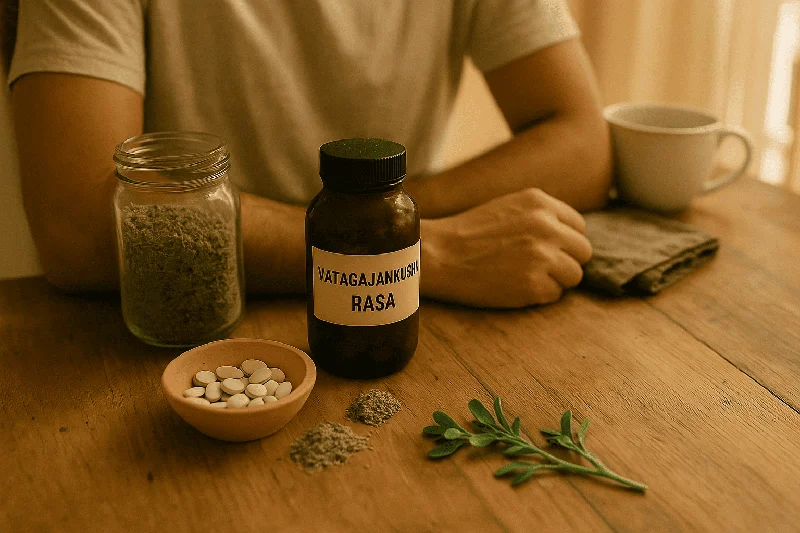
Vatagajankusha Rasa is a traditional Ayurvedic formulation that has garnered attention in holistic medicine for its potential benefits in supporting musculoskeletal health and managing certain neurological issues. Despite its long history, many questions linger about how it works, its safety, and what current research says about its efficacy. In this article, we delve into the scientific underpinnings, explore authoritative clinical opinions, and highlight the steps you can take if you are considering Vatagajankusha Rasa as part of your wellness regimen.
Table of Contents
Understanding the Concept of Vata in Ayurveda
In Ayurveda, the concept of Vata refers to the air and ether elements within the body. Vata is believed to govern movement, communication, and neurological functions. Imbalances in Vata can manifest as joint discomfort, nervous system irregularities, and various chronic health conditions. Vatagajankusha Rasa is traditionally formulated to address these imbalances, aiming to restore equilibrium and promote overall well-being.
-
Vata Dosha Fundamentals
-
Governs motion, including muscle contractions, nerve impulses, and respiratory rhythms.
-
When Vata is disturbed, common symptoms might include joint stiffness, insomnia, and anxiety.
-
Ayurvedic therapy often targets stabilizing Vata to maintain health.
-
What Is Vatagajankusha Rasa?
Vatagajankusha Rasa is a specialized Ayurvedic herbo-mineral compound. Historically, it has been recommended for conditions involving severe Vata aggravations, including chronic joint issues, neuropathic pain, and other musculoskeletal disorders.
Though the word “Rasa” often indicates a mercurial formulation in Ayurvedic pharmacology, modern Ayurvedic practitioners emphasize careful purification processes that align with standardized protocols to minimize toxicity.
Important Note: The use of mercury-containing formulations in Ayurveda is subject to rigorous detoxification processes known as Shodhana. Modern practitioners often rely on pharmacopeia-approved guidelines to ensure safety.
Don't wait or self medicate. Start chat with Doctor NOW
Key Ingredients and Their Ayurvedic Significance
Vatagajankusha Rasa typically contains a synergy of herbal and mineral components. The exact formulation can vary based on different Ayurvedic traditions or manufacturers, but commonly cited ingredients include:
-
Mercury (Parada): Once purified, it is believed to serve as a potent catalyst.
-
Sulfur (Gandhaka): In combination with mercury, forms a compound called Kajjali, thought to enhance therapeutic efficacy.
-
Guggulu (Commiphora mukul): Known for its anti-inflammatory properties in Ayurvedic texts.
-
Ashwagandha (Withania somnifera): Often included for its adaptogenic qualities, supporting nerve and muscle function.
-
Various supportive herbs: Other plant extracts or powders may be added depending on the traditional lineage.
Each of these components has a specific role in balancing Vata dosha, especially in chronic conditions involving pain and neuromuscular irregularities.
Mechanisms of Action: Ayurvedic and Contemporary Views
In classical Ayurveda, Vatagajankusha Rasa is said to “pacify Vata” by providing warmth (Ushna Veerya) and grounding qualities. Modern interpretations suggest the following:
-
Anti-Inflammatory Pathways: Herbs like Guggulu have demonstrated anti-inflammatory actions in in-vitro and animal studies, potentially easing swollen or painful joints.
-
Neuroprotective Effects: Ingredients such as Ashwagandha are studied for their potential neuroprotective properties, which may help support nerve function.
-
Analgesic Properties: Some herbal constituents have shown analgesic effects, though high-quality human trials are limited.
-
Enhanced Bioavailability: The mercury-sulfur complex (Kajjali) is traditionally believed to enhance the bioavailability of herbal components, though modern pharmacokinetic studies are scarce.
Scientific Evidence and Research Findings
While Ayurvedic practitioners have used Vatagajankusha Rasa for centuries, contemporary scientific validation is still evolving. Below is a snapshot of current knowledge from peer-reviewed sources and respected medical journals:
-
Pilot Studies in Ayurvedic Colleges
-
Some pilot studies published in Ayurvedic journals have indicated improvements in joint mobility and reduced pain in patients with osteoarthritis after using Vatagajankusha Rasa. However, these studies often have small sample sizes and lack rigorous controls.
-
-
In-Vitro and Animal Studies
-
Researchers have investigated the anti-inflammatory and analgesic potential of herbal ingredients like Guggulu and Ashwagandha. A 2019 study in the Journal of Ethnopharmacology noted significant anti-inflammatory activity in these compounds, suggesting a need for further human trials.
-
-
Meta-Analyses of Ayurvedic Interventions
-
A 2021 meta-analysis in Evidence-Based Complementary and Alternative Medicine (eCAM) highlighted the efficacy of multi-herbal formulations in managing chronic pain. While Vatagajankusha Rasa was not the sole focus, the broader category of Ayurvedic herbo-mineral preparations showed promise in reducing inflammatory markers.
-
-
Clinical Guidelines and Expert Opinions
-
Authoritative bodies like the Central Council for Research in Ayurvedic Sciences (CCRAS) in India continue to conduct trials to establish standardized protocols for metal-based Ayurvedic drugs. Their interim reports often emphasize the importance of quality control and standardized manufacturing processes.
-
What These Findings Mean
-
Current data lean towards a cautious optimism for Vatagajankusha Rasa as part of an integrative approach to musculoskeletal and neurological health.
-
More large-scale, randomized controlled trials are needed to confirm efficacy and establish standardized dosing and safety parameters.
Potential Health Benefits
Although individual responses can vary, Vatagajankusha Rasa is traditionally associated with the following benefits:
-
Joint Support: Potential relief in conditions like osteoarthritis and rheumatoid arthritis, mainly through improved mobility and reduced pain.
-
Nerve Health: May alleviate symptoms of neuropathic discomfort due to Vata imbalance.
-
Muscle Strength: Some practitioners use it to address muscle stiffness and weakness, given its “warming” nature in Ayurveda.
-
Holistic Well-Being: By targeting Vata dosha, it aims to promote better sleep, reduce anxiety, and enhance overall vitality.
Guidelines for Use and Administration
1. Consultation
Before starting any new supplement—including Ayurvedic formulations—it’s essential to consult a qualified Ayurvedic practitioner or a healthcare professional well-versed in integrative medicine. They will evaluate your individual constitution (Prakriti), current health conditions, and potential risks or benefits.
2. Dosage
-
Traditional Dosage: Often prescribed in small pill form, typically 1–2 tablets (125–250 mg) once or twice daily.
-
Modern Adjustments: Some practitioners may recommend a lower dosage initially to monitor tolerance, especially in patients with comorbidities.
3. Administration
-
With Adjuvants: Often administered with warm water, milk, or specific herbal decoctions (e.g., Dashamoola or Triphala) to augment absorption.
-
Duration of Use: A course can last from a few weeks to several months, subject to periodic evaluations by a healthcare professional.
Safety, Precautions, and Contraindications
-
Heavy Metals: Due to the presence of mercury and other minerals, sourcing from reputable manufacturers with stringent quality controls is crucial.
-
Pregnancy and Nursing: Generally contraindicated or used with extreme caution. Always consult a qualified healthcare provider.
-
Liver and Kidney Conditions: Individuals with compromised liver or kidney function should discuss potential risks before starting any herbo-mineral formulation.
-
Allergies and Interactions: Some herbs may interact with prescription medications. Review your current treatment plan with your healthcare provider to avoid adverse interactions.
Clinical Observation: Ayurvedic texts and practitioners consistently emphasize that herbo-mineral preparations must go through validated purification processes. Improperly processed formulations pose toxicity risks.
FAQs on Vatagajankusha Rasa
1. Is Vatagajankusha Rasa safe?
When sourced from reputable manufacturers and used under medical supervision, it is generally considered safe. However, self-prescription can be risky, especially if purification processes are substandard.
2. How long does it take to see results?
Results vary depending on individual health status, severity of symptoms, and consistent usage. Some report noticeable improvements within a few weeks, while others may need a longer duration.
3. Can I take it with other medications?
Always consult your healthcare provider. While Vatagajankusha Rasa is often used in integrative settings, potential herb-drug interactions must be evaluated, especially if you are on long-term or critical medications.
4. Are there any dietary recommendations?
Ayurvedic practitioners often recommend a Vata-pacifying diet that includes warm, nourishing foods and limits cold, dry, or raw items. Incorporating mild spices like ginger or cumin may complement the therapy.
5. Can pregnant women use Vatagajankusha Rasa?
Due to the presence of mineral components, pregnant and nursing women should generally avoid this formulation unless explicitly directed by a qualified healthcare professional.
Summary and Call to Action
Vatagajankusha Rasa remains a fascinating subject at the intersection of ancient wisdom and modern scientific inquiry. Its core promise lies in addressing Vata imbalances, potentially supporting joint and nerve health. While preliminary research and longstanding Ayurvedic tradition point to significant benefits, rigorous modern trials are still needed for conclusive evidence.
If you’re intrigued by the potential of Vatagajankusha Rasa, make sure to:
-
Consult Your Doctor or Ayurvedic Practitioner: Individualized guidance ensures a safer, more effective treatment plan.
-
Look for Quality Assurance: Source from manufacturers with proven safety and efficacy standards.
-
Stay Informed: Keep an eye on emerging research to understand new insights and updates about this Ayurvedic formulation.
Feel free to share this article with your network, comment with your experiences, or subscribe to our newsletter for more in-depth articles on integrative health and wellness.
Disclaimer and References
This article is for informational purposes only and does not replace professional medical advice. Always seek the counsel of a qualified healthcare provider for questions regarding your medical condition or the suitability of any treatment, including Vatagajankusha Rasa.
References
-
Sharma PV. Dravyaguna Vijnana, Chaukhambha Publications.
-
2019, Journal of Ethnopharmacology: Study on anti-inflammatory properties of Guggulu and Ashwagandha.
-
2021, Evidence-Based Complementary and Alternative Medicine (eCAM): Meta-analysis on multi-herbal formulations.
-
Central Council for Research in Ayurvedic Sciences (CCRAS): Ongoing research and guidelines on mercury-containing Ayurvedic medicines.
By aligning the profound knowledge of Ayurveda with modern research, we can forge a safer, more informed path toward integrative healthcare—unlocking the best of both worlds for enhanced well-being.
Questions from users
How long should I take Vatagajankusha Rasa to experience its effects?
Rowan
2 days ago
The time it takes to experience the effects of Vatagajankusha Rasa can vary based on individual health conditions and the specific ailment being treated. Generally, users might begin noticing changes within a few weeks to a couple of months when taking the recommended dosage of 1–2 tablets (125–250 mg) once or twice daily. It's crucial to follow the guidance of a healthcare provider, as they can adjust dosages based on your individual constitution and monitor for any adverse effects. If no improvement is seen in 4 to 8 weeks or if side effects occur, consulting the prescribing practitioner or a doctor is advised.
What is the role of minerals in Vatagajankusha Rasa and how do they support health?
Sutton
11 days ago
Minerals in Vatagajankusha Rasa play a crucial role by providing grounding energy, which helps to balance the Vata dosha. They are known for promoting stability and supporting joint health by nourishing the body's tissues (dhatus) and enhancing digestion (agni). It's important, though, that these minerals are properly purified; otherwise, they may cause imbalance instead of healing!
Is it safe to take Vatagajankusha Rasa if I have a history of allergies?
David
21 days ago
With a history of allergies, it's smart to be cautious about Vatagajankusha Rasa. Some herbs in it might cause reactions or interact with meds. Reach out to a qualified Ayurvedic doctor or healthcare provider. They'll check your prakriti and any potential allergenic stuff in it. Don't go solo on this. Stay safe!
What are the benefits of using multi-herbal formulations for chronic pain in Ayurveda?
Abigail
30 days ago
Multi-herbal formulations in Ayurveda can balance multiple doshas simultaneously, making them amazing for chronic pain relief! They often help with reducing inflammation and improving overall body balance. Research, tho, still explores their full efficacy, so it's good to stay updated and consult with a knowledgeable practitioner.
Can I take Vatagajankusha Rasa on an empty stomach for better absorption?
Joseph
38 days ago
It's generally not a good idea to take Vatagajankusha Rasa on an empty stomach. This Ayurvedic formulation can be potent, and taking it with food, especially something warm or mild, can help balance its effects and support your agni (digestive fire). Always best to check with your Ayurvedic doctor to personalize this advice to your dosha and needs!
What is the recommended starting dosage for Vatagajankusha Rasa for beginners?
Presley
48 days ago
For beginners, it’s often advised to start with a lower dosage, around 125 mg (so like 1 tablet) once daily, and see how your body feels. It's all about monitoring your response, especially if there's any other health stuff going on. Always good to chat with an Ayurvedic practitioner first tho!
Can Vatagajankusha Rasa help with anxiety related to Vata imbalances?
Raven
58 days ago
Yes, Vatagajankusha Rasa could potentially help with anxiety related to Vata imbalances. It aims at soothing joint and nerve health, both of which can be affected by Vata. But remember, it's key to balance your overall lifestyle too, like diet and routine. Combining this with Ashwagandha might amplify calming effects, but talk to an Ayurvedic practitioner for tailored advice.
Is it safe for nursing mothers to use Vatagajankusha Rasa while breastfeeding?
Nevaah
67 days ago
Nursing mothers should generally avoid using Vatagajankusha Rasa unless specifically advised by a qualified healthcare professional. Its mineral components could affect both the mother and the baby. Consult an Ayurvedic doctor for personalized advice based on individual prakriti and any current imbalances.
Can I adjust my Vata-pacifying diet based on seasonal changes?
Amelia
77 days ago
Absolutely, adjusting your Vata-pacifying diet with the seasons is actually encouraged in Ayurveda. During colder months, focus on warm, cooked, and oily foods to balance Vata's cold and dry nature. In warmer seasons, you might still keep foods warm, but lighter and more hydrating options, like stewed fruits and light grains. The idea is to support your body’s natural rhythm with the changing seasons!
Is it safe to use Vatagajankusha Rasa if I have a sensitive stomach?
Seth
86 days ago
If you've got a sensitive stomach, it's best to be careful with Vatagajankusha Rasa. It's always a good idea to consult with a qualified Ayurvedic doctor first, as they can assess your unique condition (Prakriti) and suggest if it's suitable for you. Sometimes other remedies or adjustments can help balance your digestive fire (Agni).
Related articles

Orthopedic Disorders
Calcaneal Spur Ayurvedic Treatment: Natural Relief for Heel Pain
Explore effective Ayurvedic treatments for calcaneal spur, including natural remedies, lifestyle changes, and scientific evidence to alleviate heel pain.
3,183
Orthopedic Disorders
Marma Gulika Uses: A Comprehensive Ayurvedic Overview
Discover marma gulika uses, its Ayurvedic origins, and current research. Learn about benefits, precautions, and expert advice for safe practice.
2,828

Orthopedic Disorders
How to Dissolve Bone Spurs Naturally: Ayurvedic and Holistic Approach
How to dissolve bone spurs naturally? Explore Ayurvedic and holistic remedies, diet, oils, and lifestyle changes to get rid of bone spurs and support joints
6,034

Orthopedic Disorders
How to Massage Feet to Relieve Pain: Ayurvedic Steps and Oils
Learn how to massage feet to relieve pain using Ayurvedic oils and pressure points. Simple at-home techniques to relax legs, reduce fatigue, and ease tension
4,601

Orthopedic Disorders
Kasisadi Tailam Benefits, How To Use, Ingredients, Side Effects
Exploration of Kasisadi Tailam Benefits, How To Use, Ingredients, Side Effects
1,899

Orthopedic Disorders
Viscovas Capsule – Uses, Dose, Ingredients and Side Effects
Exploration of Viscovas Capsule – Uses, Dose, Ingredients and Side Effects
2,475

Orthopedic Disorders
Katigraha in Ayurveda – Natural Relief for Lower Back Pain
Discover Ayurvedic insights and natural remedies for Katigraha. Learn how traditional treatments, herbal therapies, and lifestyle adjustments can ease lower back pain and improve mobility.
3,053

Orthopedic Disorders
Ayurvedic Foot Drop Treatment: Natural Mobility Solutions
Explore Ayurvedic treatments for foot drop, including Panchakarma, herbal oils, and nerve-strengthening remedies for improved mobility and nerve repair.
2,838
Orthopedic Disorders
Pippalyadi Taila – Ayurvedic Oil Benefits, Uses & Applications
Discover Pippalyadi Taila, an Ayurvedic herbal oil. Learn about its traditional uses, benefits for digestion, pain relief, and overall wellness, along with dosage guidelines and precautions.
2,444

Orthopedic Disorders
How to Cure Stiff Neck: Natural Remedies and Ayurvedic Tips
Learn how to cure stiff neck naturally with home remedies, yoga, massage and exercises. Find Ayurvedic solutions for lasting neck relief and flexibility
2,731
Related consultations on the topic
Legal
Additional Documents
© 2024 Ask Ayurveda. All rights reserved.