


Ask Ayurvedic doctor a question and get a consultation online on the problem of your concern in a free or paid mode. More than 2,000 experienced doctors work and wait for your questions on our site and help users to solve their health problems every day.
FREE! Ask Ayurvedic Doctors 24/7

 Fast responses
 1000+ verified doctors
Body DetoxEar, Nose, and Throat DisordersGeriatrics & RejuvenationImmunodeficiencyInfertility TreatmentNutritionOrthopedic DisordersPediatricsRespiratory DisordersSexually Transmitted Diseases (STDs)Surgery RecoveryUrological DisordersVascular DisordersDental DisordersEndocrinological DisordersGastrointestinal DisordersYoga TherapyGeneral MedicineAllergic DisordersCardio DisordersGynecology and ObstetricsCosmetologySkin and Hair DisordersEye DisordersInfectious DiseasesMental DisordersNeurological DisordersOncologyPanchakarmaSexual Health & DisordersSports Medicine
Published on 03/28/25
(Updated on 07/11/26)
3,081
Sandhigata Vata Chikitsa Sutra: A Comprehensive Guide
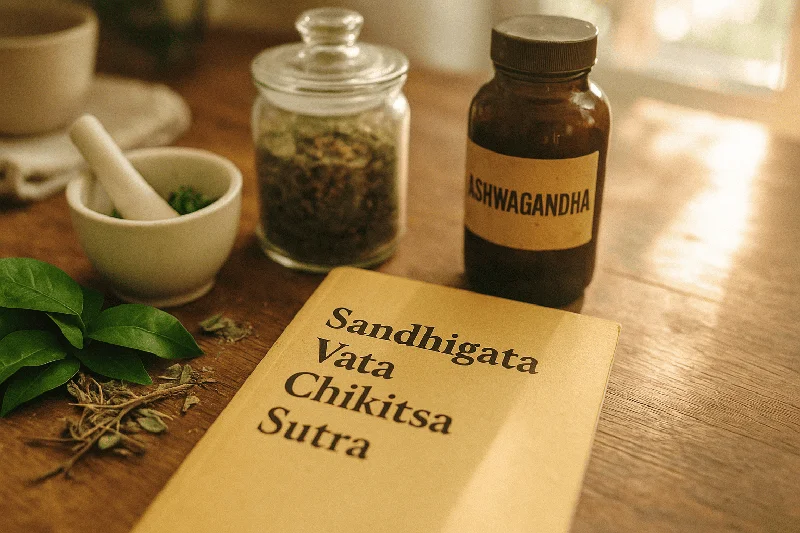
Joint health remains a growing concern worldwide, with millions of people experiencing discomfort due to various degenerative and inflammatory conditions. One ancient Ayurvedic approach, known as Sandhigata Vata Chikitsa Sutra, has attracted attention for its holistic methodology and alignment with modern integrative healthcare practices. In this article, we will delve into the origins, principles, and potential applications of Sandhigata Vata Chikitsa Sutra, underpinned by current research and reputable clinical guidelines. Whether you are a healthcare professional, an Ayurveda enthusiast, or someone seeking holistic well-being strategies, this comprehensive guide will help you gain a deeper understanding of its core concepts.
Table of Contents
Understanding Sandhigata Vata
In Ayurveda, the term “Sandhigata Vata” refers to the manifestation of Vata Dosha imbalance (or dysfunction) specifically localized in the joints. Ayurveda, a traditional Indian system of medicine dating back several millennia, categorizes diseases primarily by the imbalance of three fundamental bioenergies or “doshas”—Vata, Pitta, and Kapha. When Vata becomes aggravated, it can lead to dryness, stiffness, and pain, especially within joint structures.
In modern medical terms, Sandhigata Vata is often correlated with degenerative joint diseases, most notably osteoarthritis. However, Ayurveda’s approach to Sandhigata Vata is broader, encompassing not just the structural deterioration of the joint but also the systemic and lifestyle factors contributing to overall health.
Core Principles of Ayurvedic Chikitsa
1. Dosha Regulation
Ayurveda views overall health through the lens of Vata, Pitta, and Kapha. Sandhigata Vata Chikitsa Sutra specifically addresses the excessive or unbalanced Vata that localizes within the joints. Treatment begins with pacifying Vata through diet, herbal formulations, and external therapies.
2. Agni (Digestive Fire) Optimization
“Agni” refers to the digestive and metabolic capabilities of the body. Optimal digestion is fundamental for nutrient assimilation and toxin elimination. Impaired Agni can exacerbate joint issues by producing “ama” (toxic byproducts), which accumulate in the tissues.
3. Ojas Enhancement
“Ojas” is the essence of vitality in Ayurveda. A robust level of Ojas supports immunity, tissue repair, and overall resilience. Strategies to boost Ojas often include Rasayana (rejuvenating) herbs, mindful eating, and stress management—practices that can also strengthen joint health.
4. Panchakarma
Panchakarma, a series of detoxification and rejuvenation therapies, plays a critical role in Ayurveda for managing chronic conditions. Therapies like Basti (medicated enemas), Virechana (therapeutic purgation), and Abhyanga (therapeutic oil massage) aim to remove toxins, balance doshas, and restore normal physiological functions.
Conventional and Integrative Approaches
Modern medicine typically addresses joint disorders through analgesics, NSAIDs (Non-Steroidal Anti-Inflammatory Drugs), intra-articular injections, or surgical interventions like joint replacements. Physical therapy is also a cornerstone, helping improve range of motion and muscle strength.
However, a more integrative model—combining modern and Ayurvedic perspectives—has gained momentum. According to a review published in the Journal of Ayurveda and Integrative Medicine (2018), patients who adopted a combined regimen of Ayurvedic Panchakarma therapies, herbal supplements (like Guggulu or Boswellia serrata), and mainstream physiotherapy experienced improved functionality and pain relief compared to standard care alone.
Below is a quick look at how Ayurveda and conventional medicine can work synergistically:
-
Medications: NSAIDs can provide quick relief from inflammation, while Ayurvedic formulations may offer long-term tissue support and fewer gastrointestinal side effects.
-
Physical Rehabilitation: Yoga and physiotherapy together help maintain joint mobility and reduce muscle stiffness.
-
Nutritional Support: Western diets with balanced macronutrients complement Ayurvedic dietary recommendations focusing on easy-to-digest, warm, and Vata-pacifying foods.
Don't wait or self medicate. Start chat with Doctor NOW
Lifestyle Modifications for Joint Health
While Sandhigata Vata Chikitsa Sutra provides a robust theoretical and clinical framework, practical lifestyle modifications are indispensable:
-
Dietary Choices
-
Favor warm, cooked foods over raw, cold items to soothe Vata.
-
Increase the intake of healthy fats like ghee and olive oil, which help lubricate joints and mitigate dryness.
-
Minimize processed sugars and refined carbohydrates that may promote inflammation.
-
Consider spices like ginger, turmeric, and cumin that have proven anti-inflammatory and digestive benefits.
-
-
Physical Activity
-
Moderate, low-impact exercises such as swimming, walking, or yoga can improve joint mobility.
-
Avoid overexertion or high-impact sports that may strain the joints and exacerbate Vata imbalance.
-
-
Stress Management
-
Practice mindfulness, meditation, or pranayama (breathing exercises). Studies have shown that stress can worsen inflammation and pain perception.
-
Maintain a consistent sleep schedule to nurture both mental and physical health, directly benefiting joint recovery.
-
-
Ergonomics & Posture
-
Pay attention to posture during daily activities and desk work to reduce joint stress.
-
Use ergonomic furniture that supports natural alignment, especially important for individuals with desk jobs.
-
Research and Clinical Evidence
Epidemiological Data
Joint-related issues, such as osteoarthritis, affect more than 500 million people globally, according to the World Health Organization (WHO). Aging populations, obesity, and sedentary lifestyles all contribute to the rising prevalence of joint disorders.
Ayurvedic Research Insights
A clinical trial published in the AYU Journal (2016) investigated the effectiveness of an Ayurvedic decoction (containing Shallaki and Guggulu) for knee osteoarthritis. Participants reported a statistically significant reduction in pain and stiffness compared to a control group. Although more high-quality, double-blind, and placebo-controlled studies are needed, these preliminary findings suggest potential synergy between conventional treatments and Ayurvedic approaches like Sandhigata Vata Chikitsa Sutra.
Global Consensus
The global health community increasingly recognizes the importance of multimodal interventions for complex conditions like osteoarthritis. In a 2019 position statement, the International Association for the Study of Pain (IASP)encouraged exploration of complementary systems like Ayurveda to mitigate chronic pain and improve quality of life.
Steps for Implementing Sandhigata Vata Chikitsa Sutra
-
Initial Assessment
-
Seek a qualified Ayurvedic practitioner for a comprehensive evaluation, including pulse diagnosis and a review of medical history.
-
Modern diagnostic tools like X-rays or MRIs can confirm structural changes in the joint.
-
-
Customized Treatment Plan
-
The practitioner formulates a personalized regimen, possibly including internal herbal medicines (e.g., Yogaraj Guggulu or Rasayana preparations), external oil therapies (Abhyanga), and detox procedures (Basti).
-
The plan usually aligns with conventional medical advice if the individual is already under modern medical care.
-
-
Dietary and Lifestyle Guidance
-
Follow a Vata-pacifying diet that emphasizes warm, moist, and easily digestible foods.
-
Adopt mild to moderate exercise, focusing on joint-friendly practices like yoga or swimming.
-
-
Monitoring and Adjustments
-
Periodic consultations ensure the regimen remains effective, allowing for necessary refinements in therapy or medications.
-
Blood tests, imaging, or other clinical evaluations can validate progress.
-
-
Long-Term Maintenance
-
Include stress-management techniques and balanced routines even after primary symptoms improve.
-
Embrace continuous dietary vigilance to maintain gut health and prevent Vata aggravation.
-
Precautions and Contraindications
While Sandhigata Vata Chikitsa Sutra can offer valuable benefits, it is vital to consider certain precautions:
-
Medical History: Individuals with underlying health conditions (e.g., uncontrolled diabetes, heart disease) should consult both Ayurvedic and conventional practitioners before initiating a new regimen.
-
Allergies & Sensitivities: Herbal formulas can sometimes trigger allergic reactions. Ensure transparency with your healthcare provider regarding any known allergies.
-
Medication Interactions: Some Ayurvedic herbs, such as Guggulu or Boswellia serrata, may interact with blood thinners or NSAIDs. Always inform your healthcare team about all supplements or medications you are taking.
-
Pregnancy & Lactation: Pregnant or nursing women should seek specialized advice due to the delicate physiological changes during these stages.
Frequently Asked Questions (FAQ)
1. Is Sandhigata Vata Chikitsa Sutra only for older adults?
No. While osteoarthritis and similar conditions commonly affect older adults, younger individuals with joint injuries, repetitive stress, or inherent Vata imbalances can also benefit from tailored Ayurvedic interventions.
2. Can it replace my current medical treatment for osteoarthritis?
Sandhigata Vata Chikitsa Sutra complements—but does not necessarily replace—conventional treatments. Always discuss with a qualified healthcare provider before altering any prescribed therapy.
3. How long does it take to see results?
Results vary based on individual factors like severity of symptoms, overall health, and adherence to the recommended regimen. Some people notice improvements within a few weeks, while chronic cases may require months of consistent practice.
4. Are there any side effects to Ayurvedic medicines?
Ayurvedic treatments are generally well-tolerated when prescribed by a qualified practitioner. However, potential side effects (e.g., digestive disturbances, skin rashes) may occur if the regimen is not personalized or if the quality of the herbal products is questionable.
5. What if I cannot perform certain yoga poses due to joint pain?
A trained yoga therapist or physiotherapist can modify postures to accommodate physical limitations. Gentle joint movements and restorative postures can still benefit mobility and reduce stiffness without exacerbating pain.
Conclusion
Sandhigata Vata Chikitsa Sutra represents a comprehensive, holistic approach to managing joint health, particularly where Vata imbalances manifest as stiffness, pain, or inflammation. Rooted in Ayurveda’s timeless principles and supported by emerging scientific evidence, it offers a viable path to integrative health. From dietary strategies and herbal supplements to structured Panchakarma therapies, there are multiple avenues for both prevention and treatment. By blending the wisdom of Ayurveda with the precision of modern medicine, many individuals experience improved mobility, reduced pain, and enhanced quality of life.
If you found this article useful, consider sharing it with others who may benefit. Feel free to leave a comment or subscribe to our newsletter for more in-depth guides on holistic healthcare. Your journey to optimized joint health starts with knowledge, action, and the right support system—so why not take the next step today?
Disclaimer
This article is for informational and educational purposes only. It does not substitute professional medical advice, diagnosis, or treatment. Always seek the counsel of your physician or another qualified health provider regarding any medical condition or before making any changes to your treatment regimen. Any mention of studies, guidelines, or third-party sources is provided solely for informational reference. If you suspect you have a medical problem, promptly consult a healthcare professional.
Questions from users
How can I assess the effectiveness of Ayurvedic treatments for my joint pain?
Valerie
2 days ago
To assess the effectiveness of Ayurvedic treatments for joint pain, track tangible changes over time. Start by noting baseline pain levels, mobility, and any inflammation. Use a pain diary to log daily symptoms, improvements, or setbacks. Typically, you may notice changes within a few weeks, but individual responses can vary. Look out for sustained pain reduction and improved joint function as positive indicators. Consult a healthcare professional if your symptoms persist or worsen, and ensure any Ayurvedic treatment aligns with conventional therapies you may be receiving.
What is the role of sedentary lifestyles in increasing joint disorders as we age?
Aaliyah
11 days ago
Sedentary lifestyles often leads to stagnation and decreased circulation, making it hard for nutrients to nourish dhatus (tissues) properly. It can worsen dosha imbalances, like aggravated Vata, leading to stiffness or pain in joints as we age. Keeping agni (digestive fire) strong through diet, movement, and mind/body practices, helps a lot!
Can I use Panchakarma treatments along with my physical therapy sessions?
Rachael
21 days ago
You can totally combine Panchakarma with physical therapy! It might actually complement each other well – Panchakarma helps detox and rejuvenate, while physical therapy boosts strength and range of motion. Just ensure your practitioners know about each other's treatments, to tailor the best plan for you.
What is Panchakarma and how can it help with chronic conditions?
Mason
30 days ago
Panchakarma is a detoxification and rejuvenation process in Ayurveda, used to balance the doshas and eliminate toxins. For chronic conditions, it can improve your body's natural healing abilities, enhance digestion, and boost energy levels. It's quite personalized, so working with an Ayurvedic practitioner can help you get the most benefit!
What are the benefits of Shallaki and Guggulu for knee osteoarthritis according to Ayurveda?
Warren
39 days ago
Shallaki (Boswellia) and Guggulu are awesome for knee osteoarthritis in Ayurveda. They help by reducing inflammation and pain due to their anti-inflammatory properties! Plus, they support joint health by balancing Vata dosha. To get the best results, ensure your digestion (agni) is in good shape, as it helps with nutrient absorption.
What is the recommended regimen for using Ayurvedic herbs to treat joint pain?
Zuri
48 days ago
For joint pain, Ayurvedic herbs like ashwagandha, turmeric, and boswellia can be helpful. They’re typically used to reduce inflammation and support joint health. Usually, results might be seen in a few weeks, but it really depends on your unique constitution, the severity of pain, and consistency with the regimen! Always better to chat with a healthcare provider to make sure it's right for you.
Is it safe to use Ayurvedic herbs with blood thinners or NSAIDs?
Walker
58 days ago
It's not always safe to mix Ayurvedic herbs with blood thinners or NSAIDs. Herbs like Guggulu might interact with them, so definitely check with your doctor first. Better safe than sorry, right? Sometimes it helps to also consider how the herbs might affect your doshas and overall balance.
Is it safe to take herbal supplements without consulting a professional?
Sebastian
67 days ago
It's best to consult a professional before taking herbal supplements, honestly. Without guidance, you might not get the most benefit and could face side effects, especially if the quality of the product aint great. An expert can consider your unique needs and recommend what's best for your dosha balance and overall health.
What is Ojas in Ayurveda and how does it relate to overall health and immunity?
John
77 days ago
Ojas is kinda like the essence of vitality and immunity in Ayurveda, It's like the body's natural strength reservoir. When Ojas is strong, you are more resilient, have better immunity and health overall. But if it's depleted, you might feel fatigued, get sick easily, or just feel off. Supporting Ojas involves nourishing foods, balanced lifestyle and managing stress. 😊
Can I use Ayurvedic treatment for knee osteoarthritis along with conventional medicine?
Willow
87 days ago
Yes, you can absolutely use Ayurvedic treatment along with conventional medicine for knee osteoarthritis. Ayurveda can be a great complementary approach! Combining herbal supplements like Shallaki and Guggulu with other treatments might help with pain and inflammation. Just be sure to discuss it with your doctor to avoid any interactions and ensure it suits your unique needs.
Related articles

Orthopedic Disorders
Rasnasaptak Kashayam Tablet (Kadha)
Exploration of Rasnasaptak Kashayam Tablet (Kadha)
1,757
Orthopedic Disorders
Kokilakshakam Kashayam Uses and Health Benefits Explained
Discover the evidence-based uses of Kokilakshakam Kashayam in Ayurveda for arthritis, muscle pain, and inflammation. Backed by scientific research.
2,989

Orthopedic Disorders
Amavata Lakshana: A Comprehensive Overview
Discover amavata lakshana, its Ayurvedic background, modern scientific insights, and practical strategies for managing joint pain and inflammation.
2,390

Orthopedic Disorders
Sunarin Capsules – Benefits, Dosage, Ingredients, Side Effects
Exploration of Sunarin Capsules – Benefits, Dosage, Ingredients, Side Effects
3,980

Orthopedic Disorders
Spinal Cord Injury Treatment in Ayurveda: Natural Healing & Recovery
Explore Ayurvedic approaches to spinal cord injury treatment, including holistic therapies, herbal support, rehabilitation methods, and safety considerations for optimal recovery.
3,198

Orthopedic Disorders
Effective Ayurvedic Treatment for Disc Bulge: Heal Naturally
Explore the best Ayurvedic treatments for disc bulge, including herbal remedies, therapies, and lifestyle changes supported by scientific research to alleviate back pain and improve spinal health.
4,244

Orthopedic Disorders
Vatarakta Treatment in Ayurveda – Holistic Approach for Joint & Blood Disorders
Discover the Ayurvedic approach to treating Vatarakta, a condition marked by joint pain, inflammation, and blood imbalances. Learn about herbal therapies, detoxification, and lifestyle changes for effective management.
2,476

Orthopedic Disorders
Rasnairandadi Kashayam – Benefits, Dosage, Ingredients and Side Effects
Exploration of Rasnairandadi Kashayam – Benefits, Dosage, Ingredients and Side Effects
1,915

Orthopedic Disorders
Rasnairandadi Kashayam: Benefits, Dosage, Ingredients, Side Effects
Exploration of Rasnairandadi Kashayam: Benefits, Dosage, Ingredients, Side Effects
1,953

Orthopedic Disorders
Pravala Panchamrita Rasa – Ayurvedic Formulation for Rejuvenation and Balance
Discover Pravala Panchamrita Rasa, a traditional Ayurvedic medicine combining calcined coral and a blend of five potent ingredients for detoxification, rejuvenation, and overall wellness. Learn about its benefits, usage guidelines, and precautions.
2,556
Related consultations on the topic
Legal
Additional Documents
© 2024 Ask Ayurveda. All rights reserved.