Ask Ayurvedic doctor a question and get a consultation online on the problem of your concern in a free or paid mode. More than 2,000 experienced doctors work and wait for your questions on our site and help users to solve their health problems every day.
FREE! Ask Ayurvedic Doctors 24/7

 Fast responses
 1000+ verified doctors
Body DetoxEar, Nose, and Throat DisordersGeriatrics & RejuvenationImmunodeficiencyInfertility TreatmentNutritionOrthopedic DisordersPediatricsRespiratory DisordersSexually Transmitted Diseases (STDs)Surgery RecoveryUrological DisordersVascular DisordersDental DisordersEndocrinological DisordersGastrointestinal DisordersYoga TherapyGeneral MedicineAllergic DisordersCardio DisordersGynecology and ObstetricsCosmetologySkin and Hair DisordersEye DisordersInfectious DiseasesMental DisordersNeurological DisordersOncologyPanchakarmaSexual Health & DisordersSports Medicine
Published on 10/14/24
(Updated on 06/16/26)
3,237
Joint Pain

Joint pain affects nearly one in four adults worldwide, making it one of the most common reasons people visit a doctor. Whether it's a dull ache in your knee after climbing stairs or a sharp, burning sensation in your shoulder that keeps you up at night — joint pain can range from mildly annoying to completely debilitating.
So what exactly is joint pain? It's discomfort, soreness, or aching that arises in any joint of the body — the point where two or more bones meet. The most commonly affected joints include knees, hips, shoulders, fingers, wrists, and the spine. Joint pain can be acute (lasting a few days to weeks) or chronic (persisting for 12 weeks or more), and understanding the difference is critical because the approach to treatment changes significantly depending on duration and underlying cause.
In this comprehensive guide, we'll break down everything you need to know about joint pain — from its root causes and risk factors to proven treatments, exercises, and prevention strategies that actually work.
What Are the Main Causes of Joint Pain?
Joint pain doesn't just happen randomly. There's almost always an underlying mechanism at work, whether it's inflammation, degeneration, infection, or mechanical damage. Here's a detailed breakdown of the most common causes.
Arthritis — The Leading Cause
- Arthritis is far and away the number one cause of chronic joint pain.
- But "arthritis" isn't a single disease — it's actually a term covering over 100 different conditions.
| Type | Who It Affects | Key Features | Common Joints |
|---|---|---|---|
| Osteoarthritis (OA) | Adults 45+, more common in women | Cartilage wears down over time; bone-on-bone friction | Knees, hips, hands, spine |
| Rheumatoid Arthritis (RA) | Ages 30-60, women 3x more than men | Autoimmune; body attacks joint lining | Hands, wrists, feet (symmetrical) |
| Gout | Men 30-50, postmenopausal women | Uric acid crystal buildup; sudden flares | Big toe, ankles, knees |
| Psoriatic Arthritis | People with psoriasis (up to 30%) | Joint pain + skin plaques; can affect spine | Fingers, toes, lower back |
| Ankylosing Spondylitis | Young men 17-35 | Chronic spinal inflammation; stiffness worse in morning | Spine, sacroiliac joints |
Osteoarthritis alone affects over 528 million people globally according to a 2023 Lancet study, making it the most prevalent form. Rheumatoid arthritis affects roughly 1% of the world's population but causes disproportionate disability because of its aggressive, systemic nature.
Injuries and Overuse
Acute injuries — sprains, strains, fractures, dislocations, and ligament tears — are the second most common cause of joint pain, particularly in younger adults and athletes. Repetitive stress injuries from occupations requiring kneeling, lifting, or typing can also trigger chronic joint pain over time.
Common injury-related conditions include:
- Bursitis — inflammation of the fluid-filled sacs cushioning joints
- Tendinitis — irritation of tendons around a joint (tennis elbow, rotator cuff tendinitis)
- Meniscus tears — especially in the knee
- Ligament injuries — ACL, MCL tears
Infections and Systemic Diseases
Sometimes joint pain signals something more serious. Septic arthritis (bacterial joint infection) requires emergency treatment. Viral infections like dengue, chikungunya, and COVID-19 are also well-documented causes of acute joint pain — something particularly relevent in India where these infections are endemic.
Other systemic conditions that cause joint pain include lupus, fibromyalgia, hypothyroidism, and Lyme disease.
What Am I Lacking If My Joints Hurt?
This is one of the most searched questions about joint pain, and for good reason. Nutritional deficiencies can absolutely contribute to joint discomfort:
- Vitamin D deficiency — extremely common in India (studies suggest 70-90% of Indians are deficient). Low vitamin D is strongly linked to musculoskeletal pain and higher rates of osteoarthritis progression.
- Calcium deficiency — weakens bones supporting joints
- Omega-3 fatty acids — insufficient intake increases inflammatory markers
- Vitamin B12 — deficiency can cause joint pain and neurological symptoms
- Magnesium — plays a role in muscle relaxation and joint function
A simple blood test can identify these deficiencies. If your joints hurt without obvious injury or swelling, get your vitamin D, B12, and calcium levels checked — it's often the quickest win.
Joint Pain Symptoms: How to Recognize What's Happening
Joint pain isn't just "pain." It presents in different patterns that actually tell you a lot about what's going on underneath. Paying attention to these details helps your doctor diagnose faster and treat more effectivley.
Common Symptoms Accompanying Joint Pain
- Stiffness — especially in the morning or after prolonged sitting
- Swelling — visible puffiness around the joint
- Redness and warmth — signs of active inflammation
- Decreased range of motion — difficulty bending, straightening, or rotating
- Grinding or popping sounds (crepitus) — common in osteoarthritis
- Locking — joint temporarily gets stuck in one position
- Weakness — feeling like the joint might "give way"
Acute vs Chronic Joint Pain: Why It Matters
| Feature | Acute Joint Pain | Chronic Joint Pain |
|---|---|---|
| Duration | Less than 6 weeks | More than 12 weeks |
| Onset | Sudden (injury, infection, gout flare) | Gradual (degenerative, autoimmune) |
| Inflammation | Often prominent | May or may not be present |
| Treatment focus | Address immediate cause, reduce swelling | Long-term management, lifestyle changes |
| Prognosis | Usually resolves completely | Requires ongoing management |
Understanding this distinction matters. Treating chronic osteoarthritis pain the way you'd treat an acute sprain — with complete rest and anti-inflammatories — actually makes things worse in the long run.
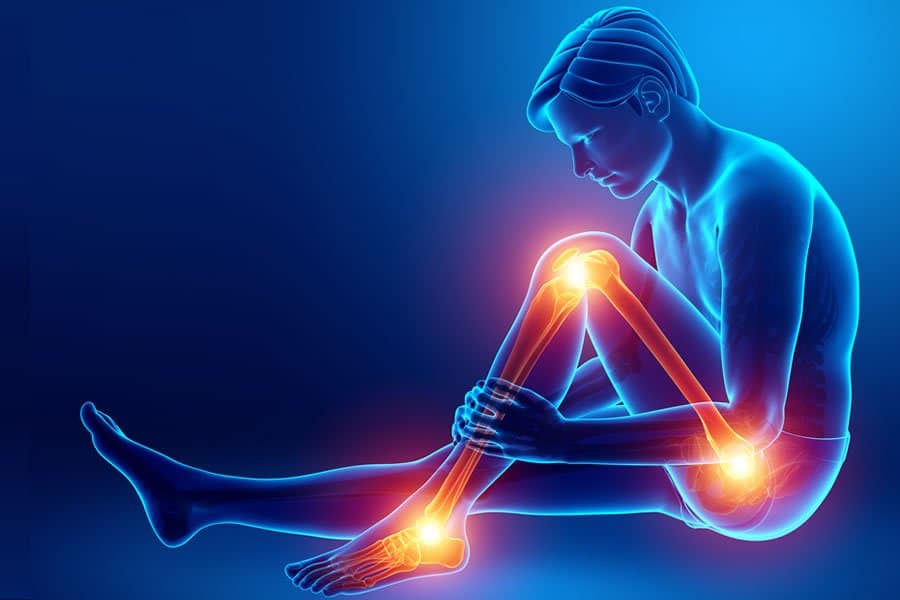
Why Do All My Joints Hurt and I Feel Tired?
Widespread joint pain combined with fatigue is a very specific pattern that points to certain conditions. If you're experiencing pain in multiple joints along with persistent tiredness, consider these possibilities:
- Rheumatoid arthritis — fatigue is a hallmark symptom, often appearing before joint symptoms become severe
- Fibromyalgia — causes widespread musculoskeletal pain, fatigue, and cognitive difficulties (sometimes called "fibro fog")
- Lupus (SLE) — joint pain + fatigue + skin rashes + organ involvement
- Hypothyroidism — underactive thyroid causes joint pain, fatigue, weight gain, and brain fog
- Viral infections — post-viral arthralgia from chikungunya or COVID-19 can persist for months
- Vitamin D deficiency — again, incredibly common and underdiagnosed in India
Multiple Joint Pain Without Swelling
When multiple joints hurt but there's no visible swelling, the pain is more likely related to:
- Fibromyalgia
- Vitamin deficiencies (D, B12)
- Hypothyroidism
- Early-stage osteoarthritis
- Chronic stress and poor sleep (yes, really — more on this below)
This pattern is actually very common in clinical practice and often gets dismissed. If your blood tests for inflammatory markers (CRP, ESR) come back normal but you're still in pain — push for thyroid function tests and vitamin panels.
Joint Pain by Location: What Your Body Is Telling You
None of the major health websites break down joint pain by specific location in a systematic way. But this matters, because the causes and treatment approach differ significantly depending on which joint is affected.
Knee Joint Pain
- The knee is the most commonly affected joint — and the most searched.
- Primary causes include:
- Osteoarthritis — the #1 cause in adults over 45
- Meniscus tears — common in sports and squatting activities
- Patellofemoral syndrome — "runner's knee," pain behind the kneecap
- Ligament injuries — ACL tears especially in younger, active individuals
India-specific note: Habitual squatting (common in Indian daily life, from using Indian toilets to sitting on the floor) places tremendous stress on knee joints. A 2018 study published in the Indian Journal of Orthopaedics found that prolonged squatting accelerates knee osteoarthritis in Indian populations.
Shoulder Joint Pain
- Rotator cuff injuries (most common cause in ages 40+)
- Frozen shoulder (adhesive capsulitis) — very common in diabetics
- Impingement syndrome
- Arthritis (less common than knee/hip)
Hip Joint Pain
- Osteoarthritis
- Bursitis (trochanteric)
- Labral tears
- Avascular necrosis — particularly concerning, as it causes bone death from loss of blood supply
Finger and Wrist Joint Pain
- Rheumatoid arthritis (often the first joints affected)
- Osteoarthritis (Heberden's and Bouchard's nodes)
- Carpal tunnel syndrome (wrist)
- Trigger finger
Ankle Joint Pain
- Sprains and ligament injuries
- Gout
- Osteoarthritis (especially after old fractures)
- Tendinitis (Achilles)
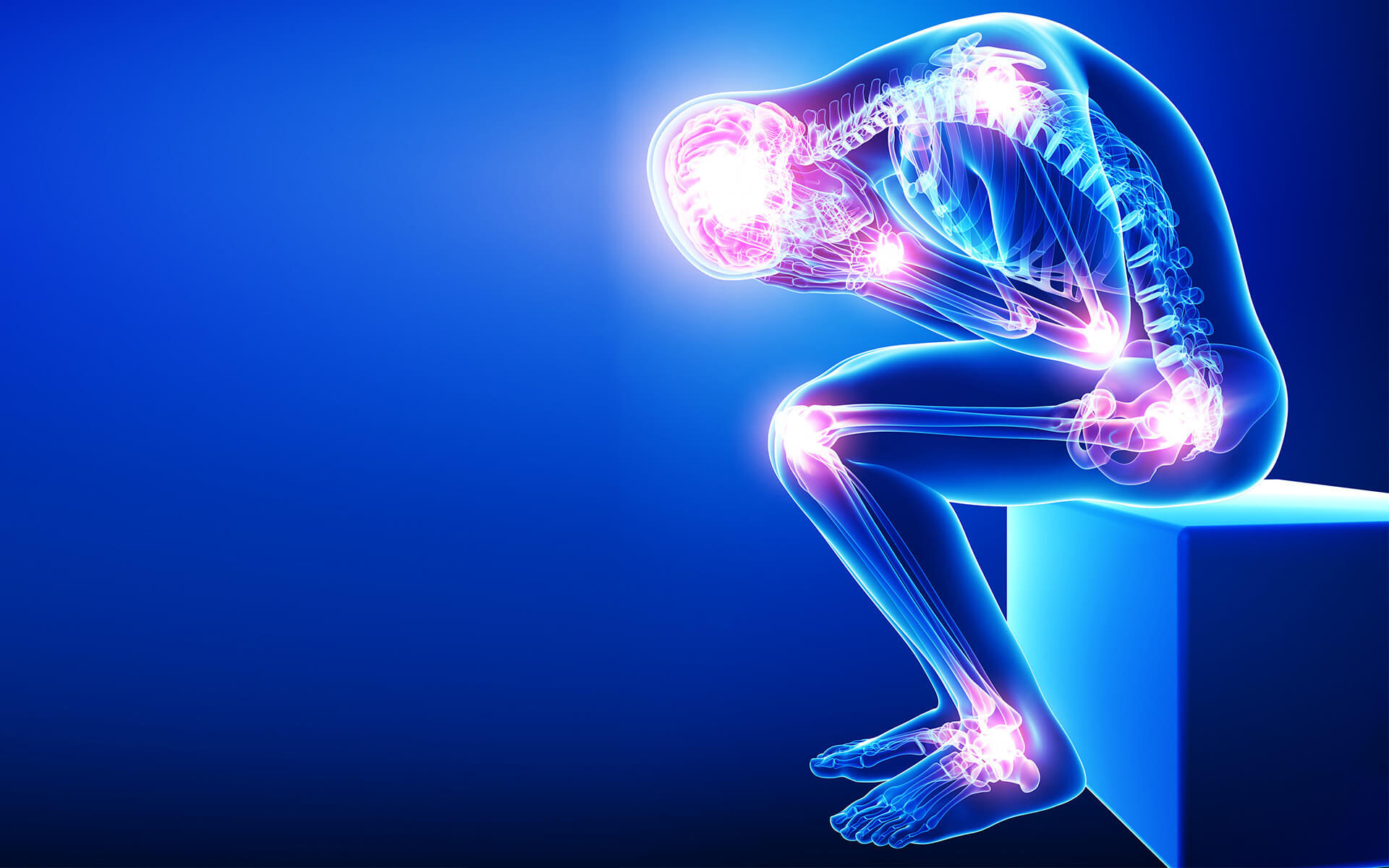
How Do You Stop Joint Pain? Proven Treatment Options
Treatment depends entirely on the cause. There's no one-size-fits-all approach, but here's a comprehensive breakdown of what works.
Home Remedies and Self-Care for Joint Pain
For mild to moderate joint pain, start here:
The RICE Method (for acute injuries):
- Rest — avoid activities that worsen pain
- Ice — 15-20 minutes every 2-3 hours for the first 48 hours
- Compression — elastic bandage to reduce swelling
- Elevation — keep the joint above heart level
Note: Some sports medicine professionals now advocate the PEACE & LOVE framework (Protection, Elevation, Avoid anti-inflammatories initially, Compression, Education + Load, Optimism, Vascularisation, Exercise), which questions the routine use of ice and NSAIDs in the very early stages of soft tissue injuries. The evidence is still evolving, but it's worth knowing about. Proven home remedies:
- Epsom salt baths — magnesium absorption may help reduce inflammation
- Turmeric (curcumin) — a 2016 systematic review in the Journal of Medicinal Food found curcumin significantly reduced joint pain in osteoarthritis patients, with effects comparable to ibuprofen
- Ginger — anti-inflammatory properties supported by multiple studies
- Hot and cold therapy — heat for stiffness, cold for acute inflammation
- Massage — improves circulation and reduces muscle tension around joints
Joint Pain Medicine: What Works and How to Choose
| Medication | Best For | Dosage Range | Key Side Effects |
|---|---|---|---|
| Paracetamol (Acetaminophen) | Mild OA pain, first-line | 500-1000 mg, up to 4g/day | Liver damage at high doses |
| Ibuprofen (NSAID) | Inflammatory pain, moderate severity | 200-400 mg, 3x/day | Stomach ulcers, kidney issues |
| Naproxen (NSAID) | Longer-lasting relief needed | 250-500 mg, 2x/day | Same as ibuprofen but longer acting |
| Diclofenac gel (topical) | Localized knee/hand OA | Apply 3-4x/day | Minimal systemic side effects |
| Corticosteroid injections | Severe flares, single joint | Doctor-administered | Cartilage damage with repeated use |
| Hyaluronic acid injections | Knee OA not responding to other treatments | Doctor-administered | Temporary pain/swelling at injection site |
Important comparison: Paracetamol is safer for long-term use but weaker for inflammatory pain. NSAIDs like ibuprofen are more effective for inflammation but carry gastrointestinal and cardiovascular risks. For people over 65 or those with kidney issues, topical NSAIDs (gels and creams) are generally preferred over oral ones.
Supplements and Natural Approaches
- Glucosamine and chondroitin — evidence is mixed; a 2018 Cochrane review found modest benefits for knee OA, but not all studies agree. Worth trying for 3 months to assess individual response.
- Omega-3 fatty acids — a 2017 meta-analysis showed significant reduction in joint pain intensity and morning stiffness in RA patients taking fish oil supplements
- Boswellia serrata — an Ayurvedic herb with clinical evidence supporting its use in OA. A 2020 study in BMC Complementary Medicine showed significant pain reduction.
- Vitamin D supplementation — essential if deficient; dosing depends on severity of deficiency (typically 1000-4000 IU daily for maintenance)
Surgical Options for Joint Pain
When conservative treatment fails, surgery may become necessary:
- Arthroscopy — minimally invasive; camera-guided repair of damaged tissue (meniscus, labrum, loose bodies)
- Osteotomy — bone is cut and realigned to shift weight away from damaged area
- Joint replacement (arthroplasty) — partial or total replacement of damaged joint with metal/plastic components. Knee and hip replacements have excellent success rates (over 95% satisfaction at 10 years)
- Joint fusion (arthrodesis) — bones are fused together, eliminating the joint. Used mainly for ankle, wrist, and spine.
Don't wait or self medicate. Start chat with Doctor NOW
Exercises for Joint Pain: What Actually Helps
Every medical authority recommends exercise for joint pain — yet almost none provide specific guidance. Here are evidence-based exercises organized by joint.
Low-Impact Exercises (Safe for Most Joint Pain)
- 1.Swimming/Water aerobics — buoyancy reduces joint load by up to 90%. Perhaps the single best exercise for joint pain sufferers.
- 2.Walking — 30 minutes daily shown to reduce knee OA pain in multiple studies
- 3.Cycling — strengthens quadriceps without stressing knees
- 4.Yoga — a 2019 Cochrane review found yoga reduces pain and improves function in knee OA
Specific Exercises by Joint
For knee pain:
- Straight leg raises (lying down, lift leg 12 inches, hold 5 seconds, 10 reps each leg)
- Wall sits (back against wall, slide down to 45 degrees, hold 10-30 seconds)
- Step-ups (using a 6-inch step, 10 reps each leg)
- Hamstring curls (standing, bend knee to bring heel toward buttock)
For hip pain:
- Clamshells (lying on side, knees bent, open top knee like a clamshell)
- Hip bridges (lying on back, lift hips off floor, squeeze glutes)
- Standing hip abduction (lift leg sideways, 10 reps each side)
For shoulder pain:
- Pendulum swings (lean forward, let arm hang, make small circles)
- Wall walks (fingers "walk" up the wall slowly)
- External rotation with resistance band
Critical rule: Start slowly. Pain during exercise is acceptable up to about 3/10 on a pain scale — anything above that means you're pushing too hard. Post-exercise soreness lasting more than 24 hours means you did too much.
Risk Factors: Who Gets Joint Pain and Why
Understanding risk factors helps with both prevention and early intervention.
Major Risk Factors
- Age — risk rises sharply after 45; cartilage naturally thins with age
- Obesity — every extra kilogram of body weight places 4 extra kilograms of force on the knees. A 2005 Framingham study showed that losing just 5 kg reduced knee OA risk by over 50%
- Gender — women are more likely to develop OA and RA, especially after menopause
- Previous injuries — a torn ACL makes you 4-6 times more likely to develop knee OA later
- Occupation — jobs requiring repetitive kneeling, squatting, or heavy lifting increase risk
- Genetics — family history of arthritis is a significant predictor
- Sedentary lifestyle — weak muscles provide less joint support
The Sleep and Joint Pain Connection
- This is one area almost nobody talks about.
- Poor sleep doesn't just result from joint pain — it actually makes joint pain worse.
A 2015 study in Arthritis & Rheumatology found that poor sleep quality predicted increased pain sensitivity the next day, even after controlling for mood and stress. Chronic sleep deprivation increases inflammatory cytokines (IL-6, TNF-alpha) that directly aggravate joint inflammation.
Practical sleep tips for joint pain:
- Sleep on your back or side with a pillow between knees
- Use a medium-firm mattress (not too soft, not too hard)
- Avoid caffeine after 2 PM
- Take a warm bath before bed to relax stiff joints
Does Weather Affect Joint Pain?
This is one of the most commonly asked questions by patients — and the answer is: probably yes, but not how you might think.
A 2019 study published in npj Digital Medicine, analyzing over 2,658 participants' daily pain reports, found that higher humidity and lower atmospheric pressure were associated with increased pain — not temperature directly. The relationship was statistically significant but modest. So your grandmother wasn't imagining it when she said her knees predicted rain.
Diagnosing Joint Pain: What to Expect
Tests Your Doctor May Order
- X-rays — show bone spurs, joint space narrowing, fractures
- MRI — detailed soft tissue images (cartilage, ligaments, meniscus)
- Blood tests — CBC, ESR (erythrocyte sedimentation rate), CRP (C-reactive protein), rheumatoid factor, anti-CCP antibodies, uric acid, vitamin D
- Joint aspiration (arthrocentesis) — fluid drawn from the joint for analysis; crucial for diagnosing gout and septic arthritis
Questions Your Doctor Will Ask — Be Prepared
Coming prepared to your appointment saves time and improves diagnosis.
Expect these questions:
- When did the pain start? Was there an injury?
- Which joints are affected? Is it symmetrical?
- Is it worse in the morning? How long does morning stiffness last?
- What makes it better or worse?
- Do you have swelling, redness, or warmth?
- Any fever, weight loss, or rashes?
- Family history of arthritis or autoimmune disease?
- What medications have you tried?
Impact on Mental Health and Quality of Life
Chronic joint pain doesn't just affect your body. Its psychological impact is profound and consistently underestimated.
Research from the CDC shows that adults with arthritis are approximately 1.5 times more likely to experience depression and anxiety compared to those without. Chronic pain disrupts sleep, limits social activities, reduces independence, and creates a sense of helplessness — all of which feed into depressive cycles.
Complications of Untreated Joint Pain
- Ignoring joint pain doesn't make it go away.
- It typically gets worse, leading to:
- Progressive joint destruction and deformity
- Muscle weakness and atrophy from disuse
- Reduced mobility and loss of independence
- Increased fall risk (especially in elderly)
- Chronic pain syndrome with central sensitization — where the nervous system amplifies pain signals
- Depression and social isolation
- Cardiovascular deconditioning from inactivity
How to Prevent Joint Pain
- Prevention is genuinely possible for many types of joint pain.
- Here's what the evidence supports:
- 1.Maintain healthy weight — the single most impactful preventive measure for knee and hip OA
- 2.Stay active — 150 minutes of moderate exercise per week minimum
- 3.Build muscle strength — strong quadriceps protect knees; strong core protects the spine
- 4.Anti-inflammatory diet — emphasize fruits, vegetables, fish, nuts, olive oil. Limit processed foods, refined sugar, and excess red meat
- 5.Protect joints during activities — proper footwear, ergonomic workspace setup, protective gear in sports
- 6.Don't ignore injuries — proper rehabilitation after sprains and fractures prevents future arthritis
- 7.Supplement wisely — vitamin D if deficient, omega-3 fatty acids
- 8.Quit smoking — smoking increases RA risk and impairs healing
Frequently Asked Questions About Joint Pain
What causes joint pain all over the body?
Widespread joint pain (polyarthralgia) is commonly caused by rheumatoid arthritis, fibromyalgia, viral infections (like chikungunya or COVID-19), lupus, hypothyroidism, or severe vitamin D deficiency. If multiple joints hurt simultaneously, see a doctor for blood tests — particularly ESR, CRP, rheumatoid factor, thyroid function, and vitamin D levels.
What is the best tablet for joint pain?
There is no single "best" tablet — it depends on the cause. For mild osteoarthritis pain, paracetamol (500-1000 mg) is first-line. For inflammatory pain with swelling, ibuprofen (400 mg) or naproxen (250-500 mg) are more effective. For gout, colchicine or specific anti-inflammatories work best. Always consult a doctor before starting any medication regularly.
Can joint pain be cured permanently?
It depends on the cause. Joint pain from infections, nutritional deficiencies, or injuries can often be completely resolved with proper treatment. Degenerative conditions like osteoarthritis cannot be "cured" but can be effectively managed — many patients achieve excellent pain control and maintain active lives with the right combination of exercise, weight management, and treatment.
Are there effective home remedies for joint pain?
- Yes. Applying ice for acute pain (15-20 minutes, wrapped in cloth), using warm compresses for stiffness, turmeric milk (haldi doodh), Epsom salt soaks, gentle stretching, and maintaining an anti-inflammatory diet all have evidence supporting their use.
- However, home remedies work best alongside — not instead of — medical treatment for moderate to severe pain.
What is the connection between joint pain and weakness?
Joint pain often leads to weakness because pain causes you to use the affected joint less. This disuse leads to muscle atrophy (wasting), which reduces joint stability, which causes more pain — creating a vicious cycle. Breaking this cycle with appropriate strengthening exercises is one of the most important aspects of treatment.
When should I see a doctor for joint pain?
Seek medical attention if your joint pain is accompanied by fever, significant swelling, redness and warmth, inability to bear weight, pain after an injury, unexplained weight loss, or if pain persists for more than two weeks despite home treatment. Sudden, severe joint pain with inability to move the joint is a medical emergency.
Final Thoughts: Taking Control of Your Joint Pain
Joint pain doesn't have to control your life. Whether you're dealing with early morning stiffness in your fingers, a nagging knee that acts up on stairs, or widespread achiness that leaves you exhausted — there are proven, effective strategies to manage and often significantly reduce your pain.
- The key is not to wait. Early intervention consistently leads to better outcomes.
- Start with the basics: stay active with low-impact exercise, maintain a healthy weight, address any nutritional deficiencies, and don't hesitate to see a doctor if your pain is persistent or worsening.
Your joints carry you through life. Take care of them, and they'll take care of you.
This article is for informational purposes only and does not replace professional medical advice. If you are experiencing severe or persistent joint pain, please consult a qualified healthcare provider for proper diagnosis and treatment.
Scientific Sources
- Effect of proprioceptive neuromuscular facilitation technique on the treatment of frozen shoulder: a pilot randomized controlled trial — Lin P et al., 2022, BMC musculoskeletal disorders
- New therapeutic strategies in osteoarthritis — Siddiq MAB et al., 2024, Joint bone spine
- Herbal medicine for sports: a review — Sellami M et al., 2018, Journal of the International Society of Sports Nutrition
- Comparing the Effectiveness of Blood Flow Restriction and Traditional Heavy Load Resistance Training in the Post-Surgery Rehabilitation of Anterior Cruciate Ligament Reconstruction Patients: A UK National Health Service Randomised Controlled Trial — Hughes L et al., 2019, Sports medicine (Auckland, N.Z.)
- Osteotomy Around the Knee: The Surgical Treatment of Osteoarthritis — Peng H et al., 2021, Orthopaedic surgery
- Glucosamine — 2012
- Effect of Low-Load Blood Flow Restriction Training After Anterior Cruciate Ligament Reconstruction: A Systematic Review — Koc BB et al., 2022, International journal of sports physical therapy
- Effects of heel kicking exercise on knee pain and joint function in knee osteoarthritis: A randomized controlled trial — Tan Z et al., 2025, Medicine
- A Standardized Boswellia serrata Extract Improves Knee Joint Function and Cartilage Morphology in Human Volunteers with Mild to Moderate Osteoarthritis in a Randomized Placebo-Controlled Study — Kumar B et al., 2025, Journal of the American Nutrition Association
- Acupuncture for pain — Kelly RB, 2009, American family physician
- Notopterol mitigates osteoarthritis progression and relieves pain in mice by inhibiting PI3K/Akt/GPX4-mediated ferroptosis — Zhou X et al., 2025, International immunopharmacology
- Medico-religiousplantsusedbytheHajongcommunityofAssam,India — Sharma UK et al., 2012, Journal of ethnopharmacology
- Regulating lipid metabolism in osteoarthritis: a complex area with important future therapeutic potential — Chen X et al., 2024, Annals of medicine
- Alternative Treatments for Minor GI Ailments — Mohiuddin AK, 2019, Innovations in pharmacy
- Herbal medicines for osteoarthritis — 2012, Drug and therapeutics bulletin
- Role of Traditional Chinese Medicine for the Treatment of Lupus nephritis: Mechanisms and Applications — Dou LL et al., 2024, Alternative therapies in health and medicine
- Facet joint pain--advances in patient selection and treatment — Cohen SP et al., 2013, Nature reviews. Rheumatology
- Traditional uses and pharmacological activities of the genus leea and its phytochemicals: A review — Hossain F et al., 2021, Heliyon
- Current Review of Regenerative Medicine Therapies for Spine-Related Pain — Maloney J et al., 2024, Current pain and headache reports
- Analyzing how SiMiao Wan regulates ferroptosis to prevent RA-ILD using metabolomics and cyberpharmacology — Chen Y et al., 2024, Phytomedicine : international journal of phytotherapy and phytopharmacology
Questions from users
What causes morning stiffness in joints and how long does it usually last?
Christian
6 days ago
Morning stiffness in joints is often due to conditions like osteoarthritis or rheumatoid arthritis, where the synovial fluid thickens or the immune system acts up, respectively. It can last a few minutes to over an hour, depending on the severity. Lifestyle and Ayurveda-wise, balancing your Vata dosha and keeping warm could help. Sometimes a warm shower or gentle stretching helps ease it. If it continues long or is painful, a check with a healthcare provider could be helpful.
Is it safe to take vitamin D supplements for joint pain relief?
Nathan
15 days ago
Yes, vitamin D supplements can be helpful for joint pain, especially if you're deficient. But make sure to check your levels first! Your body type (your "prakriti") might also play a part, so it's good to consult a healthcare pro to balance your doshas and ensure safety. If pain persists, exploring deeper into your diet or stress levels can help too!
What is the role of Agni in joint health according to Ayurveda?
Wade
25 days ago
Agni, or digestive fire, is super important for joint health in Ayurveda—it helps digest food and absorb nutrients that nourish the joints and tissues (dhatus). A strong Agni helps break down and eliminate Ama (toxins), which can lead to less inflammation and better joint function. Keeping Agni balanced is key! 🕉️
What are the signs of Dosha imbalance affecting joint health in Ayurveda?
Abigail
35 days ago
Signs of dosha imbalance affecting joint health in Ayurveda include stiffness, pain, and inflammation. Vata imbalance usually shows as dryness and cracking, while excess Pitta may cause inflammation or redness. Kapha imbalance might come with swelling and heaviness. It's all about how your body signals these imbalances. Balancing them through diet, lifestyle, and herbs can really help though!
What lifestyle changes can help reduce joint inflammation according to Ayurveda?
Thomas
45 days ago
To reduce joint inflammation, Ayurveda suggests some lifestyle changes like keeping a Vata balance, stay warm, eat cooked foods that are easy to digest, like soups n stews; soil your diet with anti-inflammatory spices like ginger n turmeric. Also, gentle yoga & regular oil massages can do wonders. Always listen to your body and what it needs!
How does an imbalance in Vata affect overall health beyond joint pain?
Paris
54 days ago
When there's a Vata imbalance, it can cause more than just joint pain. It might disrupt sleep, cause anxiety, dry skin, constipation or even a super sensitive nervous system. If you notice digestive issues or stress levels rising, it's possible Vata could be at work. Staying grounded, warm, and hydrated can help bring Vata back to balance! 🧘♀️😊
Can I use essential oils for joint pain relief according to Ayurveda?
Luke
64 days ago
Yes, you can definitely use essential oils for joint pain relief in Ayurveda! Oils like eucalyptus, ginger, and peppermint can help. They warm up the area, improve circulation and balance Vata dosha, which helps with joint issues. Just remember, always do a patch test first coz everyone's skin is different.
Is it safe to combine Ayurvedic treatments with conventional medicine for joint pain?
Isaac
73 days ago
Yes, it's usually safe to combine Ayurvedic treatments with conventional medicine for joint pain, but always check with your doctor first. Ayurvedic remedies can complement by balancing doshas like Vata, optimizing Agni, and reducing Ama. But they might interact with prescriptions, so professional guidance is key!
What are some lifestyle habits I should adopt to support Agni for joint health?
Shelby
150 days ago
To support Agni and joint health, try starting your day with warm water - it helps kickstart digestion. Include spices like ginger and turmeric in your meals, as they boost Agni and reduce inflammation. Regular gentle exercise, like yoga, can also improve circulation and joint flexibility. Be mindful of your unique dosha; some habits suit vata, pitta, or kapha differently!
What role does daily stress management play in maintaining Dosha balance for joint health?
Luke
159 days ago
Daily stress management is totally crucial for keeping your doshas balanced, especially when it comes to joint health. Stress can aggravate Vata dosha, leading to issues like joint stiffness and pain. Practices like meditation, yoga, and even simple breathing exercises can really help calm the mind and keep that dosha in check. So, make stress relief part of your routine if you're looking after your joints! It’s like giving your system a chance to reset and help agni function properly, promoting overall harmony.
Related articles

Orthopedic Disorders
Migroset Tablet: Ayurvedic Relief for Migraine and Chronic Headaches
Learn about Migroset Tablet’s benefits, proper dosage, side effects, and scientific research. Discover how this medication supports bone health and prevents osteoporosis.
2,447

Orthopedic Disorders
Effective Ayurvedic Treatment for Disc Bulge: Heal Naturally
Explore the best Ayurvedic treatments for disc bulge, including herbal remedies, therapies, and lifestyle changes supported by scientific research to alleviate back pain and improve spinal health.
4,015

Orthopedic Disorders
Lumbatone: Your Ultimate Guide to Lumbar Health
Discover how Lumbatone enhances lumbar health, backed by science. Learn key insights, usage tips, and evidence-based research in this comprehensive guide.
2,276
Orthopedic Disorders
Vishagarbha Taila – A Powerful Ayurvedic Oil for Pain Relief and Joint Health
Discover the benefits and uses of Vishagarbha Taila, a traditional Ayurvedic oil renowned for its effectiveness in alleviating joint pain, muscle stiffness, and improving overall mobility.
3,860
Orthopedic Disorders
Sandhigata Vata Chikitsa Sutra: A Comprehensive Guide
Explore the science and Ayurvedic principles behind Sandhigata Vata Chikitsa Sutra for joint health. Learn evidence-based strategies for relief.
2,884

Orthopedic Disorders
Patanjali Divya Peedantak Taila
Exploration of Patanjali Divya Peedantak Taila
2,239

Orthopedic Disorders
Rasnairandadi Kashayam – Benefits, Dosage, Ingredients and Side Effects
Exploration of Rasnairandadi Kashayam – Benefits, Dosage, Ingredients and Side Effects
1,703

Orthopedic Disorders
Asthiposhak Tablets – Benefits, Dosage, Ingredients, Side Effects
Exploration of Asthiposhak Tablets – Benefits, Dosage, Ingredients, Side Effects
3,003

Orthopedic Disorders
Sunarin Capsules – Benefits, Dosage, Ingredients, Side Effects
Exploration of Sunarin Capsules – Benefits, Dosage, Ingredients, Side Effects
3,459
Related questions on the topic
Legal
Additional Documents
© 2024 Ask Ayurveda. All rights reserved.