Ask Ayurvedic doctor a question and get a consultation online on the problem of your concern in a free or paid mode. More than 2,000 experienced doctors work and wait for your questions on our site and help users to solve their health problems every day.
FREE! Ask Ayurvedic Doctors 24/7

 Fast responses
 1000+ verified doctors
Body DetoxEar, Nose, and Throat DisordersGeriatrics & RejuvenationImmunodeficiencyInfertility TreatmentNutritionOrthopedic DisordersPediatricsRespiratory DisordersSexually Transmitted Diseases (STDs)Surgery RecoveryUrological DisordersVascular DisordersDental DisordersEndocrinological DisordersGastrointestinal DisordersYoga TherapyGeneral MedicineAllergic DisordersCardio DisordersGynecology and ObstetricsCosmetologySkin and Hair DisordersEye DisordersInfectious DiseasesMental DisordersNeurological DisordersOncologyPanchakarmaSexual Health & DisordersSports Medicine
Published on 04/04/25
(Updated on 07/04/26)
star_border 4
5,611
Cyst Treatment in Ayurveda: A Comprehensive Overview
Cysts—fluid-filled sacs that can form in various tissues and organs—are a common medical concern for countless individuals worldwide. They may appear in the ovaries, kidneys, breasts, or even on the skin, often triggering anxiety and raising important questions about treatment options. From conventional surgery to hormonal therapy, modern medicine offers multiple approaches. Yet, an increasing number of patients are seeking gentler, more holistic strategies. Ayurveda, an ancient Indian system of medicine, has garnered attention for its natural remedies, emphasis on long-term wellness, and personalized healing protocols.
In this article, we dive into cyst treatment in Ayurveda with a balanced, scientific lens. We will explore the Ayurvedic perspective, discuss evidence from peer-reviewed research, and provide practical tips. Whether you’re a healthcare professional, a patient exploring complementary medicine, or simply curious about holistic well-being, this comprehensive guide aims to offer clarity, credibility, and convenience.
Table of Contents
-
Introduction: Understanding Cysts and Their Causes
-
Ayurvedic Principles for Cyst Management
-
Scientific Evidence and Research Findings
-
Common Ayurvedic Herbs and Formulations
-
Lifestyle Modifications and Dietary Guidelines
-
Clinical Considerations and Precautions
-
FAQs on Cyst Treatment in Ayurveda
-
Conclusion and Call to Action
-
Disclaimer
1. Introduction: Understanding Cysts and Their Causes
Cysts can develop in virtually any part of the body—ovarian cysts, sebaceous cysts, and renal cysts being some of the most prevalent. While many cysts remain benign, they can sometimes lead to discomfort, pain, or complications if they grow or rupture.
What Causes Cysts?
-
Hormonal Imbalances: Especially implicated in ovarian cysts, where estrogen and progesterone levels may fluctuate.
-
Genetic Factors: Certain types of cysts run in families due to hereditary factors.
-
Infections: Bacterial or parasitic infections can form cyst-like structures in organs.
-
Blockage of Ducts: When ducts or glands become blocked, fluid build-up can form a cyst (e.g., sebaceous cysts).
-
Underlying Diseases: Conditions like polycystic ovary syndrome (PCOS) or polycystic kidney disease (PKD) are examples of systemic health issues leading to cysts.
Conventional medical treatments range from watchful waiting (if the cyst is small and asymptomatic) to pharmacological therapy (hormonal medications, antibiotics) and surgical removal. However, as an adjunct or alternative, many people are looking into Ayurveda for its holistic, patient-centric methods.
2. Ayurvedic Principles for Cyst Management
Ayurveda categorizes all health conditions through the lens of three principal energies, or Doshas: Vata, Pitta, and Kapha. An imbalance in these doshas is believed to manifest in various illnesses, including cyst formation.
-
Kapha Imbalance: Often cited in cases of cysts, as Kapha is associated with the body’s fluids, lubrication, and structural elements. An increase in Kapha can lead to fluid retention and stagnation, which may contribute to cyst formation.
-
Agni (Digestive Fire): Ayurveda puts immense focus on digestion and metabolism. When one’s “Agni” is low, toxins (called Ama) accumulate, leading to various diseases, including cystic growths.
-
Detox and Drainage: Ayurveda emphasizes removing accumulated toxins through procedures like Panchakarma(therapeutic purification). For cyst management, therapies aim to reduce Kapha, balance hormones, and improve lymphatic drainage.
By blending internal remedies with external therapies, Ayurveda often provides an individualized treatment approach. This approach goes beyond merely shrinking or removing the cyst, focusing on long-term prevention and overall vitality.
3. Scientific Evidence and Research Findings
While Ayurveda has a history spanning more than 5,000 years, modern scientific validation has only gained momentum in recent decades. Below are a few significant research findings related to cysts and Ayurvedic treatments:
-
Polycystic Ovary Syndrome (PCOS) Studies:
A meta-analysis published in the journal Complementary Therapies in Medicine (2017) explored the efficacy of Ayurvedic herb-based interventions for PCOS. The study indicated potential improvements in menstrual regularity and hormonal balance, although it emphasized the need for larger, well-controlled trials. -
Herbal Formulations for Ovarian Cysts:
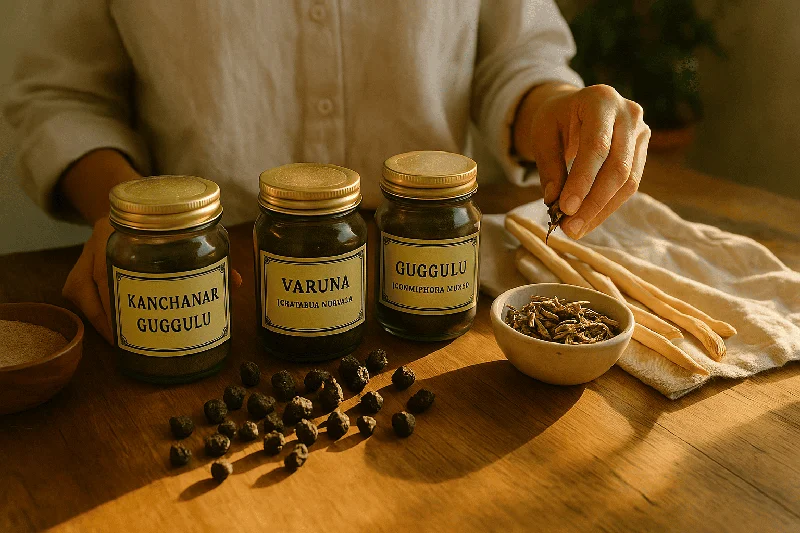
Preliminary research in AYU (An International Quarterly Journal of Research in Ayurveda) in 2015 found that certain herbal combinations, like Kanchanar Guggulu and Varuna (Crataeva nurvala), showed promise in reducing cyst size. However, the authors called for further randomized clinical studies to establish efficacy and safety profiles. -
Anti-Inflammatory Effects:
Herbs often used in Ayurvedic practice, such as Turmeric (Curcuma longa), Guggulu (Commiphora mukul), and Ashwagandha (Withania somnifera), have demonstrated anti-inflammatory properties in multiple peer-reviewed studies (e.g., Phytotherapy Research, 2019). While inflammation isn’t always the primary cause of cysts, reducing systemic inflammation can potentially improve the body’s resilience against abnormal growths.
Key Takeaway: Although emerging research provides a growing body of evidence, it’s essential to consult healthcare providers for comprehensive treatment strategies, especially for complex or persistent cysts.
Don't wait or self medicate. Start chat with Doctor NOW
4. Common Ayurvedic Herbs and Formulations
For individuals exploring cyst treatment in Ayurveda, several herbal remedies and formulations are frequently discussed. Below is a short list of commonly cited solutions, along with their traditional roles and some scientific evidence:
-
Kanchanar Guggulu
-
Traditional Use: Formulated to dissolve growths and clear the lymphatic system.
-
Research Insights: Early studies suggest Kanchanar Guggulu could help reduce cystic formations, particularly in thyroid and ovarian contexts, though more data are needed.
-
-
Varuna (Crataeva nurvala)
-
Traditional Use: Helps in urinary and kidney issues, potentially reducing renal cysts and kidney stones.
-
Research Insights: Demonstrated anti-inflammatory and diuretic properties that support detoxification.
-
-
Guggulu (Commiphora mukul)
-
Traditional Use: Utilized for a variety of conditions, including joint issues, metabolic imbalances, and lymphatic stagnation.
-
Research Insights: Contains guggulsterone, which shows promise in modulating cholesterol, possibly impacting the hormonal pathways implicated in cyst development.
-
-
Shatavari (Asparagus racemosus)
-
Traditional Use: Considered a female reproductive tonic, often used to balance hormones.
-
Research Insights: Some research points to potential adaptogenic effects that could help stabilize hormonal fluctuations.
-
-
Triphala
-
Traditional Use: A combination of three fruits—Amalaki, Bibhitaki, and Haritaki—commonly used as a gentle laxative and antioxidant.
-
Research Insights: Known to aid digestion, boost immunity, and support detoxification, potentially reducing the accumulation of toxins linked to cyst formation.
-
Important Note: These remedies often work best under the supervision of an Ayurvedic practitioner who can tailor the herbal regimen to your unique constitution (Prakriti) and current state of health (Vikriti). Self-prescribing may lead to suboptimal results or even adverse effects.
5. Lifestyle Modifications and Dietary Guidelines
Beyond herbal formulations, Ayurveda stresses an integrative lifestyle approach. Simple shifts in daily habits and diet can help maintain internal balance and potentially prevent cysts from recurring.
Dietary Recommendations
-
Warm, Cooked Foods: Favor easily digestible meals, such as cooked vegetables and grains, to support optimal digestion.
-
Reduce Kapha-Aggravating Foods: Limit sugary, starchy, or excessively oily foods. Dairy products, especially those that are heavy and sweet, can also exacerbate Kapha.
-
Incorporate Spices: Turmeric, ginger, cumin, and black pepper can enhance digestion and reduce inflammation.
-
Stay Hydrated: Warm water or herbal teas throughout the day help flush toxins and maintain fluid balance.
Lifestyle Tips
-
Yoga and Pranayama: Gentle stretching and breathing exercises can enhance blood circulation and lymphatic drainage. Research (published in Journal of Ayurveda and Integrative Medicine, 2018) supports the use of yoga for stress reduction, which indirectly aids hormonal balance.
-
Adequate Sleep: Hormonal regulation and tissue repair largely occur during deep sleep. Aim for 7–9 hours per night.
-
Stress Management: Chronic stress increases cortisol, which can disrupt other hormones and potentially worsen cystic conditions. Practices like meditation or daily walks in nature can help.
-
Regular Detox Routines: Ayurvedic therapies such as Panchakarma (e.g., Virechana for purification, Basti for colon health) are often recommended to remove toxins and balance the doshas.
6. Clinical Considerations and Precautions
Despite its holistic nature, Ayurveda is not a one-size-fits-all solution, and certain precautions are necessary:
-
Diagnosis: Always confirm the type, location, and severity of your cyst through modern diagnostic tools (ultrasound, MRI, CT scans).
-
Expert Guidance: Consult both a qualified Ayurvedic practitioner and a conventional healthcare provider for a well-rounded treatment plan.
-
Potential Interactions: Ayurvedic herbs can interact with prescribed medications. For instance, Guggulu may affect thyroid hormone levels.
-
Chronic or Severe Cases: Conditions like polycystic kidney disease (PKD) require close supervision and often benefit from integrated medical approaches.
7. FAQs on Cyst Treatment in Ayurveda
Q1: Can Ayurveda completely cure cysts?
It depends on the type, size, and underlying cause of the cyst. Ayurvedic therapies aim to balance hormones, improve digestion, and eliminate toxins, potentially halting cyst growth and reducing symptoms. However, comprehensive evaluation and follow-up are crucial.
Q2: Is surgery ever necessary if I opt for Ayurveda?
Certain large or complicated cysts may require surgical intervention. An integrative approach can be effective, where Ayurveda supports post-surgical recovery or helps manage smaller cysts that do not require immediate medical intervention.
Q3: How long does Ayurvedic treatment take to show results?
The timeline varies from a few weeks to several months, depending on factors like overall health, cyst size, and adherence to lifestyle modifications. Regular monitoring through ultrasounds or clinical examinations is recommended.
Q4: Are Ayurvedic herbal formulations safe?
When prescribed by a certified professional, most Ayurvedic herbs are considered safe. Nonetheless, it’s important to watch out for adulterated products and ensure quality and purity.
Q5: Can I self-prescribe herbs for cyst management?
Self-prescribing is not recommended due to the complexities involved in dosage, interactions, and individual constitution. Consulting a qualified Ayurvedic doctor helps tailor the treatment effectively.
8. Conclusion and Call to Action
The cyst treatment in Ayurveda approach combines centuries-old wisdom with modern research, focusing on holistic healing, dosha balance, and long-term health maintenance. From herbal formulations like Kanchanar Guggulu to lifestyle practices centered around balanced eating, stress management, and detox, Ayurveda offers a spectrum of strategies that may complement or augment conventional medical care.
-
Takeaway: For those grappling with cyst-related issues, consulting both modern medical experts and Ayurvedic practitioners can offer a more comprehensive and individualized route.
-
Next Steps: If you found this information useful, consider sharing it with friends, family, or anyone who might benefit from a natural approach to cyst management. We also encourage you to subscribe to reputable healthcare newsletters, follow medical journals for the latest research, and consult your healthcare provider for personalized advice.
9. Disclaimer
The information provided in this article is for educational purposes only and not intended as a substitute for professional medical advice, diagnosis, or treatment. Always seek the guidance of a qualified healthcare professional before making changes to your diet, medications, or treatment protocols. Ayurvedic treatments can be beneficial, but they should be administered under expert supervision and in conjunction with routine medical follow-ups.
References and Suggested Reading:
-
Complementary Therapies in Medicine, Volume 30, 2017.
-
AYU (An International Quarterly Journal of Research in Ayurveda), 2015.
-
Phytotherapy Research, 2019.
-
Journal of Ayurveda and Integrative Medicine, 2018.
-
World Health Organization (WHO) guidelines on traditional and complementary medicine.
-
National Center for Complementary and Integrative Health (NCCIH).
Thank you for reading! We welcome your thoughts and comments below. Feel free to share this article or subscribe to our updates for more well-researched health insights.
Questions from users
What is the role of yoga in Ayurveda for managing cyst-related issues?
Alexander
4 days ago
Yoga ties closely to Ayurveda as it promotes balance between the doshas. For cyst-related issues, specific yoga poses might help regulate Vata and Kapha which can be linked to cyst formation. Poses like Bhujangasana (Cobra pose) and Trikonasana (Triangle pose) can help enhance circulation and reduce stress, which is believed to contribute to cyst-related conditions.
What is the best way to use turmeric for its anti-inflammatory benefits?
Hailey
14 days ago
Turmeric is great for anti-inflammatory benefits! You could mix turmeric powder with warm milk or water, add a pinch of black pepper to boost its absorption. Aim for about 1 teaspoon daily. If powders not your thing, curcumin supplements may work too, but make sure to talk to a healthcare provider first!
Can I use Kanchanar Guggulu for menstrual irregularities and ovarian cysts together?
Mia
23 days ago
Yes, you can use Kanchanar Guggulu for menstrual irregularities and ovarian cysts together. It's known in Ayurveda for balancing hormones and helping manage cysts. Just make sure to check with an Ayurvedic practitioner or a doctor to tailor it to your dosha and specific needs. everyone's body is a bit different.
What are some Ayurvedic practices to support recovery after cyst removal surgery?
Tristan
32 days ago
After cyst removal surgery, Ayurveda suggests gently supporting recovery through balancing doshas, especially pitta for inflammation. Practices such as applying warm sesame oil and gentle massages can soothe and promote healing. Consuming warm, easy-to-digest foods like kichari can be helpful for the agni. Rest, meditation, and avoiding spicy or heavy meals can also aid in recovery. Always consult your doctor before starting any new regimen!
What lifestyle changes can support Ayurvedic treatment for cysts?
Avery
41 days ago
Supporting Ayurvedic treatment for cysts with lifestyle changes involves embracing calm and balance. Consider adding daily meditation or a walk in nature, which can help ease the mind. Regular detox routines like Panchakarma, particularly Virechana or Basti, may reduce toxins and balance your doshas. It's all about finding harmony in your daily habits!
What natural remedies can help reduce fluid retention associated with Kapha imbalance?
Sierra
51 days ago
For reducing fluid retention from Kapha, consider incorporating warm, light, and drying foods into your diet, like barley, millet, and kale. Spices such as ginger, turmeric, and black pepper can help too. Regular movement, staying warm, and dry massages with powders like triphala can also be beneficial. Keep hydrated, but not with cold drinks!
What is the connection between toxins in the body and the growth of cysts according to Ayurveda?
Kayden
60 days ago
In Ayurveda, toxins (known as 'ama') can disrupt your body's balance and block channels, affecting digestion and hormonal function. This imbalance might lead to cyst growth. Focus on balancing your doshas and boosting your agni (digestive fire), so detoxification processes improve and possibly reduce cyst development. It's always good to consult with an Ayurvedic practitioner for personalized advice.
Is it safe to use Ayurvedic oils for massage if I have cysts?
Daniel
70 days ago
It can be okay to use Ayurvedic oils for massage if you have cysts, but I would suggest chatting with a qualified Ayurvedic doctor first. They can help you choose the right oils and techniques based on your dosha and condition of the cysts. You wouldn't want to use anything that could irritate or worsen the situation. It's all about finding balance, you know?
What is the role of diet in Ayurvedic treatment for different types of cysts?
Gabriella
80 days ago
In Ayurveda, diet plays a big role in treating cysts by balancing the doshas and maintaining digestive fire (agni). For Kapha-related cysts, reduce heavy, oily foods. For Pitta cysts, avoid spicy or fermented foods. With Vata, stay away from dry, cold foods. Always keep your digestion balanced and consult with an Ayurveda practitioner!
Is it safe to combine Ayurvedic herbs with conventional medication for cyst treatment?
Allison
89 days ago
Combining Ayurvedic herbs with conventional meds for cyst management can be tricky. Some herbs might interact with your medication or affect how it works. It's always best to chat with both your healthcare provider and an Ayurvedic practitioner to get the balance right. They can tailor advice to your unique health situation. Stay safe!
Related articles

Skin and Hair Disorders
Somaraji Oil: Benefits, How to Use, Ingredients, Side Effects
Exploration of Somaraji Oil: Benefits, How to Use, Ingredients, Side Effects
1,977

Skin and Hair Disorders
How to Apply Curd in Hair: Ayurvedic Tips and Benefits
Exploration of Unlock the Benefits of Curd for Healthier, Shinier Hair with Ayurveda
4,973

Skin and Hair Disorders
Psoriatic Arthritis – Natural Ayurvedic Approaches for Joint and Skin Wellness
Explore Ayurvedic insights and natural remedies for managing psoriatic arthritis. Learn about its benefits, herbal treatments, lifestyle modifications, and holistic approaches to support joint and skin health.
3,004
Skin and Hair Disorders
Dasang Lepa: Uses, Research, and Health Benefits
Discover the science, traditional uses, and safety of Dasang Lepa, an age-old herbal remedy. Learn its potential benefits, application, and current research.
2,853

Skin and Hair Disorders
Ayyappala Keratailam Benefits, How To Use, Ingredients
Exploration of Ayyappala Keratailam Benefits, How To Use, Ingredients
2,682

Skin and Hair Disorders
Is Coconut Oil Good for Hair? Ayurvedic Benefits, Growth & Usage Tips
Is coconut oil good for hair? Discover its benefits for hair growth, fall, low porosity, and how to apply or mix pure coconut oil for best Ayurvedic results
5,982

Skin and Hair Disorders
How to Use Gandhak for Skin
Discover the natural benefits of gandhak in Ayurvedic skincare. Learn how to use gandhak for skin to detoxify, reduce inflammation, and rejuvenate your complexion with traditional remedies.
4,447
Skin and Hair Disorders
Best Ayurvedic Medicine for Grey Hair: What Actually Works?
Grey hair. For some, it’s a badge of wisdom — a graceful surrender to time. But for many others (myself included, if I’m being honest), it feels more like a betrayal. One day you're in your twenties, browsing shampoos that promise volume, and then boom —
5,512
Skin and Hair Disorders
Suvarna Bindu Drops: Benefits, Dosage & Ayurvedic Insights
Discover the benefits, proper dosage, uses, and Ayurvedic foundations of Suvarna Bindu Drops, a traditional herbal remedy for hair health and overall wellness.
2,558

Skin and Hair Disorders
Sarivadyasava Benefits – Ayurvedic Tonic for Women's Health & Wellness
Discover the benefits of Sarivadyasava, an Ayurvedic fermented herbal tonic. Learn how it supports women's health, balances hormones, boosts immunity, and promotes overall well-being.
3,316
Related consultations on the topic
Legal
Additional Documents
© 2024 Ask Ayurveda. All rights reserved.