Ask Ayurvedic doctor a question and get a consultation online on the problem of your concern in a free or paid mode. More than 2,000 experienced doctors work and wait for your questions on our site and help users to solve their health problems every day.
FREE! Ask Ayurvedic Doctors 24/7

 Fast responses
 1000+ verified doctors
Body DetoxEar, Nose, and Throat DisordersGeriatrics & RejuvenationImmunodeficiencyInfertility TreatmentNutritionOrthopedic DisordersPediatricsRespiratory DisordersSexually Transmitted Diseases (STDs)Surgery RecoveryUrological DisordersVascular DisordersDental DisordersEndocrinological DisordersGastrointestinal DisordersYoga TherapyGeneral MedicineAllergic DisordersCardio DisordersGynecology and ObstetricsCosmetologySkin and Hair DisordersEye DisordersInfectious DiseasesMental DisordersNeurological DisordersOncologyPanchakarmaSexual Health & DisordersSports Medicine
Published on 04/25/25
(Updated on 07/12/26)
star_border 5
2,537
Ayurvedic Medicine: Types, Herbs, and Its Role in Modern Health
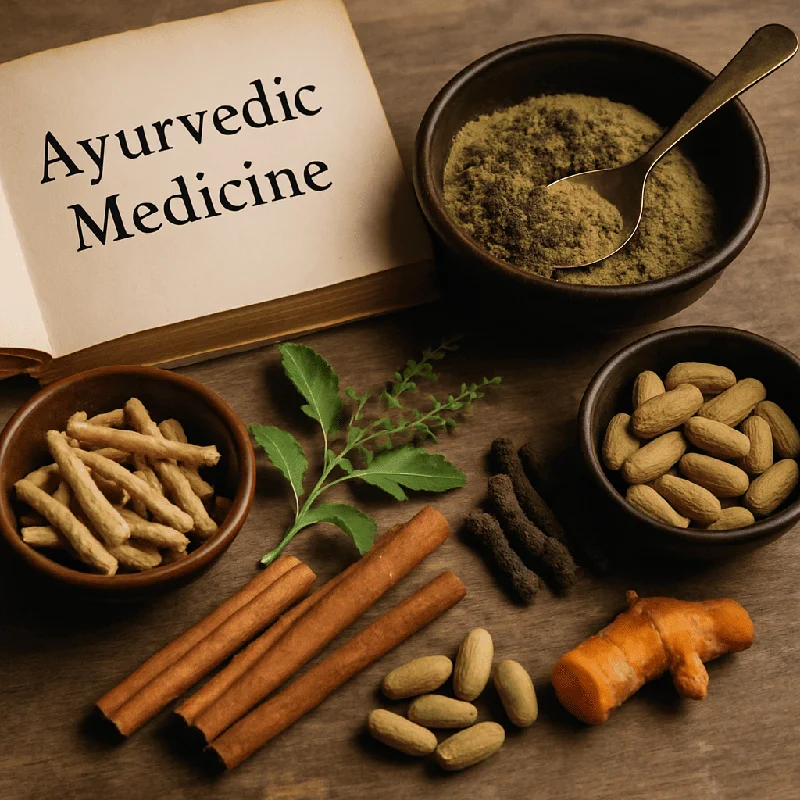
Before we dive into the deep stuff—herbs, formulas, immunity boosters—I want to pause and admit something: I didn’t “get” Ayurveda at first. To me, it felt like one of those ancient, mystical systems people reference vaguely on yoga retreats or health blogs. You know—words like “dosha” or “detox” tossed around with no real explanation. But over time (and a couple of herbal teas that weirdly worked), I realized Ayurveda isn’t vague at all. It’s actually very practical—rooted in natural rhythms, personal observation, and some surprisingly sharp insights about how bodies tick.
Now, if you’re wondering what is Ayurvedic medicine, you're not alone. This ancient system from India dates back over 3,000 years—and no, that’s not an exaggeration. It’s one of the oldest holistic healing systems on the planet, and somehow, still deeply relevant in a world run by lab results and prescription apps.
What Is Ayurvedic Medicine?
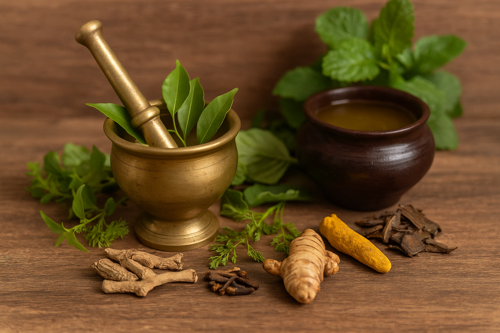
Ayurvedic medicine—or simply Ayurveda—is like a personalized health map built around balance. The term itself comes from Sanskrit: "Ayur" meaning life and "Veda" meaning knowledge. So yeah, Ayurveda literally means “the knowledge of life.” Bold, right?
Origins and Core Principles
The roots of Ayurveda trace back to the ancient Vedic texts of India. Think fire rituals, herbal brews, and deep meditations under banyan trees. But Ayurveda isn’t all incense and intuition—it’s also incredibly systemized. The entire system revolves around three key biological energies, or doshas: Vata, Pitta, and Kapha. These doshas aren’t just poetic metaphors; they represent real tendencies in our bodies and minds—like whether you're prone to dry skin, digestive fire, or emotional steadiness (or lack thereof).
Each person has a unique dosha makeup, and when that internal balance is off? Illness follows. That’s where Ayurvedic healing steps in—not just to suppress symptoms but to restore equilibrium. Through diet, herbs, lifestyle shifts, even daily oil massages (seriously, it’s called Abhyanga), Ayurveda encourages self-regulation and inner alignment.
Ayurveda vs Modern Medicine
This is where it gets tricky—and kind of controversial. Traditional Ayurvedic medicine doesn’t always sit neatly alongside modern biomedicine. Western doctors might roll their eyes at the idea of balancing Pitta, while Ayurvedic practitioners may critique modern medicine’s “treat-the-symptom-not-the-system” approach.
But here's a thought: maybe they’re not at odds. Maybe they just speak different languages. Ayurveda focuses on patterns, cycles, and the whole person. Modern medicine? It's brilliant at acute care, diagnostics, and emergency intervention. I’d say they complement each other—like turmeric and black pepper. (Which, fun fact, actually enhance each other’s bioavailability. That’s science and Ayurveda agreeing!)
Types of Ayurvedic Medicine
Let’s get into the stuff that really piqued my curiosity early on: the actual remedies. You hear people say, “I’m taking Ayurvedic medicine for immunity” or “This is good for digestion.” But what is Ayurvedic medicine in physical form? Are we talking pills, powders, weird-smelling pastes?
Short answer: all of the above.
Ayurveda works with a whole pharmacy of natural preparations, each one thoughtfully crafted to support your body’s unique balance. And no, it’s not some one-size-fits-all supplement aisle.
Herbal Potions and Decoctions
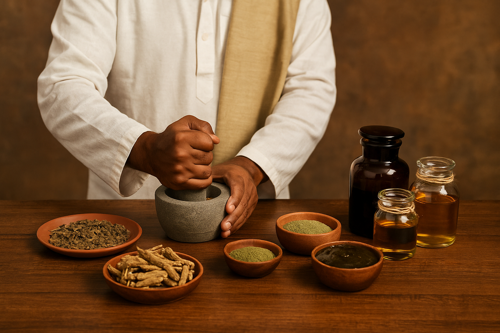
One of the most ancient and foundational forms is something called a decoction, or Kashayam in Sanskrit. Think of it like a strong tea—but way more targeted. Roots, barks, seeds, flowers… they’re boiled down into concentrated liquids. The process is long, often involving hours of simmering, but the end result? A bitter, earthy drink loaded with therapeutic potential.
Some people swear by these concoctions. Others—like my friend Arjun, who once compared a liver tonic to “licking the floor of an old spice shop”—not so much. But taste aside, these decoctions are made to be potent. Whether you need to reduce inflammation, support your liver, or clear up a skin condition, there’s probably a kashayam for it.
Another common form? Powdered herbs, known as Churna. These are easy to mix into warm water or ghee and are typically taken in small, precise doses. They work subtly but consistently over time. Again, Ayurveda is less “quick fix” and more “slow-and-steady realignment.”
Formulations Like Chyawanprash and Triphala
Okay, let’s talk about the celebrity remedies.
First up: Chyawanprash. This is a thick, jam-like herbal blend made with dozens of ingredients (including the superfruit Amla, rich in vitamin C). It’s often sweet, tangy, and spicy all at once—and traditionally taken every morning to strengthen immunity, boost energy, and slow aging. I remember someone once calling it “Ayurveda’s multivitamin,” and honestly, that’s not far off.
Then there’s Triphala, a household name among Ayurvedic fans. It’s a blend of three fruits—Haritaki, Amalaki, and Bibhitaki—and it’s known for its gentle detox effects. If digestion, bloating, or sluggish elimination is your struggle, Triphala is usually one of the first things an Ayurvedic practitioner will suggest.
There’s also Lehyam (herbal jams), Bhasma (mineral-based ash preparations), Ghrita (herbal ghee infusions), and even tailams (medicated oils). The sheer variety is fascinating—and a bit overwhelming until you realize everything has a reason, a doshic target, a logic.
Healing Herbs in Ayurveda
At the heart of all these medicines are the herbs. Whether it’s turmeric stirred into milk at night or neem leaves chewed during spring detoxes (an acquired taste, believe me), Ayurvedic herbal medicine is incredibly nuanced.
But here’s something that might surprise you: it’s not just about what the herb does in general, it’s about how it interacts with you. Your dosha, your environment, your lifestyle. That’s why two people with the same cold might get two completely different remedies.
Healing Herbs in Ayurveda
So yeah—herbs. There’s a kind of reverence around them in Ayurveda that you don’t always feel with Western supplements. Maybe it’s because they’re not just seen as tools, but as allies. Living things with energy, purpose, and intelligence.
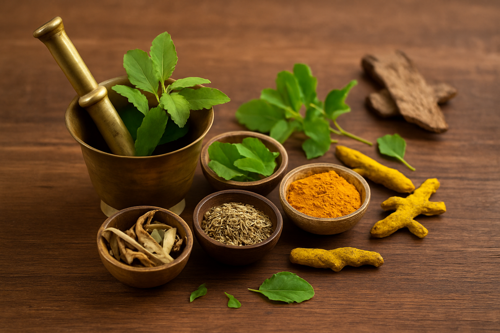
Take ashwagandha. Known as an adaptogen today (Western wellness finally caught up), this root is traditionally used to build strength and stabilize Vata—the dosha of air and movement. Feeling anxious, spaced out, or weak? Ashwagandha’s your buddy.
Turmeric, another powerhouse, works wonders on Pitta types—fiery, inflamed, quick to overheat (emotionally or physically). It cools the system, purifies the blood, and supports immunity. And then there’s Tulsi—holy basil. A favorite of mine. Smells divine, calms the mind, clears the lungs.
Each of these herbs does something unique and works differently depending on the person. That’s the beauty—and the challenge—of Ayurvedic healing herbs. No blanket solutions. Just layers of knowledge and deeply personal application.
Ayurvedic Remedies in Modern Life
Here’s the thing: you don’t have to live in Kerala or speak Sanskrit to benefit from Ayurveda. You don’t even have to go all-in. What I’ve seen work best is this: Start where you are. Maybe it’s sipping warm water with ginger in the morning. Or rubbing sesame oil on your feet before bed. Or replacing your usual Tylenol with Guduchi when your immune system feels off.
There’s this misconception that Ayurvedic practices are “too much.” Too time-consuming, too complex, too woo-woo. But honestly? A lot of it is home remedies with a philosophy behind them. A thoughtful framework for tuning in.
Choose the Right Ayurvedic Path
This might sound odd coming from someone writing an article about Ayurveda, but I don’t think everyone needs to follow it like gospel. Maybe you just want better sleep. Or a natural immunity boost. Maybe you’re curious, not committed.
Cool. Ayurveda can meet you there.
Whether you're consulting a certified practitioner or just adding Ayurvedic home remedies to your self-care toolbox, the important thing is to observe your body. Track what works. Be curious. Be patient. This isn’t about perfection—it’s about connection.
Don't wait or self medicate. Start chat with Doctor NOW
Conclusion
Ayurveda isn’t a trend—it’s a living tradition. And it’s not rigid; it evolves. What began as traditional Ayurvedic medicine—rooted in village kitchens, handwritten texts, and oral wisdom—now lives on in city clinics, yoga studios, and even TikTok reels (sometimes accurately… sometimes not so much).
But the core stays the same: balance. Alignment. Respect for nature, and for your own rhythms.
FAQs
Is Ayurvedic medicine legal in the USA?
Yes. Ayurvedic herbs and supplements are legal, though not regulated by the FDA. Practitioners may not be licensed MDs, so always do your research.
What diseases does Ayurveda cure?
Ayurveda doesn’t treat “diseases” the same way Western medicine does—it addresses imbalances. But it’s commonly used for digestion, stress, inflammation, skin disorders, and more.
What is the golden rule of Ayurveda?
Know thyself. Your dosha, your triggers, your tendencies. Self-awareness is the root of all healing in Ayurveda.
Does Ayurvedic medicine have side effects?
Natural doesn’t mean harmless. Herbs are powerful. Always consult a trained practitioner—especially if you’re mixing with pharmaceuticals.
References
-
National Ayurvedic Medical Association (NAMA) -
Ayurveda | National Center for Complementary and Integrative Health (NCCIH) -
Ayurveda | World Health Organization (WHO)
Call to Action
Curious about your own dosha? Thinking of trying Ayurveda but not sure where to begin? Start small: book a consultation, pick up some Triphala, or just add a spoonful of Chyawanprash to your mornings. You don’t have to overhaul your life to start feeling more aligned. And hey—if you're into holistic health, yoga, or mind-body practices, Ayurveda might just feel like home.
Questions from users
How does Amla contribute to overall health and wellness?
Savannah
23 hours ago
Amla, or Indian gooseberry, primarily contributes to health and wellness through its high vitamin C content, enhancing immune function, skin health, and antioxidant protection. It can help lower cholesterol, control blood sugar, and improve heart health. Regular consumption may also support digestion and liver health. Not all benefits are immediate, but you might notice improvements in immunity and digestion in a few weeks. Always be cautious of allergies and potential medication interactions. Consult a doctor if managing chronic conditions or before starting any new supplement.
What is the role of diet in Ayurveda and how can it affect my health?
Leo
10 days ago
Diet in Ayurveda's super important! It's all about balancing your doshas (like Vata, Pitta, Kapha) with the right food choices. Eating foods that suit your specific dosha can improve digestion (agni), boost energy, and help you stay healthy. If you're feeling off, tweaking your diet might bring things back into balance. You might wanna consult an Ayurvedic practitioner to get specifics for your constitution!
What is the best way to store Ayurvedic herbs to keep them fresh and potent?
Connor
20 days ago
Store Ayurvedic herbs in a cool, dry place, away from sunlight, to keep them fresh and potent. Airtight containers are key, but avoid plastic - glass or ceramic is best. And be sure to check for any changes in smell or color. Freshness matters! It's all about maintaining their natural, beneficial properties!
What is Abhyanga and how can it improve my overall well-being?
Owen
29 days ago
Abhyanga is a daily oil massage in Ayurveda, focusing on balancing your doshas and boosting mental and physical health. Using warm medicinal oils, it can enhance circulation, clear out toxins and promote relaxation. It's like your skin gets to absorb some love while your body loosens up stress and tension. If you give it a try, remember to choose an oil that suits your dosha type!
What is Chyawanprash and can it really boost my immune system?
Benjamin
38 days ago
Chyawanprash is like a herbal jam, full of goodies like Amla that's packed with vitamin C. It's a real mash-up of roots, barks, seeds, and all sorts, meant to nudge your immune system in the right direction over time. It's all about the slow and steady; think of it as an immune-supporting sidekick, rather than a quick fix!
What is Churna and how can it be used effectively in Ayurvedic health practices?
Wade
47 days ago
Churna is basically like the magic powder of Ayurveda! 😉 It's powdered herbs that are quite versatile. You can mix them into warm water and drink like a tea, or just sprinkle over food, which helps your body absorb the beneficial properties. The idea is alignment—keeping your dosha, diet and lifestyle balanced. Just be mindful of your unique body needs, since not all churnas fit all constitutions.
What is the significance of meditation in Ayurvedic healing practices?
Reese
57 days ago
Meditation in Ayurveda is super important 'cause it helps balance the mind and body, working on the root cause, not jus symptoms. By calming the mind, it can pacify dosha imbalances, boost your agni (digestive fire), and even support dhatu (tissue) nourishment. It's like tuning into your inner harmony :)
What is the role of Triphala in Ayurvedic health and how can it benefit me?
Emily
67 days ago
Triphala's like an Ayurvedic all-rounder, great for digestion and detoxifying the body. It's made from 3 fruits - Amalaki, Bibhitaki, and Haritaki, which balance all doshas, they say. You might see improved digestion, better skin, or even enhanced immunity, but reactions can be individual. If you're curious, try starting with a small amount—your body will tell you what it thinks.
What is an easy Ayurvedic morning routine I can start to improve my overall health?
Zoey
76 days ago
You can start your Ayurveda routine by drinking a glass of warm water with ginger first thing in the morning. It's great for kickstarting your digestive fire, or agni. You could also try dry brushing to stimulate circulation, or a quick tongue scraping to remove overnight toxins. Experiment and see which ones makes you feel more balanced!
Is it safe to use ashwagandha daily for long-term health benefits?
Meredith
86 days ago
Taking ashwagandha daily can be safe and beneficial for long-term health, especially for balancing Vata, but it’s best to tailor it to your constitution and needs. Keep an eye out on how your body feels. And it's always good to check with a healthcare expert if you’re unsure.
Related articles

General Medicine
Cephagraine Tablet
Exploration of Cephagraine Tablet
1,825

General Medicine
Triphala Ghrita Benefits, Dosage, How To Use, Side Effects, Ingredients, Reference
Exploration of Triphala Ghrita Benefits, Dosage, How To Use, Side Effects, Ingredients, Reference
6,280

General Medicine
Ashwagandhadi Yamakam – Benefits, Uses & Dosage in Ayurveda
Discover the therapeutic benefits of Ashwagandhadi Yamakam, an Ayurvedic formulation known for enhancing vitality, supporting immunity, and promoting overall health.
4,916

General Medicine
Chandanbala Lakshadi Taila: Ayurvedic Oil for Strength and Wellness
Discover the benefits, proper dosage, uses, and scientific evidence behind Chandanbala Lakshadi Tail, a potent Ayurvedic herbal oil for holistic health.
2,779

General Medicine
Coccydynia Treatment in Ayurveda: Remedies for Tailbone Pain Relief
Explore Ayurvedic approaches to treating coccydynia, including uses, benefits, proper dosage, and scientific research supporting these natural remedies.
2,912

General Medicine
Heel Pain Remedies in Ayurveda for Natural Relief
Discover the best Ayurvedic remedies for heel pain, including natural treatments, causes, and lifestyle tips for long-term relief and comfort.
3,060

General Medicine
Ayurvedic Lifestyle: Complete Guide to Daily Practices, Diet, and Holistic Well-Being
The article explores Ayurveda, an ancient holistic medical system from India that promotes balance in mind, body, and spirit. Central to Ayurveda are the three doshas—Vata, Pitta, and Kapha—which represent unique blends of the five elements and influence.
4,279

General Medicine
Suvarna Bindu Therapy: Ayurveda’s Rejuvenating Elixir
Discover Suvarna Bindu therapy, an Ayurvedic rejuvenation technique for vitality, immunity, and overall well-being using gold-based formulations.
2,145

General Medicine
Shringyadi Churna: Evidence, Benefits, and Uses
Explore Shringyadi Churna—an Ayurvedic herbal blend supported by scientific insights. Learn about its uses, benefits, and research-backed evidence.
2,739

General Medicine
Brahmi Thailam Benefits, Use, Ingredients, Side Effects
Exploration of Brahmi Thailam Benefits, Use, Ingredients, Side Effects
1,897
Related consultations on the topic
Legal
Additional Documents
© 2024 Ask Ayurveda. All rights reserved.