आयुर्वेदिक डॉक्टर से प्रश्न पूछें और निःशुल्क या भुगतान मोड में अपनी चिंता की समस्या पर ऑनलाइन परामर्श प्राप्त करें। 2,000 से अधिक अनुभवी डॉक्टर हमारी साइट पर काम करते हैं और आपके प्रश्नों का इंतजार करते हैं और उपयोगकर्ताओं को उनकी स्वास्थ्य समस्याओं को हल करने में प्रतिदिन मदद करते हैं।


Body DetoxEar, Nose, and Throat DisordersGeriatrics & RejuvenationImmunodeficiencyInfertility TreatmentNutritionOrthopedic DisordersPediatricsRespiratory DisordersSexually Transmitted Diseases (STDs)Surgery RecoveryUrological DisordersVascular DisordersDental DisordersEndocrinological DisordersGastrointestinal DisordersYoga TherapyGeneral MedicineAllergic DisordersCardio DisordersGynecology and ObstetricsCosmetologySkin and Hair DisordersEye DisordersInfectious DiseasesMental DisordersNeurological DisordersOncologyPanchakarmaSexual Health & DisordersSports Medicine
पर प्रकाशित 06/03/25
(को अपडेट 08/14/26)
2,934
How to Reduce Stress: Ayurvedic Remedies, Practices, and Natural Relief

Stress is no longer something that comes and goes; it's here to stay, and it often comes without being invited. Stress and anxiety have become a big part of our daily lives, whether it's because of deadlines, emotional problems, or too much information. This guide will show you time-tested Ayurvedic practices and holistic techniques that will help you reduce stress in a way that is effective, gentle, and long-lasting. We'll talk about how to lower stress levels in a natural way and keep them that way for a long time, starting right at home. You'll also learn how ancient remedies like Ayurvedic churna can help you relax and get back to your normal self.
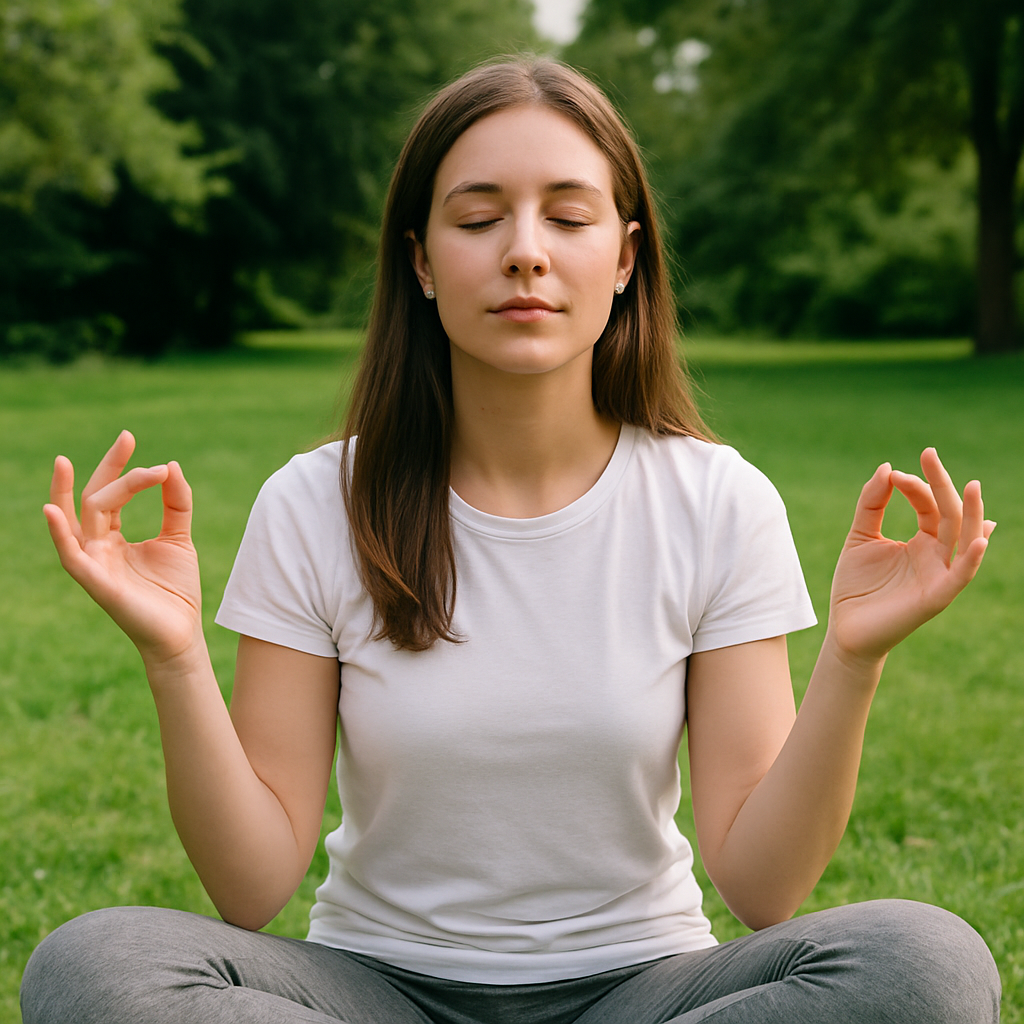
What Ayurveda Says About Stress
Ayurveda doesn't just see stress as a mental or emotional problem; it also sees it as a lack of balance in the body, mind, and spirit. Ayurveda looks at stress through the three doshas (Vata, Pitta, and Kapha) and how they affect your daily habits, environment, and thoughts. Western medicine, on the other hand, tends to see stress as a mental problem.
Vata and Rajasic Imbalance as Root Causes
One of the primary root causes of stress in Ayurvedic philosophy is a Vata imbalance. Vata governs movement—of breath, thoughts, and bodily functions. When aggravated, it leads to restlessness, overthinking, insomnia, and fear. When you add a Rajasic lifestyle (which includes too much stimulation, too much multitasking, loud noise, and fast food), your nervous system gets overwhelmed.
Grounding your Vata and reducing Rajasic tendencies can often be the first steps in using Ayurveda to reduce stress and anxiety. This involves slowing down, building calm, and providing your nervous system with routine, warmth, and awareness.
How Stress Affects Prana, Digestion, and Sleep
Ayurveda also teaches that chronic stress disturbs Prana—our vital life force. When Prana is compromised, digestion (Agni) weakens, leading to toxin buildup (Ama), poor nutrient absorption, and imbalances in the gut-brain axis. You might notice disturbed sleep, mood swings, or a sense of emotional disconnection. Addressing stress holistically, therefore, requires supporting all three pillars: Prana (life energy), Agni (digestive fire), and Nidra (restful sleep).
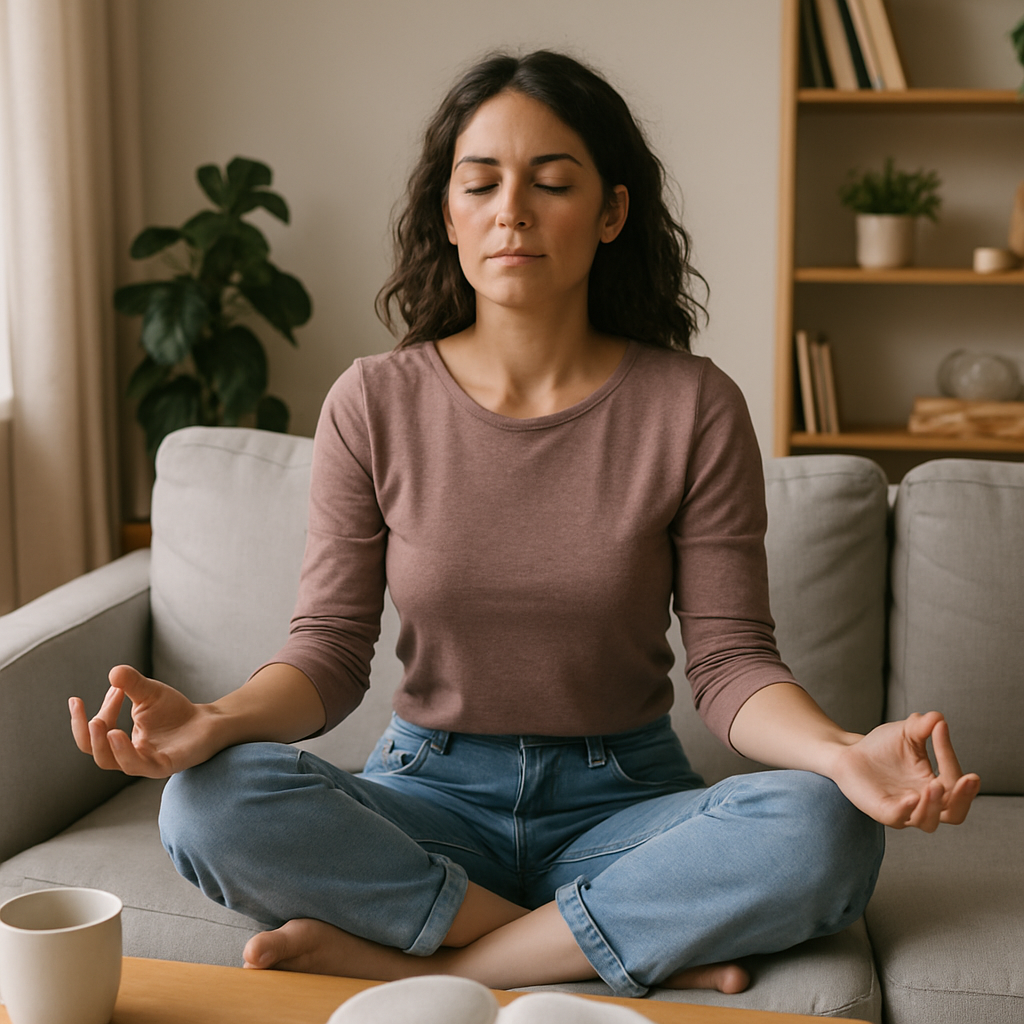
Signs and Symptoms of Stress and Anxiety
Understanding how stress manifests in your body and mind is the first step in healing. While we often recognize stress by how it makes us feel mentally, Ayurveda invites us to observe deeper and more subtle signals as well.
Physical, Emotional, and Mental Manifestations
Some of the most common signs include:
-
Racing thoughts or inability to concentrate
-
Digestive disturbances such as bloating or irregular appetite
-
Muscle tension, especially in the neck and shoulders
-
Feelings of overwhelm, worry, or irritability
-
Disrupted sleep or vivid, disturbing dreams
These are classic signs that your system is overloaded and in need of balance.
Subtle Signs of Dosha Aggravation During Stress
Each dosha responds differently under stress. For instance:
-
Vata stress: anxiety, insomnia, forgetfulness, dry skin
-
Pitta stress: anger, hyper-competitiveness, ulcers, skin rashes
-
Kapha stress: lethargy, depression, emotional withdrawal
Recognizing which dosha is aggravated allows you to tailor your approach to reduce stress more effectively and naturally.
Natural and Ayurvedic Ways to Reduce Stress
While modern medicine often treats symptoms of stress with medication, Ayurveda offers a holistic and sustainable approach. These methods not only reduce stress naturally, but also help in preventing future imbalances. Whether you’re looking for the best ways to reduce stress or simple ways to reduce stress at home, the following practices can be both calming and transformative.
Reduce Stress at Home with Daily Rituals and Breathwork
Your home can become a sanctuary of healing if you allow it. Incorporating Ayurvedic daily rituals, or Dinacharya, can help regulate your circadian rhythm, calm your nervous system, and foster emotional stability.
Start your day with:
-
Oil pulling to cleanse and ground the senses
-
Abhyanga (self-massage) with warm sesame oil to soothe Vata
-
Nasya (nasal oil drops) to clear mental fog
-
Gentle breathwork (Pranayama) such as Nadi Shodhana (alternate nostril breathing) to balance Prana and calm anxiety
Creating morning and evening routines can significantly reduce stress and anxiety by helping you feel more anchored and in control.
Herbs and Adaptogens: Ayurvedic Churna to Reduce Stress
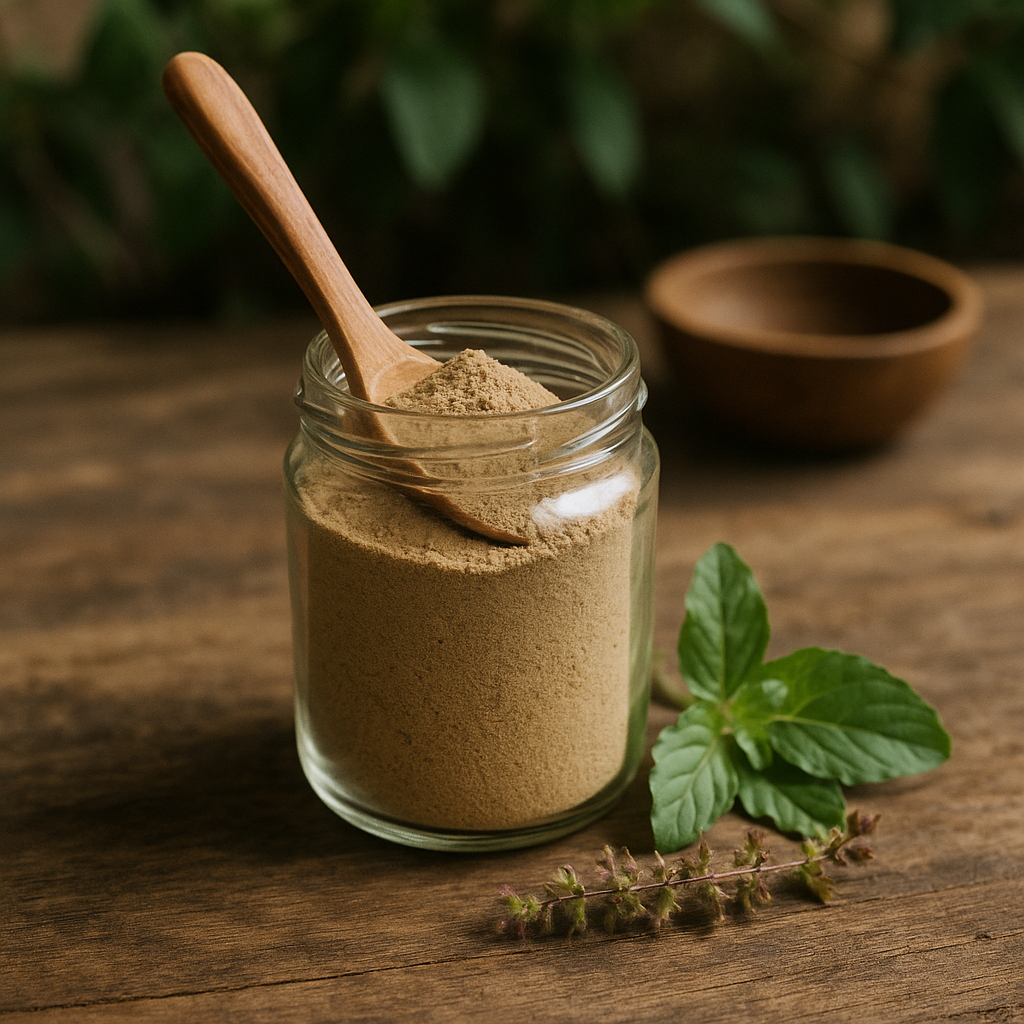
One of the most potent ways to reduce stress naturally is through Ayurvedic herbs and churnas (powdered herbal blends). These have been used for centuries to nourish the mind and restore nervous system equilibrium.
Top Ayurvedic churnas to reduce stress include:
-
Ashwagandha churna: A powerful adaptogen that reduces cortisol, enhances resilience, and promotes restful sleep.
-
Brahmi churna: Supports mental clarity, memory, and soothes the mind.
-
Jatamansi churna: A lesser-known herb that helps deeply calm the nervous system, ideal for high Vata conditions.
-
Shankhpushpi churna: Used to ease tension, promote better cognition, and support emotional balance.
These natural remedies help reduce stress and anxiety without the side effects associated with pharmaceuticals. Consult an Ayurvedic practitioner to personalize your herbal protocol.
Diet, Movement, and Sleep Practices to Naturally Reduce Stress
What you eat, how you move, and how well you rest are all crucial factors in stress management. Ayurveda recommends simple yet powerful dietary and lifestyle habits to naturally reduce stress.
Dietary tips:
-
Favor warm, moist, grounding foods like soups, stews, and cooked grains.
-
Avoid excess caffeine, sugar, and processed foods, which increase Vata and Pitta.
-
Use calming spices such as cardamom, nutmeg, fennel, and turmeric.
Movement and exercise:
-
Engage in slow, mindful movement like walking, Tai Chi, or restorative yoga.
-
Avoid overexertion, especially during periods of high stress.
Sleep hygiene:
-
Go to bed before 10 PM, when Pitta energy begins to rise.
-
Establish a wind-down ritual with herbal teas, warm baths, or calming music.
-
Keep digital devices out of the bedroom to reduce overstimulation.
Making small, consistent changes in your daily routine can have a profound impact on your ability to reduce stress at home and feel more balanced overall.

Long-Term Stress-Reduction Lifestyle Techniques
While temporary relief is beneficial, long-term resilience building is necessary for sustained wellbeing. Ayurveda emphasises prevention over cure, and these lifestyle choices can support the development of a clear, focused mind. These are some of the best ways to reduce stress and cultivate lasting balance in our modern, overstimulated world.
Building Mental Resilience with Dinacharya (Daily Routine)
Having a daily routine, or Dinacharya, is one of the most effective ways to reduce stress naturally. It supports your internal biological clock and stabilizes your doshas, especially Vata, which is easily disturbed by irregularity.
Important steps to take include:
-
Getting up at sunrise to align with the natural cycles
-
Scraping your tongue to get rid of toxins and start the day right
-
Warm water with triphala or lemon to help with digestion
-
Creating daily goals to maintain focus and mindfulness
Your nervous system becomes more resilient and grounded as your daily routine becomes more regular. This reduces tension and anxiety before they become severe.
Creating a Stress-Free Environment and Attitude
Your mental state is highly influenced by your surroundings. Therefore, try to make your home feel secure, loving and calm, no matter how big or small your house is. This is a great way to reduce your stress levels at home.
Try the following:
-
Consider decluttering your home and removing things you don't need. It will help reduce overstimulation.
-
Consider using soft and light colors like yellows, pinks and greys. Soft lighting and soothing smell can also help you reduce stress. You can also burn incense sticks of sandalwood or lavender.
-
It is also crucial to set up a dedicated calm zone in your house to rewind from a hectic day. You can add some cushions, books, and soft music in that area and can also use it for meditation.
-
It is very important to practice gratitude journaling as it helps shift your mindset toward abundance. This way, you won't feel much anxious.
Making these small environmental changes can greatly shift your mental state and can act as powerful cues for your mind to relax.
Using Meditation, Mantra, and Journaling
Ayurveda is an ancient practice that encourages a person to connect their mind, body and spirit. Therefore, you can also consider adding meditation, sound healing therapy and writing to reduce your stress levels and make yourself happier.
-
Meditation calms the mind, reduces cortisol levels, and rewires your brain for clarity and presence. Start with just 5–10 minutes a day.
-
Chanting mantra (like “Om Shanti” or “So Hum”) is a great way to soothe your nervous system and quiet your mind. These mantras have sound vibrations that create a sense of calmness in your body and your mind also heals.
-
Journaling is one of the best ways to reduce your stress levels as it helps externalize your thoughts, track emotional patterns, and resolve your internal thought process.
All the above-mentioned ways can help reduce your stress levels naturally and improve self-awareness. You just need to be consistent with these practices and you will easily be able to shift your baseline from reactive to reflective.
Conclusion
Stress is a regular part of our lives and it is inevitable. However, you can always find easy and simple ways to manage it and not let it affect you. By understanding how Ayurveda views stress and following Ayurvedic tips, you can easily shift your focus. From adjusting your diet and daily routine to adding breathing exercises, herbal remedies, and mindful rituals, there are a lot of ways to reduce stress at home that are natural, effective, and sustainable.
Whether you start with a simple cup of herbal tea, an Ayurvedic churna to reduce stress, or a morning oil massage, the path back to calm is within reach. The best part? You don’t need to escape to a retreat center—you can begin exactly where you are, with what you have.
Take the first step today: light a candle, take a few deep breaths, and commit to one small ritual that speaks to your soul.
स्वयं दवा न लें और प्रतीक्षा न करें। अभी डॉक्टर से चैट शुरू करें
FAQs
Why can't I handle stress?
The inability to handle stress comes from a combination of imbalanced doshas, an improper or no routine, and overstimulation. It is important to build a daily lifestyle routine, add self-care habits, eat a balanced diet and have a proper sleep schedule to manage your stress the right way.
Does chewing gum calm you down?
No, chewing gum cannot calm you down, though it can offer a temporary relief as it mimics a rhythmic movement. This soothes your nervous system. Instead of having a chewing gum, consider adding tried and tested Ayurvedic practices like deep breathing exercises, sipping herbal teas or pranayama to calm your mind.
Which dosha is most commonly imbalanced during chronic stress?
Vata dosha is the most susceptible to chronic stress. Symptoms include anxiety, insomnia, dry skin, and racing thoughts. Grounding practices and warming foods are essential to bring Vata back into balance.
उपयोगकर्ताओं के प्रश्न
What herbal remedies are best for natural stress relief at home?
Client_f9adf2
26 दिनों पहले
Lavender, chamomile, and passionflower are among the best herbal remedies for natural stress relief at home. Lavender can be used in teas, essential oils, or capsules to promote relaxation. Chamomile, commonly enjoyed as a tea, is known for its calming effects, potentially aiding sleep and reducing anxiety. Passionflower, often taken as a tea or supplement, can also help alleviate stress. These herbs may take a few weeks to show noticeable effects. If symptoms persist or worsen, consult a healthcare professional to explore other options.
How can decluttering reduce stress and improve mental health?
Client_a43753
36 दिनों पहले
Decluttering can effectively reduce stress and improve mental health by creating a more organized and peaceful environment. An organized space decreases mental overload and anxiety, as fewer visual stimuli are competing for your attention. Removing unnecessary items can also boost productivity and enhance focus. The process of decluttering helps many people feel a sense of accomplishment, contributing positively to mental well-being. Start with one room or area, dedicating short daily sessions until it's complete. Seek medical advice if clutter leads to overwhelming anxiety or depression.
What activities can help reduce Rajasic traits and balance Vata?
Client_7785b0
45 दिनों पहले
To help reduce Rajasic traits, aim to create a calming environment by minimizing multitasking, limiting exposure to loud noises, and reducing consumption of fast food. Activities like yoga, meditation, and mindfulness practices can also be effective. For balancing Vata, engage in grounding exercises such as walking in nature or practicing slow, gentle yoga. Regular routines, warm meals, and adequate rest are beneficial. If symptoms of imbalance persist for more than a few weeks, it is advisable to consult a healthcare professional for further advice.
What are the benefits of creating a calm zone in my home?
Client_e35e91
55 दिनों पहले
Creating a calm zone in your home can significantly reduce stress levels and promote relaxation. By designating a specific area for peace and relaxation, you create a physical signal to your brain to unwind and detach from daily stressors. Simple additions like comfortable seating, soft lighting, calming colors, and the use of soothing scents like sandalwood or lavender can enhance the calming effect. Engaging in relaxation activities in this space, such as meditation or reading, helps to lower stress hormones. If stress continues to impact your health, consult a healthcare provider for further advice.
How long should I meditate daily for maximum stress relief benefits?
Client_9d5d97
64 दिनों पहले
For maximum stress relief benefits, aim to meditate for about 10 to 20 minutes per day. Research indicates that even short, consistent daily sessions can significantly reduce stress levels and improve mental clarity. Over time, ideally within 8 weeks, meditation can help lower anxiety and enhance overall well-being. Start with guided meditations if you're new to the practice. Watch out for increased stress or discomfort, which may indicate that a different technique is needed. If stress persists, consult a healthcare professional for personalized advice.
Can I use aromatherapy to help reduce stress and balance my Vata at home?
Client_72da31
74 दिनों पहले
Absolutely, aromatherapy can be super helpful to calm Vata and melt away stress at home! Essential oils like lavender, chamomile, and sandalwood are especially good. Maybe try a diffuser or add a few drops to a bath. Careful with any allergies, though! Mixing this with grounding and warming practices, like you read before, really boosts the calming effect.
What is Vata imbalance and how does it contribute to stress?
Client_ce5bdb
83 दिनों पहले
Vata imbalance is when the Vata dosha, associated with elements like air and space, becomes unstable. This can lead to things like anxiety, restlessness, and stress. Vata, when out of balance, can make you feel all over the place and contributes to stress by unsettling the mind and nervous system. Try grounding practices, like warm foods and regular routines, to soothe it!
Can I use massage techniques at home to help reduce stress and promote relaxation?
Client_cb05e9
92 दिनों पहले
Absolutely, you can totally use massage techniques at home to reduce stress and promote relaxation! Ayurvedic self-massage, or abhyanga, is a fantastic option. Warm some sesame or coconut oil and gently massage it onto your body. This can calm your nervous system and support stress relief. If you're unsure start small, focus on areas like your neck and shoulders. It's the perfect way to de-stress at the end of a long day!
Is it safe to use Ayurvedic churna for anxiety relief during pregnancy?
Client_813e32
101 दिनों पहले
Using Ayurvedic churna during pregnancy can be tricky. While some herbal remedies are safe, not all are suitable for pregnant women. It's always best to consult with an Ayurvedic doctor or your healthcare provider to make sure what you're taking is safe for you and your baby. There might be alternatives that are more suitable during this time!
What is the best way to use breathwork for stress relief at home?
Client_10aa50
111 दिनों पहले
To use breathwork for stress relief at home, try a simple technique like alternate nostril breathing. It balances Vata by calming the mind and reducing anxiety. Or try deep belly breathing, inhaling deeply through the nose and slowly exhaling through the mouth, this can help settle scattered energy. Set up a calm space, light a candle maybe! Relax into it.
संबंधित आलेख

Mental Disorders
Understanding Anxiety through Ayurveda
Ayurveda views anxiety as a disruption in mind-body balance, emphasizing the importance of understanding its root causes.
2,706
Mental Disorders
Hamsapathyadi Kashayam: Ayurvedic Cognitive Boost
हंसपथ्यादि कषायम के उपयोग, फायदे, सही खुराक और इसके पीछे के वैज्ञानिक शोध के बारे में जानें। यह एक शक्तिशाली आयुर्वेदिक काढ़ा है जो श्वसन और मानसिक स्वास्थ्य के लिए फायदेमंद है।
2,999

Mental Disorders
Ayurvedic Medicine for OCD – Holistic Approach for Mental Clarity and Emotional Balance
Discover Ayurvedic medicine for OCD, a holistic approach that uses natural herbal formulations, detoxification therapies, and lifestyle modifications to promote mental clarity, balance, and emotional well-being.
4,272

Mental Disorders
सुमेंटा टैबलेट
सुमेंटा टैबलेट की खोज
4,333

Mental Disorders
अष्टमूर्ति रसायन: संपूर्ण स्वास्थ्य के लिए आयुर्वेदिक अमृत
Ashtamurti Rasayan एक प्राचीन आयुर्वेदिक फॉर्मूलेशन है जो आठ ("अष्ट") शक्तिशाली तत्वों के सार को मिलाता है, जो मन और शरीर को पुनर्जीवित करने के लिए जाने जाते हैं। यह रसायन विशेष रूप से तनाव को कम करने, इम्यूनिटी बढ़ाने के लिए प्रसिद्ध है, और
3,930

Mental Disorders
ADHD Treatment in Ayurveda – Natural Ayurvedic Approaches for Managing ADHD Symptoms
Discover the Ayurvedic treatments for ADHD, focusing on natural remedies, herbal solutions, and lifestyle changes to help manage symptoms and enhance focus, behavior, and emotional balance.
5,234
Mental Disorders
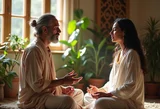
Graha Chikitsa – Ayurvedic Treatment for Spiritual and Mental Well-being
Explore Graha Chikitsa, an ancient Ayurvedic treatment designed to address the effects of planetary influences on health, mental well-being, and emotional balance.
4,650
Mental Disorders
ब्राह्मी लेह्यम: फायदे, खुराक और आयुर्वेदिक जानकारी
ब्राह्मी लेह्यम के फायदे, सही खुराक, उपयोग और आयुर्वेदिक आधारों को जानें। यह एक पारंपरिक हर्बल टॉनिक है जो मानसिक क्षमता बढ़ाने और समग्र स्वास्थ्य के लिए फायदेमंद है।
4,574

Mental Disorders
Ayurvedic Insights on Bipolar Disorder
Ayurveda offers a unique perspective on bipolar disorder, viewing it as a mental imbalance and addressing it through ancient principles and practices.
3,724

Mental Disorders
Ayurvedic Medicine for Sleep Apnea: Natural Relief for Restful Sleep
Find natural relief from sleep apnea symptoms with Ayurvedic medicine. Learn how herbal formulations improve respiratory function and promote deep, restorative sleep.
4,919
विषय से संबंधित परामर्श
अतिरिक्त दस्तावेज़
© 2024 Ask Ayurveda. सर्वाधिकार सुरक्षित।