आयुर्वेदिक डॉक्टर से प्रश्न पूछें और निःशुल्क या भुगतान मोड में अपनी चिंता की समस्या पर ऑनलाइन परामर्श प्राप्त करें। 2,000 से अधिक अनुभवी डॉक्टर हमारी साइट पर काम करते हैं और आपके प्रश्नों का इंतजार करते हैं और उपयोगकर्ताओं को उनकी स्वास्थ्य समस्याओं को हल करने में प्रतिदिन मदद करते हैं।


Body DetoxEar, Nose, and Throat DisordersGeriatrics & RejuvenationImmunodeficiencyInfertility TreatmentNutritionOrthopedic DisordersPediatricsRespiratory DisordersSexually Transmitted Diseases (STDs)Surgery RecoveryUrological DisordersVascular DisordersDental DisordersEndocrinological DisordersGastrointestinal DisordersYoga TherapyGeneral MedicineAllergic DisordersCardio DisordersGynecology and ObstetricsCosmetologySkin and Hair DisordersEye DisordersInfectious DiseasesMental DisordersNeurological DisordersOncologyPanchakarmaSexual Health & DisordersSports Medicine
पर प्रकाशित 01/22/25
(को अपडेट 08/14/26)
star_border 5
3,945
Ayurvedic Treatment for Teeth and Gums: Natural Oral Care Solutions
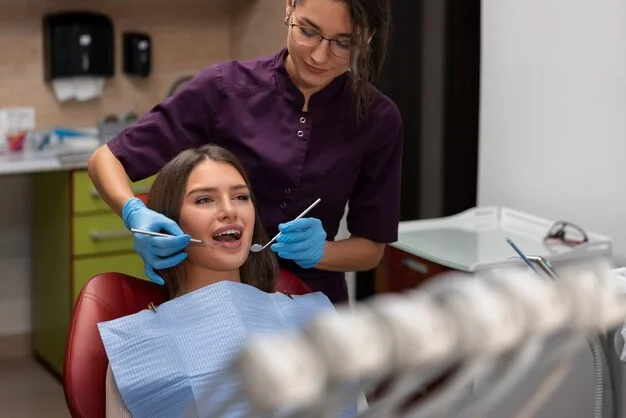
Ayurvedic treatment for teeth and gums combines time-tested herbal remedies, daily oral hygiene rituals, and dietary corrections to prevent and manage dental problems naturally. Rooted in classical texts like Charaka Samhita and Sushruta Samhita, these treatments address not just symptoms but the underlying doshic imbalances that cause gum disease, tooth decay, sensitivity, and bone loss. This comprehensive guide covers specific protocols, herbal formulations with exact dosages, scientific evidence, and practical advice on when Ayurveda works — and when you absolutely need a dentist.
- If you're dealing with bleeding gums, receding gum lines, cavities, or simply want to strengthen your teeth naturally, Ayurveda offers a structured system that has been practiced for over 5,000 years.
- But here's what most articles won't tell you: Ayurvedic oral care is not a replacement for modern dentistry in every situation. It's a powerful complement, and in some cases, a primary line of defense. Lets break it all down.
How Ayurveda Approaches Dental Health
Ayurveda doesn't treat your mouth as an isolated system. It views oral health as a reflection of your overall physiological balance — specifically, the state of your doshas (Vata, Pitta, Kapha), your digestive fire (Agni), and the quality of your body tissues (Dhatus). This is fundamentally different from conventional dentistry, which typically focuses on the tooth or gum in isolation.
The Connection Between Doshas and Oral Health
Each dosha, when imbalanced, manifests distinct oral health problems:
- Vata imbalance — causes dry mouth (Xerostomia), receding gums, cracking teeth, increased sensitivity, and jaw pain. Vata governs movement and dryness, so excess Vata literally dries out oral tissues.
- Pitta imbalance — leads to bleeding gums, mouth ulcers, gingivitis, and inflammation. Pitta's heat and sharpness create acidic conditions in the mouth that erode enamel and inflame soft tissue.
- Kapha imbalance — results in excessive saliva, plaque buildup, tartar accumulation, and sluggish gum circulation. Kapha's heaviness and stickiness promote bacterial biofilm formation.
Understanding your dominant dosha helps Ayurvedic practitioners prescribe targeted herbs and practices. A Pitta-type gum inflammation requires cooling herbs like Neem and Amla, while Vata-type recession needs warming, nourishing oils like sesame-based formulations.
Teeth as Part of Asthi Dhatu (Bone Tissue)
In Ayurveda, teeth are classified under Asthi Dhatu — the bone tissue layer. This is a critical concept because it means dental health is directly tied to the health of your entire skeletal system. If Asthi Dhatu is depleted (due to poor nutrition, excess Vata, or aging), teeth become brittle, loose, and prone to decay.
Sushruta Samhita specifically mentions that teeth are a type of bone called Danta Asthi, and their health depends on proper nourishment of Asthi Dhatu through calcium-rich foods, healthy fats, and specific herbs that support bone metabolism.
What Ancient Texts Actually Prescribe
Charaka Samhita (Sutrasthana, Chapter 5) details Dinacharya — daily routines that include specific oral care practices.
These aren't vague suggestions; they're structured protocols:
- Dantadhavana (tooth cleaning) every morning with herbal twigs
- Jivha Nirlekhana (tongue scraping) using gold, silver, or copper scrapers
- Kavala Graha and Gandusha (two distinct types of oil pulling)
- Pratisarana (gum massage with herbal pastes)
Sushruta Samhita adds treatments for specific diseases: Danta Shoola (toothache), Danta Harsha (tooth sensitivity), Sheetada (gingivitis), and Upakusha (periodontitis).
Proven Ayurvedic Treatments for Common Teeth and Gum Problems
Ayurvedic Treatment for Gum Disease (Gingivitis and Periodontitis)
Gum disease is the most common reason people search for Ayurvedic dental care.
Here's what works, with protocols:
For Gingivitis (Sheetada — early-stage gum inflammation):
- Triphala mouth rinse — Boil 1 teaspoon of Triphala powder in 200ml water, cool to lukewarm, gargle for 2 minutes. Twice daily. A 2016 study published in the Journal of Periodontal & Implant Science found that Triphala mouthwash was as effective as chlorhexidine in reducing plaque and gingivitis over 60 days.
- Neem bark decoction — Boil 10g of Neem bark in 400ml water until reduced to 200ml. Use as a mouth rinse after meals. Neem's active compound, Nimbidin, has demonstrated significant anti-inflammatory and antibacterial activity against Porphyromonas gingivalis, a primary pathogen in gum disease.
- Gum massage with Dashana Samskar Churna — Apply the herbal powder with clean fingers directly onto the gum line using gentle circular motions for 3-5 minutes, then rinse. Perform daily.
For Periodontitis (Upakusha — advanced gum disease with bone loss):
This requires a combination approach:
- Oil pulling with Arimedadi Taila (a classical Ayurvedic dental oil) — 15ml held in the mouth for 10-15 minutes each morning on an empty stomach. This medicated oil contains Triphala, Khadira, and sesame oil base.
- Internal supplementation — Praval Pishti (coral calcium) 250mg twice daily with honey supports Asthi Dhatu regeneration.
- Panchakarma involvement — Kavala Dharana (specific medicated gargling) as part of Murdha Taila therapy can address deep-seated periodontal inflammation.
> Important: If you have pocket depths greater than 5mm or visible bone loss on X-rays, Ayurvedic treatment should be used alongside conventional periodontal treatment, not instead of it.
Ayurvedic Remedies for Tooth Decay and Cavities
Ayurveda can help prevent cavities and manage early-stage demineralization, but cannot reverse established cavities that have broken through enamel into dentin.
Prevention protocol:
- Chewing Yashtimadhu (Liquorice) root for 10 minutes after meals — a 2014 study in ACS Chemical Biology found that Licoricidin and Licorisoflavan A from liquorice root inhibited Streptococcus mutans (the primary cavity-causing bacterium) biofilm formation by up to 95%.
- Oil pulling with cold-pressed sesame oil — 1 tablespoon, swish for 15-20 minutes. Research published in the Journal of Ayurveda and Integrative Medicine (2017) confirmed that oil pulling reduces S. mutans colony counts in saliva significantly after just 2 weeks.
Early-stage demineralization:
- Amla (Indian Gooseberry) powder paste — Mix 1/2 teaspoon Amla powder with 1/4 teaspoon rock salt and a few drops of mustard oil. Apply to affected area for 5 minutes, then rinse. Amla's high Vitamin C content (up to 720mg per fruit) supports collagen synthesis in gum tissue and its antioxidant properties help protect enamel.
Managing Tooth Sensitivity (Danta Harsha)
Sensitivity is often a Vata disorder in Ayurveda. The treatment approach focuses on nourishing and insulating exposed dentin:
- Clove oil application — Apply 1-2 drops of pure clove oil on a cotton ball, place on the sensitive tooth for 5 minutes. Eugenol, the active compound (comprising 70-90% of clove oil), is a proven analgesic and is actually used in conventional dentistry as a temporary filling material.
- Sesame oil gargling — Warm slightly, hold in mouth for 10 minutes. Sesame oil creates a protective film over exposed dentin tubules.
- Haritaki powder — Mix with honey, apply to gum line near sensitive teeth. Haritaki has astringent properties that help tighten gum tissue around tooth necks.
Essential Ayurvedic Herbs for Oral Health: Dosage and Evidence
| Herb | Active Compounds | Primary Action | Dosage for Oral Use | Evidence Level |
|---|---|---|---|---|
| Neem (Azadirachta indica) | Nimbidin, Azadirachtin | Antibacterial, anti-plaque | Chewing sticks or 5% neem mouthwash | Strong — multiple RCTs |
| Triphala (Amla + Haritaki + Bibhitaki) | Tannins, Gallic acid | Anti-inflammatory, antioxidant | 1 tsp in 200ml water as rinse, 2x daily | Strong — comparable to chlorhexidine |
| Clove (Syzygium aromaticum) | Eugenol (70-90%) | Analgesic, antibacterial | 1-2 drops oil topically, max 3x daily | Strong — FDA-recognized |
| Liquorice (Glycyrrhiza glabra) | Licoricidin, Glycyrrhizin | Anti-cavity, anti-inflammatory | Chew root stick 10 min or use powder rinse | Moderate — in-vitro studies |
| Amla (Emblica officinalis) | Vitamin C, Ellagic acid | Gum strengthening, antioxidant | 500mg powder orally or as paste | Moderate |
| Bakul (Mimusops elengi) | Saponins, Tannins | Astringent, gum tightening | Bark decoction as mouth rinse | Traditional — limited modern studies |
| Khadira (Acacia catechu) | Catechin, Epicatechin | Anti-hemorrhagic, astringent | Bark decoction gargle | Moderate |
| Babool (Acacia nilotica) | Tannins, Flavonoids | Anti-plaque, gum strengthening | Chewing sticks or bark powder | Moderate |
Dosha-Specific Herb Selection
This is something most guides completely miss. Choosing the right herb for your constitution makes a significant difference:
- Vata types (dry mouth, receding gums, sensitivity) → Liquorice, Sesame oil, Ashwagandha
- Pitta types (bleeding gums, ulcers, inflammation) → Neem, Amla, Aloe vera, Coriander
- Kapha types (excess plaque, tartar, sluggish healing) → Trikatu, Turmeric, Bibhitaki, Fever nut (Karanjwa)
Daily Ayurvedic Oral Care Routine: Step-by-Step Protocol
- Here's a practical daily protocol that integrates all the key Ayurvedic practices.
- You dont need to do everything — start with 2-3 practices and build up.
Morning Routine (Before Breakfast)
Step 1: Tongue Scraping (Jivha Prakshalan) — 2 minutes
Use a copper or stainless-steel U-shaped scraper. Gently scrape from back to front, 7-10 strokes. Rinse scraper between strokes. This removes Ama (toxins) that accumulate on the tongue overnight.
Ayurveda connects different zones of the tongue to internal organs — the tip relates to the heart, the sides to liver and spleen, and the back to the kidneys. Regular scraping stimulates these reflex points.
Step 2: Oil Pulling (Kavala or Gandusha) — 10-20 minutes
Two distinct methods that people constantly confuse:
- Kavala — Take 1 tablespoon of oil, swish vigorously around the mouth, pulling between teeth.
- Duration: 3-5 minutes per round, spit, repeat 2-3 times.
- Gandusha — Fill the entire mouth with oil (approximately 30-40ml), hold without swishing until eyes water or nose runs.
- Duration: 5-10 minutes. This is more intensive and better for deep-seated gum issues.
Best oils: Sesame oil (general purpose), Coconut oil (Pitta types), Arimedadi Taila (medicated, for gum disease).
A 2017 systematic review in the Journal of Traditional and Complementary Medicine analyzed 21 studies and concluded that oil pulling significantly reduces plaque index, modified gingival scores, and total bacterial count in the oral cavity.
Step 3: Herbal Tooth Cleaning (Dantadhavana) — 3-5 minutes
Traditional method: Use a fresh twig (10-12 inches long, thickness of your little finger) from one of these trees, chew the end to form bristles, brush teeth:
- Neem twig — best for Pitta and Kapha
- Liquorice root — best for Vata
- Babool twig — best for general gum strengthening
- Karanja twig — best for Kapha
Modern alternative: Use an Ayurvedic tooth powder (Danta Manjan) made from equal parts rock salt, Triphala powder, Neem powder, and dried ginger powder. Dip a wet toothbrush in the powder and brush normally.
Step 4: Gum Massage (Pratisarana) — 2 minutes
After brushing, massage gums with clean index finger using:
- Triphala and honey paste (general purpose)
- Turmeric and mustard oil paste (for inflamed gums)
- Clove and coconut oil paste (for pain)
Evening Routine
- Triphala water gargle after dinner (1 tsp in warm water)
- Gentle oil application on gums before bed (especially for Vata types)
Seasonal Adjustments (Ritucharya)
This is a completely overlooked aspect of Ayurvedic dental care:
- Summer (Grishma) — Pitta aggravation increases gum bleeding risk.
- Use more cooling herbs: Amla, Shatavari, coconut oil pulling. Avoid hot spices.
- Monsoon (Varsha) — Vata aggravation. Oral infections are more common. Increase Neem use, add turmeric gargling.
- Winter (Hemanta/Shishira) — Kapha accumulation increases plaque.
- Use warming herbs: Trikatu, dry ginger powder, black pepper in tooth powder.
- Spring (Vasanta) — Kapha liquefies, tartar loosens. Best time for professional dental cleaning. Support with Triphala and Khadira rinses.
Ayurvedic Diet (Ahara) for Strong Teeth and Gums
Most Ayurvedic dental guides talk endlessly about external treatments but completely ignore diet — which is arguably more important for long-term dental health.
Foods That Strengthen Asthi Dhatu
Since teeth are part of Asthi Dhatu (bone tissue), you need to nourish this specific tissue layer:
- - Calcium-rich foods — Sesame seeds (til) contain 975mg calcium per 100g, which is significantly more than milk.
- Daily intake: 1-2 tablespoons of white sesame seeds.
- Praval Bhasma (calcined coral) — Traditional Ayurvedic calcium supplement, 125-250mg twice daily with honey. Bioavailable form of calcium that directly nourishes Asthi Dhatu.
- Amla — Whether eaten fresh, as juice, or as chyawanprash. The Vitamin C is essential for collagen synthesis in periodontal ligaments.
- Milk processed with Shatavari or Ashwagandha — Both herbs are Asthi Dhatu Vardhan (bone tissue enhancers). Boil 1/2 teaspoon of either herb in a cup of milk, drink before bed.
- Healthy fats — Ghee, coconut oil, and sesame oil support the lipid component of bone tissue.
Foods to Avoid
- Excess sour foods (especially for Pitta types) — erode enamel
- Refined sugar — feeds Streptococcus mutans directly
- Ice-cold beverages — aggravate Vata, increase sensitivity
- Excessive dry, crunchy foods — aggravate Vata, can damage weak enamel
- Betel nut/tobacco — classified as contraindicated in multiple Ayurvedic texts for dental health
स्वयं दवा न लें और प्रतीक्षा न करें। अभी डॉक्टर से चैट शुरू करें
Homemade Ayurvedic Recipes for Teeth and Gums
Recipe 1: All-Purpose Ayurvedic Tooth Powder (Danta Manjan)
Ingredients:
- Triphala powder — 4 tablespoons
- Rock salt (Saindhava Lavana) — 1 tablespoon
- Neem leaf powder — 2 tablespoons
- Dried ginger powder (Shunthi) — 1 tablespoon
- Clove powder — 1/2 tablespoon
- Camphor — a tiny pinch (1/8 teaspoon)
- Method: Mix all ingredients thoroughly. Store in an airtight glass jar.
- Use 1/4 teaspoon on a wet toothbrush twice daily.
- Shelf life: 3 months.
Recipe 2: Gum-Healing Oil (Danta Taila)
Ingredients:
- Sesame oil — 100ml
- Clove buds — 5
- Triphala powder — 1 tablespoon
- Turmeric powder — 1/2 teaspoon
- Neem leaves (fresh) — 10
- Method: Heat sesame oil on low flame. Add all herbs. Cook on lowest heat for 20 minutes, stirring occasionally.
- Do not overheat — oil should not smoke. Strain through muslin cloth. Cool and store in dark glass bottle.
- Use for oil pulling or gum massage.
- Shelf life: 2 months.
Recipe 3: Anti-Inflammatory Gum Paste
Ingredients:
- Aloe vera gel (fresh) — 1 tablespoon
- Turmeric powder — 1/2 teaspoon
- Triphala powder — 1/2 teaspoon
- Honey — 1/2 teaspoon
- Rock salt — a pinch
Method: Mix into a smooth paste. Apply to inflamed gums with clean finger. Leave for 5 minutes. Rinse with warm water. Use twice daily for 2 weeks.
Ayurveda vs Modern Dentistry: When Each Approach Works Best
This is perhaps the most important section in this article, and it's something no other guide covers honestly.
| Condition | Ayurveda Effectiveness | When to See a Dentist |
|---|---|---|
| Plaque prevention | ★★★★★ Excellent | Not needed if managed well |
| Mild gingivitis | ★★★★☆ Very good | If no improvement in 3-4 weeks |
| Moderate periodontitis | ★★★☆☆ Supportive | Yes — scaling and root planing needed |
| Severe periodontitis/bone loss | ★★☆☆☆ Adjunct only | Immediately — surgery may be needed |
| Established cavities | ★☆☆☆☆ Cannot reverse | Yes — filling or crown needed |
| Early demineralization (white spots) | ★★★★☆ Very good | Monitor with dentist |
| Tooth sensitivity | ★★★★☆ Very good | If persistent beyond 4 weeks |
| Tooth abscess/infection | ★☆☆☆☆ Not sufficient | Immediately — antibiotics/drainage needed |
| Oral cancer screening | Not applicable | Annual check-ups essential |
| TMJ disorders | ★★★☆☆ Helpful | If severe or worsening |
The Integration Approach
The smartest approach is integration. Use Ayurvedic daily care as your prevention foundation and visit a dentist for:
- Biannual cleanings and check-ups
- X-rays to monitor bone levels
- Any acute pain, swelling, or infection
- Cavities that need restoration
- Many progressive dentists in India now incorporate Ayurvedic mouthwashes and post-procedure care into their practice.
- This isn't either/or — it's both.
Ayurvedic Dental Care for Children (Bala Chikitsa)
Pediatric Ayurvedic dental care is a gap in virtually all online guides.
Here's what Ayurvedic texts recommend:
- For teething infants (6-24 months) — Gently rub gums with a mixture of honey and Vacha (Acorus calamus) powder. This is described in Kashyapa Samhita for easing teething discomfort.
- Ages 2-5 — Introduce soft Neem twigs for chewing (not brushing).
- Use Yashtimadhu (liquorice) root as a natural pacifier — it's sweet, antibacterial, and helps develop jaw muscles.
- Ages 5-12 — Begin oil pulling with very small amounts (1 teaspoon) of coconut oil for just 2-3 minutes. Introduce Triphala water gargling after meals.
- Avoid giving children concentrated clove oil (too potent), camphor-containing preparations, or adult-dose Ayurvedic medicines.
> Caution: The honey recommendation for infants applies only to children over 12 months of age due to botulism risk. Always consult a pediatrician and Ayurvedic practitioner before using any herbal preparation on young children.
Contraindications, Risks, and Drug Interactions
No other guide covers this honestly, but its critical for a YMYL (Your Money or Your Life) topic like dental health.
Known Risks of Common Ayurvedic Dental Practices
- Oil pulling — Extended sessions (>20 minutes) can cause jaw fatigue and TMJ strain. Accidental swallowing of pulled oil may cause nausea or diarrhea. Lipoid pneumonia has been reported in rare cases from accidental aspiration.
- Neem — Internal consumption in large doses can cause liver toxicity. Topical use is generally safe, but neem oil should never be swallowed.
- Clove oil — Undiluted application can cause chemical burns on mucous membranes.
- Always dilute with a carrier oil (1:4 ratio) for children.
- Abrasive tooth powders — Excessive use of rock salt-based or charcoal-based powders can wear down enamel over time. Limit to once daily and use gentle pressure.
- Liquorice root — Contains Glycyrrhizin which can raise blood pressure with prolonged internal use. People with hypertension should use Deglycyrrhizinated Licorice (DGL) forms.
Drug Interactions to Watch
- Triphala may interact with blood-thinning medications (Warfarin, Aspirin) — its Vitamin K content can affect INR levels
- Turmeric in large doses may interact with diabetes medications by lowering blood sugar further
- Neem may enhance the effect of immunosuppressant drugs
- Clove oil may interact with anticoagulant medications due to Eugenol's blood-thinning properties
Always inform your dentist and physician about any Ayurvedic preparations you're using, especially before dental procedures or surgeries.
The Role of Panchakarma in Oral Health
Panchakarma — Ayurveda's five-fold detoxification system — has specific applications for dental and gum diseases that are rarely discussed.
- Nasya (nasal administration of medicated oils) — Anu Taila Nasya is recommended in Charaka Samhita specifically for strengthening teeth, gums, and jaw. The nasal passages directly communicate with the oral cavity, and medicated oils administered nasally nourish the tissues of the head and neck.
- Protocol: 2-4 drops in each nostril, morning, for 7-14 days.
- Kavala Dharana (medicated oil gargling as a Panchakarma procedure) — Different from daily oil pulling. This uses specific medicated oils prescribed by a Vaidya based on individual assessment. Sessions are performed under supervision.
- Gandusha with Ksheera Bala Taila — Specifically for Vata-type dental disorders with bone loss. This milk-oil preparation nourishes depleted Asthi Dhatu.
- Virechana (therapeutic purgation) — Indirectly benefits oral health by removing excess Pitta, which reduces gum inflammation and bleeding.
Panchakarma for dental conditions should only be performed at a certified Ayurvedic clinic under the supervision of a qualified Vaidya. These are not DIY treatments.
Frequently Asked Questions
How long does it take for Ayurvedic treatments to show results on teeth and gums?
- For mild gingivitis, most people notice reduced bleeding and inflammation within 2-3 weeks of consistent Triphala gargling and oil pulling. For gum strengthening and sensitivity reduction, expect 4-8 weeks.
- Bone regeneration in periodontitis is a slow process — even with conventional treatment — and Ayurvedic support may take 3-6 months to show measurable improvement on X-rays. Consistency is everything.
Which Ayurvedic medicine is best for teeth?
There isn't a single "best" medicine — it depends on your condition and dosha. For general maintenance, Triphala is the most versatile and well-researched. For pain, Clove oil is unmatched. For gum disease specifically, Arimedadi Taila (a classical formulation) is considered the gold standard in Ayurvedic dentistry. For strengthening teeth, Praval Pishti (coral calcium) taken internally is highly effective.
Does Ayurveda have a treatment for dental bone loss?
Yes, though it's a complex, long-term process. Ayurveda addresses dental bone loss through Asthi Dhatu nourishment — Praval Bhasma, Kukkutandatwak Bhasma (egg shell calcium), Laksha Guggulu, and dietary modifications. Nasya with Anu Taila and Gandusha with Ksheera Bala Taila are specific Panchakarma procedures for this condition. A 2018 case study published in AYU Journal reported measurable bone fill after 6 months of combined Ayurvedic therapy in a patient with chronic periodontitis.
How do I naturally heal my gums and teeth?
- Start with three fundamental practices: oil pulling with sesame oil every morning (15 minutes), Triphala mouthwash after meals (2 minutes), and gum massage with turmeric-coconut oil paste before bed.
- Add dietary changes — increase sesame seeds, Amla, and leafy greens while eliminating refined sugar and excessive sour foods. This basic protocol addresses 80% of common gum problems within 4-6 weeks.
Can Ayurvedic treatments cure pyorrhea (severe gum disease)?
Ayurveda can significantly manage pyorrhea symptoms — reducing pus discharge, bleeding, and inflammation. Classical texts describe specific treatments for Puyalasa (pyorrhea): Irimedadi Taila for gargling, Khadiradi Vati for chewing, and internal Triphala Guggulu. However, "cure" implies complete resolution, and severe pyorrhea with significant bone loss typically needs combined Ayurvedic and conventional periodontal therapy for the best outcome.
Is oil pulling scientifically proven?
Oil pulling has a growing body of scientific evidence. A 2020 systematic review in Complementary Therapies in Medicine analyzing 28 studies concluded that oil pulling is effective in reducing plaque, gingivitis, and oral microorganism counts. It's not a myth. However, the American Dental Association states that evidence is not yet sufficient to recommend it as a replacement for standard oral care — only as a supplement. In our clinical experience, patients who combine oil pulling with regular brushing and flossing consistently show better outcomes than those relying on either approach alone.
Conclusion: Building Your Ayurvedic Oral Care Plan
Ayurvedic treatment for teeth and gums is not about choosing one miracle herb — its about building a consistent, personalized daily routine that addresses your specific doshic imbalance, uses evidence-backed herbs, and integrates with modern dental care when needed.
Start simple: pick up a bottle of cold-pressed sesame oil and a packet of Triphala powder. Begin oil pulling tomorrow morning and gargling after dinner. Within two weeks, you'll notice a difference in how your gums feel and look. Then gradually add tongue scraping, herbal tooth powder, and dietary modifications.
But don't skip your dental check-ups. The strongest teeth and healthiest gums come from combining the ancient wisdom of Ayurveda with the diagnostic precision of modern dentistry.
If you're dealing with a specific dental condition, consult a qualified Ayurvedic practitioner (BAMS or MD in Shalakya Tantra — the Ayurvedic specialty for head and neck diseases) who can design a protocol tailored to your constitution and condition. Your mouth is the gateway to your entire body. Treat it with the respect it deserves.
Scientific Sources
- Rosemary and neem: an insight into their combined anti-dandruff and anti-hair loss efficacy — Hashem MM et al., 2024, Scientific reports
- Bangladeshi medicinal plant dataset — Borkatulla B et al., 2023, Data in brief
- Phytotherapy in periodontics as an effective and sustainable supplemental treatment: a narrative review — Gawish AS et al., 2024, Journal of periodontal & implant science
- Formulation and Evaluation of Turmeric- and Neem-Based Topical Nanoemulgel against Microbial Infection — Giri S et al., 2024, Gels (Basel, Switzerland)
- Traditional Oral Hygiene Practices and Their Effectiveness: A Systematic Review of the Evidence — Shahzad M et al., 2026, Oral health & preventive dentistry
- Health Benefits of Culinary Herbs and Spices — Jiang TA, 2019, Journal of AOAC International
- Areca Nut — 2012
- Antimicrobial activity of eugenol and essential oils containing eugenol: A mechanistic viewpoint — Marchese A et al., 2017, Critical reviews in microbiology
- Syzygium aromaticum L. (Myrtaceae): Traditional Uses, Bioactive Chemical Constituents, Pharmacological and Toxicological Activities — Batiha GE et al., 2020, Biomolecules
- Eugenol (Clove Oil) — 2012
उपयोगकर्ताओं के प्रश्न
How can Virechana therapy improve gum inflammation and health?
Client_4d7c95
8 दिनों पहले
Virechana therapy, a type of therapeutic purgation in Ayurveda, may help improve gum inflammation by removing excess Pitta, which is believed to contribute to inflammation. While there aren't direct studies showing Virechana alone can treat gum disease, it may indirectly support oral health by addressing systemic inflammation issues. Typically, Virechana should be conducted under professional supervision. For gum inflammation, known modern remedies include good oral hygiene, use of medicated mouthwashes, and potentially neem-based products for their anti-inflammatory properties. Consult a dentist if you experience persistent gum problems.
How to choose the right herbal formulation for dental care in Ayurveda?
Client_ad0999
18 दिनों पहले
To choose the right herbal formulation for dental care in Ayurveda, consider the specific oral health issue you are addressing. For example, Praval Pishti, known for its calcium content, can help strengthen teeth when taken internally. If dealing with issues like receding gums or cavities, gargling with Irimedadi Taila or chewing Khadiradi Vati may be beneficial. For comprehensive care, incorporating Triphala Guggulu could support oral health. It's important to note that Ayurvedic treatments should complement, not replace, modern dental care. Consult with a healthcare provider for persistent or severe dental issues.
What are the benefits of using Ayurvedic herbs for strengthening teeth?
Client_bc3fd8
28 दिनों पहले
The benefits of using Ayurvedic herbs for strengthening teeth primarily include antimicrobial, anti-inflammatory, and nutritional properties that help improve oral health. Clove oil, rich in eugenol, is known for its pain-relieving and antibacterial effects, which can help reduce oral infections. Amla is high in Vitamin C, supporting gum health and collagen production in periodontal ligaments. For teeth strengthening and bone health, consuming herbs like Shatavari and Ashwagandha may be beneficial. While these herbs can support dental health, it is essential to maintain regular dental hygiene practices and consult a dentist for persistent dental issues.
Can I use Shatavari milk for children’s oral health?
Client_efdb3c
37 दिनों पहले
Shatavari milk is primarily known for its nutritional benefits and is sometimes used for improving general health, but there is limited evidence to directly support its use specifically for children's oral health. Oral health in children is best maintained through regular brushing with fluoride toothpaste, a balanced diet low in sugary foods, and routine dental check-ups. Shatavari may support overall health, which indirectly benefits oral health, but it is crucial to consult a pediatrician before introducing herbal preparations to children. If your child has dental issues, or specific concerns, seek advice from a pediatric dentist.
How long does it take to notice benefits from oil pulling?
Client_200c49
47 दिनों पहले
You may start to notice some benefits from oil pulling, such as fresher breath and a cleaner feeling in your mouth, within a week of daily practice. More significant effects, like improved gum health or a reduction in plaque, typically become noticeable after a few weeks to a few months of consistent use. Factors such as frequency and technique may affect results. Monitor for any adverse effects like nausea from swallowing oil or changes in oral health, and consult a dentist if you experience continuous discomfort or if your oral health does not improve.
What is the difference between oil pulling and Kavala Dharana for oral health?
Client_7c4f7a
57 दिनों पहले
Kavala Dharana and oil pulling both involve swishing oil in the mouth, but they differ in purpose and detail. Kavala Dharana is a more intense Panchakarma treatment, typically with medicated oils, targeting deeper tissue issues and dosha imbalances. Oil pulling, usually with coconut or sesame oil, is more for daily maintenance.
What is the science behind Amla's benefits for gum health?
Client_fa7212
66 दिनों पहले
Amla being super rich in Vitamin C helps boost collagen production, which strengthens gums and prevents bleeding. Its antioxidants protect the gums and teeth from damage. Plus, in Ayurveda, it's believed to balance Pitta, which can keep gum inflammation at bay. Remember, this complements, not replaces, regular oral hygiene!
Is it safe to use neem oil for oral health if I have sensitive teeth?
Client_dafeda
75 दिनों पहले
Neem oil can be helpful for oral health, but be cautious if you have sensitive teeth. Start with a small amount to see how your teeth react. If discomfort occurs or persists, consider stopping and consulting with an Ayurvedic practitioner for personalized advice. They can help find alternatives that suit your unique needs!
Can I use Ayurvedic detoxification methods to improve my overall oral health?
Client_89212f
84 दिनों पहले
Absolutely, Ayurvedic detoxification can play a role in improving oral health! Practices like Panchakarma help cleanse your system and reduce ama (toxins), which indirectly supports healthier gums and teeth. Balancing your doshas—especially kapha, related to mucus and dampness—can also encourage better oral conditions. You could try oil-pulling with sesame oil too, it's like a natural oral detox!
Can I use herbal remedies to prevent tooth decay naturally?
Client_7484bc
94 दिनों पहले
Yes, you can totally use herbal remedies to help prevent tooth decay. Cloves and neem are great options because of their antibacterial properties. Clove oil can be applied to gums, or you can use neem twigs as a natural brush. Just be sure to keep up with daily brushing, flossing, and regular dental check-ups too!
संबंधित आलेख

Dental Disorders
What Is Miswak and Why It’s Used for Natural Oral Care
Learn what is miswak, its benefits for teeth and gums, and how to use a miswak stick. Discover its meaning, plant source, and role in natural oral care
21,110

Dental Disorders
Dental problems
The oral disease remains a major health problem worldwide. Oral health is an integral part of general well-being and refers to the quality of life.
3,025

Dental Disorders
How to Remove Tartar from Teeth Naturally at Home
Exploration of Effective Home and Ayurvedic Remedies to Remove Tartar from Teeth
4,638

Dental Disorders
ऑयल पुलिंग कब करें ओरल और ओवरऑल हेल्थ के लिए
तेल खींचने के अधिकतम फायदे कब मिलते हैं, जानें। जानिए इसका सबसे अच्छा समय, कितनी देर तक करना चाहिए, और क्या इसे ब्रश करने से पहले या बाद में करना चाहिए ताकि आपके मुंह की सेहत बनी रहे।
16,220
Dental Disorders
Best Manjan for Teeth – Ayurvedic Oral Care for a Bright Smile
Discover the best manjan for teeth—a traditional Ayurvedic dental powder that cleans, whitens, and strengthens your teeth while promoting overall oral health.
4,213

Dental Disorders
Dant Dhavan: Achieve Optimal Oral Health with Dant Dhavan Herbal Formula
Discover the benefits, proper dosage, uses, and scientific evidence behind Dant Dhavan, a trusted Ayurvedic remedy for dental health and overall oral hygiene.
3,006

Dental Disorders
How to Cure Gum Disease Without a Dentist: Ayurvedic and Home Treatment Guide
How to cure gum disease without a dentist? Discover Ayurvedic and home remedies for gum infection, gingivitis, and periodontitis, including natural treatment tips
2,870

Dental Disorders
How to Get Rid of Bitter Taste in Mouth: Causes, Remedies, and Ayurvedic Treatment
How to get rid of bitter taste in mouth? Discover home remedies, Ayurvedic tips, and how to treat bitter taste after fever or when sick
6,818

Dental Disorders
कौन सा तेल ऑयल पुलिंग के लिए सबसे अच्छा है: सही तेल चुनने के लिए आयुर्वेदिक गाइड
कौन सा तेल ऑयल पुलिंग के लिए सबसे अच्छा है? आयुर्वेद में सबसे अच्छा ऑयल पुलिंग तेल कौन सा है, कौन सा तेल इस्तेमाल करना चाहिए, और कौन से तेल रोजाना डिटॉक्स और ओरल हेल्थ के लिए अच्छे हैं, जानें।
14,648

Dental Disorders
प्राकृतिक तरीकों से घर पर मसूड़ों को मजबूत कैसे बनाएं
घर पर आयुर्वेदिक उपायों, विटामिन्स, खाने-पीने की चीजों और मसूड़ों की देखभाल के तरीकों से मसूड़ों को मजबूत कैसे बनाएं, जानें। अपनी ओरल हेल्थ को प्राकृतिक और प्रभावी तरीके से सुधारें।
5,821
विषय से संबंधित परामर्श
अतिरिक्त दस्तावेज़
© 2024 Ask Ayurveda. सर्वाधिकार सुरक्षित।