आयुर्वेदिक डॉक्टर से प्रश्न पूछें और निःशुल्क या भुगतान मोड में अपनी चिंता की समस्या पर ऑनलाइन परामर्श प्राप्त करें। 2,000 से अधिक अनुभवी डॉक्टर हमारी साइट पर काम करते हैं और आपके प्रश्नों का इंतजार करते हैं और उपयोगकर्ताओं को उनकी स्वास्थ्य समस्याओं को हल करने में प्रतिदिन मदद करते हैं।


Body DetoxEar, Nose, and Throat DisordersGeriatrics & RejuvenationImmunodeficiencyInfertility TreatmentNutritionOrthopedic DisordersPediatricsRespiratory DisordersSexually Transmitted Diseases (STDs)Surgery RecoveryUrological DisordersVascular DisordersDental DisordersEndocrinological DisordersGastrointestinal DisordersYoga TherapyGeneral MedicineAllergic DisordersCardio DisordersGynecology and ObstetricsCosmetologySkin and Hair DisordersEye DisordersInfectious DiseasesMental DisordersNeurological DisordersOncologyPanchakarmaSexual Health & DisordersSports Medicine
पर प्रकाशित 02/05/25
(को अपडेट 08/14/26)
3,660
Utsadana – Ayurvedic Therapeutic Massage for Detoxification and Vitality
Introduction to Utsadana
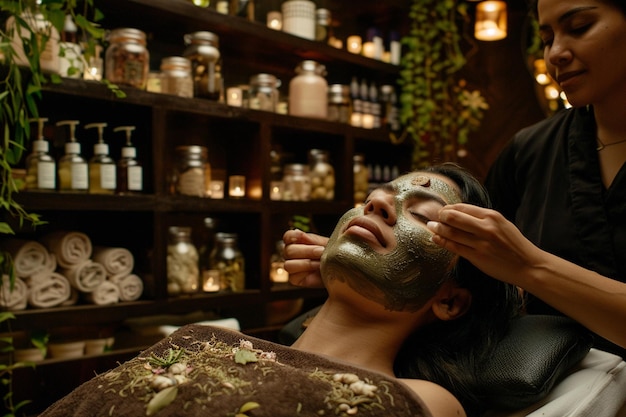
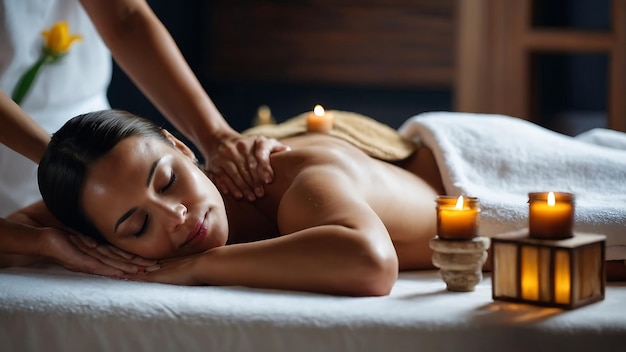
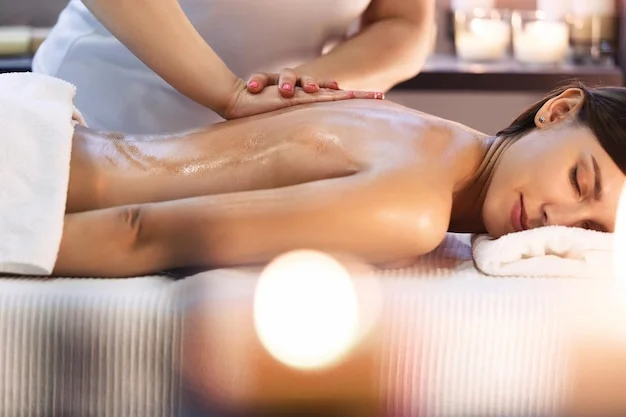
Utsadana is a traditional Ayurvedic therapeutic massage that is primarily aimed at promoting detoxification, reducing stress, and rejuvenating the body. This form of massage involves the application of herbal pastes or oils to the body, which are massaged into the skin using specific techniques to release toxins, improve circulation, and stimulate the lymphatic system. Utsadana is known for its ability to provide deep nourishment, enhance vitality, and restore balance to the body's doshas. It is a powerful treatment often used in Ayurvedic detoxification programs, such as Panchakarma, and can be a key component of a holistic approach to wellness.
Historical Roots & Ayurvedic Significance
Utsadana has been practiced for centuries as part of Ayurvedic healing traditions, where it is considered an essential therapy for improving overall health and vitality. The practice of using medicinal herbs in oil or paste form for massage has deep roots in Ayurvedic texts, where it is believed to balance the body's energies and promote health from the inside out. The process helps to clear Ama (toxins) from the tissues, regulate the flow of Prana (life force), and restore harmony between the body and mind.
The term "Utsadana" comes from the Sanskrit word "Utsada," meaning "to elevate" or "to uplift," reflecting the therapeutic benefits of the massage in boosting physical and mental well-being. This treatment is widely used for stress relief, improving skin texture, and promoting detoxification.
Key Components & Therapeutic Benefits
1. Herbal Pastes and Oils
The main components of Utsadana are herbal pastes and oils that are applied to the body during the massage. These pastes and oils are made from a variety of Ayurvedic herbs, each chosen for its specific therapeutic benefits. Some commonly used herbs include:
- Turmeric (Curcuma longa): Known for its anti-inflammatory and antioxidant properties, turmeric helps to detoxify the body, reduce pain, and improve skin health.
- Sandalwood (Santalum album): Sandalwood is soothing for the skin, helping to relieve inflammation, calm the mind, and improve circulation.
- Neem (Azadirachta indica): Known for its antibacterial, antifungal, and anti-inflammatory properties, neem helps to cleanse the skin and remove impurities.
- Ashwagandha (Withania somnifera): An adaptogenic herb that helps reduce stress, improve vitality, and balance the body’s energies.
- Sesame Oil: Often used as the base oil for Utsadana, sesame oil is deeply nourishing and penetrates the skin to deliver the medicinal properties of the herbs used.
2. Detoxification and Toxin Removal
One of the primary benefits of Utsadana is its ability to support the body’s natural detoxification process. The herbal oils and pastes used in Utsadana help to eliminate Ama (toxins) from the tissues, which can accumulate due to poor digestion, unhealthy lifestyle, or stress. Regular Utsadana massages stimulate the lymphatic system, aiding in the removal of waste products from the body and improving overall health.
3. Stress Relief and Relaxation
Utsadana is highly effective in reducing stress and promoting relaxation. The massage techniques used during Utsadana are designed to calm the nervous system, release tension in the muscles, and relax the mind. The soothing effects of the herbal oils also promote mental clarity, reduce anxiety, and enhance overall well-being. This makes Utsadana an excellent therapy for individuals dealing with stress, burnout, or mental fatigue.
4. Skin Rejuvenation
The herbal oils and pastes used in Utsadana are deeply nourishing for the skin. They improve skin texture, tone, and elasticity, and promote a youthful glow. Utsadana is particularly beneficial for improving circulation to the skin, which can help to address issues like dryness, acne, and dullness. The natural ingredients in the oils also help hydrate and soften the skin, making it look healthier and more radiant.
5. Improved Circulation and Mobility
The massage techniques used in Utsadana stimulate blood flow and improve circulation, which can help alleviate muscle stiffness, joint pain, and inflammation. By promoting better circulation, Utsadana helps nourish the tissues, improve flexibility, and enhance mobility. It is particularly beneficial for individuals suffering from conditions like arthritis, muscle tension, or poor circulation.
6. Balancing the Doshas
Utsadana helps balance the body's three doshas—Vata, Pitta, and Kapha—by addressing imbalances in the body’s energy systems. It is particularly effective in reducing Vata and Kapha dosha imbalances, which are often associated with conditions like dryness, fatigue, and congestion. The application of warm herbal oils and pastes can help bring harmony to the doshas, promoting overall health and balance.
स्वयं दवा न लें और प्रतीक्षा न करें। अभी डॉक्टर से चैट शुरू करें
How Utsadana Works: The Science Behind the Therapy
Utsadana works by applying herbal oils and pastes to the skin, where they are absorbed into the body. The oils and herbs penetrate the skin, delivering their medicinal properties directly to the tissues. The massage techniques used help stimulate the blood and lymphatic systems, promoting circulation and encouraging the removal of toxins. The application of warm herbal pastes also promotes Srotas (channels) in the body, improving the flow of energy, nutrients, and waste products.
The gentle but firm pressure used during the massage helps to relieve muscle tension, activate the Marma points (vital energy points), and balance the flow of Prana throughout the body. The use of natural oils enhances the healing process, supporting detoxification, rejuvenation, and overall wellness.
How to Perform Utsadana
Utsadana is typically performed by a trained Ayurvedic practitioner, but it can also be done at home with the right guidance. Here’s how it is generally done:
- Prepare the Herbal Paste/Oil: Choose a suitable Ayurvedic oil or paste based on your specific skin type and health condition. You can consult an Ayurvedic practitioner to determine which oils or herbs are best suited for your needs.
- Heat the Oil: Slightly warm the oil or paste to enhance its therapeutic effects. Make sure the oil is not too hot to avoid discomfort.
- Apply the Oil: Begin by applying the oil or paste to the body, starting from the feet and working your way upwards in circular motions. Focus on areas that are particularly tense or stiff, such as the shoulders, neck, and joints.
- Massage the Body: Use gentle to moderate pressure while massaging the oil into the skin. Perform the massage in a rhythmic manner to promote relaxation and stimulate blood flow.
- Leave the Oil on the Skin: After the massage, leave the oil on the skin for 15-30 minutes, allowing it to absorb and take effect.
- Rinse Off: After the oil has been absorbed, rinse the body with warm water or take a warm bath to remove any excess oil.
Potential Side Effects & Precautions
While Utsadana is generally safe for most individuals, there are a few precautions to keep in mind:
- Allergic Reactions: Perform a patch test before applying any herbal oils or pastes to large areas of the skin to check for allergic reactions.
- Sensitive Skin: Individuals with sensitive or allergic skin may experience irritation. If irritation occurs, discontinue use and consult a healthcare provider.
- Pregnancy: Pregnant women should consult an Ayurvedic practitioner before undergoing Utsadana to ensure the therapy is safe for both the mother and baby.
- Avoid Overuse: While Utsadana is beneficial, overuse of strong herbs or oils may lead to skin irritation or other side effects. Use the treatment as directed.
Frequently Asked Questions for Utsadana
What is Utsadana used for?
Utsadana is used for detoxification, stress relief, skin rejuvenation, and improving joint and muscle health. It helps balance the doshas, reduce inflammation, and promote overall vitality.
How does Utsadana help with detoxification?
The herbal oils and pastes used in Utsadana help cleanse the body by removing toxins (Ama) from the tissues, improving circulation, and stimulating the lymphatic system to flush out waste products.
Can Utsadana be used for stress relief?
Yes, Utsadana is highly effective for reducing stress and promoting relaxation. The massage techniques and soothing oils help calm the nervous system, reduce tension in the muscles, and improve mental clarity.
Is Utsadana good for skin health?
Utsadana is excellent for skin health. The herbs and oils used nourish the skin, improve blood circulation, reduce dryness, and promote a radiant complexion. It also helps detoxify the skin and alleviate conditions like acne and pigmentation.
How often should I perform Utsadana?
Utsadana can be performed once or twice a week, depending on your health needs. For general wellness, it can be done once a week, while for detoxification or skin issues, more frequent sessions may be recommended.
Can Utsadana be combined with other Ayurvedic therapies?
Yes, Utsadana can be combined with other Ayurvedic treatments like Abhyanga (oil massage) or Panchakarma for enhanced detoxification and overall health benefits.
Where can I find a qualified Utsadana practitioner?
Qualified practitioners can be found at Ayurvedic wellness centers or spas. It is important to choose a licensed Ayurvedic practitioner who specializes in traditional therapies like Utsadana.
Conclusion & Expert Insights
Utsadana is a powerful Ayurvedic therapeutic massage that promotes detoxification, reduces stress, improves skin health, and enhances overall vitality. By incorporating this holistic treatment into your wellness routine, you can experience a range of benefits, from improved circulation to enhanced skin radiance. As always, it’s important to consult with an Ayurvedic practitioner to ensure that Utsadana is tailored to your individual health needs.
References & Further Reading
- Lad, V. (2002). Ayurveda: The Science of Self-Healing.
- Sharma, P.V. (1995). Dravyaguna Vijnana: A Textbook of Ayurvedic Pharmacology.
- National Institute of Ayurveda:
- Journal of Ayurveda and Integrative Medicine for research articles on Ayurvedic therapies and detoxification.
उपयोगकर्ताओं के प्रश्न
What techniques are used in Utsadana to enhance overall wellness?
Client_80dad2
27 दिनों पहले
Utsadana is an Ayurvedic technique involving the use of herbal oils and pastes applied to the skin, which is designed to help remove toxins (Ama) from the body's tissues. This therapy is particularly effective in improving blood circulation and enhancing skin health, contributing to overall wellness. The massage techniques in Utsadana can alleviate muscle stiffness, joint pain, and reduce inflammation. Sessions vary in length and frequency, typically providing noticeable benefits within a few weeks. If chronic issues persist, consult a healthcare provider.
What types of herbal oils are best for Utsadana therapy?
Client_df1519
37 दिनों पहले
In Utsadana therapy, an Ayurvedic body massage technique, herbal oils that are commonly used include sesame oil, coconut oil, and therapeutic oils infused with herbs like turmeric, sandalwood, or jojoba. These oils are selected for their ability to enhance skin health and promote relaxation. The rhythmic massage helps improve blood flow, and leaving the oil on the skin for 15-30 minutes allows for maximum absorption. To ensure safety, perform a patch test to check for allergic reactions, especially if you have sensitive skin. Consult a healthcare professional if any irritation or discomfort occurs.
How long does a typical Utsadana session last for optimal benefits?
Client_1a5ff3
46 दिनों पहले
A typical Utsadana session lasts around 45 to 60 minutes for optimal benefits. This duration allows enough time for the oils and herbs to effectively penetrate the skin and deliver their therapeutic properties. Overuse or excessively long sessions might cause skin irritation, so adhering to the recommended duration is important. If any irritation or discomfort arises during or after the session, it's advisable to stop and consult a healthcare provider. Additionally, pregnant women should seek advice from a qualified practitioner before undergoing Utsadana to ensure safety.
What are the benefits of Utsadana for improving joint health specifically?
Client_0b0be4
56 दिनों पहले
Utsadana can improve joint health by enhancing circulation and reducing muscle tension around the joints. This Ayurvedic massage involves applying herbal pastes or oils to the skin, which, through massage techniques, can help alleviate discomfort. Typically, individuals may notice initial improvements in joint flexibility and a reduction in joint pain within a few weeks of consistent treatment. However, it should not replace medical treatment for serious joint conditions like arthritis. If joint pain persists or worsens, consult a healthcare professional for appropriate diagnosis and treatment.
Can Utsadana help with muscle tension and how often should it be done for best results?
Client_355ec8
65 दिनों पहले
Yeah, Utsadana can help with muscle tension by relaxing the muscles and calming the nervous system. For best results, doing it once or twice a week could work well. But, you know... listen to your body! If muscle tension is a big issue, you might want to combine it with Abhyanga for even more relaxation.
Can Utsadana therapy help with detoxification and what signs should I look for?
Client_18acc5
75 दिनों पहले
Yes, Utsadana therapy can def help with detoxification! It stimulates circulation and the lymphatic system, which helps remove toxins from the body. Signs to look for are improved skin texture, better energy levels, and a sense of lightness or clarity. It's also a good indicator if you notice less bloating or sluggishness.
Can I use Utsadana to improve my athletic performance and recovery time?
Client_40a6ad
84 दिनों पहले
Yeah, Utsadana can definitely help with recovery as it boosts circulation and aids in toxin release, which might improve muscle soreness and recovery time. Better circulation can enhance oxygen and nutrient delivery to muscles. Just make sure to choose the right herbal oils for your dosha and current body needs! Remember, individual results can vary, so experimenting to see how your body responds is a good idea.
Can Utsadana therapy help with improving mental fatigue and how does it work?
Client_227e1a
93 दिनों पहले
Yep, Utsadana therapy can help with mental fatigue! It's all about detoxifying the body and balancing the doshas, which can clear out those pesky toxins (Ama) that might be weighing you down mentally. By boosting circulation and nourishing the tissues, it can indirectly lift mental fog and fatigue. It's not a direct "brain booster," but it helps by improving overall health and energy, ya know?
Can Utsadana help with inflammation and what methods are most effective?
Client_7603dd
102 दिनों पहले
Yes, Utsadana can help with inflammation by improving circulation and balancing the doshas. For best results, it’s good to use warm herbal pastes that suit your dosha type. This helps open up Srotas and activates Marma points. Always consider ur individual prakriti and consult an Ayurvedic practitioner for personalized advice.
What is Utsadana and how does it promote healthy skin and body balance?
Client_09d93d
112 दिनों पहले
Utsadana is an Ayurvedic full-body massage that works wonders for skin and dosha balance. It boosts circulation, enhances skin health, an relieves Vata and Kapha imbalances like dryness and congestion. By simulating the lymph system, it helps detoxify the body while calming the mind. Easier movement and smooth skin, win-win!
संबंधित आलेख

Skin and Hair Disorders
How to Get Black Hair Naturally: Ayurvedic Methods for Permanent Results
How to get black hair naturally? Discover Ayurvedic ways to turn white or grey hair black permanently at home without dye using oils, herbs, and natural care
11,128

Skin and Hair Disorders
अरग्वधादि कषायम के फायदे, खुराक, साइड इफेक्ट्स, सामग्री
अरग्वधादि कषायम के फायदे, खुराक, साइड इफेक्ट्स, और सामग्री की जानकारी
2,034
Skin and Hair Disorders
Best Ayurvedic Medicine for Grey Hair: What Actually Works?
Grey hair. For some, it’s a badge of wisdom — a graceful surrender to time. But for many others (myself included, if I’m being honest), it feels more like a betrayal. One day you're in your twenties, browsing shampoos that promise volume, and then boom —
6,070

Skin and Hair Disorders
Ayurvedic Treatment for Scabies – Natural Remedies & Holistic Care
Explore Ayurvedic approaches for treating scabies. Discover herbal remedies, lifestyle tips, and holistic strategies to manage and alleviate scabies symptoms naturally.
5,538

Skin and Hair Disorders
How to Reduce Facial Hair Naturally (Ayurvedic Procedures, Therapies, and Practices)
Okay, let’s be honest. Unwanted facial hair? It’s not exactly something most people love waking up to. For some, it’s just a bit of fuzz; for others, it’s thicker, darker, and feels... well, just not you. And sure, there’s threading and waxing and laser a
6,676

Skin and Hair Disorders
एलादी थैलम के फायदे, उपयोग कैसे करें, सामग्री, संदर्भ
एलादी थैलम के फायदे, उपयोग कैसे करें, सामग्री, संदर्भ की खोज
3,226

Skin and Hair Disorders
Chandanadi Vati Benefits: Cooling, Anti-Inflammatory, and Balancing Solutions!
Learn about the health benefits and uses of Chandanadi Vati, an Ayurvedic remedy for promoting skin health, cooling the body, and relieving heat-related conditions.
5,167

Skin and Hair Disorders
Psoriatic Arthritis – Natural Ayurvedic Approaches for Joint and Skin Wellness
Explore Ayurvedic insights and natural remedies for managing psoriatic arthritis. Learn about its benefits, herbal treatments, lifestyle modifications, and holistic approaches to support joint and skin health.
3,279
Skin and Hair Disorders
Best Ayurvedic Medicines for Alopecia Areata – Natural Remedies for Hair Regrowth
Discover the best Ayurvedic medicines for Alopecia Areata, including herbal remedies, oils, and holistic treatments to promote hair regrowth and scalp health naturally.
5,913

Skin and Hair Disorders
निम्बराजन्यादी टैबलेट्स
निम्बराजन्यादी टैबलेट्स की खोज
2,370
विषय से संबंधित परामर्श
अतिरिक्त दस्तावेज़
© 2024 Ask Ayurveda. सर्वाधिकार सुरक्षित।