Best Ayurvedic Medicine for Grey Hair: What Actually Works?
Introduction
Grey hair. For some, it’s a badge of wisdom — a graceful surrender to time. But for many others (myself included, if I’m being honest), it feels more like a betrayal. One day you're in your twenties, browsing shampoos that promise volume, and then boom — a wiry silver strand stares back at you from the mirror. No warning. No mercy.
And so begins the hunt. Oils. Supplements. Stress-reducing techniques. Chemical dyes that smell like you're prepping for battle. But somewhere along that exhausting journey, a quiet, persistent idea tends to surface — What about Ayurveda?
Now, I get it. “Best Ayurvedic medicine for grey hair” sounds like one of those things you type into Google at 2 a.m. with a sigh and a bit of hope. But the truth is: Ayurveda isn’t just ancient wisdom wrapped in incense and Sanskrit. It's a deeply systematic approach to health, including — yes — hair health. And unlike synthetic solutions that often mask the issue, Ayurveda tries to fix it at the root (pun very much intended).
The idea is simple: premature greying, in Ayurvedic terms, isn’t just about hair pigment vanishing. It’s often a sign of imbalance — of Pitta going rogue, of stress, poor digestion, toxins, or even heredity expressing itself too early. So, instead of just painting over the problem, Ayurvedic remedies aim to pacify, cleanse, nourish, and restore.
Some key names float around in the Ayurveda-for-grey-hair space — Bhringraj, Amla, Brahmi, Neem, Ashwagandha, and even lesser-known ones like Yashtimadhu or Manjistha. And honestly? It’s not always clear which one works best, or how to even start using them.
So, in this article, we’ll go deep — not “blogger-skim-the-surface” deep, but really-explore-the-soil-the-plant-grew-in deep.
And I’ll be honest with you along the way. No over-promises. No magic cures. Just a human-sized attempt to make sense of what’s actually worth your time and trust.
Let’s dive in.
What is the Best Ayurvedic Medicine for Grey Hair?
Definition and Origin of Ayurvedic Remedies for Grey Hair
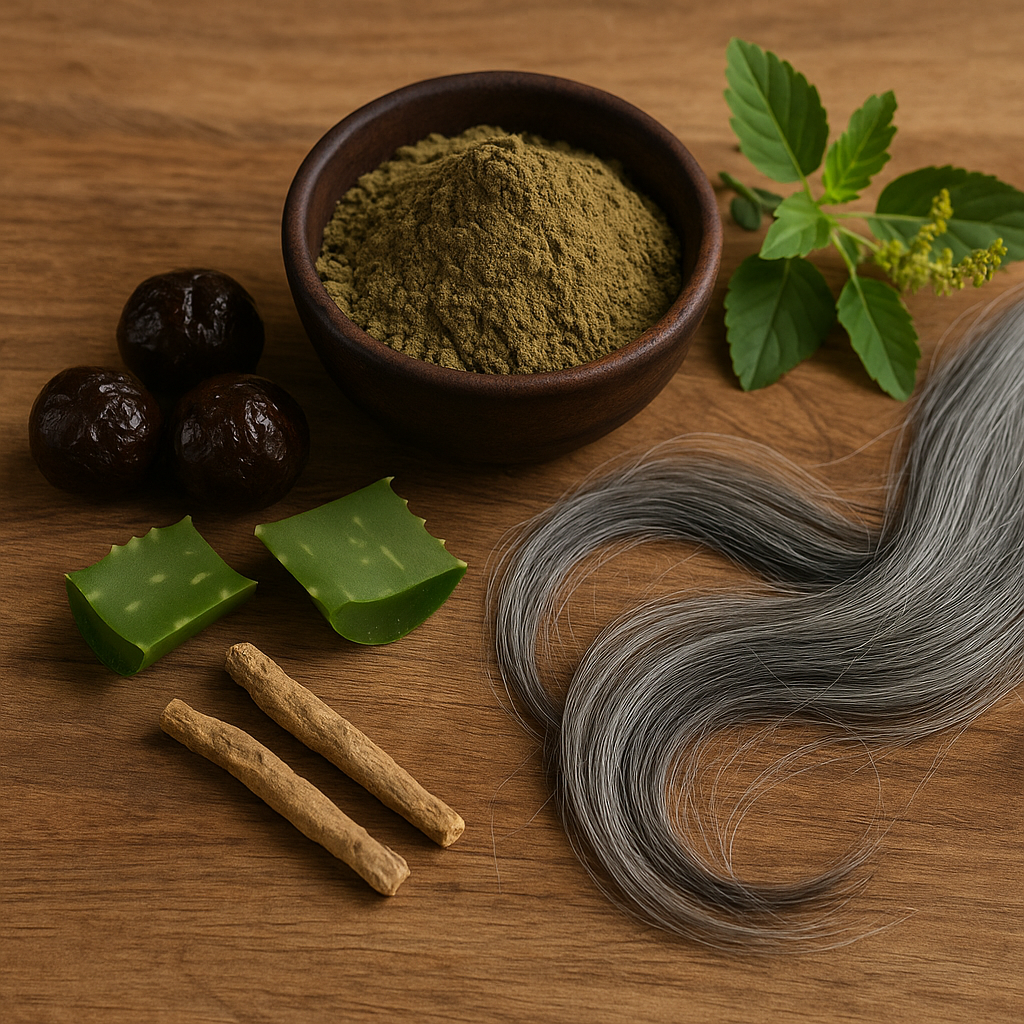
First things first — let’s clear up what we’re even talking about. When we say “best Ayurvedic medicine for grey hair”, we’re not referring to one miraculous pill or a secret herb hidden in the Himalayas. It’s more like a collection of time-tested herbs, oils, and formulations that — used correctly and consistently — have been shown to slow down greying, reverse it in some cases, and nourish the hair deeply.
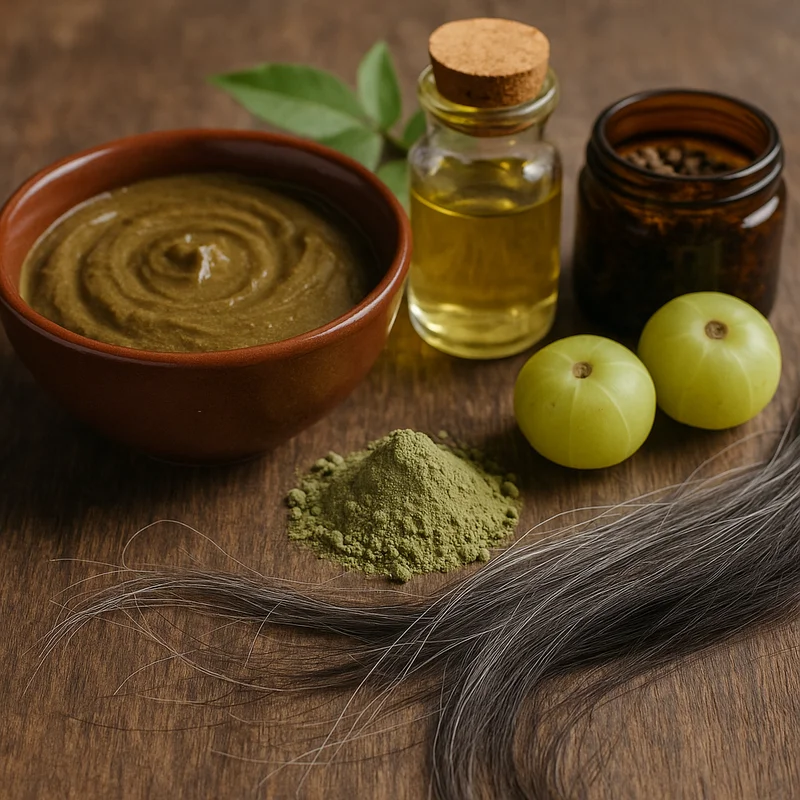
So what are we talking about here? Herbs like Bhringraj (often called the “King of Hair”), Amla (Indian gooseberry, which is practically a celebrity in Ayurveda), Ashwagandha, Shikakai, Henna (yup, natural dye but also therapeutic), and Triphala.
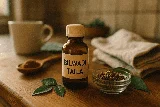
These aren’t isolated ingredients. Each has a role, often working together in classical formulations like Bhringraj Taila, Amla Rasayana, or Narasimha Rasayana. These aren't modern inventions — they’re part of Ayurvedic texts that go back thousands of years.
Ayurveda doesn’t classify grey hair as a simple cosmetic issue. It’s categorized under “Palitya” — premature greying — often due to excess Pitta dosha, which governs heat, transformation, and metabolism. When this heat gets too strong — because of diet, stress, or just inherent constitution — it burns out the pigment from your hair roots.
Historical Use in Ayurveda
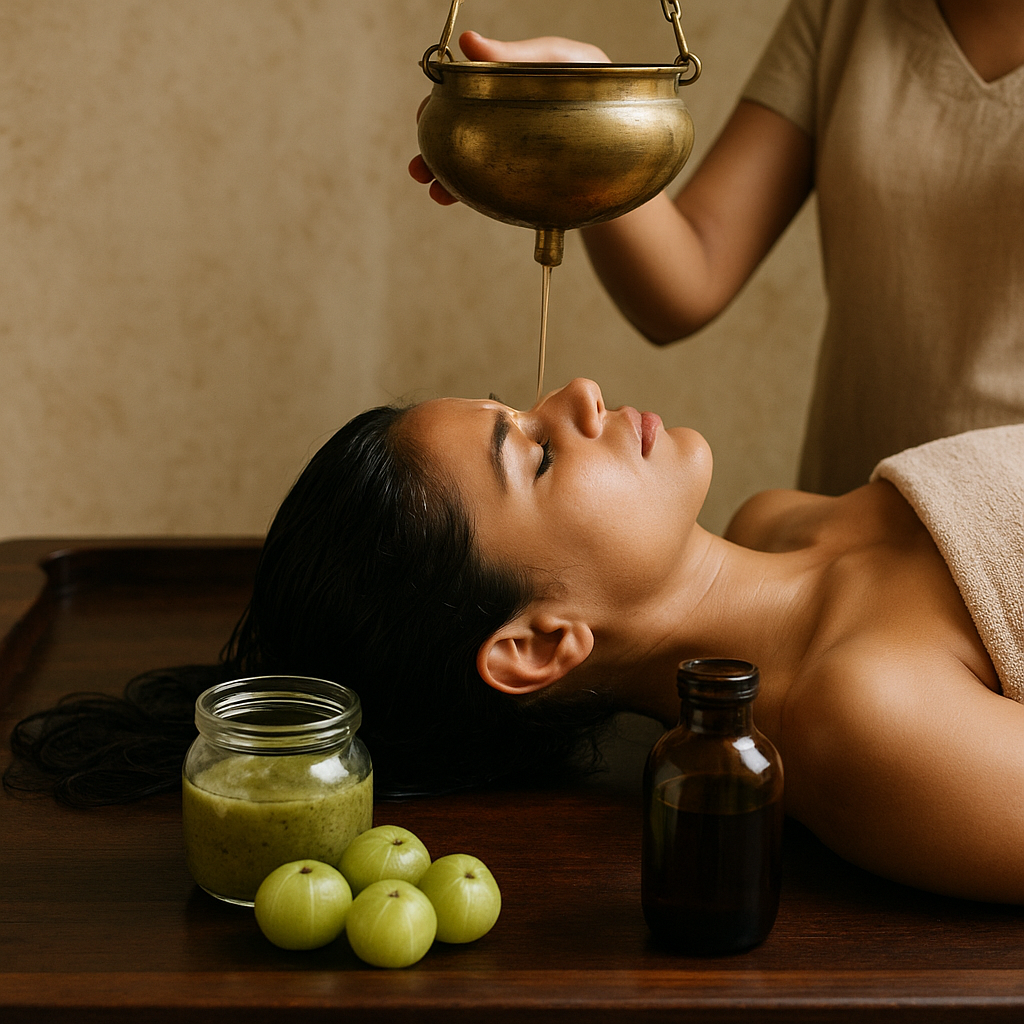
Historical references to greying and its management appear in Ayurvedic scriptures like Charaka Samhita and Sushruta Samhita. You’ll find references to people using herbal pastes, medicated oils, internal rasayanas (rejuvenative tonics), and even specialized therapies like Shirodhara — warm oil flowing over the forehead — to calm the mind and slow ageing.
There’s even a philosophical side to this: premature greying is seen as a sign of untimely ageing — a signal from the body that its internal fire needs balancing.
Back in the day, there wasn’t a “just cover it with dye” mindset. Instead, grey hair was seen as a puzzle worth solving — naturally, patiently, and holistically.
Cultivation and Harvesting Details (If Applicable)
Many Ayurvedic herbs used for greying are wild-harvested or organically cultivated across India. Take Bhringraj, for instance. It grows abundantly in moist regions — especially in states like Kerala, Tamil Nadu, and parts of Bengal. Its leaves are harvested before flowering, sun-dried, and processed into oils or powders.
Amla, on the other hand, is harvested from the amalaki tree — these little green fruits are plucked when ripe, dried in the shade to preserve their Vitamin C content, and then crushed or processed into oils, jams (Chyawanprash), and powders.
Sustainability matters here. Many top-tier Ayurvedic companies work closely with tribal communities and local farmers to ensure ethical harvesting practices. And no, that’s not marketing fluff — some of these herbs take years to mature, and overharvesting can wreck the delicate supply chain.
Key Components and Active Substances in the Best Ayurvedic Medicine for Grey Hair
Chemical Composition and Active Ingredients
Alright, time to nerd out a little. Behind all the poetic talk of "natural balance" and "doshas," Ayurvedic herbs are also pharmacological powerhouses. These plants aren’t just spiritually aligned — they contain very real, active biochemicals that impact the body.
Take Bhringraj (Eclipta alba) — the literal poster child for reversing greying. Its key compounds include wedelolactone, ecliptine, and various flavonoids. These have been studied for their hepatoprotective, anti-inflammatory, and — yes — hair-darkening properties.
Amla (Emblica officinalis) brings gallic acid, ascorbic acid (Vitamin C), and ellagic acid to the party. Amla isn’t just good for your immune system — it stimulates melanogenesis, which is the process by which your hair pigment (melanin) is produced.
Then there's Brahmi (Bacopa monnieri), which doesn’t directly affect hair pigment, but works behind the scenes by calming stress, reducing cortisol, and restoring nervous system function — a big win if your grey hairs started appearing after your promotion turned into a permanent ulcer.
Other notable players:
-
Ashwagandha: Contains withanolides that balance hormones, reduce oxidative stress, and promote melanin retention.
-
Shikakai: Natural saponins cleanse the scalp without stripping oils.
-
Henna: Lawsone, the active dye molecule, binds to keratin — not a pigment restorer, but a safe, plant-based coloring agent.
How the Components Affect the Body
Here’s the interesting part — these herbs rarely work in isolation. Ayurveda leans into synergy, and many of these substances work on multiple systems at once.
For example:
-
Amla doesn’t just add shine; it cools Pitta, improves digestion, and supports liver function — all essential to managing premature greying.
-
Bhringraj enhances blood flow to the scalp, strengthens hair follicles, and also supports liver detox (another key link Ayurveda draws between the liver and hair vitality).
-
Ashwagandha modulates stress hormones (especially cortisol), which, when chronically elevated, have been directly linked to greying in both modern studies and Ayurvedic thought.
It’s like tending a garden — not just watering the leaves but enriching the soil, balancing sun exposure, and keeping pests at bay. That’s how Ayurveda views the body. Grey hair is the symptom; the root cause could be digestive, emotional, or environmental.
Health Benefits and Therapeutic Uses of the Best Ayurvedic Medicine for Grey Hair
Physical Health Benefits
Let’s talk results — what actually changes when you use these herbs consistently?
-
Darkening of new hair growth: Especially with Bhringraj and Amla. Not instantly, but over months, people report darker roots, improved texture, and stronger strands.
-
Reduced hair fall: Many herbs used for greying — especially Ashwagandha and Brahmi — also strengthen hair follicles and reduce breakage.
-
Improved scalp health: Less dandruff, fewer rashes, and even reversal of itchy, dry scalp conditions.
Some users even notice benefits beyond hair: better digestion (Amla), improved sleep (Brahmi), or less hormonal acne (Ashwagandha).
Mental and Emotional Health Benefits
Here’s something often missed in modern treatments: Ayurvedic grey hair solutions also support mental and emotional balance.
-
Ashwagandha calms the nerves and helps with anxiety. Many people start using it for hair and stay for the calm.
-
Brahmi promotes clearer thinking, less mental chatter, and deeper sleep — which, let’s face it, most of us could use.
-
Shirodhara, an Ayurvedic therapy often used in premature greying cases, soothes the overactive mind, reduces burnout, and helps people reconnect with a more rested version of themselves.
Most Effective Use Cases
-
Young adults with premature greying (20s–30s): Best results, especially when the root cause is stress, diet, or Pitta imbalance.
-
Middle-aged users looking to slow down progression: Regular use can significantly reduce further greying.
-
Postpartum women: Hormonal shifts can trigger hair issues — adaptogens like Shatavari and Ashwagandha can help.
Use in Integrated Ayurvedic Therapy
In Panchakarma (the gold-standard Ayurvedic detox), premature greying is tackled with a multi-pronged approach:
-
Nasya (herbal oils into the nostrils)
-
Abhyanga (herbal oil massage)
-
Rasayana therapy (rejuvenation tonics)
A practitioner might combine Amla Rasayana, Bhringraj Taila, and Shirodhara sessions, depending on the root cause. It’s never one-size-fits-all, and that’s the magic.
Indications and Contraindications
Conditions Where It’s Recommended
-
Premature greying starting before 35
-
Chronic stress or burnout
-
History of excessive Pitta imbalance (acidity, rashes, anger, etc.)
-
Post-illness hair weakening
-
Digestive issues or liver sluggishness
Possible Side Effects and Contraindications
Most Ayurvedic remedies are gentle — but not universally harmless. Here's the candid lowdown:
-
Amla: Safe for most, but may aggravate Vata in excess — think dryness, bloating.
-
Ashwagandha: Can overstimulate in very sensitive types, especially in large doses.
-
Henna: May cause allergic reactions in rare cases; always patch test.
And honestly? Mixing too many herbs at once, or using low-quality commercial products, can backfire. Ayurveda isn’t “the more, the better.” It’s “the right thing, at the right time, in the right dose.”
Restrictions Based on Age, Health Status, or Drug Interactions
-
Children: Avoid concentrated extracts; use mild oils or Amla.
-
Pregnancy: Skip Ashwagandha and potent rasayanas unless under expert care.
-
Elderly: Focus more on gentle tonics like Brahmi and Chyawanprash.
Also, if you’re on thyroid medication, blood thinners, or anti-anxiety drugs — check with an Ayurvedic or integrative practitioner before starting herbs like Ashwagandha or Brahmi. They’re powerful — and power needs guidance.
How to Properly Use the Best Ayurvedic Medicine for Grey Hair
Recommended Forms and Dosages
-
Amla powder: 1 tsp daily with warm water or honey
-
Bhringraj Taila: Apply to scalp 2–3 times a week, leave for 30–60 minutes
-
Ashwagandha churna (powder): 1/2 tsp with warm milk at night (unless you're wired — then skip)
-
Brahmi capsules or tea: Once a day, morning or evening
You don’t need all of them — pick based on your dominant imbalance. Or get a consult if you’re not sure (more on that at the end).
Best Time to Take It / Dosage Schedule
-
Oils: Nighttime is ideal — calming, grounding, and more time to absorb
-
Powders or capsules: With meals or before bed, depending on their purpose
-
Rasayanas (like Chyawanprash): Morning, empty stomach, followed by warm water or milk
Consistency beats quantity. I’ve seen people slap on five oils a week and then stop after two months because “nothing changed.” Ayurvedic medicine is a marathon, not a sprint.
Recipes and Practical Advice
Here’s a little ritual I personally love:
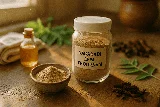
Amla-Bhringraj Hair Mask
-
1 tsp Amla powder
-
1 tsp Bhringraj powder
-
Warm water or aloe vera gel to make a paste
-
Optional: few drops of rosemary or lavender essential oil
Apply to scalp and roots once a week. It smells… earthy, let’s say. But your hair will feel alive.
Also, try Amla-honey shots: 1 tsp Amla powder + 1 tsp raw honey, early morning. Tangy, but worth it.
Success Stories and Real-Life Examples
You know what’s oddly reassuring? Hearing that someone else was in your shoes — frustrated with grey strands at 27, standing under horrible bathroom lighting, wondering what went wrong. And then they tried something ancient, something slow... and it worked.
Case Study 1: Reena, 33, Mumbai
Reena’s greys started around 25. She ignored them at first — a strand here, a strand there. But by 30, it was a quarter of her head. She tried hair dyes, of course. But after a brutal allergic reaction to a boxed color, she started researching natural alternatives.
A practitioner suggested Bhringraj oil massages three times a week, Amla powder with honey every morning, and stress management with Ashwagandha tea.
Six months in, her regrowth began to show dark strands — not jet black, but a softer brown tone that blended in. After a year, she reported fewer new greys, a healthier scalp, and the confidence to wear her hair loose again.
Case Study 2: Farid, 42, Doha
Farid always blamed his greys on genetics. “My dad was silver by 35,” he’d say. Still, when a friend insisted he try Triphala for his digestion and liver health — and Amla capsules for his hair — he agreed, skeptically.
To his surprise, his digestion improved within a few weeks. But more shocking? A year later, his barber commented that his hair “looked darker than last time.”
Turns out, some greys are reversible — especially when they're linked to lifestyle and gut health.
Moral of the story: No miracle claims. But results? They do happen. Gradually. And they stick around when your body’s actually being cared for.
Scientific Research and Evidence of Effectiveness
Okay, time to shift gears a bit. Let's talk science — yes, Ayurveda is old, but it's not just folklore.
Summary of Clinical Studies
-
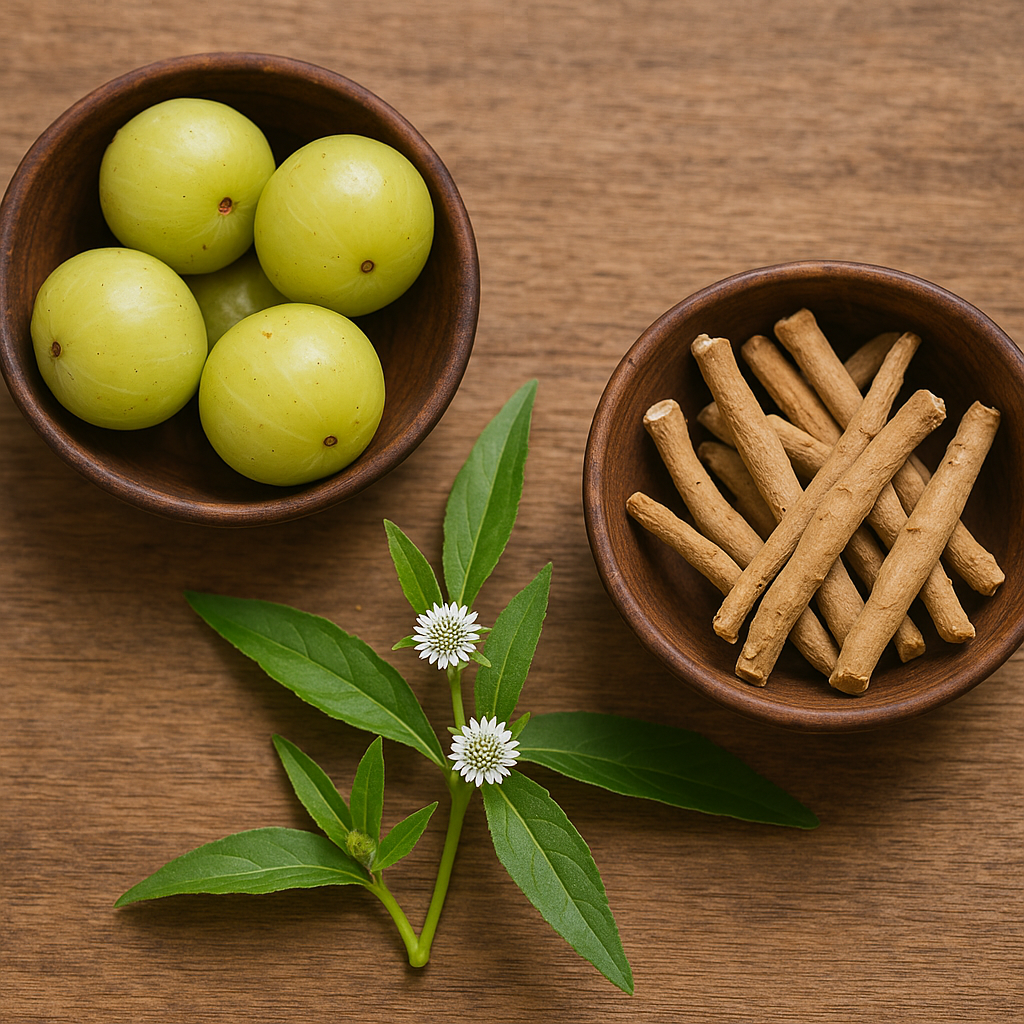
Bhringraj (Eclipta alba): A 2009 animal study published in the Journal of Ethnopharmacology found that topical application of Bhringraj extract increased hair melanin levels in albino rats.
-
Amla (Emblica officinalis): A 2012 study in the International Journal of Pharmaceutics observed Amla’s role in increasing hair strength and pigmentation when applied topically over 90 days.
-
Ashwagandha (Withania somnifera): Several studies have shown its role in reducing cortisol, managing chronic stress, and regulating hormonal imbalances — all of which contribute to premature ageing and hair greying.
Granted, much of the clinical research is in early stages or done on animals, but the biological plausibility is solid — especially with antioxidants, adaptogens, and pigment-enhancing compounds.
References to Medical Journals and Papers
-
“Hair growth-promoting activity of Eclipta alba in C57BL/6 mice” – Journal of Ethnopharmacology
-
“Antioxidant and anti-stress activity of Emblica officinalis” – Phytomedicine
-
“Anti-aging properties of Ashwagandha through hormonal modulation” – Aging and Disease Journal
Not exactly viral YouTube testimonials, but they add to the credibility.
Comparison With Conventional Medicine
Let’s be real — if you want instant black hair, you’ll probably reach for a dye. That’s what conventional cosmetic solutions offer: immediacy, not longevity. But:
-
Most chemical dyes contain paraphenylenediamine (PPD), a known allergen
-
They don’t treat root causes — stress, deficiency, hormonal shifts
-
They need constant maintenance
Ayurveda is slower — but potentially transformative. It’s not about covering grey. It’s about changing the trajectory of hair health itself.
Conclusion
So, what did we just unpack?
Ayurveda doesn’t give you quick-fix solutions. But if you’re tired of the cycle — dye, damage, repeat — it offers something quieter and deeper. Herbs like Amla, Bhringraj, and Ashwagandha aren’t just ingredients. They’re messengers of a bigger idea: your hair is a mirror of your inner health.
Premature greying isn’t just bad luck. It’s a sign. And in the right hands — with the right approach — it’s also a reversible one.
If you’re ready to go beyond covering up the problem, and instead, start listening to what your body’s telling you, Ayurvedic medicine might just be the path.
Want personalized advice about Ayurvedic medicine for grey hair?
👉 Ask an expert at Ask-Ayurveda.com
Frequently Asked Questions (FAQ)
1. Can grey hair actually turn black again with Ayurveda?
Sometimes, yes — especially if the greying is due to stress, digestive issues, or Pitta imbalance. But it’s not guaranteed, and it takes time. Ayurveda focuses on long-term correction, not cosmetic cover-ups.
2. How long does it take to see results from Ayurvedic remedies?
Usually 3 to 6 months of consistent use. Some notice changes earlier, especially in scalp health or hair texture, but pigment changes take longer.
3. Are there any side effects to taking Amla or Bhringraj?
Generally, they’re safe. Amla may cause dryness or coldness in Vata-dominant people. Bhringraj oil can cause cooling — good for Pitta, not always ideal for Kapha. Always consult before combining with other herbs or medications.
4. Is it safe to use Ayurvedic herbs alongside modern treatments or hair dyes?
Usually yes, though it's better to separate herbal treatments and chemical dyes by at least 24–48 hours. Some herbs might react with dye chemicals, so caution is advised.
5. What diet supports Ayurvedic treatment for grey hair?
Focus on Pitta-pacifying foods: avoid spicy, oily, or fermented items. Eat cooling fruits like melons, cucumbers, pomegranate. And drink Triphala tea at night — your gut will thank you.
आयुर्वेदिक डॉक्टर से एक प्रश्न पूछें और मुफ़्त या सशुल्क मोड में अपनी चिंता की समस्या पर ऑनलाइन परामर्श प्राप्त करें।
2,000 से अधिक अनुभवी डॉक्टर हमारी साइट पर काम करते हैं और आपके प्रश्नों की प्रतीक्षा करते हैं और प्रतिदिन उपयोगकर्ताओं को उनकी स्वास्थ्य समस्याओं को हल करने में मदद करते हैं।
संबंधित आलेख