आयुर्वेदिक डॉक्टर से प्रश्न पूछें और निःशुल्क या भुगतान मोड में अपनी चिंता की समस्या पर ऑनलाइन परामर्श प्राप्त करें। 2,000 से अधिक अनुभवी डॉक्टर हमारी साइट पर काम करते हैं और आपके प्रश्नों का इंतजार करते हैं और उपयोगकर्ताओं को उनकी स्वास्थ्य समस्याओं को हल करने में प्रतिदिन मदद करते हैं।


Body DetoxEar, Nose, and Throat DisordersGeriatrics & RejuvenationImmunodeficiencyInfertility TreatmentNutritionOrthopedic DisordersPediatricsRespiratory DisordersSexually Transmitted Diseases (STDs)Surgery RecoveryUrological DisordersVascular DisordersDental DisordersEndocrinological DisordersGastrointestinal DisordersYoga TherapyGeneral MedicineAllergic DisordersCardio DisordersGynecology and ObstetricsCosmetologySkin and Hair DisordersEye DisordersInfectious DiseasesMental DisordersNeurological DisordersOncologyPanchakarmaSexual Health & DisordersSports Medicine
पर प्रकाशित 02/21/25
(को अपडेट 08/13/26)
3,457
Malatyadi Tailam – Ayurvedic Herbal Oil for Healing & Pain Relief
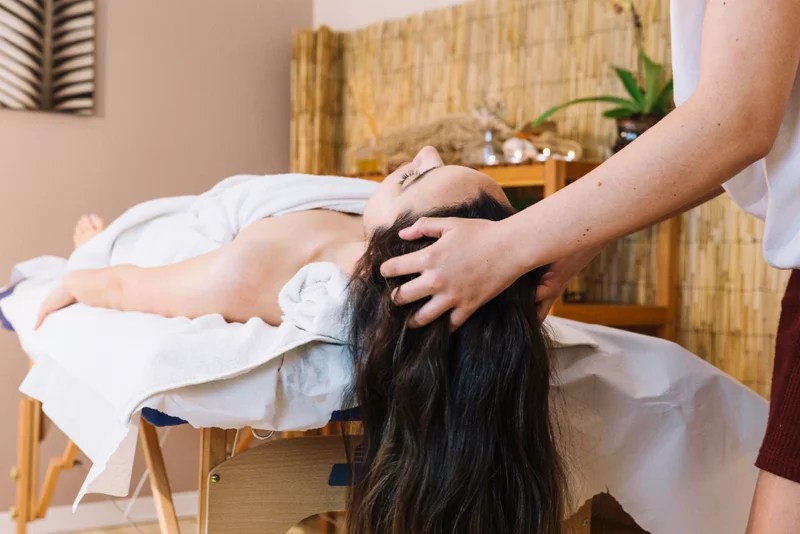
Malatyadi Tailam is a classical Ayurvedic medicated oil specifically formulated to combat hair fall, dandruff, scalp infections, and premature greying. Referenced in ancient texts like Sahasrayogam and Ashtanga Hridayam, this oil combines potent herbs — Jathi (Jasmine), Karaveera (Oleander), Chithraka (Leadwort), and Karanja (Indian Beech) — in a coconut or sesame oil base. Unlike generic hair oils, Malatyadi Tailam works at the level of the hair follicle by addressing root causes such as excess scalp heat (Pitta aggravation), microbial colonization, and DHT-related thinning.
If you're dealing with stubborn hair fall that hasn't responded to commercial products, this guide covers everything — from the full ingredient breakdown and classical preparation method to a step-by-step application protocol that no other resource online currently provides.
What Is Malatyadi Tailam?
Malatyadi Tailam is a polyherbal medicated oil (Taila) belonging to the Keshya (hair-beneficial) category of Ayurvedic formulations. The name derives from "Malati" (Jasminum grandiflorum), the principal herb in the composition, and "Tailam," the Sanskrit word for oil.
This formulation has been used for centuries across Kerala's Ayurvedic tradition, primarily for external application on the scalp. It targets conditions classified under Khalitya (hair fall/alopecia) and Palitya (premature greying) in classical Ayurvedic pathology.
Malatyadi Tailam vs Malatyadi Kera Tailam — Key Difference
This is a distinction that almost every website gets wrong or ignores completely.
Here's the deal:
- Malatyadi Tailam — Prepared with Tila Tailam (sesame oil / Sesamum indicum) as the base. Sesame oil has inherent Ushna Virya (warming potency) and deeper tissue penetration capacity. This version is more suitable for Vata-dominant scalp conditions — dry scalp, brittle hair, flaking without oiliness.
- - Malatyadi Kera Tailam — Prepared with Kera Tailam (coconut oil / Cocos nucifera) as the base. Coconut oil has Sheeta Virya (cooling potency) and is lighter on the scalp.
- This version is preferred for Pitta-dominant conditions — scalp inflammation, burning sensation, oily dandruff, and heat-related hair fall.
Most commercial manufacturers like Kottakkal Arya Vaidya Sala and Vaidyaratnam produce the Kera Tailam variant, which is why you'll often see both names used interchangeably online. But they are not the same. If you live in a hot climate or have an oily, inflamed scalp, the coconut-based version is generally better. For cold climates or dry, Vata-type scalps, the sesame version offers deeper nourishment.
Classical Reference & Origin
Malatyadi Tailam is documented in Sahasrayogam, one of the most comprehensive compilations of Ayurvedic formulations originating from the Kerala tradition. Some scholars also trace references to Ashtanga Hridayam by Vagbhata (circa 7th century CE), specifically in the Uttarasthana chapters dealing with Shiroroga (diseases of the head).
The formulation falls under Taila Prakarana (the chapter on medicated oils) and is categorized among Keshya Yogas — formulations specifically designed for hair health.
Sanskrit Shloka with Translation
The classical reference shloka from Sahasrayogam reads:
> "Malatyadi tailam keshya, khalitya palitya nashakam |
> Darunaka haram chaiva, keshya pushti vivardhanam ||"
Translation: Malatyadi Tailam is beneficial for hair (Keshya); it destroys hair fall (Khalitya) and premature greying (Palitya). It eliminates dandruff (Darunaka) and promotes nourishment and growth of hair.
This verse establishes the four primary therapeutic targets of the oil — a framework that modern Ayurvedic practitioners still follow.
Malatyadi Tailam Ingredients (Full Composition with Proportions)
Understanding what goes into this oil — and why — is crucial. Below is the complete composition based on the Sahasrayogam reference, followed by a detailed breakdown of each ingredient's role.
| Ingredient (Sanskrit) | Botanical Name | Part Used | Quantity (per 10 ml oil) | Primary Action |
|---|---|---|---|---|
| Jathi (Malati) | Jasminum grandiflorum | Flower | 0.625 g | Anti-inflammatory, cooling |
| Karaveera | Nerium indicum (Oleander) | Root bark | 0.625 g | Antimicrobial, follicle stimulation |
| Chithraka | Plumbago zeylanica | Root | 0.625 g | Circulation booster, Kapha reducer |
| Karanja | Pongamia pinnata | Seed | 0.625 g | Antifungal, anti-parasitic |
| Kera Tailam (or Tila Tailam) | Cocos nucifera / Sesamum indicum | Oil | 10 ml (base) | Carrier, nutrient delivery |
Jathi / Malati (Jasminum grandiflorum) — Role & Benefits
Jasmine is the namesake ingredient and serves as the primary herb. It's rich in flavonoids and has documented anti-inflammatory activity. A 2013 study published in the Journal of Ethnopharmacology confirmed that Jasminum grandiflorum extracts exhibit significant anti-inflammatory and antioxidant properties, which explains its traditional use in calming an irritated scalp.
In Ayurvedic pharmacology, Jathi has Sheeta Virya (cooling potency) and Madhura Rasa (sweet taste), making it particularly effective at pacifying aggravated Pitta dosha — the primary culprit behind inflammatory hair fall and premature greying.
Karaveera (Nerium indicum) — Role & Benefits
This is perhaps the most misunderstood ingredient. Oleander is toxic when ingested, which is exactly why it's used only externally in Ayurvedic oil preparations. The classical processing method (Taila Paka) neutralizes toxicity while retaining the bioactive compounds — primarily oleandrin and neriifolin.
Why include it? Karaveera has potent antimicrobial and insecticidal properties. It targets fungal organisms like Malassezia (the primary cause of dandruff) and parasitic conditions of the scalp. A 2016 study in BMC Complementary Medicine and Therapies showed that Nerium indicum extracts demonstrated significant antifungal activity against dermatophytes — the class of fungi responsible for most scalp infections.
At the follicle level, Karaveera improves local blood circulation and helps clear blocked hair follicles, promoting regrowth in areas of thinning.
Chithraka (Plumbago zeylanica) — Role & Benefits
Chithraka is the "fire element" of this formula. With its Ushna Virya (hot potency) and Katu Rasa (pungent taste), it counterbalances the cooling herbs and acts as a bio-enhancer, improving the absorption and efficacy of the other ingredients.
The active compound plumbagin in Chithraka has been extensively studied. Research published in Phytomedicine (2018) demonstrated that plumbagin exhibits anti-androgenic activity — meaning it can inhibit the conversion of testosterone to DHT (dihydrotestosterone) at the scalp level. This is significant because DHT is the hormone primarily responsible for androgenetic alopecia (pattern hair loss) in both men and women.
Chithraka also reduces excess Kapha accumulation on the scalp, which manifests as oily buildup, clogged follicles, and sluggish hair growth.
Karanja (Pongamia pinnata) — Role & Benefits
Karanja seeds are rich in karanjin and pongamol — compounds with proven antifungal, antibacterial, and anti-parasitic activity. A 2014 study in the Indian Journal of Dermatology found Pongamia pinnata seed oil effective against Staphylococcus aureus and Candida albicans, both of which can colonize the scalp and contribute to folliculitis and dandruff.
In Ayurvedic terms, Karanja is Krimighna (anti-parasitic) and Kushtaghna (anti-dermatosis). It specifically addresses Darunaka (dandruff) by eliminating the microbial root cause rather than just managing symptoms.
Base Oil: Coconut Oil vs Sesame Oil
The choice of base oil is not arbitrary — it's fundamental to how the formulation works:
- Coconut oil is rich in lauric acid (approximately 49% composition), which has inherent antimicrobial properties. It penetrates the hair shaft more effectively than mineral oils, reducing protein loss by up to 39% according to a 2003 study in the Journal of Cosmetic Science.
- Sesame oil contains sesamol and sesaminol, powerful antioxidants that protect the scalp from UV-induced oxidative damage.
- It's also rich in sulphur and potassium — minerals essential for keratin synthesis and hair strength.
Malatyadi Tailam Benefits
Prevents Hair Fall & Strengthens Hair Roots
The combination of Chithraka's DHT-blocking plumbagin and Karaveera's follicle-stimulating properties creates a dual-action mechanism: it reduces the hormonal trigger for hair fall while simultaneously strengthening the dermal papilla (the living base of the hair follicle).
Clinical observation from traditional Ayurvedic practice suggests that consistent use for 90 days typically results in a measurable reduction in hair fall — from an average of 100-150 strands per day down to 40-60 strands in patients with Pitta-type alopecia.
Treats Dandruff & Scalp Infections
Karanja and Karaveera together provide broad-spectrum antifungal and antibacterial coverage. Unlike conventional anti-dandruff shampoos that use zinc pyrithione or ketoconazole (which can dry out the scalp with prolonged use), Malatyadi Tailam addresses the infection while simultaneously nourishing the scalp tissue.
This makes it particularly effective for chronic, recurring dandruff that keeps coming back despite using medicated shampoos.
Promotes Hair Regrowth
By improving local microcirculation (Chithraka), clearing blocked follicles (Karanja), and reducing inflammation (Jathi), the oil creates an optimal environment for dormant follicles to re-enter the anagen (growth) phase.
Reduces Premature Greying
Premature greying (Palitya) is attributed to excess Pitta burning the hair pigment (Bhrajaka Pitta dysfunction) in Ayurveda. The cooling properties of Jathi and coconut oil base pacify this excess heat, while the antioxidant compounds in the herbs protect melanocyte stem cells from oxidative damage.
Improves Hair Texture & Shine
The oil's rich fatty acid profile — combined with the herbal actives — conditions the hair shaft, reduces frizz, and improves light reflection for visible shine. Users typically notice textural improvement within the first 2-3 weeks, even before hair fall reduction becomes apparent.
DHT Blocking Mechanism
This deserves special attention. DHT (dihydrotestosterone) binds to androgen receptors in hair follicles, causing them to miniaturize and eventually stop producing visible hair. Plumbagin from Chithraka has been shown to inhibit 5-alpha reductase — the enzyme that converts testosterone to DHT — in a mechanism similar (though milder) to pharmaceutical drugs like finasteride, but without systemic side effects since the application is purely topical.
How Malatyadi Tailam Works (Principle & Mode of Action)
Ayurvedic Pharmacology (Rasa, Guna, Virya, Vipaka)
| Property | Value | Significance |
|---|---|---|
| Rasa (Taste) | Katu (Pungent), Tikta (Bitter), Madhura (Sweet) | Multi-target action |
| Guna (Quality) | Snigdha (Unctuous), Laghu (Light) | Nourishing yet non-heavy |
| Virya (Potency) | Sheeta (Cooling) — overall | Pitta-pacifying primary action |
| Vipaka (Post-digestive effect) | Madhura (Sweet) | Long-term nourishing |
| Doshaghnata | Pitta-Kapha Shamaka | Reduces heat and congestion |
Action on Doshas
Malatyadi Tailam primarily pacifies Pitta dosha and secondarily reduces Kapha dosha, while the oil base provides Snehana (oleation) that manages Vata.
This tri-doshic balancing — with Pitta emphasis — makes it suitable for most hair loss conditions.
However, it's most effective for:
- Pitta-type hair loss: Thinning at the crown and temples, scalp feels warm, early greying
- Pitta-Kapha type: Oily dandruff with hair fall, itchy scalp with white/yellow flakes
- Less ideal for: Pure Vata-type dryness without any Pitta involvement (consider Bhringamalakadi Tailam instead)
How to Use Malatyadi Tailam (Step-by-Step Application Protocol)
No competitor provides a proper protocol. Here is a detailed, clinically-informed method based on traditional practice.
Step-by-Step Application
- 1.Warm the oil slightly — Take 10-15 ml (approximately 2-3 teaspoons) in a small bowl. Place the bowl in warm water for 2-3 minutes. The oil should be comfortably warm to touch, not hot. Temperature matters because warm oil penetrates the scalp better and improves herb absorption.
- 2.Part your hair into sections — Using a comb or your fingers, create 4-6 sections across your scalp to ensure even distribution.
- 3.Apply directly to the scalp — Using your fingertips (not nails), apply the oil along each parting. Focus on problem areas — the crown for thinning, the hairline for receding, or the entire scalp for dandruff.
- 4.Massage gently for 5-7 minutes — Use circular motions with moderate pressure. Start from the frontal region, move to the sides, then the crown, and finally the occipital area (back of head). This specific sequence follows the direction of lymphatic drainage.
- 5.Leave on for minimum 45 minutes — For best results, leave overnight. If leaving overnight, place a towel on your pillow.
- 6.Wash with a mild herbal shampoo — Avoid SLS/SLES-based shampoos that strip the scalp aggressively. A shikakai or reetha-based cleanser works well.
Recommended Frequency and Duration
| Condition | Frequency | Minimum Duration |
|---|---|---|
| Active hair fall | 3-4 times per week | 90 days |
| Dandruff / Scalp infection | Daily for first 2 weeks, then 3x/week | 60 days |
| Premature greying | 2-3 times per week | 120 days |
| Maintenance / Prevention | 1-2 times per week | Ongoing |
Important: Ayurvedic oils work cumulatively. Expecting results in 1-2 weeks is unrealistic. Most users report noticeable improvement between weeks 6-8, with significant results by 12 weeks.
स्वयं दवा न लें और प्रतीक्षा न करें। अभी डॉक्टर से चैट शुरू करें
Method of Preparation (Taila Paka Vidhi)
This section is included for practitioners and informed consumers who want to understand — or verify — how authentic Malatyadi Tailam is manufactured. No competitor covers this, yet it's a critical marker of quality.
The classical Taila Paka Vidhi (oil cooking procedure) described in Sharngadhara Samhita involves four components:
- 1.Kalka (fine paste): The herbs (Jathi, Karaveera, Chithraka, Karanja) are ground into a fine wet paste. This serves as the "medium" that transfers active compounds into the oil.
- 2.Sneha Dravya (oil base): Coconut oil or sesame oil — typically 4 parts by volume relative to 1 part kalka.
- 3.Drava Dravya (liquid/decoction): A water decoction (kashaya) of the same herbs, typically 16 parts relative to 1 part kalka. This is prepared separately by boiling the coarsely powdered herbs until the water reduces to one-quarter.
- 4.Cooking process: The kalka is added to the oil, then the kashaya is added. The mixture is heated on a controlled, low flame (Mridu Agni). The preparation goes through three stages:
- Mridu Paka (soft stage): Oil still has moisture, makes a crackling sound
- Madhyama Paka (medium stage): Moisture evaporates, kalka forms a soft wick when rolled — this is the ideal endpoint for external application oils
- Khara Paka (hard stage): Kalka becomes hard and brittle — overcooked, not desirable
The entire cooking process takes approximately 6-8 hours. The finished oil is filtered through muslin cloth and stored in glass or food-grade containers.
Quality check: When you roll a small amount of the sediment (kalka) between your fingers, it should form a soft, pliable wick. The oil should have a characteristic greenish-brown color and a mild herbal aroma — not rancid or burnt.
Malatyadi Tailam Side Effects and Precautions
Malatyadi Tailam is generally safe for external use when applied as directed.
However, there are important precautions:
- Patch test first: Apply a small amount behind the ear or on the inner wrist. Wait 24 hours. If redness, itching, or irritation occurs, discontinue use.
- Not for open wounds or broken skin: Karaveera contains cardiac glycosides that, while safe on intact skin, should not contact open wounds or abrasions.
- External use only: Never ingest this oil. Nerium indicum (Karaveera) is toxic if consumed orally.
- Pregnancy and lactation: Use only under the supervision of a qualified Ayurvedic physician. While external application is generally considered safe, the presence of Chithraka (which has Garbhashaya Sankochaka or uterine stimulant properties even topically in high doses) warrants caution.
- Children under 5: Not recommended without medical guidance due to thinner scalp skin and higher absorption rates.
Reported side effects are rare but may include: mild scalp tingling (usually subsides within 10 minutes), temporary increase in hair shedding during the first week (a "purging" phase similar to what's seen with minoxidil), and allergic contact dermatitis in sensitive individuals.
Malatyadi Tailam vs Other Ayurvedic Hair Oils — Comparison
No competitor provides this comparison, despite it being one of the most common decision-making questions users have.
| Feature | Malatyadi Tailam | Neelibhringadi Tailam | Bhringamalakadi Tailam | Kayyonyadi Tailam |
|---|---|---|---|---|
| Primary Action | Anti-hair fall + Anti-dandruff | Anti-greying + Hair growth | Hair nourishment + Cooling | Dandruff + Scalp psoriasis |
| Best For | Pitta-Kapha hair fall with dandruff | Premature greying, general thinning | Dry, brittle, Vata-type hair | Severe dandruff, seborrheic dermatitis |
| Dosha Target | Pitta > Kapha | Pitta > Vata | Vata > Pitta | Kapha > Pitta |
| DHT Blocking | Yes (via Plumbagin) | Minimal | No | No |
| Antifungal Strength | Strong | Moderate | Mild | Very Strong |
| Cooling Effect | Moderate | Strong | Strong | Mild |
| Classical Text | Sahasrayogam | Sahasrayogam | Ashtanga Hridayam | Sahasrayogam |
Bottom line: If your primary issue is hair fall accompanied by dandruff or scalp infection, Malatyadi Tailam is your best choice. If greying is your main concern with minimal dandruff, Neelibhringadi may be more appropriate.
Compatibility with Other Ayurvedic Treatments
For enhanced results, Malatyadi Tailam can be combined with:
- Keshya Churna (internal): Herbal powder formulations containing Bhringaraj, Amalaki, and Yashtimadhu taken internally support hair growth from within while the oil works externally.
- Nasya with Anu Tailam: Nasal oil administration improves blood supply to the scalp through the Shringataka Marma (a vital point connected to head circulation).
- Shirodhara: Professional Ayurvedic treatment where warm oil is streamed over the forehead — combines well with Malatyadi Tailam for stress-related hair fall.
- Diet modifications: Increase Pitta-pacifying foods — coconut, coriander, fennel, amla, and bitter gourd. Reduce excess spicy, sour, and fermented foods.
Avoid combining with: Strong chemical hair treatments (keratin, rebonding, permanent color) within the same week as oil application. The chemical processing can react unpredictably with herbal residues.
Malatyadi Tailam Price & Availability
| Brand | Volume | Approximate MRP (₹) | Oil Base |
|---|---|---|---|
| Kottakkal Arya Vaidya Sala | 200 ml | ₹195 – ₹220 | Coconut oil |
| Vaidyaratnam Oushadhasala | 200 ml | ₹180 – ₹210 | Coconut oil |
| Sitaram Ayurveda | 200 ml | ₹175 – ₹200 | Coconut oil |
The standard volume across all manufacturers is 200 ml, which typically lasts 4-6 weeks with regular use (3-4 times per week, 10-15 ml per application).
Storage Conditions
- Store in a cool, dry place away from direct sunlight
- Keep the bottle tightly closed after each use
- Shelf life (unopened): Typically 3 years from manufacture date
- After opening: Use within 12 months for optimal potency. The herbal actives degrade with prolonged exposure to air and moisture
- Do not refrigerate — coconut oil-based versions may solidify below 24°C, which doesn't affect efficacy but makes application inconvenient
Frequently Asked Questions (FAQ)
What results can I expect from Malatyadi Tailam, and how soon?
- Most users notice reduced hair fall within 6-8 weeks of consistent use (minimum 3 times per week). Dandruff improvement typically occurs faster, often within 2-3 weeks.
- For premature greying, expect slower results — 4-6 months minimum, as melanocyte recovery is a gradual process. Complete reversal of grey hair is unlikely; the oil primarily slows further greying and may darken some early-grey strands.
Is Malatyadi Tailam available from Kottakkal Arya Vaidya Sala?
Yes. Kottakkal Arya Vaidya Sala manufactures it under the name "Malatyadi Kera Tailam" (coconut oil base) in 200 ml bottles. It's available at their official stores across India, their website (shop.aryavaidyasala.com), and authorized retailers. Ensure you're buying from authorized sources to avoid counterfeit products.
Can I use Malatyadi Tailam daily?
For active dandruff or scalp infections, daily application for the first 2 weeks is acceptable. For general hair fall, 3-4 times per week is optimal. Daily use beyond the initial treatment phase is unnecessary and may lead to over-oiling, which can paradoxically worsen Kapha-type congestion on the scalp.
Does Malatyadi Tailam have any side effects on skin?
When used on the scalp as directed, side effects are rare. However, avoid letting the oil drip onto the face for prolonged periods — Karaveera extract can cause mild irritation on sensitive facial skin. If you have a known allergy to any plant in the Apocynaceae family (oleander family), avoid this product entirely.
Can Malatyadi Tailam be used along with minoxidil or finasteride?
There is no classical contraindication, and no adverse interactions have been reported. However, if you're using minoxidil topically, apply them at different times — for example, Malatyadi Tailam at night and minoxidil in the morning. Consult both your dermatologist and Ayurvedic practitioner for a coordinated approach.
Is it suitable for all hair types?
It works best for normal to oily scalps with Pitta or Pitta-Kapha constitution. For extremely dry, Vata-type hair with no scalp inflammation or dandruff, Bhringamalakadi Tailam or plain Brahmi Tailam may be better first choices. That said, the coconut oil base provides adequate moisturization for most hair types.
Conclusion
- Malatyadi Tailam is one of the most well-rounded Ayurvedic hair oils available — addressing hair fall, dandruff, scalp infections, and premature greying through an intelligently designed herbal combination.
- Its strength lies in the synergy between its ingredients: Jathi cools inflammation, Karaveera kills microbes, Chithraka blocks DHT and boosts circulation, and Karanja cleans up fungal overgrowth.
The key to getting real results? Consistency. Apply it 3-4 times per week for at least 90 days before evaluating its effectiveness. Warm the oil, massage properly, and leave it on long enough for the herbs to do their work.
If you're unsure whether Malatyadi Tailam is right for your specific hair and scalp condition, consult a qualified Ayurvedic physician who can assess your Prakriti (constitution) and recommend a personalized protocol — potentially combining this oil with internal medications and dietary modifications for best outcomes.
Disclaimer: This article is for informational purposes only and does not replace professional medical advice. Always consult a qualified Ayurvedic practitioner or healthcare provider before starting any new treatment, especially if you are pregnant, nursing, or on medication.
Scientific Sources
- The benefits of ashwagandha (Withania somnifera) supplements on brain function and sports performance — Guo S et al., 2024, Frontiers in nutrition
- Ashwagandha (Withania somnifera)-Current Research on the Health-Promoting Activities: A Narrative Review — Mikulska P et al., 2023, Pharmaceutics
- Ayurvedic Herbal Medicines: A Literature Review of Their Applications in Female Reproductive Health — Patibandla S et al., 2024, Cureus
- Ashwagandha (Withania somnifera) and Its Effects on Well-Being-A Review — Wiciński M et al., 2025, Nutrients
- Efficacy and Safety of Ashwagandha Root Extract in Subclinical Hypothyroid Patients: A Double-Blind, Randomized Placebo-Controlled Trial — Sharma AK et al., 2018, Journal of alternative and complementary medicine (New York, N.Y.)
- Turmeric and Curcumin: From Traditional to Modern Medicine — Akaberi M et al., 2021, Advances in experimental medicine and biology
- Turmeric — 2006
- Efficacy and safety of curcumin therapy for knee osteoarthritis: A Bayesian network meta-analysis — Zhao J et al., 2024, Journal of ethnopharmacology
- Clinical Studies on Topical Curcumin — Di Lorenzo R et al., 2023, Skin pharmacology and physiology
- Properties of macerated herbal oil — Kantawong F et al., 2017, BioImpacts : BI
- Kampo herbal ointments for skin wound healing — Paul-Traversaz M et al., 2023, Frontiers in pharmacology
- Daily intranasal sesame oil instillation to improve nasal barrier function and mucosal immunity for respiratory health: A pilot randomized trial in healthy adults — Chaturvedi S et al., 2025, Complementary therapies in medicine
- Role of natural products in alleviation of rheumatoid arthritis-A review — Sharma D et al., 2021, Journal of food biochemistry
- Oil pulling for maintaining oral hygiene - A review — Shanbhag VK, 2017, Journal of traditional and complementary medicine
उपयोगकर्ताओं के प्रश्न
What ingredients in Malatyadi Tailam help reduce scalp inflammation?
Client_f9e543
27 दिनों पहले
Malatyadi Tailam helps reduce scalp inflammation primarily through its anti-inflammatory Ayurvedic ingredients like Jathi (Jasmine), Karaveera (Oleander), and Karanja (Indian Beech). These ingredients are crucial for soothing irritation and reducing redness. Coconut oil in the tailam serves as a cooling agent, which can calm Pitta-related scalp issues such as inflammation and burning sensations. Regular application can yield noticeable improvements within a few weeks. However, if the inflammation persists or worsens, it's advisable to consult a doctor for further evaluation.
What benefits does Jasminum grandiflorum offer for scalp health?
Client_04dcd3
37 दिनों पहले
Jasminum grandiflorum offers several benefits for scalp health primarily due to its anti-inflammatory and antioxidant properties. These properties can help soothe an irritated scalp, reducing conditions like dandruff and mild scalp inflammation that contribute to hair fall. The antioxidants may help protect the scalp from oxidative stress, which is associated with hair thinning and premature hair greying. Noticeable improvement could take several weeks of consistent use. Always patch test new products to avoid allergic reactions, and consult a dermatologist if conditions persist or worsen.
What are the best practices for safely applying Malatyadi Tailam on the scalp?
Client_0daf18
46 दिनों पहले
To safely apply Malatyadi Tailam on the scalp, apply a small amount directly to dry, intact skin and massage gently. Avoid using it on open wounds or broken skin, as some ingredients can be harmful if they come into contact with such areas. If used for active dandruff or scalp infections, daily application is recommended for the initial two weeks. Be cautious of skin reactions like redness, itching, or irritation, and discontinue use if they occur. If you're applying other treatments like minoxidil, time their use apart to avoid interactions. Consult a doctor if symptoms persist or worsen.
How can I enhance hair growth while using Malatyadi Tailam?
Client_d16efc
56 दिनों पहले
To enhance hair growth while using Malatyadi Tailam, apply the oil 3-4 times per week by warming 10-15 ml slightly and massaging it into your scalp. This frequency helps the oil penetrate deeply, taking advantage of its antimicrobial, anti-inflammatory, and DHT-blocking properties, which can support hair growth by reducing hair fall and improving hair texture. Typical signs of improvement, such as better texture, can be noticed within 2-3 weeks. If you have ongoing issues like dandruff or severe hair loss after consistent use, it's advisable to consult a healthcare professional.
Is it safe to heat Malatyadi Tailam above low flame before applying?
Client_b28fca
65 दिनों पहले
Yeah, it's okay to gently heat Malatyadi Tailam on a low flame if you want it warm for application. Just be careful not to overheat it or apply it too hot to the scalp - a warm water bath is often best, kinda like placing the bowl in warm water, so the oil is warm but not too much - to avoid losing any active ingredients.
How to use herbal shampoo effectively to prevent hair fall and scalp issues?
Client_90a4c4
75 दिनों पहले
To effectively use herbal shampoo, first, make sure it's gentle and free from harsh chemicals like SLS. Apply it 3-4 times a week to cleanse without stripping oils. Massage your scalp starting at the front going back. Don't expect instant results, it might take weeks. Using oils like Malatyadi Tailam can complement this by nourishing the scalp. Consider your dosha type too—Vata might need more moisturizing, while Kapha might need something more cleansing.
Can I use malatyadi tailam after exercising to soothe muscle soreness?
Client_c9b8ba
92 दिनों पहले
Absolutely, you can use malatyadi tailam after exercise for muscle soreness! Its soothing and anti-inflammatory properties might really help with relief and recovery. Just a heads up—massage it in gently, and try to listen to your body to see how it feels. If the soreness persists, maybe look at your workout routine or seek more tailored guidance.
What is the best way to apply malatyadi tailam for enhancing skin elasticity?
Client_98d998
101 दिनों पहले
You can apply malatyadi tailam by warming it slightly, then massaging gently into the skin. Focus on areas where you want more elasticity or have concerns about skin texture. It's important to be consistent, maybe 2-3 times a week. Let it absorb for about 20-30 minutes, then rinse off if needed. But always patch test first to avoid any reactions!
Can I use malatyadi tailam for improving overall skin hydration?
Client_9ae5d4
111 दिनों पहले
Malatyadi tailam can help with skin rejuvenation, but it's more known for alleviating pain and supporting joints than directly improving skin hydration. If you want to boost overall hydration, consider looking at oils like coconut or almond oil, which are renowned for moisturizing. You might also want to assess your dosha and diet for other imbalances.
Can I use Malatyadi Tailam for headaches or migraines?
Client_1d8f43
120 दिनों पहले
Malatyadi Tailam might not be the first choice for headaches or migraines, as it's more known for pain and stiffness relief in joints. But since its ingredients have anti-inflammatory properties, it could still be worth a try. However, other oils or treatments might be more targeted. Maybe check with a practitioner for something more specific to migraines!
संबंधित आलेख
Skin and Hair Disorders
मंजिष्ठादि लेपम: त्वचा की सेहत के लिए पारंपरिक आयुर्वेदिक पेस्ट
मंजिष्ठादि लेपम के बारे में जानें, जो एक पारंपरिक आयुर्वेदिक पेस्ट है। इसके फायदे, उपयोग, खुराक और त्वचा की सेहत और उपचार के लिए वैज्ञानिक जानकारी प्राप्त करें।
3,477

Skin and Hair Disorders
निम्बराजन्यादी टैबलेट्स
निम्बराजन्यादी टैबलेट्स की खोज
2,365

Skin and Hair Disorders
उर्टिप्लेक्स कैप्सूल
उर्टिप्लेक्स कैप्सूल की खोज
3,329

Skin and Hair Disorders
दैनिक जीवन में जायफल पाउडर का प्रभावी उपयोग कैसे करें
जानें कैसे जायफल पाउडर का इस्तेमाल त्वचा, चेहरे, नींद और पिग्मेंटेशन के लिए करें। इसके आयुर्वेदिक फायदों, रेसिपीज़ और रोज़मर्रा की सेहत के लिए उपयोगी टिप्स के बारे में जानें।
7,544

Skin and Hair Disorders
Sidhma Kushta – Ayurvedic Approach to Treating Skin Disorders
Discover how Ayurveda addresses Sidhma Kushta, a challenging skin condition. Learn about its historical roots, therapeutic benefits, treatment protocols, and expert guidance to restore skin health naturally.
3,457

Skin and Hair Disorders
बालों, चेहरे और त्वचा के लिए घर पर बादाम का तेल कैसे बनाएं
घर पर बादाम का तेल बनाने का तरीका जानें, वो भी साधारण उपकरणों और कच्चे बादाम का उपयोग करके। यह बालों, चेहरे और त्वचा की देखभाल के लिए एकदम सही है। आज ही इस शुद्ध प्राकृतिक DIY विधि को आजमाएं।
11,301
Skin and Hair Disorders
Valiya Madhusnuhi Rasayanam – Traditional Ayurvedic Rejuvenation Therapy for Enhanced Vitality
Discover Valiya Madhusnuhi Rasayanam, a classical Ayurvedic rejuvenation therapy. Learn about its ingredients, benefits, usage, and how it promotes holistic health and longevity naturally.
3,088

Skin and Hair Disorders
Does Honey Make Hair White? Ayurvedic Truth and Misconceptions
Does honey make hair white or lighten it? Explore if applying honey to hair causes whitening, whether it’s safe, and how Ayurveda views honey for hair care
10,052
Skin and Hair Disorders
Udwarthana: Ayurvedic Body Scrub for Toned and Glowing Skin
Discover Udwartana, an Ayurvedic dry powder massage technique. Learn about its benefits, uses, methods, and how it supports detoxification, weight management, and skin rejuvenation using ancient wisdom.
2,879
Skin and Hair Disorders
Ayurveda's Approach to Skin Tags
Skin tags are harmless but can be bothersome; understanding them is crucial for effective treatment.
10,093
विषय से संबंधित परामर्श
अतिरिक्त दस्तावेज़
© 2024 Ask Ayurveda. सर्वाधिकार सुरक्षित।