Indralupta Mashi – Effective Ayurvedic Treatment for Hair Loss
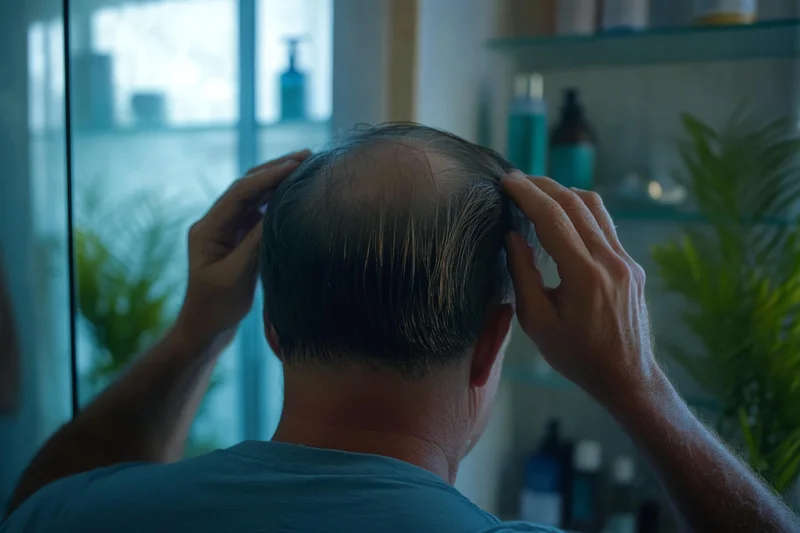
Indralupta Mashi is a classical Ayurvedic formulation in the form of medicinal ash (Mashi) used primarily for treating Indralupta — the Ayurvedic term for Alopecia Areata, or patchy hair loss. It is applied externally on the affected areas of the scalp to stimulate dormant hair follicles, reduce inflammation, and promote natural hair regrowth. Unlike modern topical solutions that often carry side effects, this time-tested preparation works by correcting the underlying dosha imbalances — mainly Vata and Pitta — that Ayurveda identifies as the root cause of sudden hair loss.
If you've been searching for a natural, clinically-referenced approach to managing alopecia, this guide covers everything: the classical textual origins, the full ingredient breakdown, how to apply it properly, what results to expect, and how Indralupta Mashi compares to other Ayurvedic hair treatments.
What Is Indralupta Mashi?
- Indralupta Mashi is an external-use Ayurvedic medicine that comes in the form of a fine, dark powder (ash).
- The term itself combines two Sanskrit words: Indralupta, referring to the disease of patchy baldness, and Mashi, referring to a specific pharmaceutical preparation involving incineration of herbal ingredients into a fine medicinal ash.
Most commercially available Indralupta Mashi products come in small containers of 10 grams. The product is manufactured by several reputed Ayurvedic pharmacies in India, including SNA Oushadhasala, Kottakkal Arya Vaidya Sala, and Vaidyaratnam Oushadhasala — each following the classical reference formula with slight proprietary variations.
Meaning of "Mashi" in Ayurvedic Pharmacology
In Ayurvedic pharmaceutical science (Bhaishajya Kalpana), "Mashi" refers to a dosage form prepared by burning specific herbs, minerals, or animal-derived substances and reducing them to a fine carbonized ash. This ash retains the therapeutic properties of the original ingredients in a highly concentrated, bioavailable form that can penetrate the skin effectively.
The process typically involves:
- Collecting the raw herbal materials
- Drying them thoroughly
- Burning them in a controlled environment (often in a closed container)
- Collecting the resultant fine black ash
- Triturating (grinding) it to an ultra-fine powder
This Mashi form allows for better absorption when applied topically, as the particle size is extremely small and the carbonization process enhances certain bioactive properties.
Difference Between Mashi, Bhasma, Churna & Lepa
Many people confuse Mashi with other Ayurvedic preparations.
Here's a clear comparison:
| Dosage Form | Preparation Method | Primary Use | Key Feature |
|---|---|---|---|
| Mashi | Herbal materials burned to fine ash | Mostly external (topical) | Carbonized, ultra-fine, high skin penetration |
| Bhasma | Minerals/metals calcinated at very high temperatures with herbal juices | Mostly internal | Undergoes multiple cycles of incineration (Puta) |
| Churna | Dried herbs ground into powder | Internal or external | No incineration, raw herbal powder |
| Lepa | Herbs ground into paste with liquid media | External (as a poultice) | Applied as wet paste, washed off after drying |
So when you see "Indralupta Mashi" it specifically means the ash-form preparation — not a simple powder or paste. This distinction matters because the therapeutic efficacy and absorption kinetics differ significantly between these forms.
Classical Reference & Historical Significance
Textual Sources: Sushruta Samhita & Ashtanga Hridaya
One critical gap in most online resources is the failure to identify the exact classical source of the Indralupta Mashi formulation. The disease Indralupta is described in multiple foundational Ayurvedic texts:
- Sushruta Samhita (Nidana Sthana, Chapter 13) — Sushruta describes Indralupta under Kshudra Roga (minor diseases) and provides detailed etiology and treatment principles, including external applications of Mashi and Lepa formulations.
- Ashtanga Hridaya (Uttarasthana, Chapter 23) — Vagbhata elaborates on the condition and recommends multiple topical treatments including ash-based preparations applied to the bald patches.
- Charaka Samhita — While Charaka does not use the specific term "Indralupta Mashi," the treatment principles for Khalitya (general hair fall) and Palitya (premature graying) in Chikitsa Sthana inform the foundational approach.
The specific formulation of Indralupta Mashi, as manufactured today by pharmacies like SNA Oushadhasala, draws primarily from the references in Sahasrayogam — a compilation text from Kerala that catalogues thousands of Ayurvedic formulations with their exact compositions.
Indralupta as a Disease in Ayurveda (Nidana, Samprapti, Lakshana)
- Understanding the disease concept is essential for understanding why this particular medicine works.
- Ayurveda doesn't just treat symptoms — it addresses the entire pathological process.
Nidana (Causative Factors)
According to Sushruta, Indralupta occurs when:
- Vitiated Vata dosha constricts the blood vessels supplying the hair roots
- Aggravated Pitta dosha causes inflammation at the follicular level
- Kapha dosha blocks the follicular openings
- Rakta dhatu (blood tissue) becomes impure
Common causative factors include excessive mental stress, improper diet (excessive spicy, sour, salty food), sleep deprivation, hormonal disturbances, exposure to dust and pollutants, and genetic predisposition.
Samprapti (Pathogenesis)
The pathogenesis follows a specific cascade: Vata and Pitta first vitiate the Rakta (blood) at the scalp region → this leads to displacement of Kapha from the hair follicles → the hair roots lose nourishment and the hair falls out in patches → the follicles become dormant.
Lakshana (Symptoms)
- Sudden appearance of smooth, round or oval bald patches on the scalp
- No visible scarring or skin damage in the affected area
- Occasional mild itching or burning sensation before hair falls
- In 1–2% of cases, the condition can progress to Alopecia Totalis (entire scalp) or Alopecia Universalis (entire body)
This Ayurvedic understanding maps remarkably well onto modern dermatological descriptions of Alopecia Areata, which is now understood as an autoimmune condition where T-cells attack hair follicles.
Ingredients & Composition of Indralupta Mashi
Key Herbs and Their Pharmacological Properties
- While the exact proportions vary slightly between manufacturers (and some keep proprietary ratios), the classical formulation includes several well-documented herbs.
- Below is a detailed breakdown of the primary ingredients:
| Ingredient | Latin Name | Key Action in This Formula | Active Compounds |
|---|---|---|---|
| Bhringraj | Eclipta alba | Primary hair growth stimulant, Keshya (hair tonic) | Wedelolactone, ecliptine, β-amyrin |
| Amalaki (Amla) | Emblica officinalis | Antioxidant, Pitta pacification, collagen support | Vitamin C, gallic acid, ellagic acid |
| Nimba (Neem) | Azadirachta indica | Antimicrobial, anti-inflammatory, blood purifier | Azadirachtin, nimbin, nimbidin |
| Brahmi | Bacopa monnieri | Scalp cooling, stress reduction via adaptogenic action | Bacosides A & B, betulinic acid |
| Gunja (seeds) | Abrus precatorius | Follicular stimulant (used in processed, detoxified form only) | Abrin (toxic when raw — always used after Shodhana) |
| Haritaki | Terminalia chebula | Balances all three doshas, detoxification | Chebulic acid, chebulinic acid |
| Karanja | Pongamia pinnata | Antifungal, treats scalp infections | Karanjin, pongamol |
- Important note: Some ingredients like Gunja seeds are toxic in raw form and must undergo Shodhana (purification) before inclusion.
- This is why self-preparation at home is strongly discouraged — always use products from certified Ayurvedic pharmacies.
How Each Ingredient Targets Hair Loss
- The formulation works synergistically.
- Bhringraj is the star ingredient — a 2008 study published in the Journal of Ethnopharmacology demonstrated that methanol extracts of Eclipta alba showed superior hair growth-promoting activity compared to standard minoxidil 2% in animal models. Wedelolactone, its primary bioactive compound, promotes anagen phase (active growth phase) of the hair cycle.
Amla provides powerful antioxidant protection. Oxidative stress is now recognized as a contributing factor in Alopecia Areata — a 2019 study in the International Journal of Trichology found significantly elevated oxidative stress markers in AA patients. Amla's exceptionally high vitamin C content (approximately 600-700 mg per fruit) directly counters this.
- Neem addresses the microbial component.
- Scalp dysbiosis — an imbalance of the scalp microbiome — can worsen inflammatory hair loss conditions. Nimbidin, one of neem's active compounds, has demonstrated potent anti-inflammatory activity comparable to prednisolone in some preclinical studies.
Therapeutic Benefits & How Indralupta Mashi Works
Dosha Balancing: Vata & Pitta Pacification
The carbonized herbal ash in Mashi form has inherent properties that pacify both Vata (which causes dryness and constriction of blood supply to follicles) and Pitta (which causes inflammation and follicular damage). The ash form specifically adds a Kshariya (alkaline) quality that helps dissolve Kapha blockages at the follicular openings.
Hair Follicle Stimulation & Scalp Rejuvenation
The mechanism works on multiple levels:
- Improved microcirculation — the irritant quality of the ash preparation, when applied topically, causes mild vasodilation, increasing blood flow to dormant follicles
- Follicular stem cell activation — Bhringraj and Brahmi extracts have shown potential in activating dermal papilla cells (the stem cells responsible for hair growth)
- Anti-inflammatory cascade — Neem, Amla, and Haritaki reduce local inflammation, allowing the hair follicle to exit the telogen (resting) phase
- Antimicrobial protection — prevents secondary infections that can worsen the bald patches
Can Indralupta Mashi Prevent Hair Loss?
Yes — but with a caveat. Indralupta Mashi is most effective when used at the early stages of Alopecia Areata, when the bald patches are small and few. It works as both a curative and preventive measure. For prevention, many Ayurvedic practitioners recommend periodic application during times of high stress or seasonal changes (particularly during Sharad Ritu / autumn), when Pitta aggravation tends to trigger hair fall episodes.
However, it is not a standalone solution for advanced cases of Alopecia Totalis or genetic androgenetic alopecia (male pattern baldness). In those situations, it should be part of a comprehensive treatment plan.
How to Use Indralupta Mashi — Step-by-Step Application Guide
Preparation of the Paste
Since Indralupta Mashi comes as a dry ash powder, it needs to be mixed into a paste before application:
- Take the required amount of Mashi (typically 2–5 grams depending on the area to be covered)
- Mix it with a suitable liquid medium. Classical texts recommend:
- Dugdha (warm milk) for Vata-predominant conditions
- Kumari Swarasa (fresh aloe vera juice) for Pitta-predominant conditions
- Kanji (fermented rice water) for Kapha-predominant conditions
3.Mix to form a smooth, thick paste — the consistency should be similar to wet clay
Application Method & Duration
- 1.Clean the scalp — wash the affected area with lukewarm water and mild cleanser. Pat dry thoroughly
- 2.Apply the paste — using your fingertip or a cotton applicator, apply a thin, even layer of the paste directly on the bald patches
- 3.Leave it on for 24 to 72 hours — this is where Indralupta Mashi differs dramatically from regular hair masks. Classical texts specifically recommend extended contact time. Cover the area with a thin cloth or bandage to prevent the paste from falling off
- 4.Remove gently — after the recommended duration, wash off with lukewarm water. Do not use harsh shampoos immediately after removal
- 5.Observe the area — mild redness or warming sensation is normal and indicates the medicine is working. Excessive burning or irritation means you should reduce the contact time
How Often Should You Use Indralupta Mashi?
The typical treatment protocol recommended by most Ayurvedic practitioners:
- Active treatment phase: Apply once every 3–5 days for a period of 4–6 weeks
- Maintenance phase: Once weekly for an additional 4–8 weeks
- Total course: Usually 2–3 months, though some cases may require longer treatment
Results typically begin to appear within 3-6 weeks, starting with the appearance of fine, vellus (baby) hairs on the previously bald patches. Full regrowth of terminal (thick, pigmented) hair may take 3–6 months.
Tips for Enhancing Absorption
- Apply the paste at night before sleeping — the body's natural repair mechanisms are most active during rest
- Gently massage the surrounding areas to improve blood circulation before applying
- Avoid exposing the treated area to direct sunlight while the paste is on
- For stubborn patches, some practitioners recommend lightly pricking the skin with a derma roller (0.5mm) before application — though this should only be done under professional guidance
Can Indralupta Mashi Be Combined with Other Treatments?
Complementary Ayurvedic Therapies
Indralupta Mashi works best as part of an integrated approach:
- Nasya (nasal administration of medicated oils like Anu Taila) — addresses the Vata component systemically
- Shirodhara (continuous pouring of medicated oil on the forehead) — reduces stress, a major trigger for alopecia
- Raktamokshana (therapeutic bloodletting, particularly leech therapy on the scalp) — classical texts strongly recommend this for Indralupta alongside Mashi application
- Internal medicines — Bhringrajasava, Narasimha Rasayana, or Kaishora Guggulu to address systemic dosha imbalances
Compatibility with Modern Dermatological Treatments
This is a question no competitor has addressed, and it's an important one.
- Minoxidil — can be used alongside Indralupta Mashi, but not simultaneously on the same area. Apply them at least 8-12 hours apart. Some practitioners report enhanced results with alternating use
- Corticosteroid injections — commonly used by dermatologists for AA. Indralupta Mashi can be used between injection sessions as a supportive treatment
- Finasteride — this oral medication targets androgenetic alopecia specifically; since Indralupta Mashi targets a different mechanism, there is no known contraindication, but always inform both your Ayurvedic practitioner and dermatologist
- JAK inhibitors (baricitinib, tofacitinib) — newer treatments for severe AA. No studies exist on interaction with Ayurvedic topicals, so caution is advised
Always consult both your Ayurvedic doctor and dermatologist before combining treatments. This cannot be overstated.
Diet & Lifestyle Recommendations (Pathya-Apathya) During Treatment
Ayurveda places enormous emphasis on diet and lifestyle as part of any treatment. For Indralupta, the classical texts outline specific Pathya (favorable) and Apathya (unfavorable) guidelines:
What to Eat (Pathya)
- Iron-rich foods: green leafy vegetables, pomegranate, dates, jaggery
- Protein sources: moong dal, milk, almonds, walnuts
- Amla in any form — juice, powder, pickle, raw fruit
- Ghee (clarified butter) — nourishes Rakta dhatu and pacifies Pitta
- Coconut water — cooling and hydrating for the scalp tissues
- Sesame seeds — excellent source of zinc and copper, both critical for hair health
What to Avoid (Apathya)
- Excessively spicy, salty, and sour food — these aggravate Pitta
- Processed food and refined sugar
- Excessive tea, coffee, and alcohol
- Late nights and irregular sleep patterns — directly aggravate Vata
- Smoking — constricts blood vessels, reducing follicular blood supply
- Using very hot water on the scalp
- Harsh chemical shampoos and hair dyes during the treatment period
Side Effects, Precautions & Contraindications
Are There Any Side Effects of Using Indralupta Mashi?
When used correctly and from an authentic source, side effects are minimal.
However, some users may experience:
- Mild burning or stinging — common and usually subsides within 30 minutes. This is actually considered a sign that the medicine is active
- Temporary skin darkening — the ash can leave a dark stain on the scalp that fades within a few days
- Allergic contact dermatitis — rare, but possible if you are sensitive to any ingredient
Always perform a patch test before first use. Apply a small amount on the inner forearm, leave for 4–6 hours, and check for any adverse reaction.
Contraindications
- Open wounds, cuts or active infections on the scalp — wait until healed
- Pregnancy and lactation — avoid unless specifically prescribed by an Ayurvedic physician
- Children under 12 years — not enough safety data; use only under professional supervision
- Known allergy to any of the ingredients
- Scalp conditions involving active pus discharge or weeping eczema
Storage & Shelf Life
Store Indralupta Mashi in a cool, dry place away from direct sunlight. Keep the container tightly sealed to prevent moisture absorption — moisture can reduce the potency of ash-based preparations. The typical shelf life is 2–3 years from the date of manufacture when stored properly, though always check the specific expiry date on the product packaging.
Choosing the Right Product: SNA vs Kottakkal vs Vaidyaratnam
Not all Indralupta Mashi products are identical.
Here's a comparison of the three most reputed manufacturers:
| Feature | SNA Oushadhasala | Kottakkal AVS | Vaidyaratnam |
|---|---|---|---|
| Pack Size | 10 gm | 10 gm | 10 gm |
| Price Range (MRP) | ₹80–120 | ₹90–130 | ₹75–110 |
| GMP Certified | Yes | Yes | Yes |
| Available Online | Yes (various platforms) | Yes (own website + retailers) | Yes (limited) |
| Classical Reference Followed | Sahasrayogam | Sahasrayogam | Sahasrayogam |
| Reputation | Strong in Kerala | Pan-India recognition | Strong in Kerala & South India |
How to verify authenticity:
- Check for the AYUSH license number on the packaging
- Look for GMP certification mark
- Buy from authorized dealers or the manufacturer's official website
- Verify batch number and manufacturing date
- Genuine products will never claim to be a "miracle cure" — be wary of exaggerated marketing
Comparison: Indralupta Mashi vs Other Ayurvedic Hair Loss Treatments
| Treatment | Form | Application | Best For | Time to Results |
|---|---|---|---|---|
| Indralupta Mashi | Ash (topical) | Applied as paste on bald patches | Alopecia Areata specifically | 3–6 weeks for initial signs |
| Indralupta Lepa | Wet paste (topical) | Applied fresh, washed off after drying | Alopecia Areata with Pitta predominance | 4–8 weeks |
| Bhringraj Taila | Oil (topical) | Scalp massage | General hair fall, premature graying | 4–12 weeks |
| Neelibhringadi Taila | Oil (topical) | Scalp massage + Shirodhara | Diffuse hair thinning, dandruff | 6–12 weeks |
| Narasimha Rasayana | Internal paste | Oral consumption | Systemic rejuvenation, chronic hair loss | 2–3 months |
| Kaishora Guggulu | Tablet (internal) | Oral | Blood purification, inflammatory scalp conditions | 4–8 weeks |
Indralupta Mashi holds a unique position because it's one of the very few preparations designed specifically for Alopecia Areata — most other Ayurvedic hair treatments are generalized hair tonics.
Frequently Asked Questions (FAQ)
Which Is the Best Medicine for Alopecia?
There is no single "best" medicine — it depends on the type and severity of alopecia. For Alopecia Areata (patchy hair loss), Indralupta Mashi is one of the most targeted Ayurvedic treatments available. For androgenetic alopecia (pattern baldness), treatments like Bhringraj Taila combined with internal medicines may be more appropriate. A qualified Ayurvedic practitioner can determine the best protocol based on your Prakriti (constitution), dosha imbalance, and the extent of hair loss.
How Can I Fix My Alopecia Naturally?
A natural approach to alopecia should include: (1) topical treatments like Indralupta Mashi applied directly to affected areas, (2) scalp massage with medicated oils like Bhringraj Taila, (3) stress management through yoga and meditation — stress is a major trigger, (4) dietary corrections focusing on iron, zinc, protein, and antioxidants, (5) adequate sleep of 7–8 hours, and (6) Panchakarma therapies like Nasya and Shirodhara under professional guidance.
How Does Indralupta Mashi Promote Hair Growth?
The ash-form preparation works through multiple mechanisms: it improves local blood circulation to dormant follicles through mild irritant action, its alkaline nature helps dissolve follicular blockages, the herbal bioactives (particularly wedelolactone from Bhringraj) stimulate dermal papilla cells, and its anti-inflammatory properties reduce the autoimmune-mediated inflammation that characterizes Alopecia Areata.
How Long Will It Take to See Results from Indralupta Mashi?
Most patients begin to notice fine vellus (baby) hair growth within 3–6 weeks of regular application. Complete regrowth of normal terminal hair typically takes 3–6 months. Factors affecting speed of results include the duration of the bald patches (newer patches respond faster), overall health status, adherence to dietary guidelines, and stress levels. Patches that have been present for over 2 years may respond more slowly.
Where Can I Purchase Authentic Indralupta Mashi?
Purchase from authorized Ayurvedic pharmacies, the manufacturer's official online store, or reputed platforms like AyurMart, 1mg, or Amazon (verifying seller credentials). The three most trusted manufacturers are SNA Oushadhasala, Kottakkal Arya Vaidya Sala, and Vaidyaratnam. Always check for AYUSH license number, GMP certification, manufacturing date, and batch number on the packaging.
Can Indralupta Mashi Be Used for Dandruff or Scalp Dermatitis?
While its primary indication is Alopecia Areata, the antimicrobial and anti-inflammatory properties of its ingredients (particularly Neem and Karanja) can provide secondary benefits for dandruff and seborrheic dermatitis. However, it is not the first-line treatment for these conditions — dedicated formulations like Eladi Keram or Manjishtadi Taila would be more appropriate.
Are There Any Ayurvedic Clinical Studies on Indralupta Mashi?
- Formal randomized controlled trials specifically on Indralupta Mashi are limited. However, a case study published in the International Journal of Ayurvedic Medicine (2017) documented complete hair regrowth in a patient with Alopecia Areata treated with Indralupta Mashi along with Raktamokshana (leech therapy) over 3 months.
- Additionally, individual ingredient studies — particularly on Eclipta alba — have been published in peer-reviewed journals demonstrating significant hair growth-promoting activity.
Final Thoughts & What to Do Next
Indralupta Mashi represents one of Ayurveda's most targeted solutions for alopecia — a formulation that's been refined over centuries of clinical observation and documented in classical texts like the Sushruta Samhita and Sahasrayogam. Its unique ash-form preparation ensures deep penetration and prolonged therapeutic action on the scalp.
But remember: the best results come from an integrated approach. Combine topical Indralupta Mashi application with proper diet (Pathya), stress management, adequate sleep, and ideally, guidance from a qualified Ayurvedic practitioner who can customize the treatment to your specific dosha imbalance and disease stage.
If you're currently dealing with patchy hair loss, don't wait for the patches to expand. Early intervention produces the best outcomes. Consult an Ayurvedic dermatologist, get your Prakriti assessed, and begin a structured treatment protocol that includes Indralupta Mashi as the cornerstone of your topical therapy.
Scientific Sources
- Identification and evaluation of anti hepatitis C virus phytochemicals from Eclipta alba — Manvar D et al., 2012, Journal of ethnopharmacology
- Green approach for the synthesis of zinc oxide nanoparticles and their enhanced sun protection factor in the presence of octocrylene — Pasupathi M et al., 2025, Cutaneous and ocular toxicology
- Green-synthesized Tio₂ Nanoparticles for Sunscreen: Eco-Friendly Approach to Spf Enhancement — Murugesan P et al., 2026, Applied biochemistry and biotechnology
- Enhanced sun protection factor of octocrylene with green tea and bhringraj extracts — M P et al., 2024, Cutaneous and ocular toxicology
- LC-MS/MS method for the simultaneous quantification of luteolin, wedelolactone and apigenin in mice plasma using hansen solubility parameters for liquid-liquid extraction: Application to pharmacokinetics of Eclipta alba chloroform fraction — Cheruvu HS et al., 2018, Journal of chromatography. B, Analytical technologies in the biomedical and life sciences
- A Canadian Consensus on Androgenetic Alopecia: Approach and Management — Landells I et al., 2025, Journal of cutaneous medicine and surgery
- Traditional uses, bioactive composition, pharmacology, and toxicology of Phyllanthus emblica fruits: A comprehensive review — Saini R et al., 2022, Journal of ethnopharmacology
- Herbal Remedies for Hair Loss: A Review of Efficacy and Safety — Ahmed A et al., 2025, Skin appendage disorders
- Therapeutic potential of Phyllanthus emblica (amla): the ayurvedic wonder — Krishnaveni M et al., 2010, Journal of basic and clinical physiology and pharmacology
- Phytotherapy in periodontics as an effective and sustainable supplemental treatment: a narrative review — Gawish AS et al., 2024, Journal of periodontal & implant science
- Rosemary and neem: an insight into their combined anti-dandruff and anti-hair loss efficacy — Hashem MM et al., 2024, Scientific reports
- Bangladeshi medicinal plant dataset — Borkatulla B et al., 2023, Data in brief
- Formulation and Evaluation of Turmeric- and Neem-Based Topical Nanoemulgel against Microbial Infection — Giri S et al., 2024, Gels (Basel, Switzerland)
- Medicinal plants with traditional use: Ethnobotany in the Indian subcontinent — Rupani R et al., 2018, Clinics in dermatology
आयुर्वेदिक डॉक्टर से एक प्रश्न पूछें और मुफ़्त या सशुल्क मोड में अपनी चिंता की समस्या पर ऑनलाइन परामर्श प्राप्त करें।
2,000 से अधिक अनुभवी डॉक्टर हमारी साइट पर काम करते हैं और आपके प्रश्नों की प्रतीक्षा करते हैं और प्रतिदिन उपयोगकर्ताओं को उनकी स्वास्थ्य समस्याओं को हल करने में मदद करते हैं।
संबंधित आलेख