आयुर्वेदिक डॉक्टर से प्रश्न पूछें और निःशुल्क या भुगतान मोड में अपनी चिंता की समस्या पर ऑनलाइन परामर्श प्राप्त करें। 2,000 से अधिक अनुभवी डॉक्टर हमारी साइट पर काम करते हैं और आपके प्रश्नों का इंतजार करते हैं और उपयोगकर्ताओं को उनकी स्वास्थ्य समस्याओं को हल करने में प्रतिदिन मदद करते हैं।
मुफ्त! आयुर्वेदिक डॉक्टरों से पूछें 24/7

 तेज़ प्रतिक्रियाएँ
 1000+ सत्यापित डॉक्टर
Body DetoxEar, Nose, and Throat DisordersGeriatrics & RejuvenationImmunodeficiencyInfertility TreatmentNutritionOrthopedic DisordersPediatricsRespiratory DisordersSexually Transmitted Diseases (STDs)Surgery RecoveryUrological DisordersVascular DisordersDental DisordersEndocrinological DisordersGastrointestinal DisordersYoga TherapyGeneral MedicineAllergic DisordersCardio DisordersGynecology and ObstetricsCosmetologySkin and Hair DisordersEye DisordersInfectious DiseasesMental DisordersNeurological DisordersOncologyPanchakarmaSexual Health & DisordersSports Medicine
पर प्रकाशित 03/25/25
(को अपडेट 07/08/26)
4,457
Dhanyaka Hima: A Comprehensive Guide to the Cooling Ayurvedic Infusion
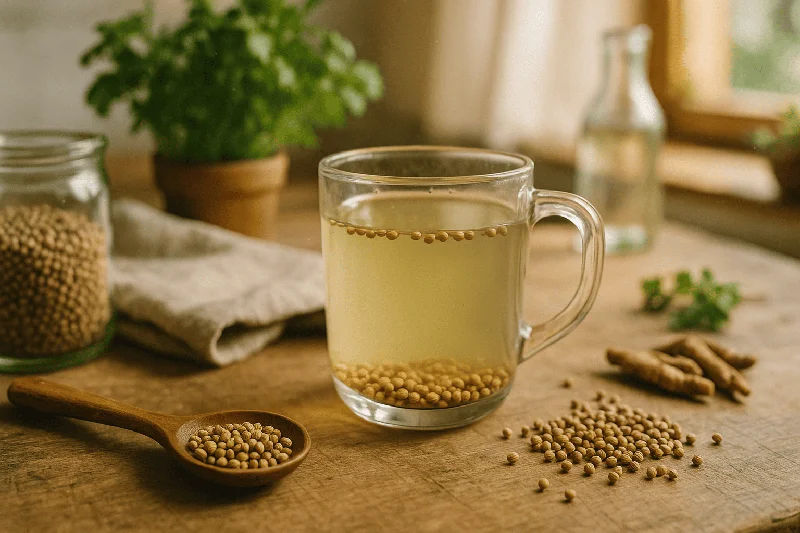
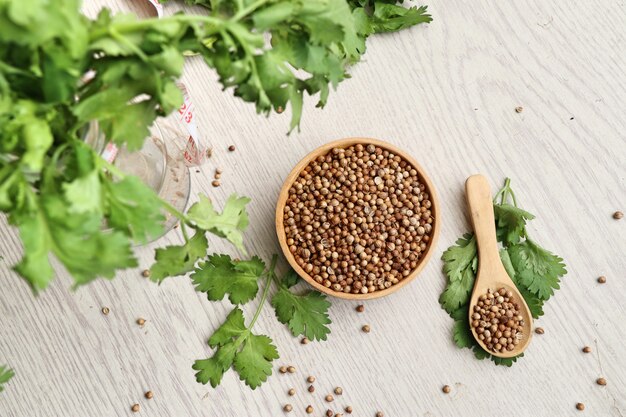
Modern health enthusiasts and practitioners are increasingly looking to traditional remedies for holistic well-being. One time-honored preparation gaining renewed attention is Dhanyaka Hima, an Ayurvedic formulation rooted in the use of coriander seeds. In Ayurvedic texts, “Dhanyaka” refers to coriander (scientific name: Coriandrum sativum), a commonly used culinary herb with a treasure trove of medicinal properties. The term “Hima” in Ayurveda typically denotes a cold infusion or extraction method—a technique said to preserve more delicate, heat-sensitive constituents in the herb.
In this in-depth article, we will explore the science, history, and practical applications of Dhanyaka Hima. We’ll break down current research, spotlight potential benefits, and address common questions. Whether you are a healthcare provider interested in integrative modalities or someone eager to incorporate Ayurvedic practices into daily life, this guide aims to provide balanced, evidence-based insights.
Table of Contents
-
Introduction to Dhanyaka Hima and Its Ayurvedic Roots
-
Chemical Profile of Coriander Seeds
-
Preparation of Dhanyaka Hima
-
Potential Health Benefits: What Research Shows
-
Clinical Considerations and Expert Opinions
-
Precautions, Side Effects, and Contraindications
-
Frequently Asked Questions (FAQ)
-
Conclusion and Call to Action
-
Disclaimer
1. Introduction to Dhanyaka Hima and Its Ayurvedic Roots
Ayurveda’s Holistic Approach
Ayurveda, a centuries-old system of medicine originating in India, emphasizes balance among the body’s functional elements (Doshas: Vata, Pitta, and Kapha). Traditional recipes like Dhanyaka Hima are designed to harness the natural potency of herbs to stabilize internal equilibrium. According to classical Ayurvedic texts (such as the Charaka Samhitaand Sushruta Samhita), this cold extraction method is recommended for cooling and detoxifying the body.
Why Coriander?
Coriander seeds possess a characteristic aroma and are celebrated for their digestive, anti-inflammatory, and carminative properties. Recent scientific studies (e.g., a 2019 review published in the Journal of Ethnopharmacology) have highlighted coriander’s broad potential in managing various health issues, ranging from digestive complaints to oxidative stress. When prepared as Dhanyaka Hima, coriander’s volatile oils and other active phytochemicals are extracted via soaking in cold water, preserving delicate compounds that may be damaged by heat.
2. Chemical Profile of Coriander Seeds
Coriander seeds are more than just a kitchen staple. They are packed with a variety of phytochemicals, many of which have shown pharmacological benefits in laboratory and clinical settings:
-
Essential Oils: Contains linalool, geraniol, and other volatile compounds known for their antimicrobial and antioxidant properties.
-
Flavonoids: Rich in quercetin, kaempferol, and apigenin, which have been studied for their anti-inflammatory and immune-modulatory effects.
-
Phenolic Acids: Caffeic acid and chlorogenic acid, compounds often linked to antioxidant activity that combats free radicals.
-
Minerals and Vitamins: Coriander seeds provide minerals like calcium, iron, magnesium, and small amounts of vitamins C and K.
Numerous laboratory tests confirm that coriander seeds exhibit antioxidant, anti-inflammatory, and antimicrobialproperties (Source: National Center for Biotechnology Information, PubMed). These scientific findings align with Ayurveda’s historical view of coriander as a cooling and soothing agent for both the digestive and nervous systems.
3. Preparation of Dhanyaka Hima
Traditional Ayurvedic Method
-
Ingredient Selection: Choose high-quality, organic coriander seeds.
-
Rinsing: Gently wash the seeds in running water to remove any impurities.
-
Soaking:
-
Crush or coarsely grind 1–2 teaspoons of coriander seeds.
-
Place them in a glass or ceramic container.
-
Add around 200–250 ml of clean, cool water.
-
Cover the container and let it sit overnight (roughly 8–12 hours).
-
-
Straining: In the morning, filter out the seeds using a fine sieve or muslin cloth.
-
Consumption: Drink the cooled infusion on an empty stomach or as advised by an Ayurvedic practitioner.
Practical Tips
-
Hygiene: Ensure cleanliness to prevent contamination.
-
Storage: It’s best to prepare fresh Dhanyaka Hima daily for maximum potency.
-
Taste: Coriander seeds have a subtle taste; if the flavor is too mild, you can combine them with other cooling herbs, like fennel seeds, but always consult an Ayurvedic expert for compatibility.
स्वयं दवा न लें और प्रतीक्षा न करें। अभी डॉक्टर से चैट शुरू करें
4. Potential Health Benefits: What Research Shows
While Ayurvedic literature touts Dhanyaka Hima for its cooling and digestive properties, modern science increasingly validates some of these traditional claims. Below are a few key areas where coriander-infused water may offer health-related advantages, supported by credible studies and recognized medical sources.
4.1 Digestive Health
-
Carminative Effect: Coriander has been investigated for its ability to alleviate bloating, gas, and mild gastrointestinal discomfort. Studies published in Phytotherapy Research suggest coriander’s essential oils can help relax the gastrointestinal tract, thus relieving symptoms such as indigestion.
-
Gut Microbiome Support: Preliminary research indicates coriander’s antimicrobial properties may help maintain a balanced gut flora. However, more high-quality clinical trials are needed to confirm this effect definitively.
4.2 Cooling and Detoxification
In Ayurveda, Dhanyaka Hima is said to have a “cooling” effect on the body, especially beneficial during hot climates or for individuals with excess Pitta (the fire element). Though the concept of “cooling” is metaphorical, the effect can be likened to managing inflammation and stress in modern medical terms. Coriander’s anti-inflammatory compounds may help modulate inflammatory processes within the body, as demonstrated by in vitro and in vivo experiments (Source: Frontiers in Pharmacology).
4.3 Antioxidant and Anti-Inflammatory Properties
Coriander seeds are rich in flavonoids (such as quercetin) and phenolic acids, which act as antioxidants that neutralize free radicals. Excess free radicals have been linked to chronic diseases, including heart disease, diabetes, and certain cancers. Research from the Journal of Food Science emphasizes coriander’s promising antioxidant capacity, suggesting it could be a valuable addition to a balanced diet focused on disease prevention.
4.4 Blood Glucose Management
Though more large-scale human trials are warranted, preliminary studies on coriander extracts have shown potential benefits in helping to regulate blood sugar levels. A few rodent studies report that coriander seeds may enhance insulin activity and improve glycemic control. If verified in future research, Dhanyaka Hima could be an adjunct for individuals with mild blood glucose imbalances. Always consult a qualified healthcare professional for personalized advice.
4.5 Cardiovascular Health
Coriander seeds, by virtue of their antioxidant and anti-inflammatory compounds, might also support cardiovascular health. Some smaller-scale clinical observations suggest that coriander can help lower LDL (“bad” cholesterol) while improving HDL (“good” cholesterol) levels. However, these findings are preliminary, and anyone with significant heart conditions should seek tailored advice from a cardiologist.
5. Clinical Considerations and Expert Opinions
Leading experts in integrative medicine often underscore the importance of personalization. While coriander is generally safe for most people, practitioners highlight the following:
-
Synergy with Other Treatments: Dhanyaka Hima might be used alongside conventional treatments, such as proton pump inhibitors or mild antihistamines for specific gastrointestinal issues. Nevertheless, it should not replace prescribed medications without professional guidance.
-
Holistic Regimen: A single remedy is seldom a panacea. For optimal benefits, combine Dhanyaka Hima with a nutritious diet, consistent exercise, and adequate sleep.
-
Evidence Limitations: While animal studies and smaller human trials are promising, more robust, large-scale research is needed to draw definitive conclusions about Dhanyaka Hima’s efficacy in treating various conditions.
6. Precautions, Side Effects, and Contraindications
Though Dhanyaka Hima is widely viewed as safe, caution is essential. Below are some important considerations:
-
Allergic Reactions: Rare but possible, especially among individuals allergic to plants in the Apiaceae family (such as caraway, fennel, or celery).
-
Medication Interactions: Coriander may affect how certain medications work, particularly those metabolized by the liver’s cytochrome P450 enzymes. If you are on prescription drugs, consult your healthcare provider before regular use.
-
Pregnancy and Lactation: There is limited data on the safety of coriander in pregnant or nursing women. Some herbalists consider coriander seeds safe in moderation, but professional guidance is recommended.
-
Dosage: Overconsumption (e.g., significantly increasing the amount of coriander beyond normal culinary uses) may result in digestive discomfort or other side effects.
7. Frequently Asked Questions (FAQ)
Q1: Can I add sweeteners or other herbs to Dhanyaka Hima?
Yes, but in traditional Ayurvedic practice, Dhanyaka Hima is consumed plain to maximize its therapeutic value. If you wish to enhance the taste, opt for cooling herbs like fennel or small amounts of rock sugar (misri). Always consult an Ayurvedic practitioner if you plan to combine multiple herbs.
Q2: How often should I drink Dhanyaka Hima?
Generally, once a day—particularly in the morning—may be sufficient. However, the frequency can vary based on individual constitution and health goals. Some practitioners might recommend 2–3 times daily for specific health concerns.
Q3: Is Dhanyaka Hima suitable for children?
Moderate intake may be safe for older children, but it is advisable to consult a pediatrician or a qualified Ayurvedic practitioner for personalized recommendations, especially for younger children or those with underlying medical conditions.
Q4: Can it help with weight management?
While there is no direct evidence linking Dhanyaka Hima to significant weight loss, coriander’s digestive and diuretic properties may support a healthy metabolism. For more definitive results, integrate Dhanyaka Hima into a holistic regimen that includes balanced nutrition and exercise.
Q5: Are there any immediate side effects to watch for?
Immediate side effects are rare, but watch out for allergic reactions such as itching or swelling. Discontinue use and seek medical attention if you experience severe symptoms or notice any adverse reactions.
8. Conclusion and Call to Action
Dhanyaka Hima stands as a testament to the synergy between ancient Ayurvedic wisdom and modern scientific inquiry. By harnessing the natural potency of coriander seeds through a cold infusion, this time-honored preparation offers a gentle yet potentially beneficial approach to digestive support, inflammation management, and overall cooling of the body’s internal environment.
While preliminary scientific findings underscore the promise of Dhanyaka Hima, ongoing research is essential to fully confirm its therapeutic scope. If you’re intrigued by natural remedies and appreciate the richness of Ayurvedic traditions, Dhanyaka Hima could be a simple, cost-effective supplement to your wellness routine—especially when paired with a balanced diet, regular exercise, and sufficient hydration.
Ready to give Dhanyaka Hima a try?
-
Share this article with friends or colleagues curious about natural, integrative health solutions.
-
Comment below with your experience or any questions regarding Dhanyaka Hima.
-
Subscribe to our newsletter for more research-backed health insights and Ayurvedic tips.
9. Disclaimer
The information provided in this article is for educational purposes only and does not substitute professional medical advice, diagnosis, or treatment. Always seek the guidance of a qualified healthcare provider with any questions you may have regarding a medical condition or treatment. Reliance on any information appearing in this article is solely at your own risk. For personalized recommendations, consult a board-certified practitioner or a licensed Ayurvedic professional.
References & Further Reading
-
Charaka Samhita – Ayurvedic Classical Text.
-
Sushruta Samhita – Ayurvedic Classical Text.
-
National Center for Biotechnology Information (NCBI),
PubMed.gov -
World Health Organization (WHO) –
Traditional, Complementary and Integrative Medicine -
Frontiers in Pharmacology – Various studies on the anti-inflammatory properties of coriander
-
Journal of Ethnopharmacology – 2019 review on coriander
By integrating both ancient knowledge and current evidence, Dhanyaka Hima emerges as a fascinating herbal preparation worth exploring under professional guidance. If you find this guide helpful, spread the word and empower others to make informed decisions about their health.
उपयोगकर्ताओं के प्रश्न
What are the best recipes for using coriander seeds in cooking?
Mia
4 दिनों पहले
For cooking with coriander seeds, one of the best recipes is to use them in a spice blend such as garam masala. Toast whole coriander seeds in a dry pan until fragrant, then grind them with other spices like cumin, cinnamon, and cloves. A typical timeline for the fragrance to develop is just a few minutes on medium heat. Coriander seeds can also enhance soups and stews by adding them whole or crushed. For optimal flavor and health benefits, freshly ground coriander seeds are best added towards the end of cooking. If you're new to using spices or have a medical condition, consult with a healthcare provider to ensure they align with your dietary needs.
Can I use coriander seeds for detoxification and how does it work?
Una
14 दिनों पहले
Yes, coriander seeds can be helpful for detoxification! In Ayurveda, they’re known to cool the body, aid digestion and help flush out ama (toxins). By using them in a cold infusion, called Dhanyaka Hima, you can gently support your body's detox process. Just be mindful of any allergies though and make sure it's part of a balanced lifestyle!
What is the best time of day to take Dhanyaka Hima for optimal benefits?
Luke
23 दिनों पहले
Taking Dhanyaka Hima in the morning is often recommended. It helps kickstart your digestive fire and supports balancing your doshas throughout the day. But if you're looking for something more specific, like if you have a particular concern or prakriti, consider consulting an Ayurvedic practitioner.
Can coriander essential oils help relieve anxiety or stress symptoms?
Andrew
32 दिनों पहले
Coriander essential oil is mostly known for its effects on the digestive system, but it might have some calming effects too. While it's not a primary oil for stress, scents can definitely affect mood for some. You might try diffusing it and see how it makes you feel! Each person's response can vary though, so it's worth a try.
Is it safe to use fennel as a cooling herb with coriander in my recipes?
Carter
41 दिनों पहले
Yes, it's generally safe to use fennel and coriander together as cooling herbs. They both have cooling properties and go well in many dishes. Just watch out for any allergies, as they’re from the same plant family. If you're on meds, a quick chat with your doctor is a good idea, just in case there's any interaction. Happy cooking!
What are the potential benefits of using coriander seeds for inflammation management?
Meredith
51 दिनों पहले
Coriander seeds can be beneficial for inflammation management as they are thought to bring balance to the doshas, especially Pitta. Because they have cooling properties, they may help in reducing heat-related inflammation in the body. They also support digestive health, enhancing overall wellness. But remember, we're still waiting for more research to totally back it up!
What is the role of coriander in managing insulin sensitivity according to recent studies?
Presley
60 दिनों पहले
Coriander seeds, as some studies suggest, might improve insulin sensitivity and control blood sugar levels, at least in rodents. In Ayurveda, coriander is seen as balancing, particularly for Pitta and Vata doshas. If you’re thinking of adding it to your routine for this purpose, it's always a good idea to chat with a healthcare provider to make sure it suits your body's needs!
What is the connection between inflammation and heart disease that I should understand?
Landon
70 दिनों पहले
Inflammation is like a warning sign from your body, and when it becomes chronic, it can harm heart health. It can cause or worsen issues like heart disease by damaging the inner linings of blood vessels, which may lead to plaque buildup. Managing inflammation through diet, lifestyle, and stress relief can be really helpful for your heart!
Is it safe to use coriander seeds for people with existing heart conditions?
Vance
80 दिनों पहले
Coriander seeds are generally considered safe in moderation, even for people with heart conditions, but it's super important to get tailored advice from a cardiologist. Overloading on them could cause digestive issues or other side effects. So, if you're thinking about incorporating them, it's best to chat with a healthcare pro first.
Can traditional remedies replace modern medications for heart conditions?
Zayden
89 दिनों पहले
Traditional remedies focus on balance and prevention, and they can complement modern medicine but not totally replace it, espcially for serious heart conditions. It’s crucial to work with both an Ayurvedic practitioner and a cardiologist to find the best approach for you. Balancing doshas and improving agni could help support heart health.
संबंधित आलेख

Gastrointestinal Disorders
शंख वटी के फायदे, खुराक, सामग्री, और साइड इफेक्ट्स
शंख वटी के फायदे, खुराक, सामग्री और साइड इफेक्ट्स की खोज
13,277

Gastrointestinal Disorders
Shaddharanam Gulika – Benefits, Uses & Dosage in Ayurveda
Learn about Shaddharanam Gulika, an Ayurvedic remedy known for its detoxifying, digestive, and therapeutic properties, and how it supports overall health.
3,578

Gastrointestinal Disorders
Bilwadi Vati – Traditional Ayurvedic Remedy for Holistic Health
Discover the benefits of Bilwadi Vati, an Ayurvedic formulation renowned for supporting digestive health, detoxification, and overall wellness through a unique blend of natural herbs.
3,294

Gastrointestinal Disorders
Bahusalagulam: Ayurvedic Medicine for Detoxification and Immunity
Discover the uses, benefits, proper dosage, and scientific research behind Bahusalagulam, a potent Ayurvedic formulation for digestive health and metabolic support.
3,305

Gastrointestinal Disorders
Nephrotic Syndrome Ayurvedic Treatment & Remedies
Explore Ayurvedic treatments for nephrotic syndrome, including benefits, proper dosage, uses, and scientific evidence supporting these natural remedies.
3,230

Gastrointestinal Disorders
Gandharva Haritaki Tablet Uses: An Ayurvedic Remedy for Holistic Health
Gandharva Haritaki is an herbal preparation widely used in Ayurveda to support digestive health, detoxification, and vitality.
4,131

Gastrointestinal Disorders
Amorex Tablet: Ayurvedic Benefits and How It Supports Well-being
Discover the uses, benefits, proper dosage, and scientific research behind Amorex Tablet, a potent pharmaceutical formulation for enhancing health and well-being.
4,134

Gastrointestinal Disorders
Tantu Pashan Tablet – Ayurvedic Solution for Kidney Stones & Urinary Health
earn about Tantu Pashan Tablet, an Ayurvedic remedy for kidney stones, promoting urinary health, and supporting the detoxification of the urinary tract.
3,080

Gastrointestinal Disorders
What Causes Jelly-Like Mucus in Stool
What causes jelly-like mucus in stool? Discover Ayurvedic causes of digestive mucus, types like clear or red jelly, and natural ways to balance your gut and reduce symptoms
30,304

Gastrointestinal Disorders
Yavakshar Uses: Benefits, Dosage & Science-Backed Insights
Explore the benefits, proper dosage, uses, and scientific research behind Yavakshar, a potent Ayurvedic formulation for holistic health and wellness.
5,767
विषय से संबंधित परामर्श
अतिरिक्त दस्तावेज़
© 2024 Ask Ayurveda. सर्वाधिकार सुरक्षित।