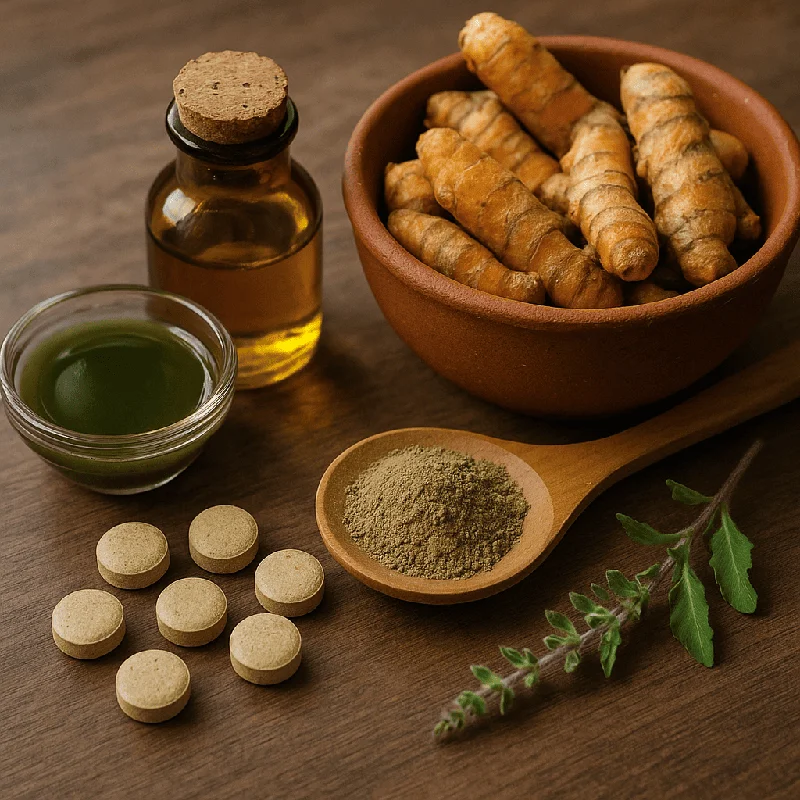
Why Ayurvedic Medicine for Regular Periods Matters More Than You Think
Okay, let’s get honest for a second. If your periods are all over the place—late, early, heavy, barely there—you’re not alone. In fact, irregular menstruation is so common these days that it’s easy to brush off. Stress? Work? Travel? Sure. But behind the scenes, your body is trying to wave a red flag. And Ayurveda, this ancient system of healing that’s been around way longer than your period tracker app, has a lot to say about it.
Ayurvedic medicine for regular periods isn’t just about throwing herbs at the problem. It’s about figuring out why your cycle’s off in the first place. Is it your diet? Are your doshas all out of whack? Are you carrying unresolved emotions that lodge themselves in your womb space? Ayurveda doesn’t just treat the symptom—it rewinds to the origin story.
Why should you care? Because having a regular period isn’t just about convenience. It’s about hormonal balance, fertility, bone health, mental well-being... honestly, your period is like a monthly health report card. And if it’s skipping classes, you need to pay attention.
Statistically speaking, irregular menstruation affects anywhere from 14% to 25% of women globally. And that number’s climbing. Polycystic ovary syndrome (PCOS), thyroid imbalances, stress-induced amenorrhea—all these modern conditions point to one thing: imbalance. Ayurveda calls it “Vikriti,” a state of disorder caused by doshic disruption.
Science is starting to catch up too. Studies have shown that Ayurvedic herbs like Ashoka, Shatavari, and Lodhra can help regulate the menstrual cycle. Panchakarma detox therapies have even demonstrated improvements in PCOS symptoms in clinical trials. We're talking real, measurable results—without the side effects of synthetic hormones.
So, what can you expect from this article? I’ll walk you through everything:
-
How Ayurveda views irregular periods (spoiler: it’s deep)
-
What causes the disruption in the first place
-
Signs you might be ignoring
-
Diagnosis and treatment options (including practical home remedies)
-
What to eat, how to live, and what to avoid
-
Real stories, real results
-
And the science behind it all
By the end, you’ll have a clearer idea of how to approach your cycle—not with frustration or fear, but with understanding, tools, and maybe even a little self-compassion.
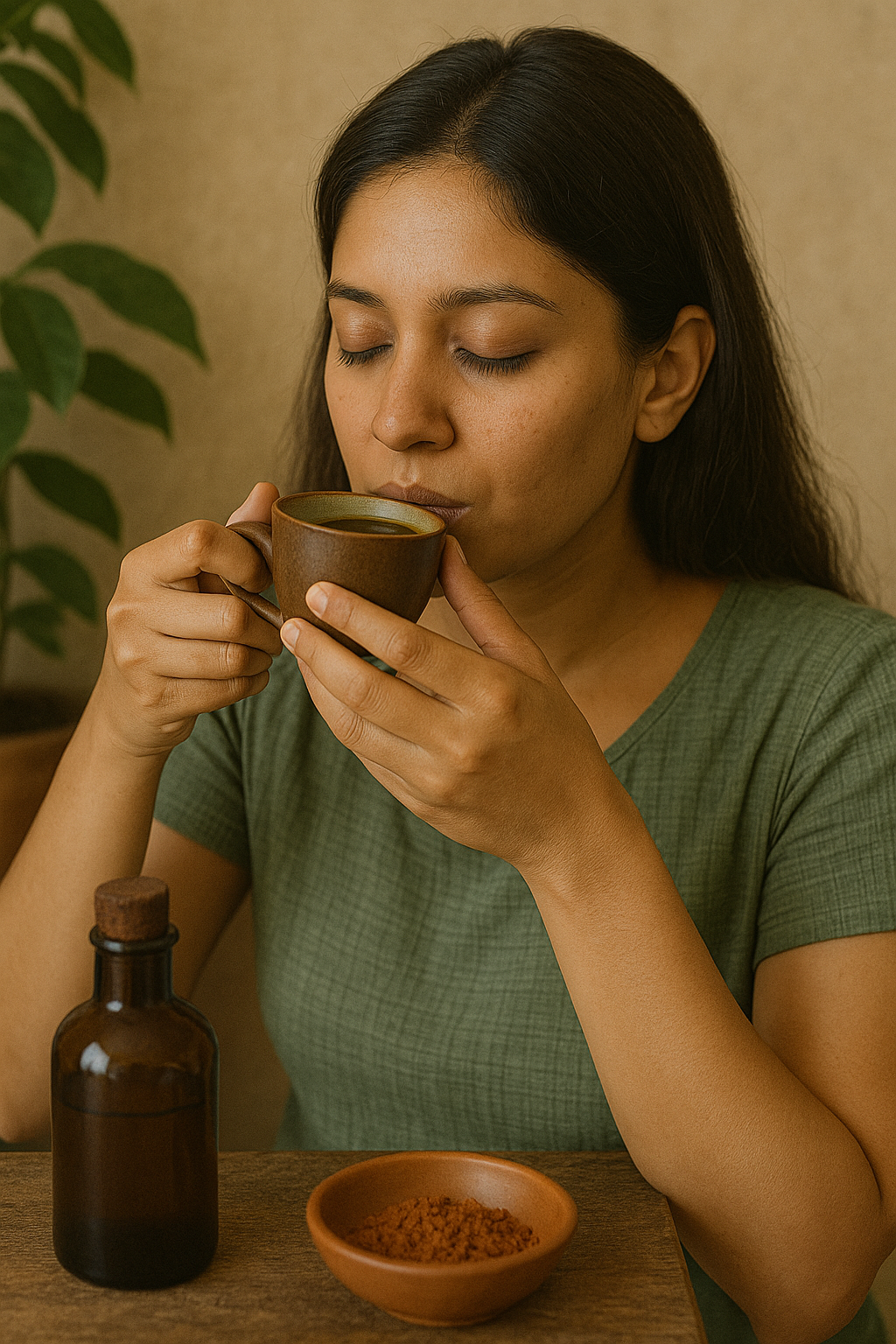
Understanding Ayurvedic Medicine for Regular Periods: A Whole New Lens
What exactly is Ayurvedic medicine for regular periods?
Let’s start with the basics—and I mean go way back. In modern terms, irregular periods are usually chalked up to hormonal imbalances. Maybe your estrogen’s low. Maybe your luteinizing hormone is partying too hard. But in Ayurveda, we look at the entire terrain. Not just the hormones, but the mind, the gut, the liver, the emotional body.
In Ayurvedic pathology, an irregular period (called “Artava Dushti”) stems from systemic dysfunction. There’s no single culprit—it’s a progression. It starts with Agni (digestive fire) going weak, leading to Ama (toxic buildup). That Ama can lodge itself in the reproductive system, especially when Vata dosha goes rogue.
Stages? Yep, it’s a full-on drama. First comes doshic imbalance (often Vata or Pitta), then comes the tissue-level disruption (Rasa and Rakta Dhatus), and finally, the malfunction of “Artavavaha Srotas” — the channels that govern menstruation. Complications can include infertility, mood disorders, acne, even cyst formation. Not exactly a minor inconvenience.
Ayurvedic Perspective: The Dance of the Doshas
From an Ayurvedic standpoint, the menstrual cycle is a mirror of your doshas.
-
Vata governs movement—if your cycle’s missing or erratic, this is your prime suspect.
-
Pitta controls transformation—think inflammation, early or heavy periods, pain.
-
Kapha rules structure—hello sluggish flow, bloating, and emotional heaviness.
But it’s rarely just one dosha misbehaving. Let’s say you're a lawyer working 12-hour days, gulping cold brew, eating at odd hours, sleeping too little—boom, Vata and Pitta are probably in overdrive. And that impacts your cycle.
Other triggers? Oh, plenty.
-
Late-night snacking
-
High-intensity workouts during your luteal phase
-
Suppressed emotions (guilt, shame, unresolved anger)
-
Cold or raw foods (terrible for Agni!)
-
Birth control pills, ironically
It’s like trying to dance when the music keeps switching genres—you just can’t find your rhythm. Ayurveda aims to restore that rhythm by calming the doshas and reviving your inner conductor.
How Ayurveda’s View is Totally Different From Conventional Medicine
Here’s where things get interesting. Western medicine sees irregular periods as a problem to “fix” with hormones—usually birth control or progesterone pills. But Ayurveda sees it as a message. Your body’s talking to you, not misfiring.
Rather than override the body with synthetic hormones, Ayurveda focuses on long-term balance:
-
Detox first, then nourish.
-
Tailored herbs, not one-size-fits-all meds.
-
Food as therapy, not fuel.
-
Daily routine as medicine.
Think of it like this: Western medicine gives you the quick fix. Ayurveda hands you the roadmap. It’s slower, yes. But it’s also deeper and more sustainable.
Why Do Our Periods Go Haywire Anyway? (Ayurvedic Causes & Triggers)
Let’s not pretend like it’s a mystery. You don’t need to be an Ayurvedic scholar to suspect that your late-night binge on chips, wine, and Netflix isn’t doing your hormones any favors. But Ayurveda gets way more specific — and honest — about what really messes with your cycle.
Main Underlying Ayurvedic Causes
Ayurveda doesn’t just say “hormonal imbalance” and walk away. It wants to know why the imbalance happened. Usually, it starts with aggravated Vata, especially Apana Vata, which governs downward movement in the body — elimination, menstruation, childbirth.
Common root causes?
-
Poor digestion leading to Ama (toxins)
-
Inconsistent routines that throw off biological rhythms
-
Emotional suppression (grief, anger, stress... yeah, all of it)
-
Overuse of birth control pills or emergency contraception
-
Excessive physical exertion or lack of rest during menstruation
-
Cold, raw, or stale food that weakens Agni (digestive fire)
One practitioner once told me, “If you eat yesterday’s pizza cold, you’re telling your womb you’re not listening.” That stuck.
Common Triggers and Risk Factors in Ayurveda
Here’s the wild part — even things like staying up past midnight or skipping breakfast can impact your period. Why? Because they disrupt your dinacharya, the daily rhythm that aligns you with nature.
Other sneaky triggers:
-
Excessive travel (Vata-aggravating)
-
Emotional trauma (especially held in the pelvic area)
-
Sedentary lifestyle (Kapha overload)
-
Crash dieting or extreme cleanses
-
Coffee overload (yes, even black and unsweetened)
How Modern Life Feeds the Problem
Let’s be real — we’re not exactly living Ayurvedically. We multitask through meals, stare at screens late into the night, eat on the go, suppress our emotions, and live under constant low-grade stress. It’s a Vata-Pitta-Kapha disaster cocktail.
That’s why more and more young women — even teens — are showing up with PCOS, cycle delays, cysts, and hormone issues. Modern living is, in a word, inflammatory. Ayurveda brings the antidote.
Is Your Body Whispering or Screaming? Signs You Shouldn’t Ignore
Sometimes your body whispers. Sometimes it throws a tantrum. Either way, irregular periods are usually just the beginning of a bigger conversation your body’s trying to have with you.
Typical Symptoms of Irregular Periods
Let’s list the usual suspects:
-
Skipped periods (amenorrhea)
-
Delayed or early cycles (oligomenorrhea/polymenorrhea)
-
Painful cramps (dysmenorrhea)
-
Scanty or excessive bleeding
-
Brown spotting before or after your period
-
Mid-cycle bleeding
-
Mood swings, bloating, acne
What you’re seeing on the outside — timing, flow, pain — is only the surface. Underneath is a pattern of doshic imbalance.
Less Obvious or Overlooked Signs
Ayurveda looks for subtler signs too.
-
Vaginal dryness or excessive discharge
-
Cold hands and feet
-
Anxiety, insomnia, or restlessness around your period
-
Digestive issues like bloating or constipation just before menstruation
-
Food cravings that change with your cycle
-
Extreme fatigue during bleeding
These point to which doshas are involved. For instance, anxiety and dry skin? Vata. Acne and irritability? Pitta. Lethargy and weight gain? Kapha.
When to Seek Ayurvedic Help — And When Not To
Honestly, if your cycle’s been off for more than 3 months, Ayurveda can help. Especially if:
-
You’re trying to conceive and want to optimize ovulation
-
You want to wean off hormonal birth control
-
You’re in perimenopause and things feel chaotic
-
You’re just done with being surprised by your period
That said, if you have extreme bleeding, severe pelvic pain, or suspect a serious condition like endometriosis or fibroids, you should consult both an Ayurvedic and allopathic doctor. Ayurveda isn’t about choosing sides — it’s about treating the root, and staying safe.
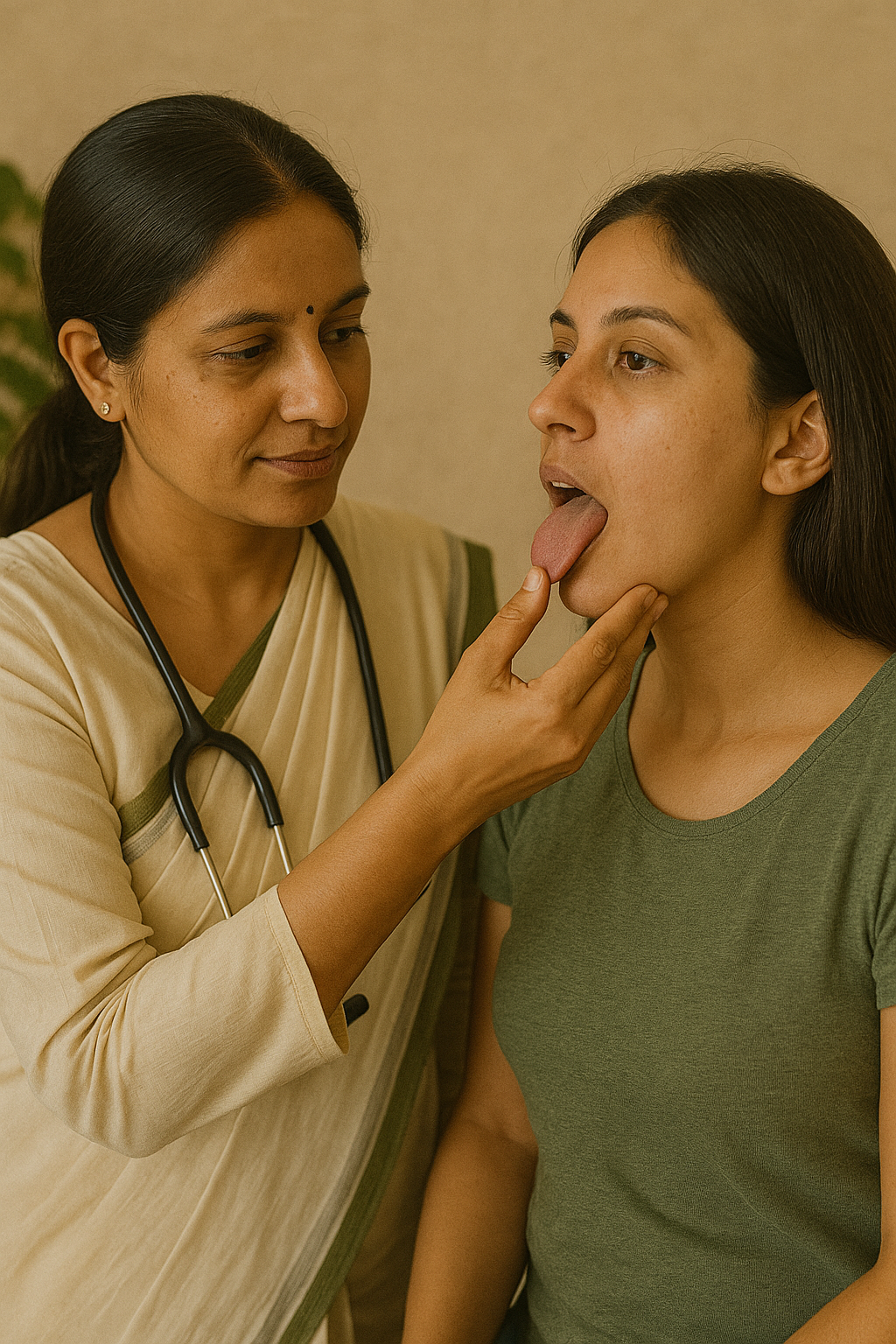
How Do They Even Diagnose This in Ayurveda?
One thing that blows people’s minds? Ayurvedic diagnosis doesn’t rely on lab reports. It starts with your story. And your pulse. And maybe even your tongue.
Pulse, Tongue & Other Traditional Methods
Let’s say you walk into an Ayurvedic clinic. Don’t expect a blood test first. Instead, your practitioner will take your Nadi Pariksha — pulse diagnosis. It’s an art and science. Each dosha has a specific rhythm in the pulse, like a musical beat. They’re listening for imbalances.
Then they’ll check your tongue — color, coating, shape, cracks. It shows the health of your digestive system, liver, even your womb.
Other signs?
It’s holistic AF.
How They Identify Dosha Imbalances for Irregular Periods
Once the pulse and symptoms are assessed, your doshic imbalance is mapped. Here's a rough guide:
-
Vata: Irregular, painful, delayed, or skipped periods
-
Pitta: Heavy bleeding, early onset, anger or skin eruptions
-
Kapha: Scanty flow, long cycles, lethargy, weight gain
Your practitioner then considers your prakriti (your original constitution) and vikriti (your current imbalance). This becomes the foundation for your personalized treatment.
You’ll probably walk out with herbs, diet advice, lifestyle changes — and a new appreciation for the wisdom pulsing through your own wrist.
Real Ayurvedic Treatments That Actually Work for Irregular Periods
Alright, let’s get practical. What can you actually do if your period’s playing hide and seek? Here's where Ayurveda brings the goods.
Herbs & Medicines That Actually Work
There’s a whole pharmacopoeia of Ayurvedic herbs used for menstrual health. Here are the all-stars:
-
Ashoka (Saraca indica): Uterine tonic, balances estrogen, especially helpful in Pitta cases.
-
Shatavari (Asparagus racemosus): Nourishes reproductive tissue, great for Vata imbalances, postpartum, or menopause.
-
Lodhra (Symplocos racemosa): Anti-inflammatory, regulates bleeding.
-
Guduchi (Tinospora cordifolia): Adaptogen, immune tonic, balances all doshas.
-
Aloe vera juice (Kumari Saar): Supports liver detox and menstrual flow.
Dosage varies, but usually:
-
Powders: 1–3g with warm water or ghee, twice daily
-
Capsules: 500mg twice a day
-
Decoctions: 15–30 ml per dose, ideally under guidance
Note: If pregnant, breastfeeding, or on medication, consult a practitioner first. Always.
Therapies & Panchakarma for Deeper Healing
If things are really off, like in PCOS or post-pill recovery, you might need Panchakarma — a detox protocol that resets the system.
-
Virechana (Purgation): Clears excess Pitta from the liver and blood
-
Basti (Medicated enemas): Balances Vata directly through the colon
-
Nasya (Nasal therapy): Calms the nervous system, often used for hormonal balance
These aren’t spa treatments. They’re serious medicine.
DIY Home Remedies That Can Help
Here’s the friendly, kitchen-level stuff:
-
Cumin + coriander + fennel tea: Balances all doshas
-
Warm sesame oil massage (Abhyanga): Daily if possible, especially before your period
-
Turmeric milk before bed: Anti-inflammatory and grounding
-
Fenugreek seeds soaked overnight: Drink the water in the morning — supports liver and hormone balance
And the simplest one? Slow down. That’s the advice no one wants, but almost everyone needs.
What Should I Eat? How Should I Live? Ayurvedic Diet & Lifestyle for Regular Periods
When it comes to irregular periods, people often ask, “What herb should I take?” Honestly? Start with your plate. And your daily rhythm. In Ayurveda, food and lifestyle aren’t just supportive — they are the treatment.
Recommended Foods and Dietary Guidelines
Think warm, nourishing, grounding. That’s the core principle, especially if Vata is the dominant imbalance.
Here’s a go-to list that works for most women with irregular cycles:
-
Cooked veggies: Carrots, beets, sweet potatoes, pumpkin — all great for building blood.
-
Whole grains: Rice, oats, quinoa — easy to digest, supportive for reproductive tissues.
-
Spices: Cumin, coriander, fennel, cinnamon, turmeric — aid digestion, balance hormones.
-
Ghee: Yes, clarified butter! Especially useful for Vata and Pitta, supports hormonal balance.
-
Sesame seeds: Rich in calcium and good fats — best roasted and ground into paste.
-
Dates and figs: Natural iron and sweetness — great for rebuilding after bleeding.
-
Mung dal + rice khichdi: The gold-standard Ayurvedic meal for detox + nourishment.
-
Warm milk with nutmeg or saffron before bed: Calms Vata, supports sleep and hormones.
How to eat matters too:
-
Eat at regular times.
-
Avoid distractions — yes, that means no Instagram scrolling while chewing.
-
Make lunch your biggest meal (your digestion is strongest midday).
-
Avoid leftovers — they're heavy and tend to generate Ama.
Foods and Drinks to Avoid
Even if you're eating ghee and turmeric, if you're also downing iced lattes and raw salads daily... you're working against yourself.
Here’s what to reduce or skip:
-
Cold and raw foods: Salad lovers, sorry. Cold suppresses Agni.
-
Caffeine: One cup? Maybe. But four? Definitely a Vata-Pitta trigger.
-
Processed or fried foods: Full of Ama-producing agents.
-
Excess sugar and dairy: Especially for Kapha-type imbalances.
-
Fermented foods (in excess): Can aggravate Pitta.
-
Alcohol: Disturbs the liver, which is key in hormone regulation.
-
Meat (especially red): Heavy, tamasic, often hard to digest.
Also, avoid food incompatible combinations, like:
Lifestyle Tips That Actually Work
Daily routine (dinacharya) is medicine in disguise.
-
Wake by 6:00–6:30 AM — aligns with Vata time, supports circulation.
-
Drink warm water with lemon or ginger upon waking.
-
Do gentle yoga or walks — avoid HIIT during your luteal phase.
-
Practice Abhyanga (oil massage) daily — use warm sesame oil.
-
Stick to regular meal times — even snacks should have a rhythm.
-
Unplug by 9:30 PM — screen time aggravates Vata and disrupts melatonin.
Avoid exercising during the first two days of your period unless it’s light walking or gentle stretching.

Real Women, Real Results — Stories That Stay With You
Let me tell you about Aditi.
She was 32, a freelance designer, chronically stressed, and hadn’t had a proper period in months. Doctors said PCOS, gave her the pill. She took it for a while but hated how it made her feel. So, she turned to Ayurveda.
She started with Panchakarma — a short detox with Virechana (therapeutic purgation), followed by six weeks of herbs: Ashoka, Shatavari, and Guduchi. Her diet shifted: warm meals, no caffeine, early dinners. She did daily Abhyanga, started journaling, even went to bed before midnight (a miracle, she said).
By month three, her cycle returned. By month six, it was consistent. She also said her skin cleared up, and she cried a lot — in a good way. It wasn’t just about the uterus. It was about all of her.
Ayurveda isn’t instant. But it is transformational.
What Does the Research Say? Scientific Backing for Ayurveda & Period Health
If you think Ayurveda is all woo and no proof, think again. Increasingly, scientific studies are exploring Ayurvedic treatments for menstrual disorders — and the results are promising.
Key Scientific Studies
-
A study published in the Journal of Ayurveda and Integrative Medicine found that Ashoka and Lodhra showed statistically significant benefits in reducing abnormal uterine bleeding.
-
Shatavari has been found to exert estrogenic effects, improving menstrual regularity and reducing PMS symptoms.
-
Guduchi, a powerful adaptogen, improves insulin sensitivity and regulates the hormonal axis — particularly helpful in PCOS-related irregularities.
-
A small trial on Panchakarma therapy in PCOS patients showed improved ovulatory cycles and reduced ovarian volume over 90 days.
These aren’t flukes — these are patterns.
Comparing Ayurveda and Conventional Medicine
Let’s be fair: modern medicine works fast. Pills regulate periods. But often temporarily. Once you stop, the problems return. And side effects? Not insignificant: mood swings, weight gain, nutrient depletion.
Ayurveda takes time — but heals the root. It also empowers patients with dietary awareness, self-care routines, and holistic perspective. It’s not “anti-science” — it’s integrative.
Best case? Use both systems when needed. It’s not either/or — it’s about wisdom and discernment.
Trusted External Sources
You can learn more from:
-
Ayush.gov.in – Government of India’s Ministry of Ayurveda
-
NCCIH.nih.gov – U.S. National Center for Complementary and Integrative Health
-
WHO.int – World Health Organization’s reports on traditional medicine
The Biggest Misunderstandings About Irregular Periods and Ayurveda
Let’s clear the air a bit.
Myth 1: “Irregular periods are normal if you’re stressed.”
Truth: Occasional shifts? Sure. But chronic irregularity is a signal — not something to normalize.
Myth 2: “Ayurveda takes forever to work.”
Truth: Healing takes time, yes. But many women see improvements in 1–3 cycles. It’s not about speed. It’s about depth.
Myth 3: “Only women with PCOS have irregular periods.”
Truth: Even without PCOS, dosha imbalances, thyroid issues, liver stagnation, or emotional trauma can cause disruption.
Myth 4: “Ayurvedic medicine is just herbs.”
Truth: Herbs are one part. Diet, routine, therapies, mindset — all of it matters.
Myth 5: “Once my periods are regular, I can go back to my old habits.”
Truth: You can. But don’t be surprised if your body starts whispering (or yelling) again.
So... Can Ayurveda Actually Fix Your Periods?
Yes. But not in the way you might think.
If you're expecting a magic pill that gets your period back in 28 days — Ayurveda probably isn’t your go-to. But if you’re looking for something that brings your body back into balance — that treats the why, not just the what — then Ayurveda has a lot to offer.
We’ve covered a lot:
-
How irregular periods often point to deeper imbalances — digestive, emotional, energetic.
-
How Ayurveda sees this condition through the lens of doshas, dhatus, and srotas.
-
What herbs, therapies, and foods actually help.
-
How your daily routine might be your greatest medicine (or your biggest problem).
-
What the research says, and how real women are healing.
Ayurvedic medicine for regular periods isn’t about masking symptoms. It’s about restoring rhythm. And that rhythm — your cycle — is sacred. It tells you where you are in life, in energy, in health. When it’s steady, you feel it. When it’s not... well, your body will keep nudging you until you pay attention.
So maybe, instead of trying to “get back to normal,” you try something new: listening.
And if you’re curious about what Ayurvedic care might look like for you, don’t just Google herbs. Book a consultation. Work with someone who sees you — your patterns, your story, your pulse. Start with a visit to Ask-Ayurveda.com to find a practitioner who can guide your path with wisdom, patience, and precision.
Your body already knows how to heal. Ayurveda just helps you remember.
FAQs – Ayurvedic Medicine for Regular Periods
1. Can Ayurveda regulate periods without hormones?
Yes. Ayurvedic treatment works by addressing the root causes of hormonal imbalance — including digestion, stress, and emotional blocks — using herbs, diet, and lifestyle changes. Many women experience restored cycles within 1–3 months without synthetic hormones.
2. Which Ayurvedic herbs are best for irregular periods?
Commonly used herbs include Ashoka, Shatavari, Lodhra, and Guduchi. Each targets specific dosha imbalances and menstrual issues. However, it’s crucial to consult an Ayurvedic practitioner to personalize dosage and combinations based on your constitution and symptoms.
3. Is Panchakarma necessary for fixing irregular cycles?
Not always. Panchakarma is powerful for deep detoxification, especially in chronic or complex cases like PCOS. But many women find relief through milder detox methods, daily routines, and herbal remedies — all without undergoing intensive therapy.
4. How long does it take for Ayurveda to work on period problems?
It depends. Some notice changes within one menstrual cycle, while others take 3–6 months. Healing speed varies based on the severity of the imbalance, your adherence to treatment, and overall lifestyle. Ayurveda is a slow-cooked solution, not a microwave fix.
5. Can Ayurveda help if I have no periods at all? (Amenorrhea)
Yes, particularly if caused by stress, weight changes, or hormonal imbalance. Ayurvedic treatment for amenorrhea includes nourishing tonics, stress-reducing therapies, and dietary changes. However, structural issues (like Asherman's syndrome) may require integrative or conventional care.
References & Authoritative Sources
For deeper reading, scientific studies, and trusted resources on Ayurvedic treatment and menstrual health, explore:
-
Ministry of AYUSH – Government of India
Official government portal on Ayurveda, including research, practitioner listings, and health programs.
-
World Health Organization (WHO)
Global insights on traditional and complementary medicine systems and women's health.
-
National Center for Complementary and Integrative Health (NCCIH)
U.S. government resource offering scientific research and safety guidance on natural therapies.
-
All India Institute of Ayurveda (AIIA)
Premier Ayurvedic medical institute offering education, treatment, and validated clinical protocols.
-
PubMed Central – NIH
Extensive library of peer-reviewed studies on Ayurvedic treatments for menstrual disorders and hormonal health.