हमारी आयुर्वेदिक विशेषज्ञों की टीम
सुविधाजनक खोज आपको निम्नलिखित मापदंडों के आधार पर अच्छे विशेषज्ञों को खोजने की अनुमति देती है: डॉक्टर की रेटिंग, कार्य अनुभव, रोगी समीक्षाएँ, विशेषज्ञता, शैक्षणिक डिग्री, और ऑनलाइन उपस्थिति।
पृष्ठ पर, आप किसी डॉक्टर के साथ व्यक्तिगत परामर्श प्राप्त कर सकते हैं। कई डॉक्टर कॉन्सिलियम प्रारूप में ऑनलाइन परामर्श प्रदान करते हैं (कई डॉक्टरों से प्रश्न और उत्तर)।
वर्तमान में ऑनलाइन
केवल समीक्षाओं के साथ
आयुर्वेदिक डॉक्टर
6
परामर्श:
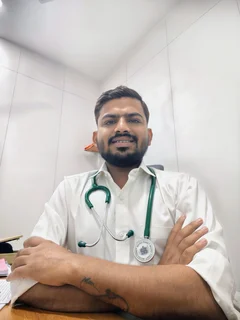
Dr. Haresh Vavadiya
star_border
5
2,261
169 समीक्षाएँ
I am an Ayurvedic doctor currently practicing at Ayushakti Ayurveda—which honestly feels more like a learning ecosystem than just a clinic. Being here has changed the way I look at chronic conditions. You don’t just treat the label—you go after the cause, layer by layer, and that takes patience, structure, and real connection with the person sitting in front of you.
Ayushakti has been around 33+ years, with global reach and seriously refined clinical systems. That means I get to work with protocols that are both deeply rooted in traditional Ayurveda and also super practical for today’s world. Whether I’m managing arthritis, asthma, skin issues like eczema or psoriasis, hormone trouble, gut problems, or stress overload—my first step is always a deep analysis. Prakriti, doshas, ahar-vihar, past treatments—everything gets mapped out.
Once I’ve got that picture clear, I create a plan using herbal medicines, detox programs (especially Panchakarma), Marma therapy if needed, and definitely food and routine corrections. But nothing’s random. Each piece is chosen for *that* person. And I don’t just prescribe—I explain. Because when someone knows *why* they’re doing a certain thing, they stick with it longer, and the results hold.
One thing I’ve learned while working here is how powerful Ayurved can be when it's structured right. At Ayushakti, that structure exists. It helps me treat confidently and track results properly. Whether I’m working with a first-time visitor or a patient who’s been dealing with the same thing for 10 years, my goal stays the same—help their system return to a natural, sustainable state of balance.
What I really enjoy is seeing how people’s mindset changes once they start to feel better. When they stop depending on just temporary relief and start building their health from within—that’s when the real shift happens. And being part of that shift? That’s why I do this.

Dr. Suchin M
star_border
5
4,479
74 समीक्षाएँ
I am someone who’s honestly just really drawn to how deep Ayurveda goes—like really deep—not just treating what’s showing on the surface but getting into what’s actually causing it underneath. I really believe that even those complicated lifestyle diseases, stuff like diabetes or BP or obesity that people think they’ll just have to live with forever, can totally be managed with Ayurvedic principles. Not magically or overnight, but through proper diagnosis, diet tweaks, daily habits, and herbs that actually work if you use them right. That’s the part I focus on—making Ayurveda work practically, not just in theory.
After finishing my BAMS, I’ve worked with chronic conditions for over a year now in clinical setups. Mostly patients dealing with long-term stuff that doesn’t go away with one pill—usually the kind of disorders rooted in stress, wrong food choices or too much sitting. I’ve seen that if you really listen first, like actually listen—hear their story, feel where they’re coming from—half the work’s already done. Then when you assess their Prakriti, figure out where the doshas are out of balance, and connect that with their history (plus any modern test reports they might bring), it gives you this full picture that’s so valuable.
My treatment plans aren't one-size-fits-all. Sometimes it’s about bringing agni back into balance. Sometimes just clearing aam helps. Most people are shocked that things like bloating or even periods issues can shift just by aligning food and herbs with their constitution. And if the case is acute or there’s a red flag, I have no problem referring for emergency allopathic care. Integrative care makes sense—Ayurveda doesn’t have to be isolated from modern medicine.
My aim? It's not just to fix a symptom. I want people to feel at ease in their own body again. To build habits they don’t need to break later. To know their own rhythm, not just follow some generic health trend. That’s what Ayurvedic healing means to me... not perfect, but real.

Dr. Ravi Chandra Rushi
star_border
5
2,690
973 समीक्षाएँ
I am working right now as a Consultant Ayurvedic Ano-Rectal Surgeon at Bhrigu Maharishi Ayurvedic Hospital in Nalgonda—and yeah, that name’s quite something, but what really keeps me here is the kind of cases we get. My main focus is managing ano-rectal disorders like piles (Arsha), fistula-in-ano (Bhagandara), fissure-in-ano (Parikartika), pilonidal sinus, and rectal polyps. These are often more complex than they look at first, and they get misdiagnosed or overtreated in a lotta places. That’s where our classical tools come in—Ksharasutra therapy, Agnikarma, and a few other para-surgical techniques we follow from the Samhitas...they’ve been lifesavers honestly.
My work here pushes me to keep refining surgical precision while also sticking to the Ayurvedic core. I do rely on modern diagnostics when needed, but I won’t replace the value of a well-done Nadi Pariksha or assessing dosha-vikruti in depth. Most of my patients come with pain, fear, and usually after a couple of rounds of either incomplete surgeries or just being fed painkillers n antibiotics. And I totally get that frustration. That’s why I combine surgery with a whole support plan—Ayurvedic meds, diet changes, lifestyle tweaks that actually match their prakriti. Not generic stuff off a handout.
Over time, I’ve seen that when people follow the whole protocol, not just the procedure part, the recurrence drops a lot. I’m quite particular about follow-up and wound care too, ‘cause we’re dealing with delicate areas here and ignoring post-op can ruin outcomes. Oh and yeah—I care a lot about educating folks too. I talk to patients in OPD, sometimes give community talks, just to tell people they do have safer options than cutting everything out under GA!
I still study Shalya Tantra like it’s a living document. I try to stay updated with whatever credible advancements are happening in Ayurvedic surgery, but I filter what’s fluff and what’s actually useful. At the end of the day, my aim is to offer respectful, outcome-based care that lets patients walk out without shame or fear. That’s really what keeps me grounded in this field.

Dr. Anirudh Deshmukh
3,823
0 समीक्षाएँ
I am Dr Anurag Sharma, done with BAMS and also PGDHCM from IMS BHU, which honestly shaped a lot of how I approach things now in clinic. Working as a physician and also as an anorectal surgeon, I’ve got around 2 to 3 years of solid experience—tho like, every day still teaches me something new. I mainly focus on anorectal care (like piles, fissure, fistula stuff), plus I work with chronic pain cases too. Pain management is something I feel really invested in—seeing someone walk in barely managing and then leave with actual relief, that hits different.
I’m not really the fancy talk type, but I try to keep my patients super informed, not just hand out meds n move on. Each case needs a bit of thinking—some need Ksharasutra or minor para surgical stuff, while others are just lifestyle tweaks and herbal meds. I like mixing the Ayurved principles with modern insights when I can, coz both sides got value really. It’s like—knowing when to go gentle and when to be precise.
Right now I’m working hard on getting even better with surgical skills, but also want to help people get to me before surgery's the only option. Had few complicated cases where patience n consistency paid off—no shortcuts but yeah, worth it.
The whole point for me is to actually listen first, like proper listen. People talk about symptoms but also say what they feel—and that helps in understanding more than any lab report sometimes. I just want to stay grounded in my work, and keep growing while doing what I can to make someone's pain bit less every day.

Dr. Anupriya
star_border
5
2,318
536 समीक्षाएँ
I am an Ayurvedic doctor trained at one of the most reputed institutes (yeah, the kind that makes u sweat but also feel proud lol) where I completed my BAMS with 70%—not just numbers but real grind behind it. My focus during & after graduation has always been on treating the patient not just the disease, and honestly that philosophy keeps guiding me even now.
I usually see anywhere around 50 to 60 patients a day, sometimes more if there's a health camp or local rush. It’s hectic, but I kinda thrive in that rhythm. What matters to me is not the number but going deep into each case—reading every complaint, understanding symptoms, prakriti, current state, season changes etc. and putting together a treatment that feels “right” for that person, not just for the condition.
Like, I don’t do one-size-fits-all plans. I sit down, make case reports (yup, proper handwritten notes sometimes), observe small shifts, modify herbs, suggest diet tweaks, even plan rest patterns when needed. I find that holistic angle super powerful. And patients feel it too—some who come in dull n restless, over weeks show clarity, skin settles, energy kinda gets back... that makes the day worth it tbh.
There’s no shortcut to trust, and i get that. Maybe that’s why patients keep referring their siblings or maa-papa too. Not bragging, but when people say things like “you actually listened” or “I felt heard”, it stays in the back of my mind even when I’m dog tired lol.
My goal? Just to keep learning, treating honestly and evolving as per what each new case teaches me. Ayurveda isn’t static—it grows with u if u let it. I guess I’m just walking that path, one custom plan at a time.

Dr. Rajan soni
star_border
5
1,331
33 समीक्षाएँ
I am working in Ayurveda field from some time now, started out as a general physician at Chauhan Ayurveda Hospital in Noida. That place taught me a lot—how to handle different types of patients in OPD, those daily cases like fever, digestion issues, body pain... but also chronic stuff which keeps coming back. After that I moved to Instant Aushadhalya—an online Ayurveda hospital setup. Whole different space. Consultations online ain’t easy at first—no pulse reading, no direct Nadi check—but you learn to ask the right things, look at patient’s tone, habit patterns, timing of symptoms... and yeah it actually works, sometimes even better than in person.
Right now I’m working as an Ayurveda consultant at Digvijayam Clinic where I’m focusing more on individualised care. Most ppl come here with stress-related problems, digestion issues, joint pain, that kind of mix. I go by classic diagnosis principles like prakriti analysis, dosha imbalance and all, but also mix in what I learned from modern side—like understanding their lifestyle triggers, screen time, sleep cycles, food gaps n stress patterns.
I don’t rush into panchakarma or heavy medicines unless it’s needed... prefer starting with simple herbs, diet change, basic daily routine correction. If things demand, then I go stepwise into Shodhan therapies. My goal is to not just “treat” but to help ppl know what’s happening in their body and why its reacting like that. That awareness kinda becomes half the cure already.
Not everything is perfect. Sometimes ppl don’t follow what you say, sometimes results are slow, and yeah that gets to you. But this path feels honest. It’s slow, grounded, and meaningful.
नवीनतम समीक्षाएँ

Nora
8 घंटे पहले
Super helpful and straight to the point! Really appreciate the clear advice and why avoiding basti is crucial right now. Thanks a lot!
Super helpful and straight to the point! Really appreciate the clear advice and why avoiding basti is crucial right now. Thanks a lot!
FAQ
आयुर्वेदिक डॉक्टर से प्रश्न कैसे पूछें?
keyboard_arrow_down
साइट पर परामर्श के लिए क्या करना चाहिए?
keyboard_arrow_down
डॉक्टर की रेटिंग किस पर निर्भर करती है?
keyboard_arrow_down
अतिरिक्त दस्तावेज़
© 2024 Ask Ayurveda. सर्वाधिकार सुरक्षित।