Our Team of Ayurvedic Experts
Convenient search allows you to find good specialists based on the following parameters: doctor’s rating, work experience, patient reviews, specialization, academic degree, and online presence.
On the page, you can get an individual consultation with a doctor. Many doctors provide online consultations in a consilium format (questions and answers from multiple doctors).
Currently online
With reviews only
Ayurvedic doctors
6
Consultations:
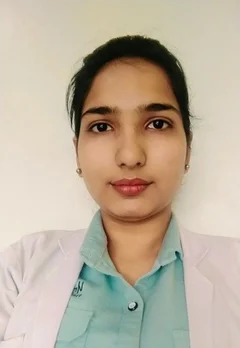
Dr. Anjali Sehrawat
star_border
5
2,975
512 reviews
I am Dr. Anjali Sehrawat. Graduated BAMS from National College of Ayurveda & Hospital, Barwala (Hisar) in 2023—and right now I'm doing my residency, learning a lot everyday under senior clinicians who’ve been in the field way longer than me. It’s kind of intense but also really grounding. Like, it makes you pause before assuming anything about a patient.
During my UG and clinical rotations, I got good hands-on exposure... not just in diagnosing through Ayurvedic nidan but also understanding where and when Allopathic tools (like lab reports or acute interventions) help fill the gap. I really believe that if you *actually* want to heal someone, you gotta see the whole picture—Ayurveda gives you that depth, but you also need to know when modern input is useful, right?
I’m more interested in chronic & lifestyle disorders—stuff like metabolic imbalances, stress-linked issues, digestive problems that linger and slowly pull energy down. I don’t rush into giving churnas or kashayams just bcz the texts say so... I try to see what fits the patient’s prakriti, daily habits, emotional pattern etc. It’s not textbook-perfect every time, but that’s where the real skill grows I guess. I do a lot of thinking abt cause vs symptom—sometimes it's not the problem you see that actually needs solving first.
What I care about most is making sure the treatment is safe, ethical, practical, and honest. No overpromising, no pushing meds that don’t fit. And I’m always reading or discussing sth—old Samhitas or recent journals, depends what the case demands. My goal really is to build a practice where people feel seen & understood, not just “managed.” That's where healing actually begins, right?

Dr. Maitri Bhavesh Kumar Acharya
star_border
5
6,504
707 reviews
I am Dr. Maitri, currently in my 2nd year of MD in Dravyaguna, and yeah, I run my own Ayurvedic clinic in Ranoli where I’ve been seeing patients for 2 years now. Honestly, what pulled me into this path deeper is how powerful herbs really are—when used right. Not just randomly mixing churnas but actually understanding their rasa, virya, vipaka etc. That’s kinda my zone, where textbook knowledge meets day-to-day case handling.
My practice revolves around helping people with PCOD, acne, dandruff, back pain, stiffness in knees or joints that never seem to go away. And I don’t jump to giving a long list of medicines straight away—first I spend time figuring out their prakriti, their habits, food cycle, what triggers what… basically all the small stuff that gets missed. Then comes the plan—herbs (single or compound), some diet reshuffling, and always some lifestyle nudges. Sometimes they’re tiny, like sleep timing. Sometimes big like proper seasonal detox.
Being into Dravyaguna helps me get into the depth of herbs more confidently. I don’t just look at the symptom—I think okay what guna will counter this? Should the drug be snigdha, ushna, tikta? Is there a reverse vipaka that’ll hurt the agni? I ask these questions before writing any combo. That’s made a huge diff in outcomes. Like I had this case of chronic urticaria that would flare up every week, and just tweaking the herbs based on sheetala vs ushna nature... helped calm the system in 3 weeks flat. Not magic, just logic.
I also work with women who are struggling with hormonal swings, mood, delayed periods or even unexplained breakouts. When hormones go haywire, the skin shows, digestion slows, and mind gets foggy too. I keep my approach full-circle—cleansing, balancing, rejuvenating. No quick fixes, I tell them early on.
What I’m hoping to do more of now is make Ayurveda feel practical. Not overwhelming. Just simple tools—ahara, vihara, aushadha—used consistently, with some trust in the body’s own healing. I’m still learning, still refining, but honestly, seeing people feel in control of their health again—that’s what keeps me rooted to this.

Dr. Sumi. S
star_border
5
1,349
83 reviews
I am an Ayurvedic doc trained mainly in Shalakya Tantra—basically, I work a lot with issues of the eyes, ears, nose, oral cavity, head... all that ENT zone. It’s a really specific branch of Ayurveda, and I’ve kind of grown to appreciate how much it covers. I deal with all kinds of conditions like Netra Abhishyanda (kinda like conjunctivitis), Timira and Kacha (early or full-on cataract), Adhimantha (glaucoma stuff), Karna Srava (ear discharge), Pratishyaya (chronic colds n sinus), Mukhapaka (mouth ulcers), and even dental stuff like Dantaharsha (teeth sensitivity) or Shirashool (headaches & migraines).
I use a mix of classic therapies—Tarpana, Nasya, Aschyotana, Karna Purana, even Gandusha and Dhoomapana when it fits. Depends on prakriti, the season, and where the person’s really struggling. Rasayana therapy and internal meds are there too of course but I don’t just throw them in blindly... every plan’s got to make sense to that individual. It’s kind of like detective work half the time.
But honestly, my clinical work hasn't been just about Shalakya. I’ve got around two yrs of broader OPD experience where I’ve also handled chronic stuff like diabetes, thyroid issues, arthritis flares, PCOS, IBS-type gut problems, and some hormonal imbalances in women too. I kind of like digging into the layers of a case where stress is playing a role. Or when modern bloodwork says one thing, but the symptoms are telling me something else entirely.
I use pathology insights but don’t let reports override what the patient's body is clearly saying. That balance—between classical Ayurvedic drishtis and modern diagnostic tools—is what I’m always aiming for. I also try to explain things to patients in a way they’ll get it. Because unless they’re on board and actually involved, no healing really works long-term, right?
It’s not all picture-perfect. Sometimes I still re-read my Samhitas when I'm stuck or double check new case patterns. And sometimes my notes are a mess :) But I do try to keep learning and adapting while still keeping the core of Ayurveda intact.

Dr. Anirudh Deshmukh
3,965
0 reviews
I am Dr Anurag Sharma, done with BAMS and also PGDHCM from IMS BHU, which honestly shaped a lot of how I approach things now in clinic. Working as a physician and also as an anorectal surgeon, I’ve got around 2 to 3 years of solid experience—tho like, every day still teaches me something new. I mainly focus on anorectal care (like piles, fissure, fistula stuff), plus I work with chronic pain cases too. Pain management is something I feel really invested in—seeing someone walk in barely managing and then leave with actual relief, that hits different.
I’m not really the fancy talk type, but I try to keep my patients super informed, not just hand out meds n move on. Each case needs a bit of thinking—some need Ksharasutra or minor para surgical stuff, while others are just lifestyle tweaks and herbal meds. I like mixing the Ayurved principles with modern insights when I can, coz both sides got value really. It’s like—knowing when to go gentle and when to be precise.
Right now I’m working hard on getting even better with surgical skills, but also want to help people get to me before surgery's the only option. Had few complicated cases where patience n consistency paid off—no shortcuts but yeah, worth it.
The whole point for me is to actually listen first, like proper listen. People talk about symptoms but also say what they feel—and that helps in understanding more than any lab report sometimes. I just want to stay grounded in my work, and keep growing while doing what I can to make someone's pain bit less every day.

Dr. Gursimran Jeet Singh
star_border
5
2,013
362 reviews
I am Dr. Gursimran Jeet Singh, born and raised in Punjab where culture and traditions almost naturally guided me toward Ayurveda. From very early days I felt more drawn to natural ways of healing, and this curiosity finally led me to pursue Bachelor of Ayurvedic Medicine and Surgery (BAMS) at Shri Dhanwantry Ayurvedic College, Chandigarh—an institution known for shaping strong Ayurvedic physicians. During those years I learned not only the classical texts and treatment methods, but also how to look at health through a very practical, human lense.
For the past five years I worked in clinical practice, where patients come with wide range of concerns—from chronic digestion troubles to autoimmune illness—and I try to integrate both Ayurveda and modern medical knowledge to give them the most complete care I can. Sometimes western diagnostics help me to understand the stage of disease, while Ayurveda helps me design treatment that address root cause. This bridging approach is not always easy, but I believe it’s necessary for today’s health challanges.
Currently I am also pursuing higher studies in Panchakarma therapy. Panchakarma is an area I feel very strongly about—it is not just detox, it is a whole system of cleansing, rejuvenation, rebalancing, and I want to deepen my expertise here. In practice, I combine Panchakarma with lifestyle guidance, diet planning, herbal remedies, yoga and mindfulness practices depending on what a patient actually needs at that moment. No two cases are same, and Ayurveda reminds me daily that healing must be personal.
My approach is always focused on root-cause management rather than temporary relief. Diet, herbs, therapeutic oils, meditation routines, and simple daily habits—they all work together when chosen rightly. Sometimes results come slow, sometimes faster, but I try to keep care sustainable and compassionate. Helping someone regain energy, sleep better, or reduce pain, that is the real achievement in my journey. And I continue learning, because Ayurveda is deep, it doesn’t finish with one degree or one training, it grow with every patient and every experiance.My specialties lie in treating a range of chronic and lifestyle-related conditions using Ayurveda’s time-tested principles, tailored to each individual’s unique constitution (Prakriti). I have significant expertise in managing digestive disorders, such as irritable bowel syndrome (IBS), acid reflux, constipation, diabetes, obesity and inflammatory bowel diseases.
I also specialize in addressing stress-related and mental health conditions, including anxiety, depression, insomnia, and burnout, which are increasingly common in today’s fast-paced world. By integrating therapies like Shirodhara (oil pouring on the forehead) to calm the nervous system, Abhyanga (herbal oil massages) to balance Vata dosha, and adaptogenic herbs like Ashwagandha and Brahmi, I help patients achieve mental clarity and emotional resilience.
In the field of musculoskeletal and joint health, I excel in treating conditions like arthritis (rheumatoid and osteoarthritis), back pain, sciatica, and sports injuries. Using therapies such as Kati Basti (localized oil retention on the lower back) and potent anti-inflammatory herbs like Guggulu and Shallaki, I focus on reducing inflammation, improving joint mobility, and strengthening tissues. My treatments have helped many patients, particularly those seeking non-invasive alternatives, regain mobility and reduce pain through a blend of internal medications and external therapies.
Skin disorders are another key area of my practice, where I address conditions like eczema, psoriasis, acne, and pigmentation issues holistically. By focusing on blood purification and balancing Pitta dosha and detoxifying Panchakarma techniques like Raktamokshana (bloodletting). My approach targets dietary and lifestyle triggers, offering sustainable results for clients who previously relied on temporary solutions like topical steroids.
My dual expertise in Ayurveda and modern medicine allows me to create integrative treatment plans that are both effective and safe.
I am deeply committed to patient education, empowering individuals to embrace Ayurvedic principles for sustainable health. Through this online platform, I am excited to offer virtual consultations, making the profound benefits of Ayurveda accessible to all. Whether you seek relief from a specific condition or aim to enhance overall vitality, I look forward to guiding you on your journey to balance and well-being with compassion and expertise.

Dr. Nayan Wale
star_border
5
228
1 reviews
I am working in medical field for total 7 years, out of which around 4 years was in hospital setup and 3 years in clinic practice. Hospital work gave me strong base, long duty hours, different type of cases, emergencies sometimes, and learning under pressure. Clinic work is different, slower but deeper, where I sit with patients, listen more, explain things again n again, and follow them over time.
In hospital I handled day to day OPD cases, routine management, and also assisted seniors when things got complicated. That phase shaped my clinical thinking a lot, even now I sometimes catch myself thinking like hospital mode when a case looks serious. Clinic practice on the other hand taught me patience. Patients come with chronic issues, expectations, doubts, sometimes fear, and I had to adjust my approach accordingly.
I focus on practical treatment planning, not just diagnosis on paper. Some days I feel I should have more time with each patient, but I try to balance it. My experience across hospital and clinic helps me understand both acute care and long term disease management. I still keep learning everyday, reading, observing patterns, correcting myself when needed, because medicine never stays same for long, and neither should the doctor.
Latest reviews

Warren
3 hours ago
Thanks a lot for the advice! Really liked the detailed, clear response on how to manage everything. Feeling way better about my next steps.
Thanks a lot for the advice! Really liked the detailed, clear response on how to manage everything. Feeling way better about my next steps.
FAQ
How to ask ayurvedic doctor a question?
keyboard_arrow_down
What should be done to consult on the site?
keyboard_arrow_down
What does the doctor’s rating depend on?
keyboard_arrow_down
© 2024 Ask Ayurveda. All rights reserved.